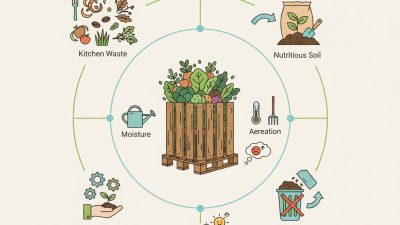
2026 Best Food Scrap Recycler Options for Eco Friendly Waste Management?
In today's world, managing food waste responsibly is crucial. A Food Scrap Recycler can be an excellent solution for households and businesses. These devices break down organic waste, reducing landfill contributions. By recycling food scraps, we can make a significant positive impact on the environment.
Choosing the right Food Scrap Recycler requires careful consideration. Many options are available, each with unique features and capabilities. Some are compact, ideal for small kitchens, while others accommodate larger volumes. The effectiveness of these recyclers can vary. It’s important to reflect on which model fits your needs best.
As we explore the best Food Scrap Recycler options for 2026, we must acknowledge the challenges. Not all products perform as advertised. Some require more upkeep than expected. Additionally, understanding your local waste management policies is essential. This knowledge will guide you in selecting a system that aligns with eco-friendly practices.
Overview of Food Scrap Recycling Benefits for Environmental Sustainability
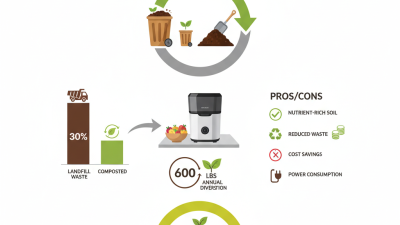
Food scrap recycling offers numerous benefits for environmental sustainability. It helps reduce landfill waste, which is a growing concern in urban areas. When food scraps decompose in landfills, they release greenhouse gases. These gases contribute to climate change. By recycling food scraps, we can significantly lower these emissions.
Using food scraps in composting practices enriches the soil. This creates a healthier environment for plants.
Gardeners who use compost report better crop yields. Additionally, composting can attract beneficial insects, like earthworms. These small creatures play a vital role in maintaining soil health.
Yet, many people overlook the importance of composting. They may find it confusing or time-consuming.
Educational initiatives can bridge this gap. Schools and communities can offer workshops about proper composting techniques. They could provide bins for residents to encourage participation. However, individuals must reflect on their habits. Are we truly committed to reducing waste, or is it just a trend? The choices we make daily can have a lasting impact on our planet's future.
Types of Food Scrap Recycling Methods: Composting vs. Anaerobic Digestion
Food scrap recycling is essential for eco-friendly waste management. Two main methods stand out: composting and anaerobic digestion. Each has unique benefits and challenges. Composting is a natural process. It takes kitchen scraps and yard waste to create rich soil. This method is accessible and can be done at home. However, it requires time and careful monitoring of materials. Improper ratios lead to unpleasant odors and pests.
Anaerobic digestion, on the other hand, breaks down food scraps in sealed tanks. Microorganisms thrive without oxygen. This method produces biogas, which can be used as renewable energy. It is efficient and can handle large quantities of waste. However, it requires specialized equipment, making it less accessible for individuals. The initial investment can be high.
Both methods offer viable solutions, but they are not without flaws. Finding the right approach depends on individual needs and resources. Some may appreciate composting's simplicity while others might opt for the efficiency of anaerobic digestion. It’s essential to consider local conditions and available technology while choosing the best method.
Comparison of Food Scrap Recycling Methods: Composting vs. Anaerobic Digestion
Top Eco-Friendly Food Scrap Recycler Products for Home Use in 2026
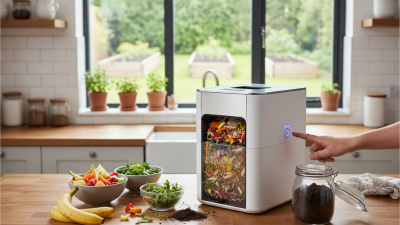
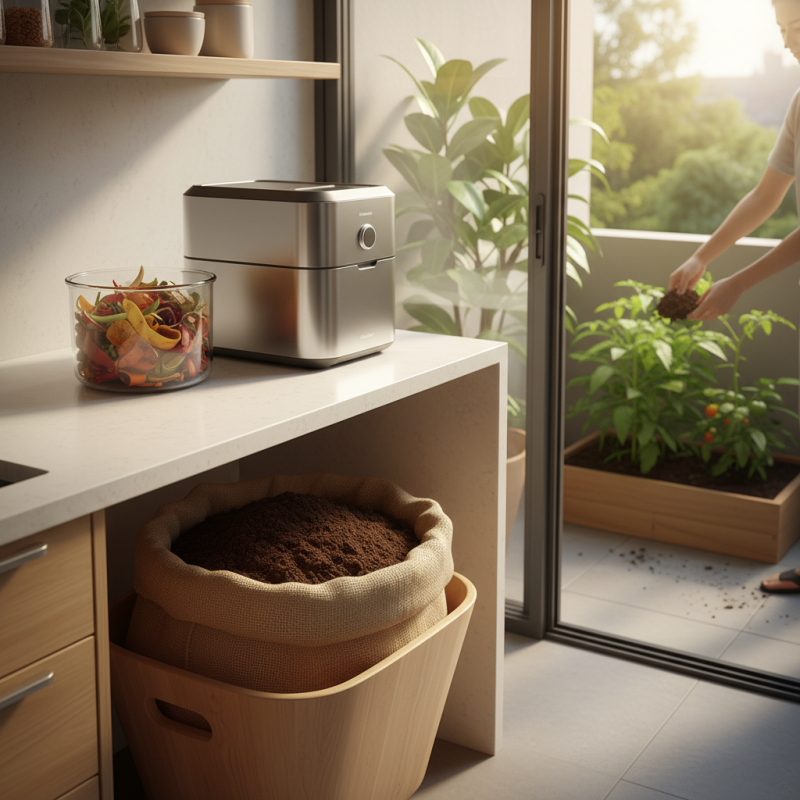
As more people become eco-conscious, home food scrap recyclers are growing in popularity. These compact devices help reduce kitchen waste. They transform scraps into compost or nutrient-rich soil. Many options are available, making it easier to choose one that fits your needs.
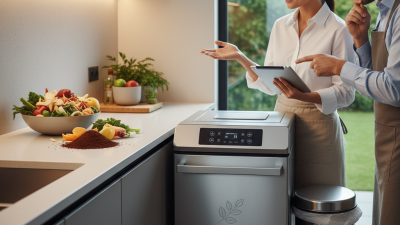
When selecting a food scrap recycler, consider how much waste you generate. Some models are ideal for small families, while others handle larger volumes. Features vary widely: some are noiseless, while others process scraps quickly. Materials used in construction also matter. Durability ensures that your recycler can withstand regular use.
It's important to reflect on what works for you. Are you ready to compost? Can you commit to using the final product? The learning curve might be steep for beginners. It’s a simple process, but it takes time to master. Investing in a reliable food scrap recycler can be a rewarding step in your eco-friendly journey.
2026 Best Food Scrap Recycler Options for Eco Friendly Waste Management
| Type |
Capacity (Gallons) |
Composting Method |
Customization |
Price Range ($) |
| Indoor Bin |
1.5 |
Anaerobic |
Yes |
30 - 50 |
| Outdoor Bin |
10 |
Aerobic |
No |
100 - 200 |
| Worm Composting |
2 |
Vermicomposting |
Yes |
40 - 80 |
| Electric Composter |
2.5 |
Instant Composting |
Limited |
200 - 400 |
| Compost Tumbler |
5 |
Aerobic |
Yes |
80 - 150 |
Commercial Food Scrap Recycling Solutions for Businesses and Institutions
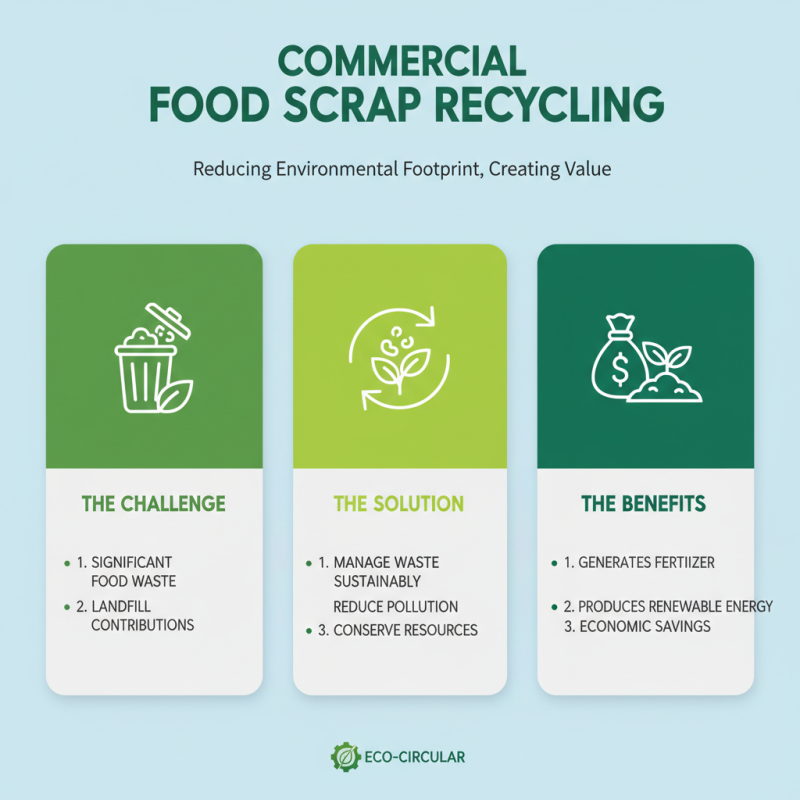
In today's world, businesses and institutions are looking for ways to reduce their environmental footprint. Food waste is a significant issue, and recycling options are evolving. Many organizations are exploring commercial food scrap recycling to manage waste more sustainably. This approach not only reduces landfill contributions but also generates valuable fertilizers and energy.
Implementing a food scrap recycling program can be challenging. Companies often face logistics hurdles. For instance, determining how to collect and transport scraps efficiently requires careful planning. Some facilities might struggle with staff training and awareness. It’s essential to educate employees about sorting practices to prevent contamination. There’s sometimes resistance, and addressing concerns openly fosters a better workplace culture around waste management.
Additionally, businesses may need to invest in the right infrastructure. Setting up compost bins or digesters requires budget considerations. This could lead to second thoughts about the return on investment. However, the long-term savings on waste disposal fees can be significant. Overall, adopting a food scrap recycling program can be rewarding, despite its hurdles. Engaging in the process also encourages a broader commitment to sustainability.
Future Trends in Food Scrap Recycling Technologies and Practices
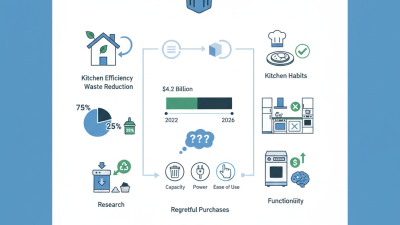
Food scrap recycling is rapidly evolving. The latest data indicates that in 2022, around 30% of food produced for human consumption was wasted. This staggering figure highlights the need for effective recycling technologies. Experts predict growth in anaerobic digestion and composting techniques. These methods can significantly reduce landfill waste and enhance soil health.
Advancements in technology are pivotal. Smart bins equipped with sensors can track waste types. They help ensure proper sorting and facilitate recycling. Also, mobile applications are emerging. These tools educate users about food scrap recycling practices. However, challenges remain. Not all municipalities have access to these technologies. Some communities still lack awareness of food scrap recycling benefits.
The future looks promising yet complicated. A report from the Environmental Protection Agency suggests that effective public awareness campaigns could boost recycling rates by 20%. There’s a need to reconsider current practices. Increased collaboration between local governments and businesses is essential. Only then can we create a robust food scrap recycling ecosystem.

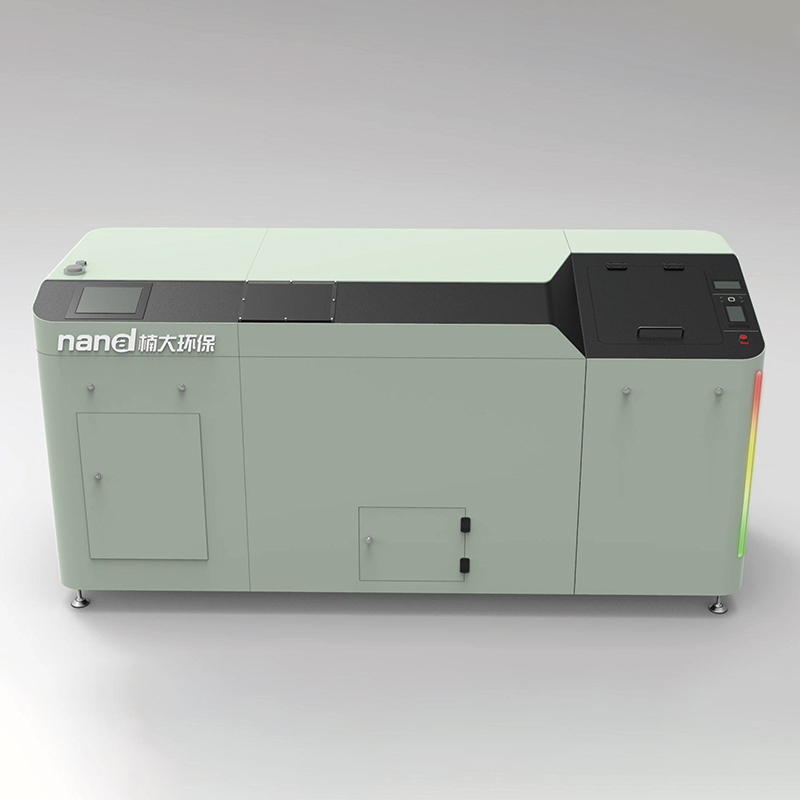 Nanda Trans Series-200
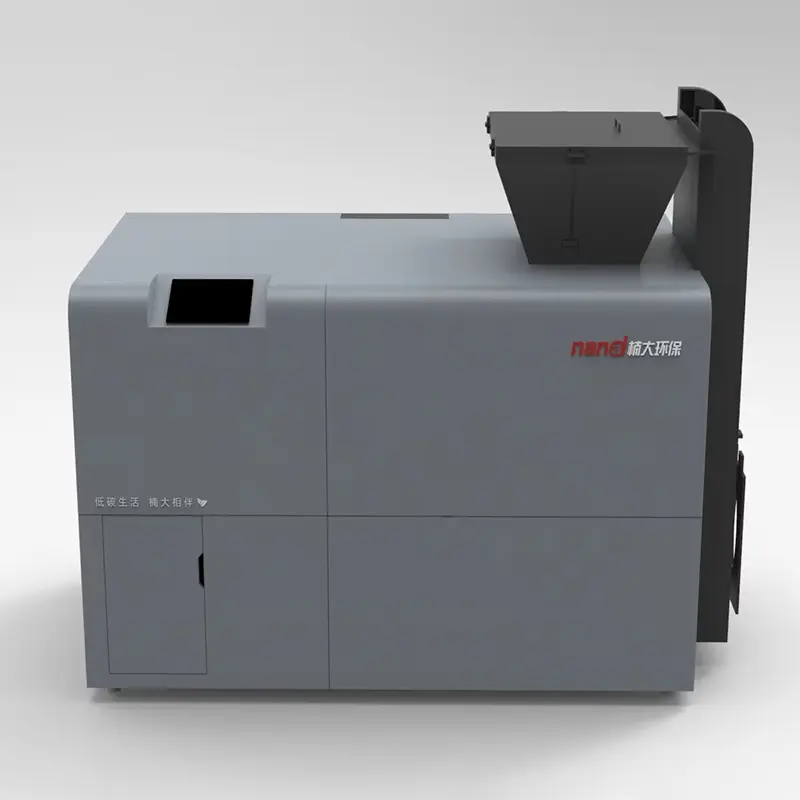 Nanda Trans Series-500
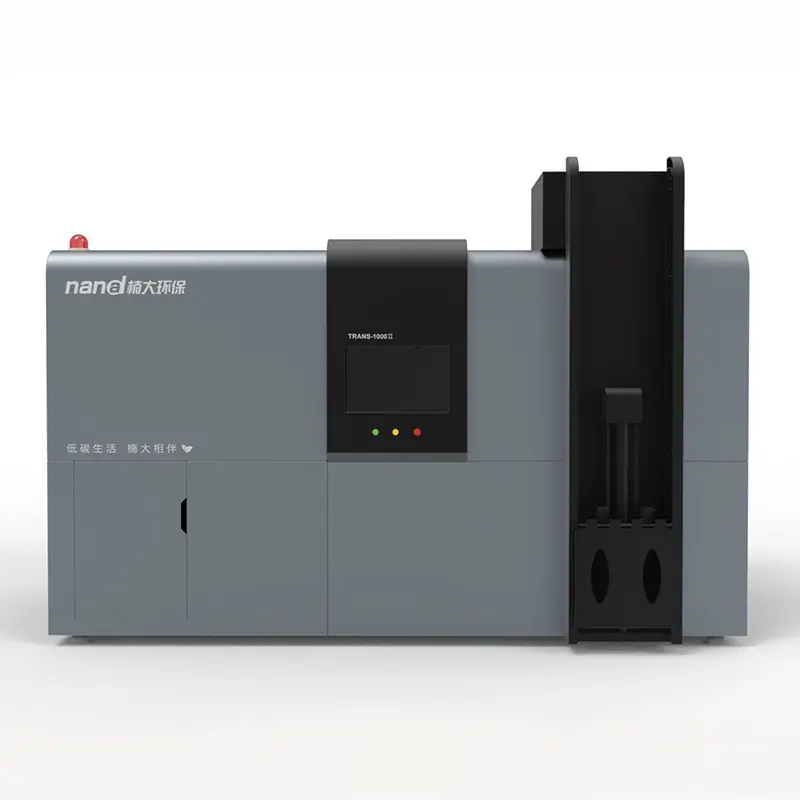 Nanda Trans Series-1000
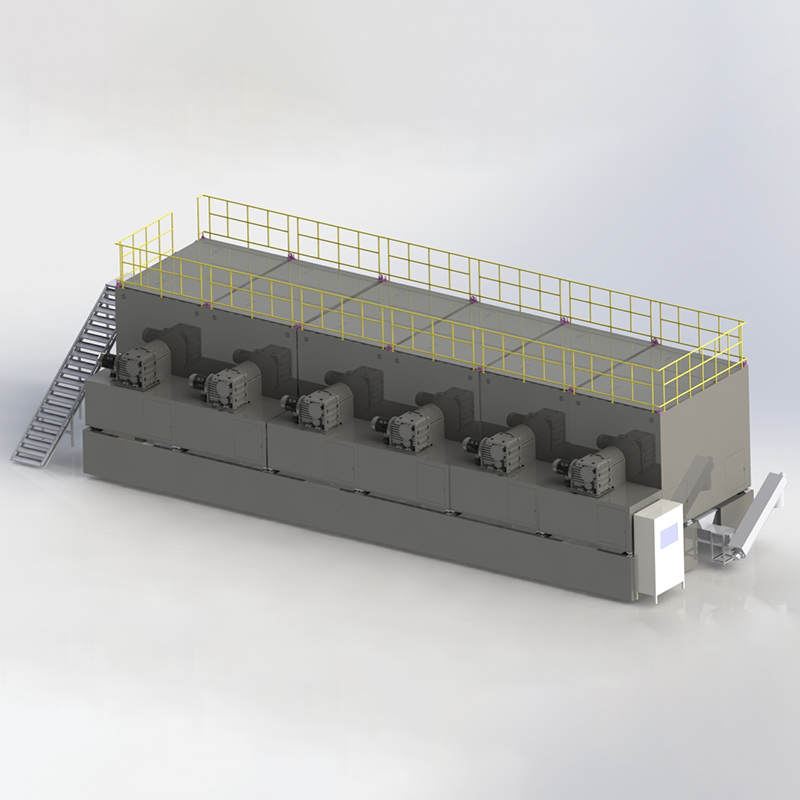 Nanda Trans Series-30000
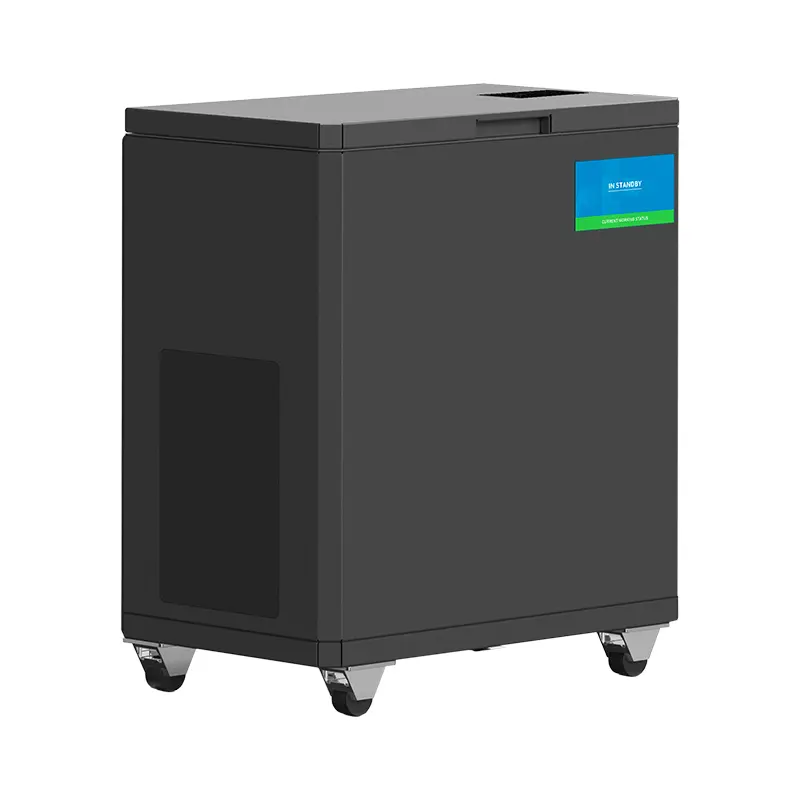 Nanda Thermax Series-100
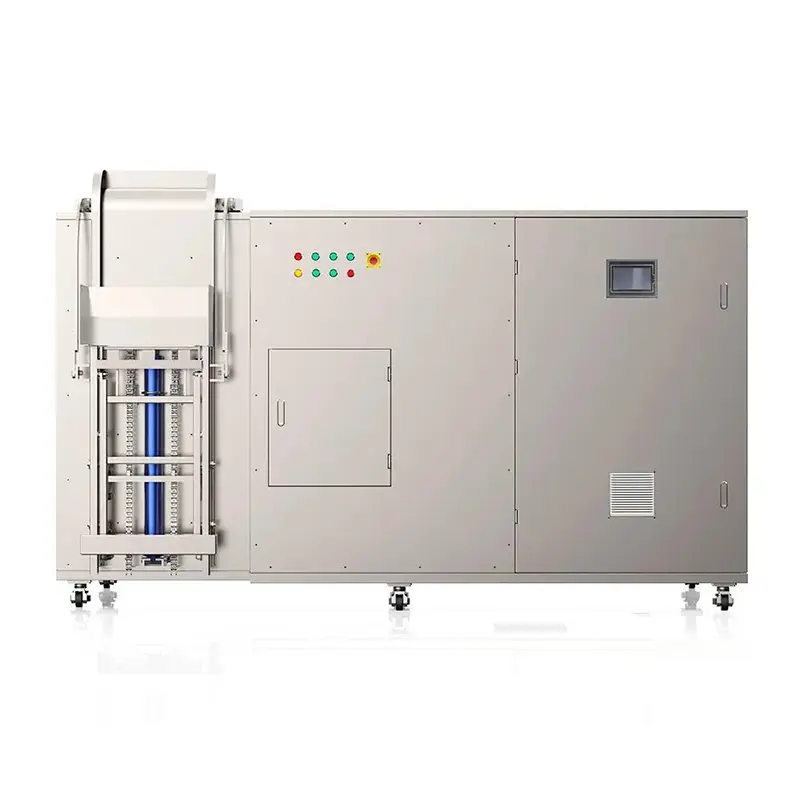 Nanda Thermax Series-200
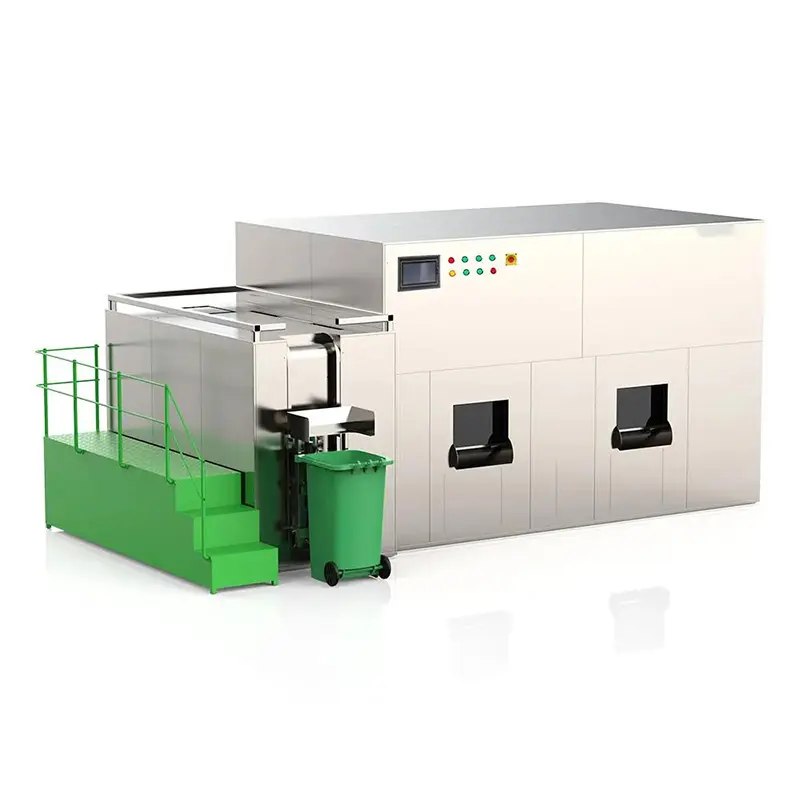 Nanda Thermax Series-2000
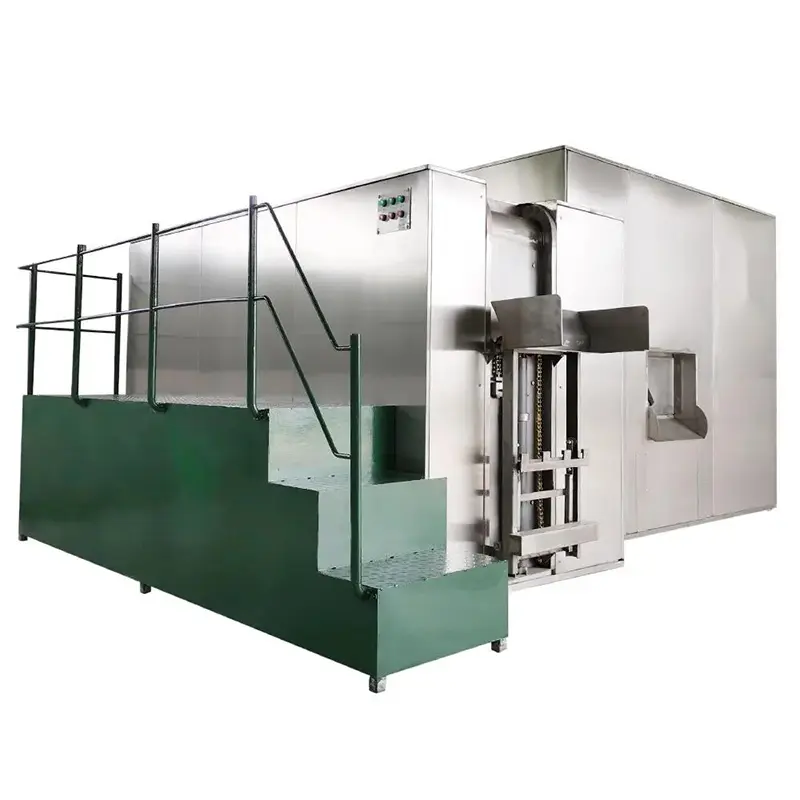 Nanda Thermax Series-10000
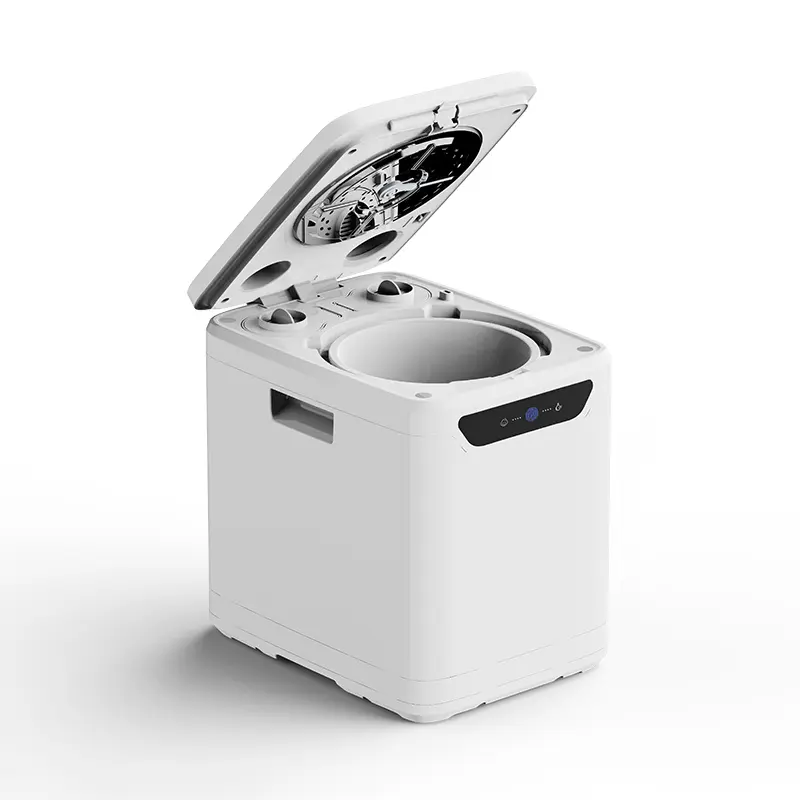 Nanda Turbo Series-3.5L-016
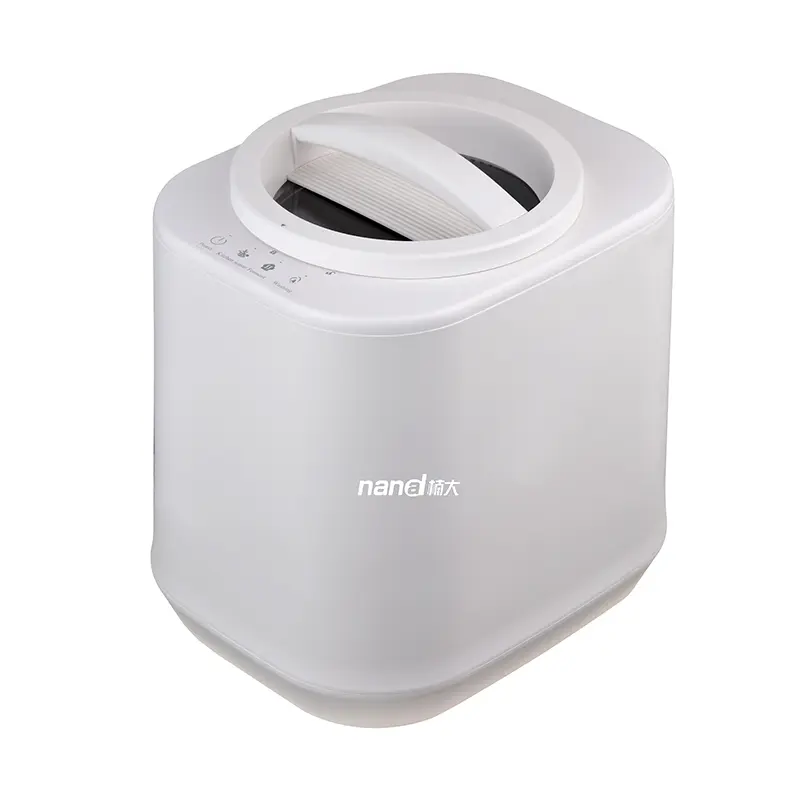 Nanda-Turbo Series-4L-011
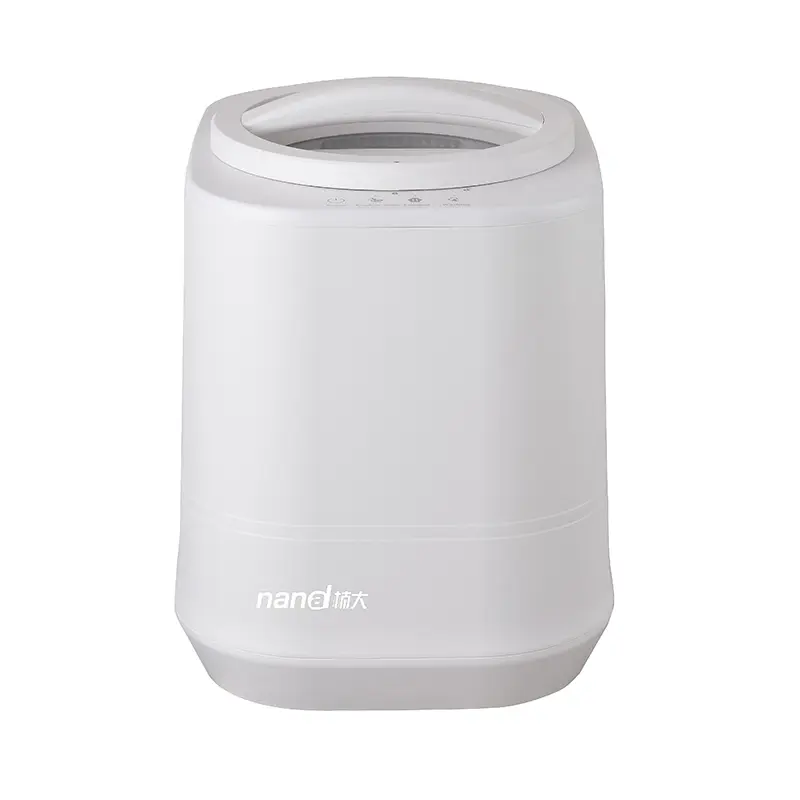 Nanda Turbo Series-4L-012
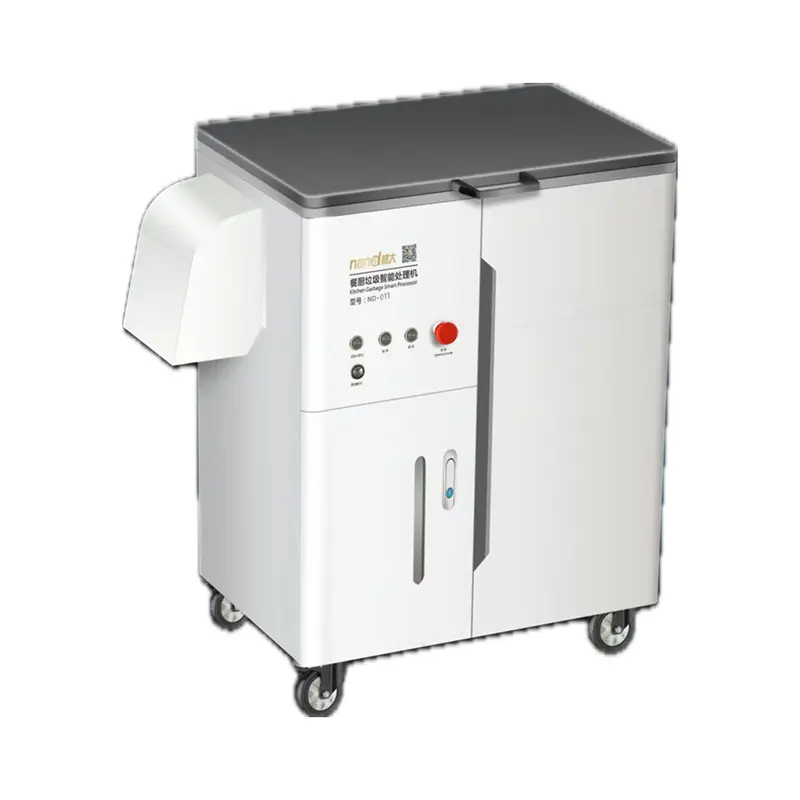 Oil-Water Separator