2026 Best Kitchen Food Composter for Eco Friendly Living?
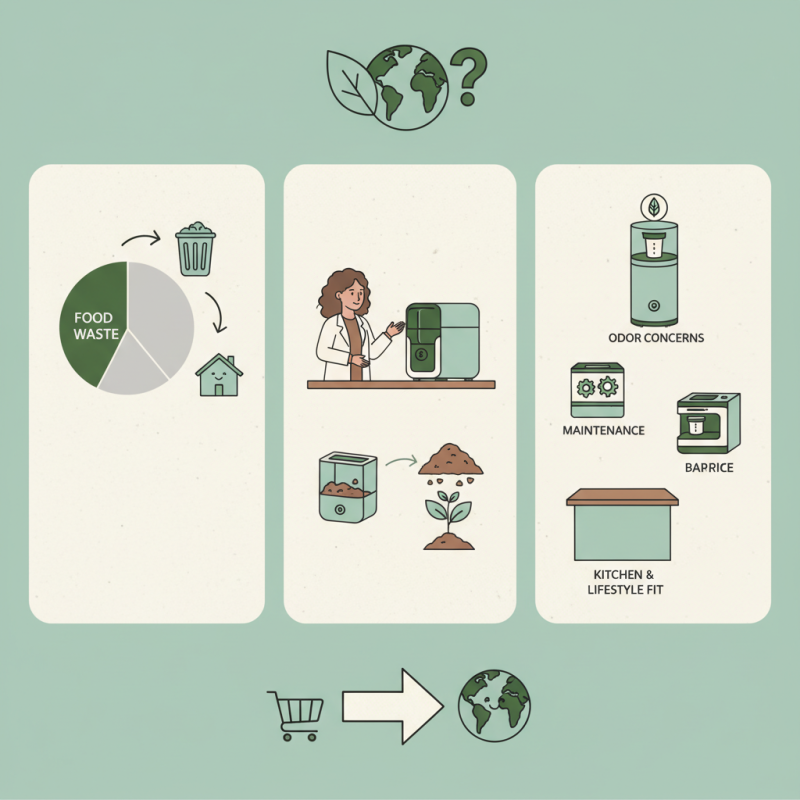
As environmental awareness grows, the demand for eco-friendly options increases. Kitchen food composters are becoming essential in sustainable living. A study by the Environmental Protection Agency shows that food waste accounts for 22% of municipal solid waste. This alarming fact drives many homeowners to seek smarter waste solutions.
Expert Maria Tran, a leading figure in composting technology, emphasizes the importance of kitchen food composters: "Transforming waste into nutrient-rich soil is key for both gardeners and the planet." This sentiment reflects a growing recognition of composting's role in sustainable lifestyles.
However, choosing the right kitchen food composter can feel overwhelming. With numerous models available, consumers face a myriad of options. Some struggle with odor issues, while others find maintenance cumbersome. It’s vital to find a composter that fits your kitchen and lifestyle needs. Making an informed choice can lead to both personal satisfaction and environmental benefits.
Overview of Kitchen Food Composters in 2026
In 2026, kitchen food composters have become crucial for eco-friendly living. They transform organic waste into nutrient-rich compost. This process reduces landfill waste and lowers your carbon footprint. Many models now offer features like odor control and compact designs, making them suitable for small spaces.
Choosing the right composter can be challenging. Some devices work faster, while others require more maintenance. It's essential to consider your kitchen size and composting needs. For instance, certain models suit small households, while larger units can handle vast amounts of waste. Observing the internal mechanisms of different composters can provide insights into their efficiency.
User experiences play a significant role in understanding these devices. Some people find that composters take time to break down waste fully. Others notice that they produce compost with variable quality. Regular monitoring and adjustments can lead to better results. Kitchen composters require commitment and willingness to refine the process for optimal performance.
2026 Best Kitchen Food Composter for Eco Friendly Living
Benefits of Using Composters for Eco-Friendly Living
Composting is an effective way to reduce kitchen waste. More households are adopting food composters for eco-friendly living. These devices convert scraps into rich nutrients, contributing to healthier soil. This process helps close the waste loop, turning organic material back into earth.
Using composters lowers landfill contributions. When food waste decomposes in landfills, it releases harmful methane gas. By composting, we mitigate this environmental issue. Additionally, compost enriches garden soil, improving plant growth. Home gardeners can benefit from the nutrients compost provides, creating a vibrant, sustainable garden.
Not all composters are the same. Some may require more effort than others. Users must remember to balance green and brown materials for optimal results. This can be challenging, especially for beginners. However, with practice, it becomes easier. Each composting experience teaches valuable lessons about waste management and sustainability.
Top Features to Look for in Kitchen Food Composters
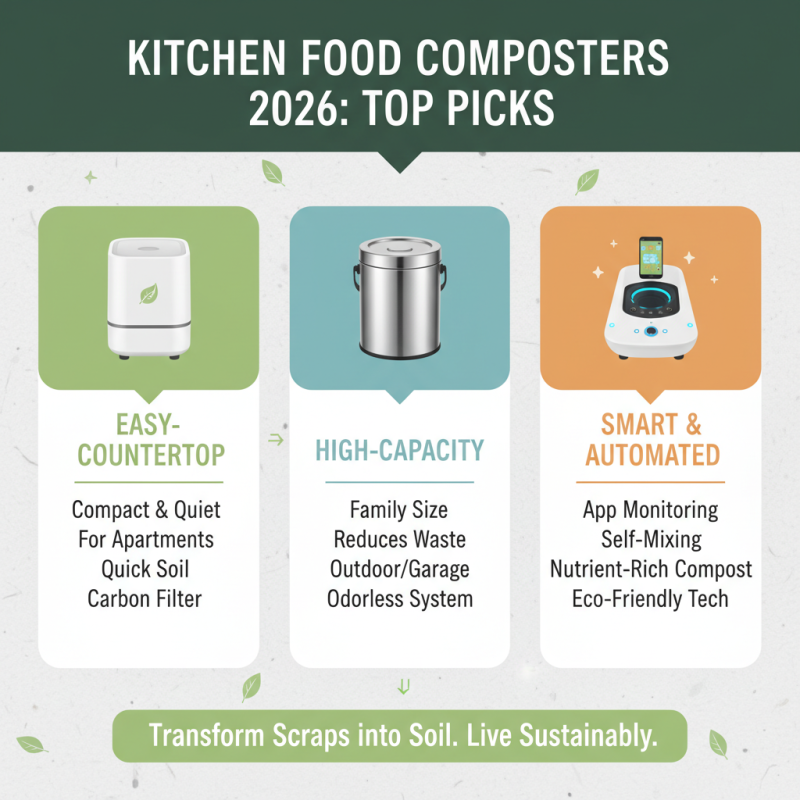
When searching for the best kitchen food composter, consider essential features that enhance functionality. One important aspect is size. Evaluate your kitchen space and waste production. A compact model is ideal for smaller areas, while larger systems suit more extensive waste needs. Don't forget to assess the capacity, as this impacts composting efficiency.
Another vital factor is odor control. Some composters feature activated carbon filters. These filters help minimize unpleasant smells, making them perfect for indoor use. Additionally, ease of use matters. Look for devices with simple controls and maintenance requirements. A user-friendly interface can make composting enjoyable and accessible for everyone.
Lastly, consider the noise level. Composting can create sound, especially during the breakdown process. Opt for a quieter model if you're sensitive to noise. Observing the composting process can be rewarding, yet it may take time to notice significant results. Regular checking and adjustments are sometimes necessary to achieve optimal compost conditions.
2026 Best Kitchen Food Composter for Eco Friendly Living
| Model |
Capacity |
Processing Time |
Features |
Price Range ($) |
| Composter A |
5 Gallons |
2 weeks |
Odor Control, Easy Assembly |
50 - 70 |
| Composter B |
10 Gallons |
4 weeks |
Temperature Control, Aeration System |
80 - 100 |
| Composter C |
15 Gallons |
3 weeks |
Kitchen Countertop, Compact Design |
100 - 130 |
| Composter D |
20 Gallons |
2 weeks |
Automated Operation, LED Indicator |
150 - 200 |
Comparison of the Best Kitchen Food Composters for 2026
In 2026, choosing the right kitchen food composter can enhance eco-friendly living. Many options are available that suit different lifestyles and kitchens. An effective composter converts kitchen scraps into rich soil, promoting a sustainable environment.
When comparing the best kitchen food composters, consider capacity and processing time. Some composters handle daily waste efficiently, while others are best for small households. You might find that a smaller composter works for your needs. It is important to evaluate how often you cook and how much waste you generate.
Here are some quick tips. Start small if you’re new to composting. A compact model can help you learn the basics without overwhelming you. Regular maintenance is crucial; check for odors or pests and adjust your compost mix as necessary. Also, don't forget to layer your compost properly—greens, browns, and moisture are essential for success. Composing can be a learning process; embrace the journey as you refine your technique over time.
Tips for Effective Composting in Your Kitchen
Composting in the kitchen can be both rewarding and challenging. Effective composting starts with the right balance of kitchen scraps. Aim for a mix of green materials, like vegetable peels, and brown materials, such as paper towels. This balance helps maintain sufficient airflow and speeds up decomposition. Don't forget to chop larger scraps into smaller pieces. This simple step can significantly enhance the breakdown process.
Maintaining your composting system requires some attention. Keep an eye on moisture levels; it should be damp but not soaked. If it feels too wet, add more browns, like dried leaves or crushed eggshells. Turning your compost pile regularly also prevents odors and ensures even decomposition. However, sometimes it might not break down as expected. In such cases, it’s worth reviewing what you’re adding. Avoid adding too many citrus scraps or greasy foods, as they can slow down the process. Composting requires patience and adaptation. Keep learning and adjusting your methods for a thriving compost system.

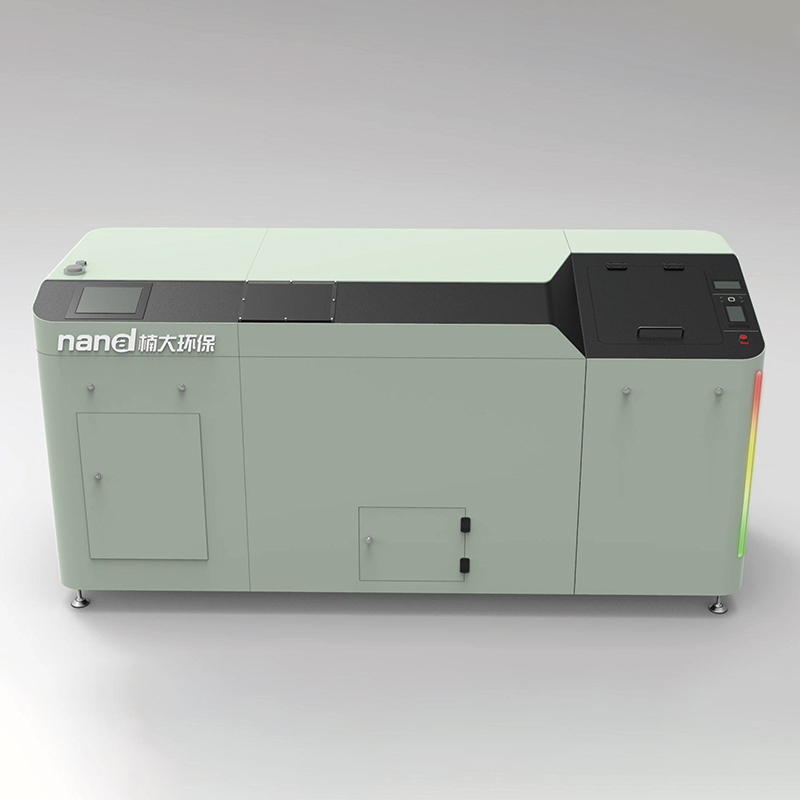 Nanda Trans Series-200
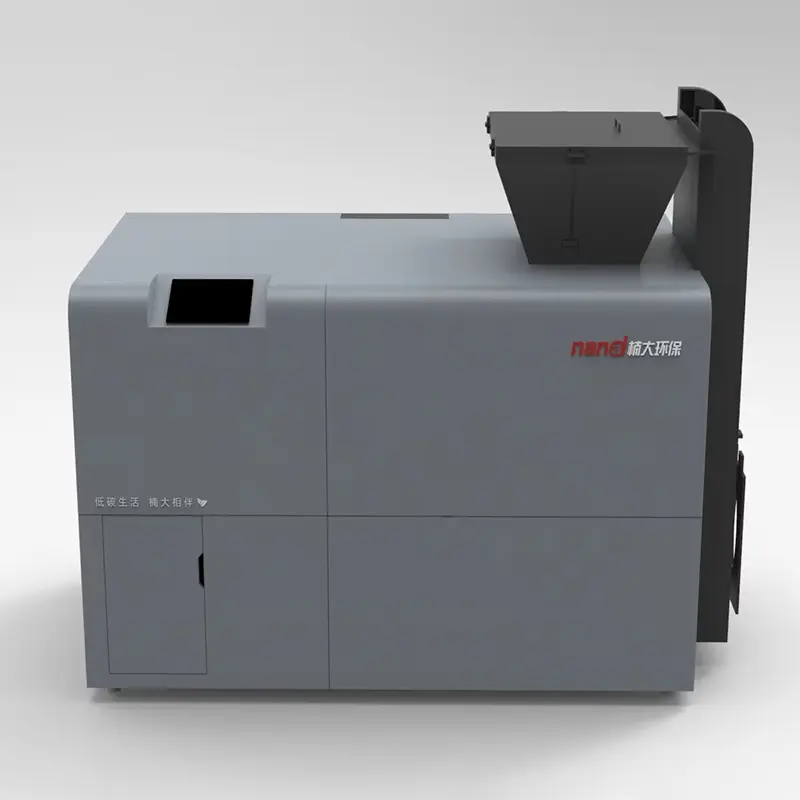 Nanda Trans Series-500
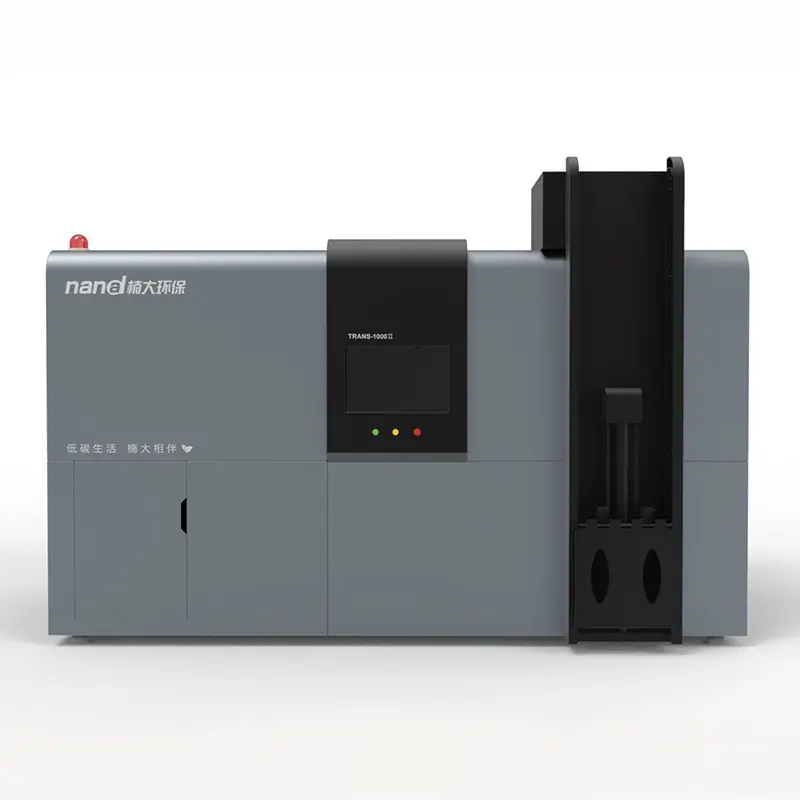 Nanda Trans Series-1000
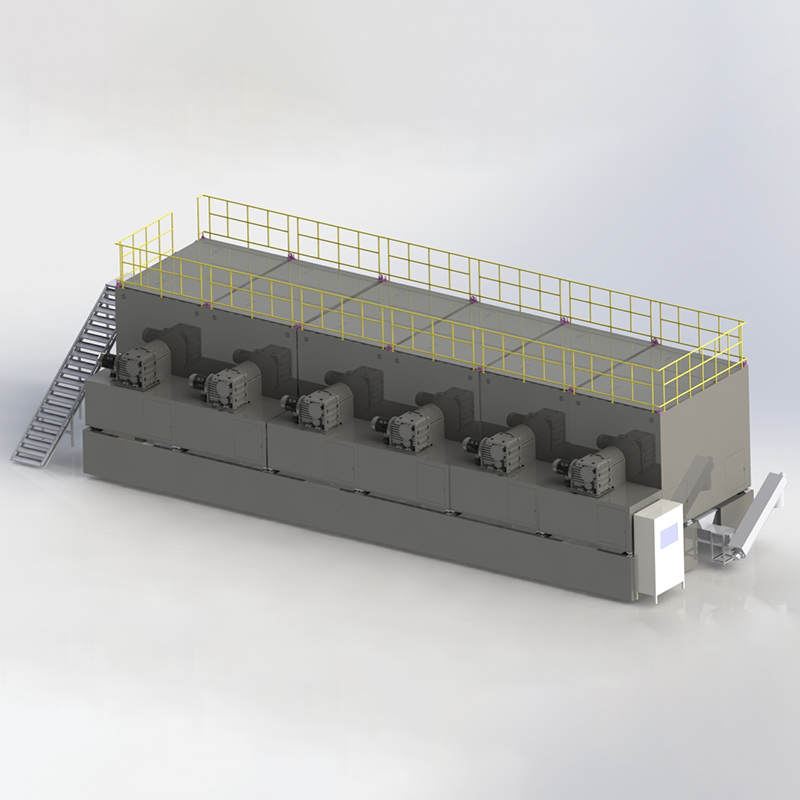 Nanda Trans Series-30000
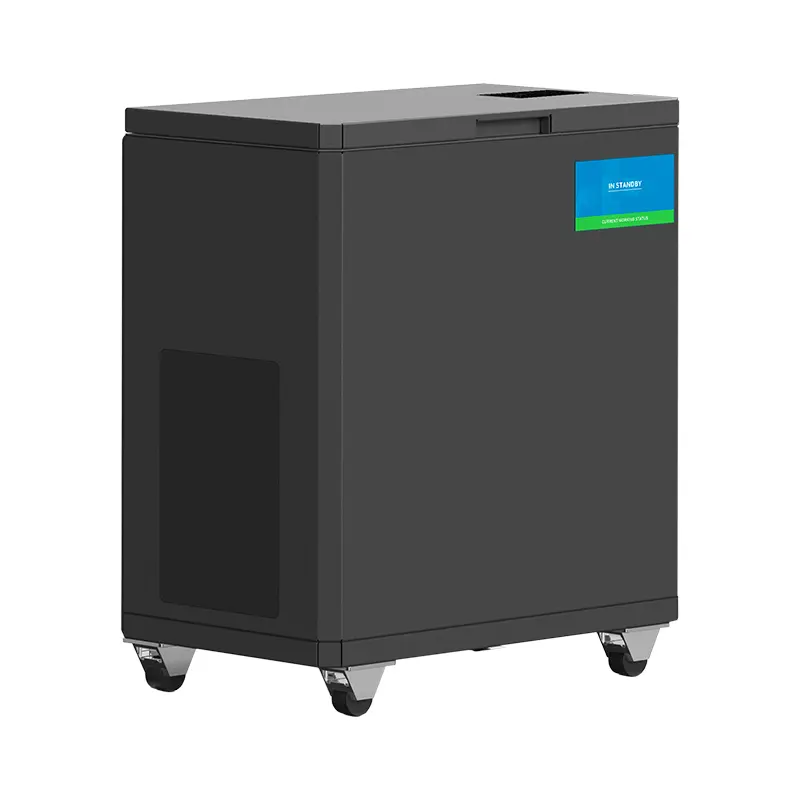 Nanda Thermax Series-100
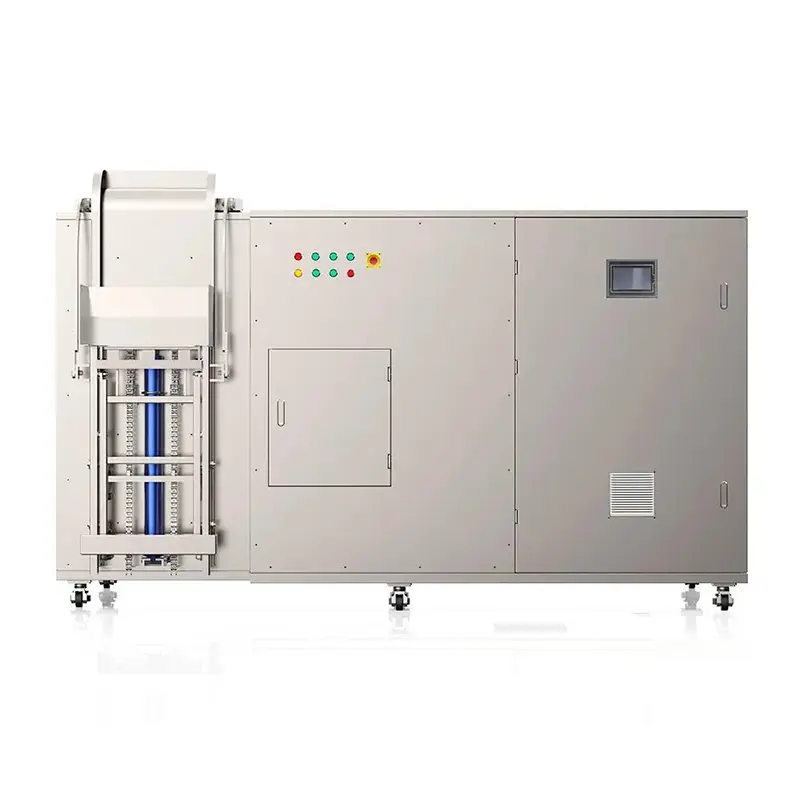 Nanda Thermax Series-200
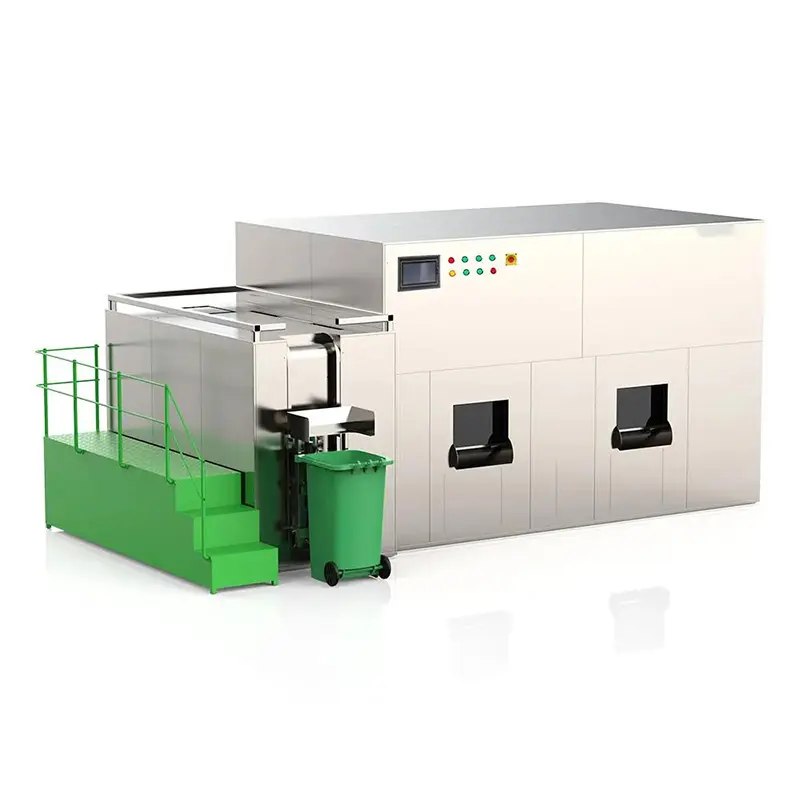 Nanda Thermax Series-2000
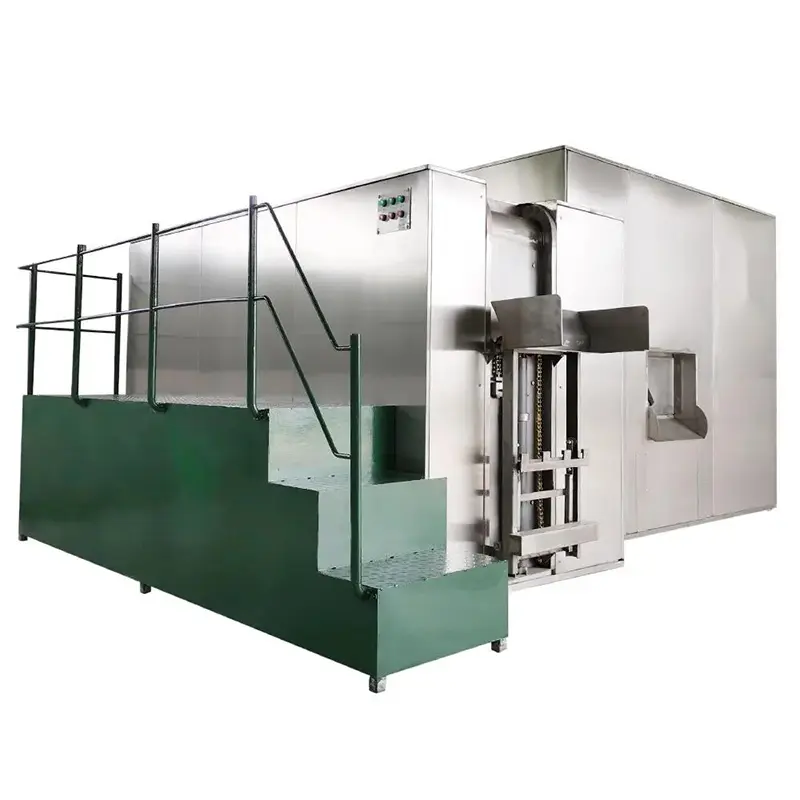 Nanda Thermax Series-10000
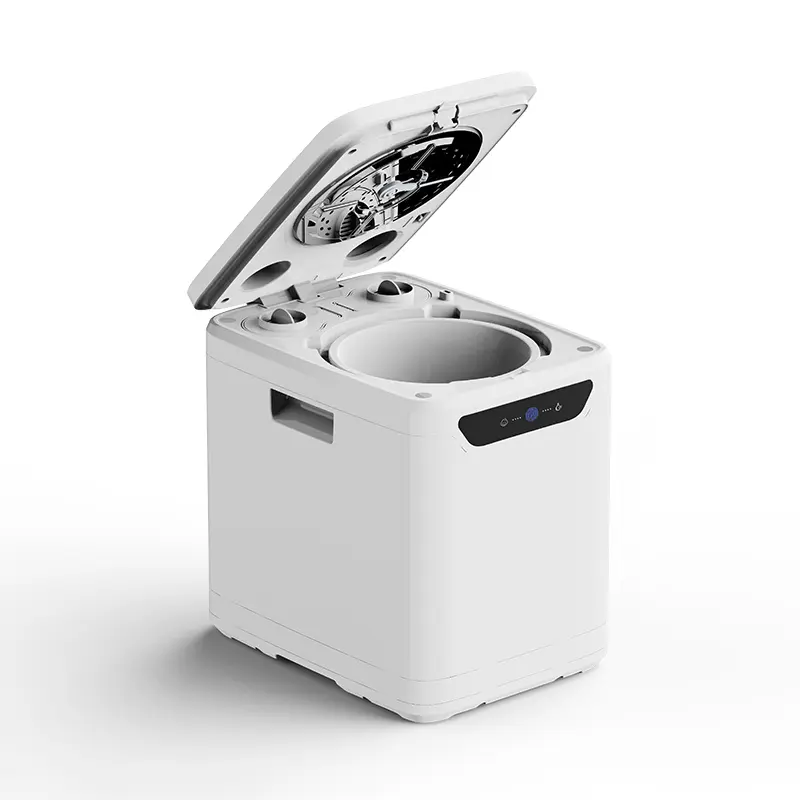 Nanda Turbo Series-3.5L-016
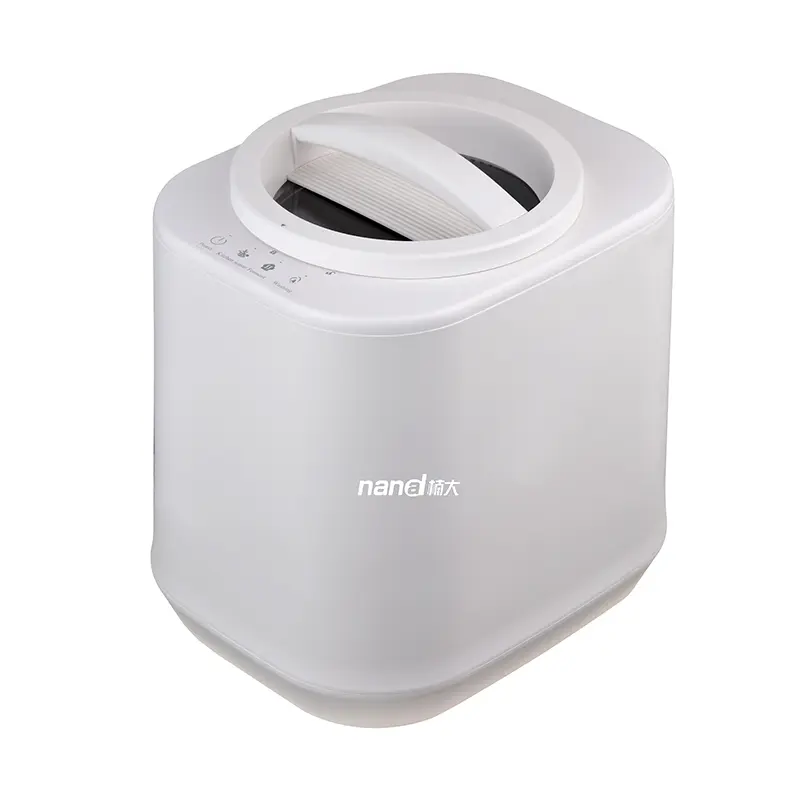 Nanda-Turbo Series-4L-011
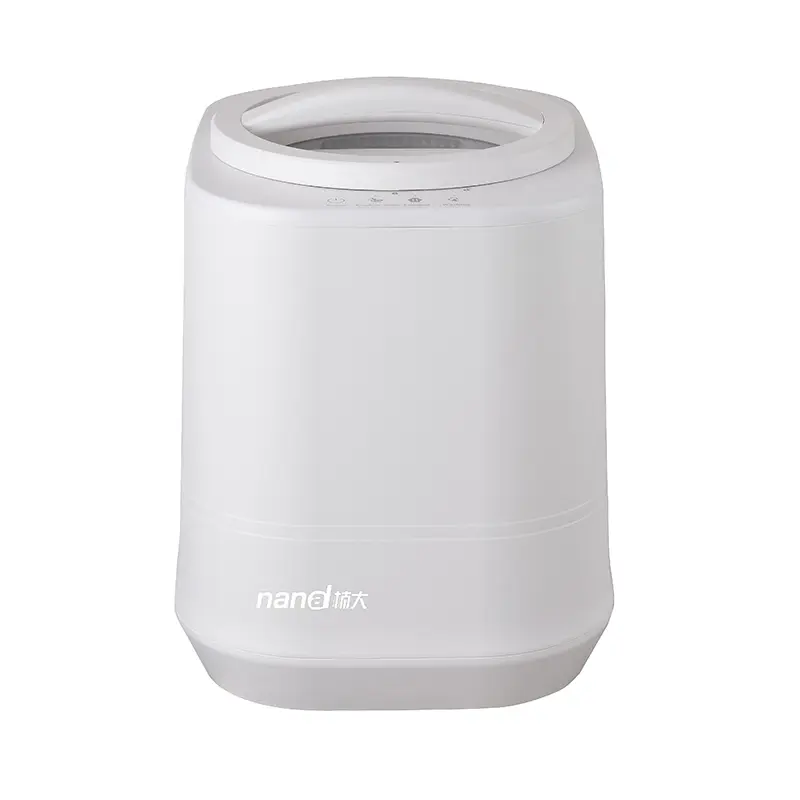 Nanda Turbo Series-4L-012
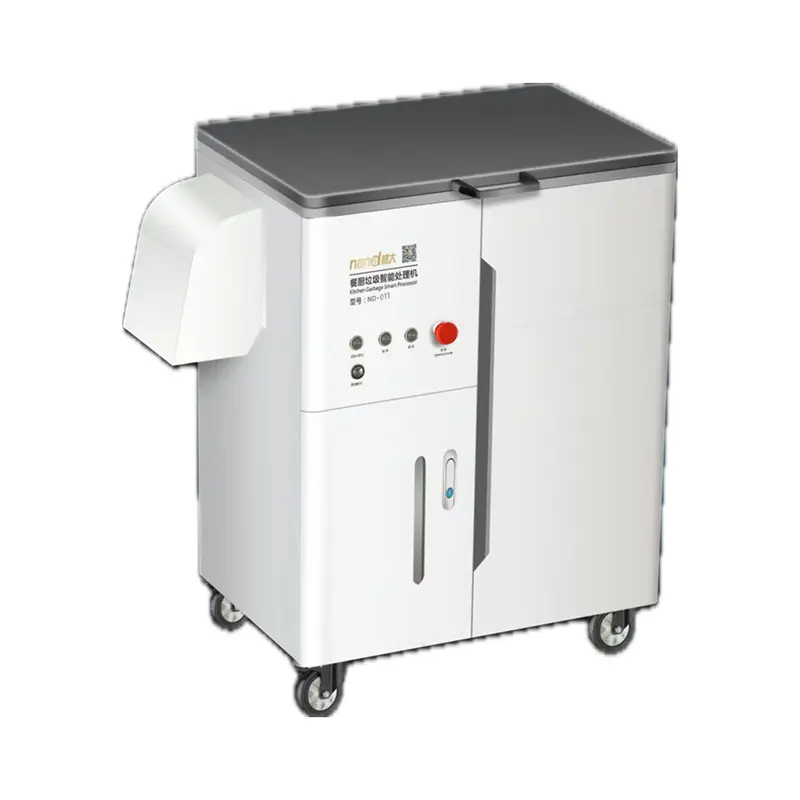 Oil-Water Separator