Top Benefits of Using a Food Compactor for Your Business?
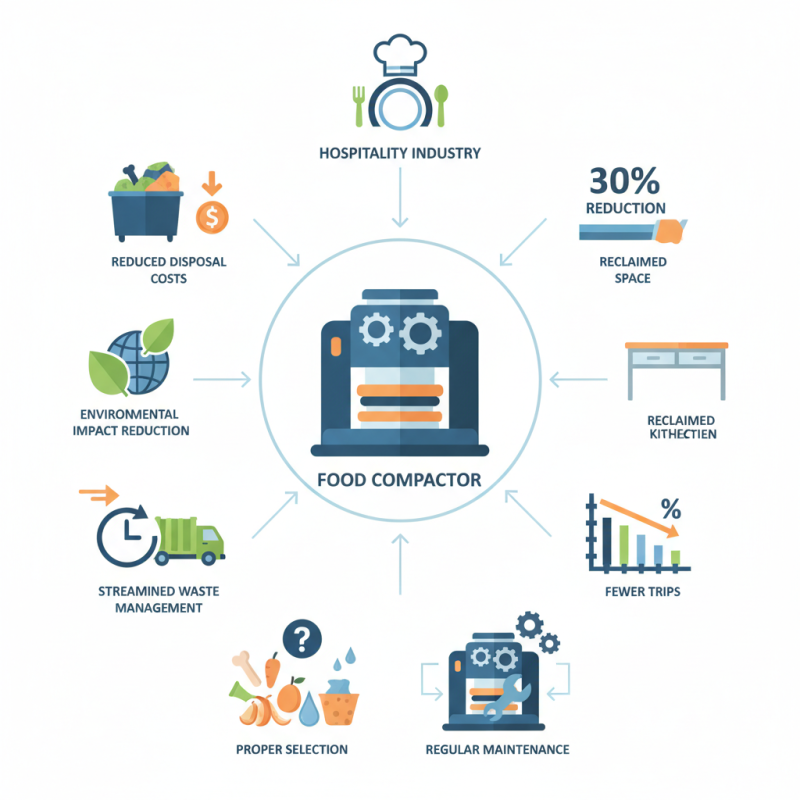
In the fast-paced hospitality industry, efficiency is key. A Food Compactor can significantly streamline waste management processes, reducing disposal costs and environmental impact. According to a 2021 report by the Waste Management Association, businesses can save up to 25% on waste removal fees by utilizing food compactors. John Smith, an expert in waste management solutions, states, "Investing in a Food Compactor not only enhances operational efficiency but also promotes sustainability."
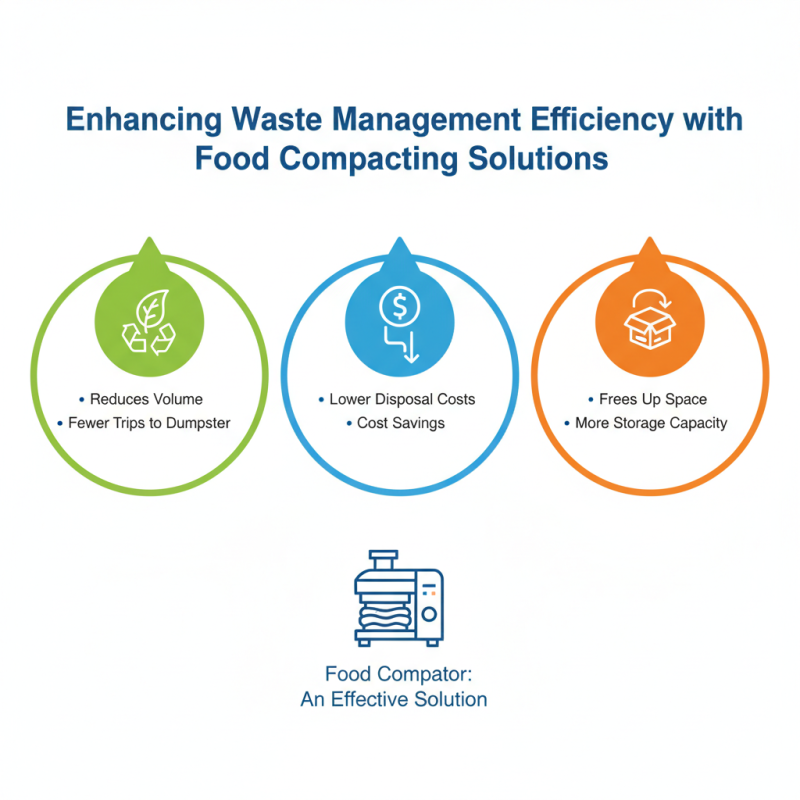
Food compactors compress organic waste, minimizing the volume of trash generated. This results in fewer trips to the dumpsters and lower transport costs. Hotels and restaurants can reclaim valuable kitchen space by reducing waste volume. One study by the Green Restaurant Association found that businesses using food compactors saw a 30% reduction in waste production.
However, it's essential to recognize that not all food compactors are the same. Some may not handle specific waste types effectively. Regular maintenance is crucial for optimal performance. Thus, while the benefits are clear, proper selection and upkeep of a Food Compactor require thoughtful consideration. Investing time in understanding these machines can yield rewarding outcomes for any business.
Key Advantages of Implementing a Food Compactor in Your Business
Implementing a food compactor in your business can significantly enhance operational efficiency. Many companies generate substantial food waste. According to the Environmental Protection Agency, food waste accounts for nearly 30-40% of the food supply in the United States. A food compactor can reduce this volume by up to 80%. This reduction not only streamlines waste management but also cuts costs associated with disposal.
Efficiency isn’t the only advantage. A food compactor also improves hygiene in any establishment. Unsightly piles of waste can attract pests and create unsanitary conditions. Reporting indicates that businesses using compactors see fewer pest-related issues. Moreover, a clean environment helps maintain a positive image. Employee morale can also improve as they work in a cleaner space.
It's crucial to consider initial investment costs. Though compactors may seem expensive, they lead to long-term savings. The National Restaurant Association notes that compactors can lower landfill transport costs. This can lead to quicker returns on investment as waste disposal fees reduce. Deploying a food compactor is not merely a trend; it’s a practical step toward a more sustainable and efficient business.
Cost Savings and Environmental Benefits of Food Compaction
Food compaction is an essential practice for businesses aiming to save costs and reduce their environmental impact. According to industry reports, food waste accounts for nearly 30-40% of the total food supply in the U.S., translating to significant financial losses. Businesses that implement food compactors can reduce waste volume by up to 90%, leading to reduced disposal costs and increased efficiency in waste management.
In addition to cost savings, using a food compactor contributes to sustainability. The Environmental Protection Agency estimates that food waste contributes more than 25% of greenhouse gas emissions in landfills. By compacting food waste, businesses can decrease their carbon footprint. This shift not only helps the environment but also enhances the company's image. Many customers prefer to support environmentally conscious businesses.
However, the initial investment in a food compactor can be daunting. Companies must assess their waste generation patterns to validate the expense. Implementing this technology may require training staff, adding unforeseen costs. Ultimately, the long-term benefits often outweigh these challenges. Businesses should reflect on their current waste management practices and embrace strategic solutions like food compactors for a sustainable future.
Improving Compliance with Health and Safety Regulations through Compacting
Using a food compactor can significantly improve compliance with health and safety regulations. By reducing the volume of waste, businesses minimize clutter in the kitchen and storage areas. This can prevent accidents, such as slips and falls caused by litter and excess garbage. A cleaner workspace not only ensures safety but also fosters a more efficient working environment.
When waste is compacted, it is easier to store and manage. Proper waste management helps comply with local health regulations. Unmanaged waste can attract pests and create health hazards. Inadequate waste practices lead to fines and damage a business's reputation. A compacting system addresses these concerns, showcasing a commitment to hygiene.
Moreover, a food compactor contributes to better recycling efforts. It allows businesses to separate recyclables from organic waste easily. That means less contamination and more efficient recycling. However, it's essential to train staff on using the compactor correctly. Misuse can lead to operational challenges and make waste management practices ineffective. A thoughtful approach is crucial for maximizing benefits and ensuring safety.
Top Benefits of Using a Food Compactor for Your Business
Maximizing Space Utilization in Commercial Kitchens Using Food Compactors
In commercial kitchens, space is often a premium. Utilizing a food compactor can transform your kitchen layout. By compressing food waste, a compactor creates more space for essential equipment. This added space can enhance workflow efficiency, making food preparation smoother.
Many businesses overlook the impact of food waste management. A compactor reduces the volume of waste, but it requires regular maintenance. Neglecting this can lead to odor issues or operational inefficiencies. It’s crucial to monitor the compactor and ensure it functions correctly.
With a food compactor, not only do you save on space, but you also improve sanitation. A tidy kitchen promotes a healthier environment. However, training staff on proper compactor use is essential. Without training, misuse may lead to complications. Decision-makers should weigh these factors carefully.
Top Benefits of Using a Food Compactor for Your Business
| Benefit |
Description |
Potential Savings (%) |
Space Utilization Improvement (%) |
| Space Optimization |
Reduces the volume of food waste, allowing for more effective use of space in storage. |
30% |
50% |
| Cost Reduction |
Lowers waste disposal costs by reducing the frequency of pickups. |
25% |
- |
| Environmental Impact |
Minimizes landfill waste, promoting a more sustainable business practice. |
- |
- |
| Improved Hygiene |
Reduces odors and pests associated with food waste accumulation, enhancing cleanliness. |
- |
- |

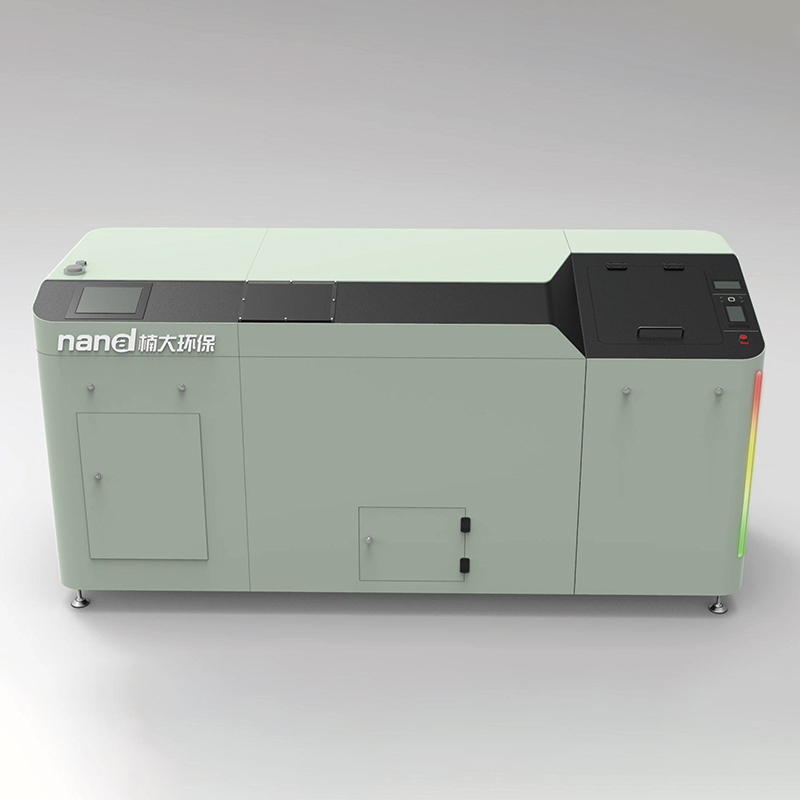 Nanda Trans Series-200
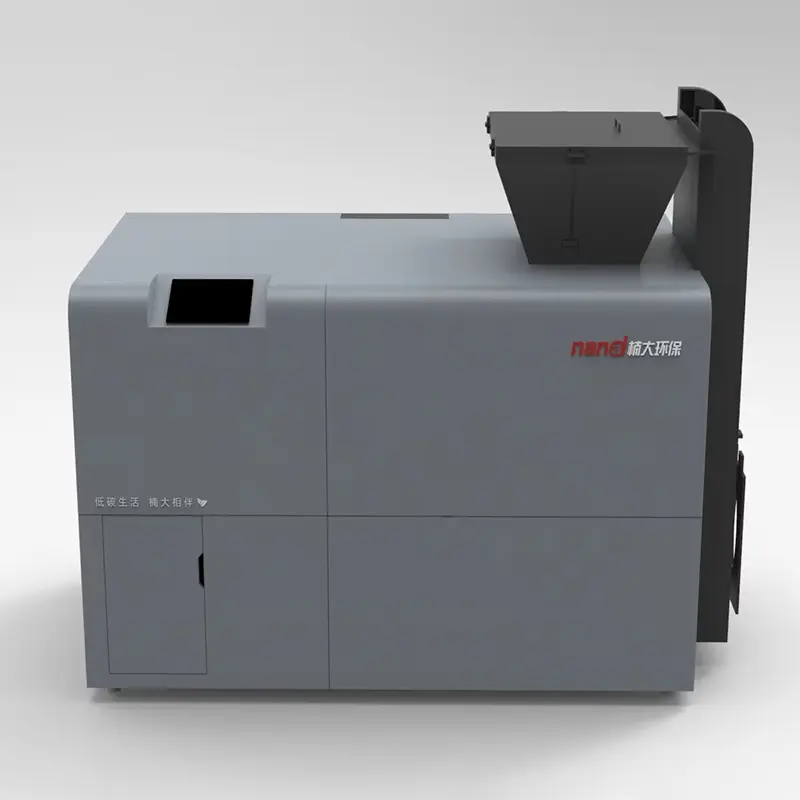 Nanda Trans Series-500
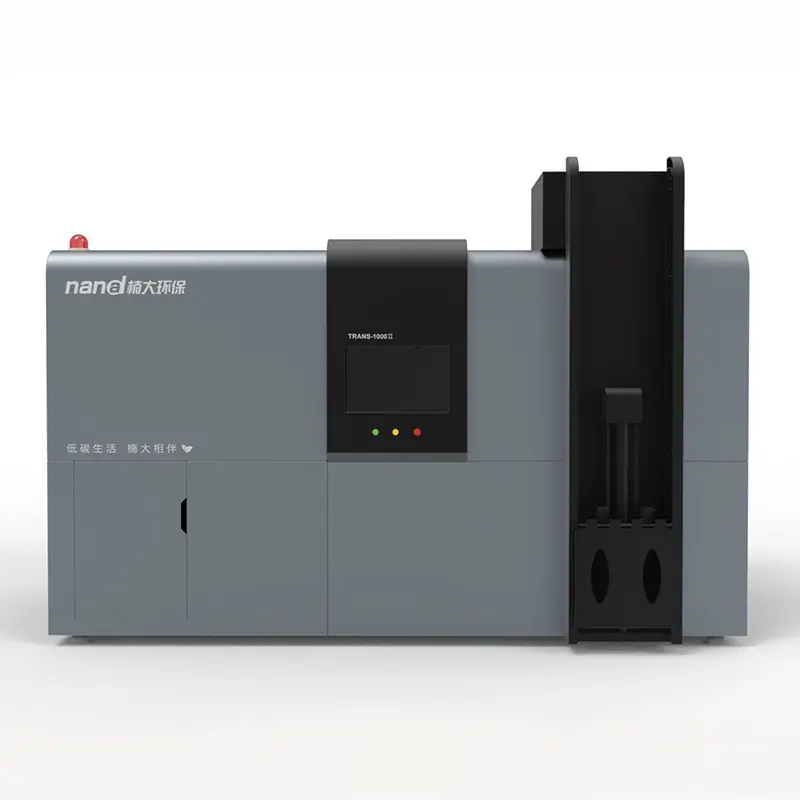 Nanda Trans Series-1000
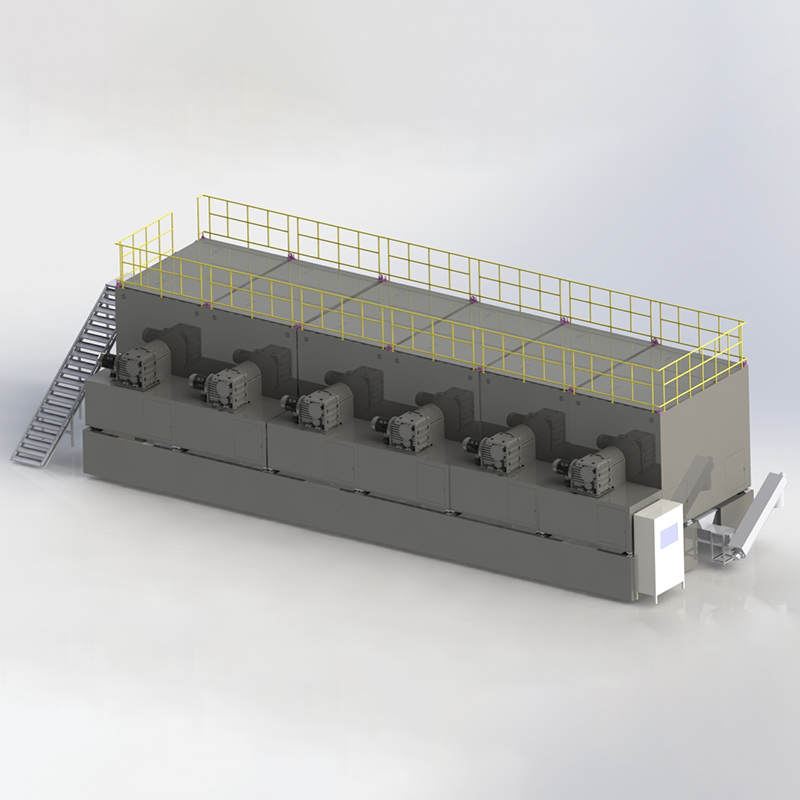 Nanda Trans Series-30000
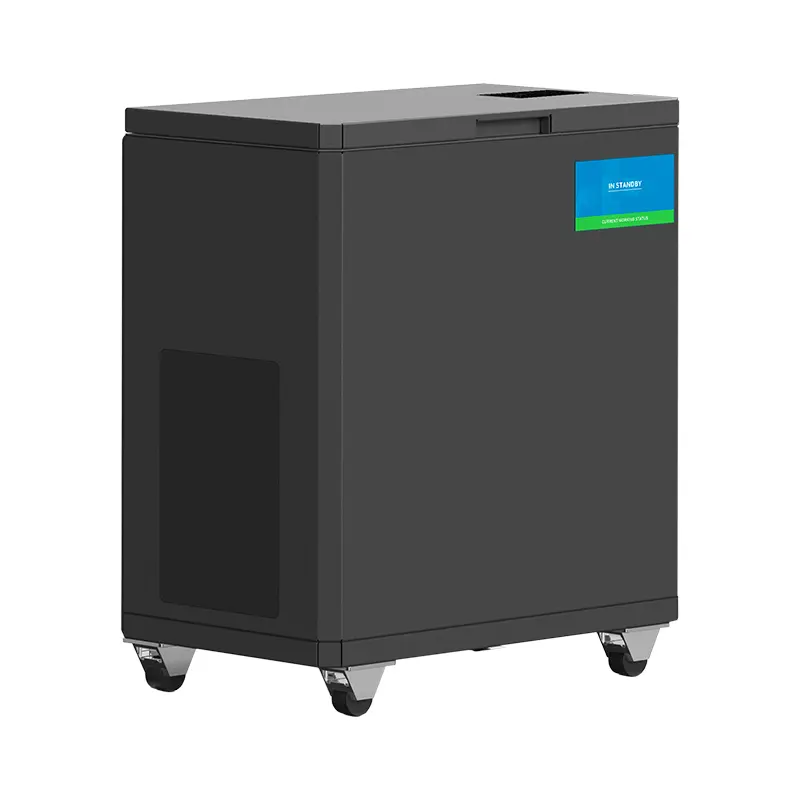 Nanda Thermax Series-100
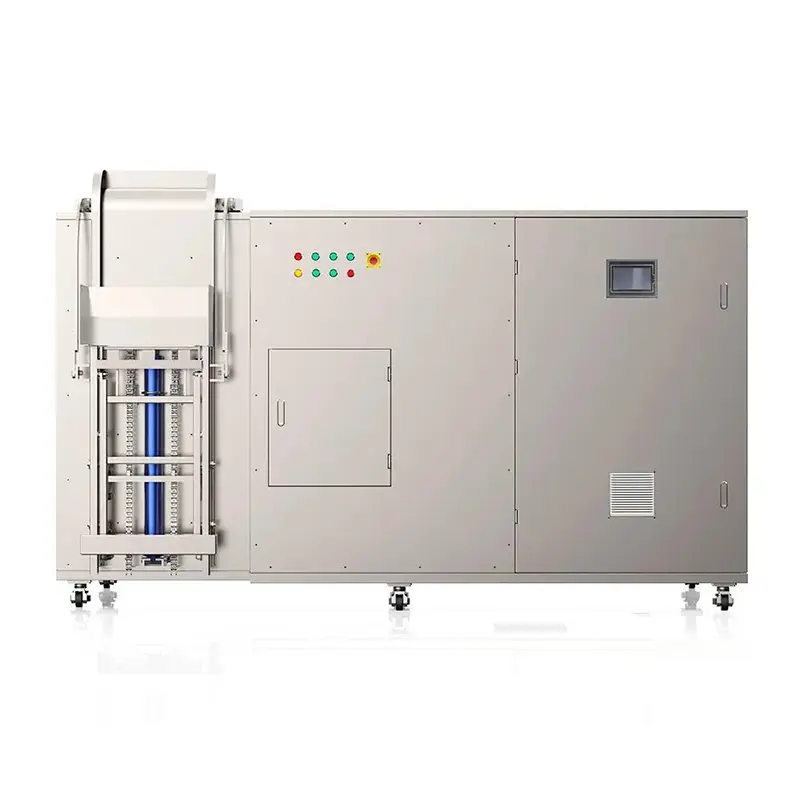 Nanda Thermax Series-200
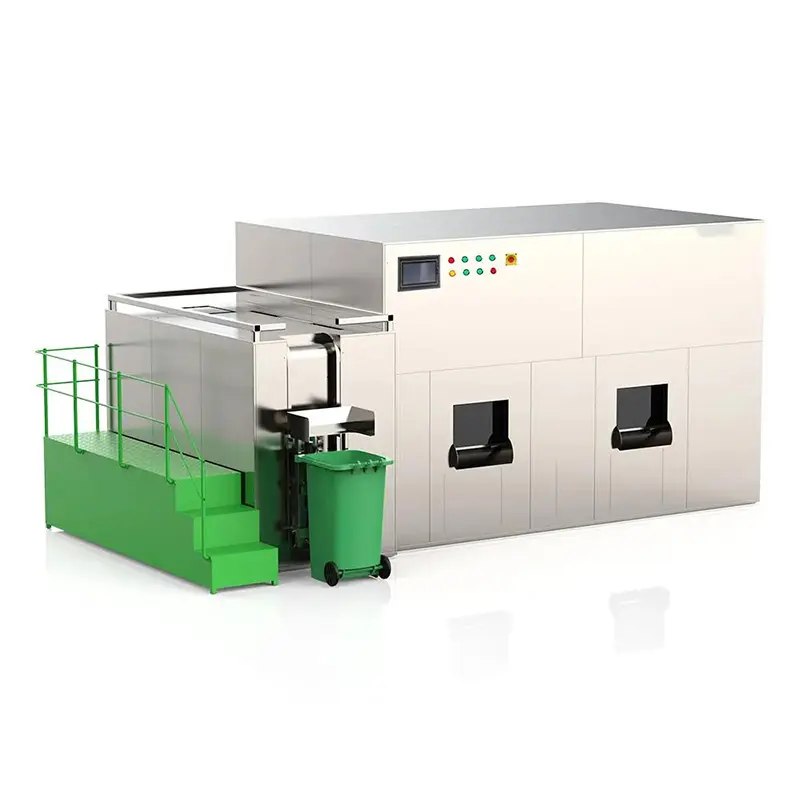 Nanda Thermax Series-2000
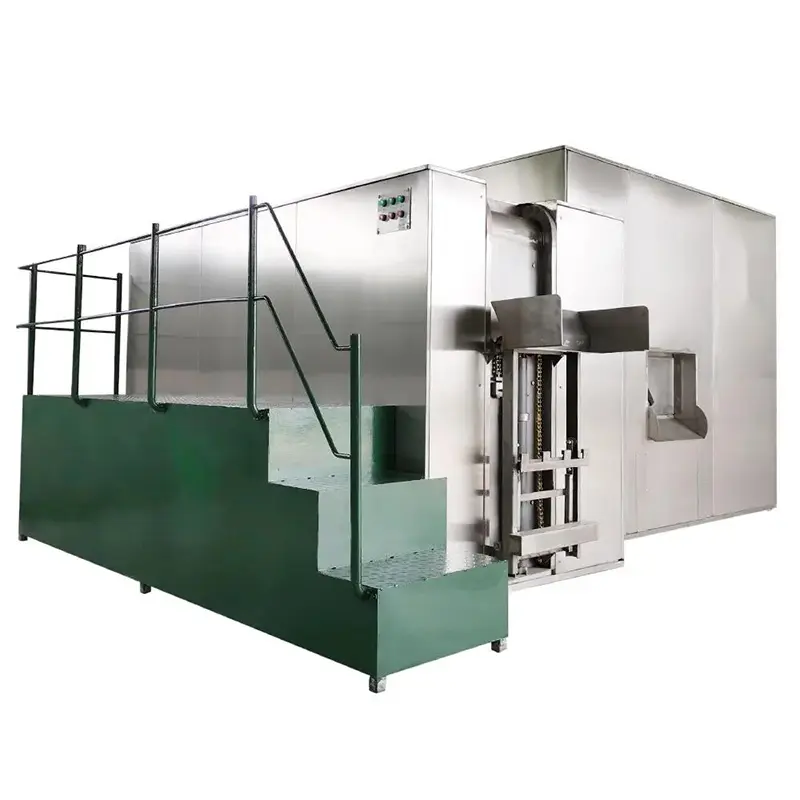 Nanda Thermax Series-10000
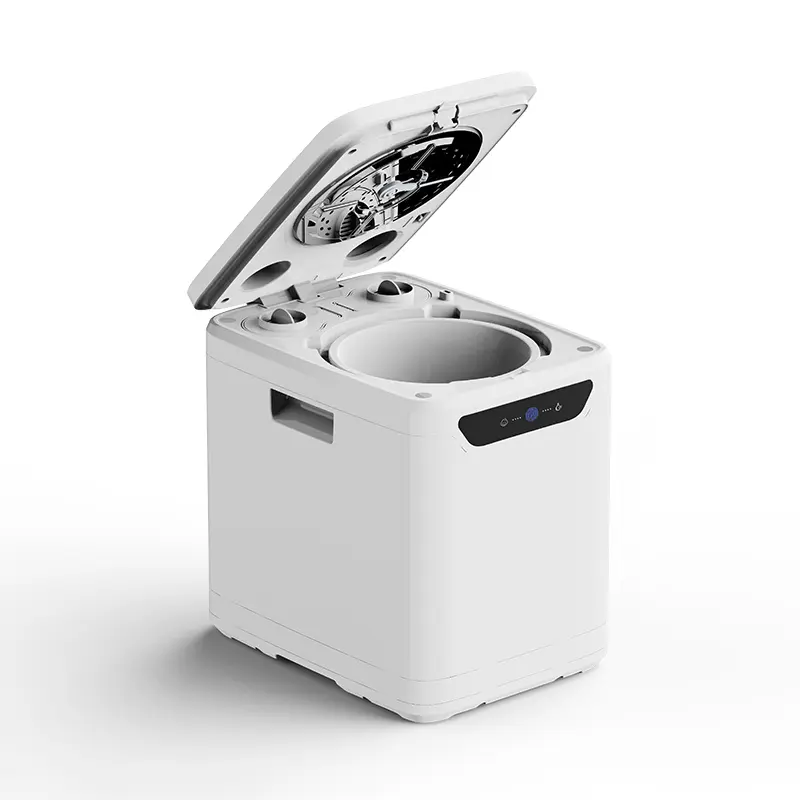 Nanda Turbo Series-3.5L-016
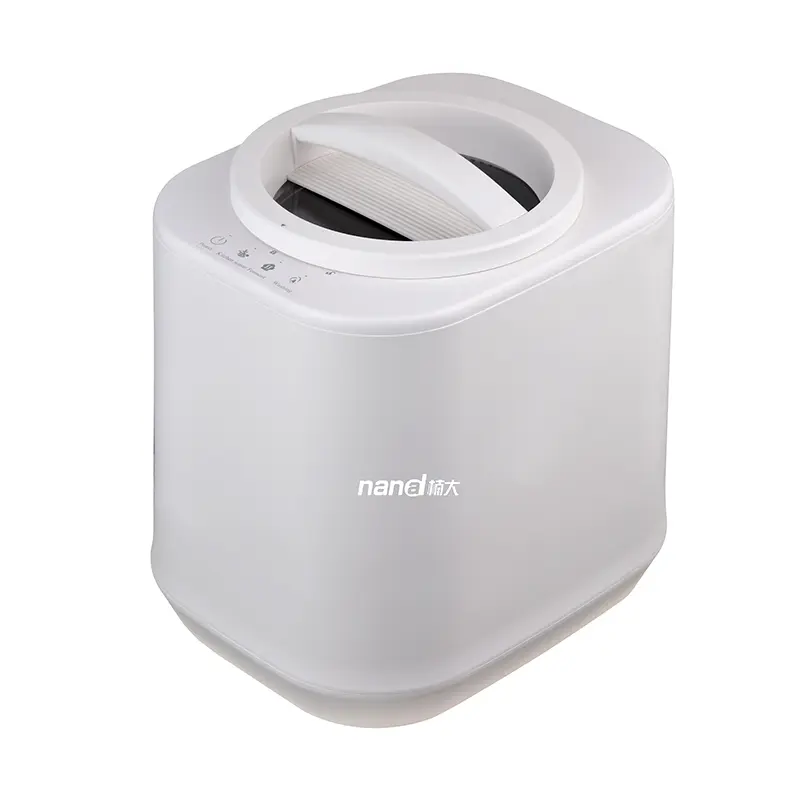 Nanda-Turbo Series-4L-011
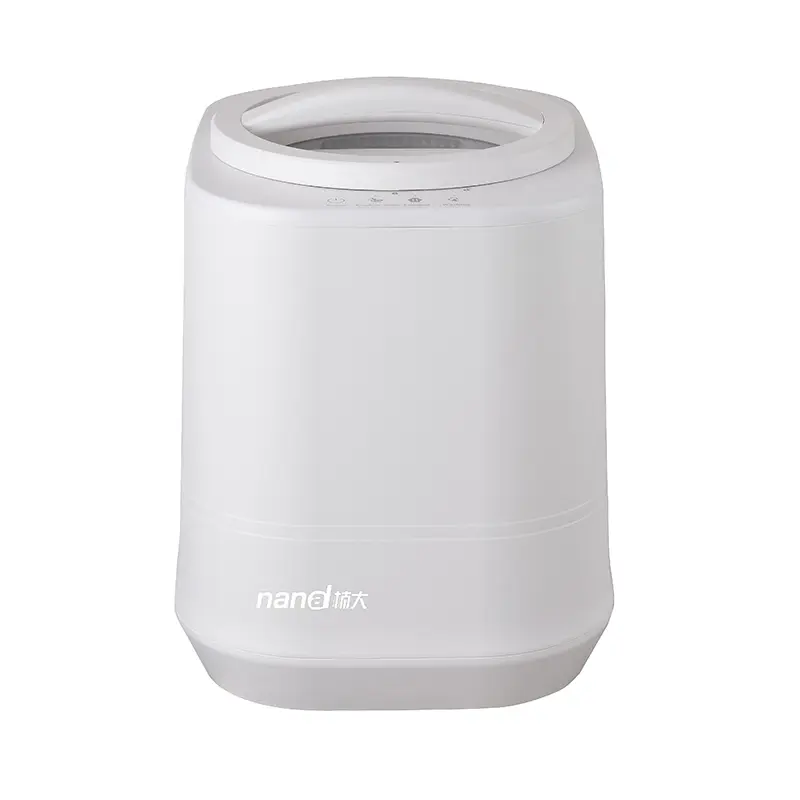 Nanda Turbo Series-4L-012
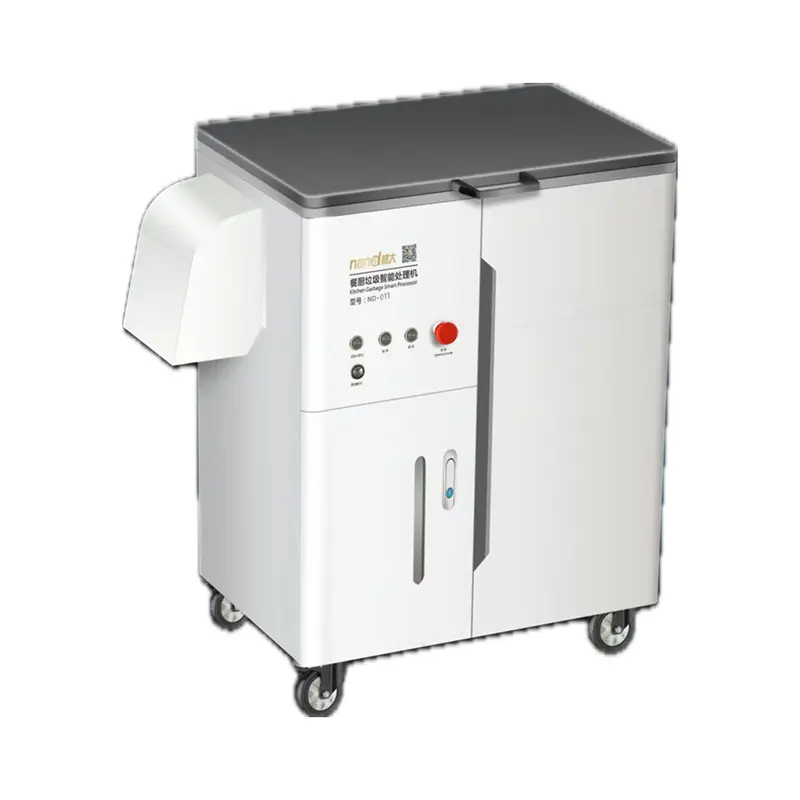 Oil-Water Separator