Top Benefits of Using a Rotating Compost Bin for Your Garden Waste
In the quest for sustainable gardening practices, the Rotating Compost Bin stands out as an essential tool for managing garden waste effectively. This innovative composting solution not only simplifies the composting process but also enhances nutrient production, turning organic waste into rich, fertile compost that benefits the entire garden ecosystem. By facilitating aeration and faster decomposition, the Rotating Compost Bin allows gardeners to turn their kitchen scraps and yard debris into valuable resources, reducing landfill contributions and promoting environmental health.
Moreover, the use of a Rotating Compost Bin can significantly save time and effort compared to traditional composting methods. With its user-friendly design, gardeners can easily mix and turn their compost, ensuring an even breakdown of materials and resulting in quicker compost turnover. As more people become aware of the importance of reducing waste and fostering sustainable gardening practices, the Rotating Compost Bin offers a practical and efficient solution that aligns with eco-conscious lifestyles. Embracing this innovative tool not only nurtures the garden but also contributes to a healthier planet.

Benefits of Efficient Composting with a Rotating Compost Bin
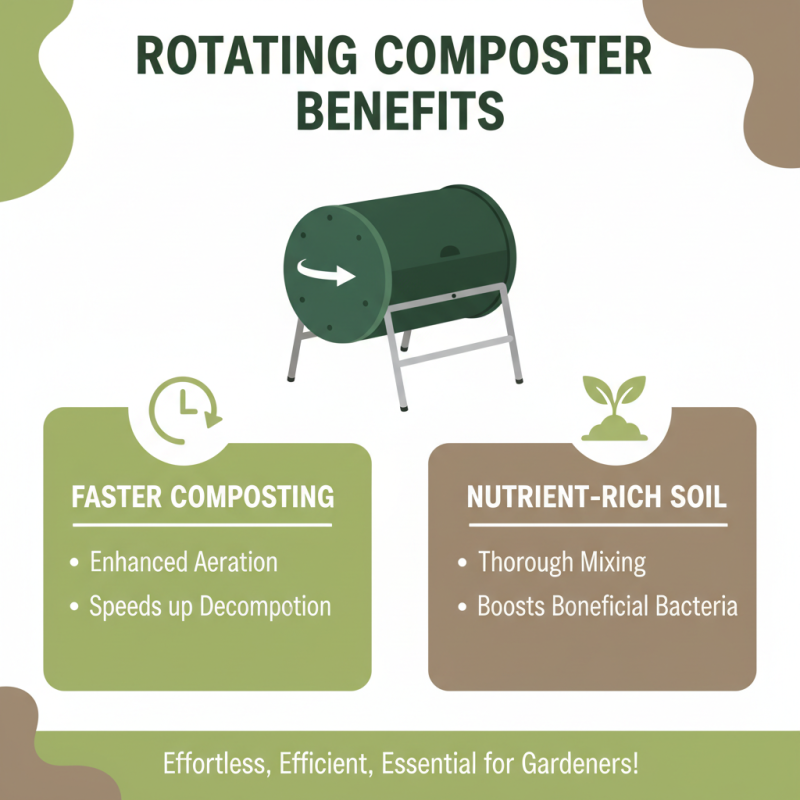
Using a rotating compost bin can significantly enhance the efficiency of composting, making it an invaluable asset for any gardener. One of the primary benefits is the ability to aerate the compost mixture more effectively. Traditional compost bins can become compacted over time, which can slow down the decomposition process. In contrast, a rotating design ensures that materials are mixed thoroughly and regularly tumbled, allowing air to circulate better, which is crucial for aerobic bacteria to thrive. These bacteria are essential for speeding up the breakdown of organic waste, ultimately resulting in nutrient-rich compost more quickly.
Another advantage of using a rotating compost bin is the controlled environment it offers for composting. Many models are designed with materials that retain heat, creating an optimal temperature for microbial activity. This controlled warmth can accelerate the composting process significantly, allowing gardeners to produce usable compost within a few weeks rather than months. Additionally, the enclosed structure of a rotating bin helps to keep pests at bay, ensuring that the composting process is both efficient and hygienic. As a result, gardeners can efficiently convert their kitchen scraps and garden waste into compost, enriching their soil and promoting healthier plant growth.
Maximizing Space: How a Rotating Compost Bin Optimizes Your Garden Area
A rotating compost bin is an innovative solution for gardeners looking to maximize their available space while effectively managing organic waste. Unlike traditional composting methods that can occupy large areas, rotating compost bins are designed to be compact and space-efficient. According to a report from the U.S. Composting Council, effective composting can reduce garden waste by up to 30%, contributing significantly to waste reduction initiatives.
Moreover, the design of rotating compost bins allows for easy access and maintenance, which encourages gardeners to engage more consistently in composting activities. A study published by the National Gardening Association highlights that 58% of home gardeners incorporate composting into their gardening practices, with space limitations being a common barrier. By utilizing a rotating compost bin, gardeners can overcome these challenges and optimize their garden area, efficiently transforming kitchen scraps and yard waste into valuable soil amendments without sacrificing precious planting space.
This not only enhances garden productivity but also fosters a sustainable gardening practice, contributing to the overall health of the environment.
Speeding Up Decomposition: The Advantage of Aerated Composting
Aerated composting, a technique made efficient by using a rotating compost bin, significantly accelerates the decomposition process of organic waste. Traditional composting can take several months to yield finished compost due to inadequate airflow, which slows microbial activity. Research conducted by the Composting Council found that the optimal oxygen levels can enhance microbial growth by up to 50%, drastically decreasing composting time. Rotating bins facilitate aeration, allowing for a consistent supply of oxygen while minimizing the need for manual turning.
Moreover, studies indicate that incorporating a rotating compost bin can reduce the decomposition timeline to as little as 4-6 weeks, depending on the materials used. This is a stark contrast to the 3-6 months typically required for traditional static piles. A report by the USDA reinforces this by noting that well-aerated compost bins achieve higher temperatures, often exceeding 140°F, which further accelerates breakdown and helps eliminate pathogens and weed seeds. By harnessing the benefits of aerated composting through a rotating bin, gardeners can produce rich, nutrient-dense compost more rapidly, enriching their soil and promoting healthier plant growth.
Reducing Odors and Pests: A Clean Solution for Your Organic Waste
Using a rotating compost bin can significantly help in managing garden waste while addressing common issues like odors and pests. Traditional compost piles may sometimes emit unpleasant smells, especially when they contain kitchen scraps or wet materials. However, the enclosed design of a rotating compost bin minimizes odor release. The ability to efficiently aerate the compost by turning the bin promotes faster decomposition, allowing for the breakdown of organic materials before they can begin to rot and produce foul odors.
In addition to odor reduction, a rotating compost bin offers a clean solution for discouraging pests. Open compost piles can attract unwanted insects and rodents, drawn to the food scraps and organic matter. A rotating bin, being sealed, prevents easy access for these pests, creating a more hygienic environment for your composting process. This enclosed setting not only protects your compost from infestation but also keeps your garden cleaner, contributing to a more pleasant gardening experience. Overall, using a rotating compost bin is a practical choice for effective waste management that enhances your garden while minimizing nuisance issues.
Top Benefits of Using a Rotating Compost Bin for Your Garden Waste
Sustainable Gardening: How Composting Supports Eco-Friendly Practices
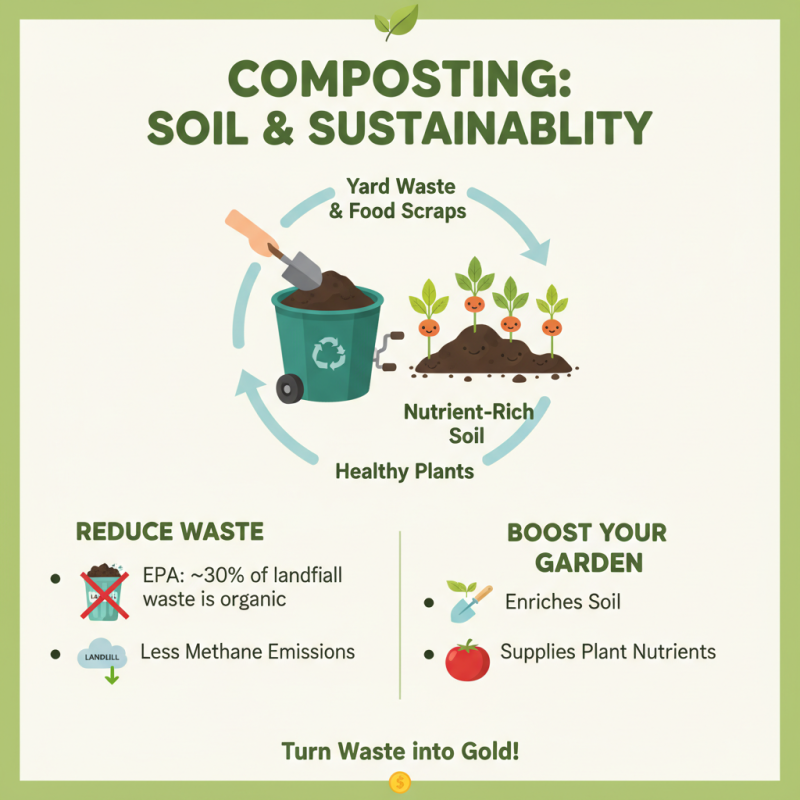
Composting is a cornerstone of sustainable gardening, transforming organic waste into nutrient-rich soil while significantly reducing landfill contributions. According to the Environmental Protection Agency (EPA), yard waste and food scraps make up nearly 30% of what we throw away. By utilizing a rotating compost bin, gardeners can efficiently manage these waste materials, turning them into valuable compost that enriches the soil and supports plant health. This practice not only contributes to reducing landfill waste but also decreases methane emissions produced by decomposing organic matter in landfills.
Moreover, composting improves soil structure and fertility, enhancing its ability to retain moisture and nutrients. Research published in the Journal of Environmental Quality indicates that compost can increase soil organic matter by up to 10%, which is crucial for plant growth and ecosystem health. Healthy soil fosters a robust microbial environment that promotes biodiversity among plants, insects, and microorganisms. By adopting a rotating compost bin, gardeners streamline this process, achieving faster and more efficient composting, thus supporting eco-friendly practices that are essential for sustainable gardening and the health of our planet.

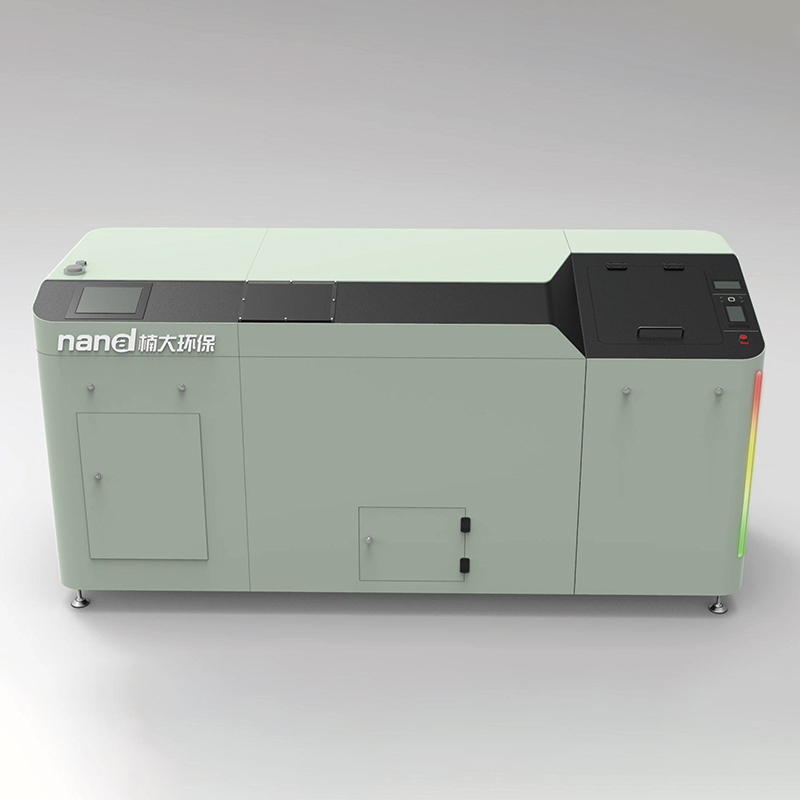 Nanda Trans Series-200
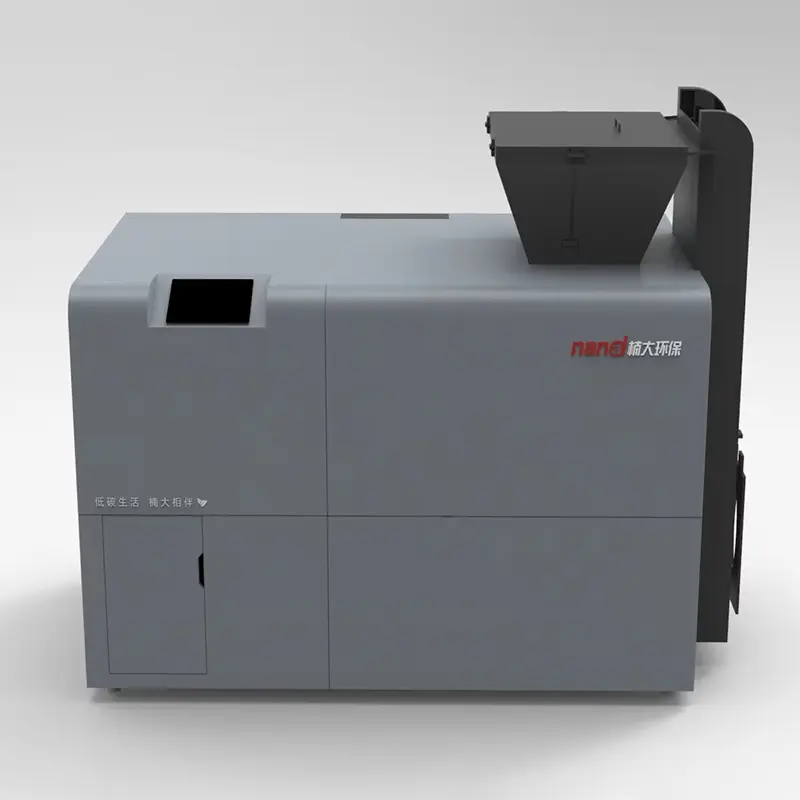 Nanda Trans Series-500
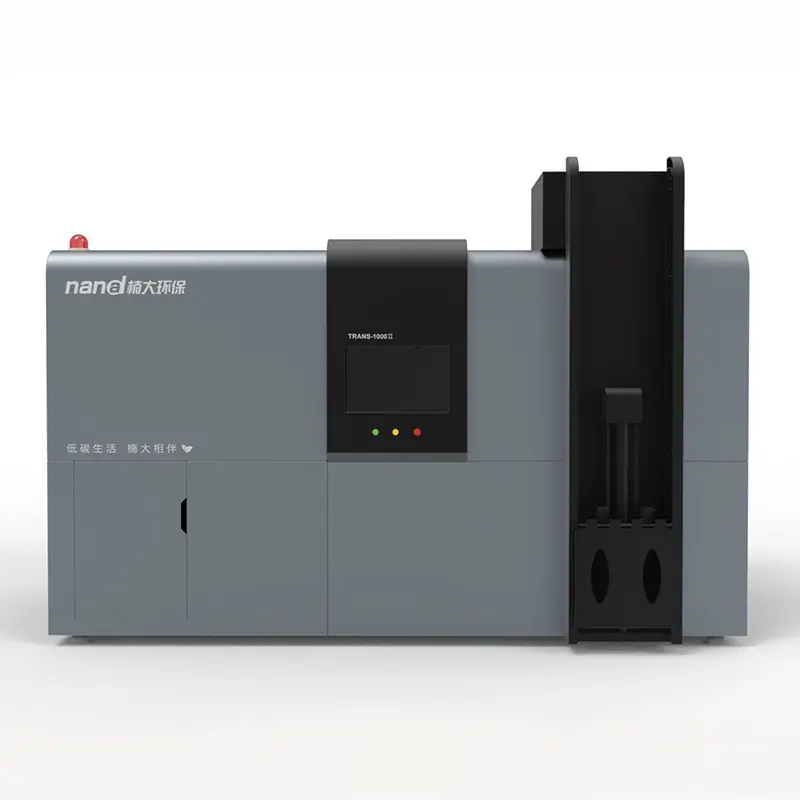 Nanda Trans Series-1000
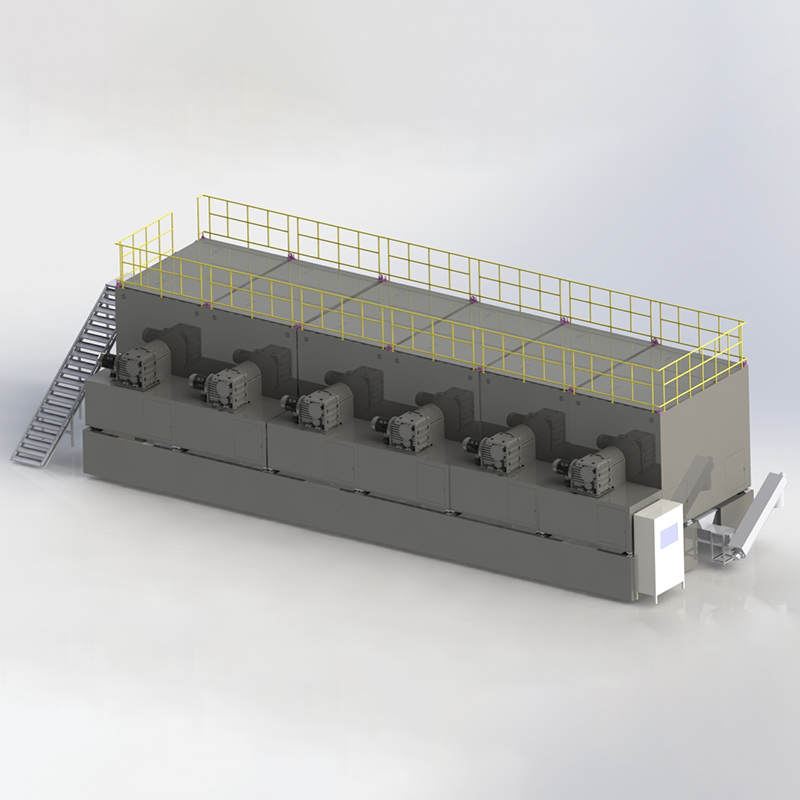 Nanda Trans Series-30000
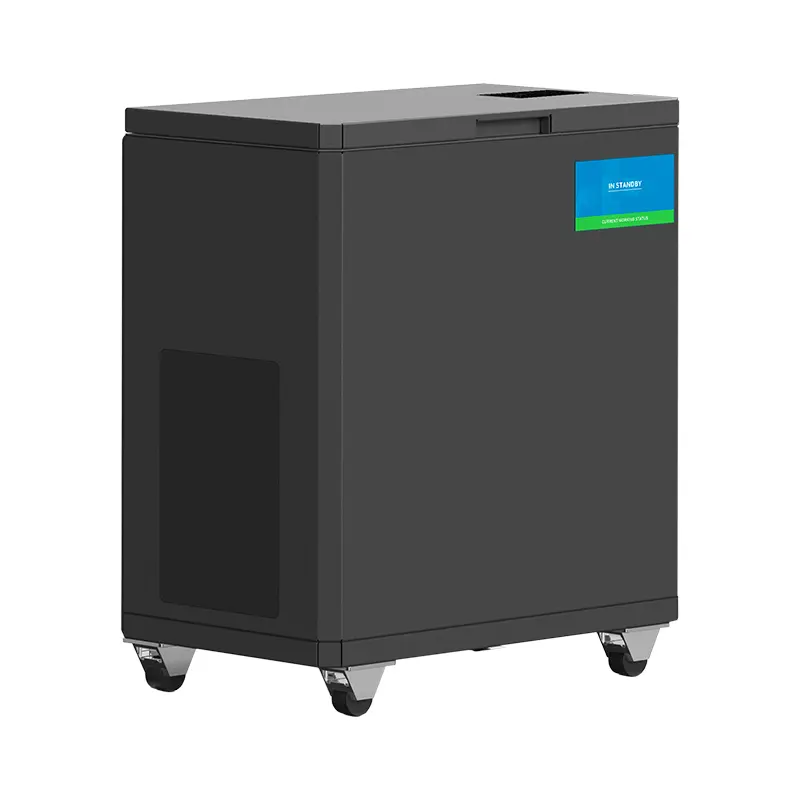 Nanda Thermax Series-100
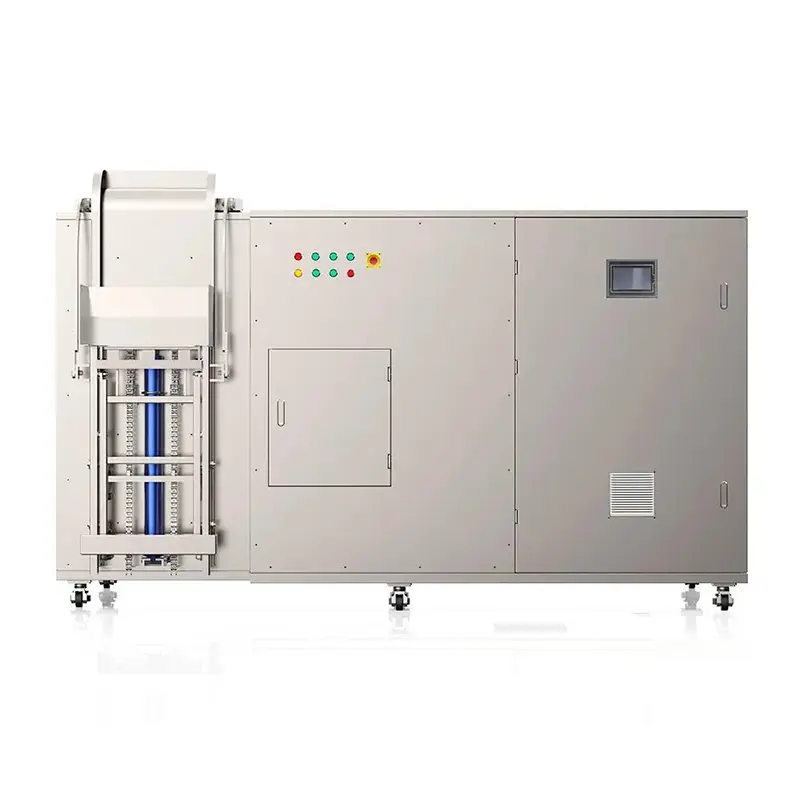 Nanda Thermax Series-200
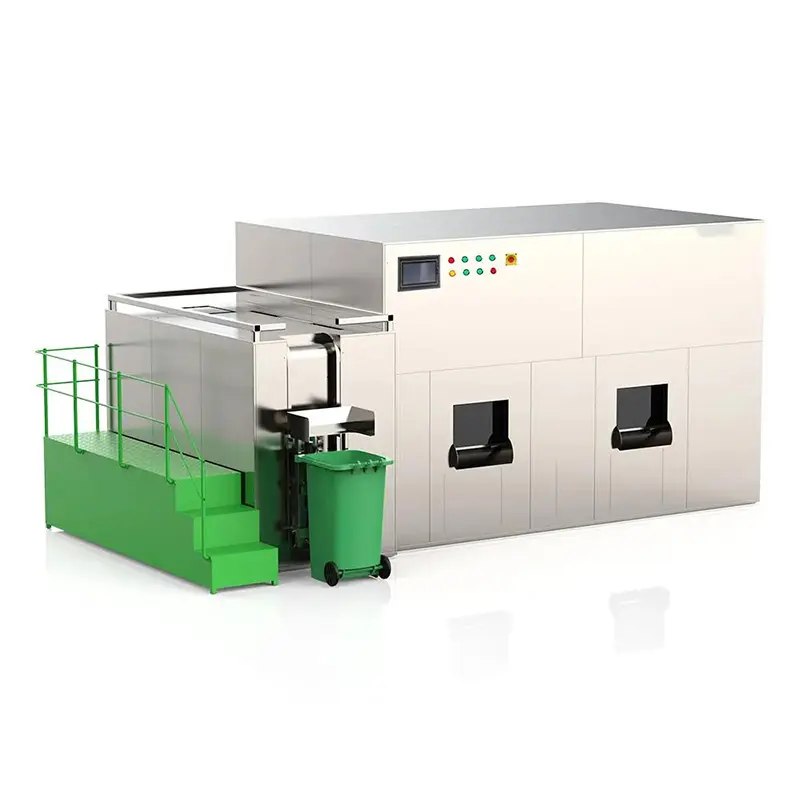 Nanda Thermax Series-2000
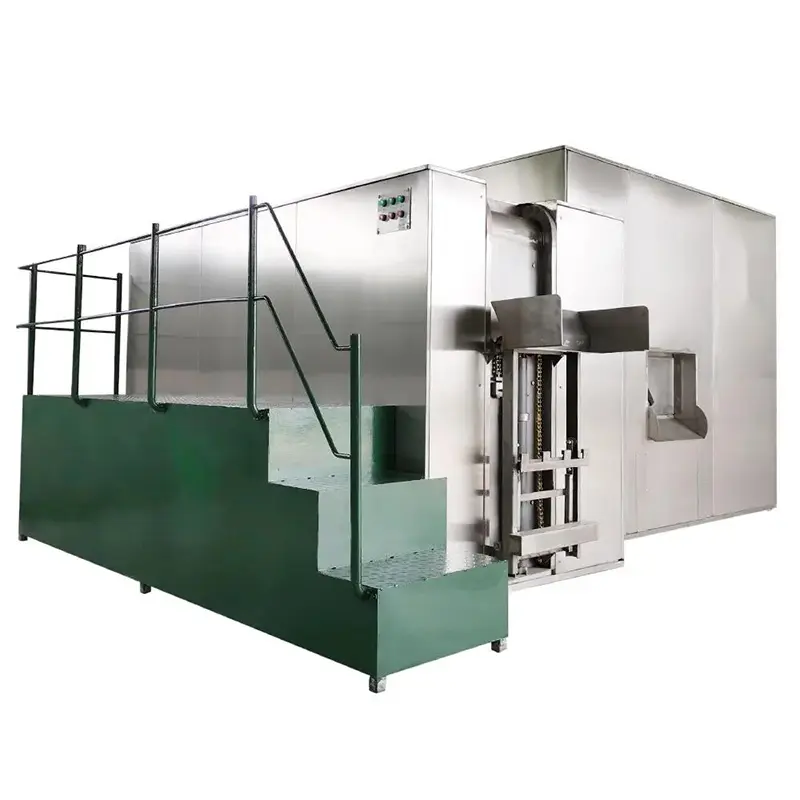 Nanda Thermax Series-10000
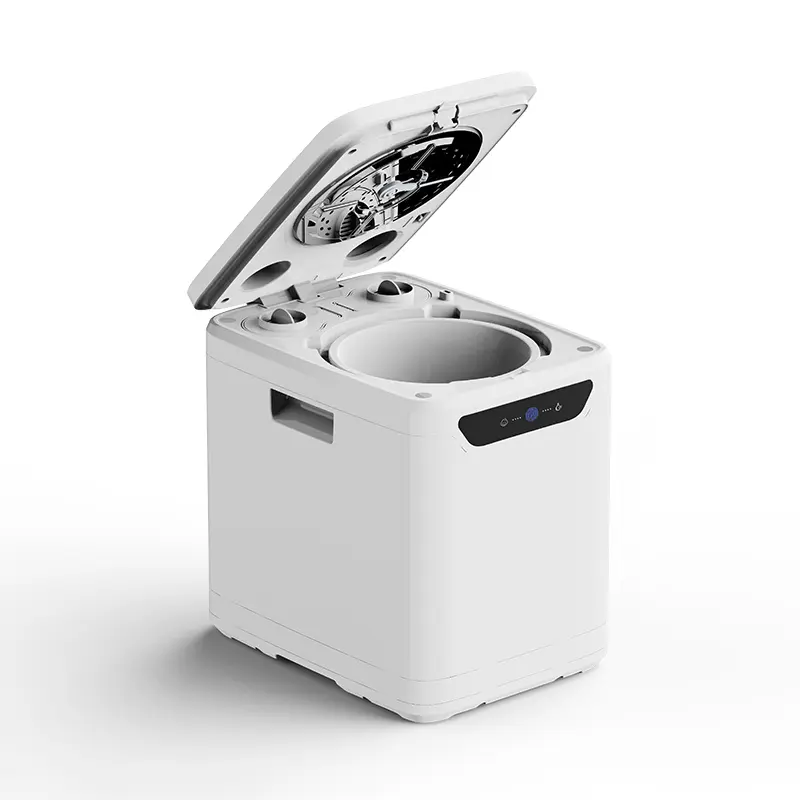 Nanda Turbo Series-3.5L-016
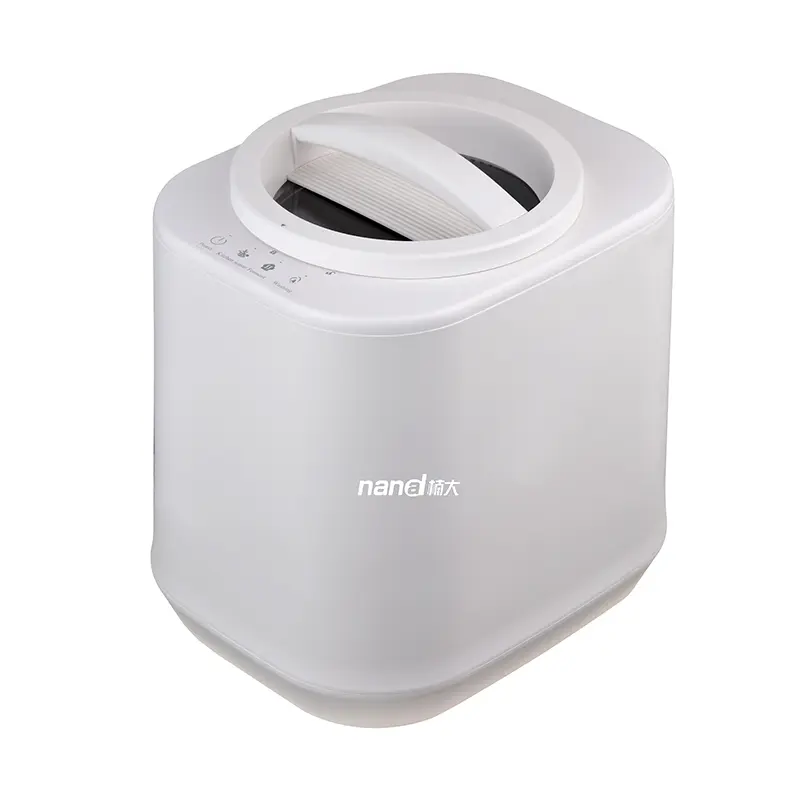 Nanda-Turbo Series-4L-011
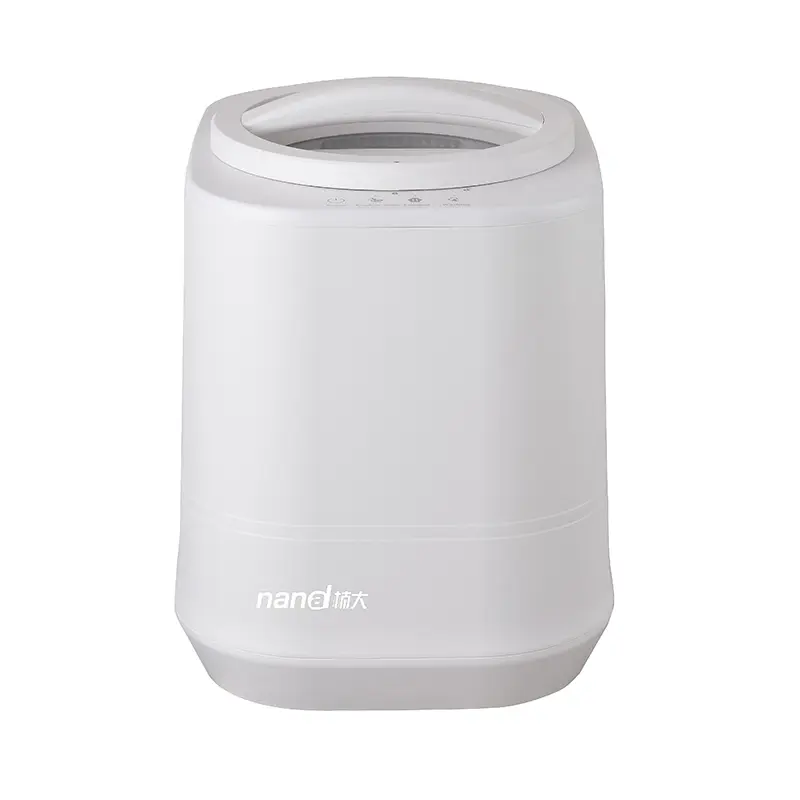 Nanda Turbo Series-4L-012
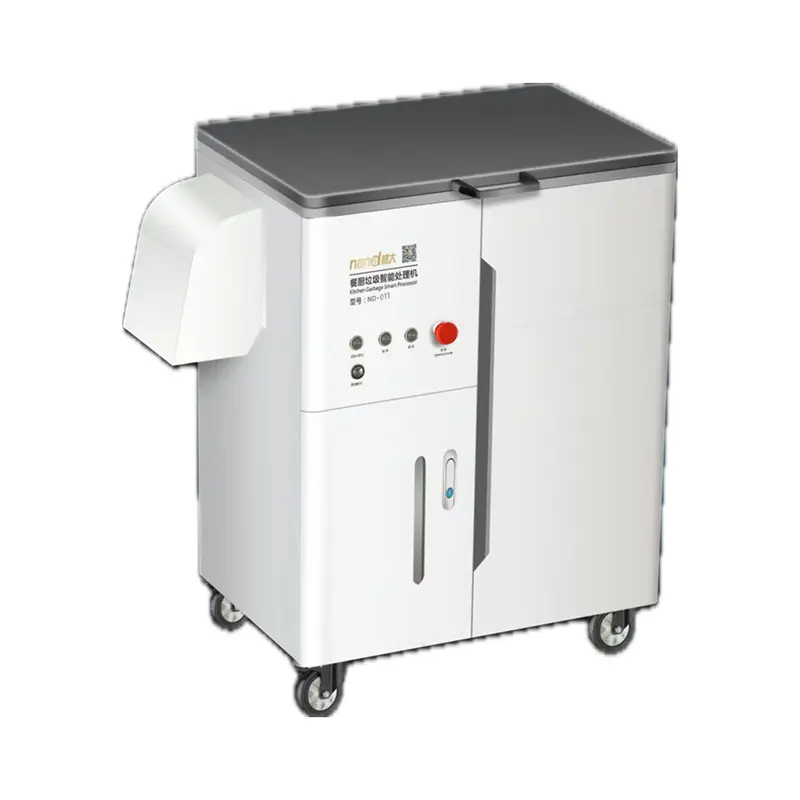 Oil-Water Separator