Top Benefits of Using a Kitchen Waste Disposer for Easy Cleanup
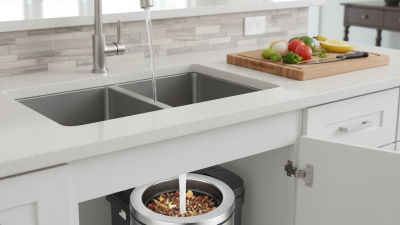
In today’s fast-paced world, managing kitchen waste efficiently has become more crucial than ever. One of the most effective solutions to streamline this process is the Kitchen Waste Disposer. This innovative appliance not only simplifies cleanup after meal preparation but also contributes significantly to a cleaner and more organized kitchen environment. By shredding food scraps and disposing of them through the plumbing system, a Kitchen Waste Disposer minimizes the mess and unpleasant odors associated with traditional waste disposal methods.
Adopting a Kitchen Waste Disposer encourages a more sustainable lifestyle as it reduces the amount of organic waste sent to landfills, thereby lowering our environmental footprint. Additionally, it turns kitchen waste into a resource that can be used in wastewater treatment, which is vital for maintaining a balanced ecosystem. With the multitude of benefits presented by this appliance, homeowners can enjoy a more convenient and cleaner cooking experience while promoting eco-friendly practices. Embracing the Kitchen Waste Disposer not only enhances kitchen functionality but also aligns with a broader commitment to environmental stewardship.
Benefits of Kitchen Waste Disposer for Efficient Cleanup
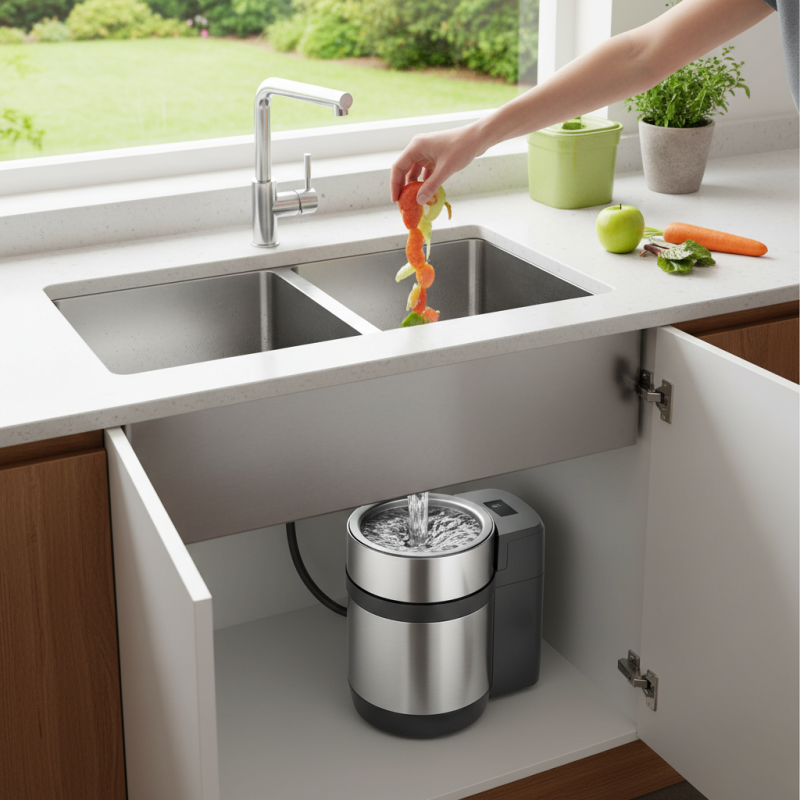
A kitchen waste disposer is an essential appliance for those seeking efficient cleanup after meal preparation. One of its primary benefits is the reduction of food waste volume. By grinding down leftovers and scraps, it minimizes the amount of waste that ends up in your trash, leading to less clutter and a more organized kitchen environment. This immediate disposal option not only saves time but also reduces the frequency of trash bag changes, making kitchen management much smoother.
Moreover, using a kitchen waste disposer contributes to improved hygiene in the kitchen. Food particles left in the trash can attract pests and produce unpleasant odors, creating an unsanitary environment. With a disposer, these food scraps are quickly eliminated, resulting in a cleaner and fresher kitchen space. Additionally, many disposers are equipped with features that help prevent clogs and odors, ensuring the kitchen remains not just tidy, but also hygienic and pleasant to work in. The convenience and cleanliness offered by a kitchen waste disposer make it an invaluable tool for any home chef.
How Kitchen Waste Disposers Improve Kitchen Hygiene
A kitchen waste disposer is more than just a handy appliance; it plays a crucial role in enhancing kitchen hygiene. By grinding food scraps into tiny particles that can easily be washed away, these devices prevent the accumulation of waste in and around the kitchen. This reduction of organic matter limits the chances of attracting pests such as flies and rodents, which are often drawn to leftover food. As a result, a kitchen waste disposer fosters a cleaner environment, contributing to overall household sanitation.
Furthermore, using a waste disposer minimizes the risk of unpleasant odors that can linger from decomposing food waste. Unlike traditional waste disposal methods, which typically require frequent trips to the trash bin, a kitchen disposer allows for immediate disposal of scraps. This not only keeps your kitchen smelling fresh but also simplifies the cleanup process after cooking and dining. The ease of use encourages quicker disposal of waste, reducing the potential for bacteria growth and contamination. In essence, integrating a waste disposer into your kitchen can significantly elevate hygiene standards, making it a practical choice for every home.
Environmental Advantages of Using Kitchen Waste Disposers
Using a kitchen waste disposer offers significant environmental advantages that contribute to sustainability and waste reduction. According to the United States Environmental Protection Agency (EPA), food waste constitutes approximately 22% of municipal solid waste in landfills. By utilizing a kitchen waste disposer, homeowners can divert a portion of this waste from landfills, effectively reducing the overall volume of garbage and the associated environmental impact. Integrating disposers into the waste management system not only minimizes landfill use but also enhances the efficiency of recycling efforts, as organic waste can be repurposed into nutrient-rich compost.
Furthermore, the presence of kitchen waste disposers can also lead to a decrease in greenhouse gas emissions. The decomposition of food waste in landfills generates methane, a greenhouse gas far more potent than carbon dioxide. In fact, the EPA estimates that one ton of food waste generates about 25 times more methane when decomposed anaerobically in a landfill compared to when processed through a disposer. By shredding food waste and sending it through the sewage system, disposers contribute to wastewater treatment processes that can convert organic matter into biogas, which can be harnessed for renewable energy. This transition not only aids in managing waste more effectively but also bolsters local energy production, showcasing a key advantage of kitchen waste disposers in achieving environmental goals.
Top Benefits of Using a Kitchen Waste Disposer for Easy Cleanup - Environmental Advantages of Using Kitchen Waste Disposers
| Benefit |
Description |
Environmental Impact |
| Convenience |
Easily dispose of food scraps right at the sink, reducing mess and clean-up time. |
Reduces waste in landfills and minimizes the need for garbage bags. |
| Odor Control |
Less food waste sitting in trash bins leads to fewer odors in the kitchen. |
Helps in maintaining a cleaner environment and reduces attraction for pests. |
| Nutrient Recycling |
Food waste can be processed to create compost or energy through anaerobic digestion. |
Supports a circular economy by recycling nutrients back into the ecosystem. |
| Water Conservation |
Running a disposer uses less water than washing and disposing food waste manually. |
Conserves water, reducing demand on local water supplies. |
| Ease of Use |
Simple operation with the push of a button makes disposal quick and easy. |
Encourages responsible disposal habits, leading to lower overall waste generation. |
Comparing Traditional Waste Disposal Methods with Disposers
When it comes to waste disposal in the kitchen, traditional methods often involve a range of inconveniences that can complicate daily cleanup tasks. For instance, throwing scraps into a trash bin can lead to unpleasant odors and attract pests if not managed properly. Additionally, traditional disposal methods typically require regular trips to the outdoor garbage, which can be a hassle, particularly in bustling households where time is valuable. The accumulation of organic waste can also contribute to an unhygienic environment, making it vital for families to find soothing alternatives.
Kitchen waste disposers offer a modern solution to these challenges, providing a sanitary and efficient means of handling food scraps. By grinding waste into fine particles that can be safely flushed down the drain, disposers eliminate the need for physical waste storage, reducing odors and pest problems. The convenience of simply scraping leftovers into the sink allows for a quicker cleanup process, enabling a more streamlined kitchen experience. This modern approach not only simplifies cleaning but also promotes a more environmentally friendly disposal method by reducing the volume of waste sent to landfills. Overall, kitchen waste disposers set a new standard in kitchen hygiene and efficiency compared to traditional disposal systems.
Installation and Maintenance Tips for Kitchen Waste Disposers
When considering the installation of a kitchen waste disposer, it is crucial to follow best practices to ensure effective functionality and longevity. According to the Environmental Protection Agency (EPA), garbage disposers can help reduce waste sent to landfills by about 30%. However, improper installation can lead to plumbing issues or inefficiency in grinding food waste. It is advisable to connect the unit to a dedicated circuit to prevent overloads and utilize appropriate plumbing materials to withstand the unit's vibrations and waste disposal capacity effectively.
Maintenance of kitchen waste disposers is equally important for optimal performance. A survey conducted by the Kitchen Appliance Manufacturer's Association (KAMAA) indicates that regular maintenance can extend the life of a disposer by up to 50%. Simple practices such as running cold water while using the disposer, avoiding fibrous foods that can cause jams, and periodically grinding ice cubes can help maintain the sharpness of the blades. Additionally, flushing the system with a mixture of vinegar and baking soda can aid in deodorizing and breaking down residual debris, keeping the disposer hygienic and enhancing kitchen cleanliness.

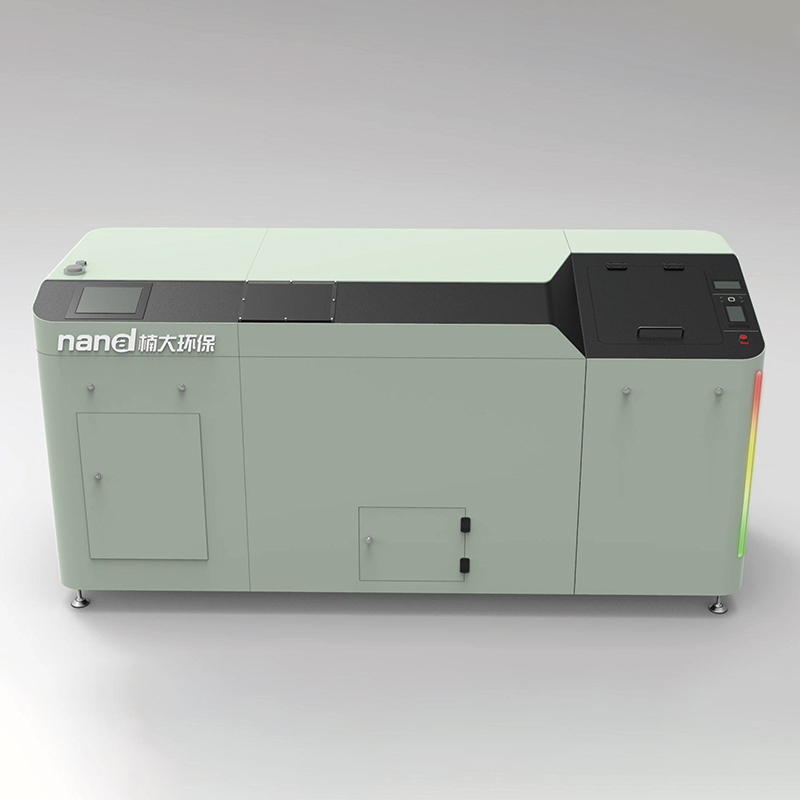 Nanda Trans Series-200
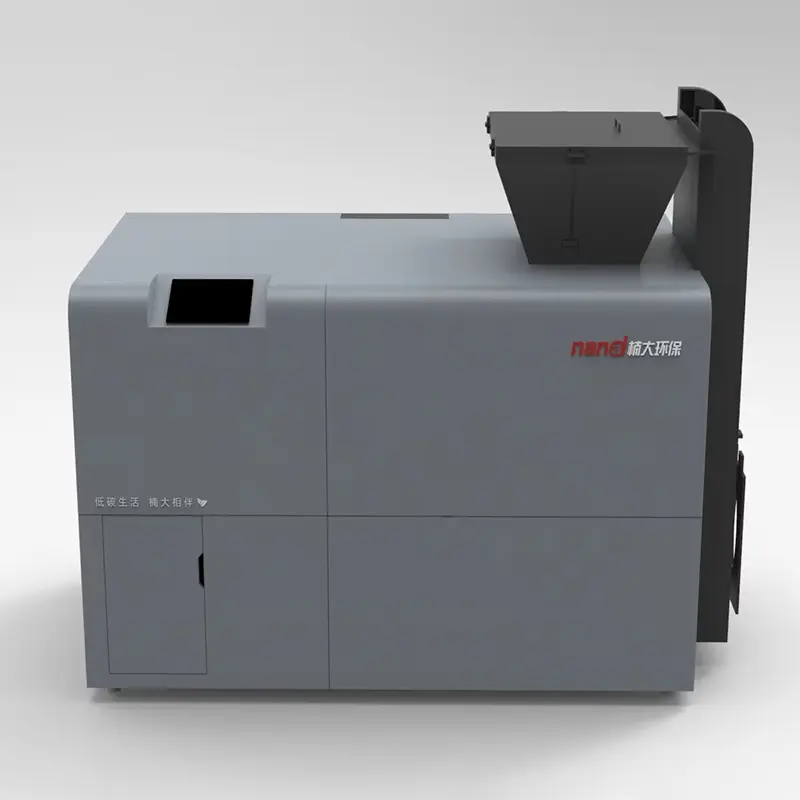 Nanda Trans Series-500
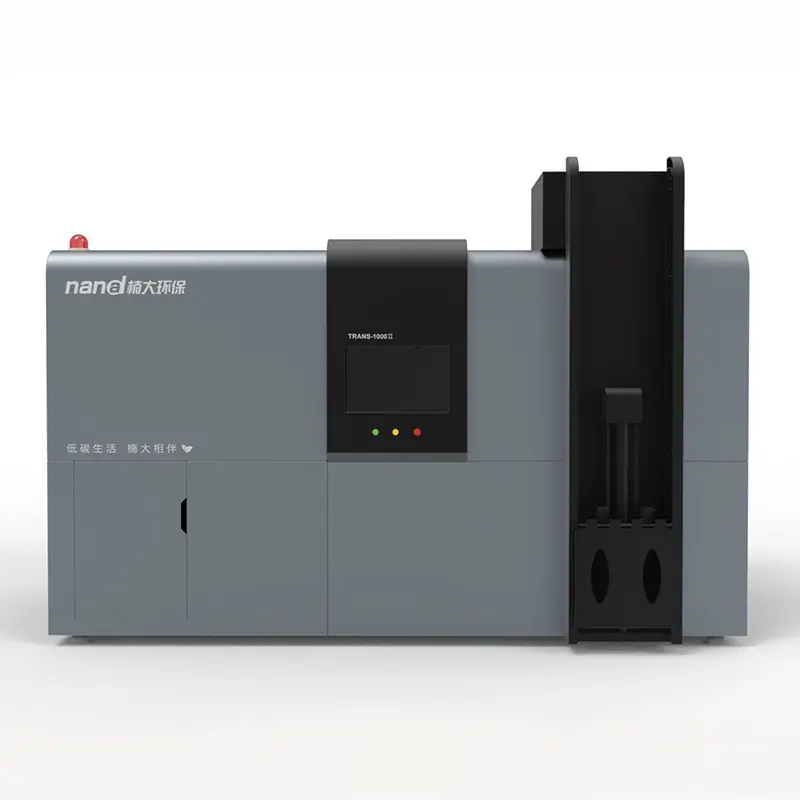 Nanda Trans Series-1000
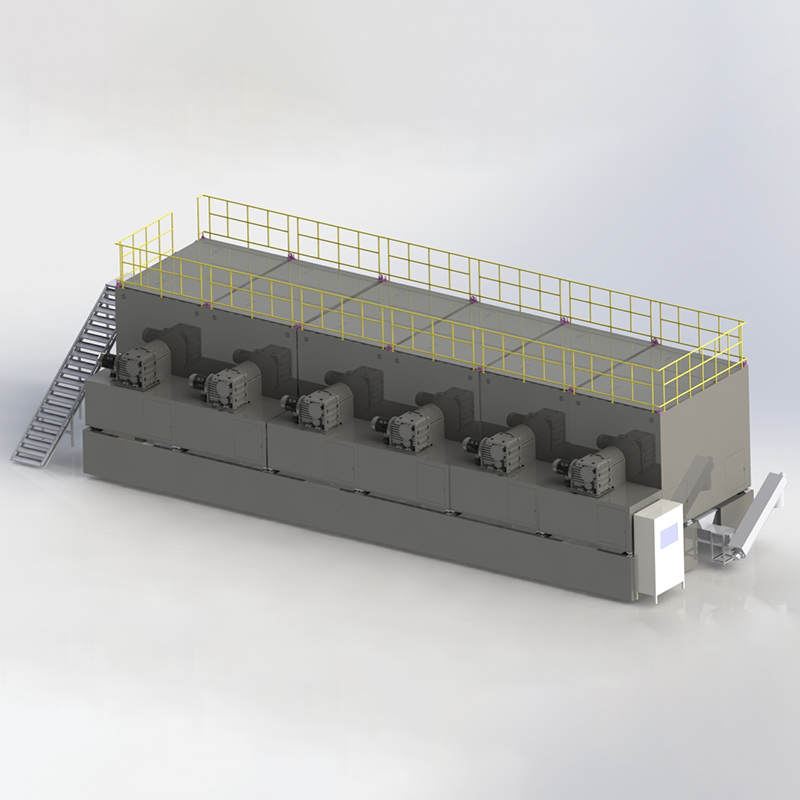 Nanda Trans Series-30000
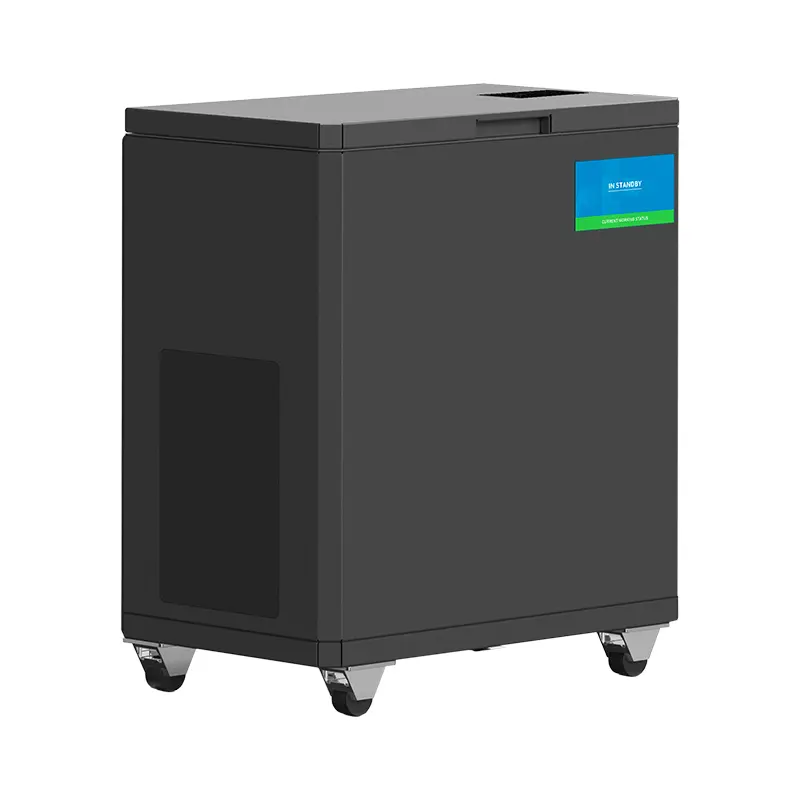 Nanda Thermax Series-100
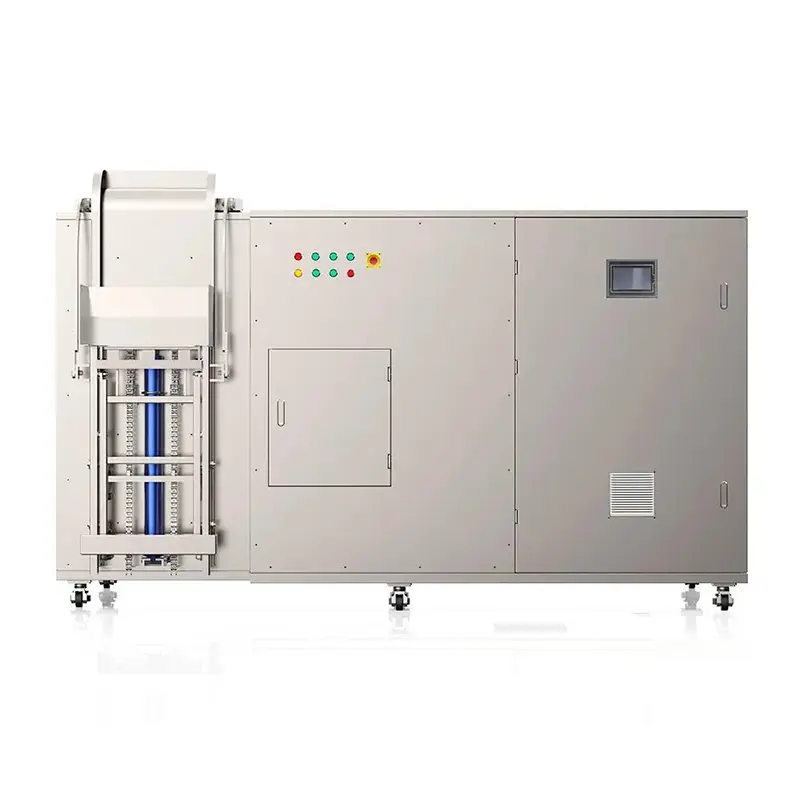 Nanda Thermax Series-200
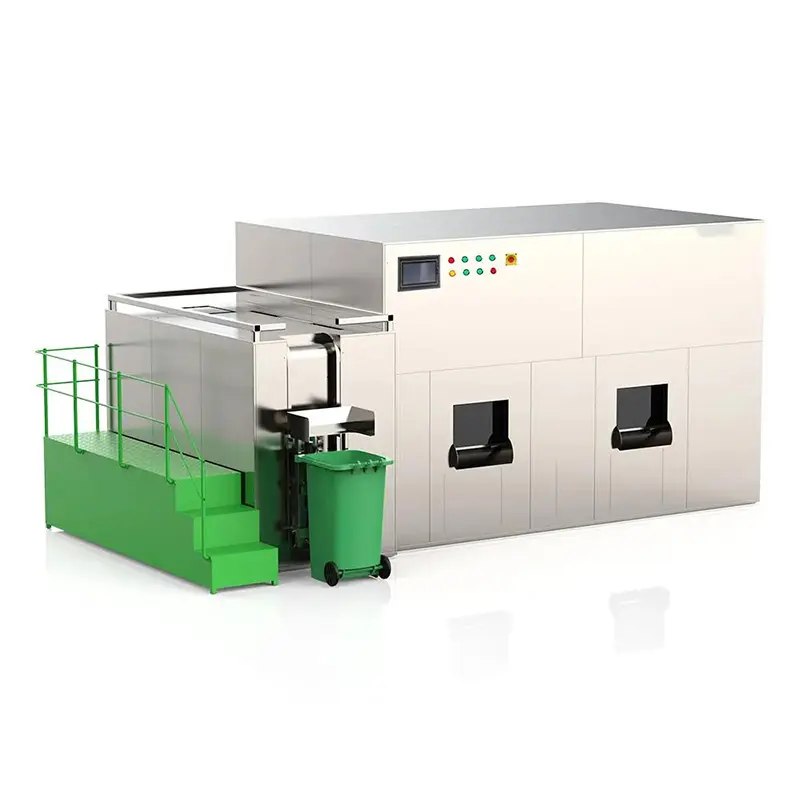 Nanda Thermax Series-2000
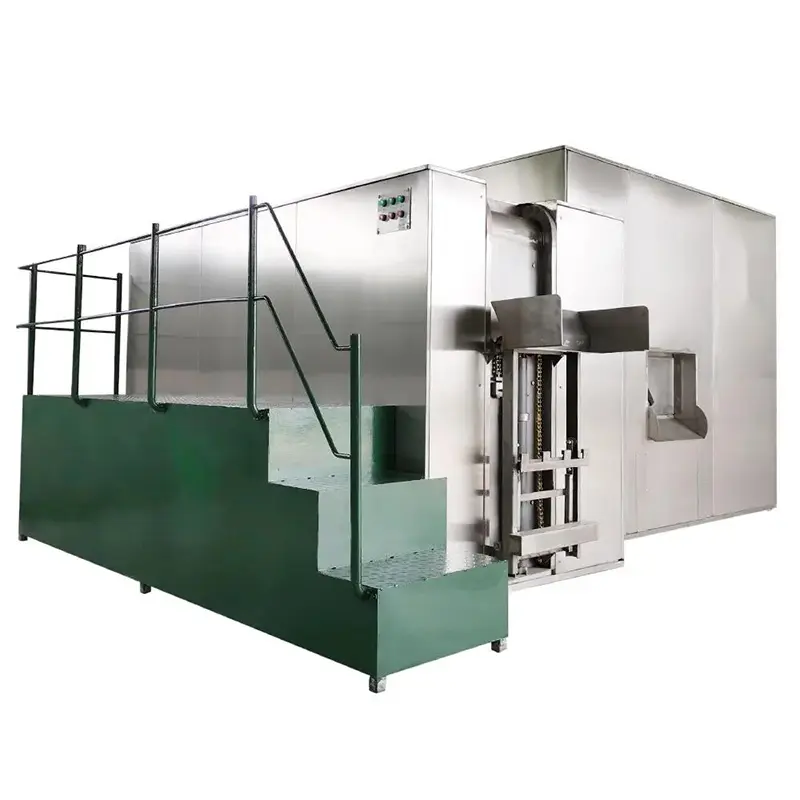 Nanda Thermax Series-10000
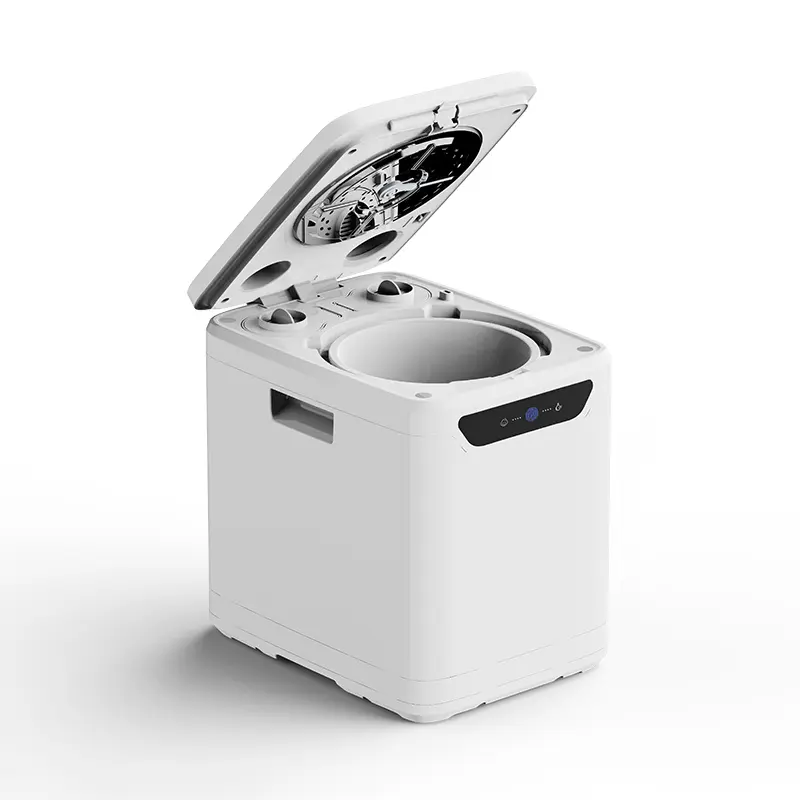 Nanda Turbo Series-3.5L-016
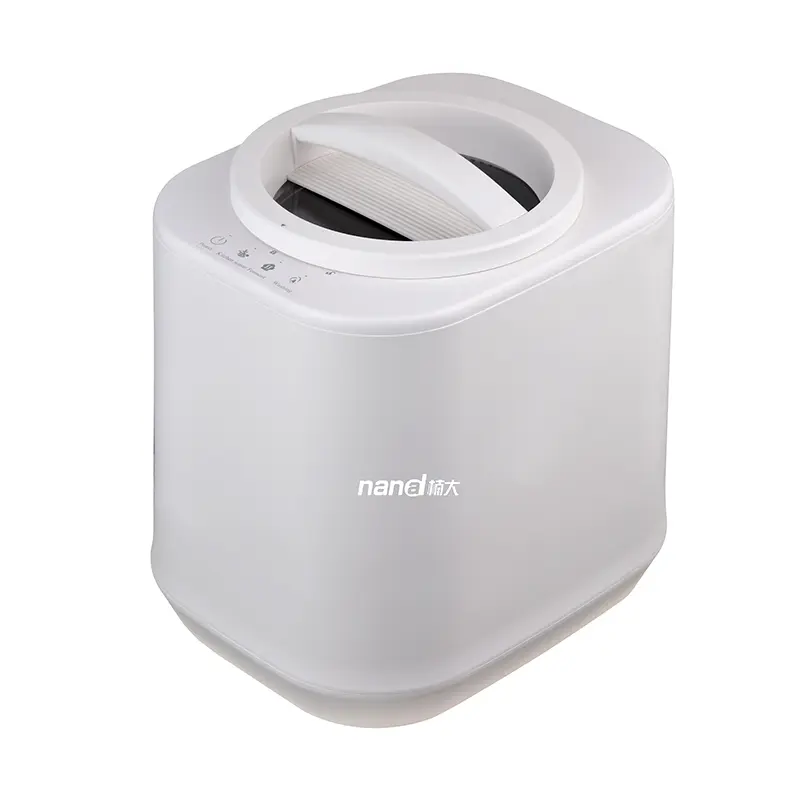 Nanda-Turbo Series-4L-011
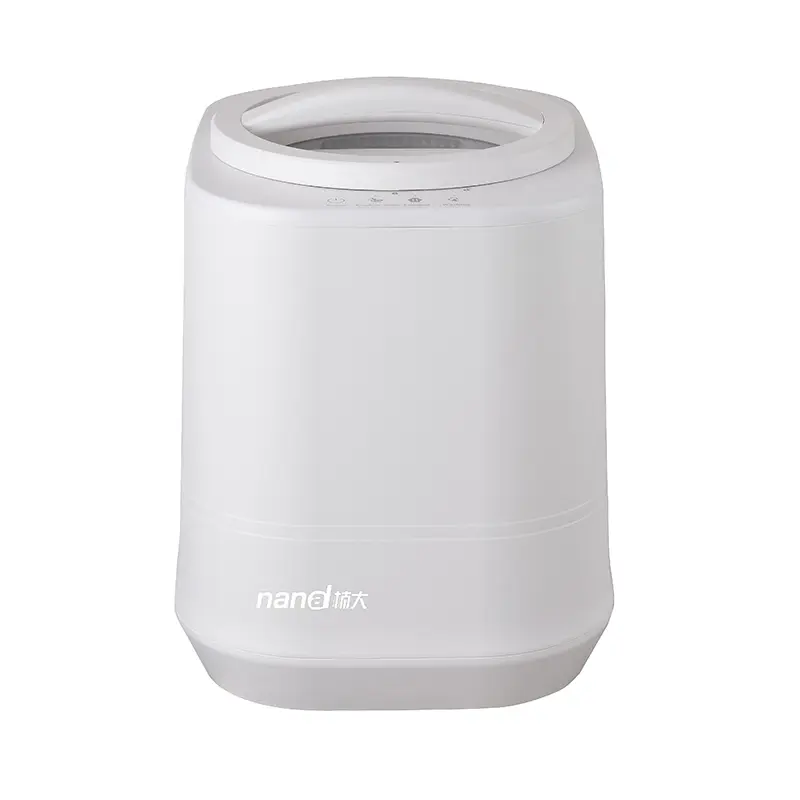 Nanda Turbo Series-4L-012
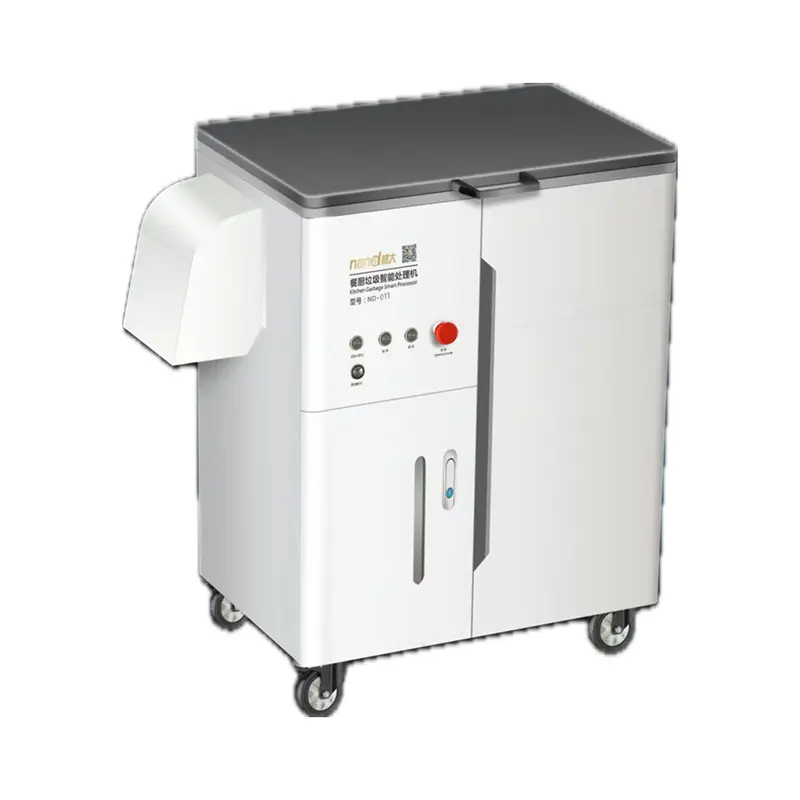 Oil-Water Separator