2026 Best Food Scrap Recycler Options for Sustainable Living?
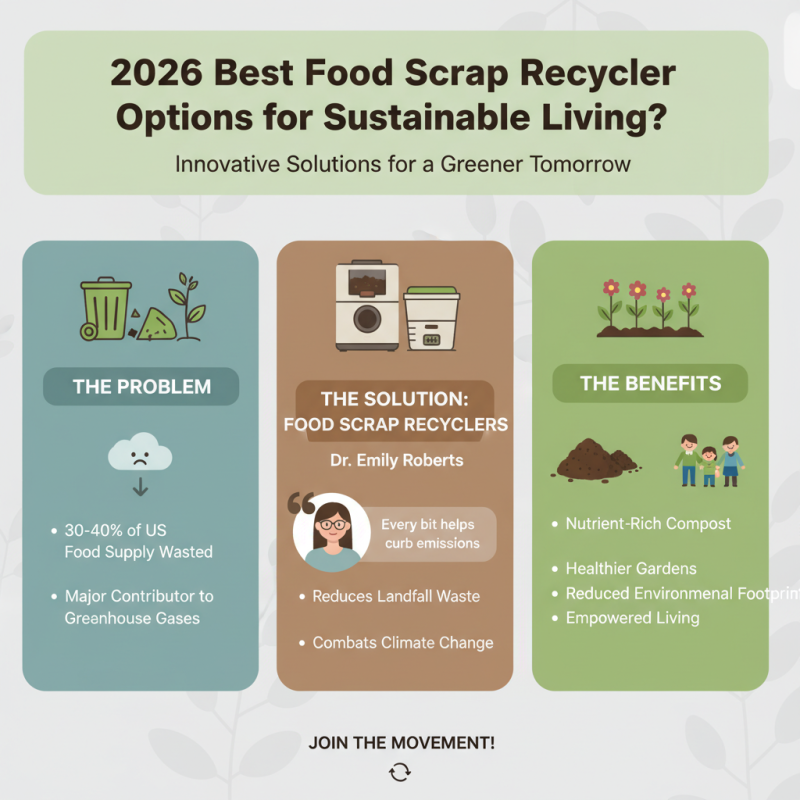
The growing awareness of food waste has led to innovative solutions in sustainability. According to the U.S. Environmental Protection Agency, nearly 30-40% of the food supply is wasted. This staggering statistic highlights the urgent need for effective waste management strategies. Food scrap recyclers present a viable option for households and businesses aiming to reduce their environmental impact.
Expert in sustainable waste management, Dr. Emily Roberts, emphasizes the importance of food scrap recyclers. She states, “Every bit of food waste diverted from landfills helps curb greenhouse gas emissions.” This encapsulates the critical role that recycling plays in addressing climate change.
Implementing a food scrap recycler not only minimizes waste but can also provide nutrient-rich compost for gardens. However, many consumers struggle with the initial steps of food waste sorting. This reveals an area for improvement in public education. Understanding the functions and benefits of food scrap recyclers is essential for fostering a sustainable future.
Overview of Food Scrap Recycling and Its Importance
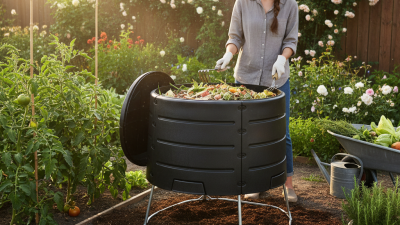
Food scrap recycling is vital for sustainable living. It reduces landfill waste significantly. Many households throw away food scraps, not realizing the impact. In fact, food waste contributes to greenhouse gas emissions. Composting is one way to recycle these scraps. It transforms waste into nutrient-rich soil. This process is beneficial for gardens and plants.
However, food scrap recycling can be challenging. Some people lack space for compost bins. Others may not understand what can be composted. Awareness and education are essential. Many communities offer workshops. They teach residents about effective recycling methods. Still, some may hesitate to change their habits. It takes time to adapt and make recycling a routine.
The importance of food scrap recycling cannot be overstated. It not only alleviates waste issues but also enriches the environment. The soil benefits from compost, leading to healthier plants. This cycle promotes sustainability. Awareness and involvement are key hurdles to overcome today. Inconsistent habits can lead to missed opportunities for change. The journey towards a greener lifestyle is ongoing and requires effort from everyone.
Types of Food Scrap Recycling Methods Accessible Today
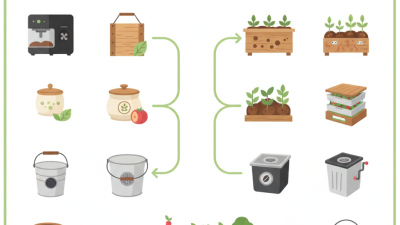
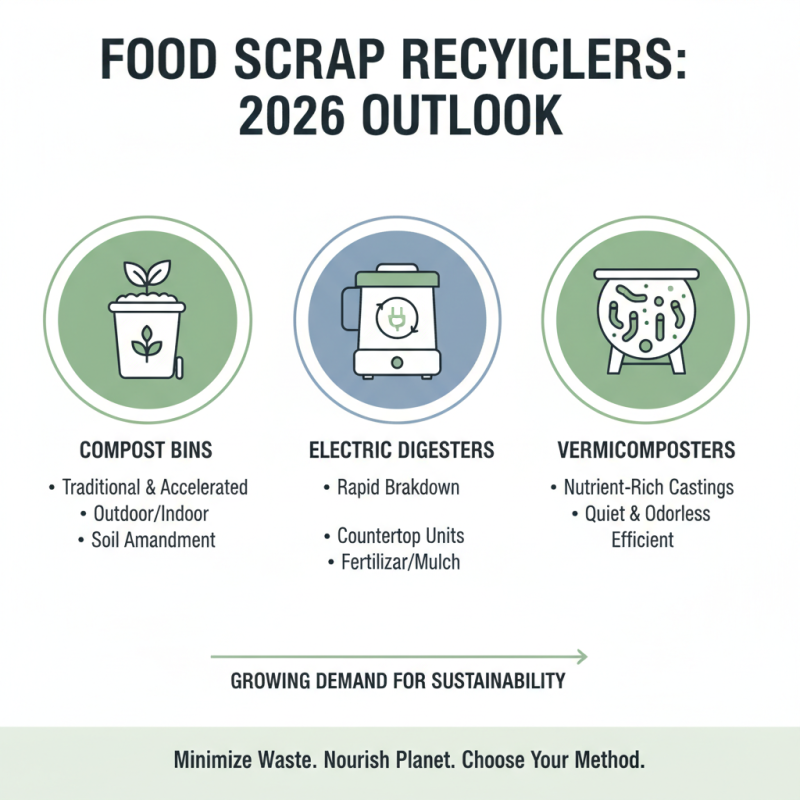
Food scrap recycling has gained popularity among eco-conscious individuals. Today, there are various methods available to encourage sustainable living. Many people turn to composting, which transforms kitchen scraps into nutrient-rich soil. It’s a simple process that can be done at home. You only need a compost bin or pile, plus some carbon-rich materials like dry leaves.
Another method is vermicomposting. This involves using worms to break down food scraps. It’s efficient and can even be done indoors. For those who lack space, this is a great option. However, managing worms can be tricky. They need the right environment to thrive. Additionally, some find the idea of worms unappealing.
Tips: Start small. If you’re new to this, begin with fruit and vegetable scraps. Make sure to avoid dairy and meat. These attract pests. Monitor your compost’s moisture level; it should feel like a damp sponge. Remember, patience is key. Food scraps won’t turn into compost overnight. Every effort counts toward a sustainable lifestyle.
2026 Best Food Scrap Recycler Options for Sustainable Living
| Method |
Description |
Benefits |
Ideal For |
| Composting |
Aerobic decomposition of organic waste. |
Reduces landfill waste, enriches soil. |
Home gardeners, urban dwellers. |
| Anaerobic Digestion |
Decomposition without oxygen, producing biogas. |
Generates renewable energy, reduces methane emissions. |
Municipalities, large farms. |
| Vermicomposting |
Using worms to digest organic waste. |
Produces nutrient-rich compost, minimal odors. |
Urban environments, small residences. |
| Fermentation |
Converting food waste into edible products. |
Creates probiotic-rich foods, reduces waste. |
Home cooks, health enthusiasts. |
| Food Waste Recycling Programs |
Municipal services collecting food scraps for processing. |
Convenient, can scale to communities. |
Any community, supported by local government. |
Top Features to Look for in Food Scrap Recycler Options
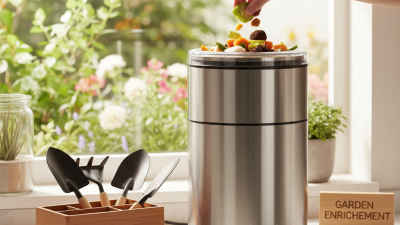
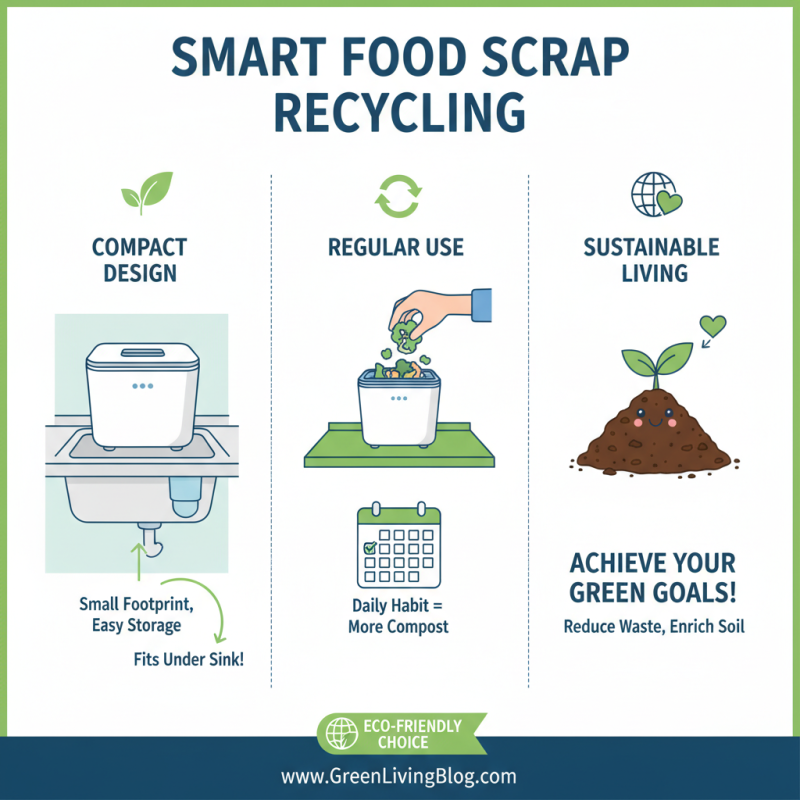
Choosing the right food scrap recycler can significantly impact your sustainable living goals. Look for options that feature a compact design. A smaller footprint means easier storage and less space wasted. Some models even fit under the kitchen sink. This convenience encourages regular use, which is key for effective composting.
Another important feature to consider is ease of use. Many recyclers have simple mechanisms for both shredding and processing scraps. User-friendly controls make it accessible for everyone in the household. You’ll want to avoid complicated systems that require extensive maintenance. This simplicity can sometimes lead to a less effective composting process, leaving you with unresolved scraps.
Lastly, consider odor control features. A great unit should minimize smells, making it suitable for indoor use. However, some may fail to address this effectively. Regular upkeep is crucial in preventing unpleasant odors, which can hinder your recycling efforts. Assess whether a product truly meets your expectations in this area. Reflect on your personal habits to ensure you choose a recycler that aligns with your needs.
Comparative Analysis of the Best Food Scrap Recyclers for 2026
In 2026, the quest for effective food scrap recyclers continues to grow. Many households now aim to minimize waste and embrace sustainable practices. Each option offers unique features, often tailored for specific needs.
Some recyclers utilize methods that break down organic matter quickly. This can generate nutrient-rich compost for gardens. Others promote a slower process, allowing for more versatile use. However, not all systems are user-friendly. Many individuals face challenges with odor control or maintenance. This can discourage consistent use and undermine waste reduction goals.
Choosing the right recycler requires careful consideration. Look for size, capacity, and ease of operation. Many products claim efficiency but may fall short upon actual use. Additionally, a lack of clear instructions can lead to frustration. Would-be recyclers should reflect on their needs and lifestyle before making a decision. Each choice has pros and cons, demanding thoughtful evaluation.
Tips for Integrating Food Scrap Recycling into Sustainable Living Practices
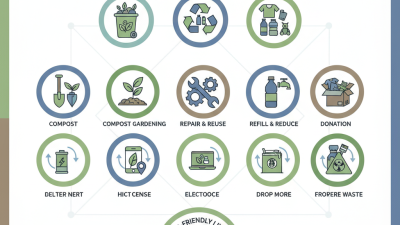
Food scrap recycling is vital for sustainable living. According to the EPA, about 30-40% of the food supply is wasted. This waste contributes to greenhouse gas emissions when it ends up in landfills. Integrating food scrap recycling can significantly reduce this environmental impact. Embracing this practice requires commitment and creativity.
Tips for integration include setting up an indoor compost bin. Start small with vegetable peels and coffee grounds. Many people find it helpful to designate a space in the kitchen for scraps. This makes it easier to compost daily. If your city has a recycling program, joining can make the process efficient.
Another tip is to educate yourself about which foods can be recycled. Bones and dairy products may not be suitable for all compost bins. It’s essential to avoid contaminants that could harm the composting process. Reflecting on what you throw away helps reduce future waste. By taking these steps, we can contribute to a healthier planet.

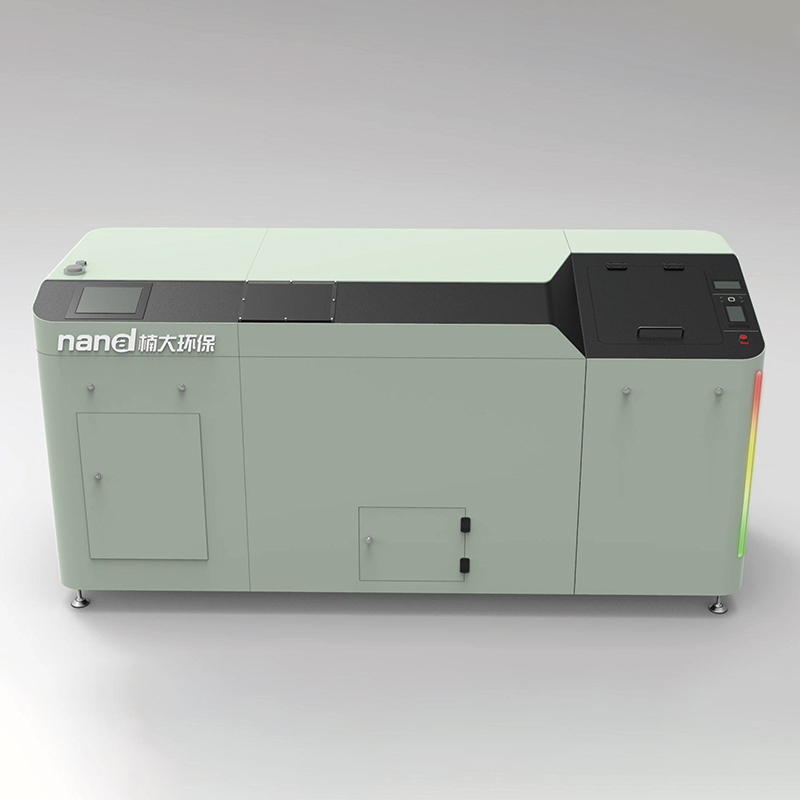 Nanda Trans Series-200
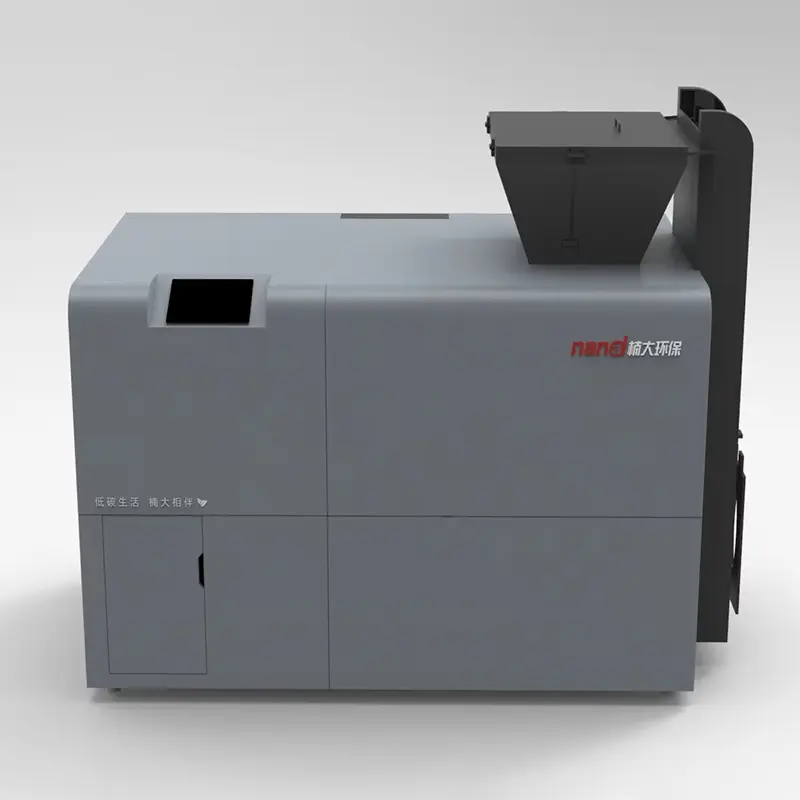 Nanda Trans Series-500
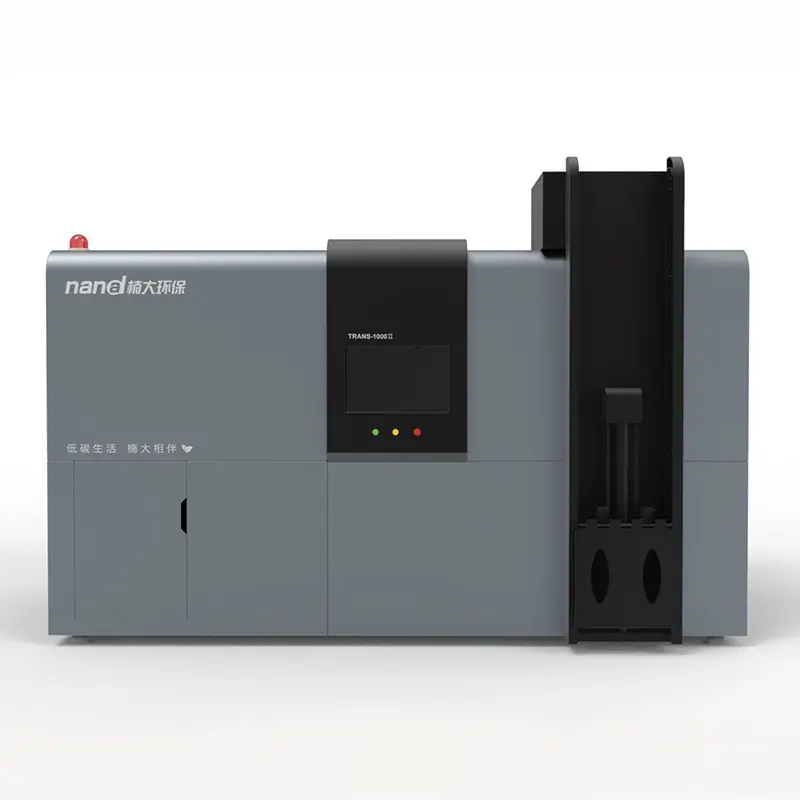 Nanda Trans Series-1000
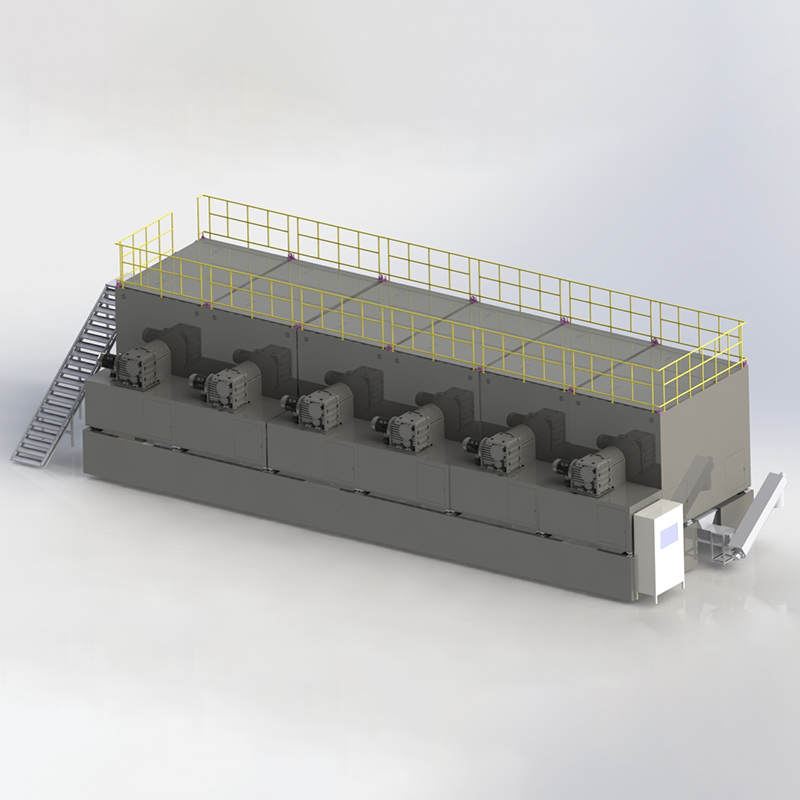 Nanda Trans Series-30000
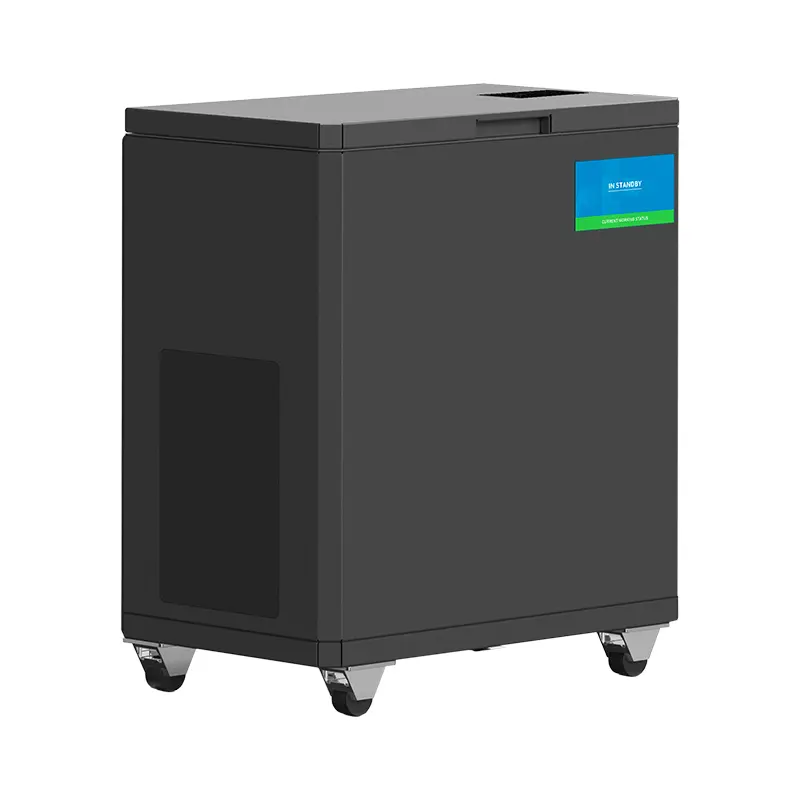 Nanda Thermax Series-100
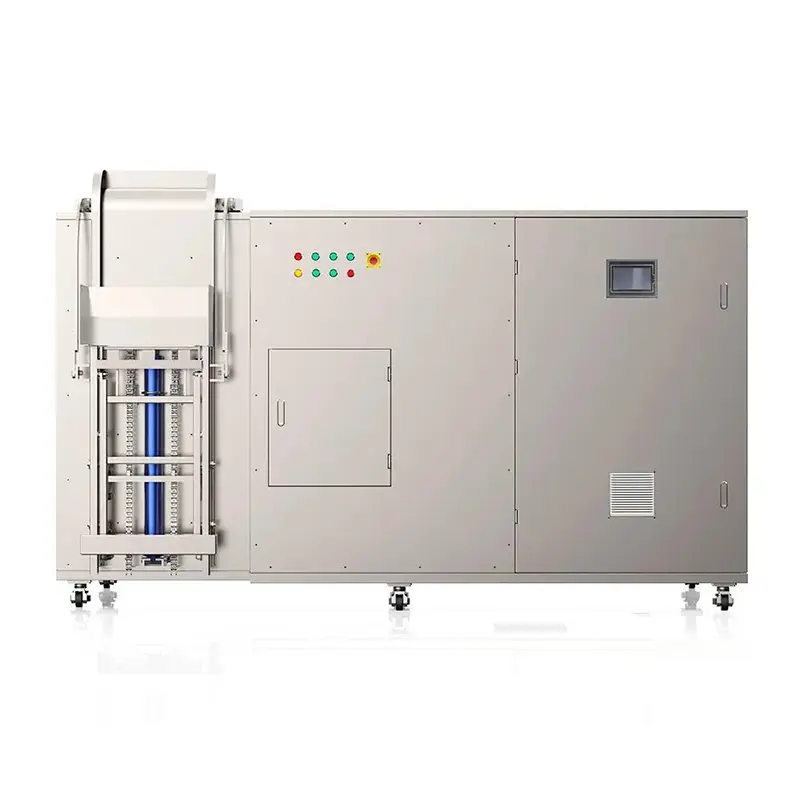 Nanda Thermax Series-200
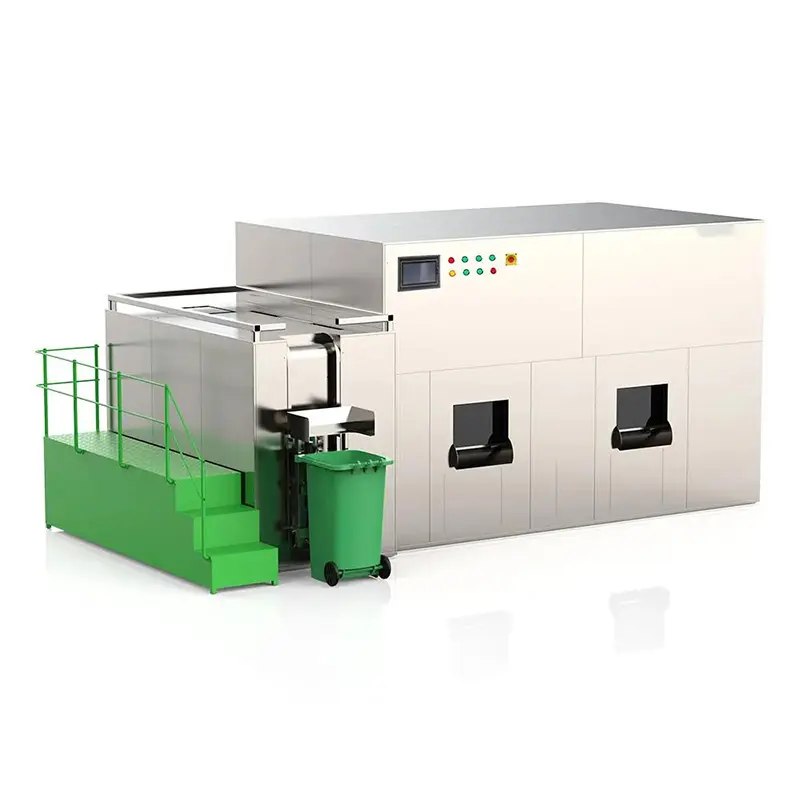 Nanda Thermax Series-2000
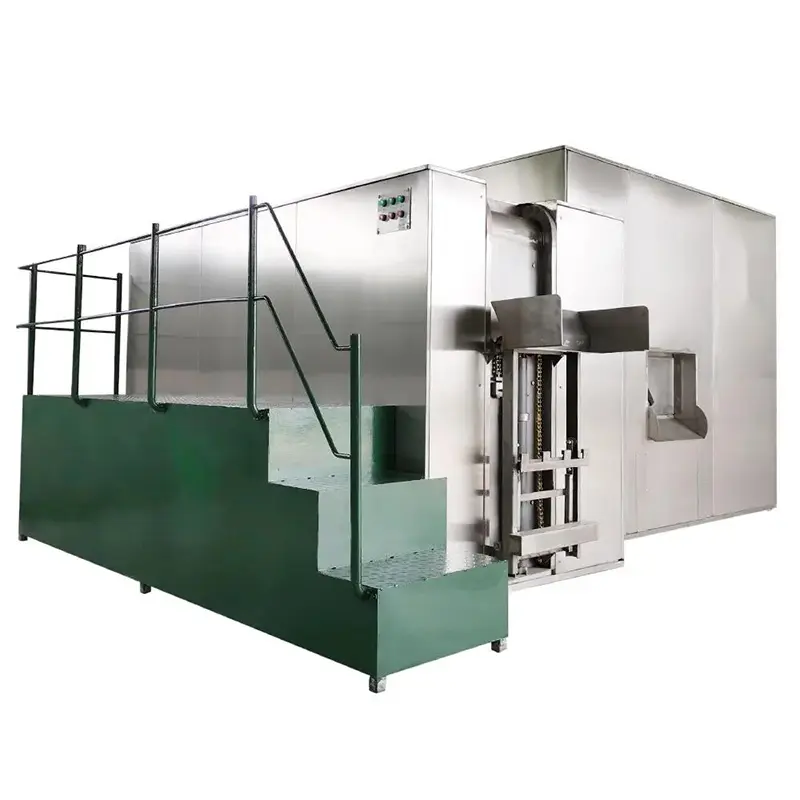 Nanda Thermax Series-10000
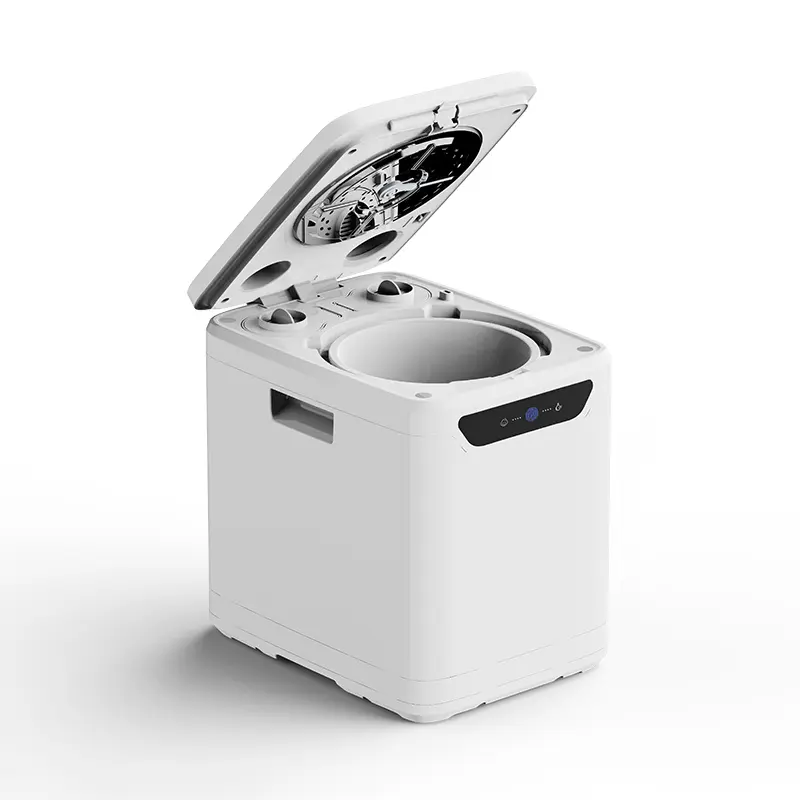 Nanda Turbo Series-3.5L-016
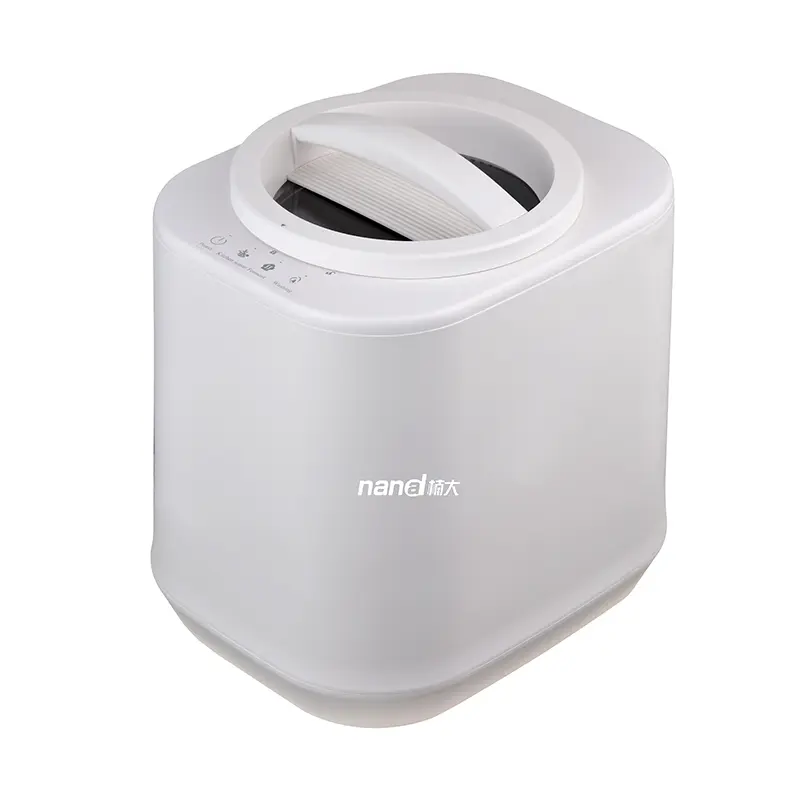 Nanda-Turbo Series-4L-011
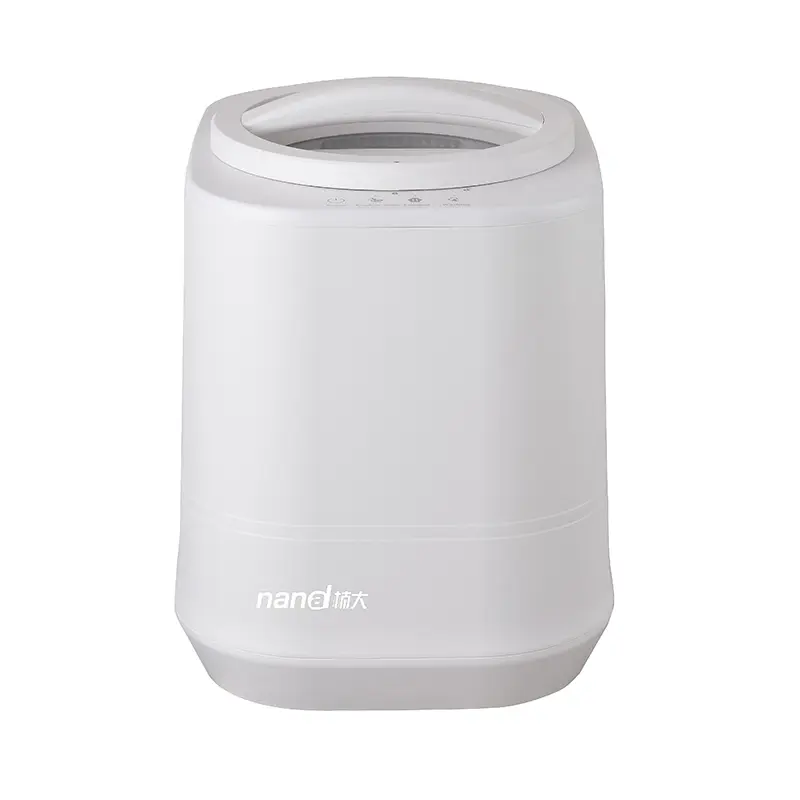 Nanda Turbo Series-4L-012
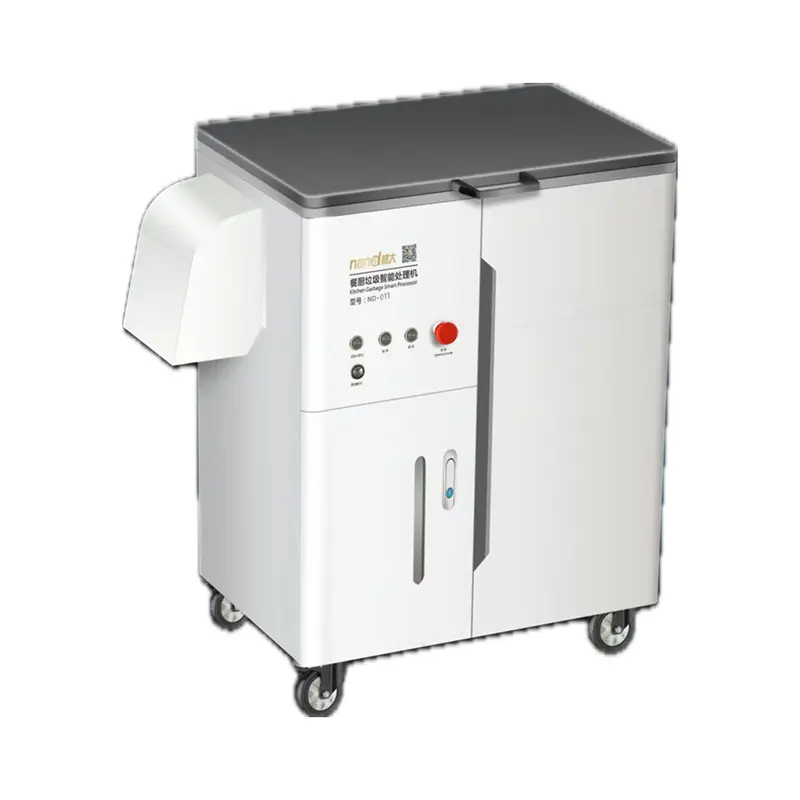 Oil-Water Separator