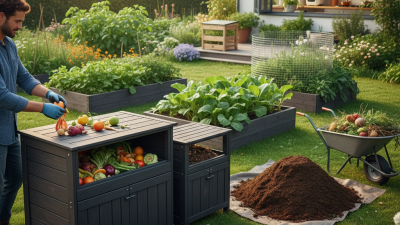
Best Food Waste Composter Options for Global Buyers?
Food waste is a pressing global issue. According to the Food and Agriculture Organization (FAO), one-third of all food produced for human consumption is wasted. This translates to about 1.3 billion tons per year. With rising populations and limited resources, effective management of food waste is essential. Investing in a food waste composter can significantly reduce waste sent to landfills and curb greenhouse gas emissions.
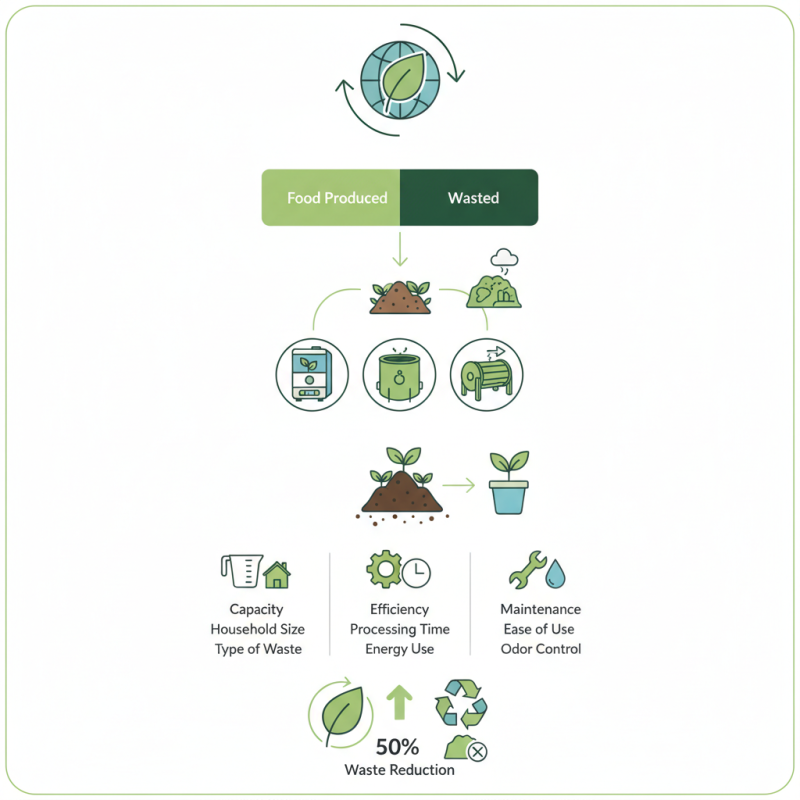
Food waste composters transform discarded food into nutrient-rich soil. They come in various forms, from small kitchen composters to larger outdoor units. Data shows that composting can reduce waste volume by up to 50%. Yet, many buyers struggle to choose the right option. This confusion often stems from a lack of understanding of composting processes and available technologies.
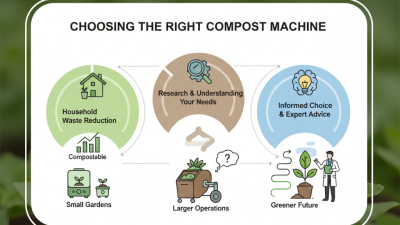
Selecting the best food waste composter requires informed choices. Buyers must consider factors such as capacity, efficiency, and maintenance. Not every composter is suitable for every household or environment. Understanding these nuances is vital for achieving efficient composting and maximizing benefits.
Best Food Waste Composter Options for Global Buyers
Food waste is a global challenge. Composting at home can make a significant impact. Many choices are available for composters, but not all are the same. Different designs suit various needs. Some are compact for small spaces, while others require more room. The right option depends on your lifestyle and the amount of waste you generate.
When selecting a composter, consider ease of use. Look for models that simplify the process. A well-designed composter can keep odors down while speeding up decomposition. Proper ventilation is key. Without it, the compost can become too wet or smelly. Reflect on your commitment to maintaining the system. Some people may find it easier to stick with store-bought compost than composting at home.
Think about the environment too. Composting reduces landfill waste while creating rich soil for gardens. However, it can be time-consuming. Many find this rewarding, but it doesn't suit everyone. Evaluate your goals before investing in a composter. The right choice can enhance your connection to nature and minimize your footprint.
Best Food Waste Composter Options for Global Buyers
| Composter Type |
Material Capacity (Liters) |
Processing Time (Weeks) |
Price Range (USD) |
Ideal for |
| Tumbler Composter |
100 |
4-6 |
100-200 |
Small Gardens |
| Compact Kitchen Composter |
10 |
2-4 |
50-100 |
Apartments |
| Vermicomposting Bin |
75 |
5-8 |
80-150 |
Home Gardeners |
| Anaerobic Digester |
300 |
8-12 |
1000-3000 |
Farms |
| Compost Bin |
200 |
6-8 |
70-250 |
Medium-Sized Yards |
Understanding Food Waste Statistics and Its Environmental Impact
Food waste is a growing concern worldwide. Approximately one-third of food produced globally goes to waste. This statistic highlights the severity of our consumption habits. The environmental impact is staggering. When food decomposes in landfills, it produces methane, a greenhouse gas far more potent than carbon dioxide. Managing food waste effectively is essential for reducing our carbon footprint.
Many people find it challenging to minimize waste. Understanding how food waste affects the environment can motivate individuals to take action. Composting offers a practical solution, transforming food scraps into nutrient-rich soil. Composting can reduce the amount of waste sent to landfills. It fosters a more sustainable approach to waste management.
Education plays a crucial role in combating food waste. Raising awareness about sustainable practices can drive change. Many communities have started initiatives focused on reducing waste. However, awareness alone isn't enough; practical solutions are essential. It's vital to reflect on our purchasing habits. Small changes can lead to significant impacts over time. Embracing composting and proper food management is a step in the right direction.
Key Features of Effective Composters: Capacity, Aeration, and Materials
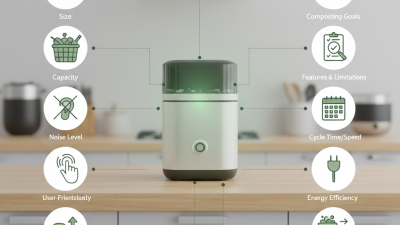
When selecting a composter, consider key features like capacity, aeration, and materials. Capacity is crucial; it directly impacts how much waste you can process. A larger composter can handle more organic waste, reducing the frequency of emptying. However, if it’s too big, you might struggle with managing the compost.
Aeration is essential for effective composting. Adequate airflow speeds up decomposition and prevents odors. Look for composters designed with ventilation systems or those that allow easy mixing. This promotes a healthy environment for microorganisms, which are vital for breaking down waste. Without proper aeration, your compost may become compacted and slow to decompose.
Choosing the right materials also plays a significant role. Look for composters made from durable, weather-resistant materials. They should be easy to clean and maintain. Plastic and metal composters are popular for their longevity. However, be aware of their insulation capabilities, as they can affect temperature regulation inside.
Tips: Regularly check moisture levels in your composter. If it's too dry, add water or green materials. Keep an eye on the balance between green (nitrogen-rich) and brown (carbon-rich) materials. This balance is crucial for quick decomposition. Lastly, don’t hesitate to adjust your composting approach based on your results. Trial and error can lead to better composting outcomes.
Best Food Waste Composter Options for Global Buyers
This chart illustrates the key features of effective composters for global buyers, focusing on capacity (in liters), aeration type, and types of materials used. Understanding these features can help consumers make informed decisions when choosing a food waste composter.
Comparative Analysis of Popular Composter Brands and Models
When choosing a food waste composter, various options cater to distinct needs. A notable feature to compare is the composting method. Some models rely on aerobic decomposition, which uses oxygen to speed up the process. Others employ anaerobic methods, focusing on creating a low-oxygen environment. Each presents benefits; aerobic systems typically compost faster, while anaerobic systems may produce less odor.
Another aspect to consider is capacity. Larger units suit families or restaurants, processing more waste with ease. Smaller models serve individuals or couples well. Durability is also crucial; selecting a composter made of robust materials ensures longevity. Some users have faced challenges with assembly and leakage, highlighting the importance of user-friendly designs.
The composting timeline can vary significantly. Some units promise quick results, while others take longer but offer rich compost. Research shows that active composters, featuring turning capabilities, enhance breakdown times but require more effort. Users often report mixed experiences; while positives exist, they sometimes grapple with odors or pests. Balancing these factors can help consumers choose the right composter for their needs.
Guidelines for Choosing the Right Composter for Different Lifestyles
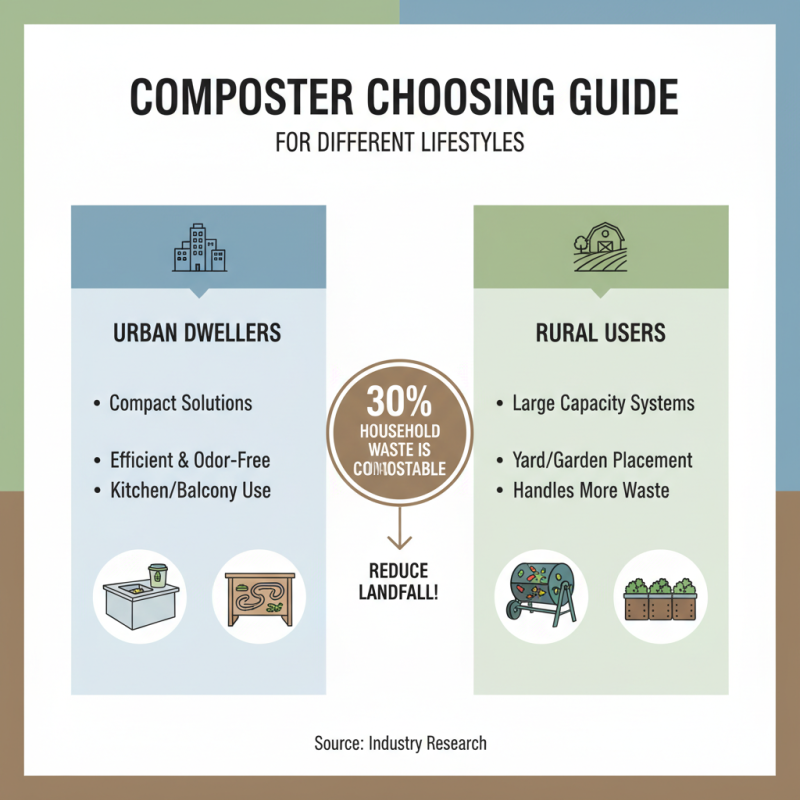
When choosing a composter, consider your lifestyle. Urban dwellers may prefer compact, efficient solutions, while rural users might opt for larger systems. According to industry research, approximately 30% of household waste is compostable. This highlights the importance of effective composting for reducing landfill waste.
For those with limited outdoor space, a worm bin or bokashi composter can be ideal. These methods utilize small areas while still producing rich compost. For families or larger households, a tumbling composter can efficiently handle the waste generated. Depending on your composting goals, select a model that meets your needs.
Tips: Keep your compost balanced with greens and browns. A good ratio is 2:1. Regularly aerate the compost to speed up the process. Monitoring moisture is crucial; a damp compost pile is optimal. Different composters serve varied lifestyles, yet they all require engagement and maintenance. Reflect on the time you can dedicate and adjust your choice accordingly.
Conclusion
This article explores the best food waste composter options available for global buyers, emphasizing the importance of composting in mitigating food waste and its detrimental environmental impact. It provides insights into food waste statistics and highlights the key features of effective composters, such as capacity, aeration, and material quality, which are crucial for successful composting.
Readers can also find a comparative analysis of popular composter models and practical guidelines to help them choose the right food waste composter that suits their individual lifestyles. Additionally, the article discusses the eco-friendly benefits of composting, underlining its vital role in promoting sustainable living practices and reducing the carbon footprint associated with organic waste.

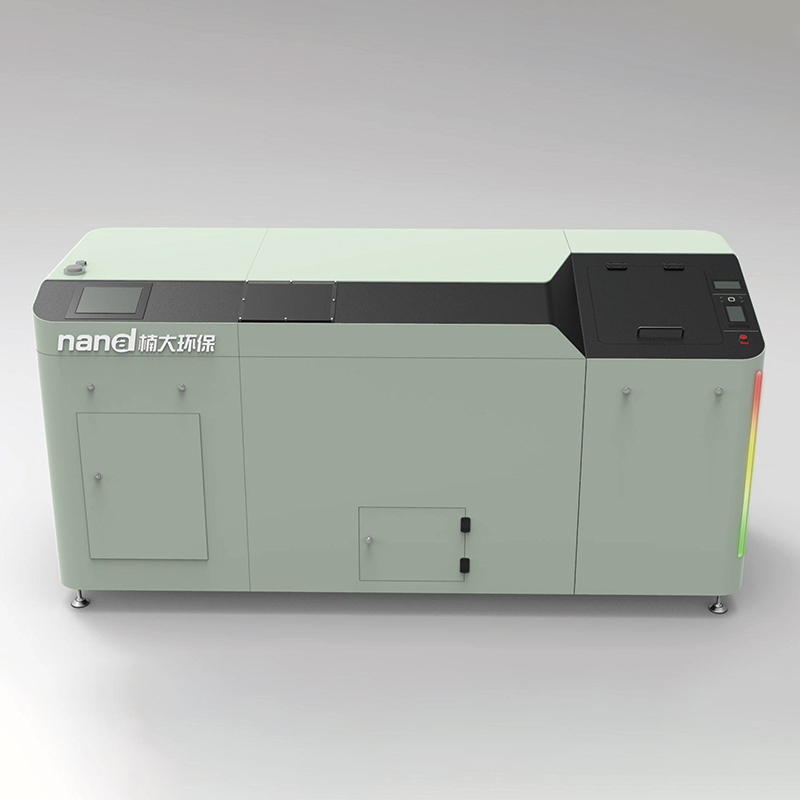 Nanda Trans Series-200
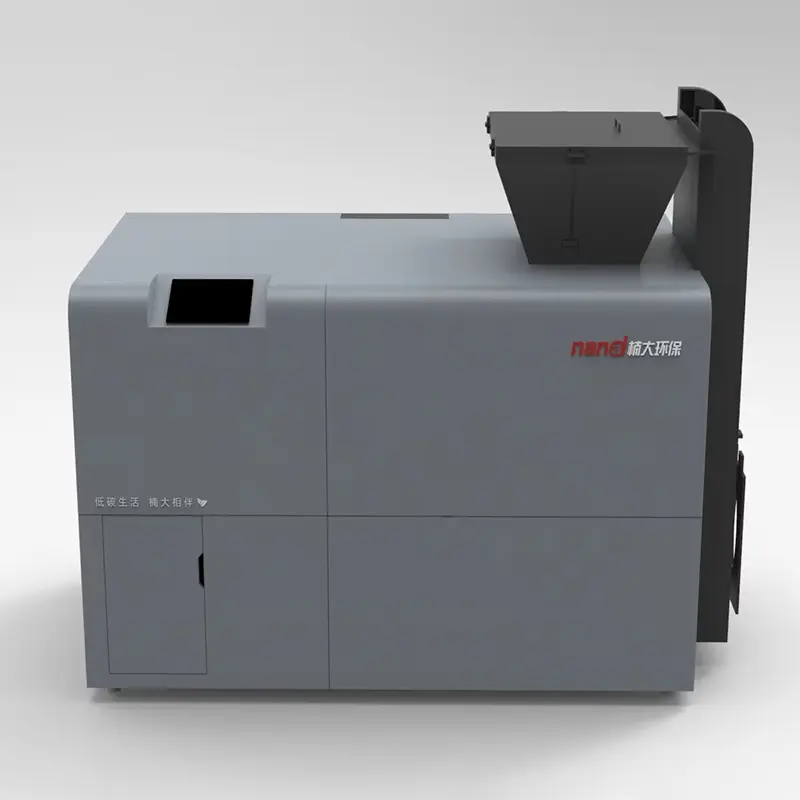 Nanda Trans Series-500
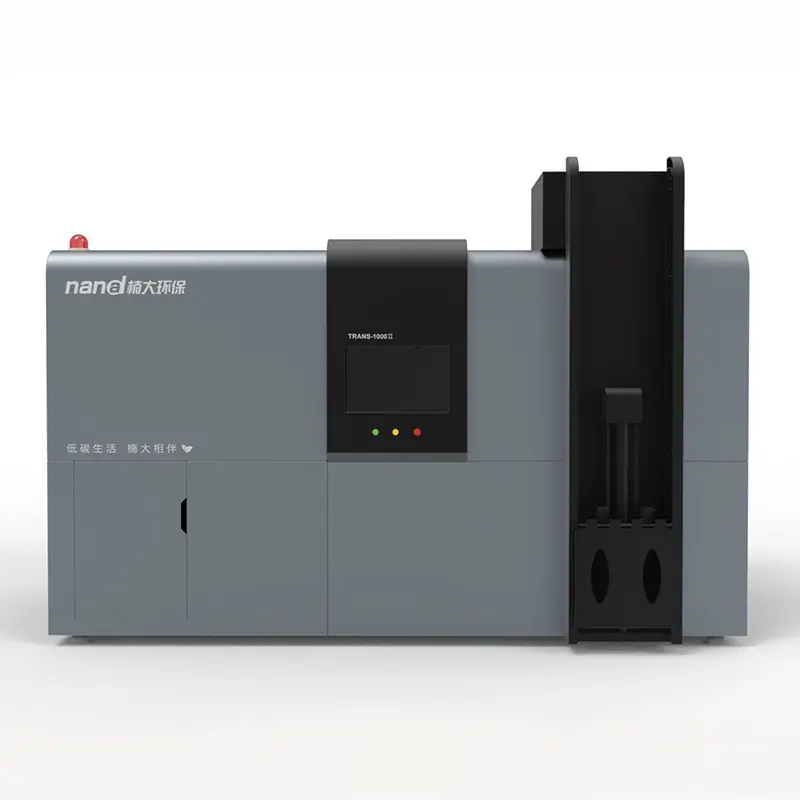 Nanda Trans Series-1000
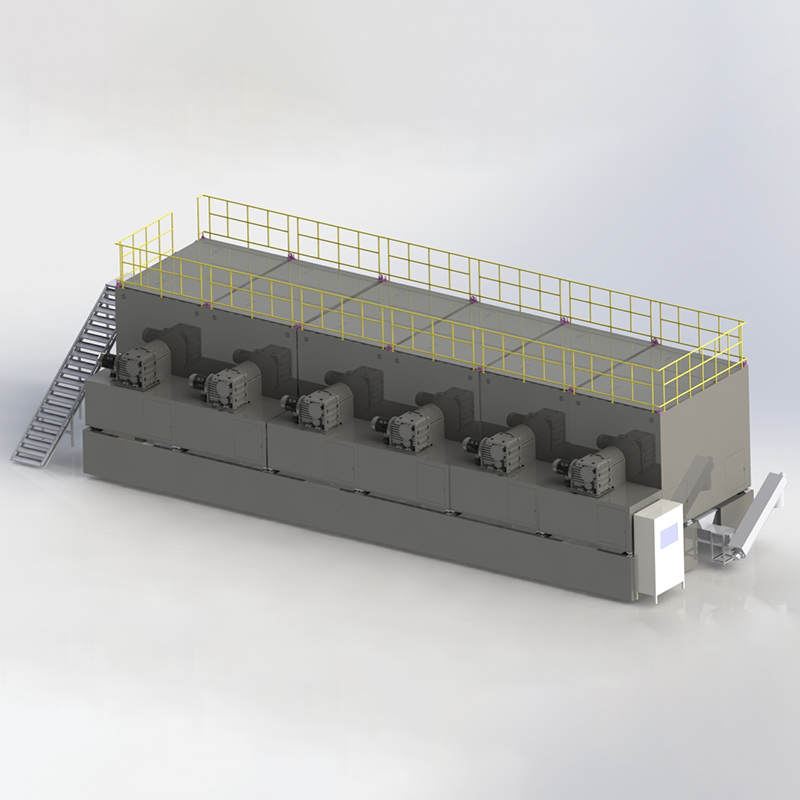 Nanda Trans Series-30000
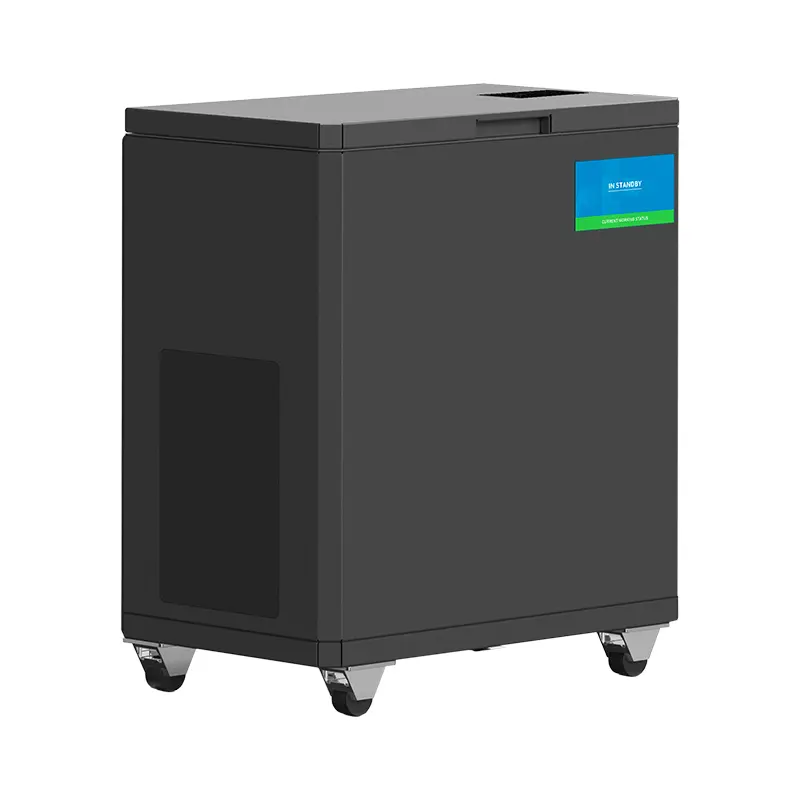 Nanda Thermax Series-100
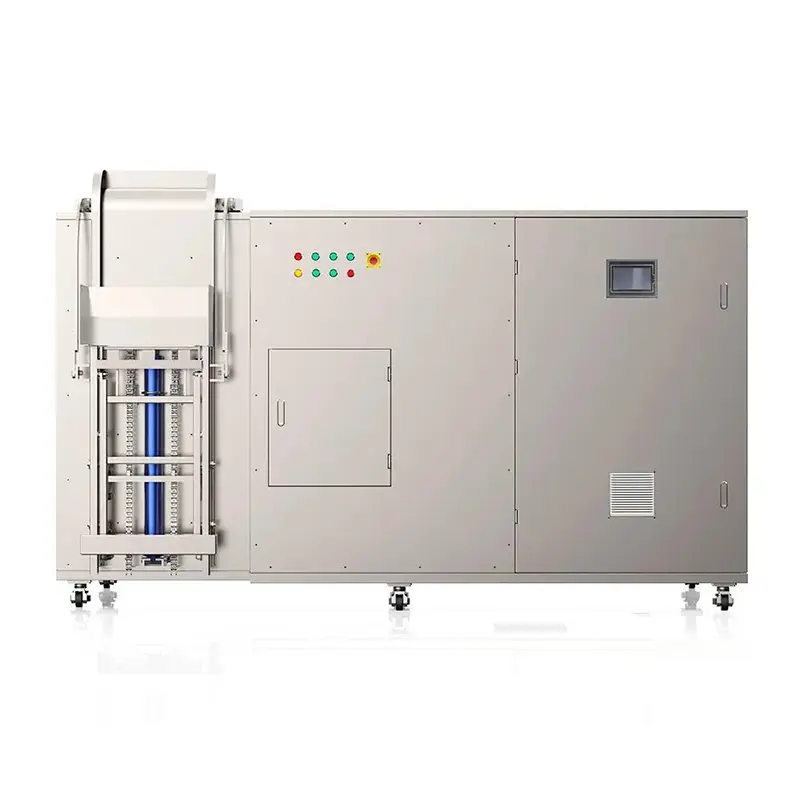 Nanda Thermax Series-200
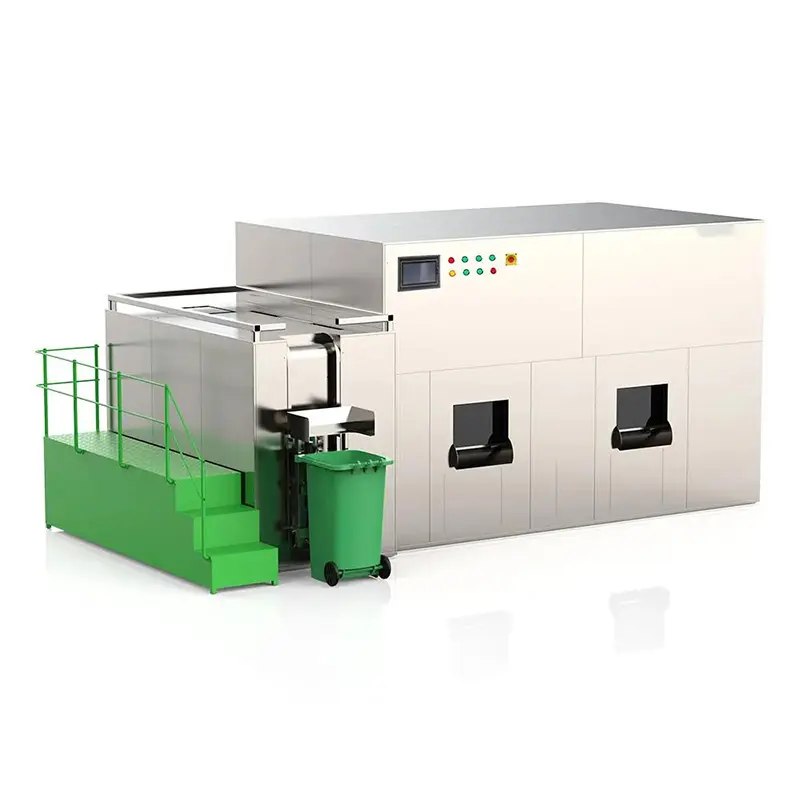 Nanda Thermax Series-2000
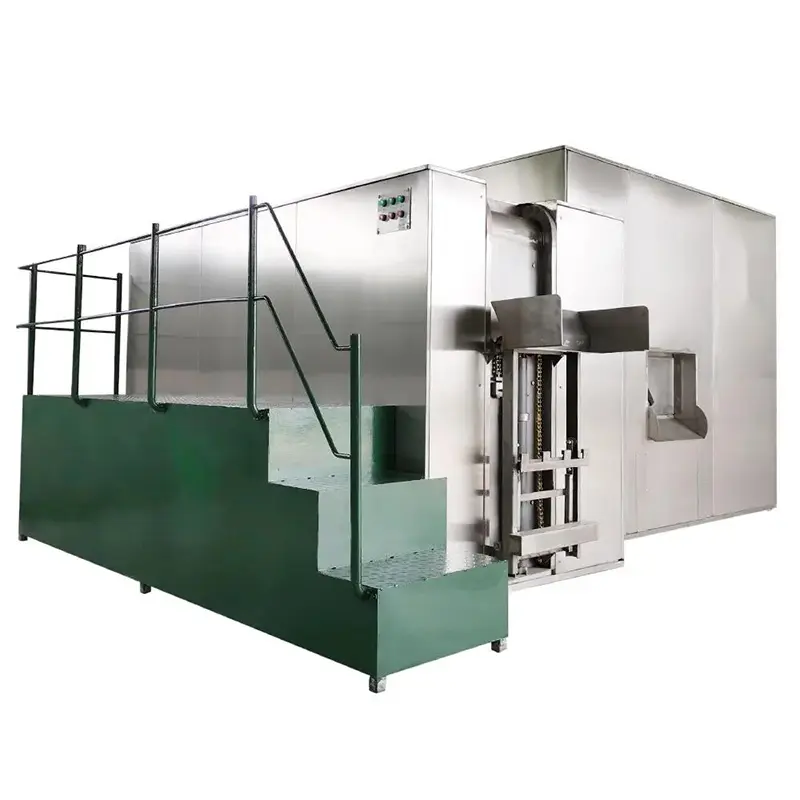 Nanda Thermax Series-10000
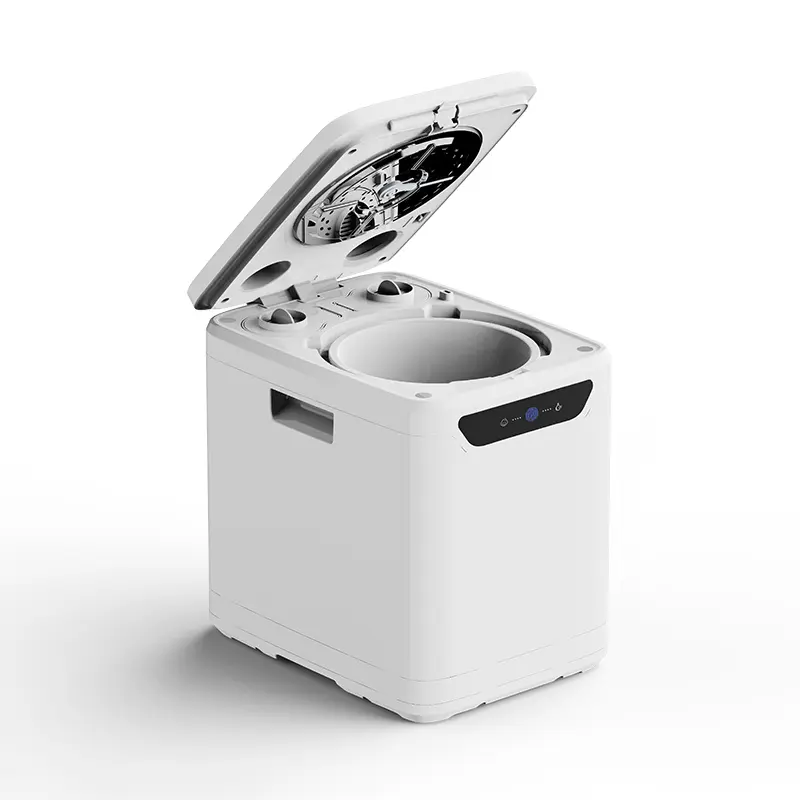 Nanda Turbo Series-3.5L-016
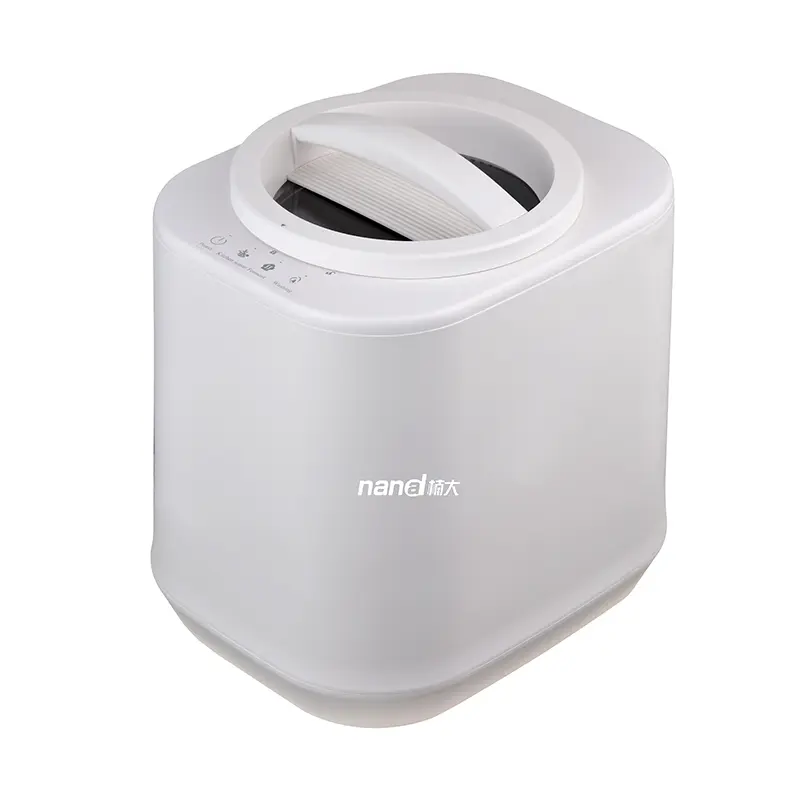 Nanda-Turbo Series-4L-011
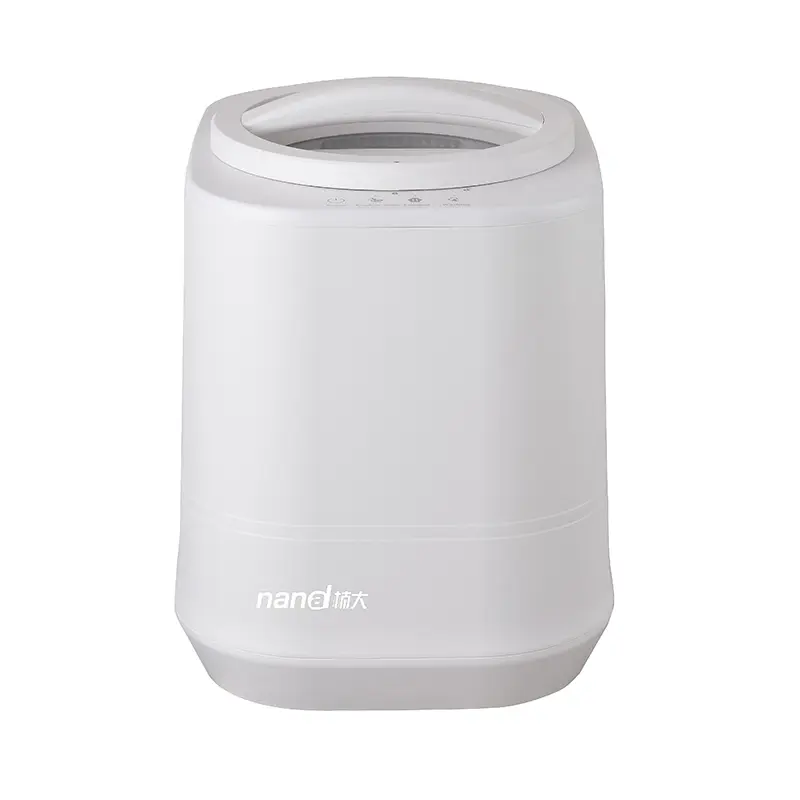 Nanda Turbo Series-4L-012
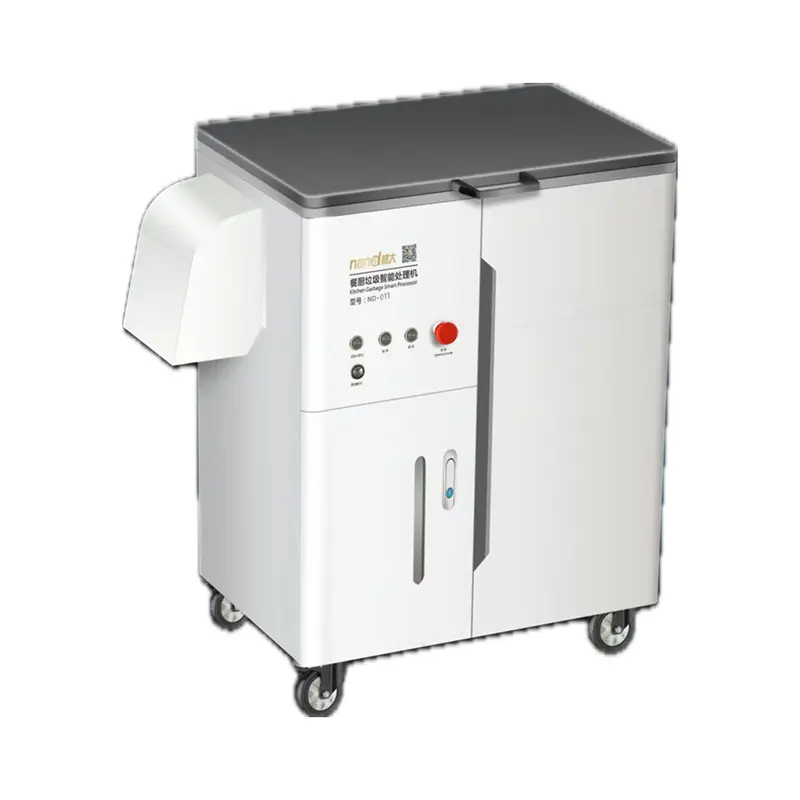 Oil-Water Separator