Best Kitchen Composter Machine for Easy Home Composting?
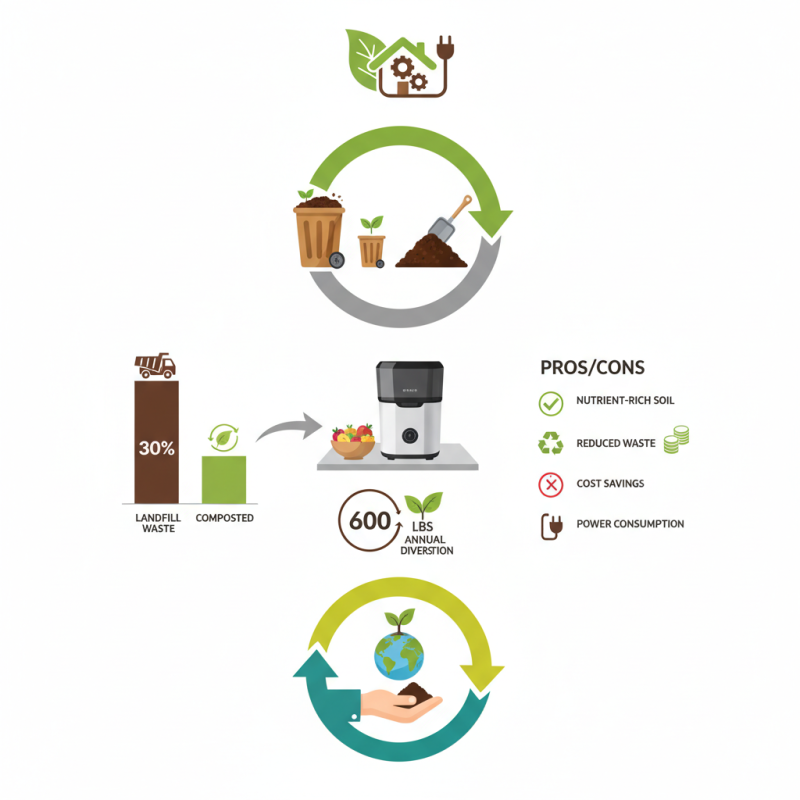
The growing interest in sustainable living drives the demand for home composting solutions. A Kitchen Composter Machine offers an efficient way to recycle kitchen waste. Recent data from the Environmental Protection Agency (EPA) suggests that nearly 30% of waste in landfills consists of organic material. This highlights the importance of composting.
Using a Kitchen Composter Machine can significantly reduce this waste. These machines convert food scraps into nutrient-rich compost, promoting eco-friendly practices. In fact, an average household can divert almost 600 pounds of organic waste annually with proper composting methods.
However, not all composters are created equal. Some models may take longer to process waste or require energy-intensive processes. It's crucial to evaluate their efficiency. Investing in the right Kitchen Composter Machine can provide substantial benefits. Finding balance in waste management is vital for a more sustainable future.
Best Kitchen Composter Machine: Key Features to Consider
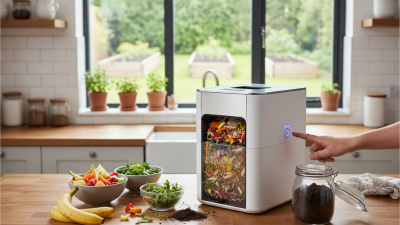
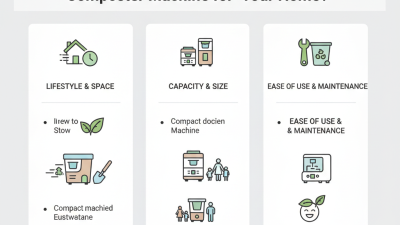
When looking for the best kitchen composter machine, consider key features that enhance your composting experience. A composter should be compact yet spacious enough for daily waste. Many machines hold 5 to 10 gallons of material, making them suitable for regular household use. Studies show that households can compost up to 30% of their organic waste, reducing landfill contributions.
Odor control is essential. Some machines boast filters that tackle unpleasant smells. A good composter also offers a user-friendly interface. Easy operation encourages consistent usage. According to recent surveys, 70% of users prefer machines with automated features, as they simplify the composting process.
Speed is another crucial factor. Some composters can process waste in a few hours, while others take weeks. The faster the process, the more likely you are to use it. However, rapid composting can compromise quality. Not every machine balances speed and quality well. Pay attention to the materials used; stainless steel offers durability, but plastic models may be lighter and easier to move. Is the machine easy to clean? Maintenance can deter regular use if it’s cumbersome. Keep these features in mind when choosing your composter for effective home composting.
Types of Kitchen Composter Machines: A Comparative Overview
When considering kitchen composter machines, it's essential to explore different types available in the market. Traditional composters can take weeks or months to produce usable compost. In contrast, electric composters speed up the process significantly. According to a 2022 industry report, electric machines can convert food waste into compost in as little as 24 hours. This efficiency makes them appealing for busy households.
There are several key comparisons to note. Batch composters allow users to add waste periodically but require longer processing times. Continuous composters, on the other hand, facilitate regular additions and might produce compost faster. A study from the Waste Management Association indicates that continuous flow systems can yield compost up to 30% quicker than batch styles. However, they may require more frequent maintenance and monitoring, which some users find challenging.
Additionally, capacity plays a vital role in selection. Some machines handle small volumes, suitable for apartments. Others can manage large quantities, ideal for families. Still, many users report inconsistent results, especially with moisture control. This can lead to unpleasant odors and pest issues. While kitchen composters present an easy solution to waste reduction, potential users must weigh these factors carefully.
Best Kitchen Composter Machine for Easy Home Composting
Step-by-Step Guide to Using a Kitchen Composter Effectively
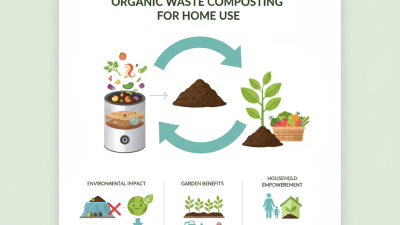
Composting at home is a rewarding experience. It transforms kitchen scraps into nutrient-rich soil. This process helps reduce waste and promotes sustainability. Using a kitchen composter makes this easier. Here’s how to use it effectively.
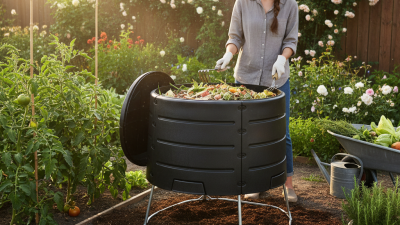
Start by collecting organic waste. Fruits, vegetables, coffee grounds, and eggshells work well. Avoid meat and dairy to prevent odors. Cut larger scraps into smaller pieces. This speeds up decomposition. Fill your composter but don’t overstuff it. Allow air circulation for better results.
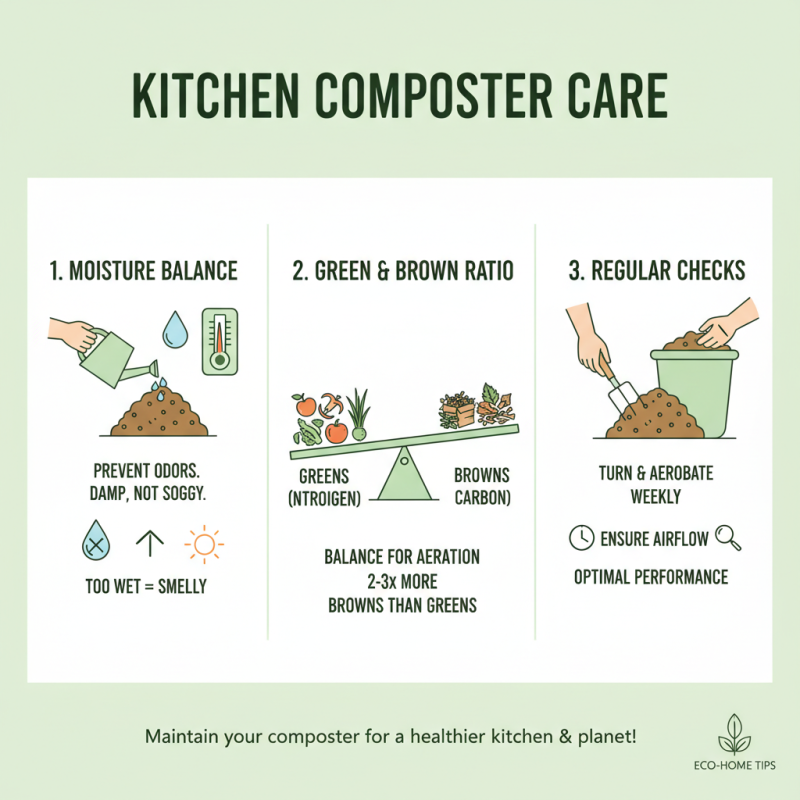
Tips: Keep your composter in a cool, dry place. Monitor moisture levels; it should feel like a damp sponge. Occasionally, mix the contents to aerate. This helps bacteria break down materials more efficiently. Be patient; composting can take time. You’re creating something valuable from waste.
Check your compost regularly. If it smells bad, it might be too wet or need more brown materials like dried leaves. It’s a learning process. Not every batch will be perfect. If it feels lumpy, it may need more mixing. Adapt as you go along for the best results.
Environmental Benefits of Home Composting with a Kitchen Machine
Home composting is gaining popularity. Using a kitchen composter machine, you can recycle food waste easily. This practice reduces the amount of waste sent to landfills. It can also benefit your garden. Compost enriches soil. Healthy soil leads to healthy plants. When you compost, you close the loop. You create a cycle between waste and new life.
The environmental benefits are significant. Composting helps reduce methane emissions from landfills. Methane is a potent greenhouse gas. By composting at home, you lower your carbon footprint. You also conserve water. With compost, you need less water for your plants. However, not all kitchen scraps are suitable for composting. Some items may attract pests or create odors.
People often struggle with the balance of materials. Too much food waste can lead to a soggy compost pile. On the other hand, not enough greens will slow down the process. It takes time to learn. Observing your compost’s progress can be rewarding yet challenging. It's a continuous journey toward a more sustainable lifestyle.

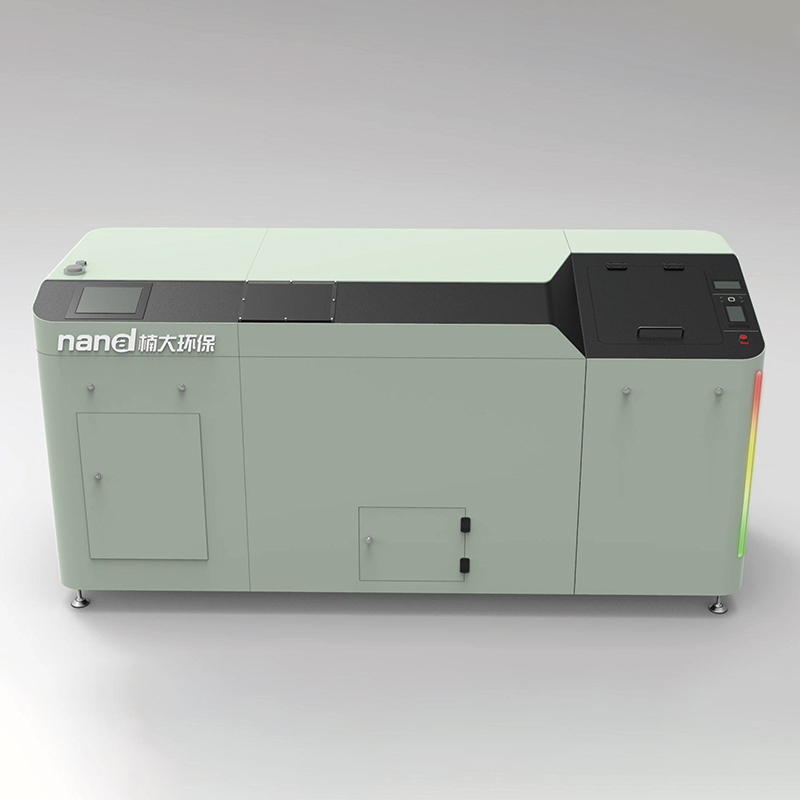 Nanda Trans Series-200
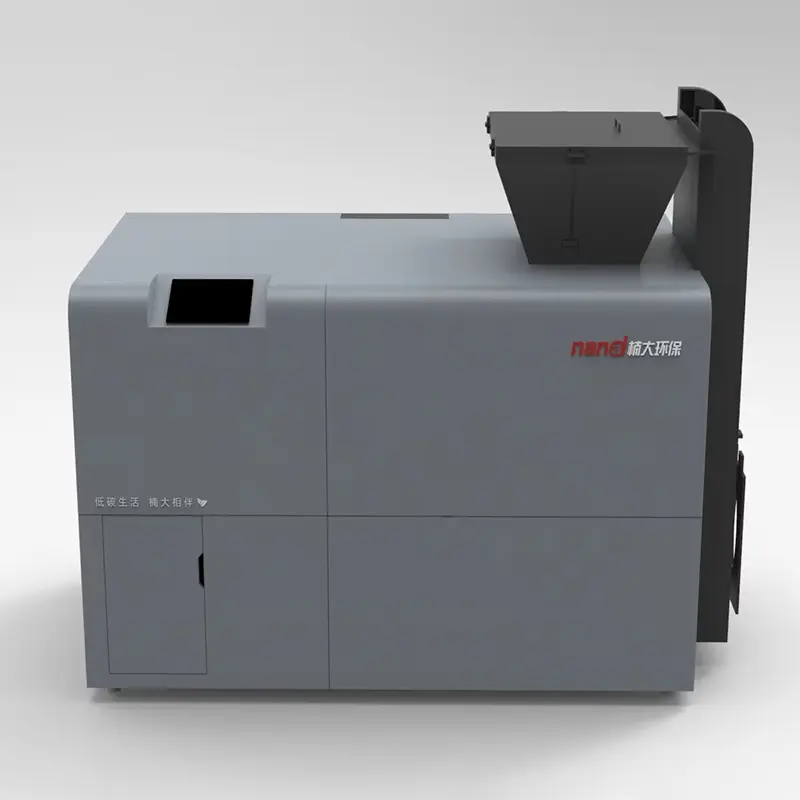 Nanda Trans Series-500
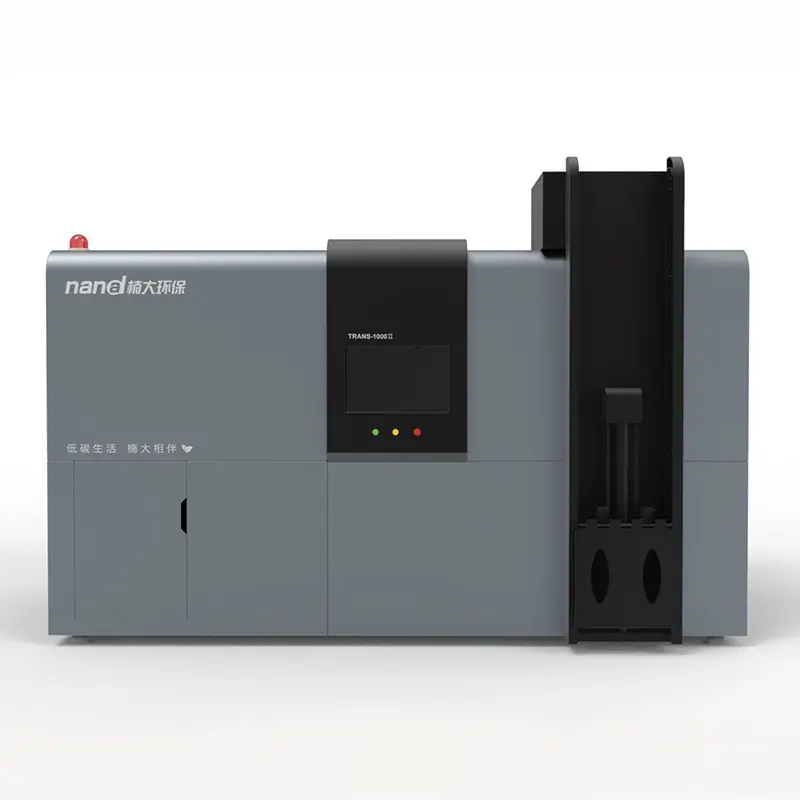 Nanda Trans Series-1000
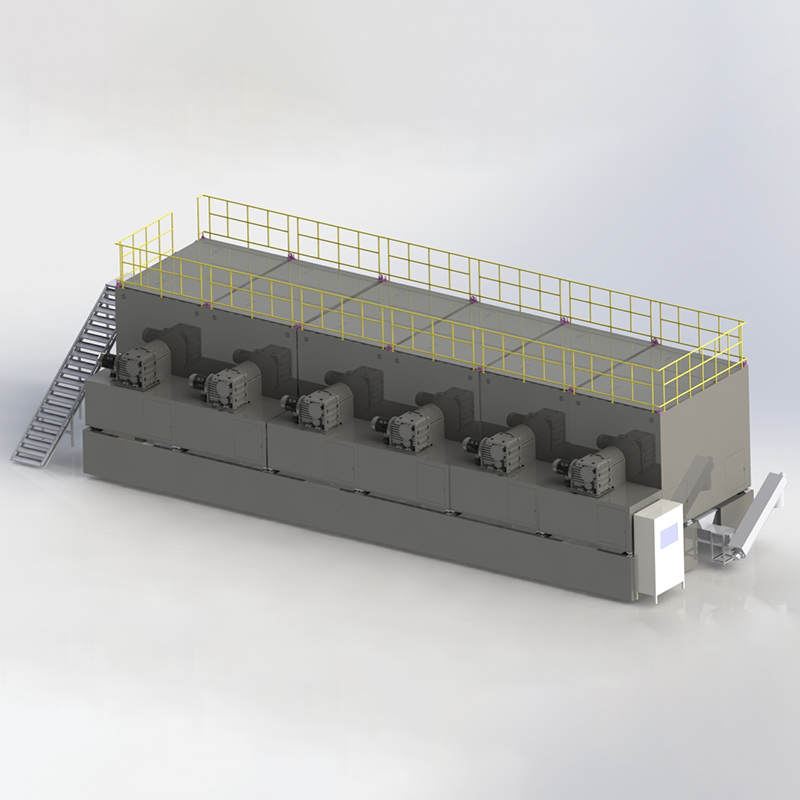 Nanda Trans Series-30000
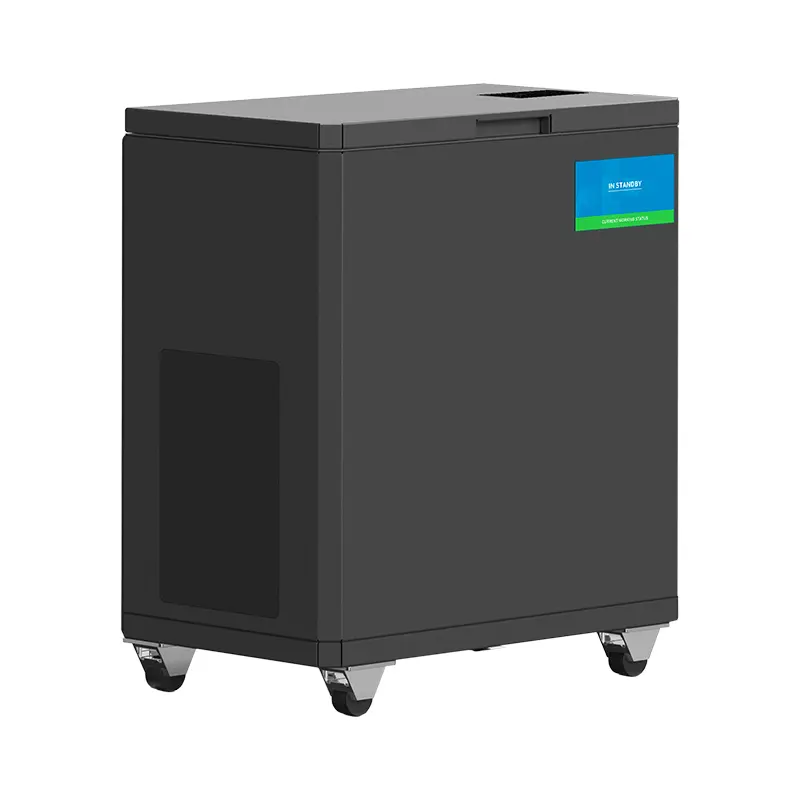 Nanda Thermax Series-100
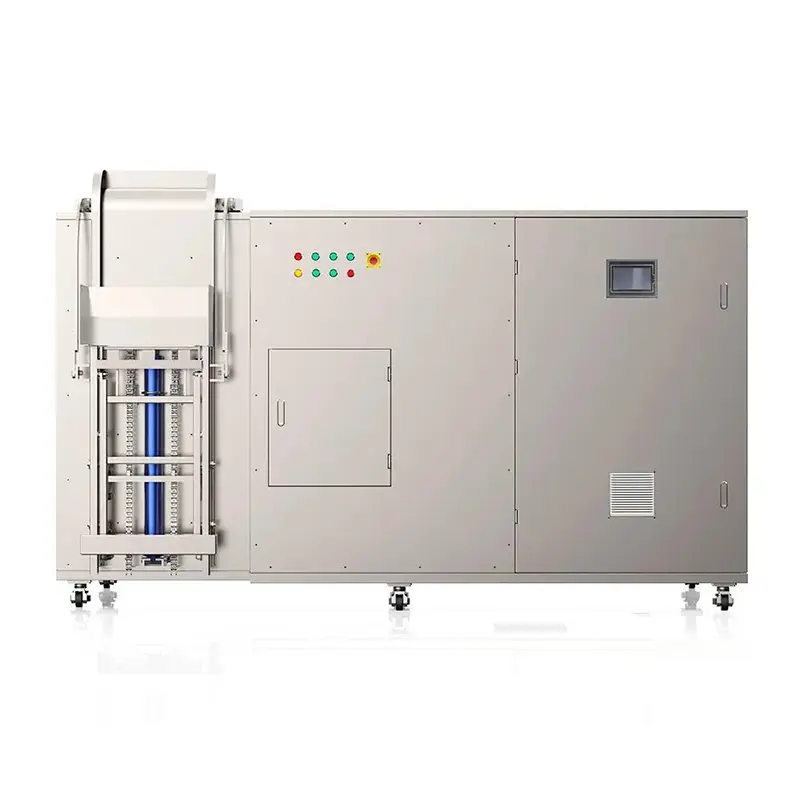 Nanda Thermax Series-200
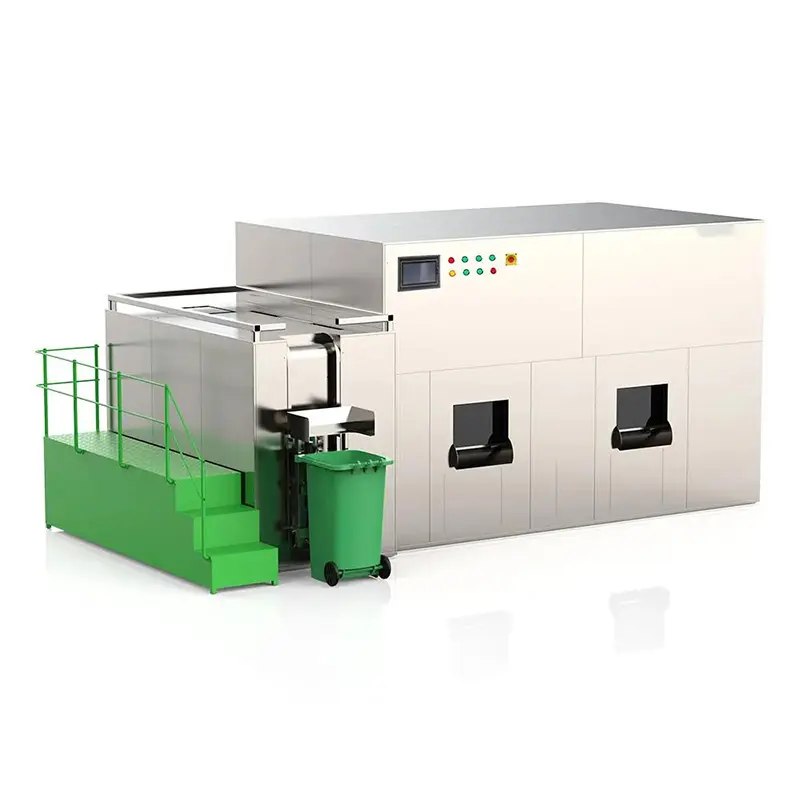 Nanda Thermax Series-2000
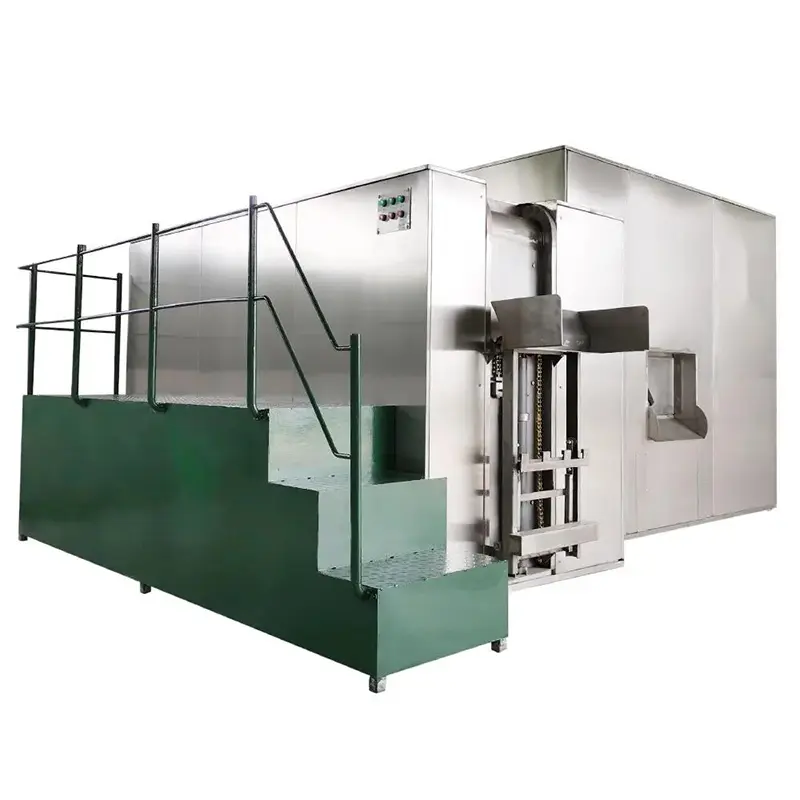 Nanda Thermax Series-10000
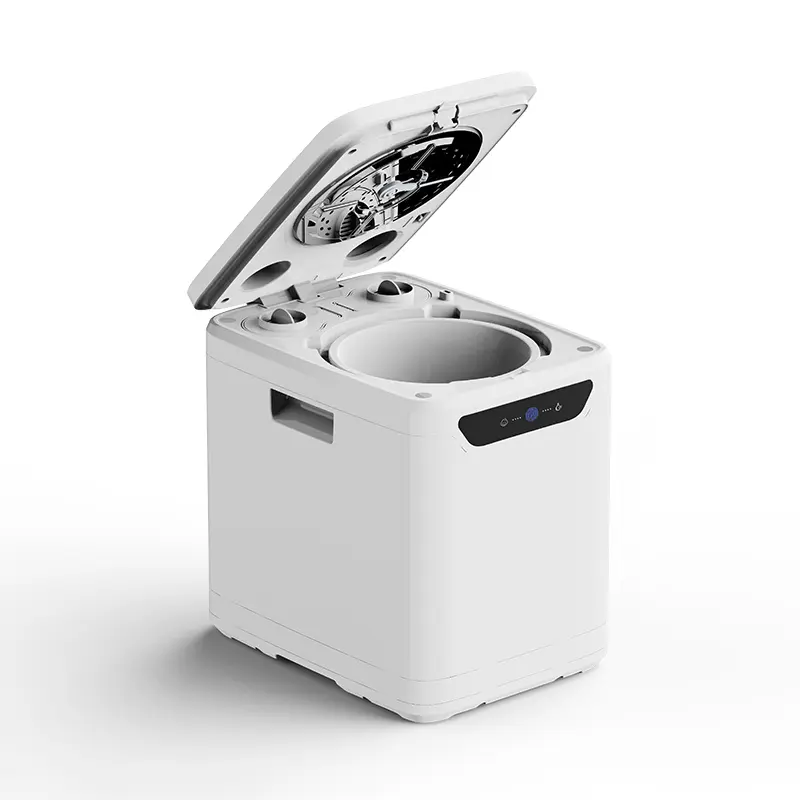 Nanda Turbo Series-3.5L-016
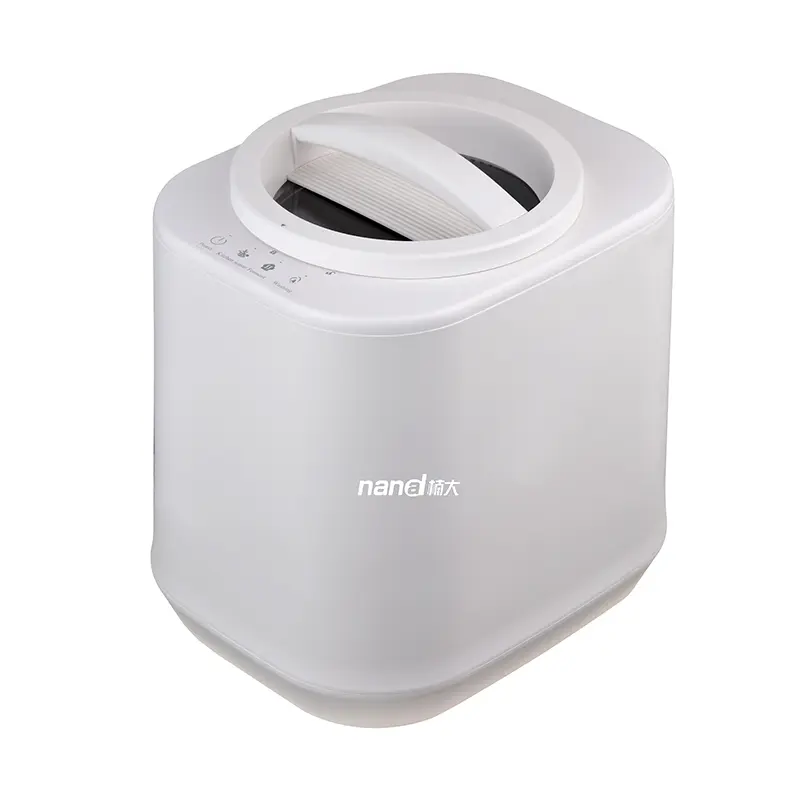 Nanda-Turbo Series-4L-011
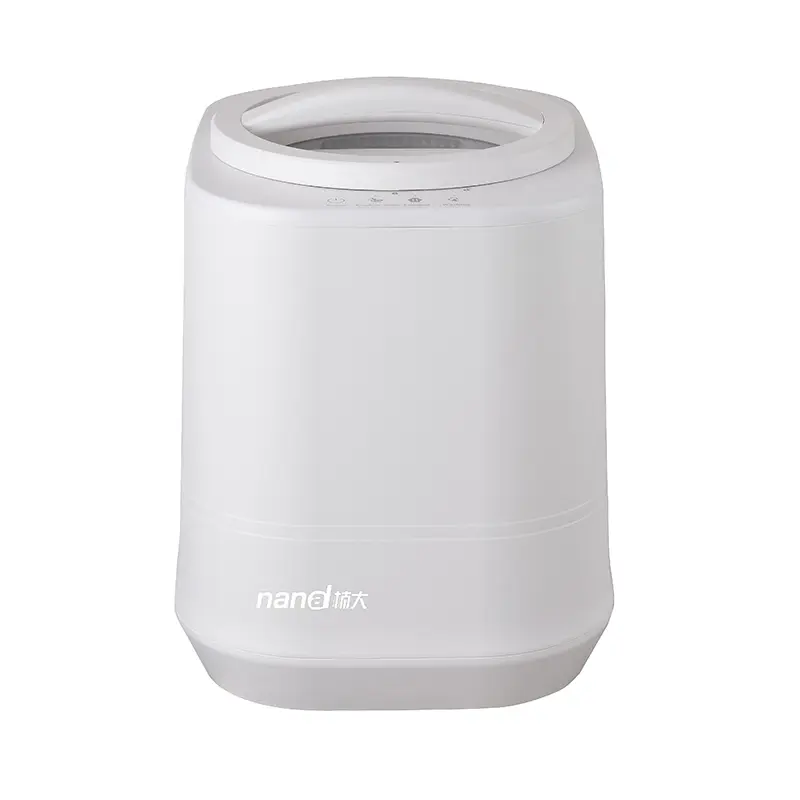 Nanda Turbo Series-4L-012
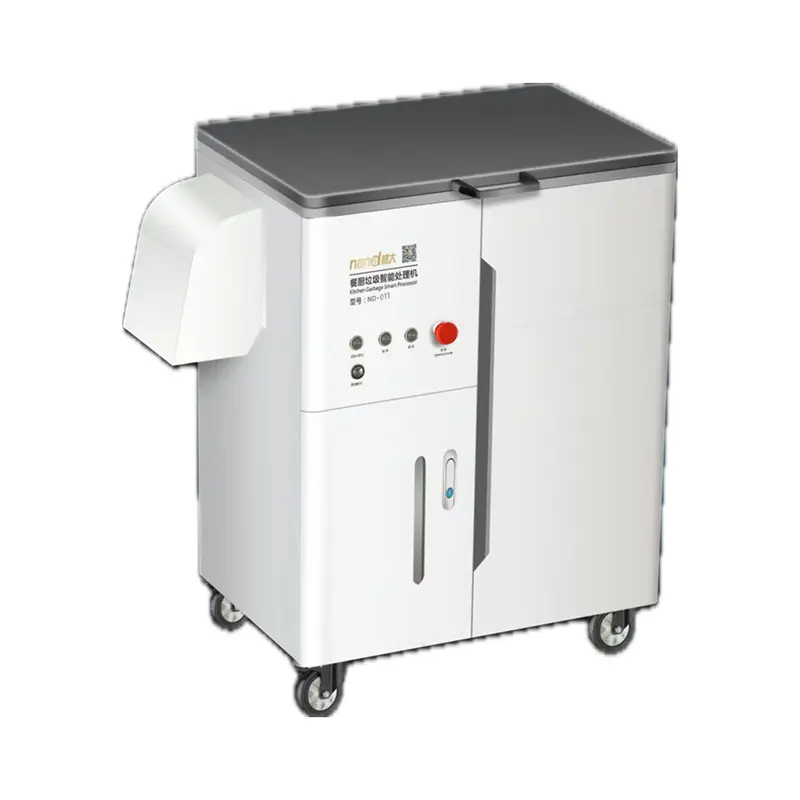 Oil-Water Separator