10 Best Kitchen Composter Machines for Eco Friendly Waste Management?
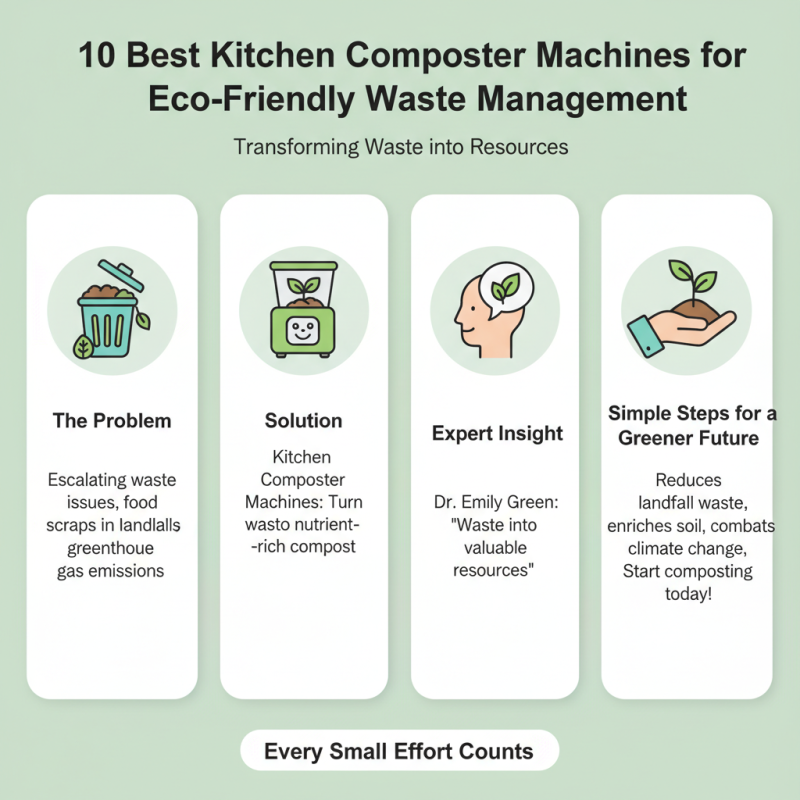
As our planet faces escalating waste management issues, innovative solutions are needed. The Kitchen Composter Machine emerges as a game changer for eco-friendly waste disposal. Experts like Dr. Emily Green, a leading authority in sustainable practices, highlight the importance of these machines: "Kitchen Composter Machines can turn waste into valuable resources."
Many households generate food scraps daily. This excess waste often ends up in landfills, contributing to greenhouse gas emissions. Utilizing a Kitchen Composter Machine transforms this waste into nutrient-rich compost. The process is simple yet effective, encouraging sustainability in everyday life. Each machine varies in size and functionality to suit different kitchens.
Despite advancements, challenges remain. Not everyone understands how to use a Kitchen Composter Machine effectively. There can be a learning curve, leading to frustration. However, with patience, individuals can adapt and benefit from composting. It's crucial to remember that every small effort counts in the journey toward a greener future.
Understanding Kitchen Composting: Benefits and Importance
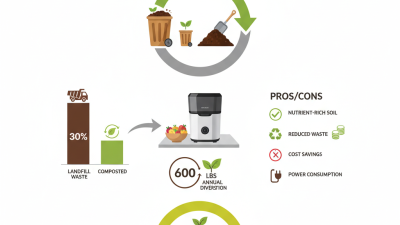
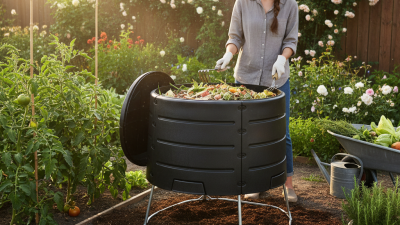
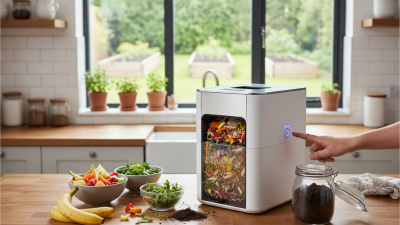
Kitchen composting is a powerful way to manage waste. It transforms food scraps into nutrient-rich soil. This process reduces landfill contributions and enhances urban ecology. Using a composter in your kitchen makes composting easy and convenient.
The benefits are many. First, composting decreases methane emissions from landfills. This greenhouse gas is a major contributor to climate change. Secondly, it enriches your garden soil with organic matter. Healthy soil leads to healthier plants. Kitchen composting also saves money on waste disposal.
However, it is not without its challenges. You may struggle with odors if not managed properly. Balancing greens and browns can be tricky. It requires observation and adjustment. Patience is key, and composting can be a learning experience. Embracing this method can lead to personal growth as an eco-conscious individual.
10 Best Kitchen Composter Machines for Eco Friendly Waste Management
| Model |
Capacity |
Composting Time |
Features |
Price Range |
| Composter 1 |
5 gallons |
3 weeks |
Odorless, Efficient |
$100 - $150 |
| Composter 2 |
10 gallons |
2 weeks |
Bacteria and Worms Friendly |
$150 - $200 |
| Composter 3 |
15 gallons |
4 weeks |
Automatic Heat Regulation |
$200 - $300 |
| Composter 4 |
5 gallons |
1 week |
Smart Technology |
$250 - $350 |
| Composter 5 |
8 gallons |
3 weeks |
Solar Powered |
$120 - $180 |
| Composter 6 |
12 gallons |
2.5 weeks |
User Friendly Interface |
$180 - $240 |
| Composter 7 |
20 gallons |
5 weeks |
Built-in Aerator |
$300 - $400 |
| Composter 8 |
3 gallons |
1.5 weeks |
Compact Design |
$80 - $120 |
| Composter 9 |
25 gallons |
6 weeks |
Heavy Duty Construction |
$350 - $500 |
| Composter 10 |
10 gallons |
2 weeks |
Dual Chamber |
$200 - $250 |
Types of Kitchen Composter Machines: An Overview
When it comes to kitchen composter machines, there are several types to consider. Each type has unique features and benefits. Some machines focus on speed, allowing for quick composting in just a few days. Others may excel in odor control, making them ideal for small kitchens. You might find tumblers, worm bins, and electric composters all under this umbrella. Each type serves a distinct purpose in waste management.
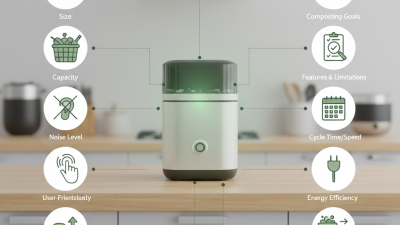
Tips for choosing a composter: Think about the space available in your kitchen. Do not choose a bulky model if you have limited room. Also, consider noise levels. Some machines can be quite loud, which may annoy you or your neighbors. Finally, review the ease of use. If a machine is complicated, you may find yourself less likely to use it effectively.
In addition, pay attention to the materials you are composting. Not all composters digest everything well. For instance, some machines struggle with certain fruit peels or paper products. Understanding what your composter can handle is key. Don't be afraid to test different combinations of waste to see what works best.
Top Features to Look for in a Kitchen Composter
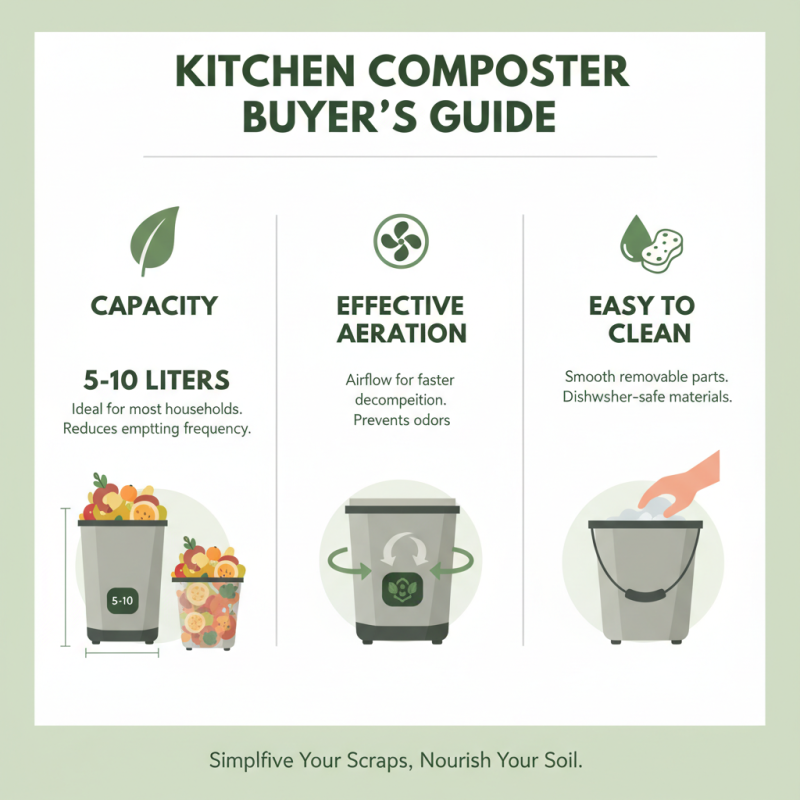
When choosing a kitchen composter, it's essential to focus on specific features that enhance usability and efficiency. One significant aspect is the composter's capacity. Most households generate a considerable amount of organic waste. A unit that can handle at least 5-10 liters is ideal. This ensures you won’t frequently empty it, making the composting process smoother.
Another crucial feature is the speed of composting. Many modern composters can accelerate decomposition. For instance, some devices claim to convert kitchen scraps into compost within 24 hours. This speed is vital for maintaining consistent waste management. However, not all methods are equally effective. The quality of the compost can vary, leaving users disappointed with the results.
Tips: Look for a composter with a user-friendly interface. A simple control panel can make daily use easier. Also, consider noise levels. Some models can be surprisingly loud, which might be disruptive in a busy kitchen. Regular maintenance is necessary too; build-up can affect the machine’s effectiveness over time.
Finally, consider the materials used in the composter. High-quality, durable materials will last longer. Some users overlook this aspect, leading to premature breakdowns. Always check reviews and expert data reports for insights into durability and longevity before making a choice.
Review of the 10 Best Kitchen Composter Machines
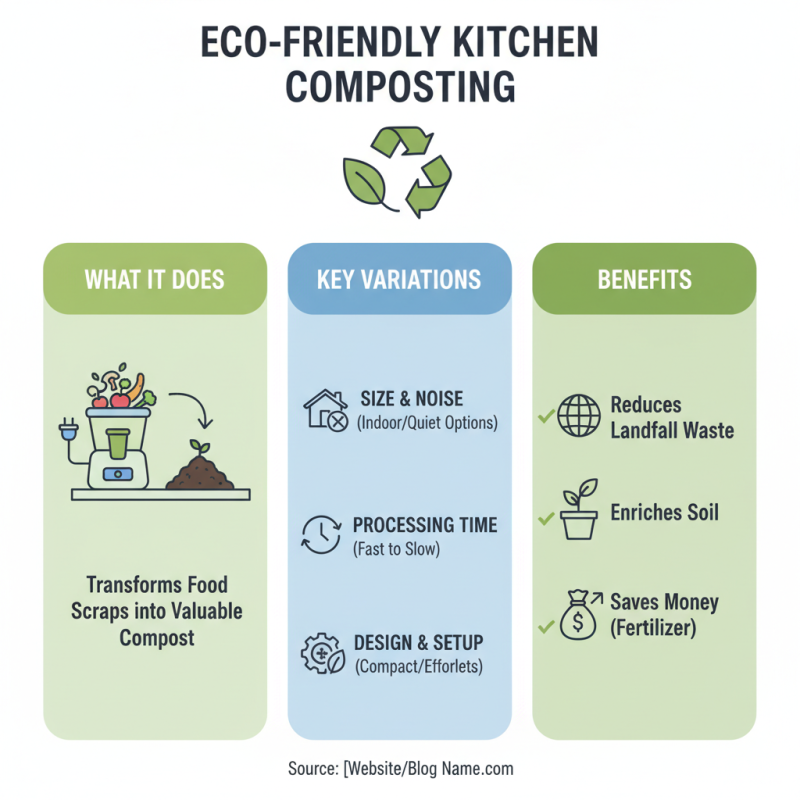
In today's world, eco-friendly waste management is vital. Kitchen composter machines provide a convenient solution for turning food scraps into valuable compost. Many options are available, each with unique features. These machines vary in size, processing time, and design. Some operate quietly, making them suitable for indoor use. Others may require more effort to set up.
When choosing a composter, consider your kitchen space. A compact model might fit better in smaller homes. Pay attention to the capacity as well. How much waste do you generate? Some machines can handle more than others. Think about the composting process. Some machines take weeks, while others can do it in days. Ease of use is important. A complicated setup might deter regular use. It’s also essential to reflect on the maintenance required. Some machines need more care than others.
Cooking styles affect waste production too. Homes that cook fresh meals often create more scraps than others. A machine’s efficiency can be impacted by the type of waste added. Not all scraps compost equally well. You might find yourself needing to adjust what you add over time. A little trial and error is common. Some users may overlook odor management, but this is crucial. Addressing these practical concerns can enhance your composting experience.
Maintenance Tips for Optimal Performance of Kitchen Composters
Maintaining a kitchen composter is essential for achieving optimal performance. Regularly check for clumps within the machine. This can prevent proper aeration. When compaction occurs, it may lead to odor issues. Stir the contents well to avoid this.
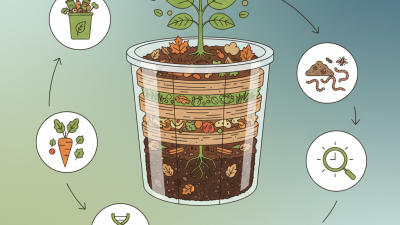
Monitoring moisture levels is crucial. A too-wet composter can turn waste into a smelly sludge. If it feels soggy, add dry materials like shredded paper or dry leaves. This balances moisture and improves air circulation. It’s a good idea to keep a mix of green and brown waste for better results.
Cleaning your composter is often overlooked. Rinse the interior with warm water. This removes bacteria that can cause unpleasant odors. Sometimes, using vinegar or baking soda helps eliminate stronger smells. Remember to follow the manufacturer’s guidelines. Each composter is unique and may require specific care. Taking these steps can enhance performance and make composting a rewarding experience.
10 Best Kitchen Composter Machines for Eco-Friendly Waste Management
This chart showcases the performance metrics of various kitchen composter machines, focusing on composting speed, odor control, noise level, usability, and capacity. It helps highlight their efficiency in waste management.

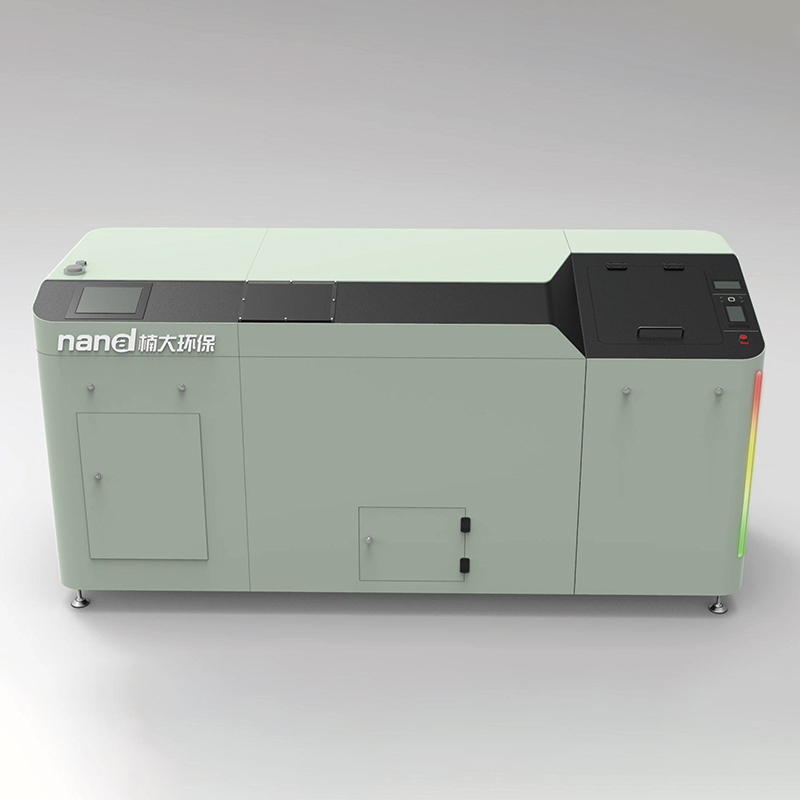 Nanda Trans Series-200
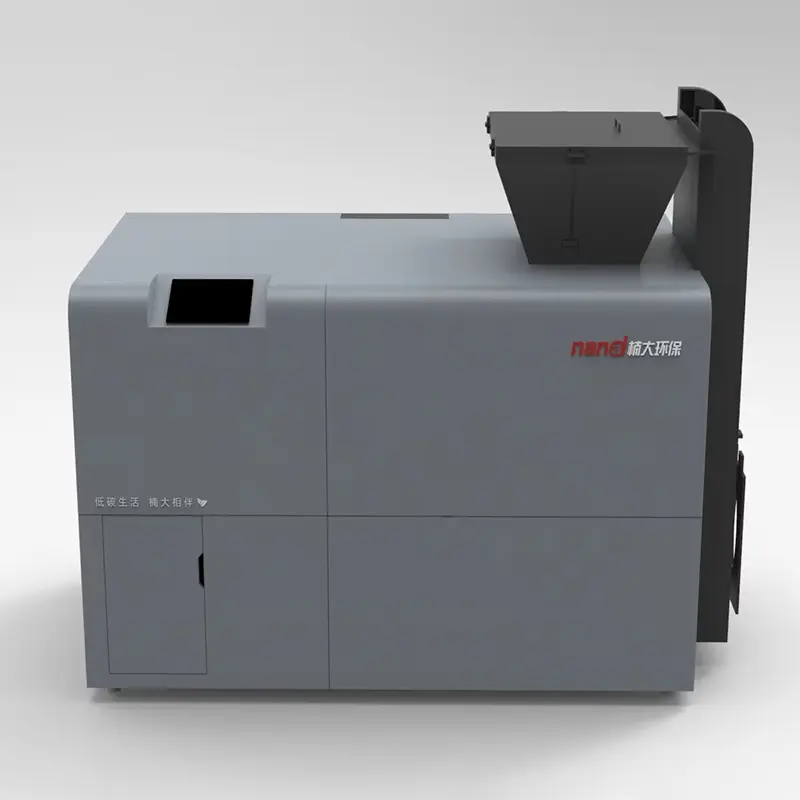 Nanda Trans Series-500
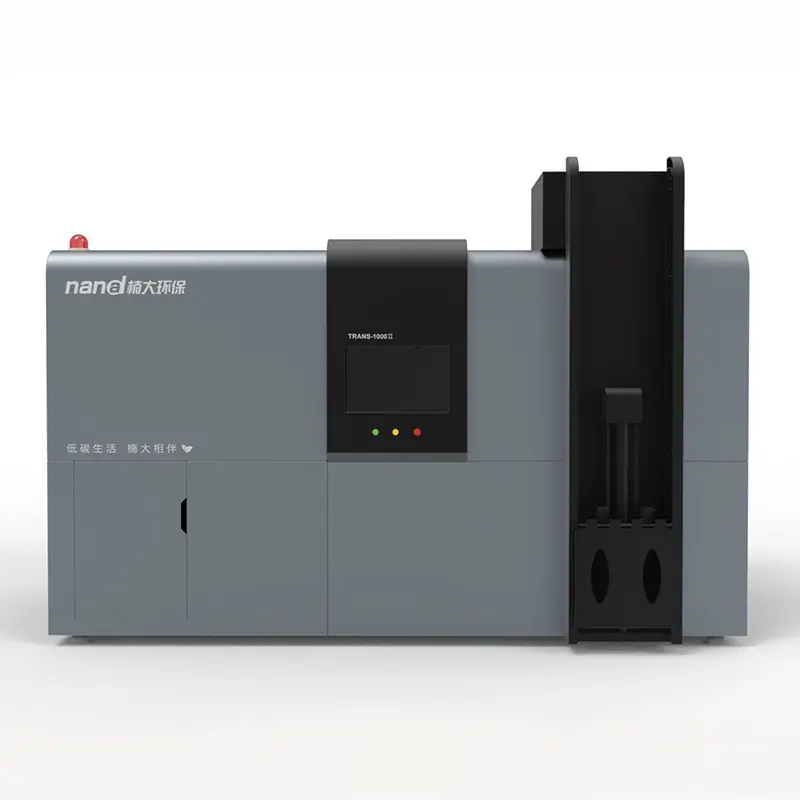 Nanda Trans Series-1000
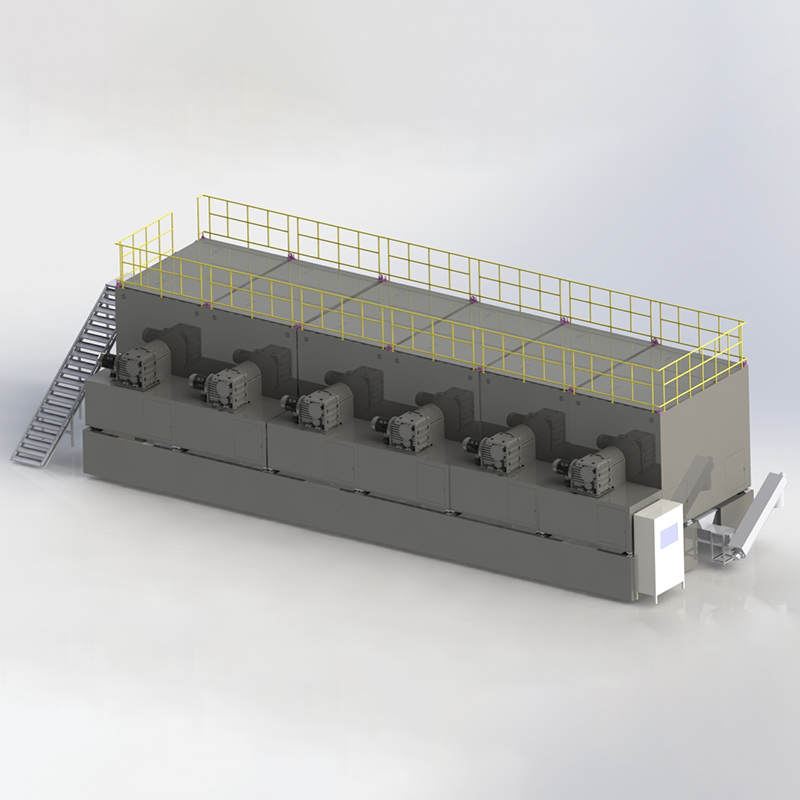 Nanda Trans Series-30000
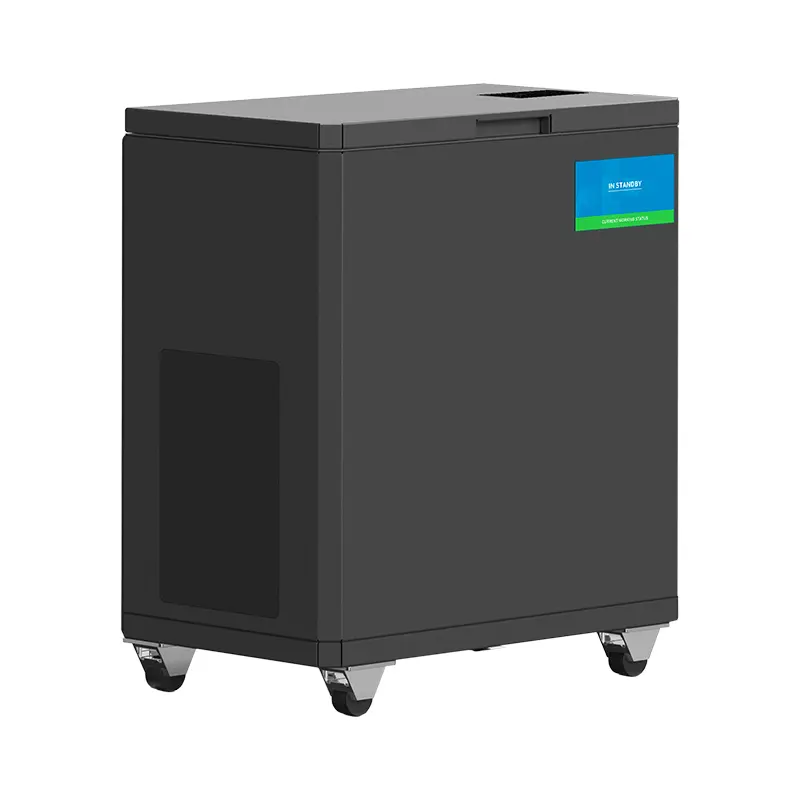 Nanda Thermax Series-100
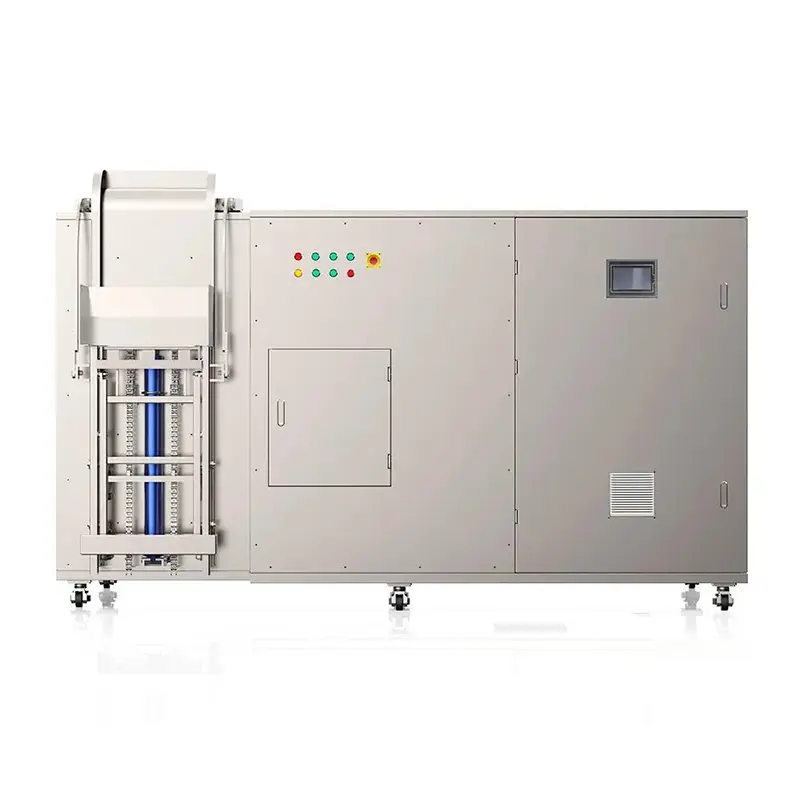 Nanda Thermax Series-200
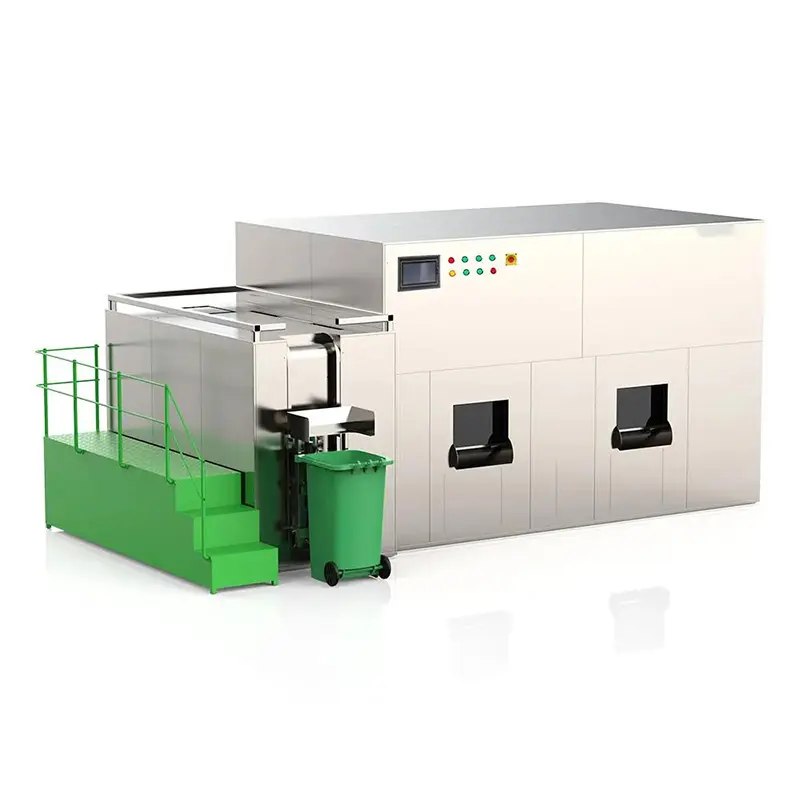 Nanda Thermax Series-2000
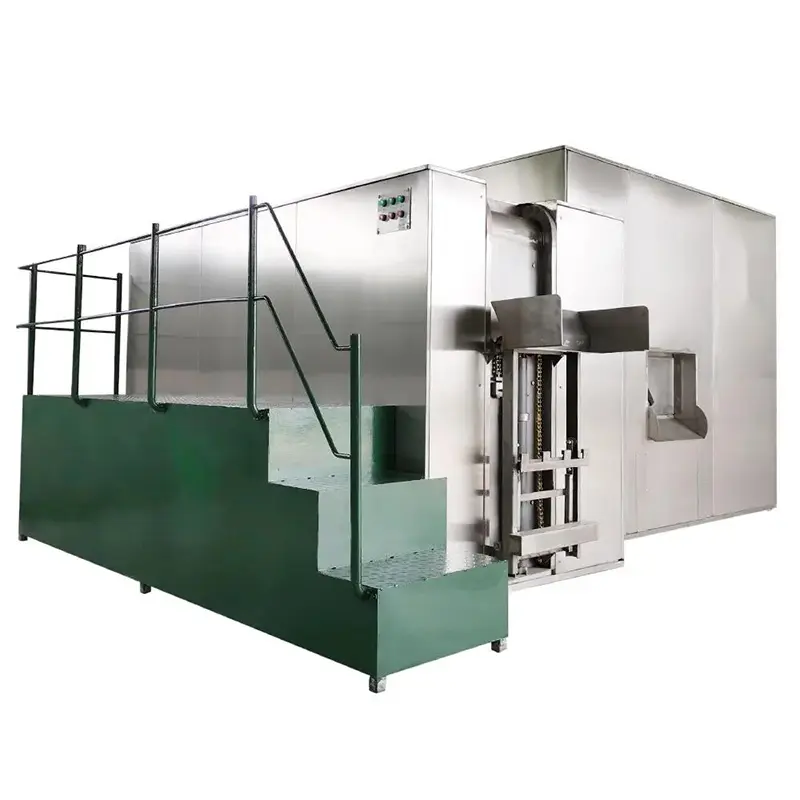 Nanda Thermax Series-10000
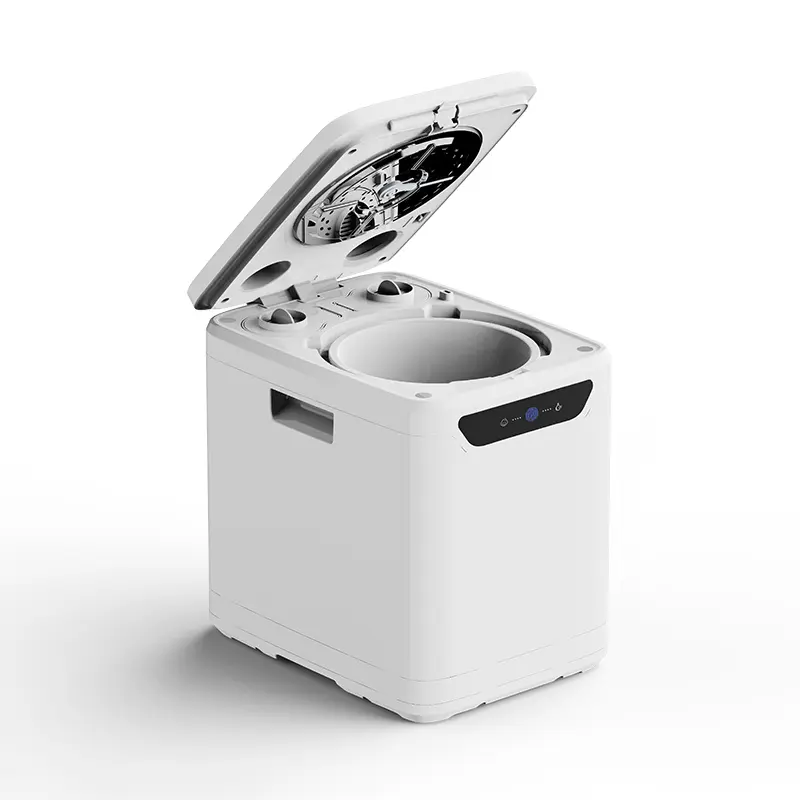 Nanda Turbo Series-3.5L-016
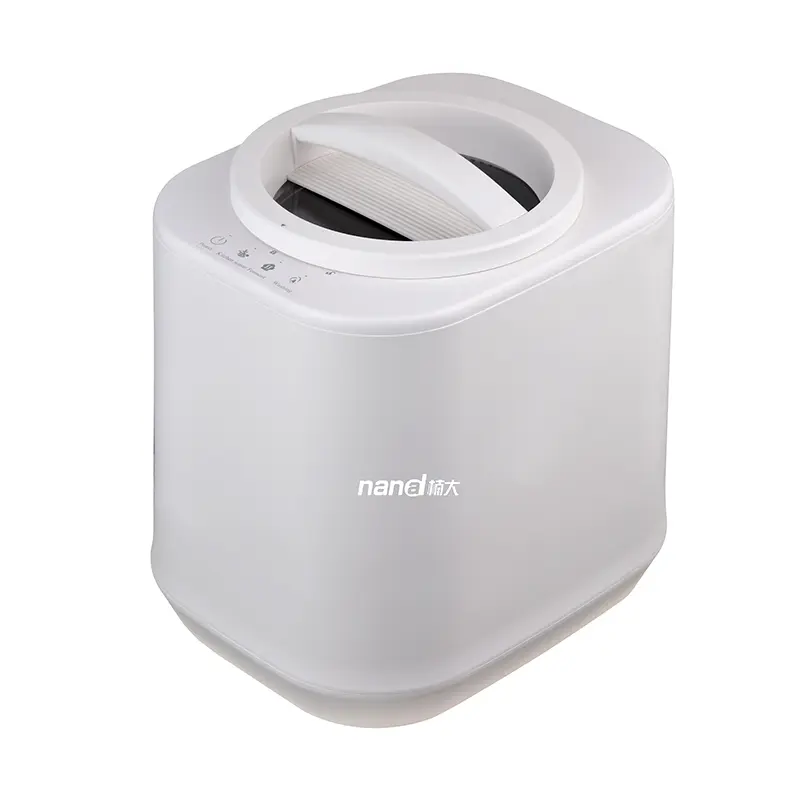 Nanda-Turbo Series-4L-011
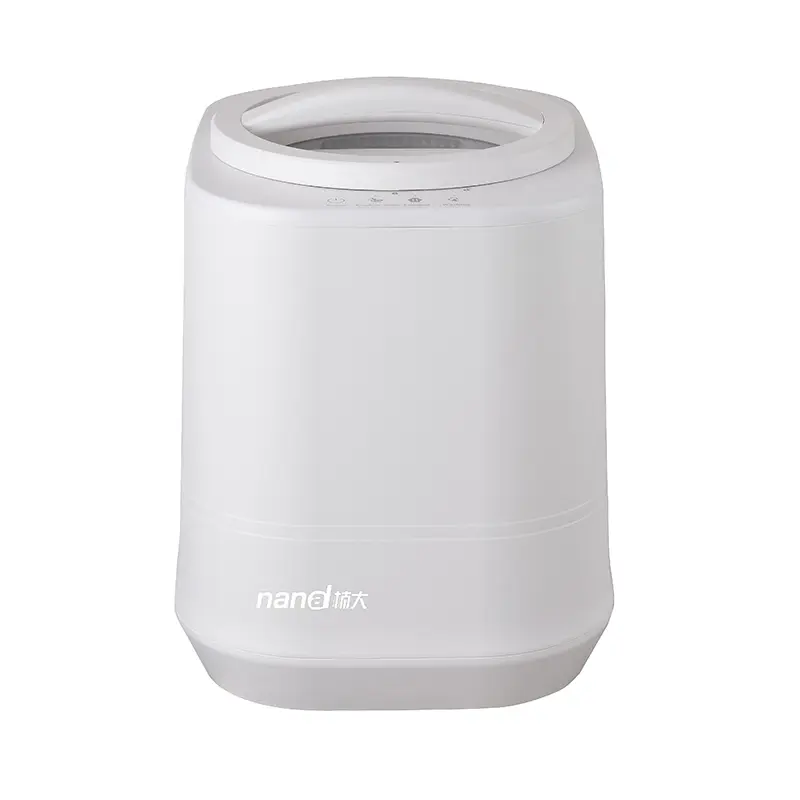 Nanda Turbo Series-4L-012
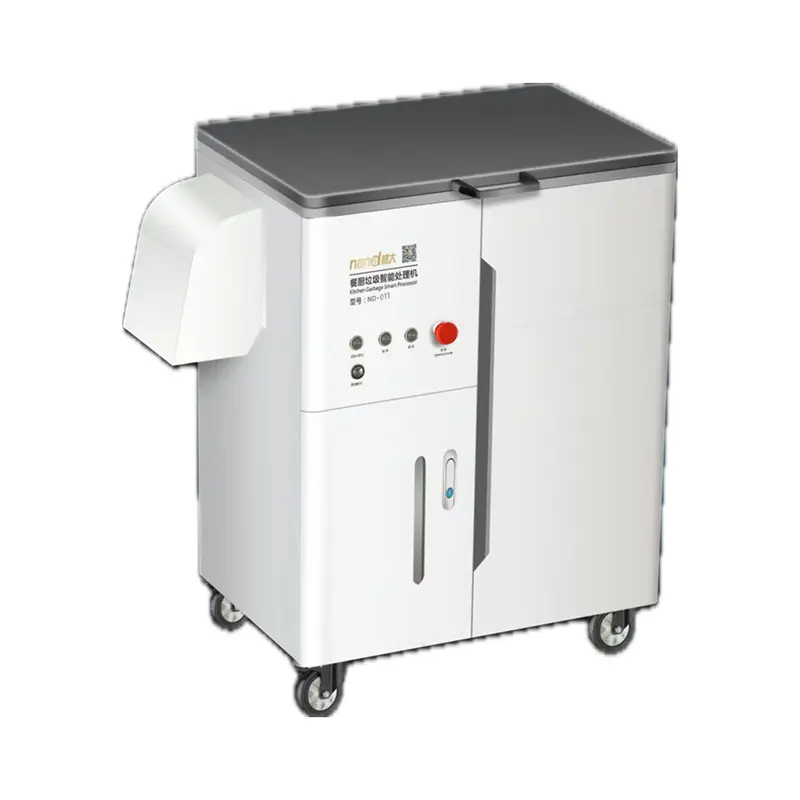 Oil-Water Separator