How to Choose the Best Kitchen Waste Container for Your Home?
Choosing the right Kitchen Waste Container is essential for maintaining an efficient and clean home. According to Maria Thompson, a leading expert in waste management, “A well-chosen container can transform your kitchen waste experience." This statement emphasizes the impact of selecting the right container.
A Kitchen Waste Container should fit your lifestyle and kitchen space. Consider the size and design that works for you. Small apartments may need compact solutions, while larger homes could benefit from bigger bins. Yet, many homeowners underestimate the importance of functionality. Some containers leak or produce odors, which is frustrating.
Moreover, it's crucial to reflect on your waste habits. Are you composting? Do you generate a lot of food scraps? Your answers will guide your choice. Remember, a Kitchen Waste Container is not just a bin; it’s part of your daily routine. Selecting wisely can help reduce waste at home.
Understanding Your Kitchen Waste Needs and Habits
Choosing the right kitchen waste container involves understanding your habits. Take a moment to observe how much waste you generate daily. Are you an avid cook or do you prefer takeout? Your cooking frequency greatly influences your waste volume. It's vital to assess what type of waste you produce. Do you toss out more biodegradable scraps or packaging materials?
Consider the size of your container. A small bin may not suit a busy kitchen. It can overflow quickly, leading to mess and odor. On the other hand, an oversized container might lead to neglect. You may forget to take the trash out if it's not full. Placement is also important. Where do you create the most waste? A container close to your prep area can encourage proper disposal.
Reflect on the container's features. A lid is essential for minimizing odors. A foot pedal can provide hands-free operation, which is useful when your hands are messy. Some people prefer clear containers for quick visibility. Sometimes, we might want a design that blends with the kitchen style. Personal preference plays a role in your decision. The perfect container balances functionality with your lifestyle.
Understanding Kitchen Waste: A Comparative Analysis
Exploring Different Types of Kitchen Waste Containers
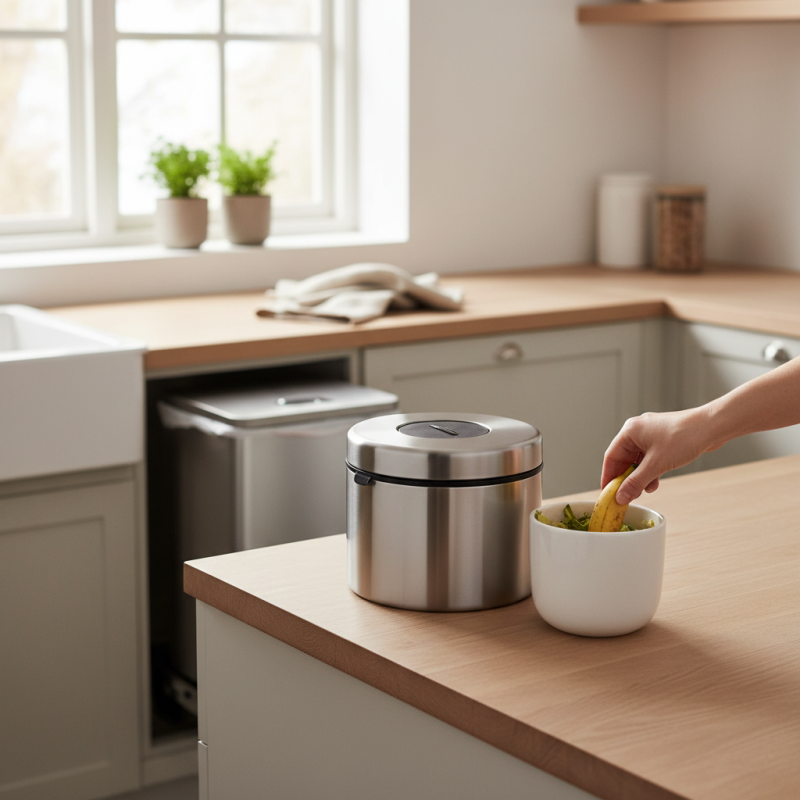
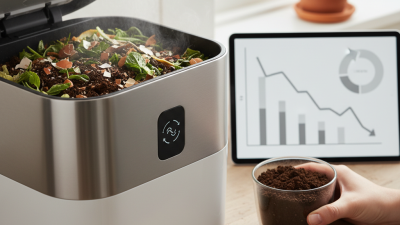
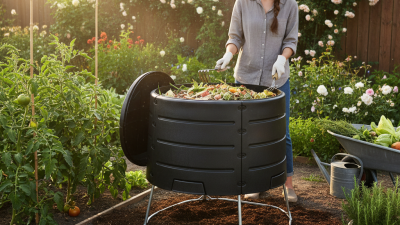
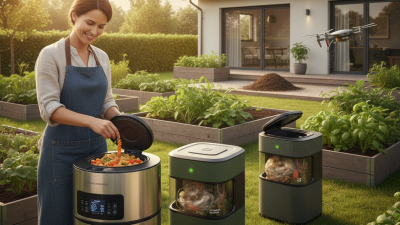
When selecting a kitchen waste container, consider various types available. Some containers are compact, perfect for apartments. Others are larger, suitable for families. A compost bin can promote sustainability. They let you recycle food scraps into nutrient-rich soil.
Another option is a sealed container that prevents odors. Often, these bins come with filters. They can stay under the sink or on the countertop. Don’t forget about the materials. Plastic is lightweight, while stainless steel offers durability. However, plastic can stain and retain odors over time.
Think about ease of cleaning. Some containers are dishwasher safe, saving time. Look for lids that are easy to open. Heavy lids can be a nuisance. Check the design too; a wider opening can help reduce mess. It is easy to overlook these details, but they make a difference in daily use. Remember, the right container can simplify your kitchen routine.
Factors to Consider When Choosing a Waste Container
When selecting a kitchen waste container, several factors come into play. Size matters significantly. A small container may fill up too quickly, while a large one could consume valuable space. Consider your kitchen's layout and how much waste you typically generate. Remember, cluttered counters do not help anyone.
Material is another crucial aspect. Plastic containers are lightweight and easy to clean. However, they may not withstand odors as well as metal. On the other hand, metal containers can be heavier and require more effort to maintain. Each option has its pros and cons. Reflect on what suits your household best.
Lastly, think about the design and features. Some containers come with features like foot pedals or lids that seal tightly, which help in controlling odors. But are these features worth extra cost? You need to weigh convenience against budget. Ultimately, the right container enhances your kitchen's aesthetics and functionality.
How to Choose the Best Kitchen Waste Container for Your Home? - Factors to Consider When Choosing a Waste Container
| Factor |
Description |
Considerations |
| Size |
The volume of the container. |
Choose based on kitchen space and waste generation. |
| Material |
Type of material used for the container. |
Consider durability and ease of cleaning. |
| Lid Type |
The mechanism and style of the lid. |
Choose between detachable, swing, or pedal lids. |
| Odor Control |
Features that help manage waste smells. |
Look for seals, charcoal filters, or special liners. |
| Ease of Use |
How easy it is to operate and clean. |
Consider features like wheels, lifting handles, and wide openings. |
| Design |
Aesthetic appeal and fit within kitchen decor. |
Ensure it matches the style of your kitchen. |
| Price |
Cost of the waste container. |
Balance between budget and quality/features. |
Evaluating Size, Material, and Design Options
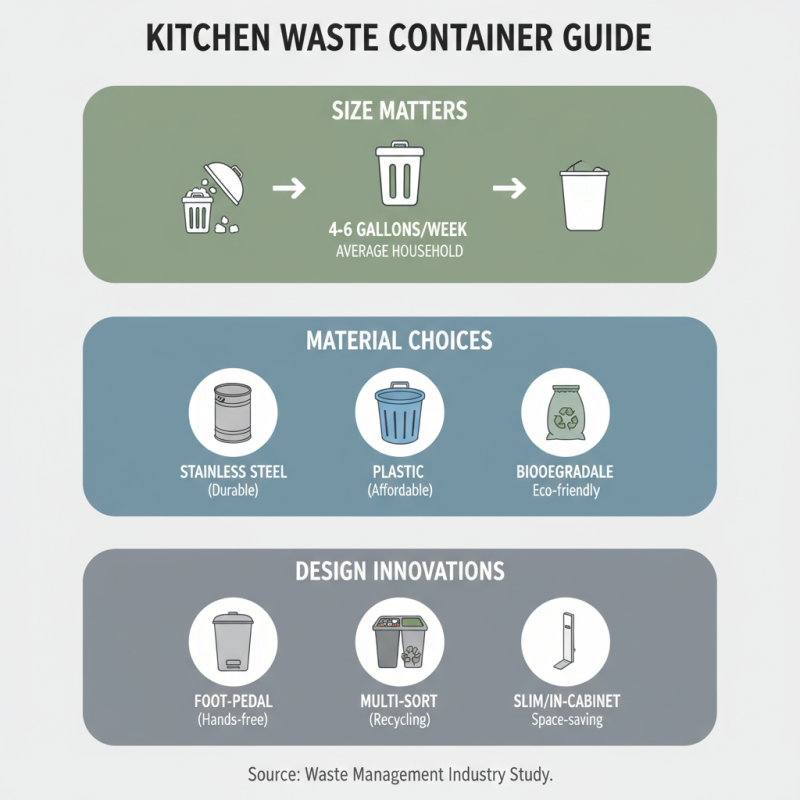
Choosing the right kitchen waste container requires careful consideration of size, material, and design. According to a recent study by the Waste Management Industry, selecting the appropriate size can significantly influence waste sorting efficiency. A small container may overflow quickly, while a large one can take up too much space. Research indicates that a balanced container size adapts to the average household's waste output, which often ranges from 4 to 6 gallons per week.
Material choice is equally crucial. Plastic is lightweight and affordable, but it might not be as durable as metal options. A survey revealed that 68% of households prefer stainless steel for its longevity and easy cleaning properties. However, plastic complements modern designs and may offer more color options. People often forget that some materials can retain odors. Choosing a container with a tightly sealed lid can mitigate this problem.
Design aspects cannot be overlooked. Aesthetic appeal matters, especially since many kitchens focus on style. A study found that 55% of respondents preferred compact, stylish containers that fit under counters. It’s important to strike a balance. While looks matter, functionality should never be compromised. People sometimes rush their choice, leading to regrets when their container fails to meet expectations. Addressing these factors can elevate the overall kitchen experience significantly.
Maintaining and Cleaning Your Kitchen Waste Container
Maintaining your kitchen waste container is essential for a healthy home. According to a report by the Environmental Protection Agency, about 30% of the waste generated in homes is organic. Regularly cleaning your waste container can help reduce odors and prevent pests. Use a mixture of vinegar and baking soda to scrub the inside. This method is eco-friendly and effective.
Cleaning frequency is crucial. A 2022 study showed that 60% of households clean their waste containers only once a month. Bacteria thrive in damp conditions. A simple rinse weekly can create a healthier environment. Don't ignore tight corners. Food particles often hide there, creating potential health risks.
If your container has a lid, ensure it seals tightly. A loose lid can allow smells to escape, attracting unwanted creatures. Consider the container’s material. Plastic can absorb odors over time, while stainless steel is often more hygienic. Regular checks can reveal wear and tear, which might lead to more significant issues. Reflect on these aspects to keep your kitchen safe and clean.

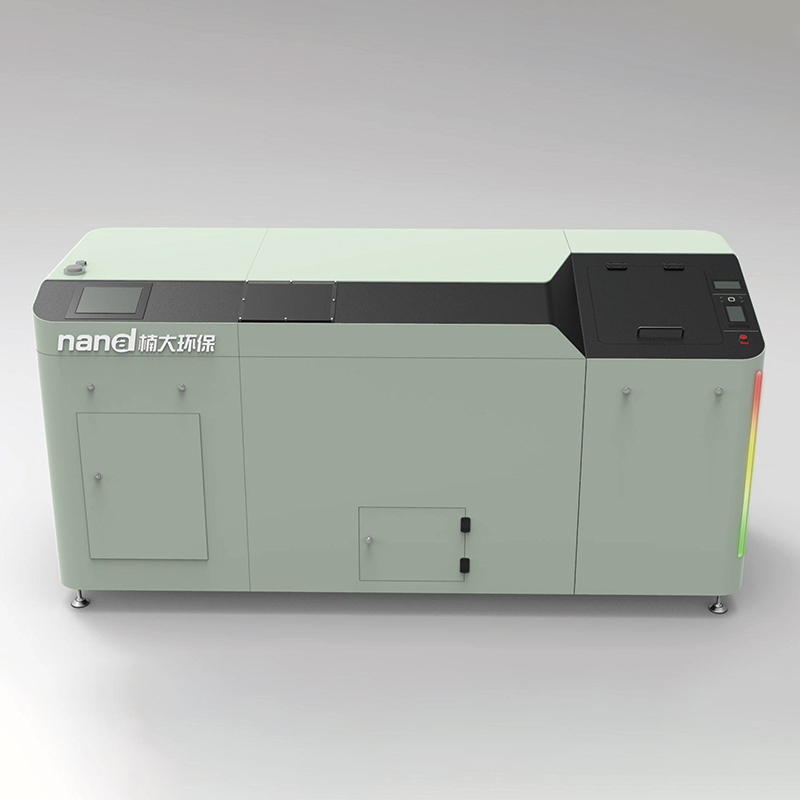 Nanda Trans Series-200
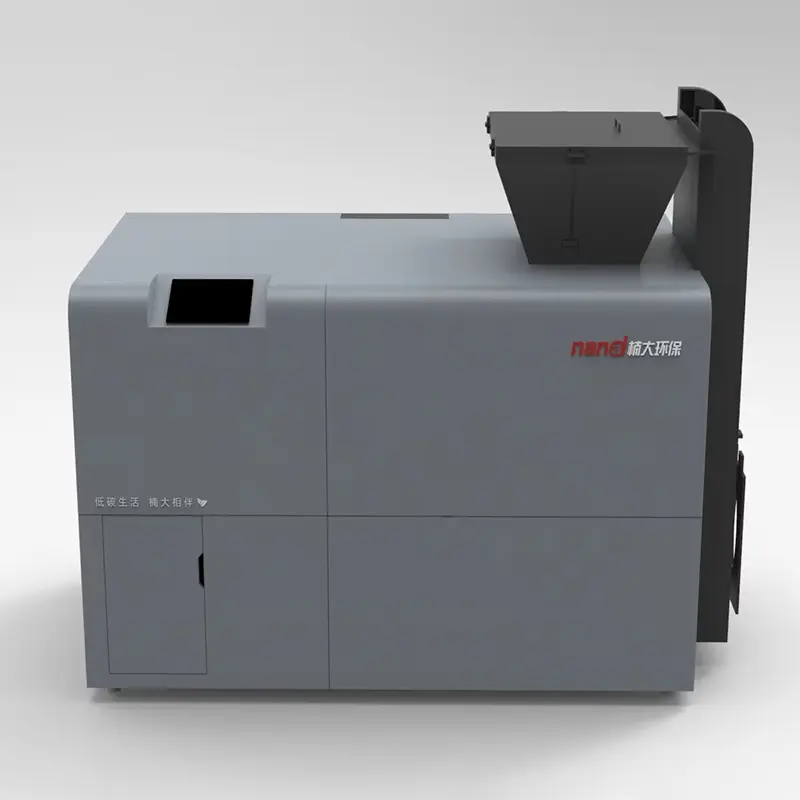 Nanda Trans Series-500
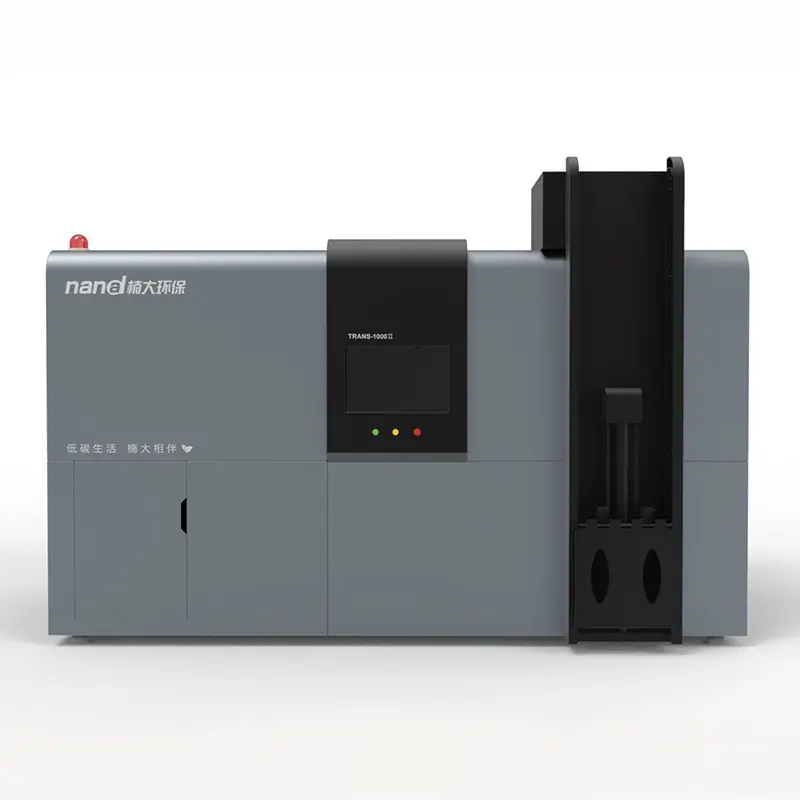 Nanda Trans Series-1000
 Nanda Trans Series-30000
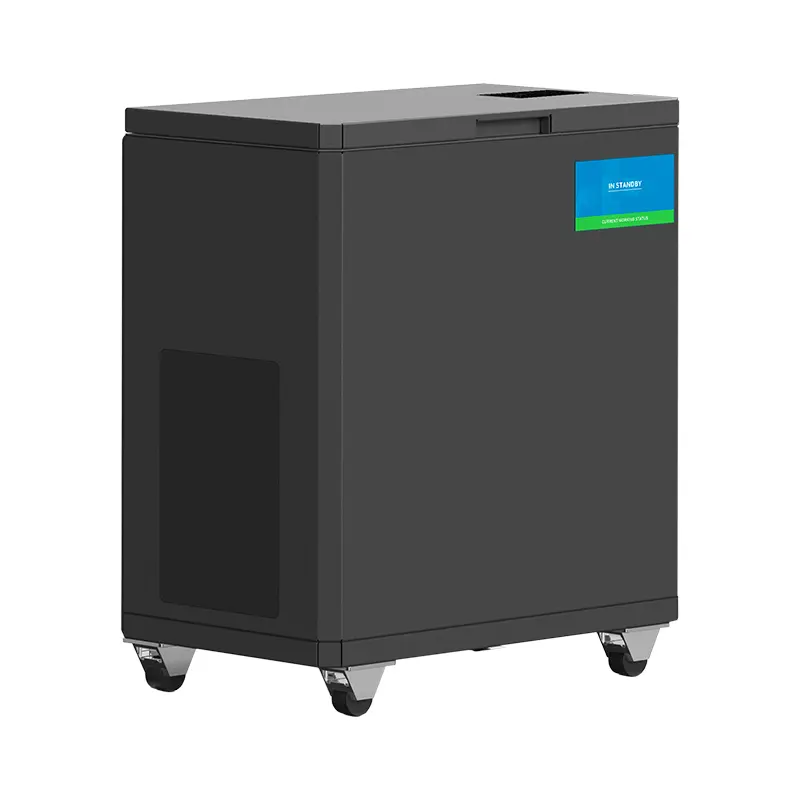 Nanda Thermax Series-100
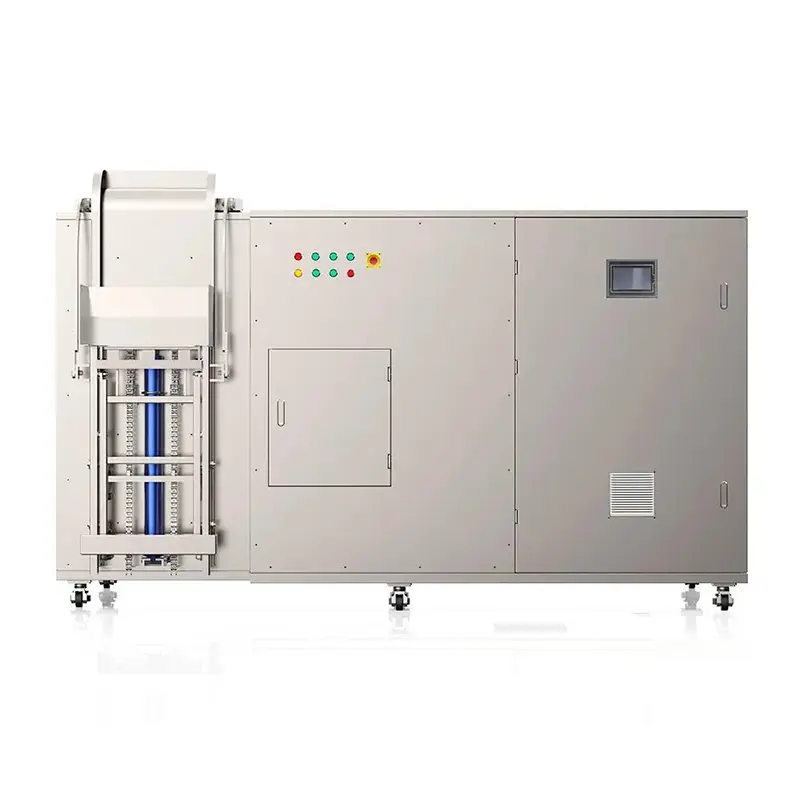 Nanda Thermax Series-200
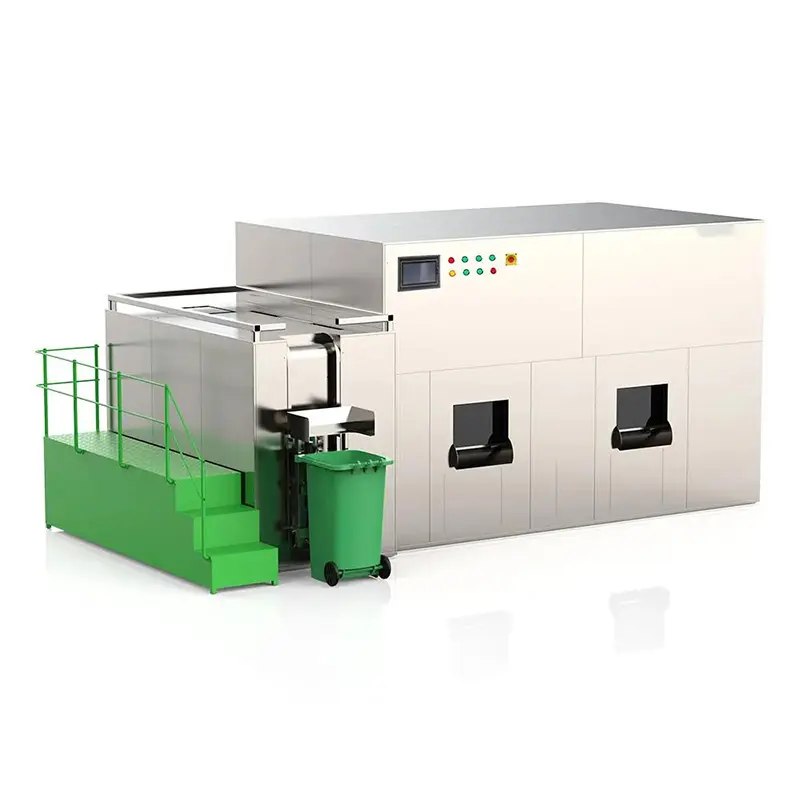 Nanda Thermax Series-2000
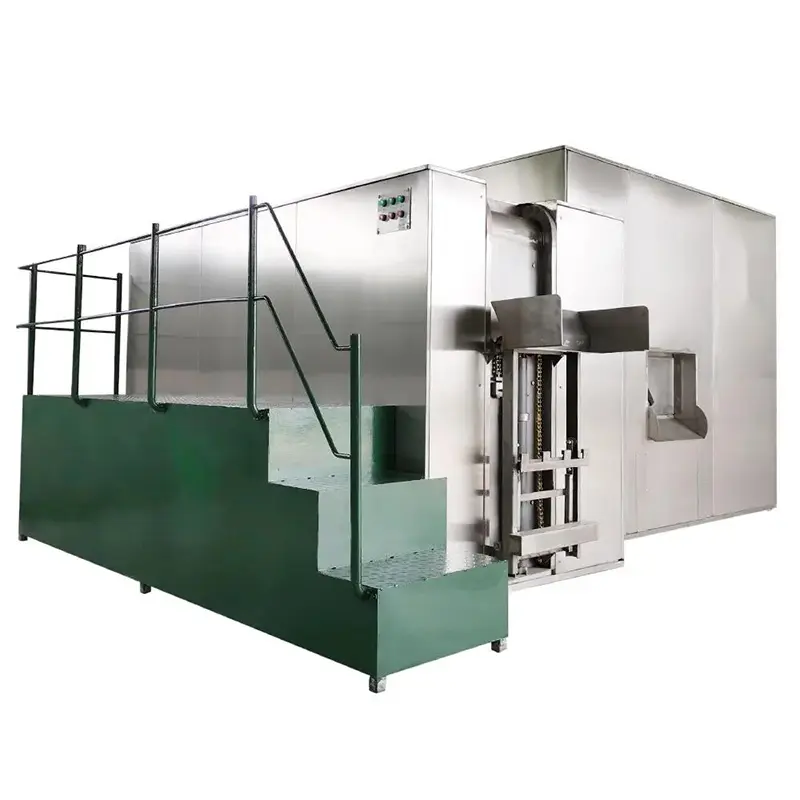 Nanda Thermax Series-10000
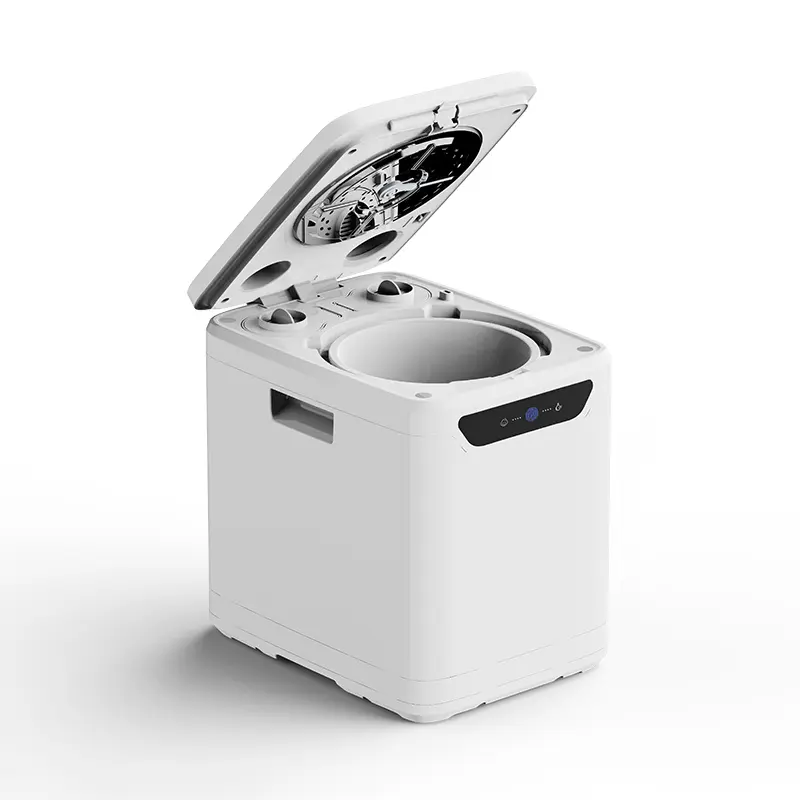 Nanda Turbo Series-3.5L-016
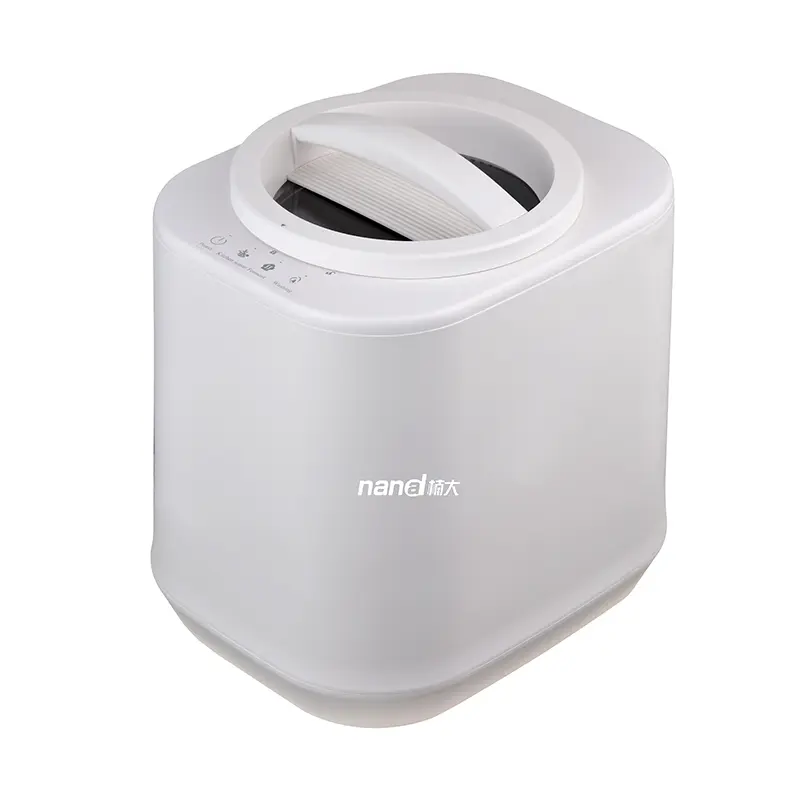 Nanda-Turbo Series-4L-011
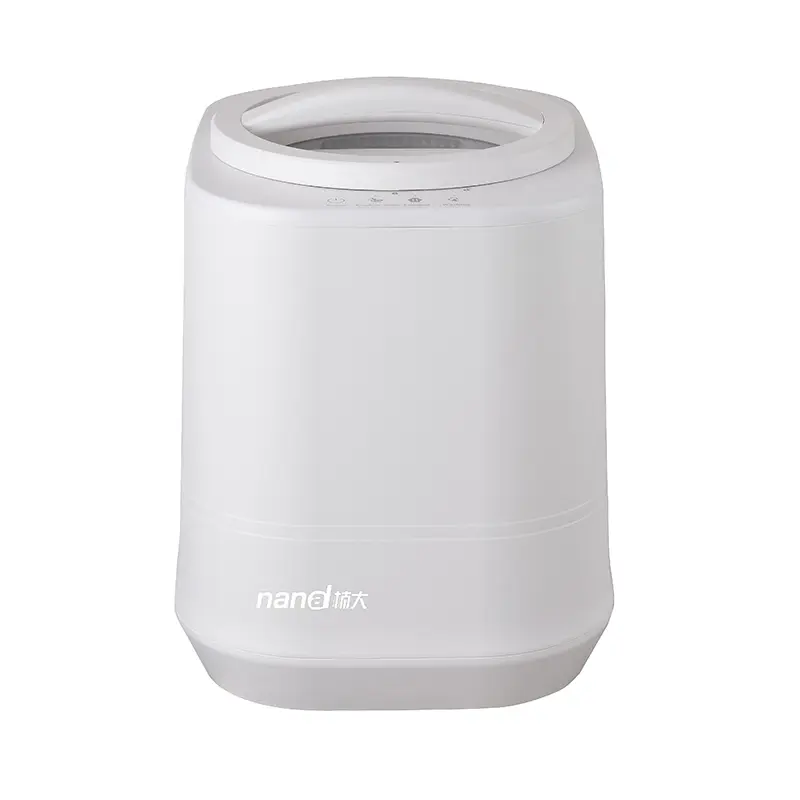 Nanda Turbo Series-4L-012
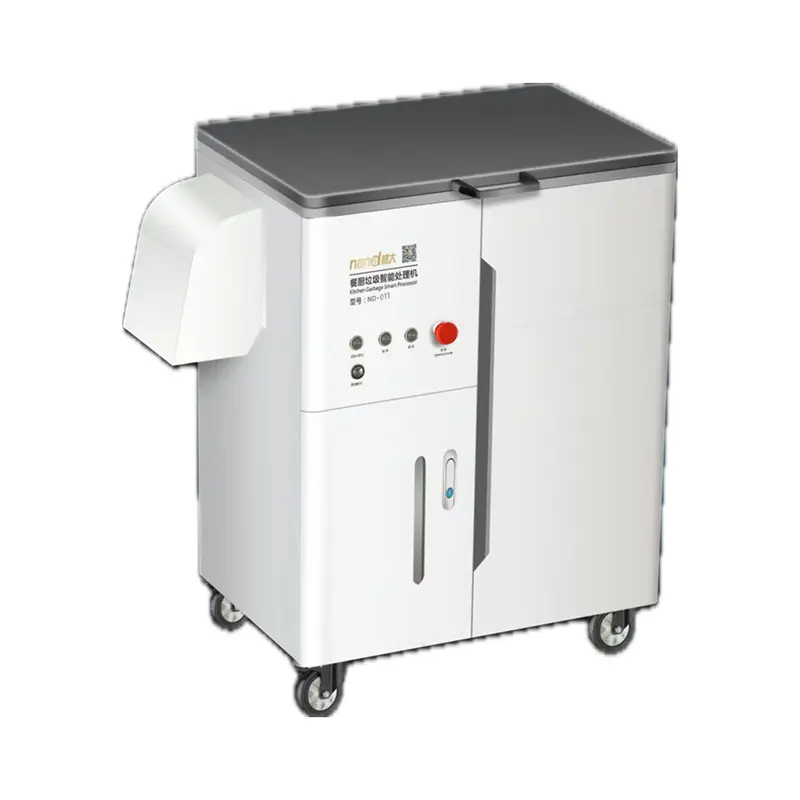 Oil-Water Separator