10 Best Organic Waste Composters for Home Use?
As global waste production continues to rise, the need for sustainable solutions has become urgent. According to a report by the World Bank, cities generate about 2.01 billion tons of waste annually. With organic waste making up nearly 50% of this total, the role of the Organic Waste Composter has emerged as a vital tool for households. These composters transform kitchen scraps into nutrient-rich soil, helping reduce landfill overflow and greenhouse gas emissions.
Many homeowners are unaware of how simple adjusting their waste management can be. Using an Organic Waste Composter not only benefits the environment but also enriches garden soil, promoting healthier plants. The natural composting process can take time, leading some to question its efficiency. However, investing in a high-quality composter can significantly enhance the speed and effectiveness of decomposition.
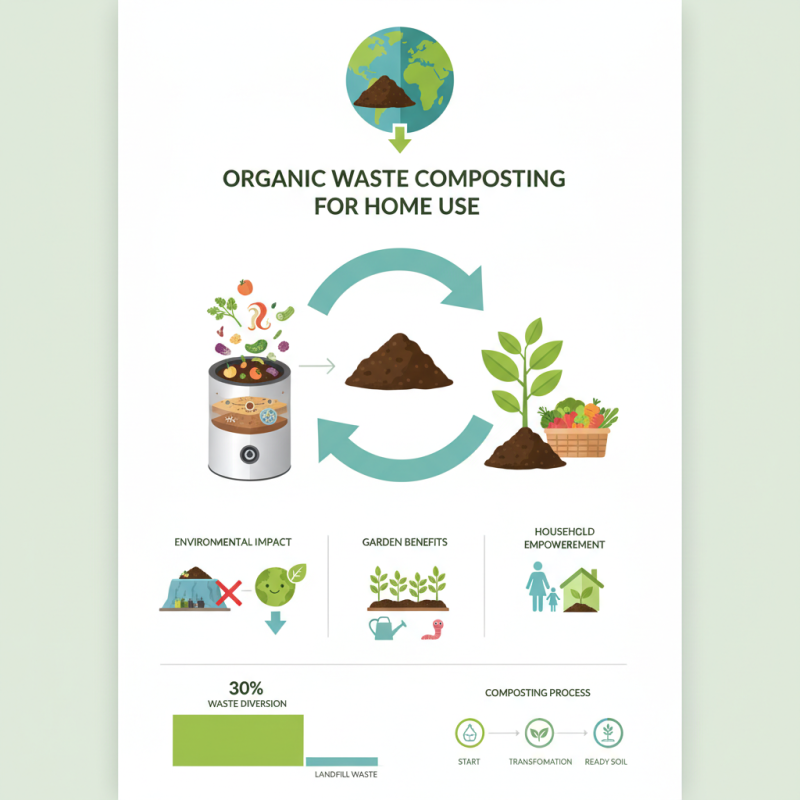
Some may find it challenging to commit to regular composting, often underestimating the impact of their efforts. Yet, studies indicate that composting can divert up to 30% of household waste from landfills. Choosing the right Organic Waste Composter can thus empower individuals, foster self-sufficiency, and cultivate a deeper connection with the environment.
Overview of Organic Waste Composting: Benefits and Importance
Composting organic waste is not just a trend; it's essential for a sustainable future. According to the EPA, organic materials account for 24% of what we throw away. This is a significant waste of resources. Composting helps reduce landfill use and greenhouse gas emissions, making it a practical solution for households.
When we compost, we turn food scraps, yard waste, and other organic materials into nutrient-rich soil. This process supports plant growth and enhances soil health. Research shows that composting can reduce soil erosion and improve water retention. It's a win-win for the gardener and the environment.
Tips: Start small with a countertop composter. This allows easy access for kitchen scraps. Remember, not all organic waste is suitable. Avoid meat and dairy to prevent pests. An efficient compost pile should contain a good mix of brown and green materials. Keep it moist but not soaked.
Not everyone succeeds in composting. Sometimes compost doesn’t break down as expected. This can be due to improper aeration or moisture. Reflecting on what works and what doesn’t is key to improving your composting efforts. It's a process that takes time and patience.
Types of Organic Waste Composters for Home Use
When choosing a composting method at home, consider different types of organic waste composters. The simplest option is the traditional compost bin. It allows you to add kitchen scraps and yard waste. The materials gradually decompose, creating nutrient-rich soil over time. This type requires regular turning to aerate the pile.
Another popular method is the compost tumbler. These are enclosed bins on a rotating axis. They make mixing easy, which speeds up the composting process. However, they have a smaller capacity compared to traditional bins. It can be challenging to maintain the perfect moisture level without careful monitoring.
For those with limited space, worm composting is an excellent solution. This method uses red worms to break down organic waste. It’s efficient and produces high-quality compost. The process can be messier, requiring careful handling of the worms. You might face challenges in temperature control, which worms cannot tolerate well.
Tips: Check moisture levels regularly. Compost should feel like a damp sponge. Avoid adding meat and dairy products. They can attract pests and create odors. Watch the balance of carbon and nitrogen-rich materials to ensure successful composting.
Key Features to Consider When Choosing a Compost Bin
When selecting a compost bin for your home, consider its size. A smaller bin suits urban spaces, while larger bins cater to gardens. The composting process demands space. Without it, your efforts may yield less than desired. Airflow is equally important. A well-ventilated bin helps prevent odors and promotes bacteria growth.
Materials used in the compost bin matter too. Durable materials resist weather conditions. A bin made of plastic might break down over time. Consider a structure that encourages insulation. Insulation aids in maintaining the right temperature for decomposition. Remember to assess the ease of use. A user-friendly design simplifies turning and accessing compost.
It’s worth noting that the ideal compost bin may vary for each user. Assess your commitment to composting. Some bins need regular attention. Others are more hands-off, which can be appealing. Don't forget to think about aesthetics. A bin should blend into your outdoor space. After all, it might sit in plain sight. Reflect on what works best for your lifestyle before making a choice.
Comparative Analysis of Organic Waste Composters
Top 10 Organic Waste Composters: Reviews and Comparisons
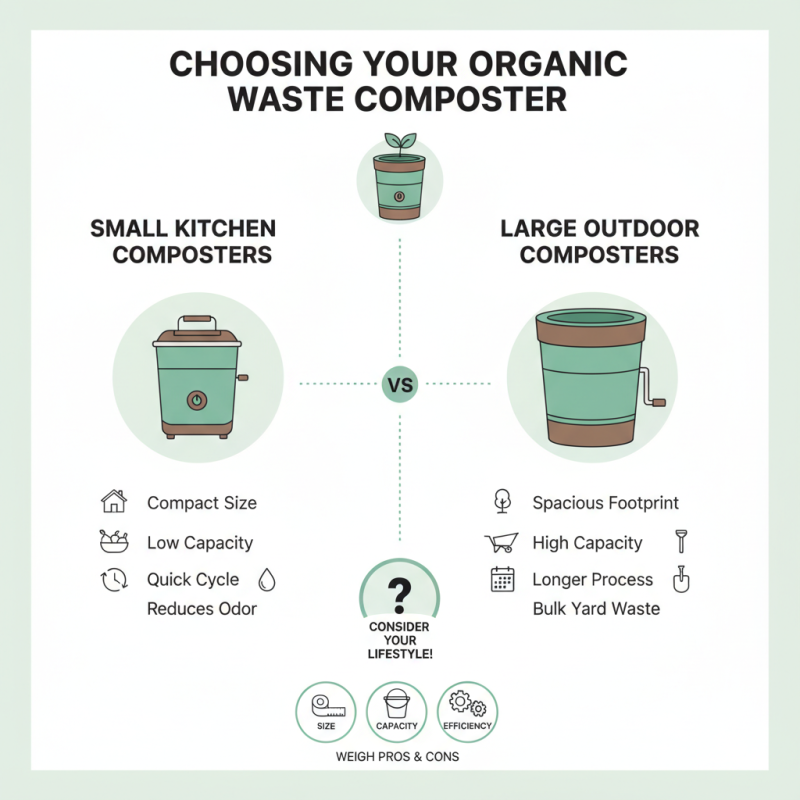
Choosing the right organic waste composter can be challenging. Many options exist, each with its pros and cons. It's essential to weigh features such as size, capacity, and efficiency before making a decision. Some composters are compact, ideal for small kitchens. Others are larger and require more outdoor space. Consider what fits your lifestyle best.
Ease of use is another key factor. Some composters are simpler to operate but may require more frequent maintenance. Others are more complicated, offering advanced features that may not be necessary for all users. You might find yourself frustrated with complex assembly or inconsistent results. Still, understanding your specific needs can guide you toward the best choice.
Materials used in composters vary widely. Some are made of durable plastic, while others use metal or wood. Each material has its durability and insulation properties. Quality varies, and not every product lasts as long as advertised. Look for options that provide both function and longevity without breaking the bank. Adjusting to composting takes time and patience. It's a learning curve that can lead to rewarding results.
Tips for Successfully Maintaining Your Home Composting System
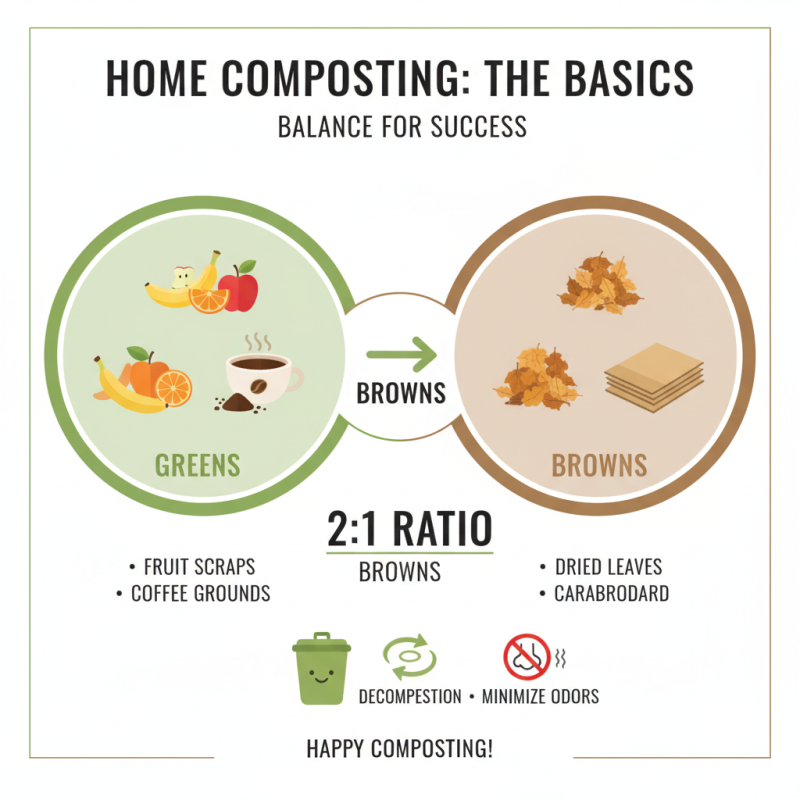
Maintaining a home composting system requires attention and care. One important tip is to balance green and brown materials. Greens include fruit scraps and coffee grounds. Browns consist of dried leaves and cardboard. Aim for a ratio of 2:1 in favor of browns. This balance aids decomposition and minimizes odors.
Another tip is to regularly turn your compost. This aerates the mixture and speeds up the breakdown process. Use a pitchfork or shovel to mix it every few weeks. It can be messy, but it's essential. If you notice a foul smell, it might be too wet. Add more brown materials to absorb excess moisture.
Monitoring the temperature is crucial, too. A hot compost pile indicates active decomposition. Ideal temperatures range from 130°F to 160°F. If your pile isn’t heating up, it might be too compacted. More aeration can help. Remember, composting is a learning process. You might face some failures, and that’s okay.

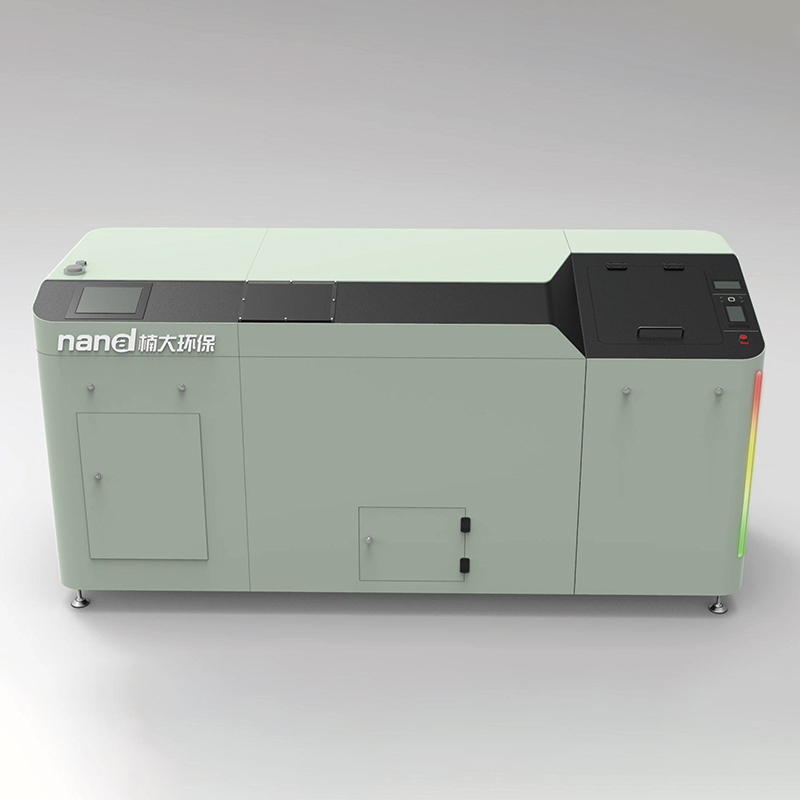 Nanda Trans Series-200
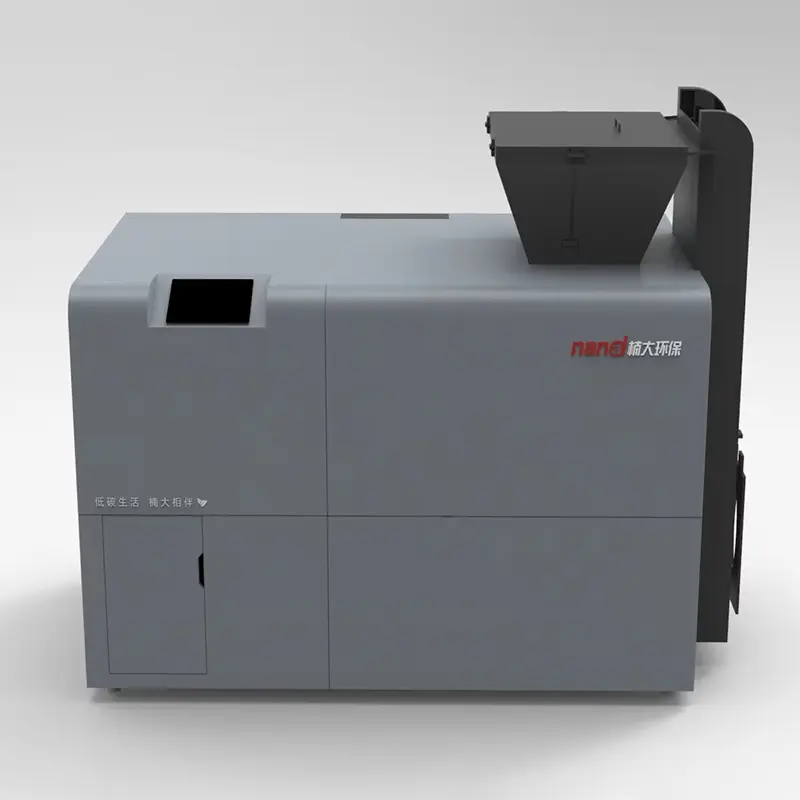 Nanda Trans Series-500
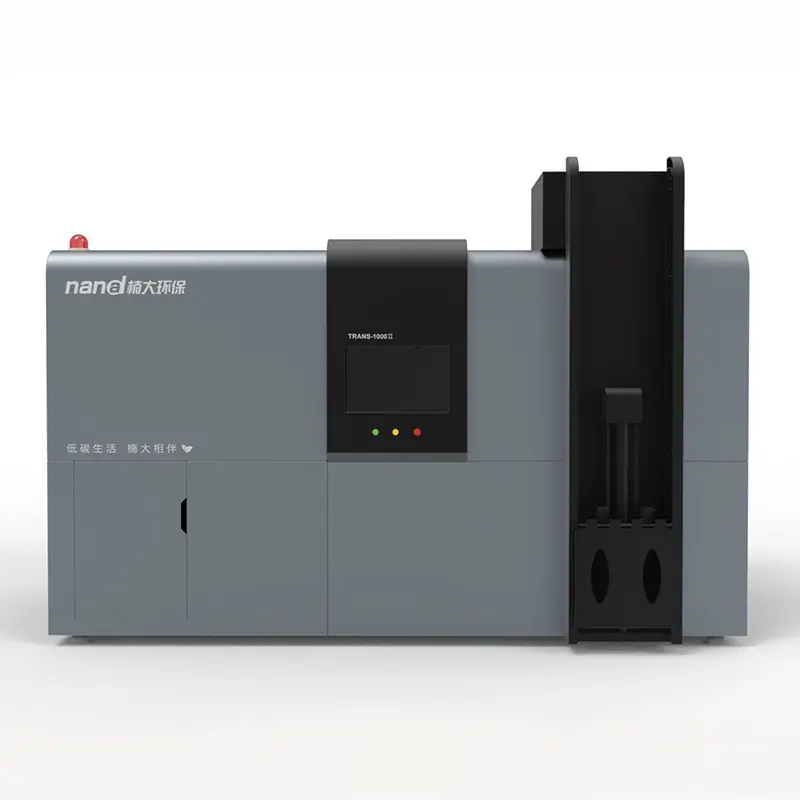 Nanda Trans Series-1000
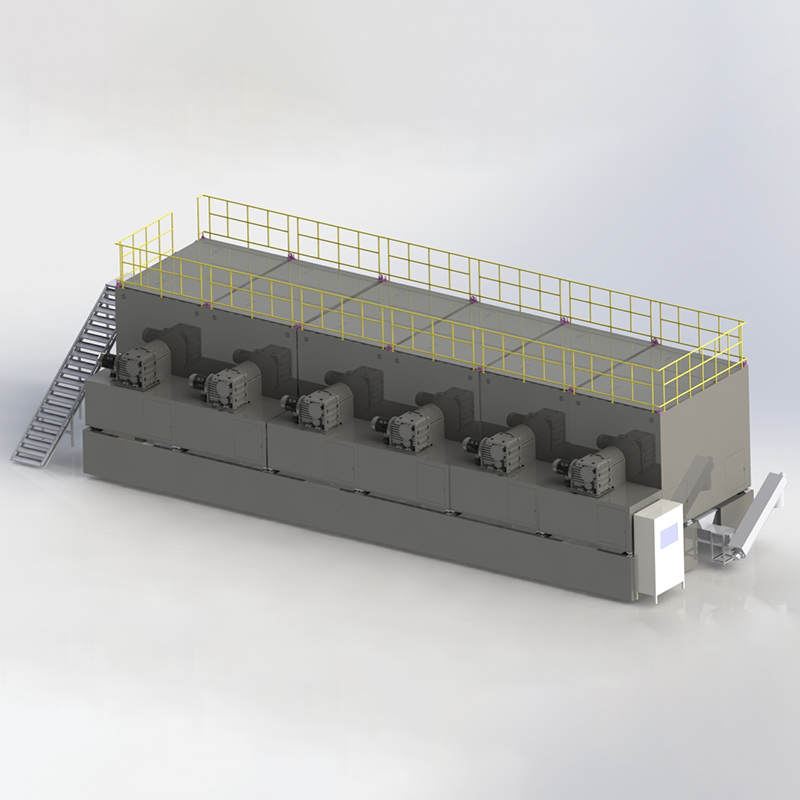 Nanda Trans Series-30000
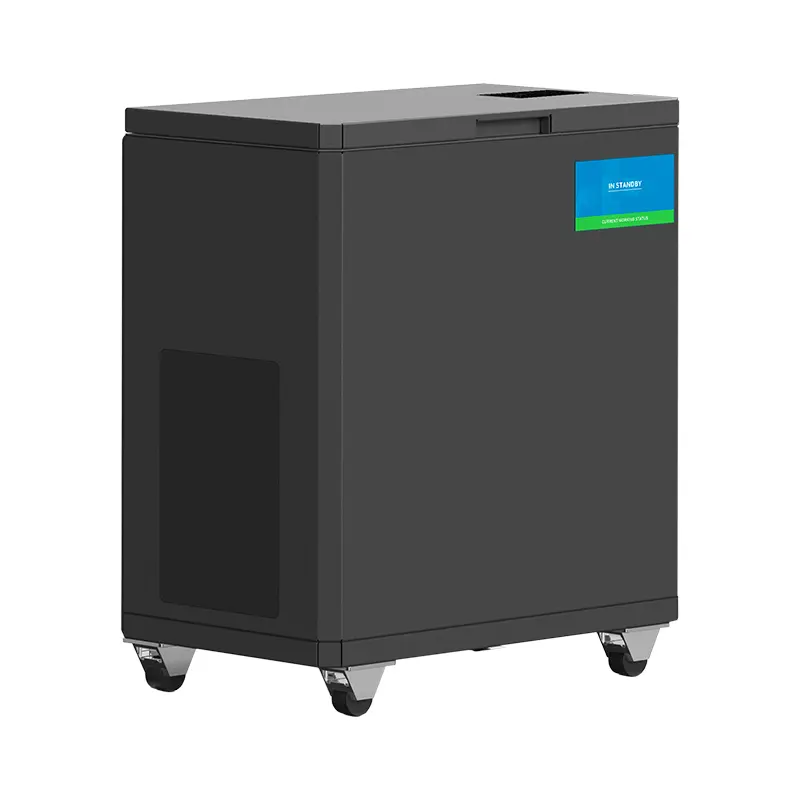 Nanda Thermax Series-100
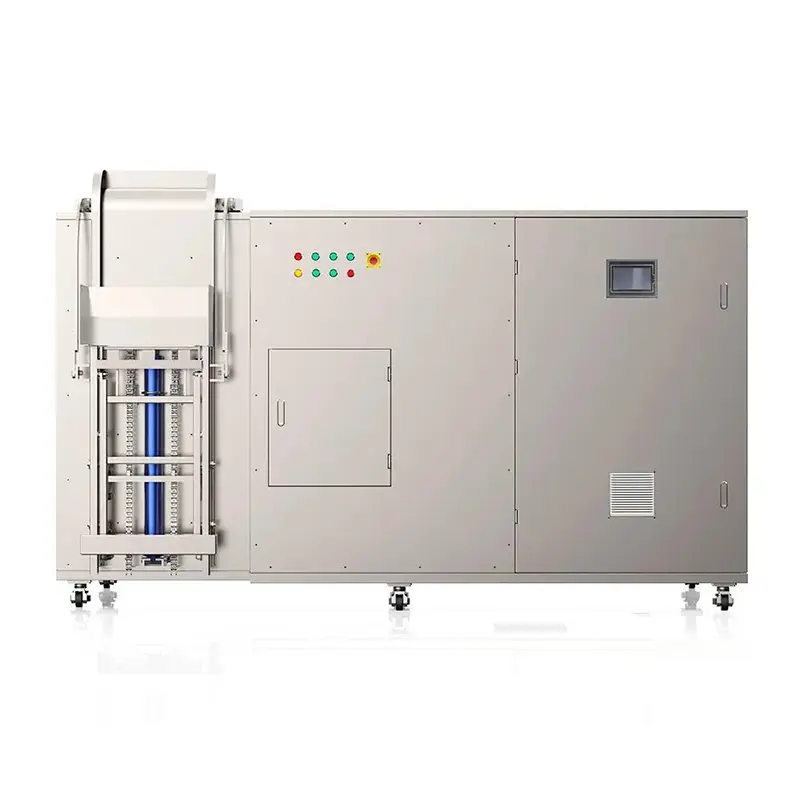 Nanda Thermax Series-200
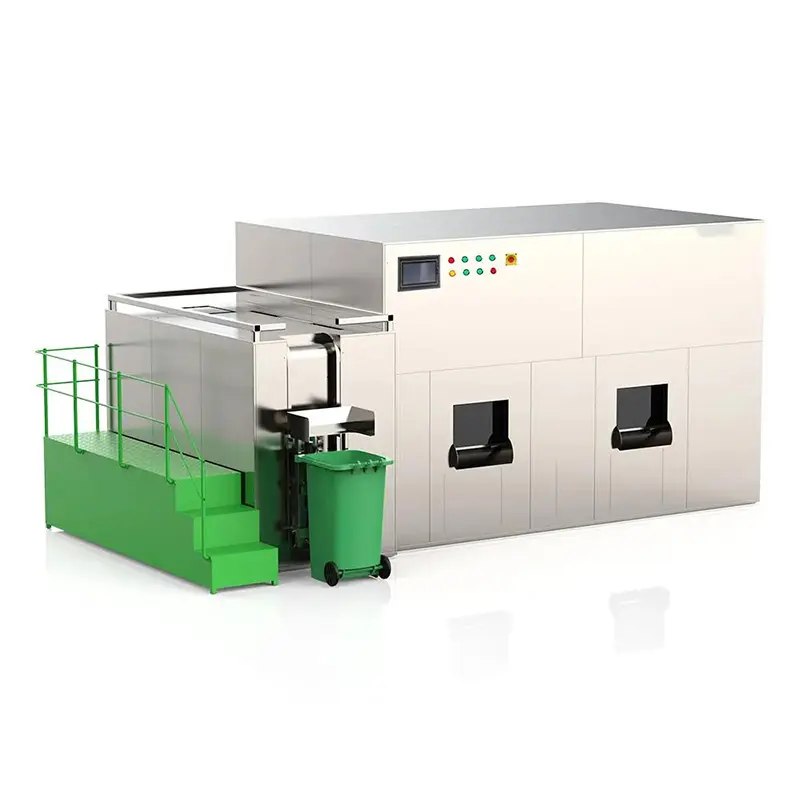 Nanda Thermax Series-2000
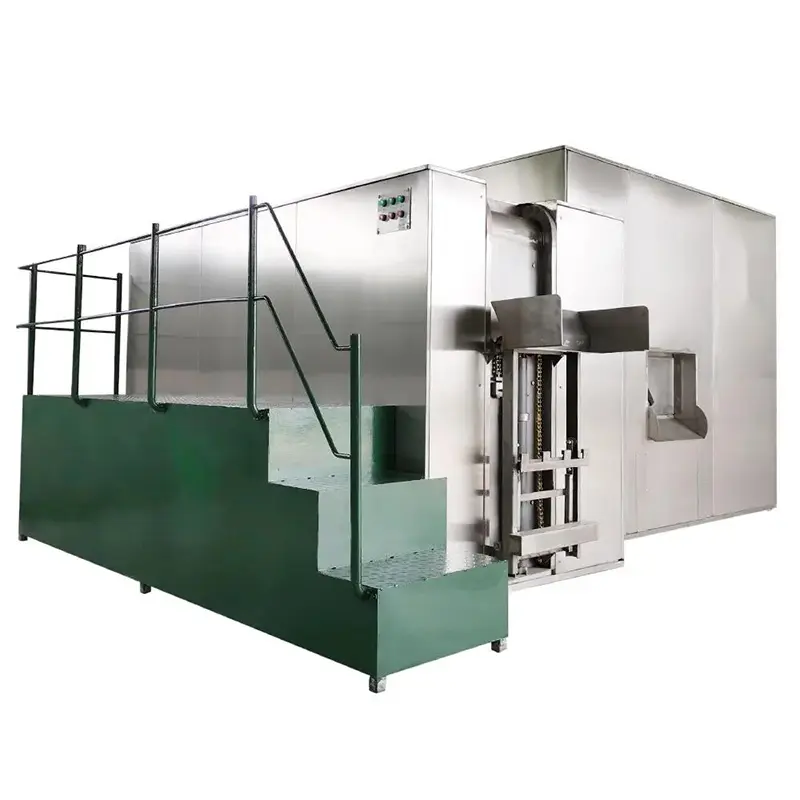 Nanda Thermax Series-10000
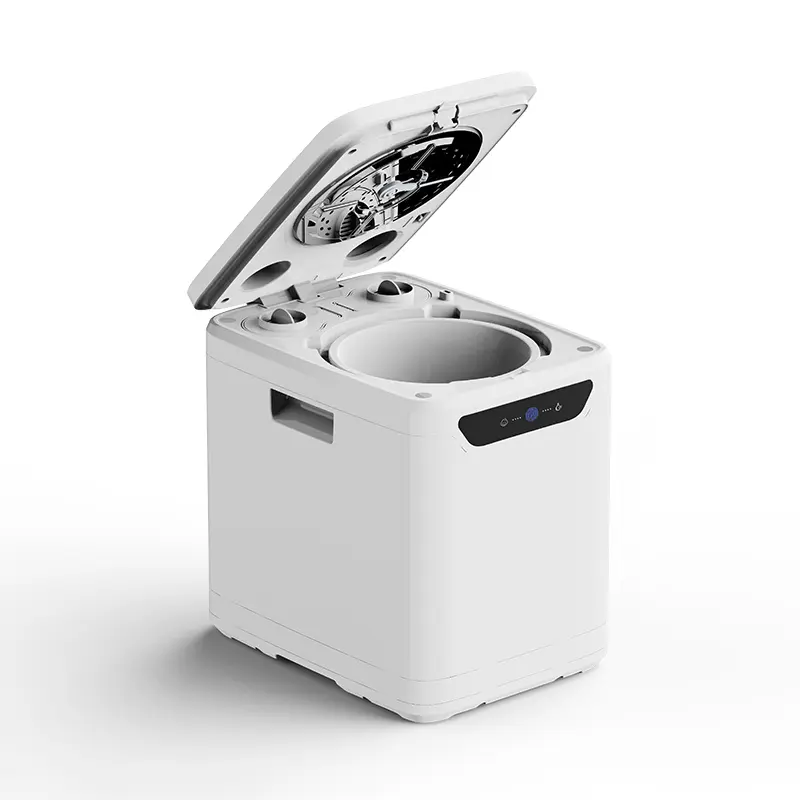 Nanda Turbo Series-3.5L-016
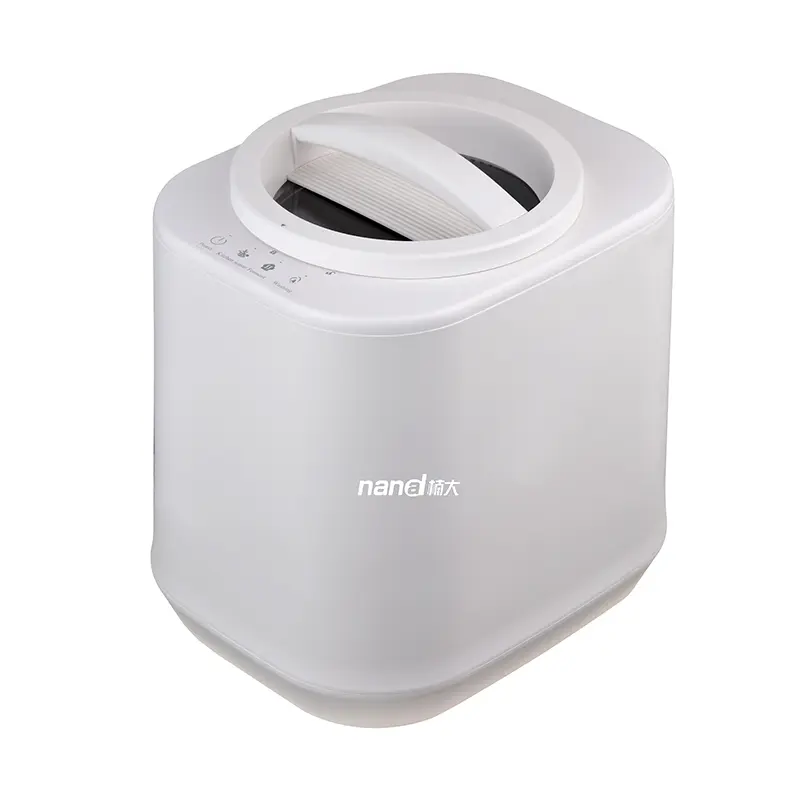 Nanda-Turbo Series-4L-011
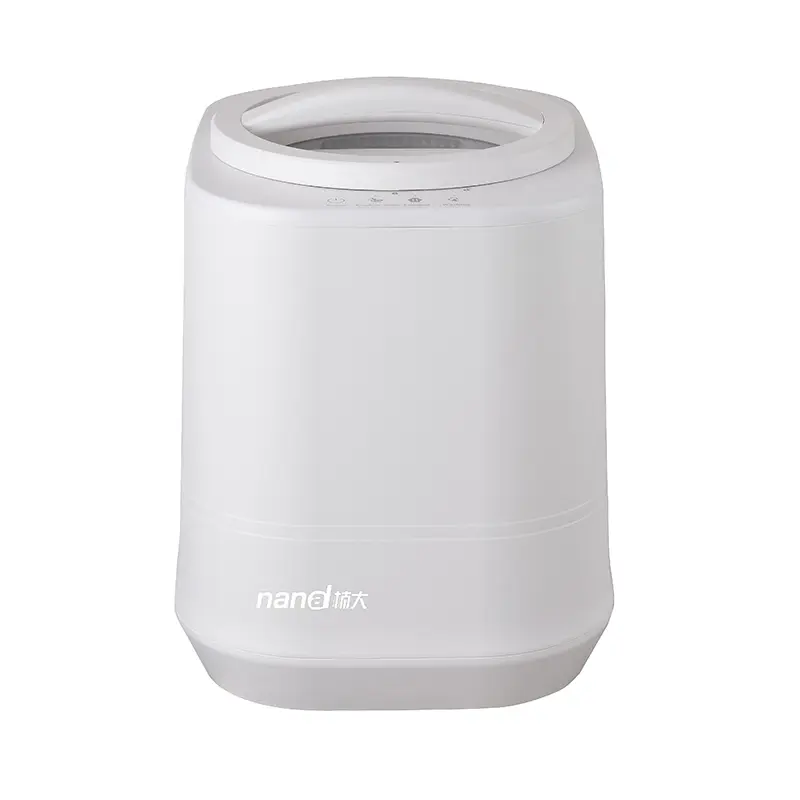 Nanda Turbo Series-4L-012
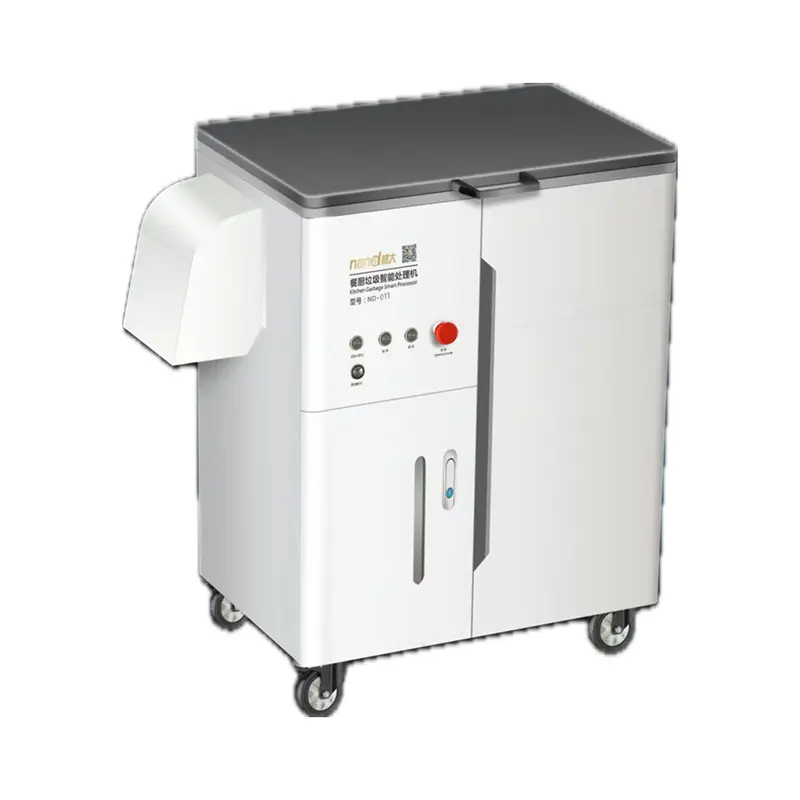 Oil-Water Separator