Best Waste Composter Options for Sustainable Living Today?
The rise of sustainable living has brought the importance of efficient waste management to the forefront. According to the Environmental Protection Agency, Americans generated about 292.4 million tons of trash in 2018, with only 35% being recycled or composted. This underscores a significant opportunity for improved waste handling practices. Embracing a Waste Composter can drastically reduce the amount of organic waste ending up in landfills.
Experts like Dr. Sarah Green, a leading figure in sustainable waste management, emphasize, “Investing in a Waste Composter not only reduces landfill waste but enriches the soil." Such composting solutions empower households to transform kitchen scraps and yard waste into nutrient-rich compost. However, many consumers still overlook the potential benefits. Choices often involve budget constraints, varying space, and knowledge gaps.
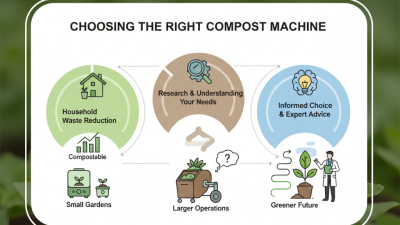
Finding the right Waste Composter requires insight into both personal needs and environmental impact. Many options exist, yet selecting an ideal composter can be daunting. Some systems may promise efficiency but may require more maintenance than expected. The better informed one is, the more effective their composting efforts will be. The journey towards sustainability starts with understanding these important tools and their place in our daily lives.
Understanding the Importance of Composting for Sustainable Living
Composting plays a crucial role in sustainable living and waste reduction.
According to the U.S. Environmental Protection Agency (EPA), organic waste constitutes about 30% of what we throw away.
This represents a significant opportunity for composting, which can transform kitchen scraps and yard waste into valuable soil amendment.
By composting, households can divert waste from landfills, thereby reducing methane emissions.
This gas has a global warming potential 25 times greater than carbon dioxide over a 100-year period.
Implementing a composting system can also improve soil health.
Research indicates that compost enhances soil fertility, promotes healthier plant growth, and helps retain moisture.
These benefits are particularly crucial as climate variability increases.
However, many individuals face challenges in composting.
Common issues include the balance of carbon to nitrogen, moisture levels, and attracting pests.
Reflections on these struggles can lead to better composting practices and ultimately greater sustainability.
Understanding the importance of composting is not just about reducing waste.
It fosters a connection with the environment. Engaging in composting can inspire a deeper commitment to sustainable practices.
Small steps can lead to significant environmental impacts.
As awareness grows, so does the potential for broader systemic change in how we manage organic waste.
Types of Waste Composters: Choosing the Right One for Your Needs
When selecting a waste composter, it's essential to understand the types available. There are several options:
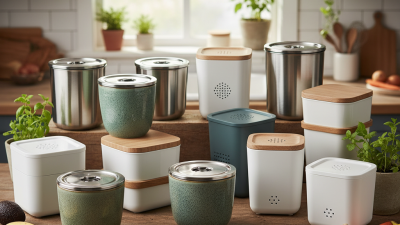
backyard composters, tumblers, and worm bins. Each type has its unique benefits and drawbacks.
Backyard bins are cost-effective but can take time to produce compost. Tumblers speed up the process but may require more physical effort.
Worm bins, on the other hand, excel in creating rich compost with minimal space.
Considering your needs is crucial. For large gardens, a backyard composter may suffice. If space is limited, a worm bin could be ideal.
Tumblers work well for those who want faster results. Think about how much waste you generate. Some might find the process daunting,
feeling overwhelmed by the setup or maintenance required. It’s okay to start small.
You might encounter challenges with odor control or pests.
These issues frequently arise, even for experienced composters. Regular monitoring and making adjustments can help.
Trying different methods can lead to better results. It's all about finding the right balance that fits your lifestyle and waste management needs.
Key Features to Look for in a Waste Composter
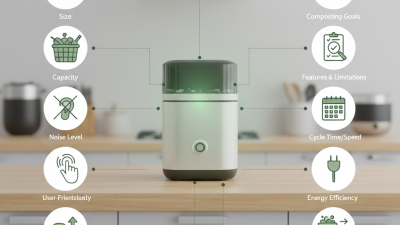
When selecting a waste composter, certain features make a significant impact on efficiency and usability. Look for models that allow for easy aeration. Proper airflow is crucial for effective decomposition. A composter with adjustable vents enables you to manage moisture and oxygen. This control reduces odors and speeds up the composting process.
Durability is also essential. Composters made from sturdy materials withstand the elements. They should resist rust and UV damage. A well-built composter can last for years, providing you with a reliable tool for sustainable living. Additionally, consider the size. A larger composter allows for more waste, but it may require more effort to maintain.
Ease of access is key as well. Models with doors or hatches simplify waste addition and retrieval of compost. Composting can sometimes feel overwhelming. A user-friendly design can ease the learning curve. Lastly, think about the aesthetics. A composter that complements your outdoor space encourages you to engage. The right features enhance both function and form, promoting a greener lifestyle.
Best Practices for Using Your Waste Composter Effectively
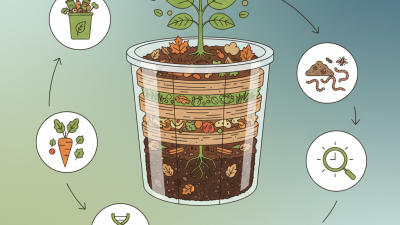
Using a waste composter can significantly impact sustainable living. However, maximizing its effectiveness requires understanding some best practices. To start, it’s important to strike the right balance of green and brown materials. Green materials include fruit scraps and grass clippings. Brown materials consist of dried leaves and cardboard. A good mix ensures proper aeration and decomposition.
Monitor the moisture level. Too much water can create a soggy mess. On the contrary, too little can dry out your compost. Aim for a consistency similar to a damp sponge. Regularly turning your compost pile will help incorporate air, promoting faster decomposition. About every two weeks is generally a good frequency.
Consider creating a composting journal. This will help you track what you add and how the compost evolves over time. You may find that certain materials break down better than others. Adjusting your input will enhance your results. Remember, composting is a learning journey. It may take time to discover what works best in your unique situation. Engage with your composting process, and be open to adjustments.
Maintaining Your Compost for Optimal Results and Sustainability
Maintaining a compost pile can be a rewarding yet challenging endeavor. To achieve optimal results, understanding the composting process is essential. The mix of green and brown materials is crucial. Greens provide nitrogen, while browns offer carbon. An ideal ratio of 2:1 is suggested. This balance encourages microorganisms to thrive, promoting decomposition. Yet, achieving this balance can be tricky. Overloading with one type of material may lead to foul odors or slow breakdown.
Turning the compost regularly aerates it, speeding up the process. This simple act also helps control moisture levels, which is vital. Too wet, and your compost becomes anaerobic, producing unpleasant smells. Too dry, and decomposition slows down significantly. Using a moisture meter can guide your watering efforts, but it’s easy to forget this step when busy. Observing the consistency and smell can also provide clues.
Pests may become an issue if the compost is not managed properly. Incorporating layers and covering the pile can help deter unwanted visitors. Remember, composting is about trial and error. Maintaining patience is key, as results take time. Some batches may not turn out as expected, prompting a rethink of your methods. Learning from these experiences leads to better compost in the future.

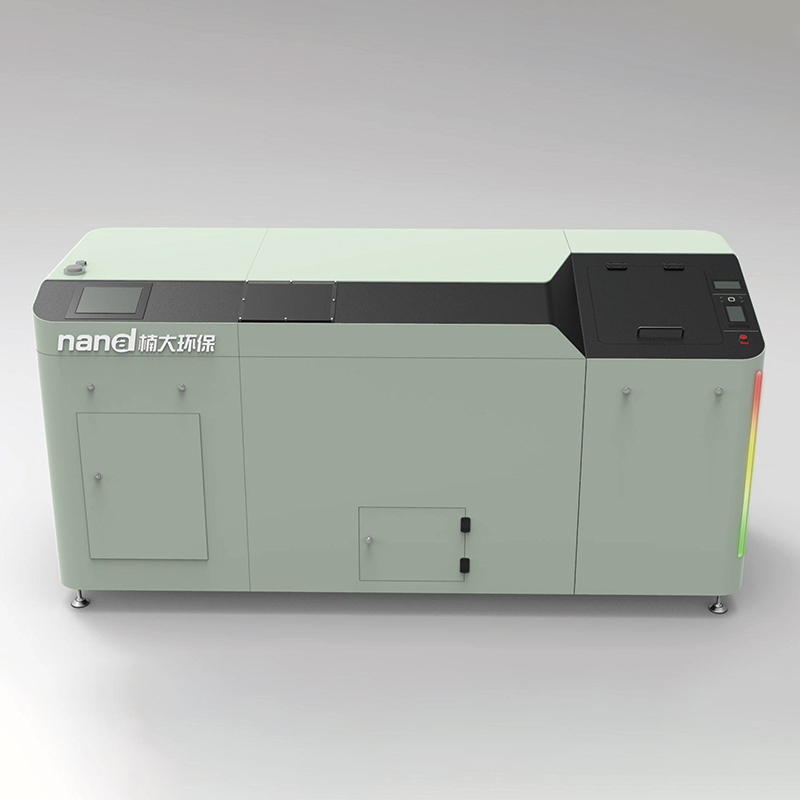 Nanda Trans Series-200
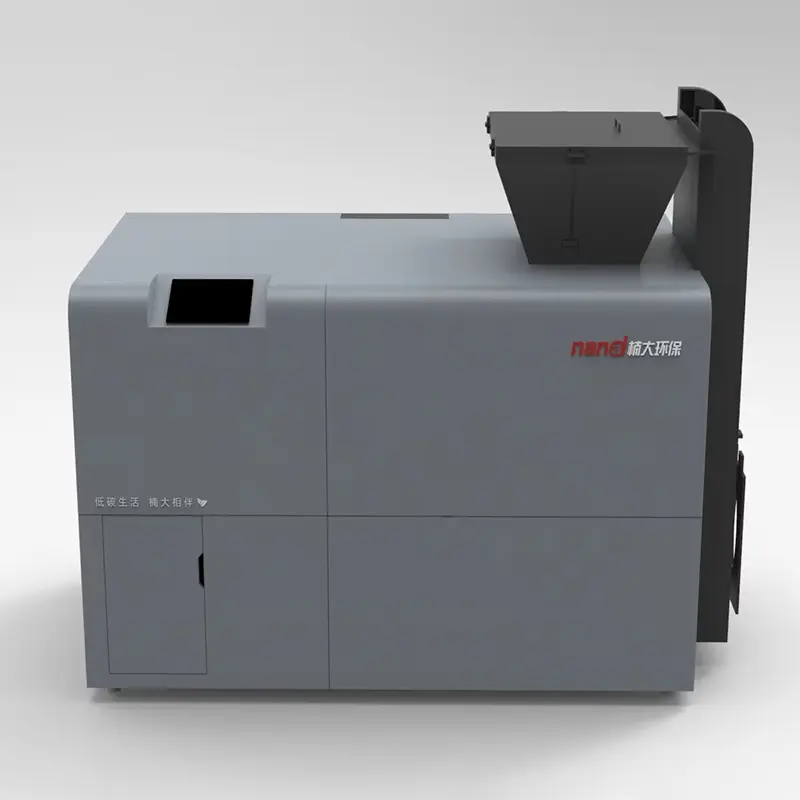 Nanda Trans Series-500
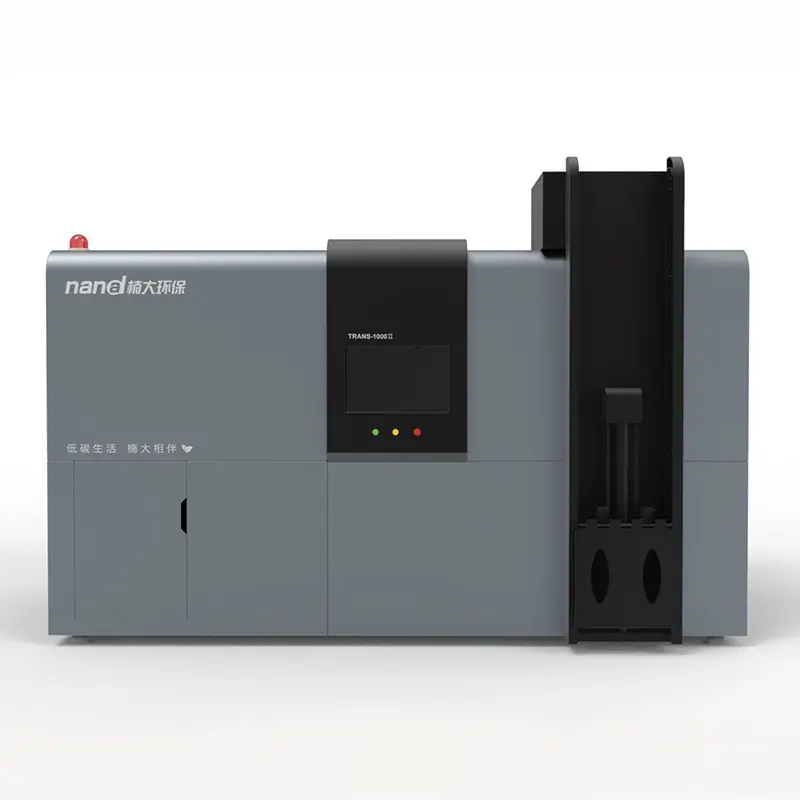 Nanda Trans Series-1000
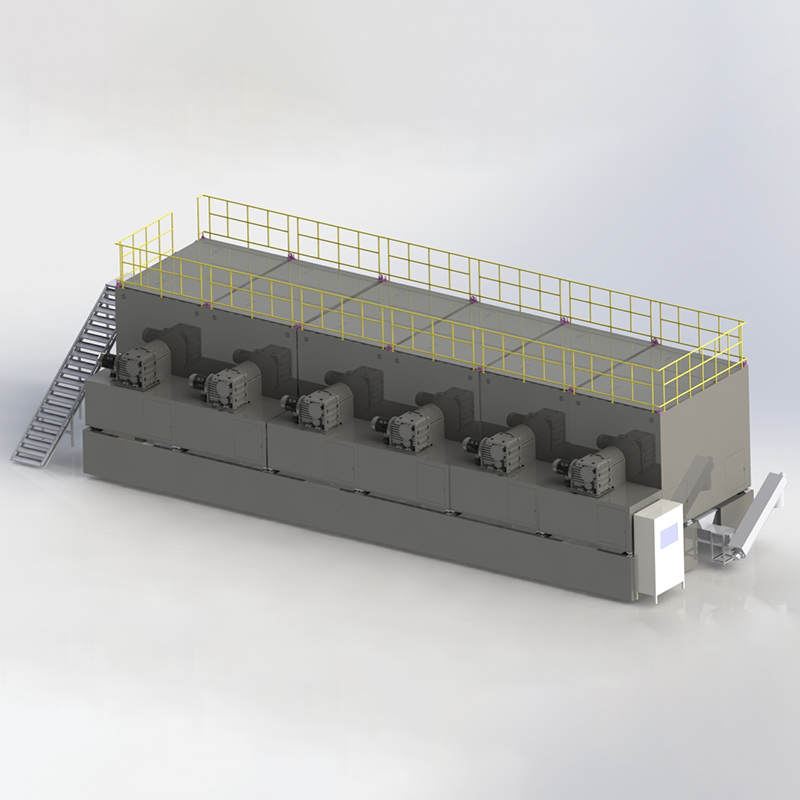 Nanda Trans Series-30000
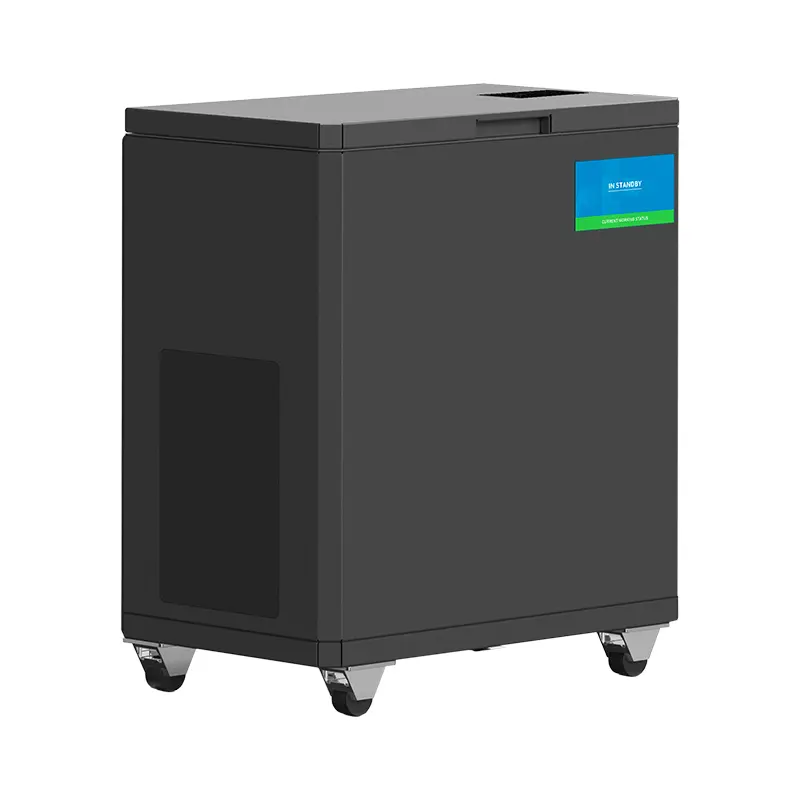 Nanda Thermax Series-100
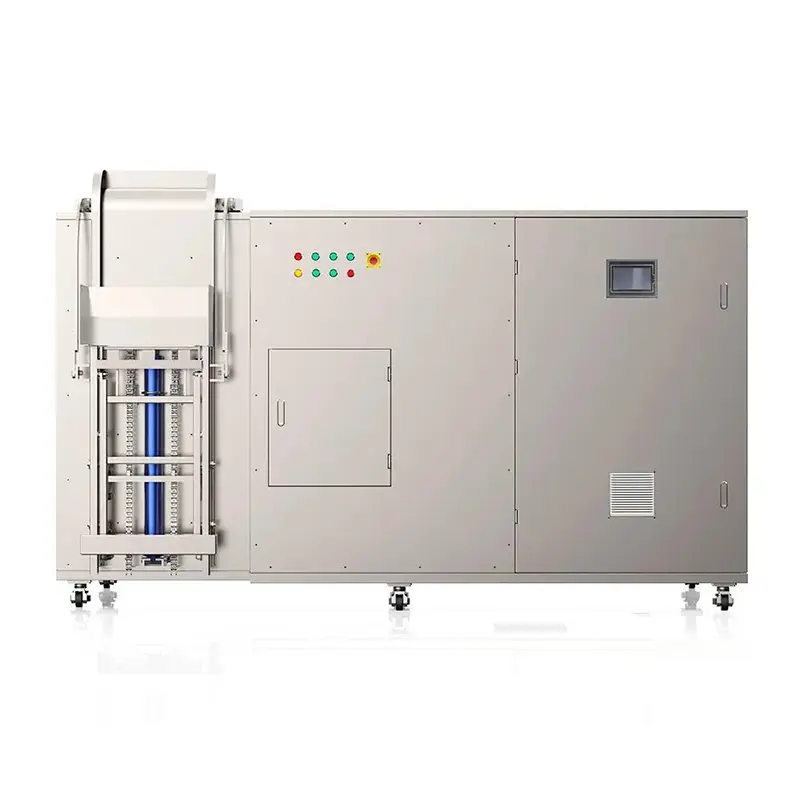 Nanda Thermax Series-200
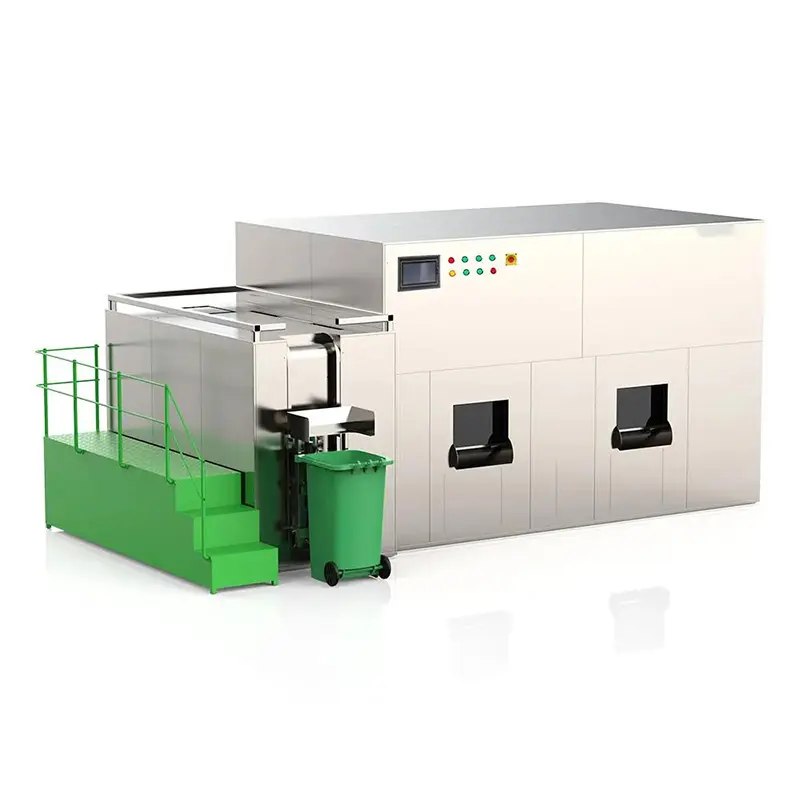 Nanda Thermax Series-2000
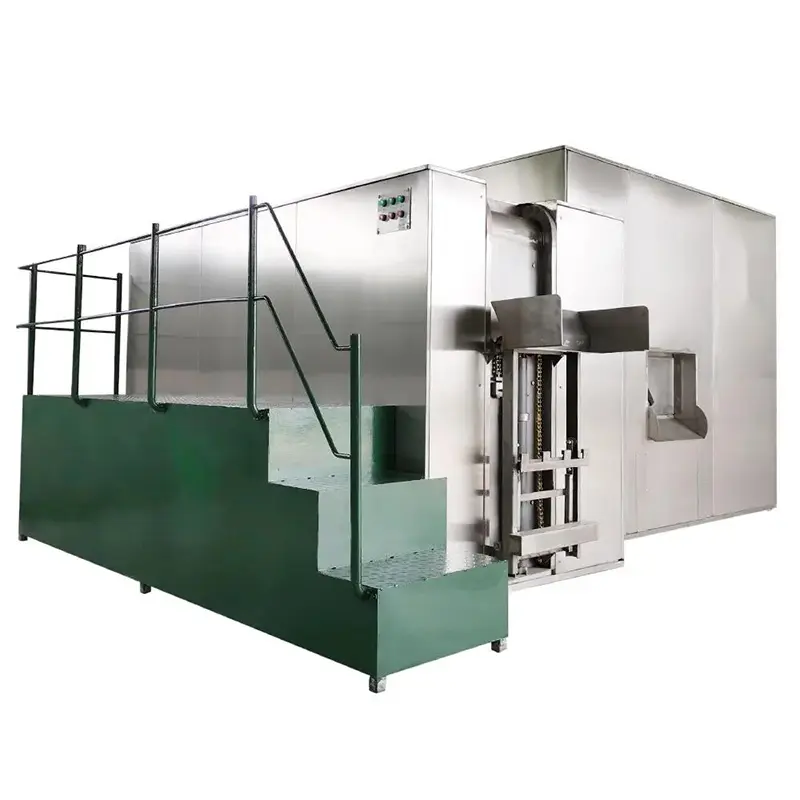 Nanda Thermax Series-10000
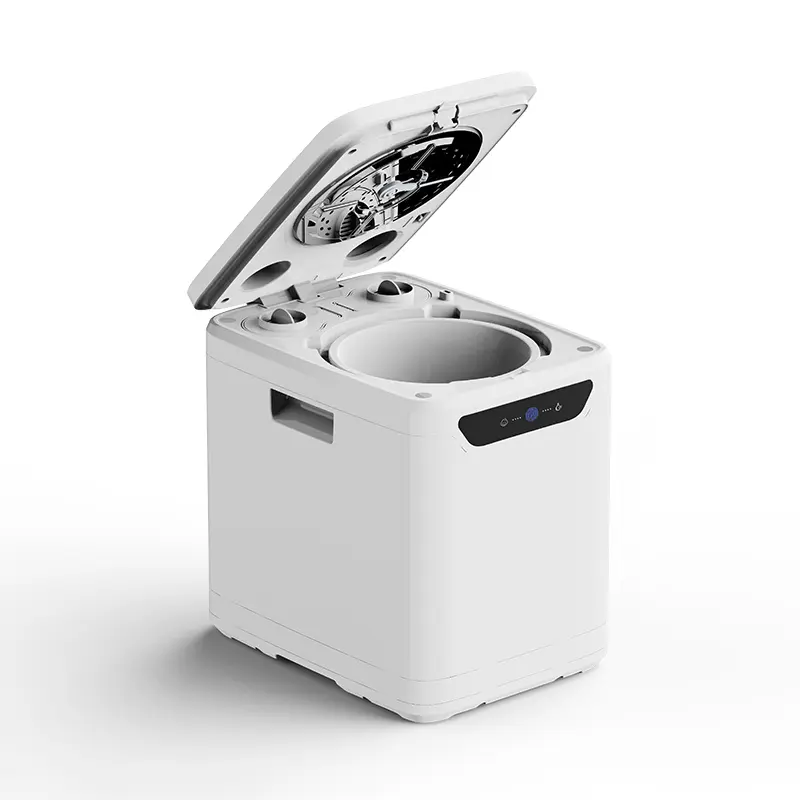 Nanda Turbo Series-3.5L-016
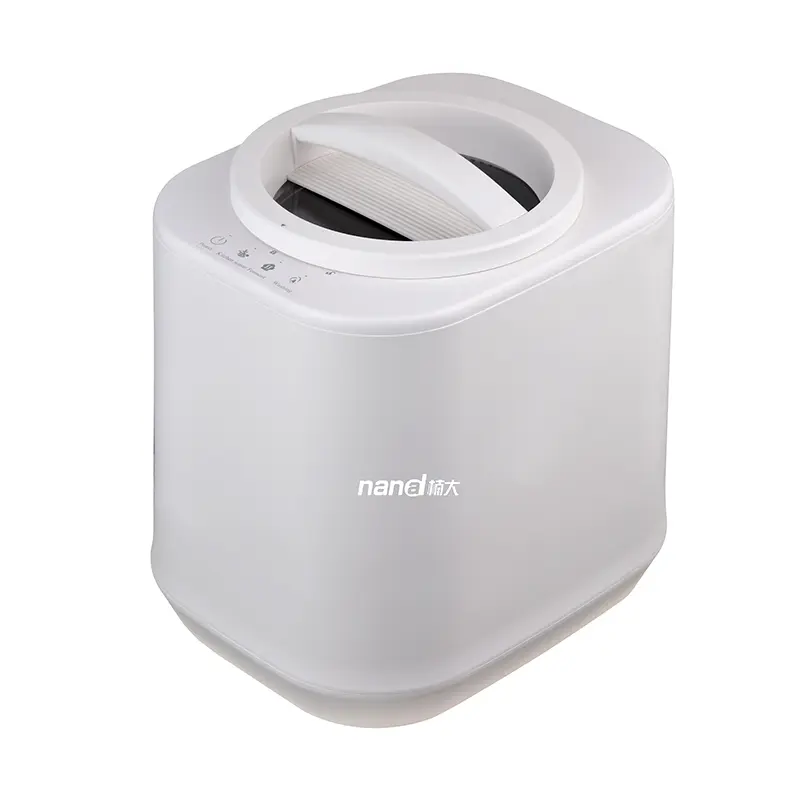 Nanda-Turbo Series-4L-011
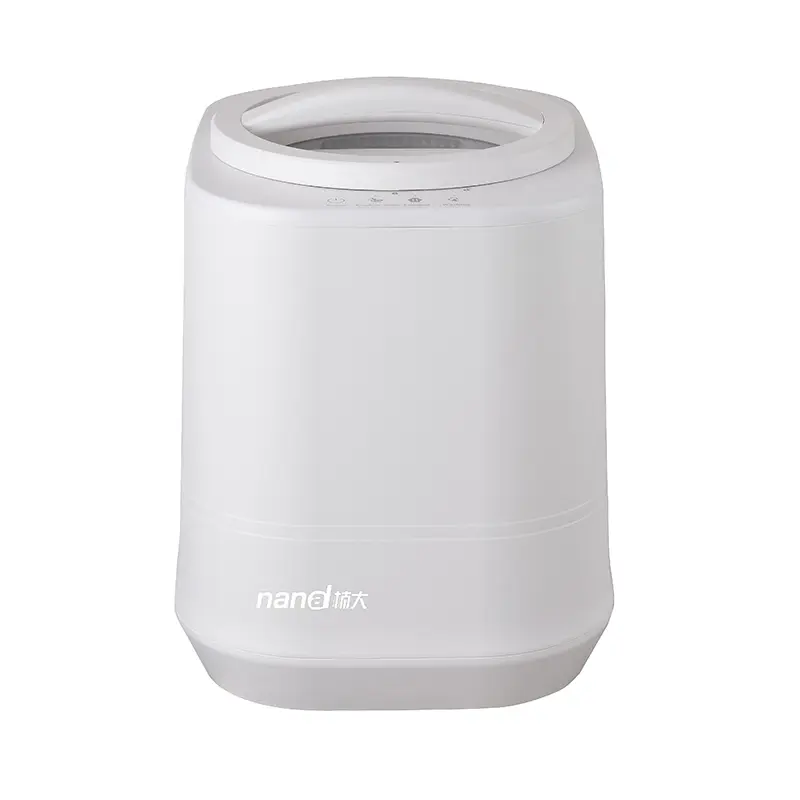 Nanda Turbo Series-4L-012
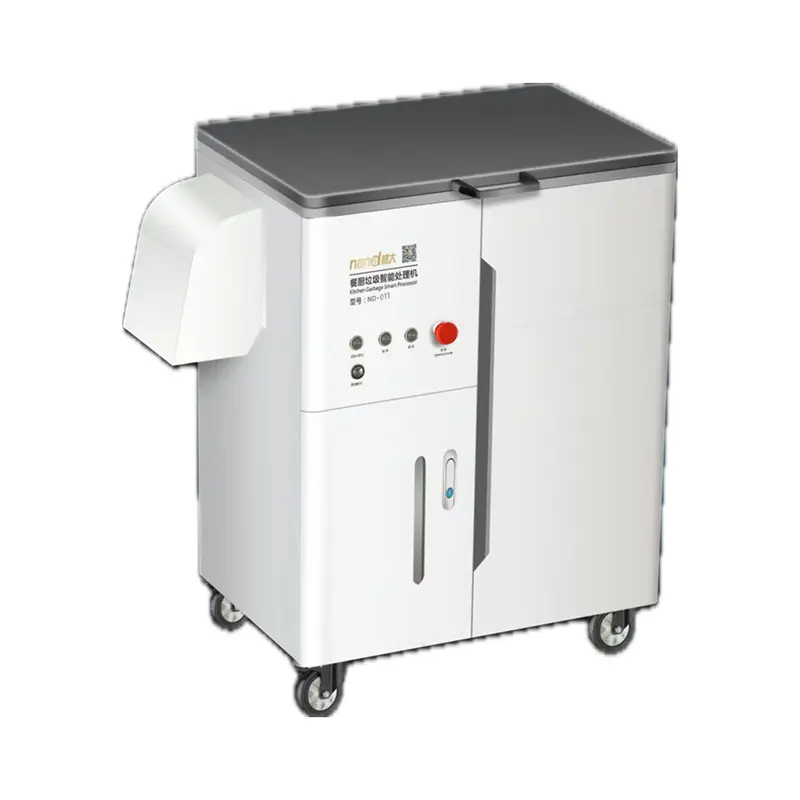 Oil-Water Separator