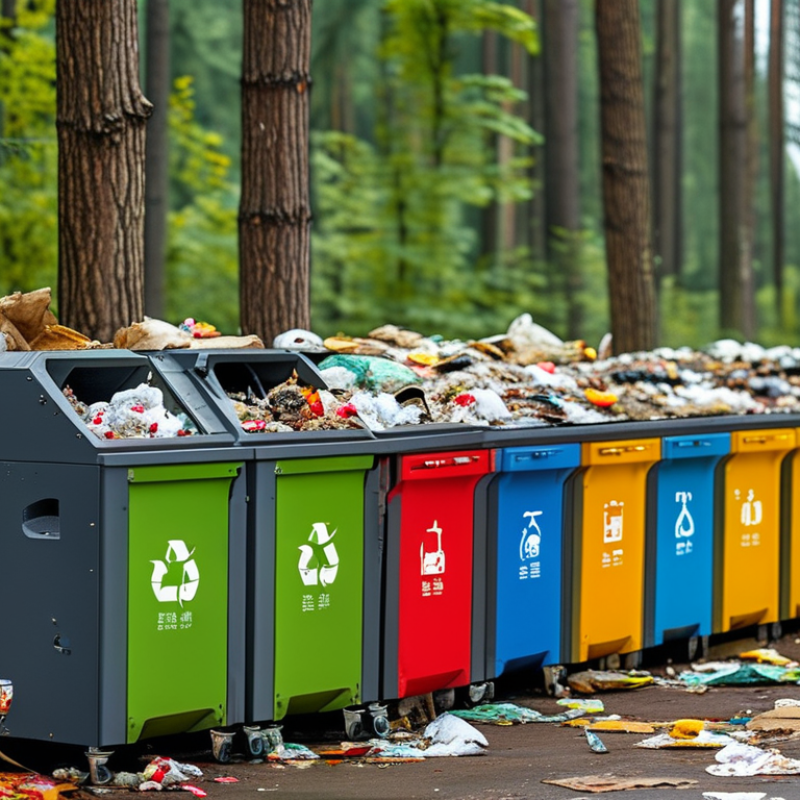
Best Waste Sorting Machines for Efficient Waste Management?
In today’s world, efficient waste management is crucial. One effective solution is the Waste Sorting Machine. These machines help separate recyclables from general waste. They can reduce landfill waste significantly. Many facilities rely on them for better efficiency.
However, not all Waste Sorting Machines are equally effective. Some models struggle with distinguishing between similar materials. It is important to research their capabilities before investing. A reliable machine can improve recycling rates. However, understanding the limitations is vital.
Innovative designs are emerging in waste sorting technology. Companies are developing machines that incorporate artificial intelligence. These advancements can enhance sorting accuracy. Choosing the right model requires careful consideration. A minor mistake can lead to greater waste issues. The right Waste Sorting Machine can make a difference in sustainability efforts.
Types of Waste Sorting Machines Available on the Market
Waste sorting machines play a crucial role in efficient waste management. Various types are available on the market, each designed for specific materials. For instance, some machines focus on separating plastics, while others target metals and paper. The technology behind these machines ranges from basic manual sorting systems to advanced automated solutions. Automated machines often use sensors and cameras to identify materials and sort them accurately.
When choosing a waste sorting machine, consider the volume of waste generated. Larger facilities might benefit from advanced models that handle significant amounts. However, smaller businesses could opt for simpler models. It's essential to analyze the types of waste your operation generates. This analysis helps in selecting the right machine, ensuring effective sorting.
Tips: Regular maintenance is vital for the longevity of sorting machines. Observe how often components need repairs. Also, staff training can enhance sorting accuracy. Investing time in training can lead to better efficiency. Remember, no machine is perfect. You may encounter operational hiccups. Continuous evaluation can highlight areas for improvement, maintaining an effective waste management system.
Key Features to Consider in Waste Sorting Machines
When selecting waste sorting machines, certain key features can significantly enhance their efficiency. The first aspect to consider is the machine's sensing technology. Advanced sensors can identify various materials, such as plastics, metals, and paper. This precision helps ensure optimal sorting, reducing cross-contamination. However, reliance on sensors alone may lead to occasional errors. Regular calibration is essential to maintain accuracy.
Another crucial feature is the machine's capacity and throughput. A high-capacity machine can handle greater volumes of waste, making it suitable for busy environments. But, large machines may require more maintenance and can be cumbersome in smaller facilities. Balancing size and functionality is vital to meet specific needs.
Energy efficiency is also vital. Machines that consume less energy can provide long-term cost savings. However, some energy-efficient options may struggle in terms of processing speed. It’s essential to evaluate how your operational demands influence the choice. Finally, consider the user interface. A user-friendly design simplifies training and operation. Yet, it’s worth noting that complex systems can deter proper usage. Choosing a machine involves weighing these various factors for effective waste management.
Best Waste Sorting Machines for Efficient Waste Management
This chart illustrates the key features of different waste sorting machines in the market. The features include sorting accuracy, processing speed, automation level, and maintenance requirements. Each feature is scored on a scale of 1 to 10, providing a comparative overview that can help in selecting an efficient waste sorting machine.
Benefits of Using Waste Sorting Machines in Waste Management
Waste sorting machines play a crucial role in efficient waste management. They automate the sorting process, reducing human error and increasing accuracy. According to a report by the International Solid Waste Association, about 10-20% of waste is incorrectly sorted. This can lead to higher disposal costs and environmental issues. Automated machines can mitigate these mistakes significantly.
Implementing waste sorting machines leads to several benefits. A study by the Environmental Protection Agency found that proper sorting can increase recycling rates by up to 30%. This not only saves resources but also minimizes landfill overflow. Additionally, machines can operate continuously, processing waste faster than manual sorting. The time saved contributes to lower labor costs and improved productivity.
However, not all facilities adopt this technology. Some organizations struggle with the initial investment and maintenance costs. Moreover, user training is essential for optimal performance. Miscommunication about how to use these technologies can create inefficiencies. It’s vital to reflect on these challenges to improve overall waste management efficiency.
Best Waste Sorting Machines for Efficient Waste Management
| Machine Type |
Sorting Capacity (kg/h) |
Processing Technology |
Key Benefits |
| Automatic Optical Sorter |
500 |
Laser & Camera |
High efficiency, Low labor costs |
| Manual Sorting Station |
200 |
Human Intervention |
Flexibility, Cost-effective |
| Magnetic Separator |
300 |
Magnetic field |
Efficient metal removal, Easy installation |
| Air Classifier |
400 |
Airflow Technology |
Effective separation, Reduced contamination |
| Compost Turner |
350 |
Mechanical Aeration |
Accelerates composting, Reduces waste volume |
Comparative Analysis of Leading Waste Sorting Machines
In today's world, efficient waste management is critical. Waste sorting machines play a vital role in this process. They help separate recyclables from general waste, reducing landfill overflow. When choosing a waste sorting machine, it's essential to understand the technology behind them.
Some machines use sensors and cameras to identify different materials. These systems can sort plastics, metals, and paper with impressive speed. Other models may rely on mechanical systems. These would involve conveyor belts and manual input, leading to potential human error. While automated machines can increase efficiency, they sometimes produce more waste if not calibrated correctly.
Cost is also a significant factor. Advanced machines often come with a hefty price tag. Smaller operations may feel pressure to economize, leading to the purchase of subpar equipment. This can hinder sorting efficiency and lead to higher operational costs in the long run. It’s important to weigh the initial investment against potential savings in waste management.
Technological Innovations Shaping the Future of Waste Sorting Solutions
Technological innovations in waste sorting solutions are transforming waste management. Studies indicate that effective waste sorting can enhance recycling rates by up to 30%. Automated systems, such as AI-driven sorting machines, are on the rise. They can identify materials with impressive precision. This efficiency reduces contamination, leading to higher quality recyclables.
Tips: Regular maintenance of sorting machines is essential for optimal performance. Neglect can diminish sorting accuracy and slow down operations.
Another significant advancement is the integration of IoT technology. Smart sensors monitor waste levels in bins, optimizing collection routes. As reported by industry experts, this can reduce collection costs by up to 15%. However, the reliance on technology raises concerns about data privacy and system malfunctions. Addressing these issues is crucial to ensure trust in automated systems.
Tips: Training personnel to handle technology is key. Ensure that staff understands how to troubleshoot common issues.

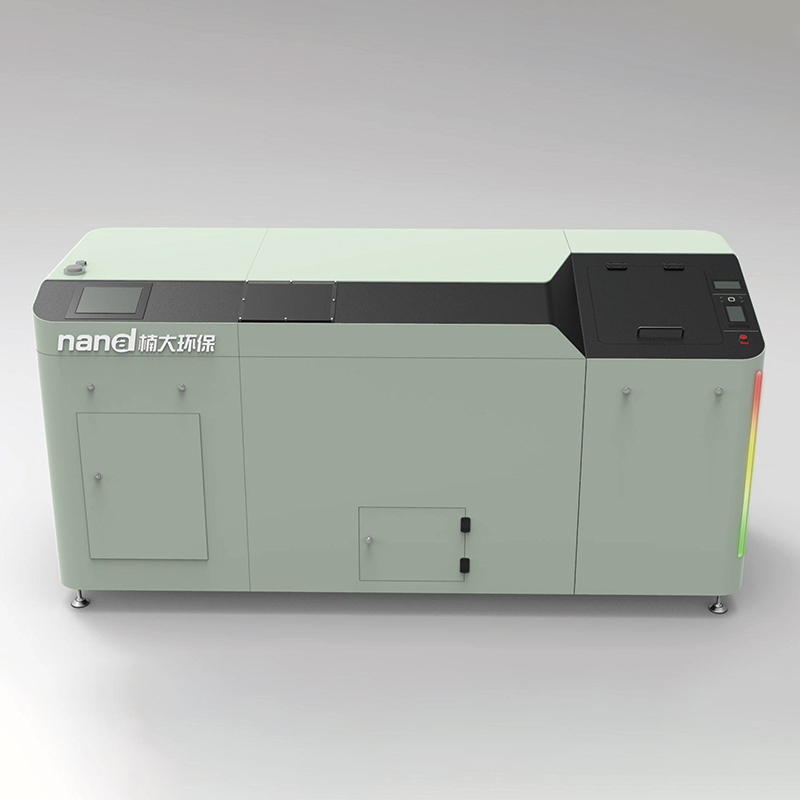 Nanda Trans Series-200
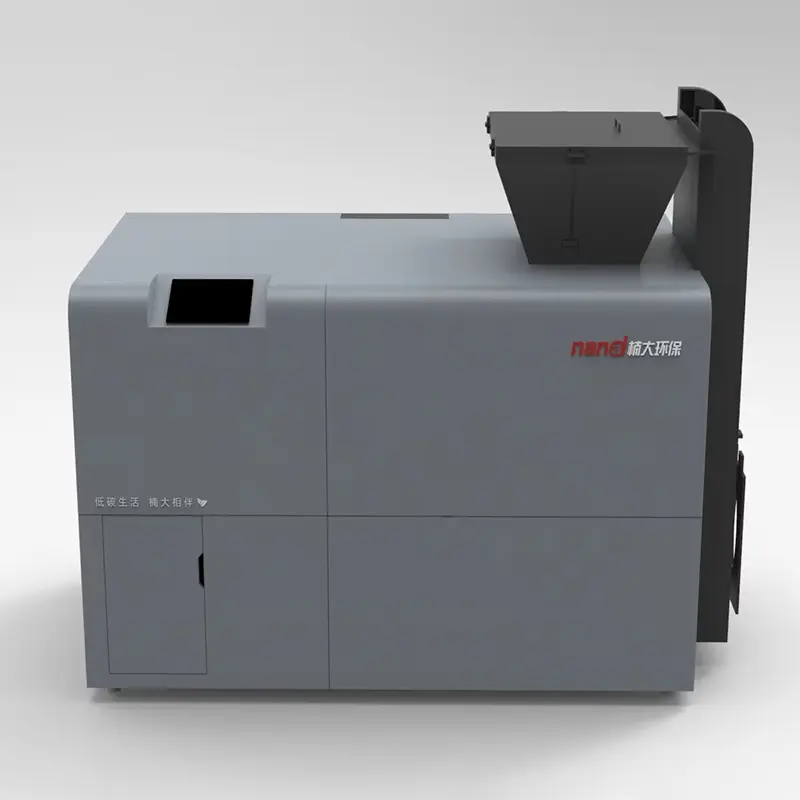 Nanda Trans Series-500
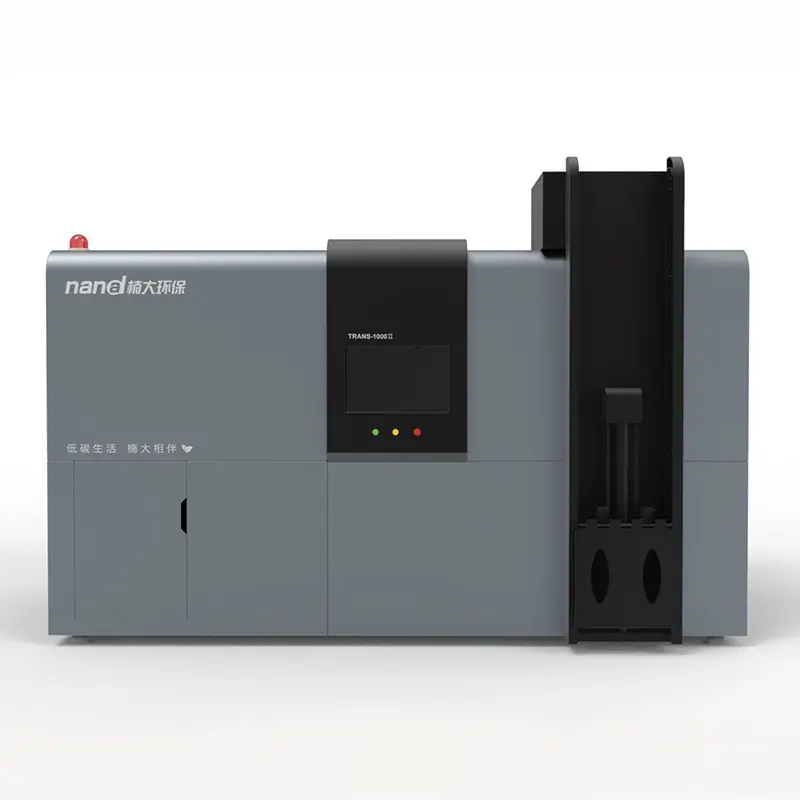 Nanda Trans Series-1000
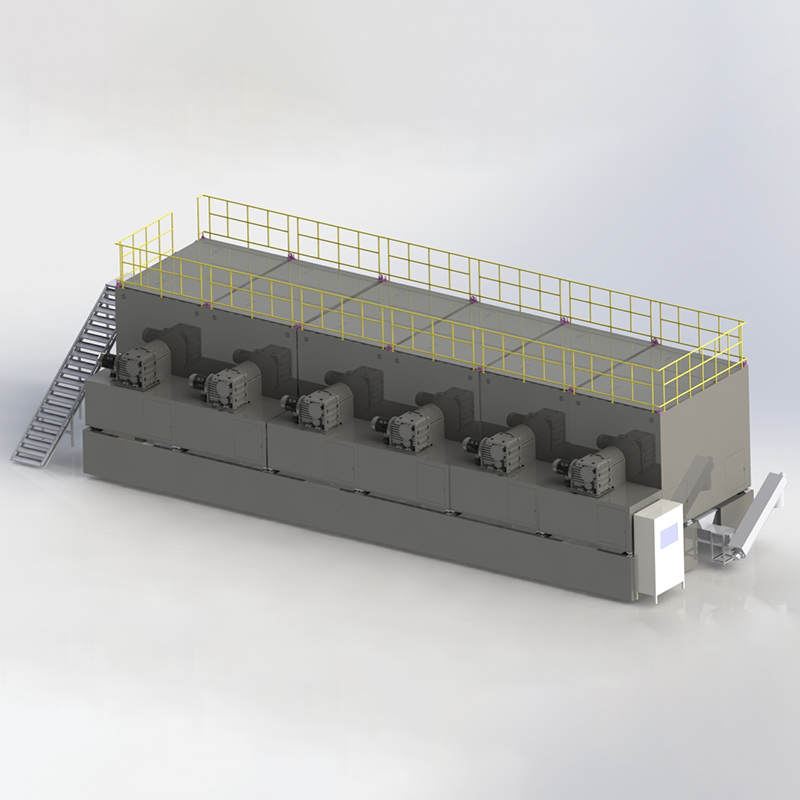 Nanda Trans Series-30000
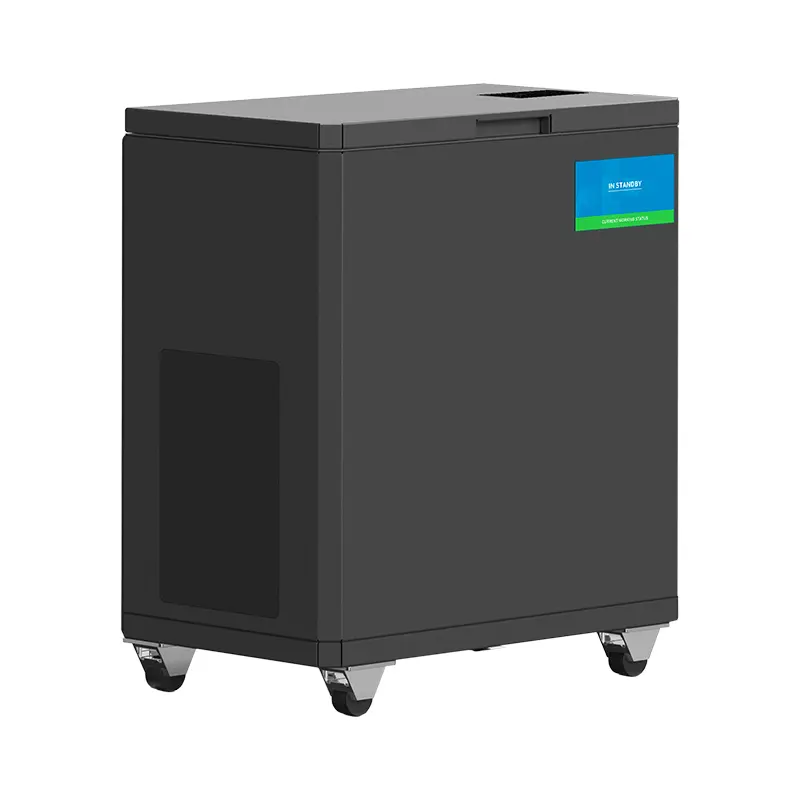 Nanda Thermax Series-100
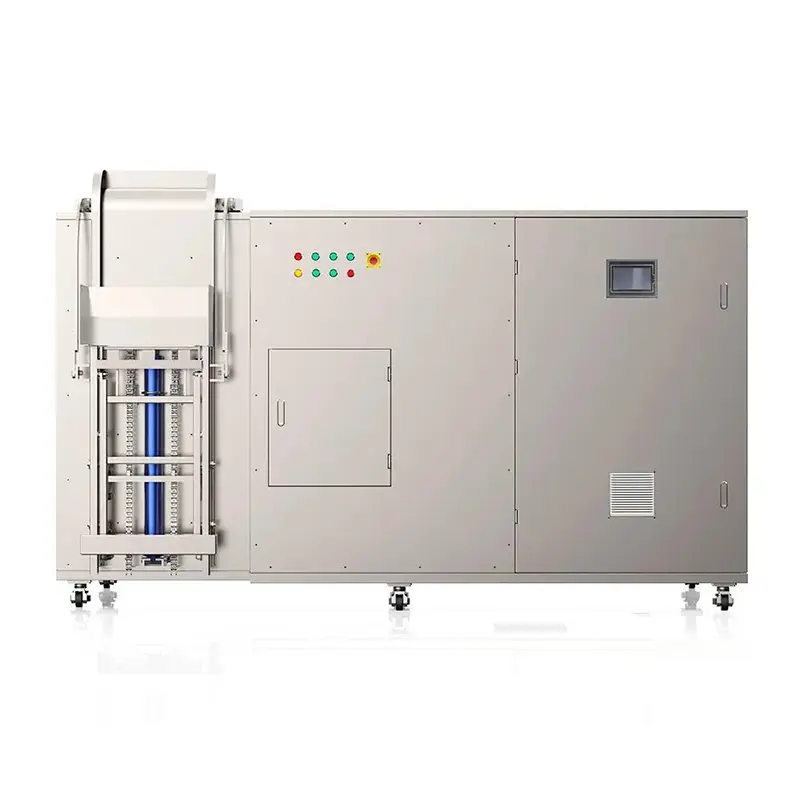 Nanda Thermax Series-200
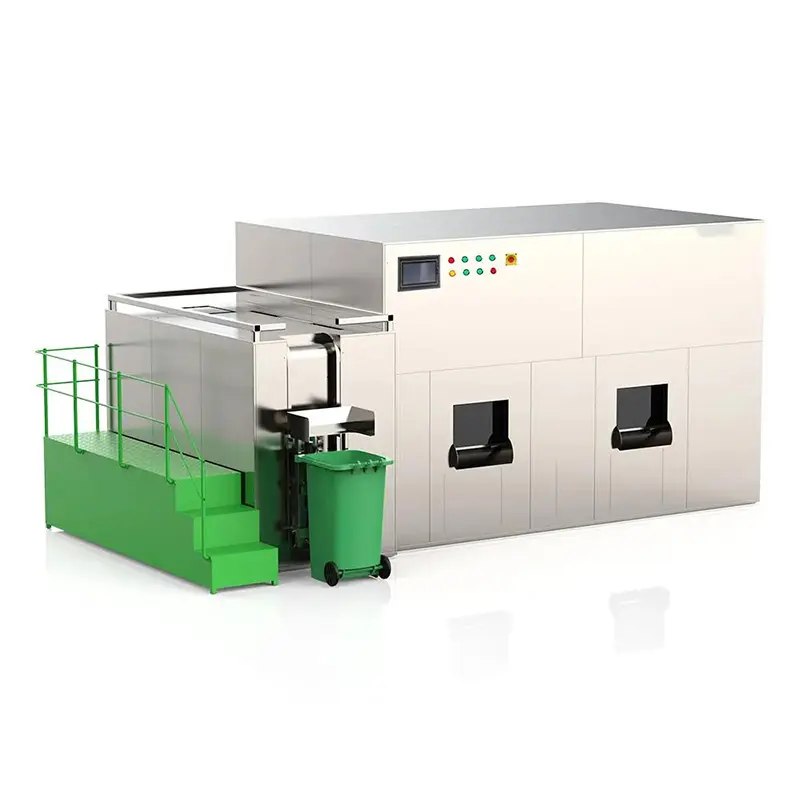 Nanda Thermax Series-2000
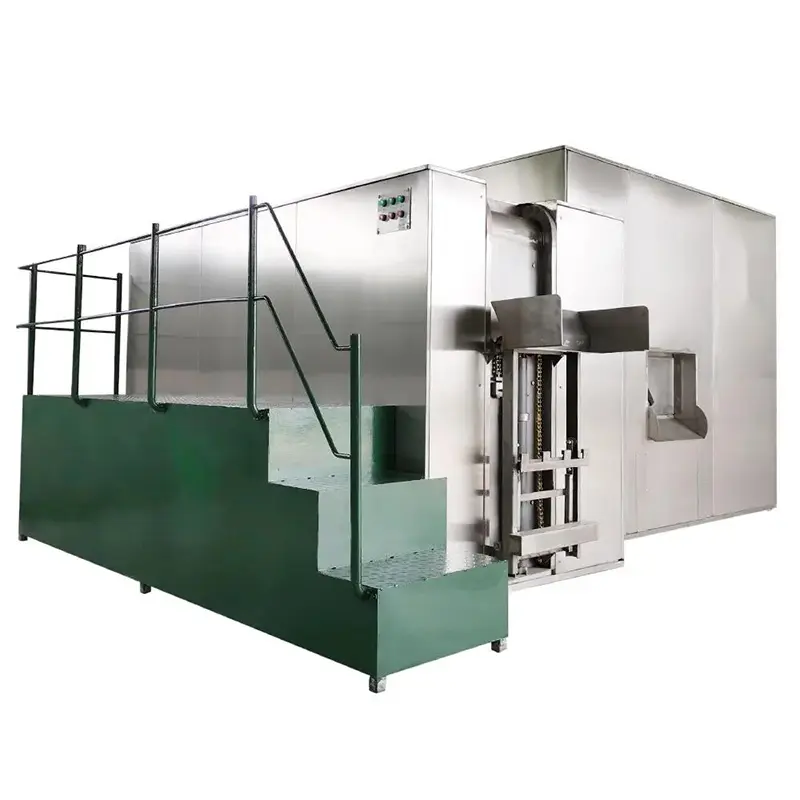 Nanda Thermax Series-10000
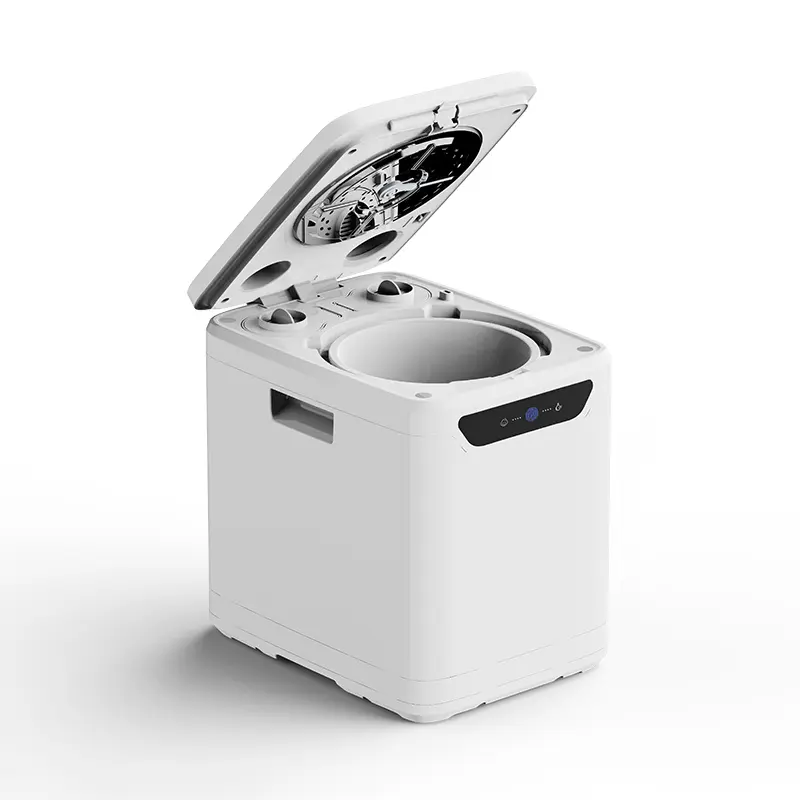 Nanda Turbo Series-3.5L-016
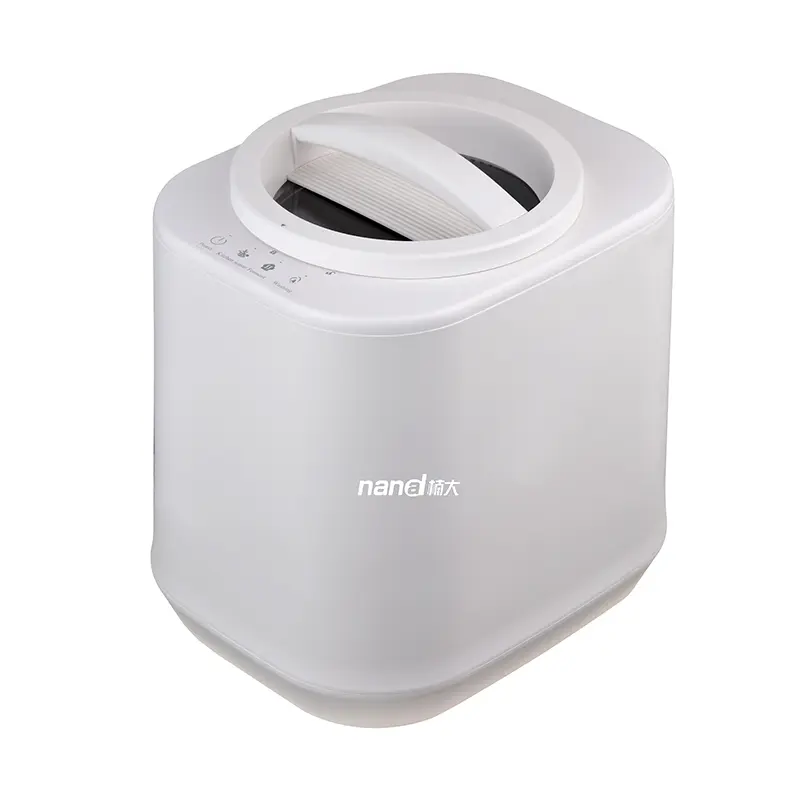 Nanda-Turbo Series-4L-011
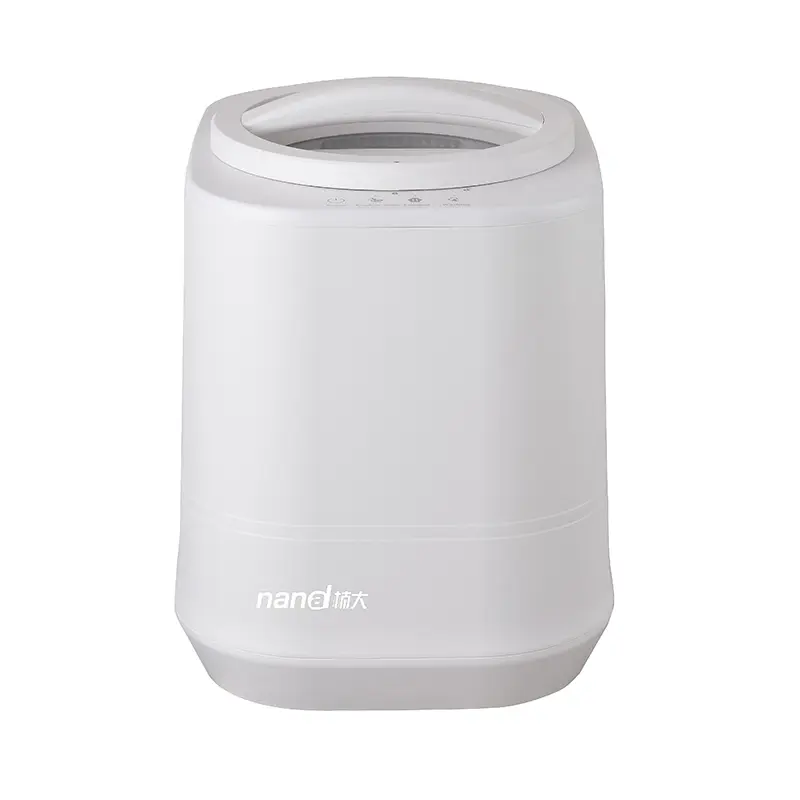 Nanda Turbo Series-4L-012
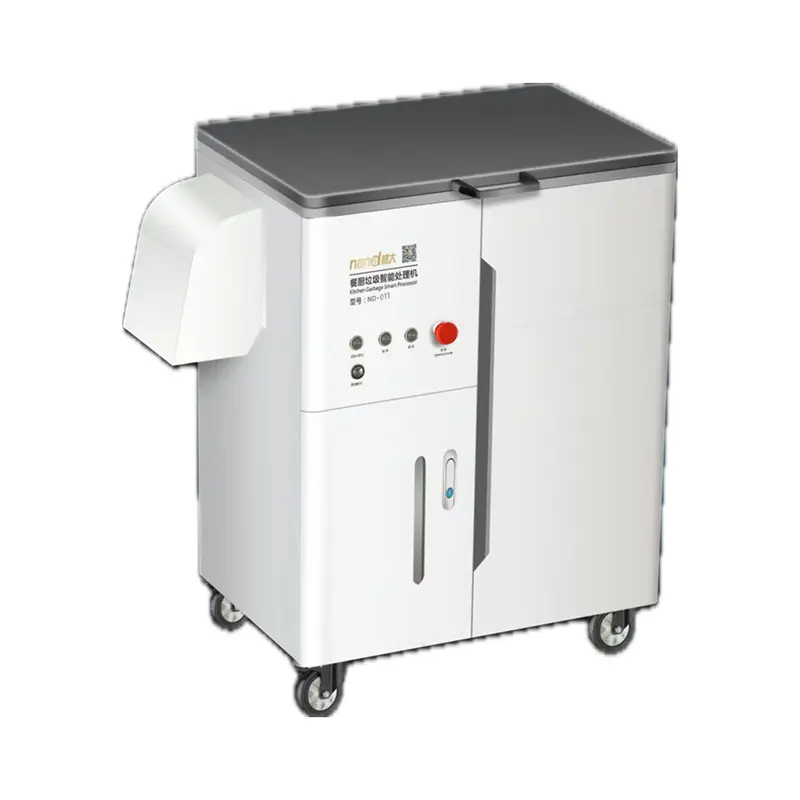 Oil-Water Separator