10 Best Ways for Household Waste Disposal Efficiently?
Efficient household waste disposal is crucial in today’s environmental landscape. Every year, millions of tons of waste fill landfills, harming our planet. Properly managing waste at home can make a significant difference. Many households are unaware of effective methods for disposal. This lack of knowledge often leads to increased waste and pollution.
Some methods of household waste disposal are simple and accessible. For instance, composting organic materials can reduce the amount of waste sent to landfills. Recycling paper, glass, and plastic also contributes to environmental conservation. However, some homeowners may struggle with these practices due to habits and convenience. A shift in mindset is required to embrace efficient disposal methods.
Additionally, many still choose to ignore the importance of waste separation. This can complicate the recycling process and lead to contamination. It’s vital to reflect on our waste choices. Waste disposal isn’t just a chore; it’s a responsibility we share. By exploring the best methods for household waste disposal, we can all contribute to a cleaner, healthier environment.
Best Practices for Sorting Household Waste for Efficient Disposal
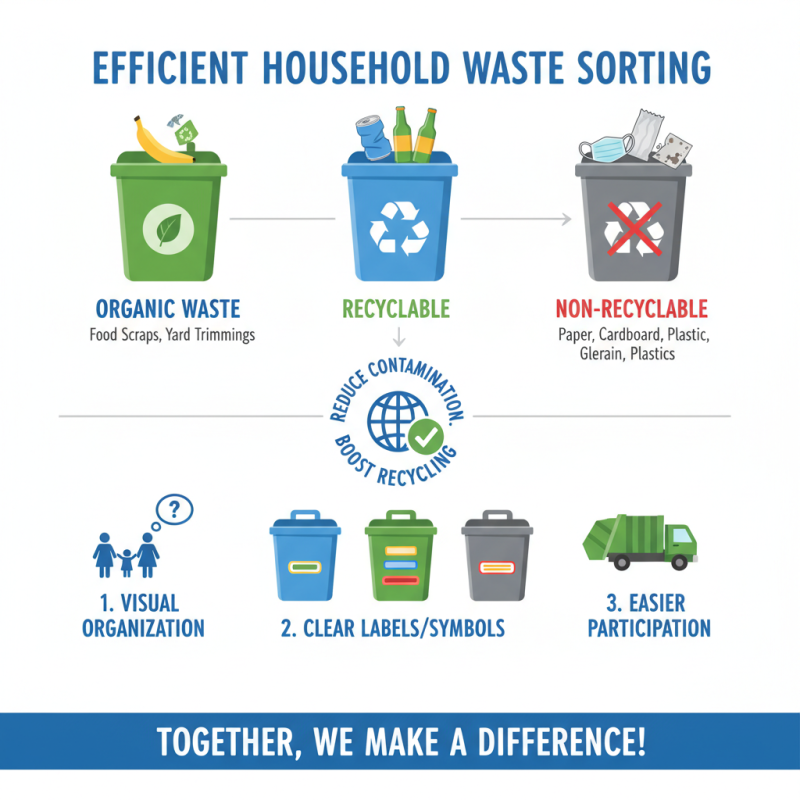
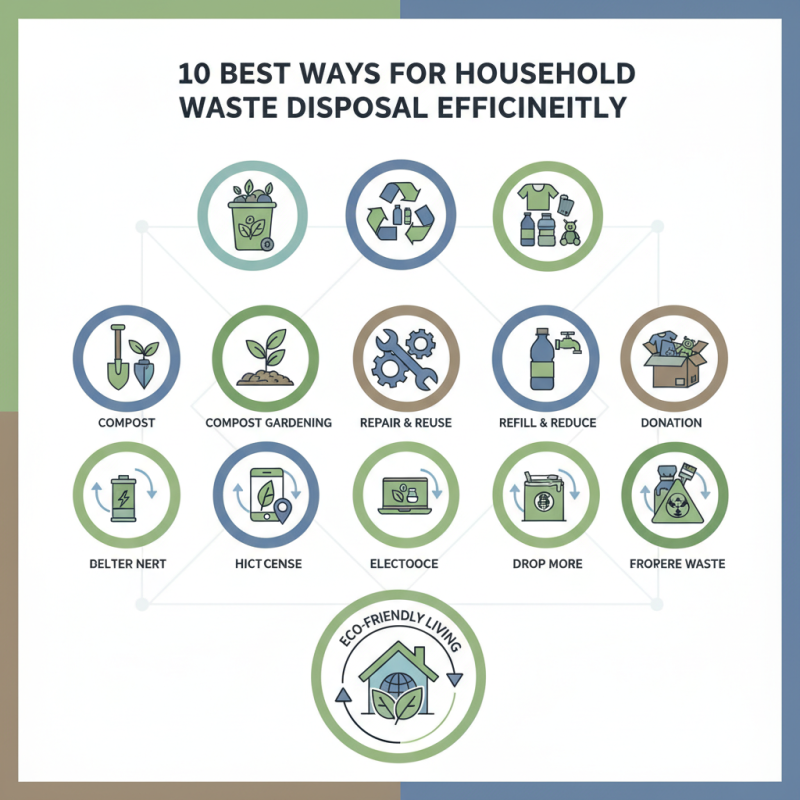
Sorting household waste efficiently is crucial for effective disposal. Start by having separate bins for organic, recyclable, and non-recyclable waste. This visual organization makes it easier for everyone in your household to participate. Use colorful labels or simple symbols to identify each bin clearly. It helps in reducing contamination, which can hinder recycling efforts.
Use composting for organic waste. Collect kitchen scraps like vegetable peels and fruit waste. It can reduce your trash by up to 30%. Many people forget to check their compost for mold. This is a common issue that requires attention.
For recycling, rinse containers before putting them in the bin. This simple step helps prevent odor and pests. However, sometimes people overlook this. It can result in entire batches of recyclables being tossed out. Stay informed about local recycling rules, as they can vary significantly. Every community has different capabilities and restrictions. Adapt your sorting habits accordingly to improve your waste disposal practices.
Importance of Recycling: Statistics on Impact and Benefits
Recycling plays a crucial role in waste management. It reduces the volume of waste sent to landfills. This is essential for preserving our environment. Each year, millions of tons of recyclables end up in trash bins. Surprisingly, many people are unaware of the benefits of recycling.
Statistics reveal the positive impact of recycling. For instance, recycling one ton of paper can save 17 trees. It also conserves energy and reduces greenhouse gas emissions. In fact, recycling can cut carbon emissions by 1.1 billion metric tons each year. However, even with these facts, many still throw recyclables away. Education remains a key challenge.
The importance of recycling cannot be overstated. Yet, we often overlook simple steps. Many households struggle to separate waste correctly. Sometimes, it feels overwhelming. It's easy to fall back on old habits. Change starts at home, but it requires effort and commitment. Small actions can lead to significant outcomes in waste reduction.
Composting: How It Reduces Waste and Improves Soil Health
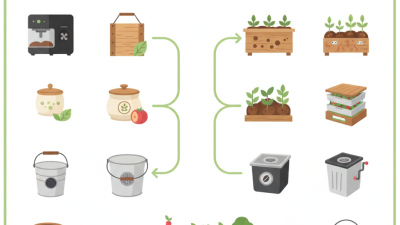
Composting is a powerful method to reduce household waste. It turns kitchen scraps and yard debris into nutrient-rich soil. Imagine transforming banana peels and coffee grounds into organic matter that nurtures your plants. This process not only diverts waste from landfills but also enriches the earth.
Creating a compost pile may feel daunting at first. You might struggle with the right balance of greens and browns. However, experimenting is part of the journey. It’s essential to monitor moisture levels and aeration. Sometimes, the mix can smell unpleasant, signaling that it's time for adjustments. Learning from these missteps improves composting skills over time.
Composting also enhances soil health. Microorganisms break down organic matter, releasing beneficial nutrients. Healthy soil supports plant growth and increases resilience against pests. Still, not every effort results in perfect compost. Some batches may take longer to decompose. Embracing trial and error leads to better results and deeper understanding.
Hazardous Waste Management: Safe Disposal Methods for Toxic Items
When dealing with hazardous waste, safety is critical. Toxic items like batteries, paint, and electronic waste require special attention. Standard disposal methods don’t suffice. Instead, they can pose risks to health and the environment. Many people might toss these items in the trash without thinking. This negligence can lead to serious consequences, such as soil and water contamination.
Finding the right ways to dispose of hazardous waste is essential. Local recycling Centers often accept toxic items. Many communities have special collection days for hazardous waste. These events allow residents to drop off items safely. It’s important to check guidelines for each item before disposal. Some may need to be stored differently to prevent leaks.
Consider exploring your options. Reuse is a great alternative for some items. Old paint cans could be used for storage or crafts. However, be proactive in seeking proper disposal methods. Ignoring these responsibilities harms the community. It is crucial to stay informed and act responsibly. This reflects a commitment to a healthier environment for everyone.
10 Best Ways for Household Waste Disposal Efficiently
| Waste Type |
Disposal Method |
Safety Tips |
| Household Chemicals |
Take to a designated hazardous waste facility |
Keep in original containers; label clearly |
| Batteries |
Recycle at community collection points |
Store in a cool, dry place until disposal |
| Electronics |
Use certified e-waste recycling services |
Remove personal data before disposal |
| Medicines |
Return to pharmacy take-back programs |
Do not flush down the toilet |
| Paint |
Dry out and dispose of in regular trash |
Check local regulations for water safety |
| Light Bulbs |
Recycle at designated drop-off locations |
Wear gloves when handling broken bulbs |
| Automotive Fluids |
Dispose at hazardous waste collection sites |
Seal containers to prevent leaks |
| Asbestos |
Hire licensed professionals for removal |
Avoid disturbing asbestos materials |
| Filtration Systems |
Return to manufacturer for proper recycling |
Follow the manufacturer’s disposal guidelines |
| Construction Waste |
Use local waste disposal services |
Ensure proper segregation of materials |
Innovative Technologies in Waste Management: Current Trends and Data
Innovative technologies in waste management are transforming how we handle household waste. As of 2023, over 50% of global waste is still not managed properly. Advanced solutions are emerging, but the gap remains significant. Smart bins with sensors are now widely adopted in urban areas. These bins can optimize collection routes, reducing carbon footprints. Data indicates that cities utilizing these systems improved efficiency by up to 30%.
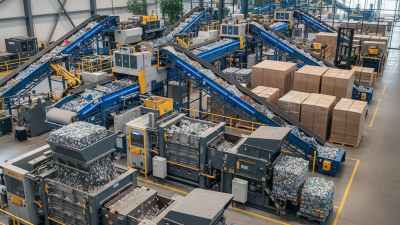
Recycling technologies also play a crucial role. New machines can sort and process materials at rates previously unimaginable. A recent report highlighted that automated systems increased recycling rates by 20% in certain sectors. However, challenges persist. Many households lack access to these technologies. Additionally, public awareness about proper waste disposal is often low. Continuous education is essential for maximizing the benefits of these innovations.
The role of data analytics is growing in waste management. Some organizations now use big data to analyze waste generation patterns. This approach can lead to better waste reduction strategies. Yet, many municipal systems remain outdated. Upgrading technology involves costs and may face resistance. Reflecting on these issues can drive the industry to improve. Innovations are promising, but bridging the gap between technology and practical applications is vital for success.

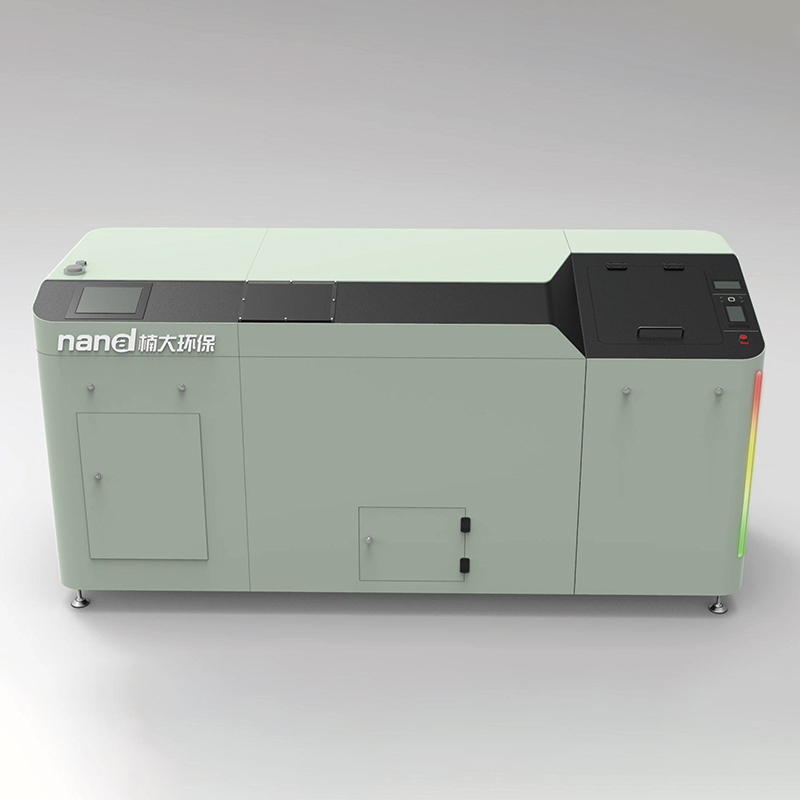 Nanda Trans Series-200
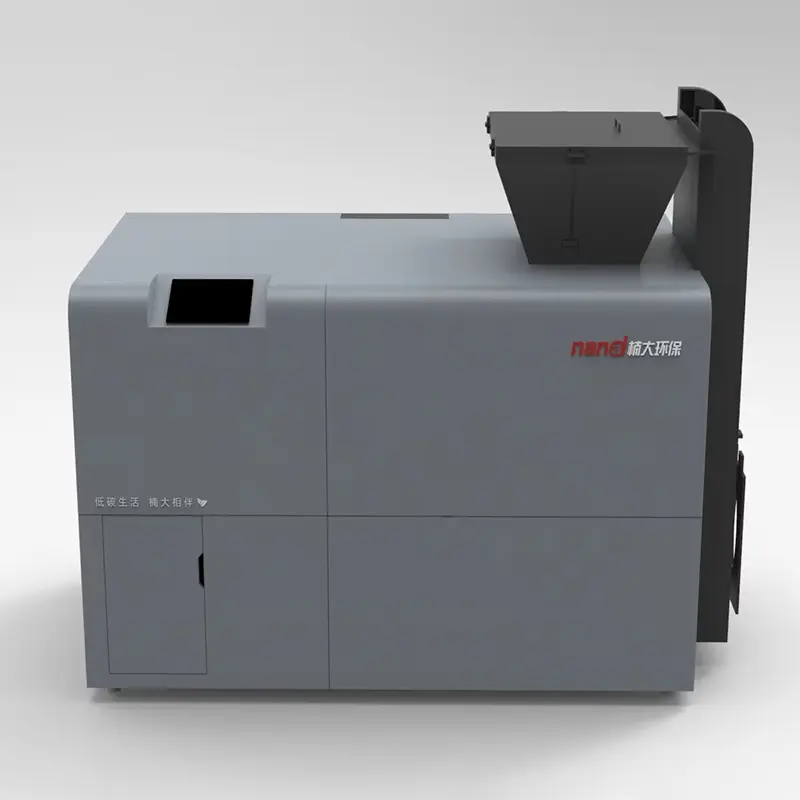 Nanda Trans Series-500
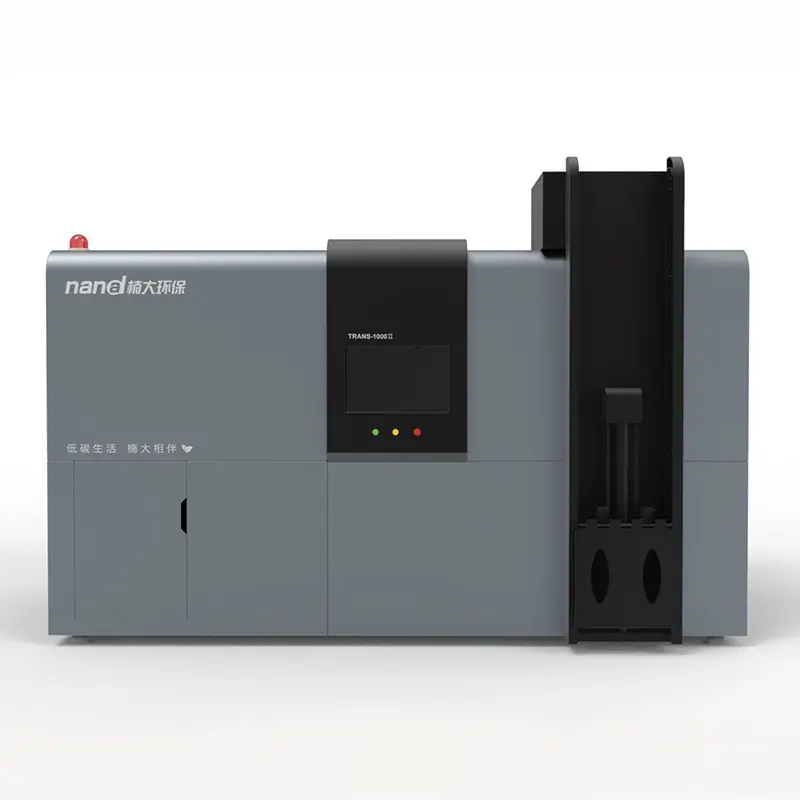 Nanda Trans Series-1000
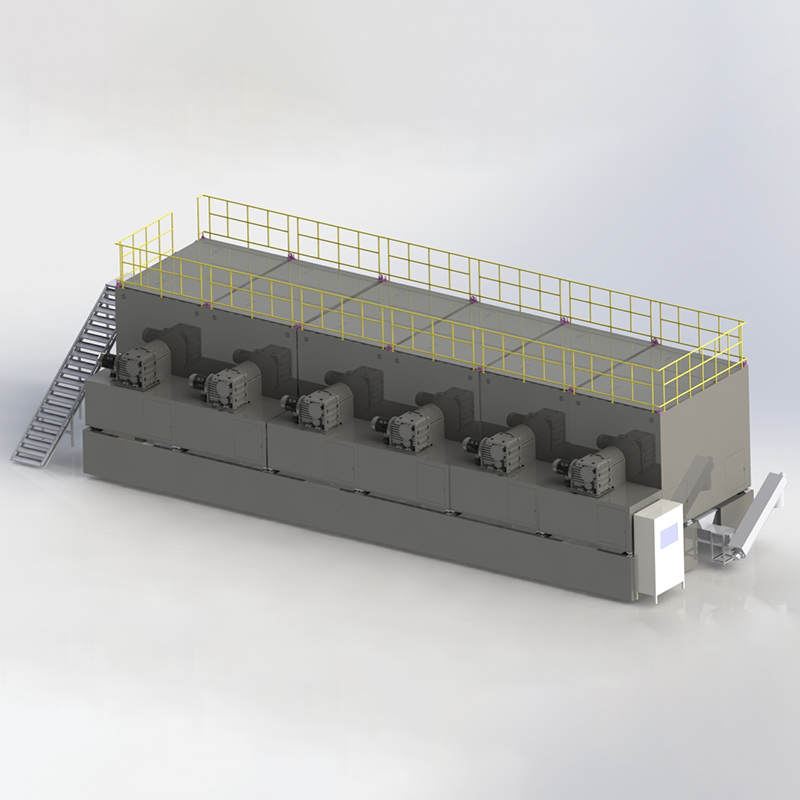 Nanda Trans Series-30000
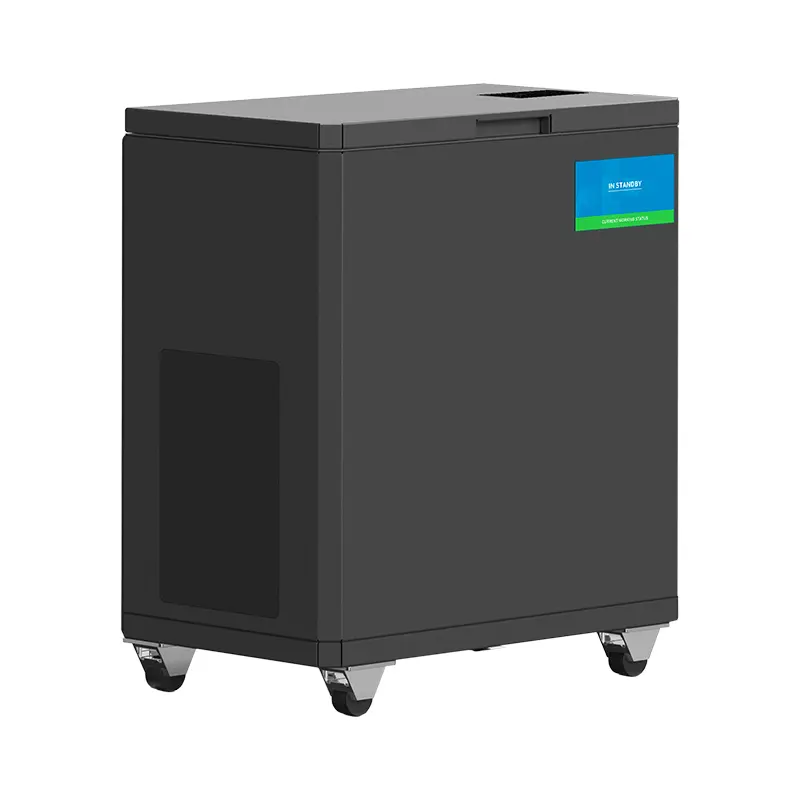 Nanda Thermax Series-100
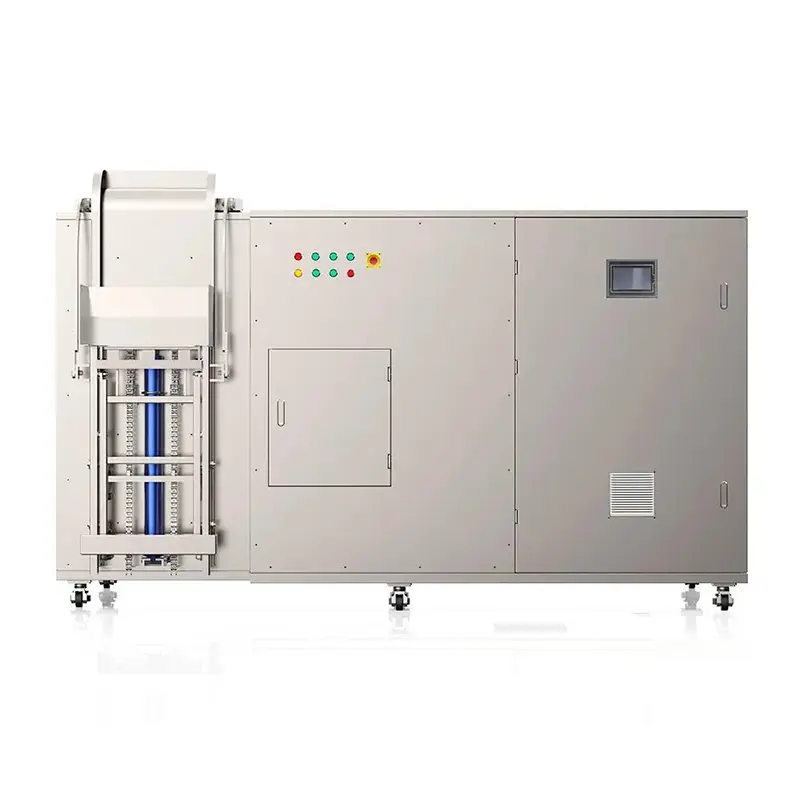 Nanda Thermax Series-200
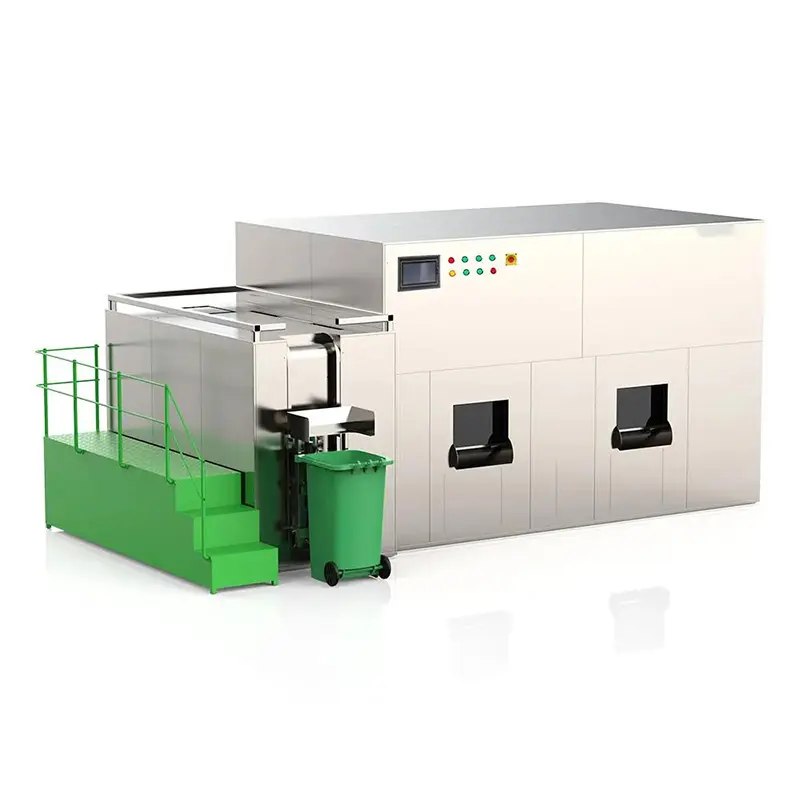 Nanda Thermax Series-2000
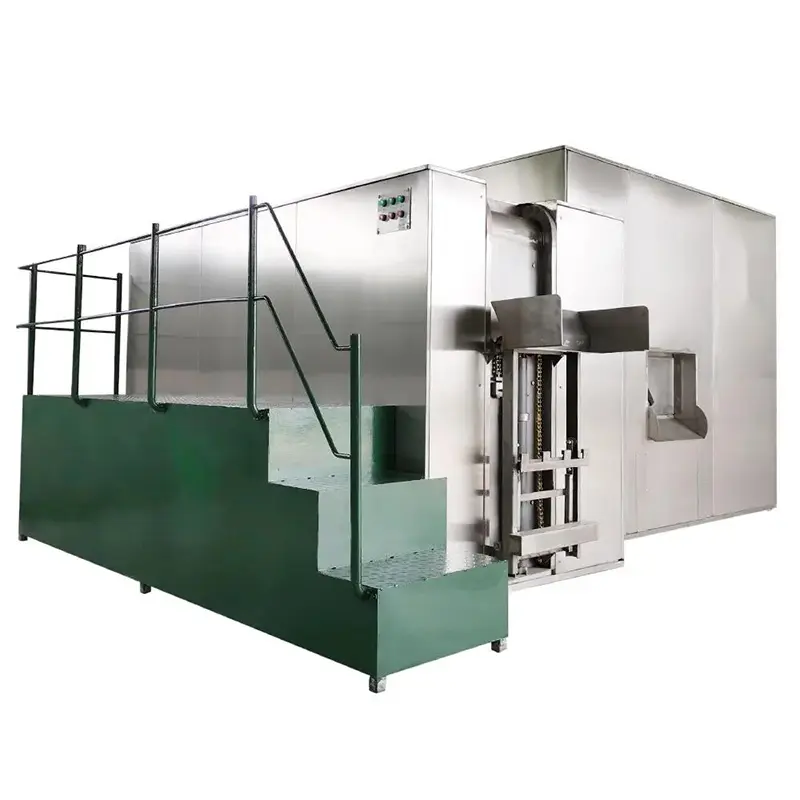 Nanda Thermax Series-10000
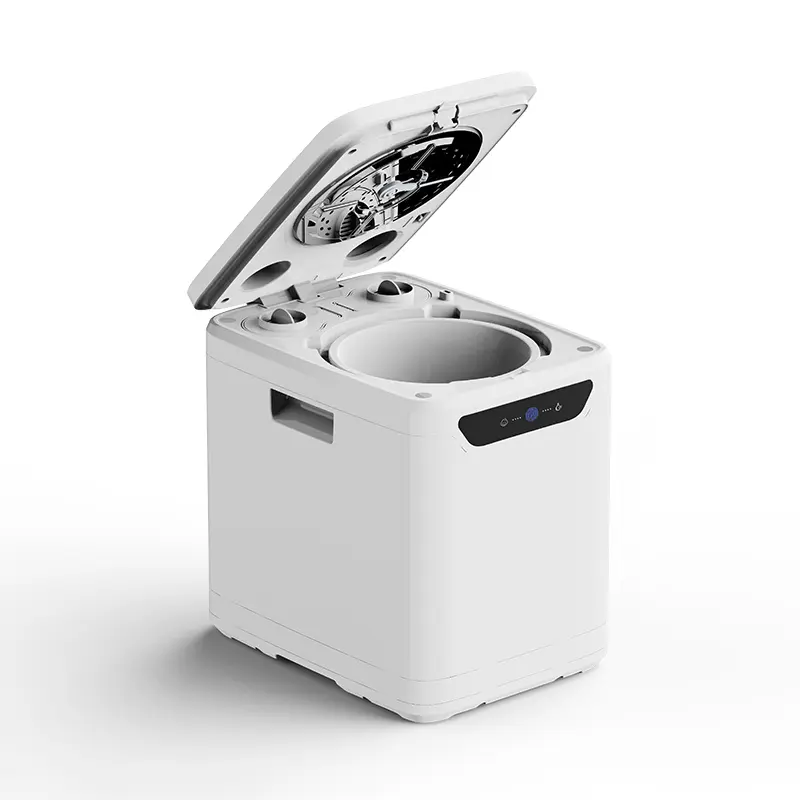 Nanda Turbo Series-3.5L-016
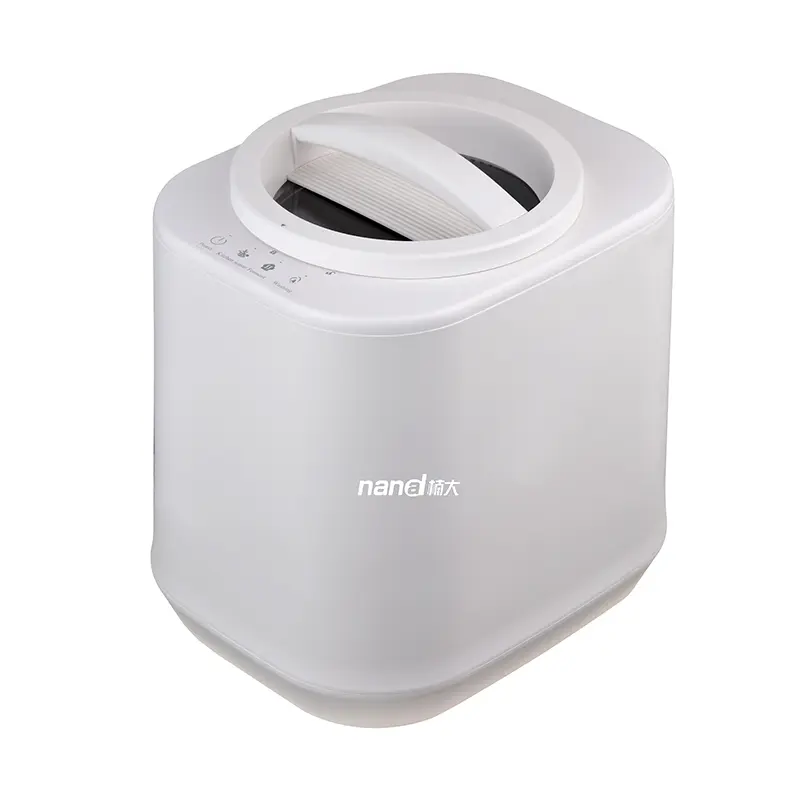 Nanda-Turbo Series-4L-011
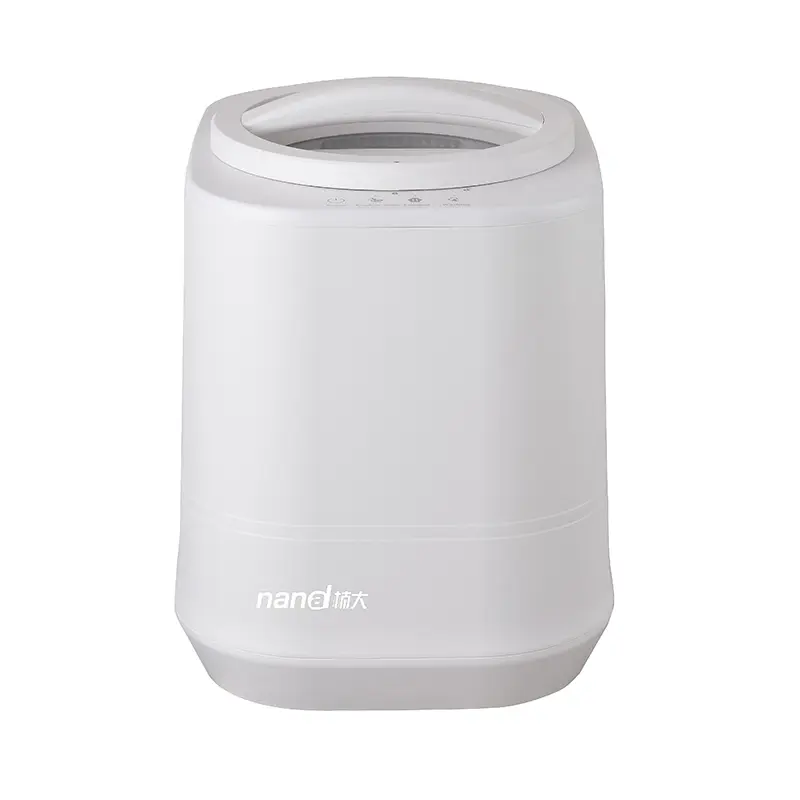 Nanda Turbo Series-4L-012
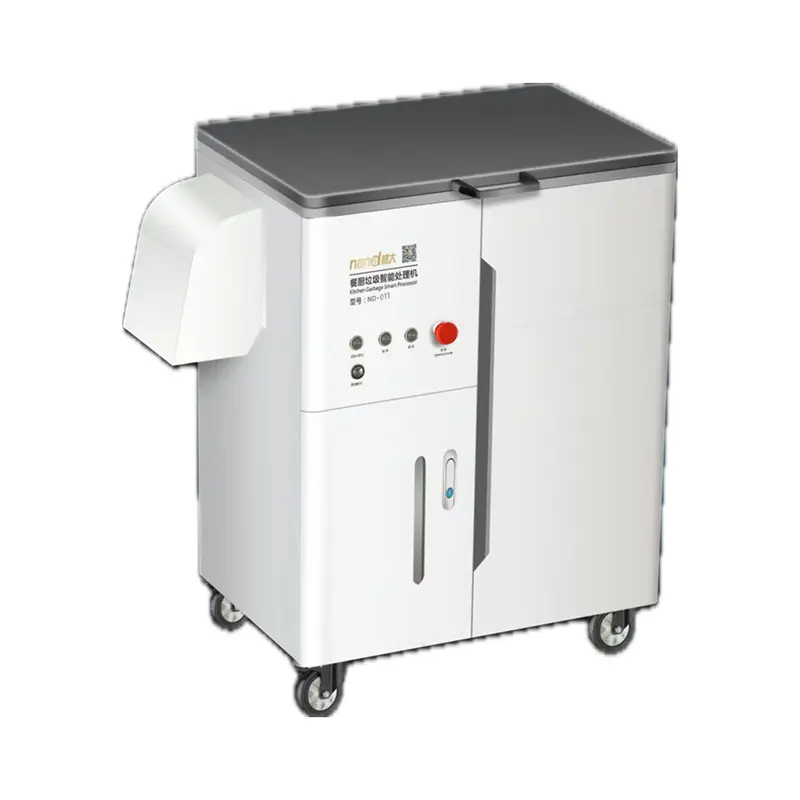 Oil-Water Separator