How to Build Your Own Waste Composter for Home Gardening?
Home gardening can significantly benefit from a Waste Composter. Experts agree that composting is an art. Julie Thompson, a sustainable gardening expert, once said, "Making compost is like nurturing a living being."
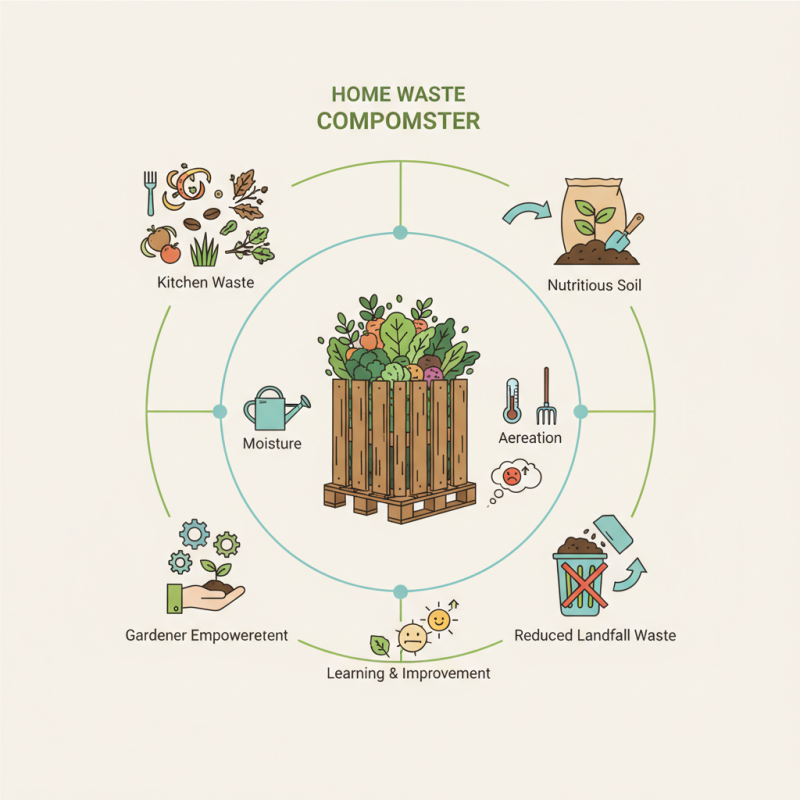
Building your own Waste Composter offers multiple advantages. It transforms kitchen scraps and yard waste into nutritious soil. This process reduces landfill waste and empowers gardeners. It is not just practical; it connects us to nature. However, it can be challenging at times. Beginners might struggle with balancing greens and browns.
Every composter requires attention. A successful outcome depends on proper aeration and moisture levels. Underestimating these factors can lead to unpleasant odors and slow decomposition. Reflecting on mistakes is essential for improvement. With patience and care, anyone can master the art of composting.
Choosing the Right Location for Your Home Composter
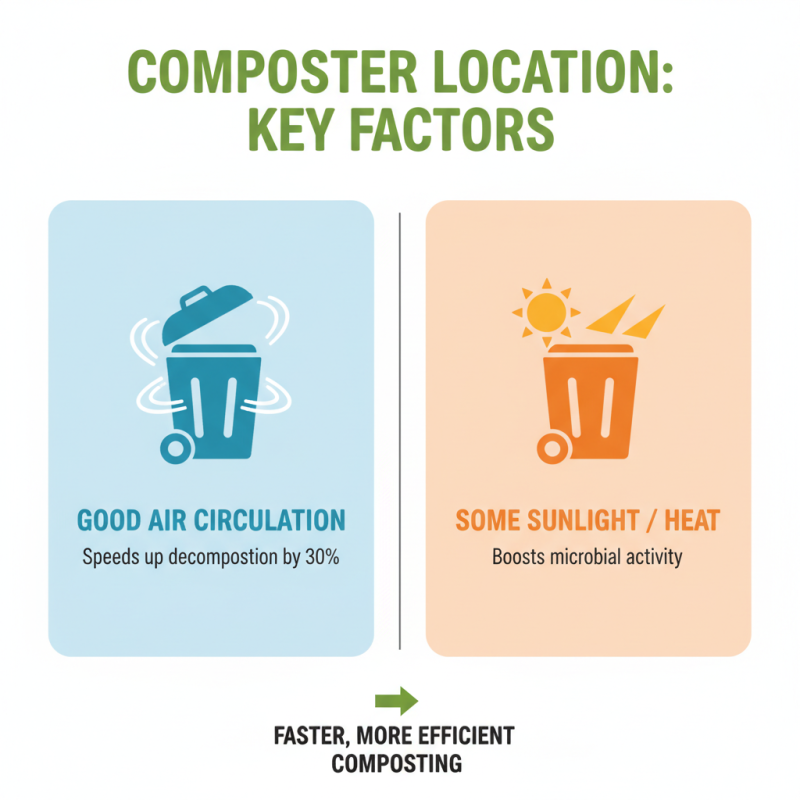
Choosing the right location for your home composter is crucial for effective waste decomposition. Ideally, select a spot with good air circulation. This can speed up the breakdown of organic materials by up to 30%. Also, ensure that the area gets some sunlight. Heat is essential; it can help maintain the microbial activity that breaks down waste.
Consider the proximity to your kitchen. If your composter is too far away, you may hesitate to add kitchen scraps. A drop-off point closer to the back door encourages adding food waste regularly. Data shows that consistent composting can reduce kitchen waste by nearly 30%. This can lead to a noticeable decrease in garbage bags you throw away each week.
Tips: Avoid placing the composter in a wet or shaded area. Too much moisture will lead to unpleasant odors. Additionally, ensure the ground is level. This prevents drainage issues, which can cause problems with compost consistency. Keep in mind, where you place it can make or break your composting success.
Selecting Appropriate Materials for Composting
Selecting the right materials is crucial for successful composting at home. Organic waste is ideal. This includes kitchen scraps, garden waste, and even paper products. Vegetable peels, fruit scraps, and coffee grounds are excellent nitrogen sources. According to industry data, these materials can help create rich compost within a few months.
Avoid non-organic items like plastics and metals. They can hinder the composting process and contaminate the final product. Stick to a balance of "greens" and "browns." Greens provide nitrogen, while browns offer carbon. A study shows that achieving a 30:1 carbon-to-nitrogen ratio optimizes decomposition. It can be a challenge to maintain this balance, especially if you're new to composting.
Moisture also plays a big role. Keep your compost pile damp but not waterlogged. Too wet can lead to odor issues, while too dry can slow down decomposition. There might be times when your compost smells bad or doesn't heat up properly. These are learning opportunities. Adjusting moisture and material ratios may lead to better results in the long run.
Step-by-Step Instructions to Build Your Composter
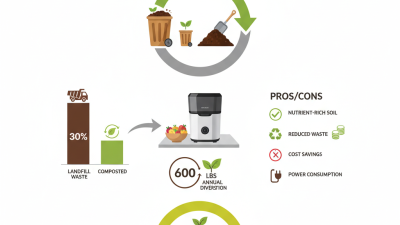
Creating a waste composter at home can transform your kitchen scraps and yard waste into nutrient-rich soil. According to the Environmental Protection Agency, about 30% of what we throw away can be composted. This statistic highlights the importance of composting for reducing landfill waste. It's a simple, practical approach to recycling organic material.
Start with a sturdy bin, which can be made from wood or wire mesh. The size depends on your gardening needs. Aim for at least 3 feet wide and tall. Layer green materials, such as vegetable scraps, with brown materials like dried leaves. A balanced mixture helps the composting process. It’s important to monitor the moisture level. If it’s too dry, add water. If it's too wet, balance it out with more brown materials.
Many people struggle with odors or pests in their compost bins. These issues often stem from improper layering or too much food waste. Regularly turn the compost to aerate it. This will speed up decomposition. The process isn’t always straightforward. It takes patience and observation to get it right. Tracking temperature and moisture can make a difference in the success of your compost.
Composting Material Breakdown for Home Gardening
Maintenance Tips for a Successful Home Composting System
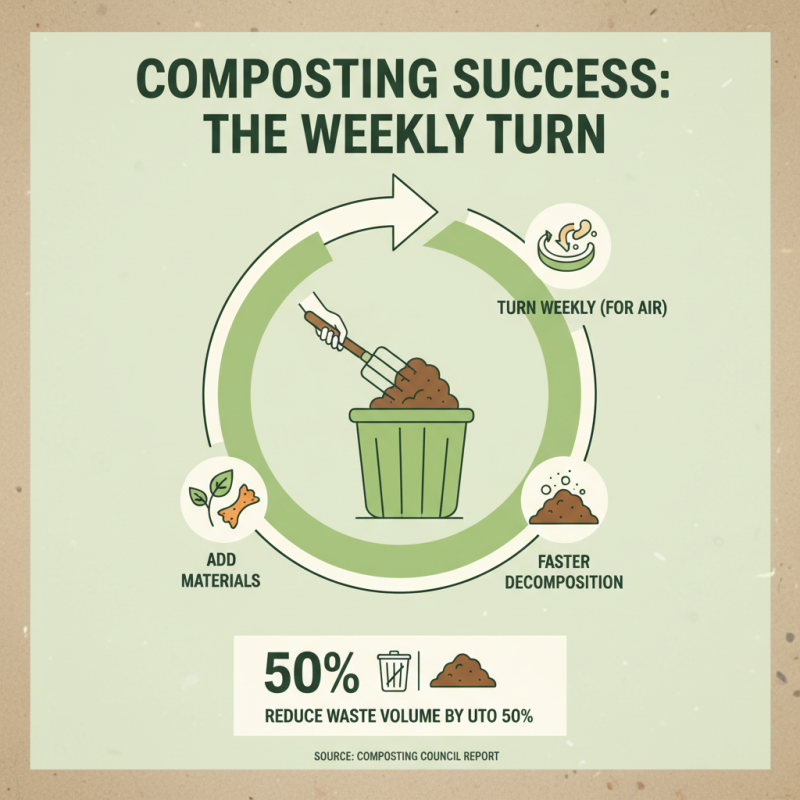
Creating a successful home composting system requires a solid understanding of maintenance. Regularly turning your compost pile is essential. Experts recommend turning it at least once a week. This helps aerate the mixture, speeding up decomposition. According to a report by the Composting Council, properly managed composting can reduce waste volume by up to 50%. However, many home composters neglect this crucial step.
Monitoring moisture levels is another key aspect. Your compost should feel like a damp sponge. Too dry, and the process stalls. Too wet, and it can smell. A balanced mix of green waste and brown materials is vital. Green materials, like vegetable scraps, provide nitrogen while brown materials, like dry leaves, offer carbon. The ideal ratio is about 2:1. This balance is often overlooked but can make all the difference.
Tips for keeping your compost thriving: Chop up larger items to speed up decay. A thermometer can help track internal temperatures, which should ideally reach 130-160°F. If it drops below this, it's time to aerate. Lastly, patience is key. Composting can take time, and it's okay if everything doesn’t break down perfectly each time. Learning and adjusting is part of the process.
Using Finished Compost in Your Home Gardening Projects
Using finished compost in home gardening offers numerous benefits. Compost enriches the soil and provides essential nutrients. According to a report by the U.S. Environmental Protection Agency (EPA), compost can improve soil structure by increasing its ability to retain moisture and nutrients. This is particularly crucial in areas facing drought conditions.
Moreover, adding compost can boost plant yields significantly. Research from the University of California shows that plants grown in compost-amended soil yield up to 25% more than those in untreated soil. However, it's vital to understand that not all compost is created equally. Quality can vary based on feedstock and the composting process. If not properly managed, compost can attract pests or contain pathogens.
Using compost is also an opportunity for reflection. It often comes with trial and error. For example, some gardeners may find their compost too acidic or lacking specific nutrients. Testing soil regularly ensures that the compost meets the garden's needs. With time, gardeners can fine-tune their composting methods, leading to healthier plants. Embracing these challenges can enhance the gardening experience.
How to Build Your Own Waste Composter for Home Gardening? - Using Finished Compost in Your Home Gardening Projects
| Component |
Description |
Benefits |
| Compost Bin |
A designated container for collecting organic waste. |
Keeps yard tidy; efficient composting process. |
| Materials |
Kitchen scraps, yard waste, cardboard, paper. |
Reduces landfill waste; nutrient-rich compost production. |
| Air Circulation |
Ensure proper airflow through the compost pile. |
Enhances decomposition; prevents odors. |
| Moisture |
Maintain moisture, but avoid saturation. |
Supports microbial activity; speeds up composting. |
| Turning |
Turn the compost regularly for aeration. |
Accelerates decomposition; creates uniform compost. |
| Finished Compost |
Dark, crumbly substance ready for gardening use. |
Enriches soil; improves plant health; enhances biodiversity. |

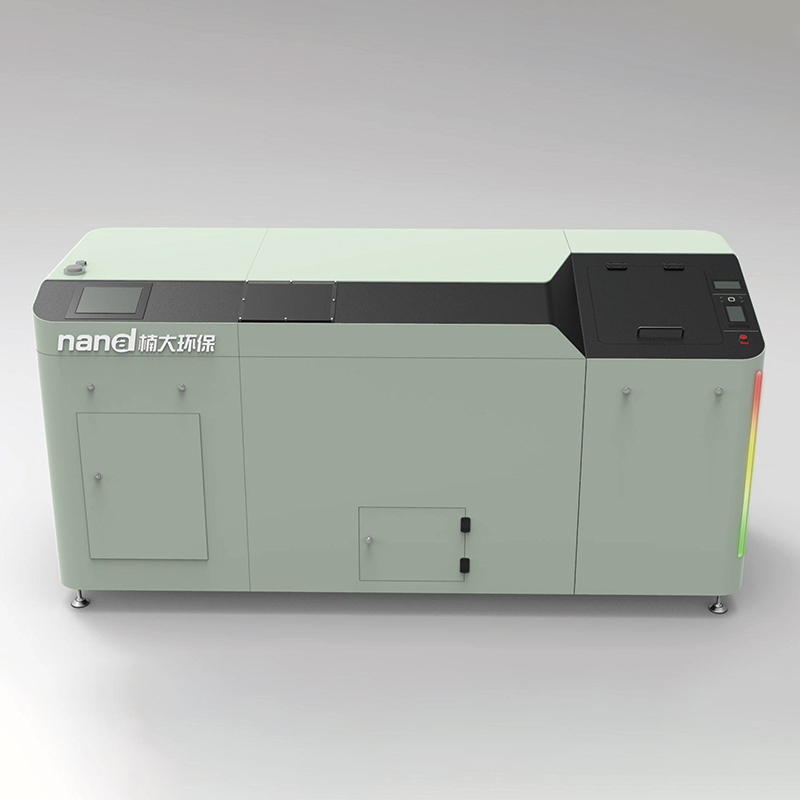 Nanda Trans Series-200
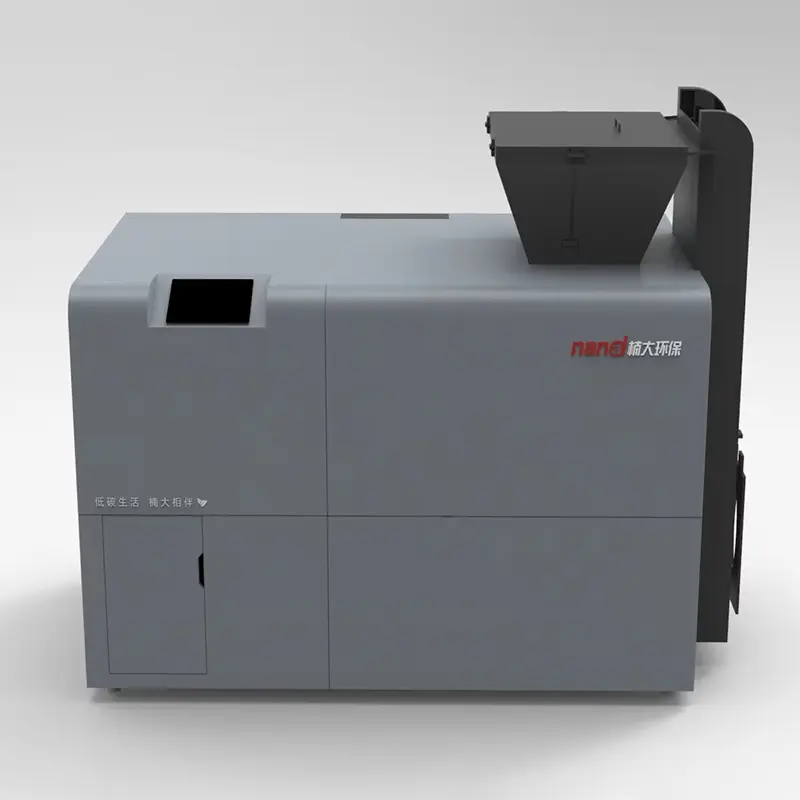 Nanda Trans Series-500
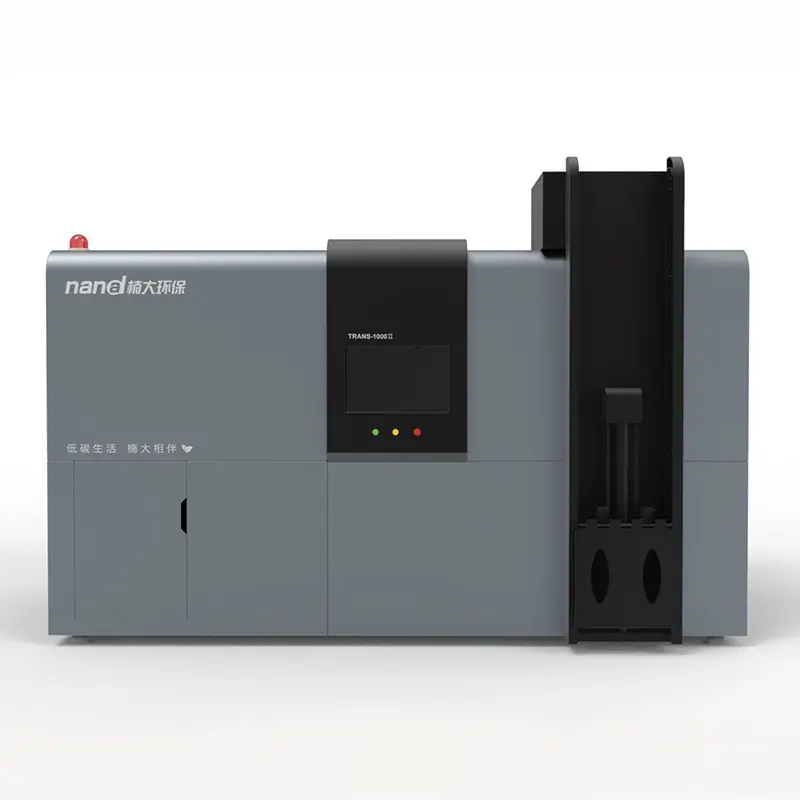 Nanda Trans Series-1000
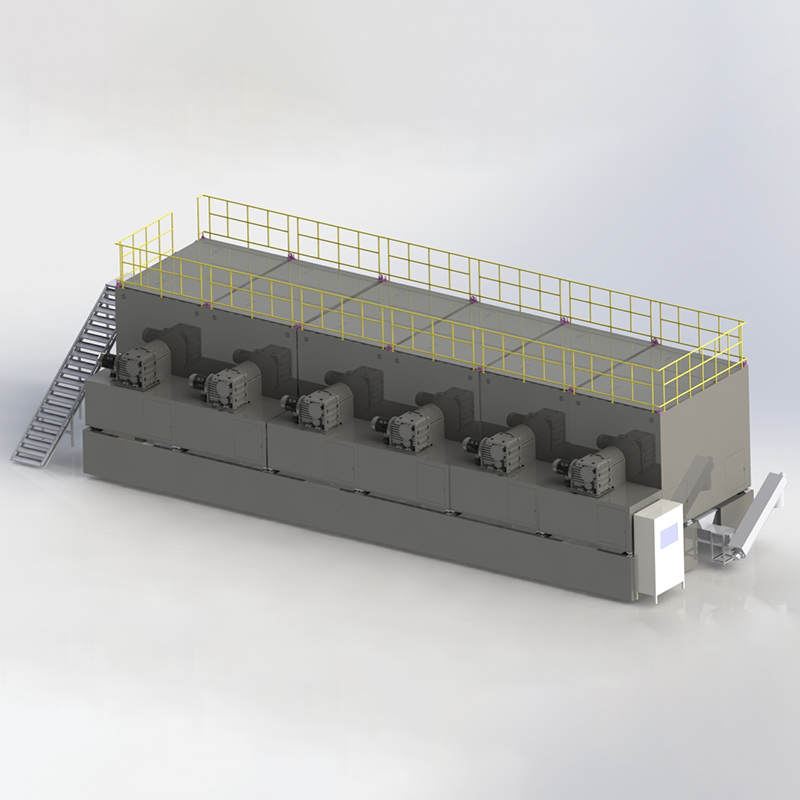 Nanda Trans Series-30000
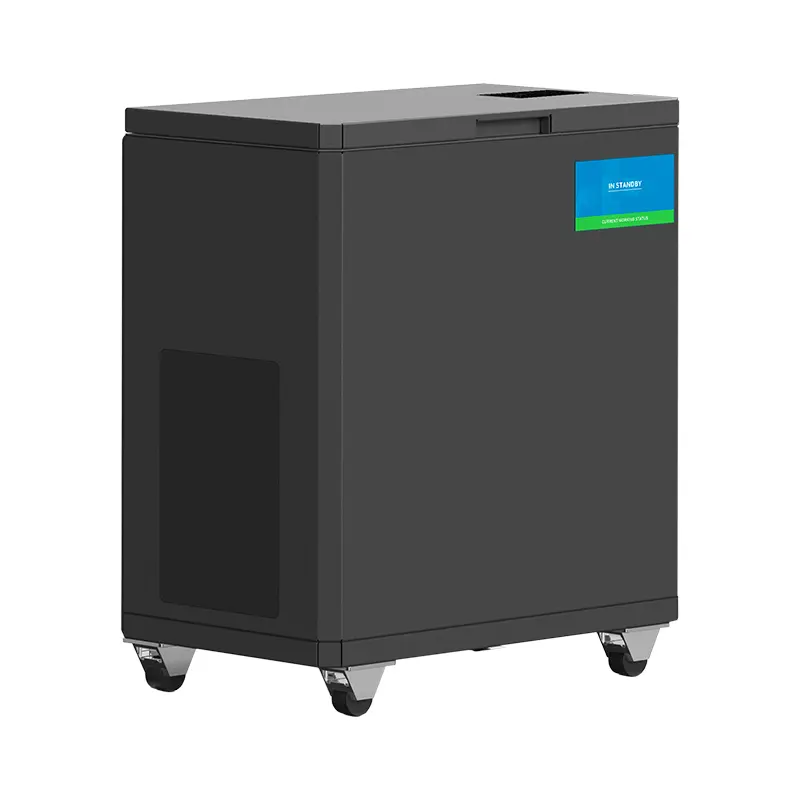 Nanda Thermax Series-100
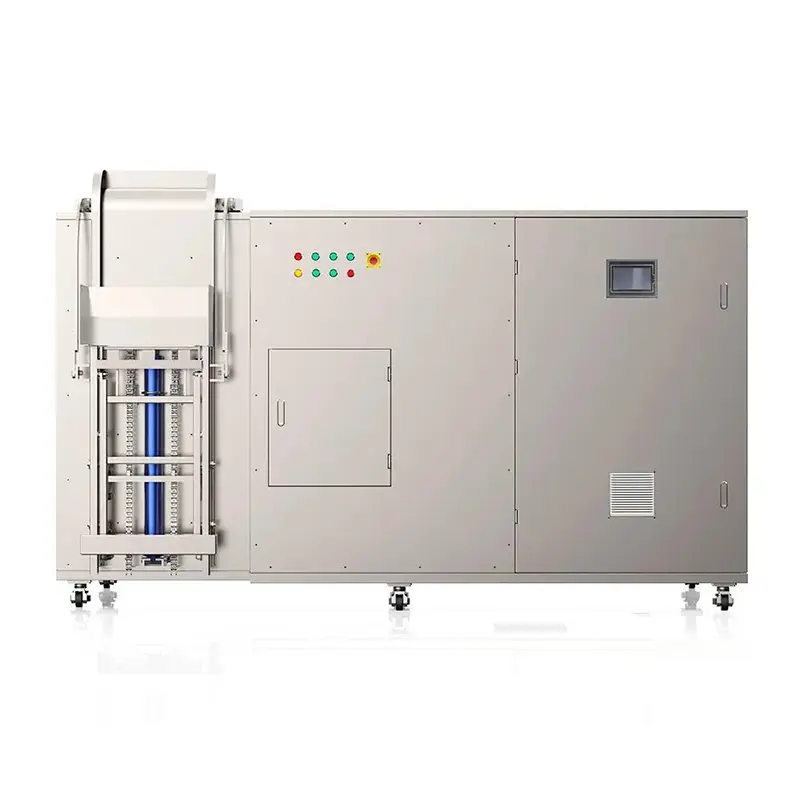 Nanda Thermax Series-200
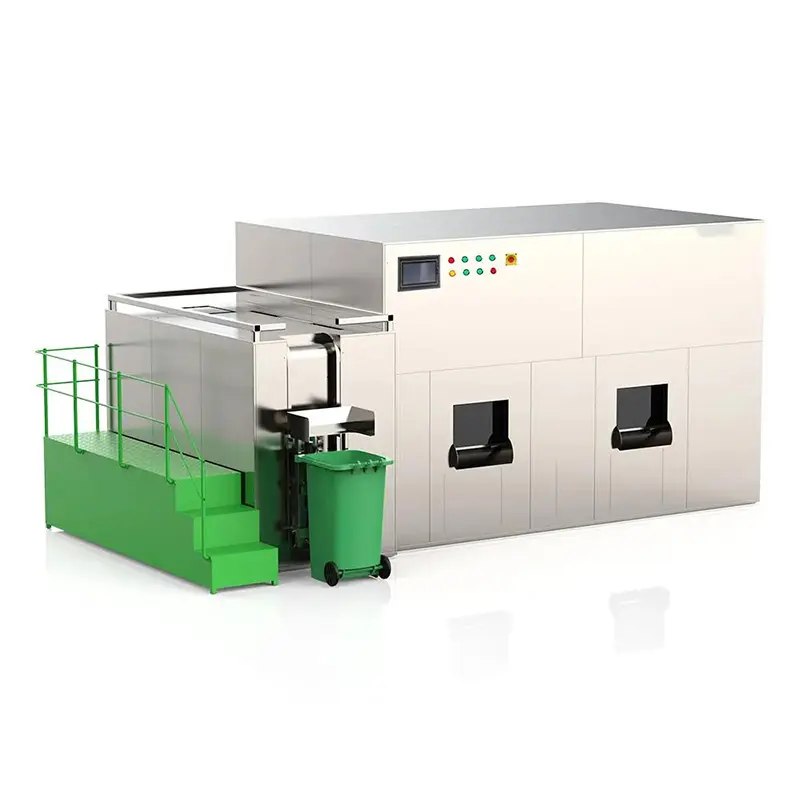 Nanda Thermax Series-2000
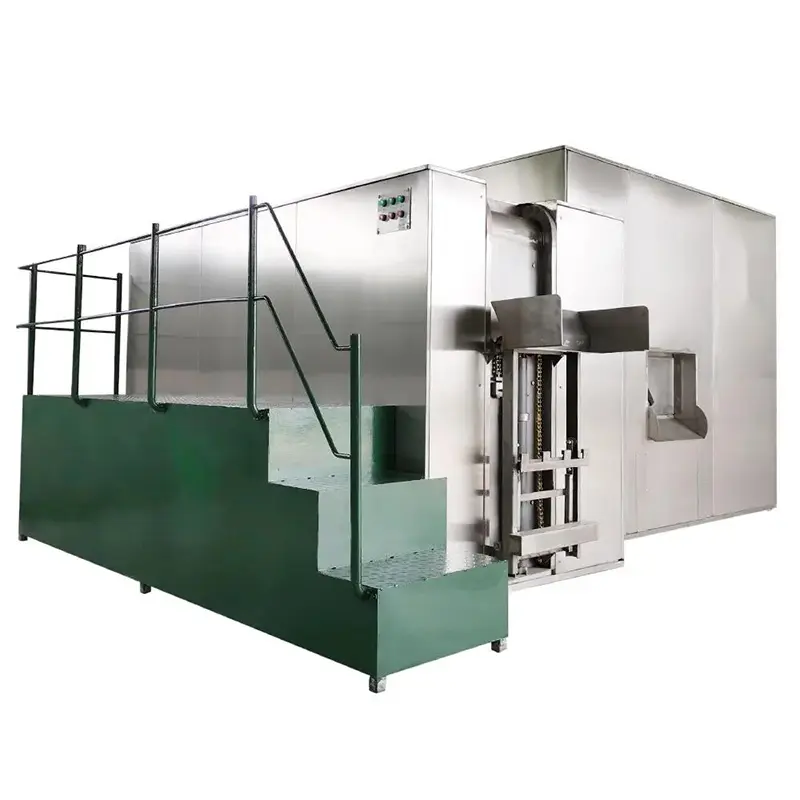 Nanda Thermax Series-10000
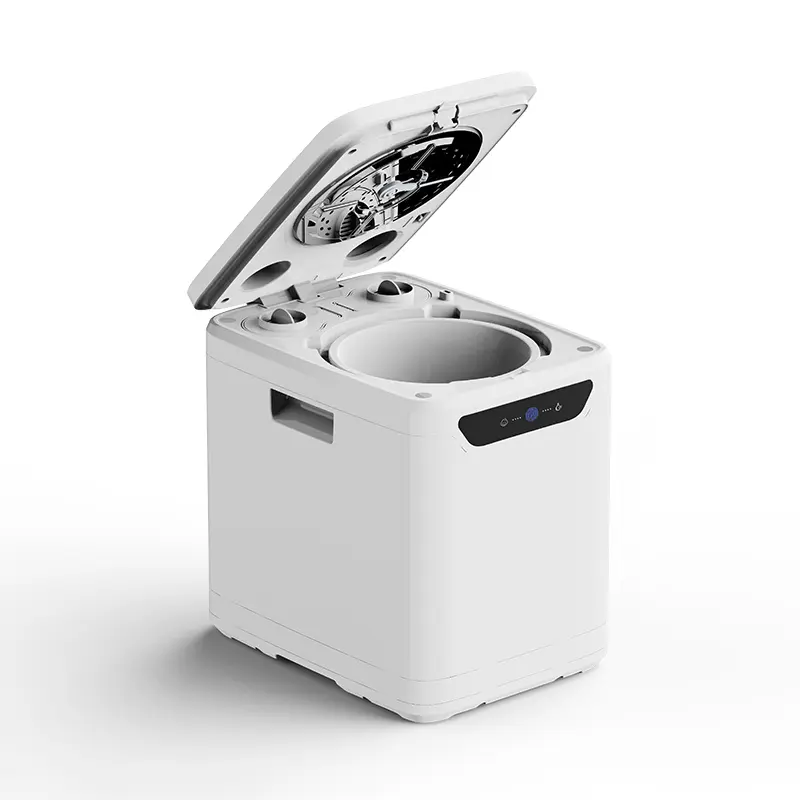 Nanda Turbo Series-3.5L-016
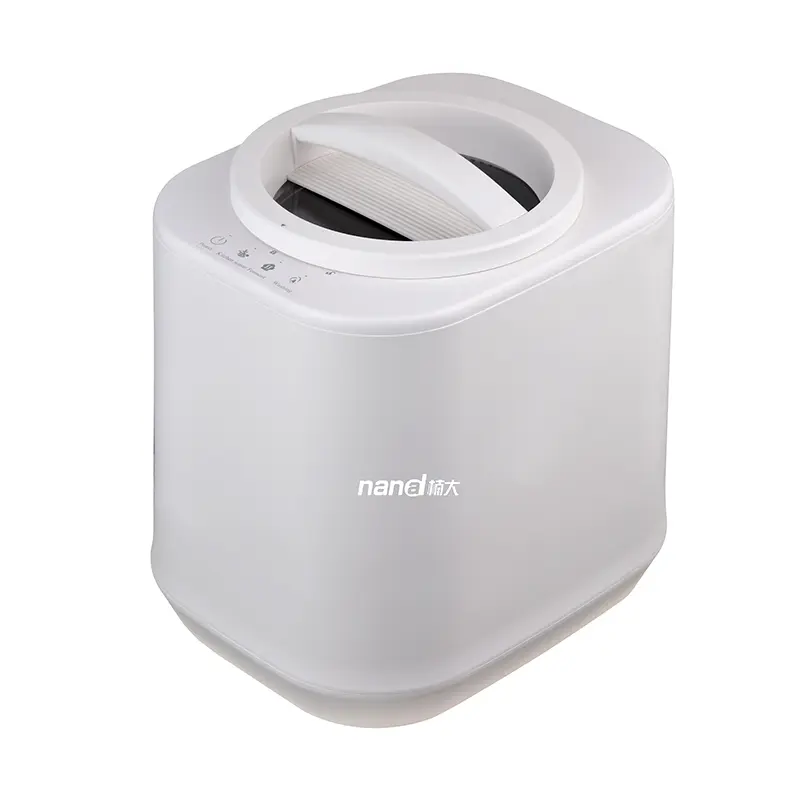 Nanda-Turbo Series-4L-011
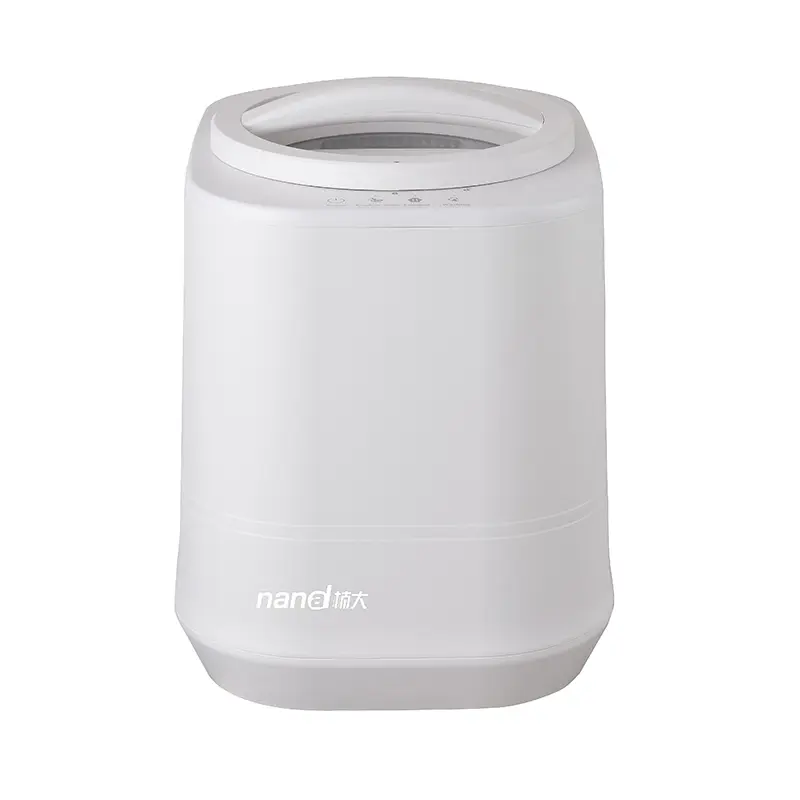 Nanda Turbo Series-4L-012
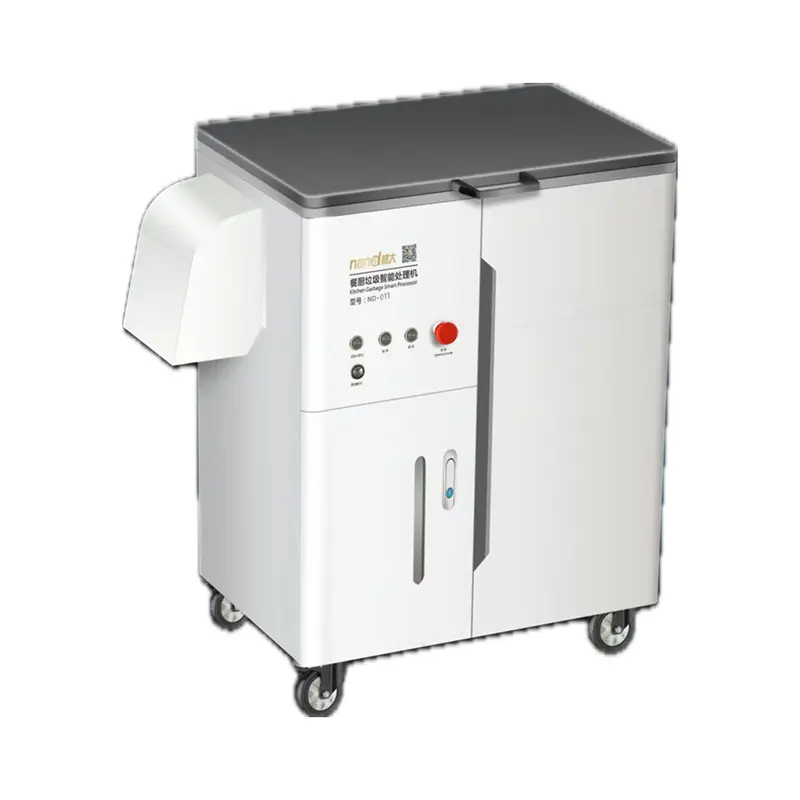 Oil-Water Separator