China Best Food Waste Treatment Machine Solutions for Sustainable Living?
Food waste is a pressing global challenge. According to the Food and Agriculture Organization, one-third of all food produced is wasted. This amounts to roughly 1.3 billion tons annually. Such waste not only depletes resources but also contributes significantly to greenhouse gas emissions. Innovating food waste management is essential for sustainable living.
The Food Waste Treatment Machine emerges as a vital solution. These machines effectively transform organic waste into valuable resources. Innovations in this field streamline recycling processes and reduce landfill impact. A report by the United Nations Environment Programme states that effective waste treatment can significantly reduce carbon emissions. Yet, not all machines deliver efficiency.
Choosing the right Food Waste Treatment Machine requires careful consideration. Factors like capacity, technology, and energy consumption are critical. While some machines promise high efficiency, they may not perform in varied conditions. Users often face issues of reliability and maintenance. This highlights the need for informed decisions in waste management.
China's Current Food Waste Statistics: A Context for Treatment Solutions
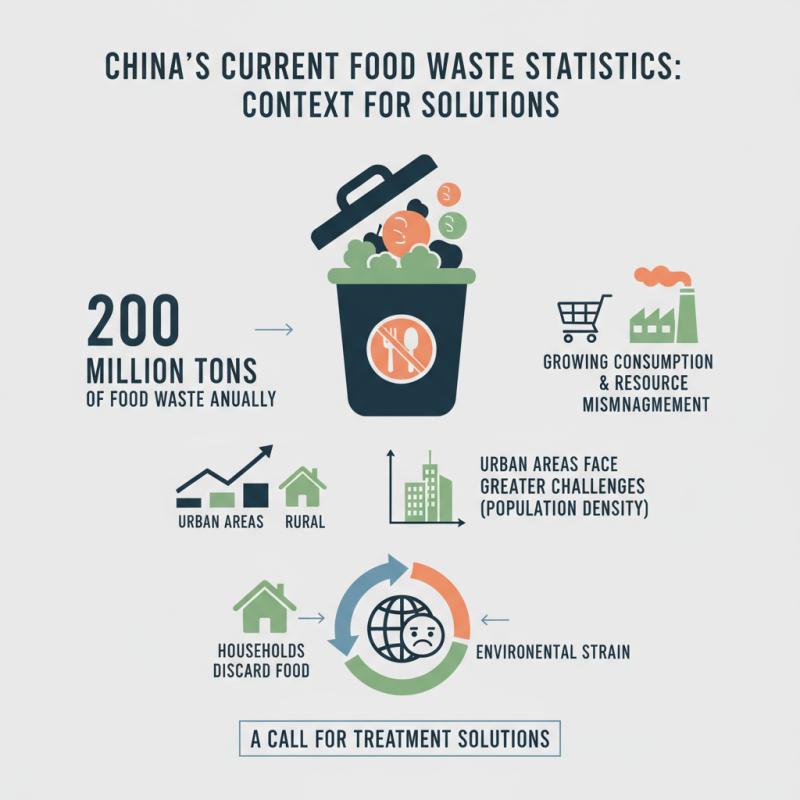
China generates approximately 200 million tons of food waste each year. This staggering number reflects growing consumption and mismanagement of resources. Urban areas face more significant challenges due to population density. Households often discard valuable food, resulting in environmental strain.
The consequences of food waste are severe. It leads to increased greenhouse gas emissions and resource depletion. It also burdens local landfills. Many people are unaware of the impact of what they throw away. Education on food waste is crucial. Awareness can inspire better habits, such as meal planning and composting.
Emerging technologies offer solutions for reducing waste. Machines that convert food scraps into bioenergy provide one option. However, the adoption of these technologies varies. Some regions lack infrastructure for such treatments. There is also a need for community involvement. Engagement and accountability can drive change. These factors highlight that while solutions exist, significant effort is still needed.
Innovative Technologies in Food Waste Treatment: Trends in China
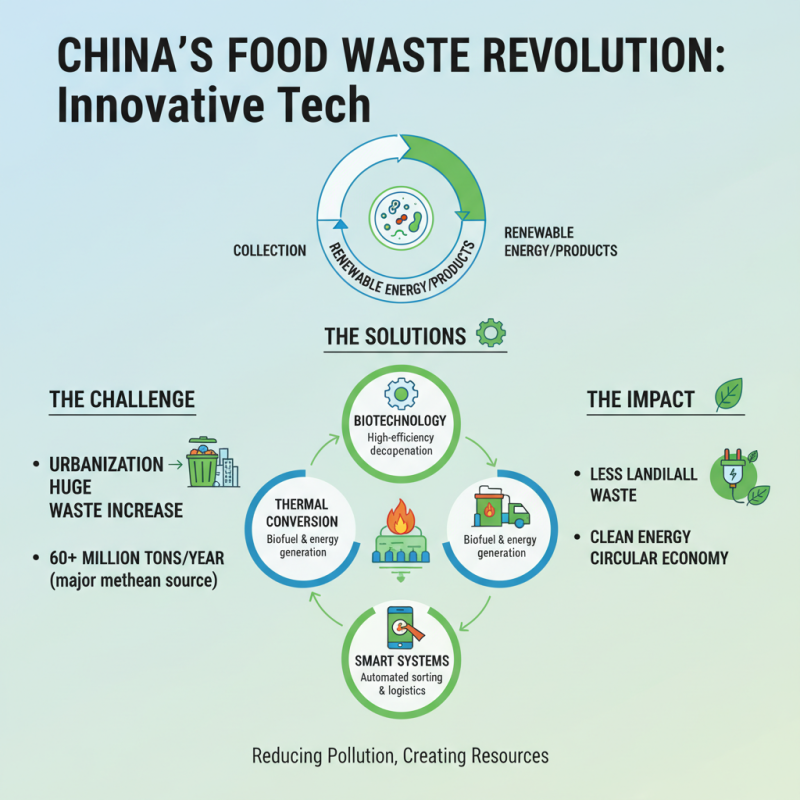
Innovative food waste treatment technologies are transforming waste management in China. As urbanization accelerates, food waste in cities has surged. Reports show that China produces over 60 million tons of food waste each year. A significant portion ends up in landfills, contributing to methane emissions.
Recent trends highlight the rise of anaerobic digestion and composting methods. These technologies convert food waste into valuable resources. For instance, anaerobic digestion can generate biogas, a renewable energy source. According to industry studies, this process can reduce food waste volume by up to 90%. Integrating these systems not only helps manage waste but also supports sustainable living.
Tips: Consider location when selecting a waste treatment solution. Urban areas may benefit more from compact, efficient systems. Rural regions might find larger composting setups more feasible. Implementing a mixed approach can yield better results globally and locally. Always stay updated on technological advancements to refine your food waste strategy.
Comparative Analysis of Food Waste Treatment Machines in China
Food waste treatment is essential for sustainable living in China. A variety of solutions are available, each with unique advantages and challenges. Some machines use anaerobic digestion to break down organic matter. Others employ composting techniques. Each method has its environmental impact. Understanding these differences is crucial for making informed choices.
Anaerobic digesters often produce biogas. This gas can be used for energy. However, these machines can be expensive. They require proper maintenance. Composting machines, on the other hand, are often more affordable. They turn waste into nutrient-rich soil. Yet, composting can take time. Users must be patient to see results.
A comparative analysis reveals that user experience varies widely. Some individuals face issues with odor control. Others struggle with machine capacity. Quality of output can differ as well. These factors highlight the need for ongoing refinement in technology. Exploring these treatment methods leads to better solutions for waste management in urban environments.
Comparative Analysis of Food Waste Treatment Machines in China
This chart illustrates the effectiveness of different types of food waste treatment machines based on their food waste processing capacity (in kg per day) and energy consumption (in kWh). The analysis aims to identify the best solutions for sustainable living.
Impact of Food Waste Treatment on Sustainable Living in Urban Areas
Urban areas are experiencing rapid growth. This boom brings challenges, especially in managing food waste. Proper food waste treatment can significantly impact sustainability in cities. It reduces landfill use, minimizes methane emissions, and can produce energy.
Many modern treatment solutions exist. Composting is popular for its simplicity, turning waste into nutrient-rich soil. Anaerobic digestion generates biogas from waste, offering a renewable energy source. However, these systems require ongoing community engagement. Without proper understanding, people may not participate, leading to ineffective solutions.
Overcoming barriers is crucial. Education is key in fostering a mindset of sustainability. Encouraging local initiatives can build a sense of responsibility. Yet, challenges remain. People need reminders about food waste; it's easy to forget. Continuous improvement and adaptation are necessary for these systems to succeed.
Government Policies and Incentives for Food Waste Management in China
China faces significant challenges in food waste management. The government recognizes this issue and has introduced various policies to combat it. These efforts are critical for achieving sustainability and reducing environmental impacts.
In recent years, initiatives like the "Food Waste Prevention Action Plan" have emerged. This plan aims to minimize food waste at multiple levels, from production to consumption. Incentives such as subsidies for waste treatment technologies and public awareness campaigns are part of this strategy. They encourage households and businesses to adopt more efficient waste management practices. However, the effectiveness of these policies varies across regions. Some local governments implement them rigorously, while others fall behind.
Despite these efforts, issues remain. Many citizens still lack awareness of food waste's consequences. Additionally, existing infrastructure for waste treatment can be inadequate. Continuous educational efforts are essential, promoting sustainable practices within communities. It is clear that while progress is being made, more work is needed for effective food waste management in China. Addressing these gaps will be vital for a greener future.
China Best Food Waste Treatment Machine Solutions for Sustainable Living
| Dimension |
Data |
| Annual Food Waste Generation (Million Tons) |
60 |
| Percentage of Food Waste Recycled |
20% |
| Number of Municipalities Implementing Food Waste Management Policies |
150 |
| Subsidy for Food Waste Treatment Systems (Million RMB) |
500 |
| Food Waste Treatment Facilities Installed |
800 |
| Average Food Waste Diverted from Landfills (Tons/Day) |
10,000 |
| Projected Growth in Food Waste Composting (2025) |
35% |

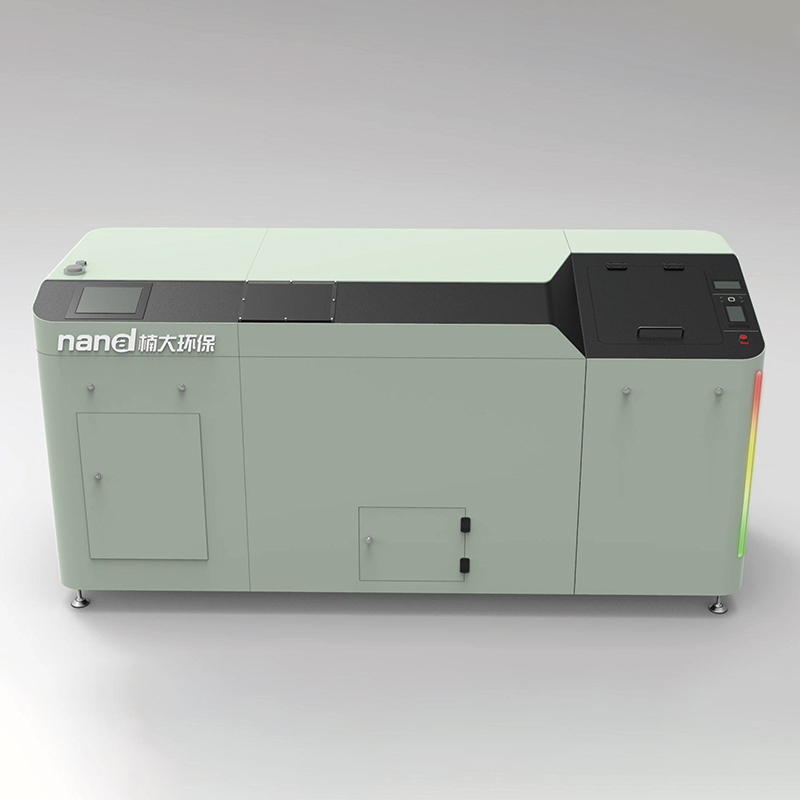 Nanda Trans Series-200
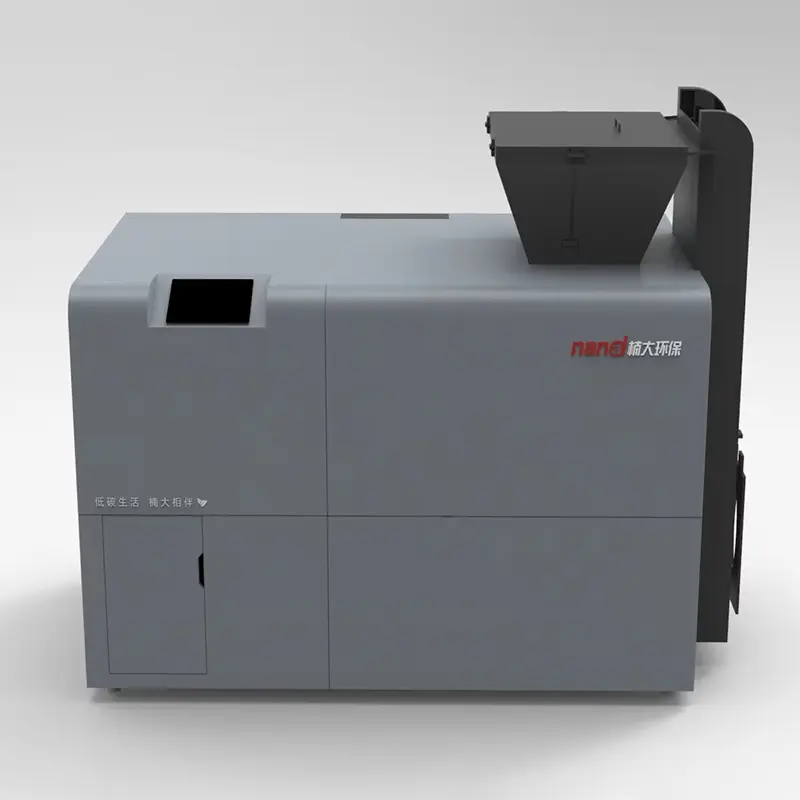 Nanda Trans Series-500
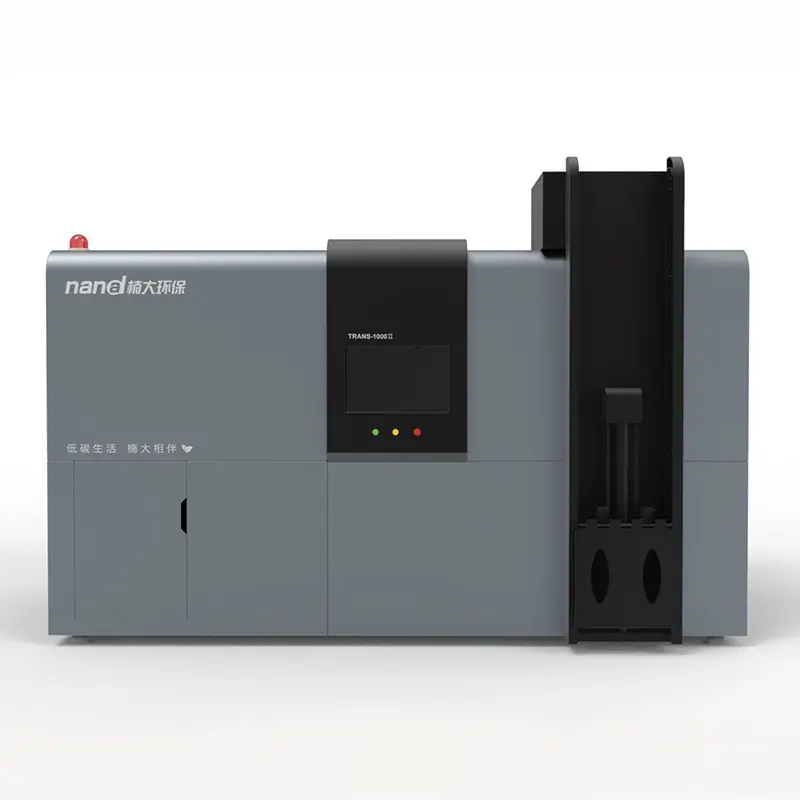 Nanda Trans Series-1000
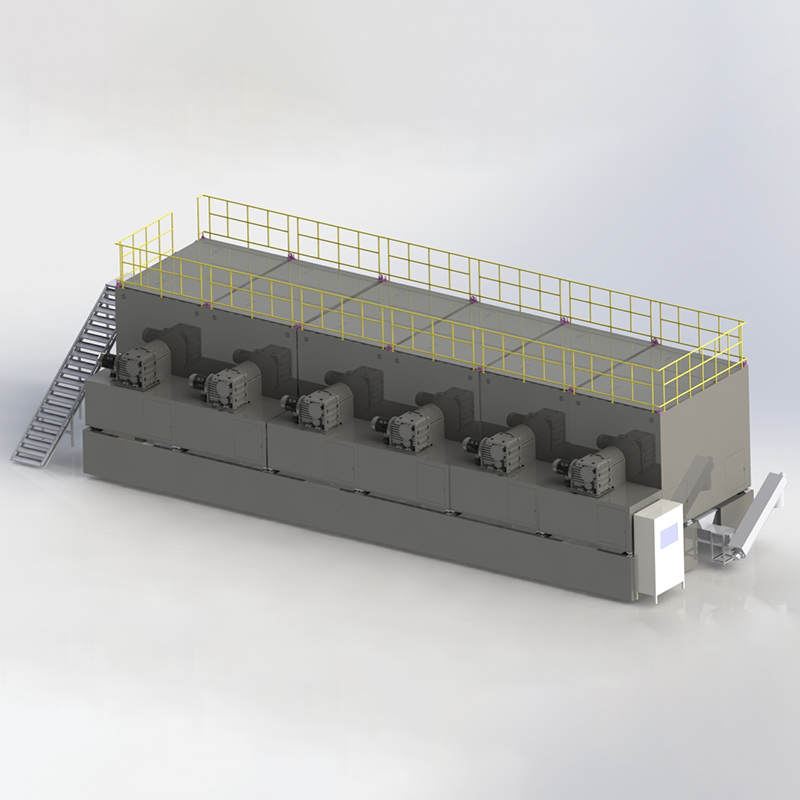 Nanda Trans Series-30000
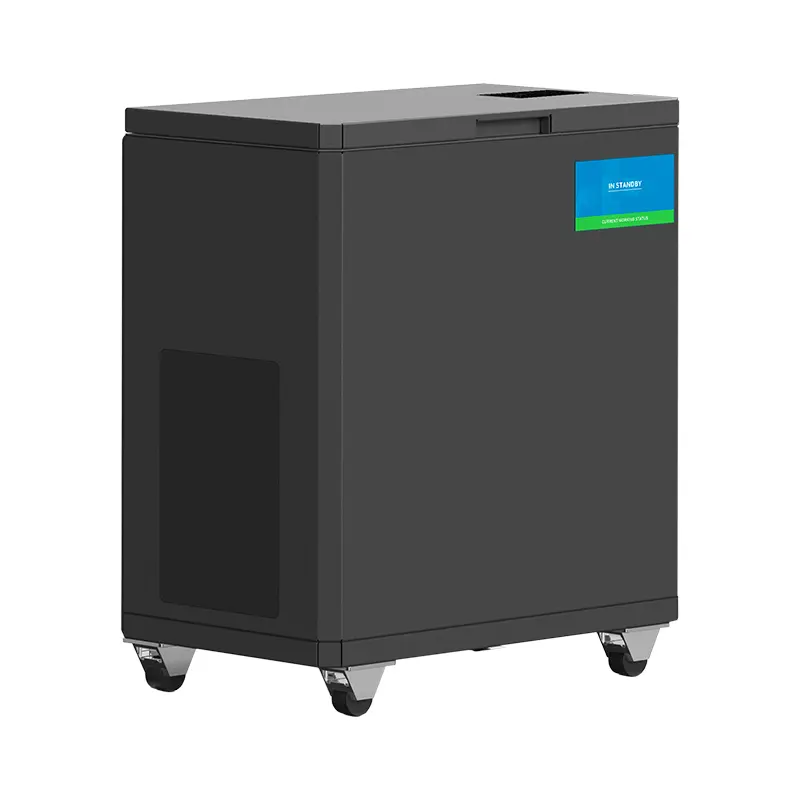 Nanda Thermax Series-100
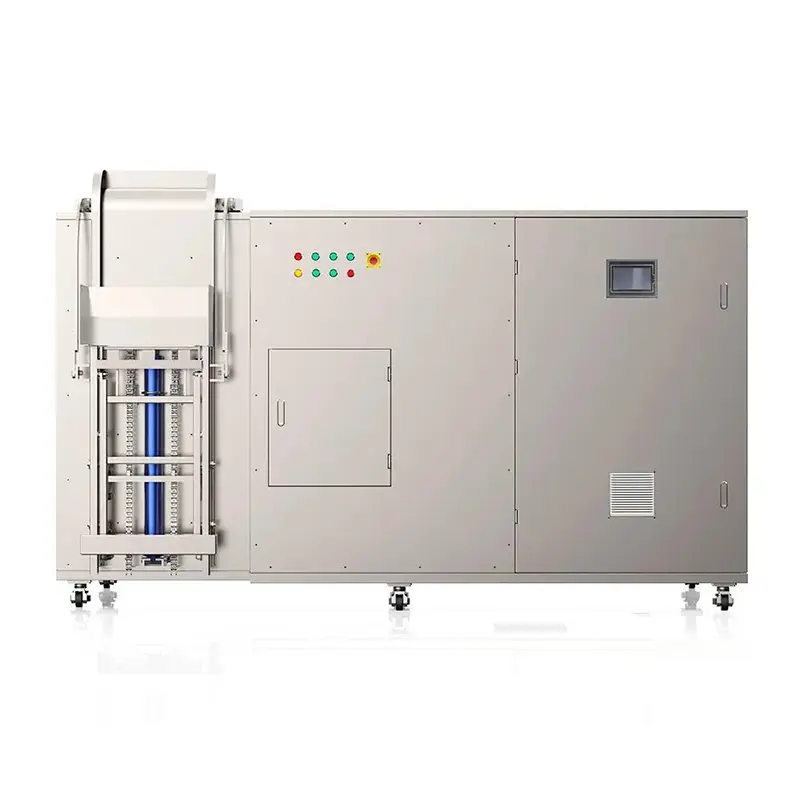 Nanda Thermax Series-200
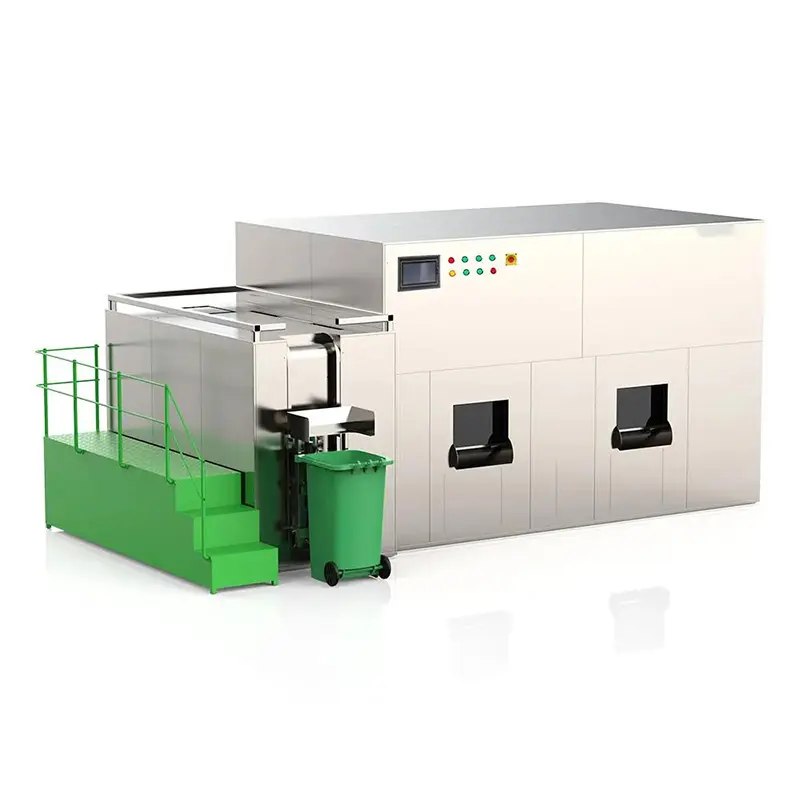 Nanda Thermax Series-2000
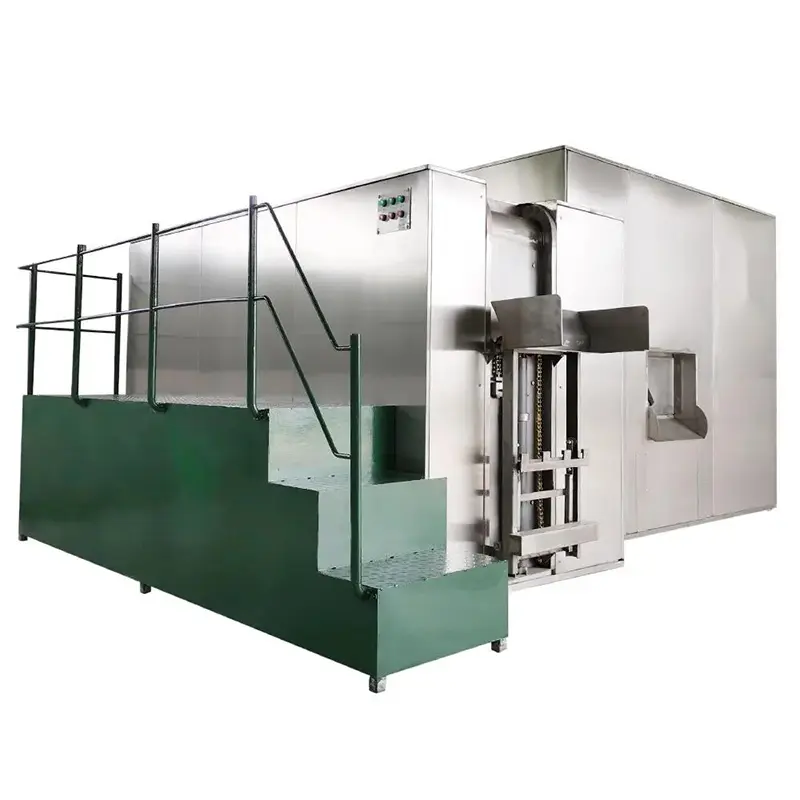 Nanda Thermax Series-10000
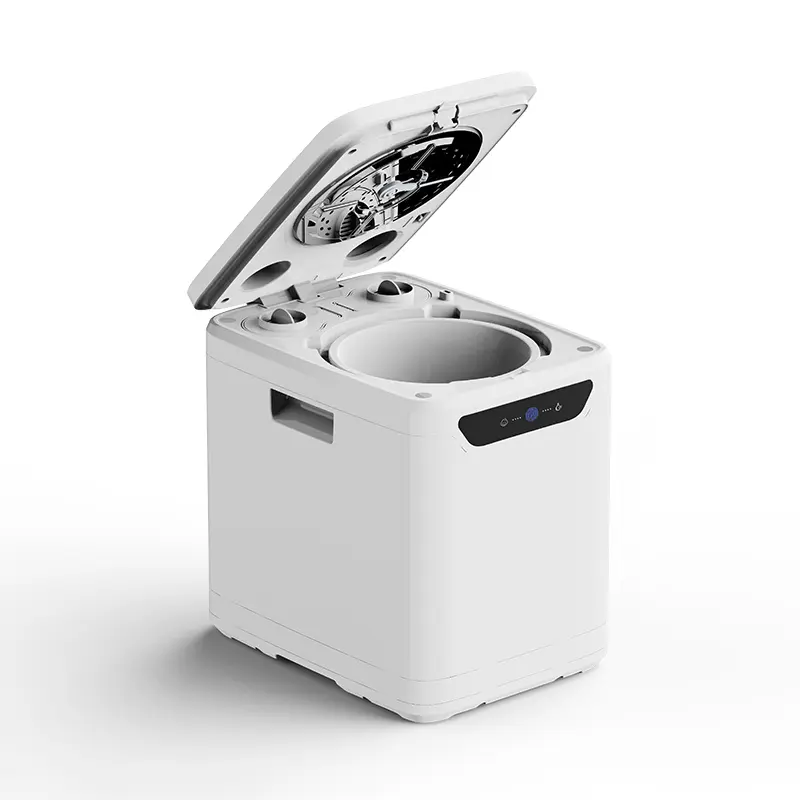 Nanda Turbo Series-3.5L-016
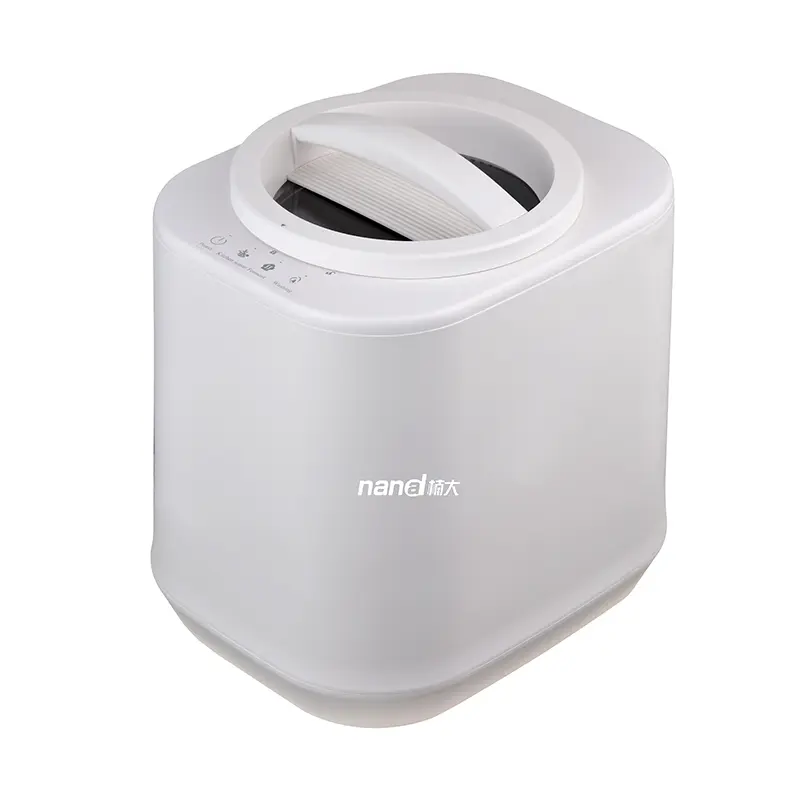 Nanda-Turbo Series-4L-011
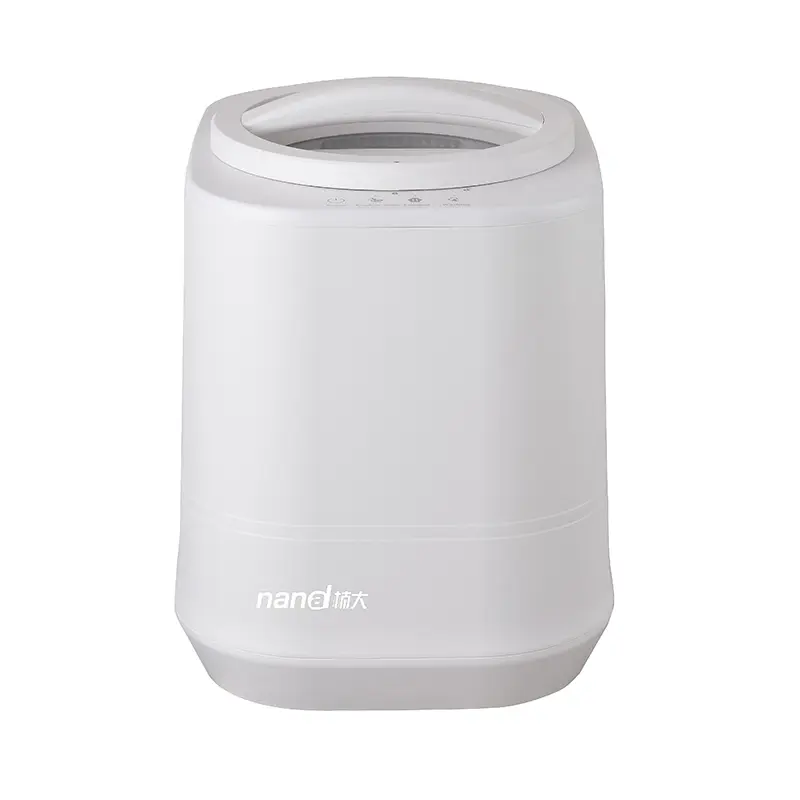 Nanda Turbo Series-4L-012
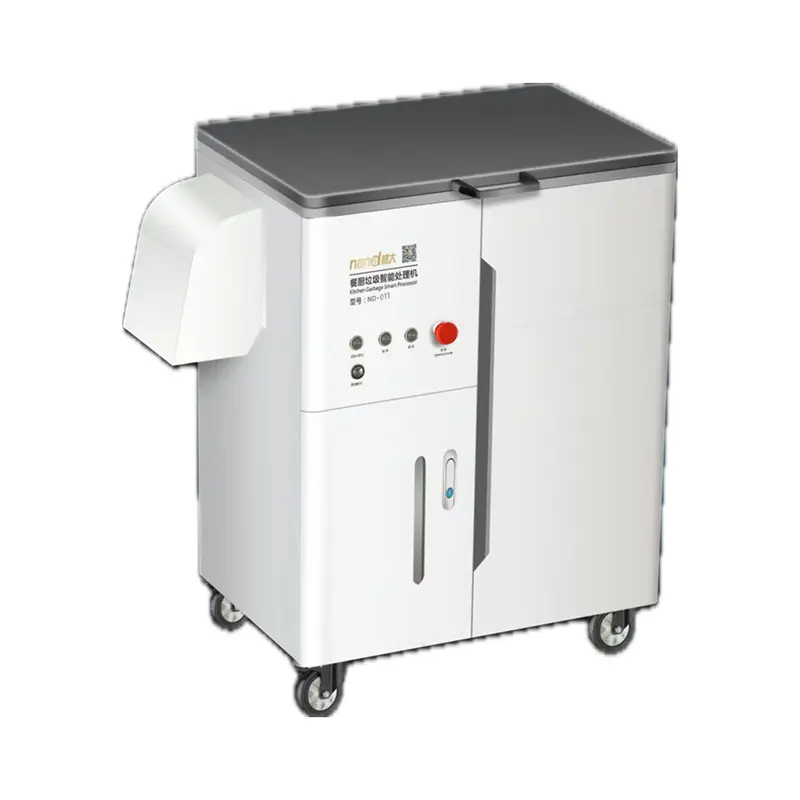 Oil-Water Separator