Why Choose a Home Composter Machine for Your Garden?
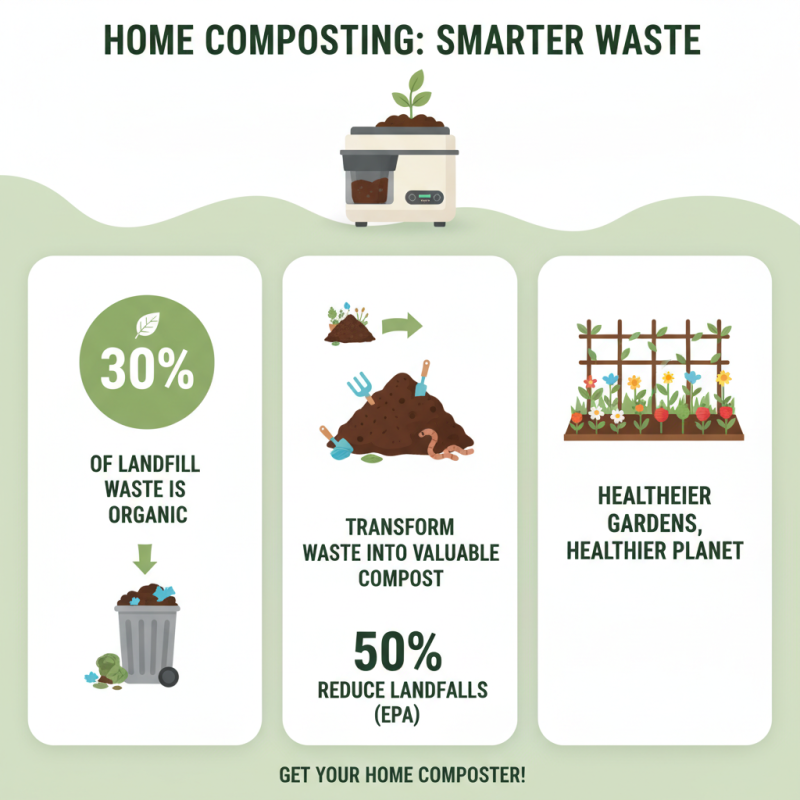
As the world faces increasing environmental challenges, more gardeners are embracing sustainable practices. One effective method is using a Home Composter Machine. According to a recent report by the Environmental Protection Agency (EPA), composting can reduce household waste by up to 30%. It’s a practical solution for any green-thumbed individual looking to enhance their garden’s health.
Dr. Sarah Green, a leading expert in sustainable gardening, emphasizes the importance of composting. She says, “Using a Home Composter Machine not only enriches the soil but also minimizes landfill waste.” This approach is not just beneficial for the garden; it actively contributes to a healthier planet.
Many hesitate to invest in a Home Composter Machine due to perceived costs or complexity. Some may struggle to find the time for composting. However, the long-term benefits, including improved soil structure and plant vitality, often outweigh initial concerns. Embracing this technology requires commitment but can transform your gardening experience.
Benefits of Using a Home Composter Machine for Garden Waste Management
Using a home composter machine can significantly improve garden waste management. In the United States, approximately 30% of waste in landfills is organic material. This could be transformed into valuable compost instead. According to the EPA, composting can reduce landfill waste by up to 50%. This is where a home composter machine becomes essential.
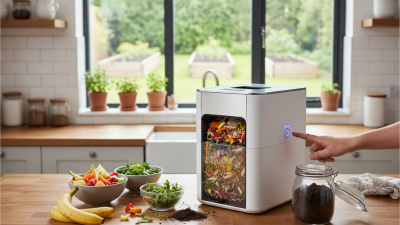
Home composters streamline the process of converting kitchen scraps and yard waste into nutrient-rich compost. In 2021, a study found that households using composter machines produced 70% less waste than those who did not. This reduction not only benefits the environment but also enhances soil quality in gardens. Healthier soil leads to more robust plants and can lower the need for chemical fertilizers.
However, there are challenges. Not all composters handle every type of waste equally. For instance, citrus peels may upset the balance in some systems. Maintaining the right mix of green and brown materials requires effort. But with trial and error, these issues can be resolved, leading to a rewarding composting experience. The learning curve involves understanding what works best for your garden.
How Home Composter Machines Work: The Composting Process Explained
Home composter machines are transforming how we manage kitchen waste. They provide a convenient way to turn food scraps and yard waste into nutrient-rich compost. The composting process begins with the input of organic materials. These machines use heat, moisture, and aeration to accelerate decomposition. According to a study by the Environmental Protection Agency, about 30% of the waste we produce is organic. This presents an opportunity for home composters to reduce landfill contributions.
The composting process is dynamic and involves diverse microorganisms. These tiny organisms break down organic matter, which can take weeks to months depending on conditions. A well-maintained composter can reach temperatures of 140°F, ideal for killing pathogens. However, achieving this temperature can be challenging. Many users struggle with maintaining the right balance of "greens" and "browns." Too many greens can lead to odor while too many browns can slow decomposition.
Monitoring moisture levels is essential too. If the compost is too dry, the process stalls; too wet, and it becomes a slimy mess. Regularly turning the compost can help aerate it but requires effort. Many home gardeners discover that patience is critical in composting. It’s not always a perfect process, but the rewards can be significant. Well-made compost enriches soil and supports healthy plant growth.
Types of Home Composter Machines: Finding the Right Fit for Your Needs
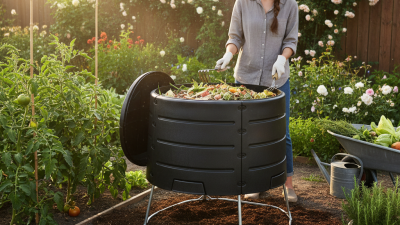
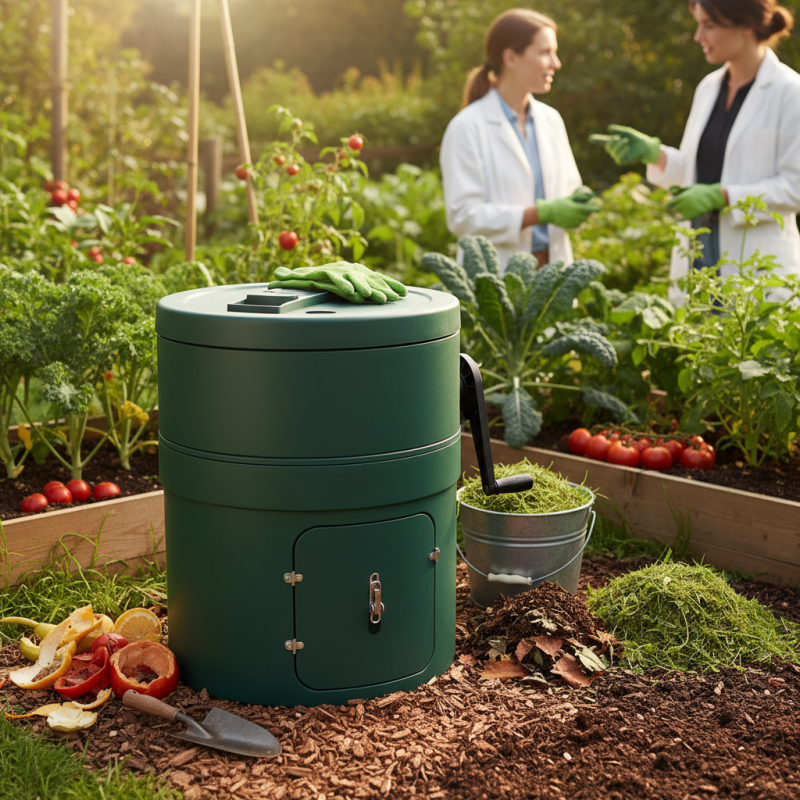
When considering a home composter machine, it's crucial to identify the right type for your garden. There are various options available. Some people prefer tumblers. They are efficient and easy to use. Just add your kitchen scraps and garden waste, then turn the handle. This process accelerates decomposition.
Others may choose static bins. These require minimal effort. However, they can take longer to break down materials. Keep in mind that you need to monitor moisture levels and aeration. It’s a more hands-off approach, but results can be slower.
If space is limited, consider a worm composter. It’s compact and can fit indoors. Worms break down food quickly, producing rich compost. However, it demands careful management. Too much moisture can drown worms. Finding the right fit depends on your lifestyle and garden size. Each type has pros and cons, leading to reflections on what works best for you.
Home Composter Machines: Benefits and Popular Types
Environmental Impact: Reducing Carbon Footprint with Composting
Composting at home can significantly reduce your carbon footprint. By recycling kitchen scraps and garden waste, you contribute to a healthier environment. Traditional waste management often leads to methane emissions from landfills. Composting helps prevent that.
You can start with small steps. Keep a container for food scraps. Add coffee grounds, fruit peels, and vegetable trimmings. Even small amounts make a difference. Remember, it’s okay if you don’t have a perfect mix right away. The beauty of composting is trial and error.
Tips: Monitor the moisture in your compost. It shouldn't be too wet or dry. If you notice an unpleasant smell, it may be too compacted. Turn the pile regularly to aerate it. Also, consider adding dried leaves to balance your compost mix. Composting is a journey. Celebrate the small victories along the way.
Why Choose a Home Composter Machine for Your Garden? - Environmental Impact: Reducing Carbon Footprint with Composting
| Feature |
Benefits |
Environmental Impact |
Carbon Footprint Reduction (%) |
| Nutrient-Rich Soil |
Enhances plant growth |
Reduces need for chemical fertilizers |
20% |
| Waste Reduction |
Decreases landfill waste |
Lowers methane emissions from landfills |
30% |
| Water Conservation |
Improves soil moisture retention |
Reduces need for irrigation |
15% |
| Biodiversity Support |
Promotes a healthy ecosystem |
Encourages a diverse array of flora and fauna |
10% |
| Carbon Sequestration |
Store carbon in the soil |
Helps mitigate climate change |
25% |
Tips for Maintaining Your Home Composter Machine for Optimal Results
Maintaining your home composter machine is crucial for success. Regularly check the moisture level in your compost. If it's too dry, add water gradually. If it's too wet, mix in dry materials like leaves. Finding the right balance is essential. Sometimes, it can be tricky. You might need to adjust several times before getting it right.
Turning the compost is another key step. Aim to turn it every few weeks. This aerates the materials and helps them break down faster. Use a pitchfork or shovel for this task. Don’t rush it. Give yourself time to mix the layers thoroughly. You may find some clumps remain. It’s okay; just keep working at it.
Watch the temperature. A good compost pile should feel warm. If it’s cold, it may need more green materials, like kitchen scraps. On the other hand, a too-hot pile might signal too many greens. It's a learning process. Not every batch will become perfect compost in the end, and that’s fine. Embrace the adventure of composting, and your garden will benefit in the long run.

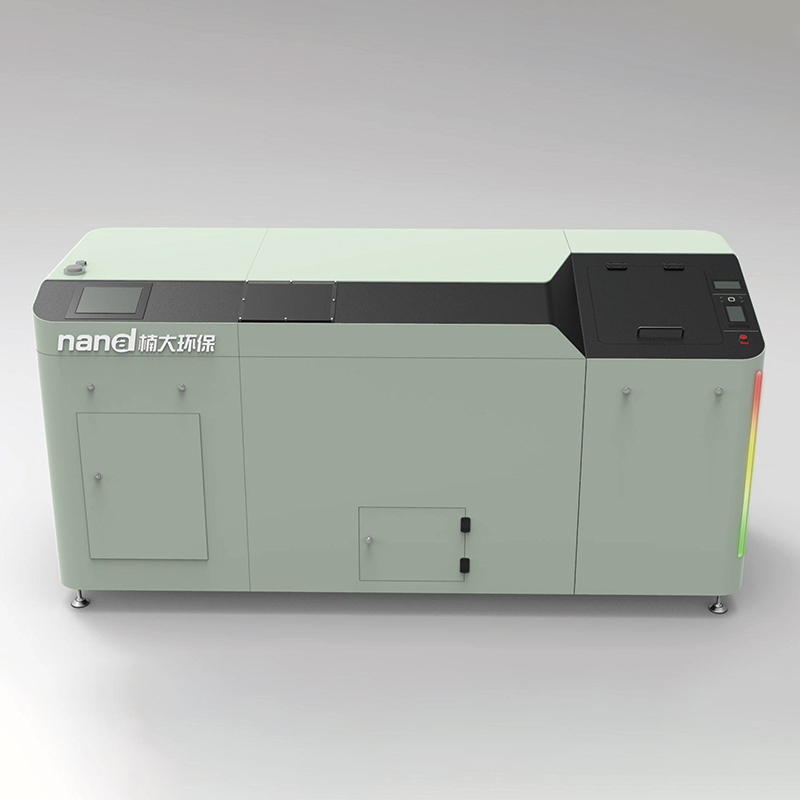 Nanda Trans Series-200
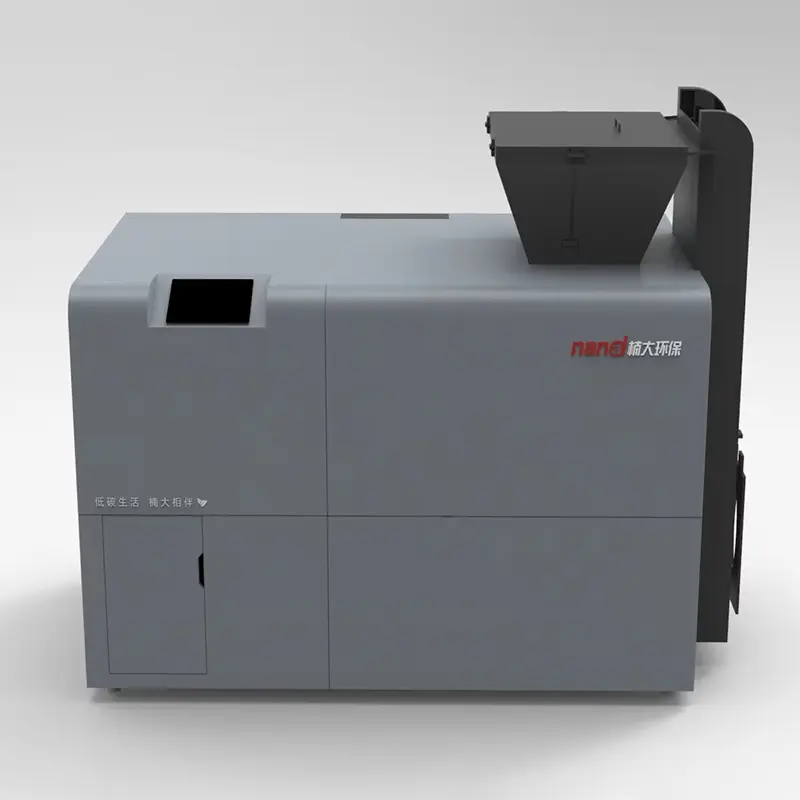 Nanda Trans Series-500
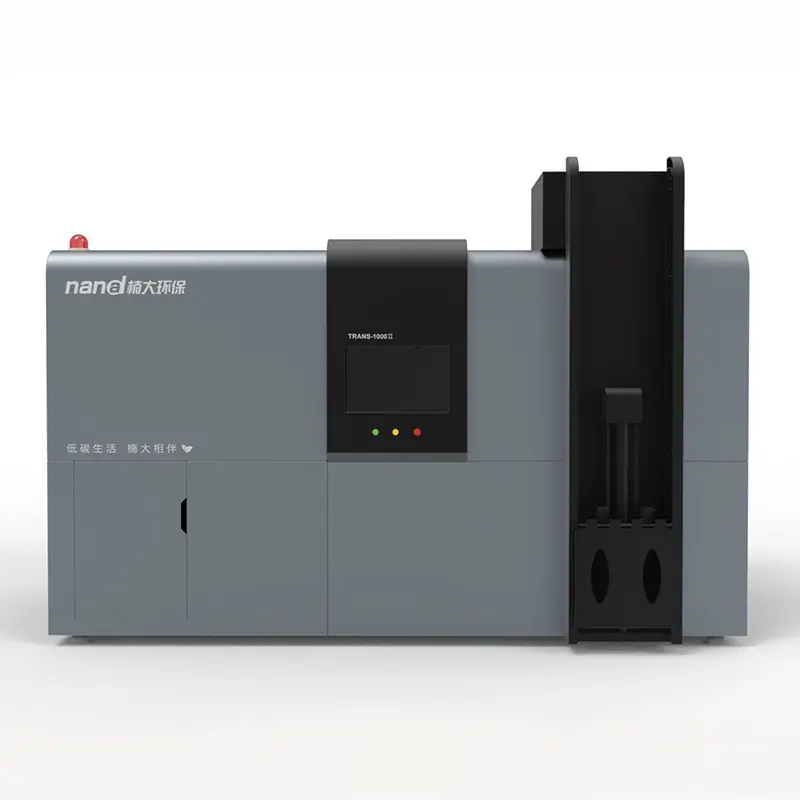 Nanda Trans Series-1000
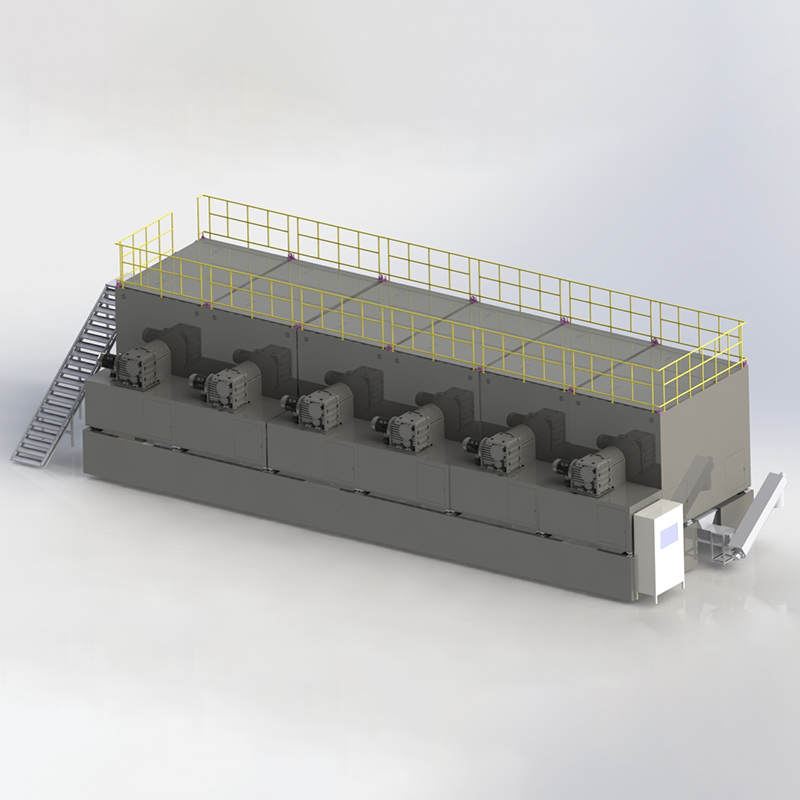 Nanda Trans Series-30000
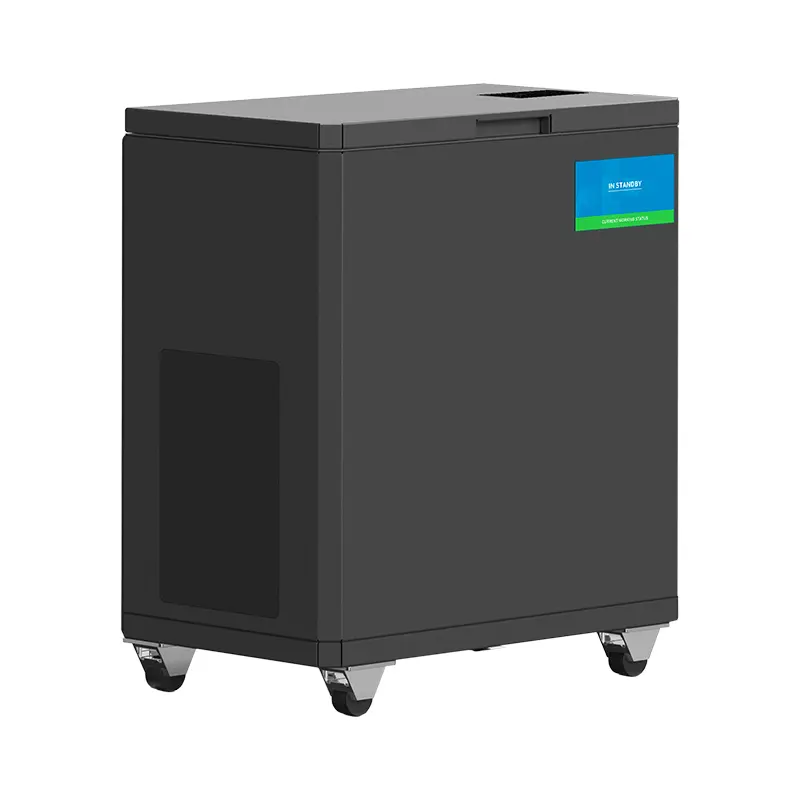 Nanda Thermax Series-100
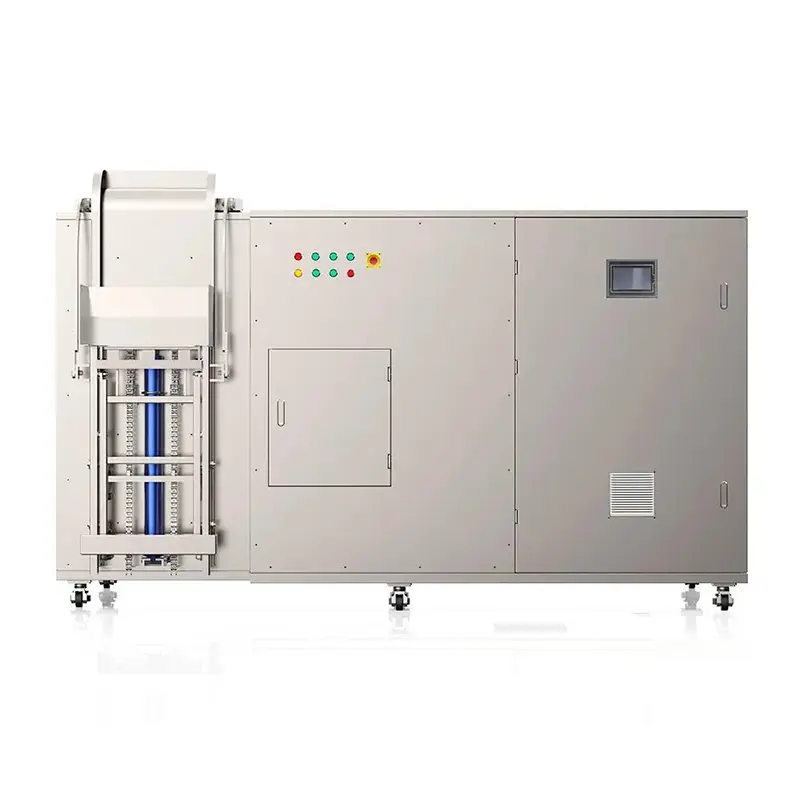 Nanda Thermax Series-200
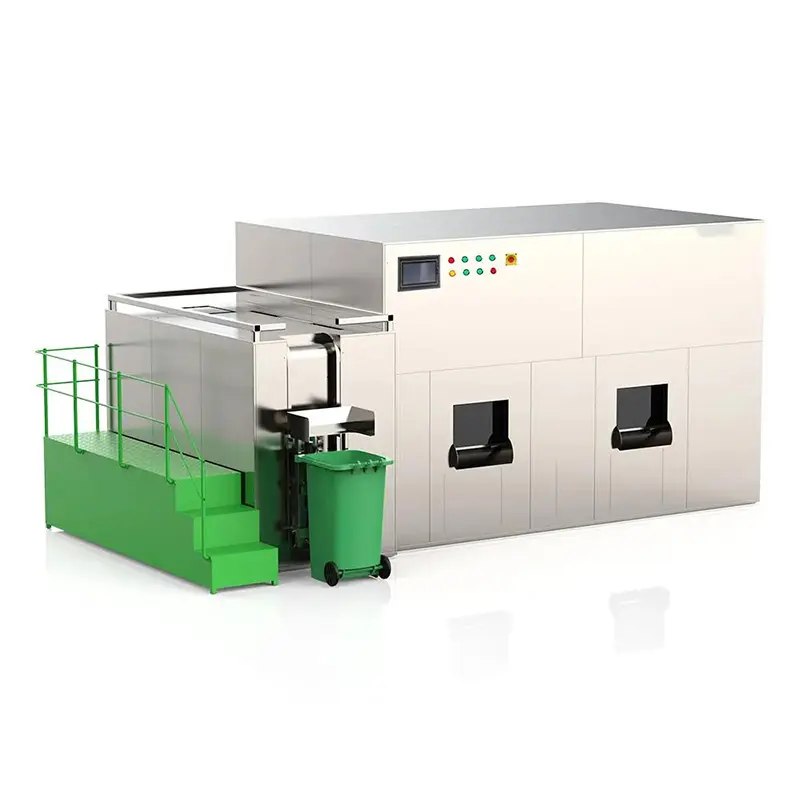 Nanda Thermax Series-2000
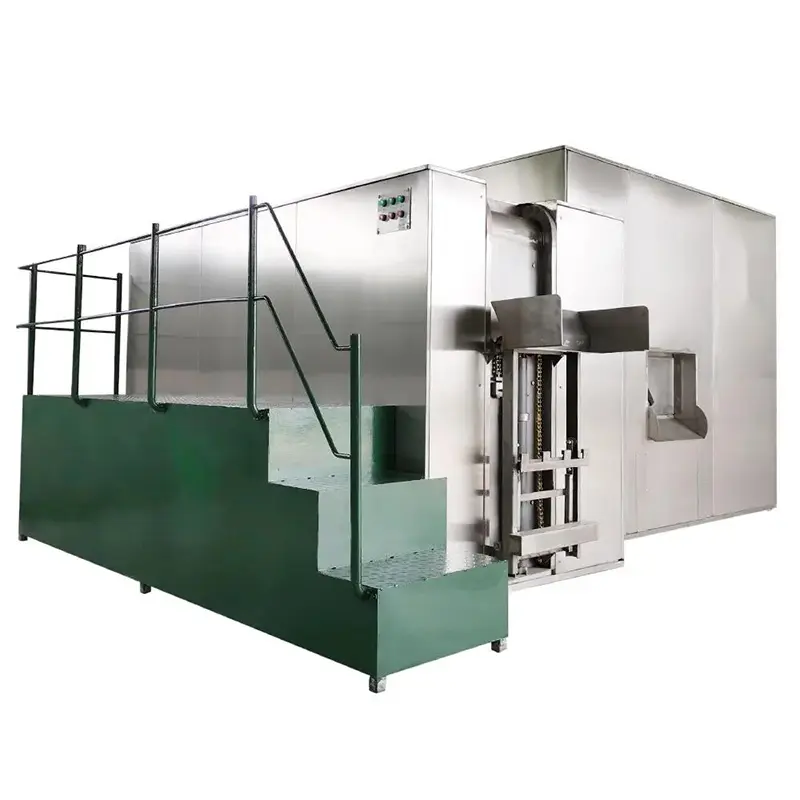 Nanda Thermax Series-10000
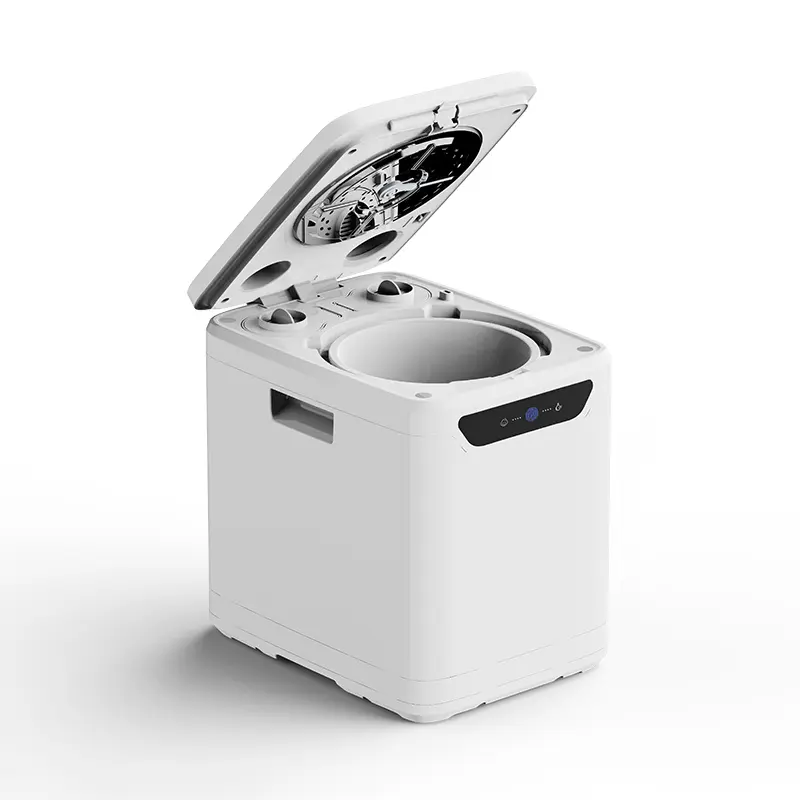 Nanda Turbo Series-3.5L-016
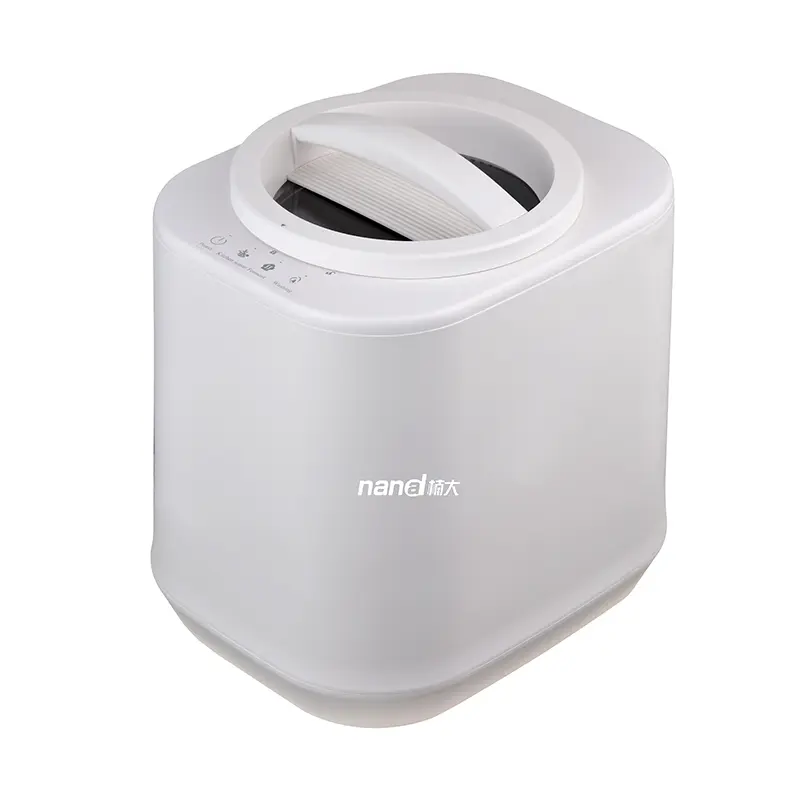 Nanda-Turbo Series-4L-011
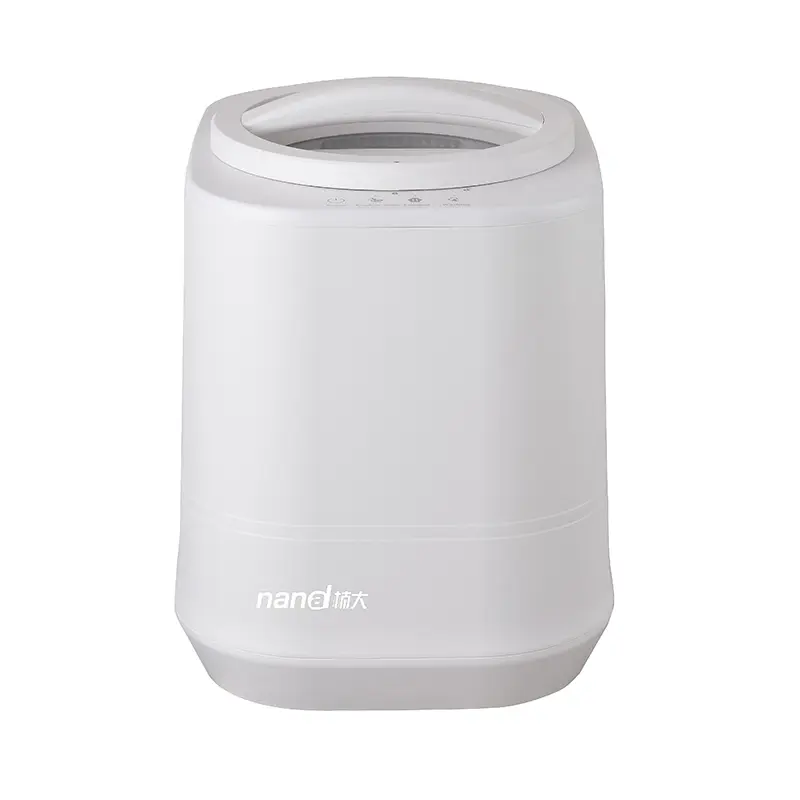 Nanda Turbo Series-4L-012
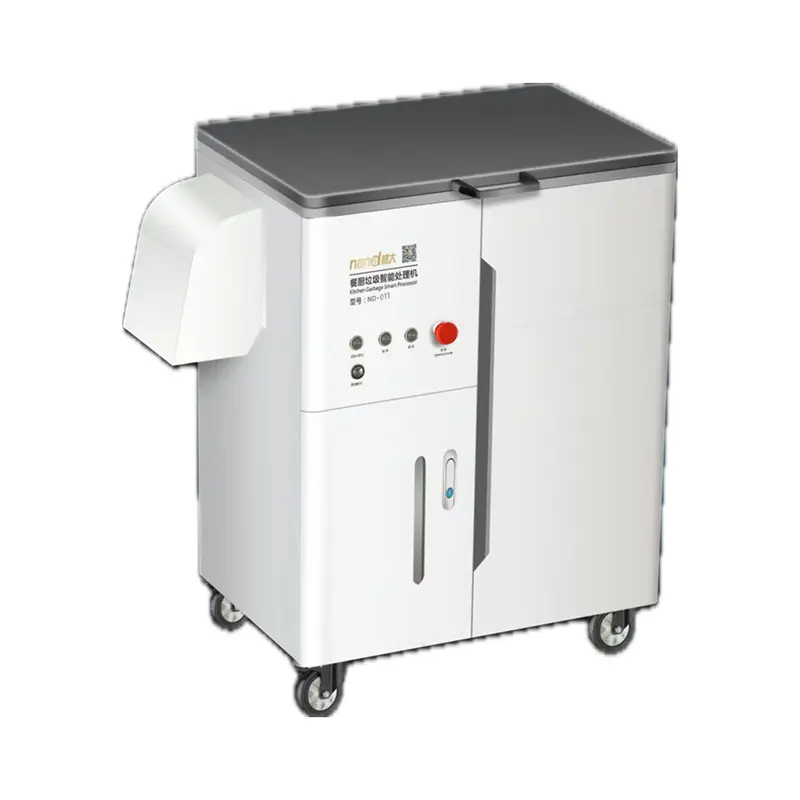 Oil-Water Separator