How to Choose the Best Countertop Composter for Your Kitchen?
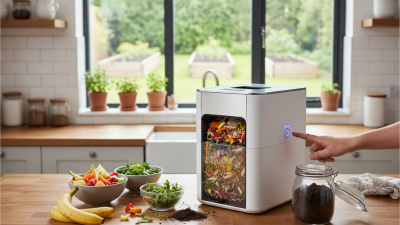
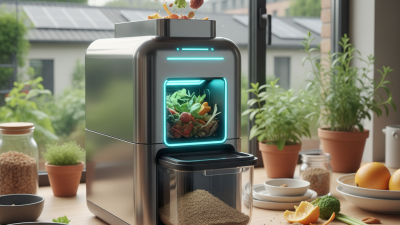
When you decide to embrace composting at home, a countertop composter can be a game-changer. This compact solution transforms food scraps into nutrient-rich compost, perfect for your indoor plants. Choosing the right countertop composter requires careful consideration. With so many options on the market, it can be overwhelming.
Look for a composter that suits your kitchen space and lifestyle. Some models are odor-free and designed for small spaces, making them ideal for urban kitchens. Pay attention to materials and design; a sturdy unit ensures longevity and ease of use. Performance is key, too. Some composters work quickly, while others take time to break down waste.
Investing in a high-quality countertop composter not only helps reduce waste but can also enhance your cooking. Picture using fresh herbs grown in your own compost. However, remember that not all composters are equal. Research is crucial to avoid common pitfalls, like poor odor control or inefficient composting processes. Take the time to evaluate your options to find the best fit for your kitchen.
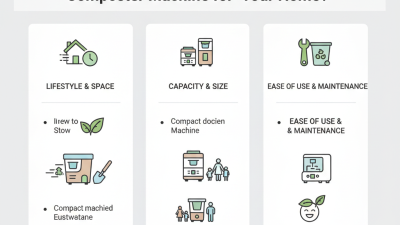
Assessing Your Kitchen Space for a Countertop Composter
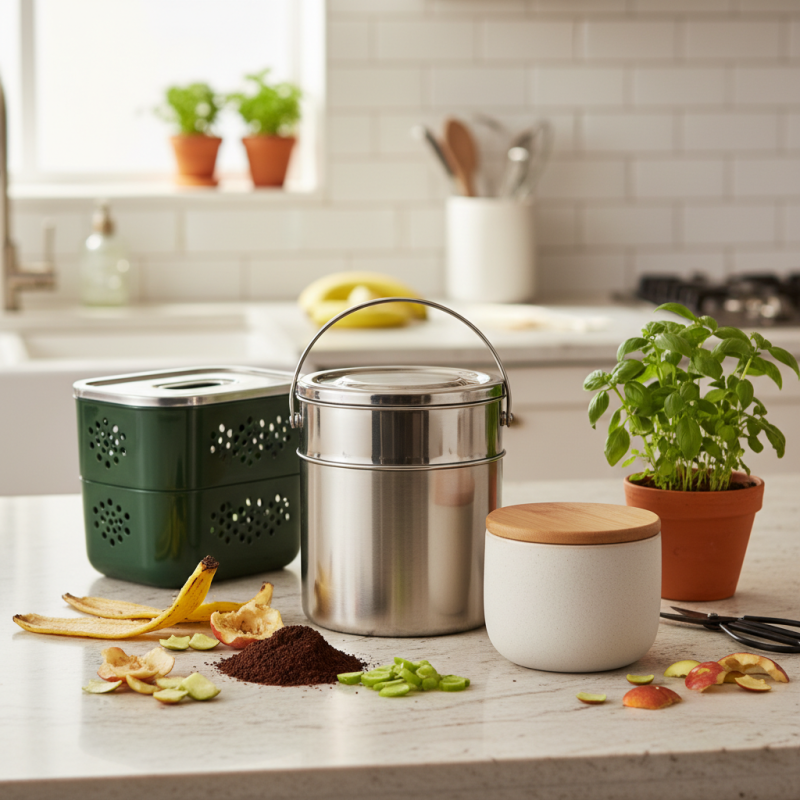
When looking for a countertop composter, assessing your kitchen space is crucial. Kitchen sizes can vary greatly, with nearly 60% of American homes containing smaller kitchens than the typical size. A large composter may overwhelm a tight space, making it essential to measure counters accurately.
Consider the shape and layout of your kitchen. A rectangular composter may fit better in a long, narrow space, while a round one might suit a corner area. According to the Environmental Protection Agency (EPA), composting can reduce household waste by up to 30%. Therefore, a well-placed composter can maximize your waste diversion efforts without cluttering space.
Additionally, think about accessibility and convenience. A composter should be easy to reach while preparing meals. Many users find that if their composter is too far from prep areas, they're less likely to use it consistently. This lack of accessibility can hinder composting efforts. Ultimately, the right composter should fit seamlessly into your kitchen lifestyle, encouraging sustainable practices.
Comparison of Kitchen Space for Countertop Composters
Understanding Different Types of Countertop Composters Available
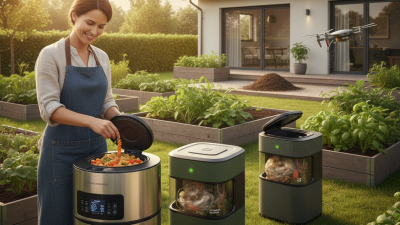
When selecting a countertop composter, understanding the available types is crucial. There are several popular options. Electric composters are efficient. They utilize heat and aeration to accelerate the composting process. This method can reduce your composting time to just a few hours. In fact, studies show that electric models can reduce waste by up to 90%.
On the other hand, manual composters, like bokashi systems, rely on anaerobic fermentation. They can handle a broader variety of kitchen scraps, including dairy and meat. This method is slower but allows composting in small urban spaces. Research indicates that 25% of residential food waste is compostable. Choosing the right composter aligns with personal needs and kitchen habits.
Countertop composters also vary in size and design. Some models are compact and designed for limited spaces, while others have larger capacities. An ideal composter fits seamlessly into your kitchen. It should accommodate your waste output without becoming an eyesore. Consideration of odors is essential. Many people underestimate this aspect. Proper ventilation and sealing are essential to prevent unpleasant smells. Choosing the right model can make your composting experience both effective and pleasant.
Identifying Key Features to Look for in a Composter
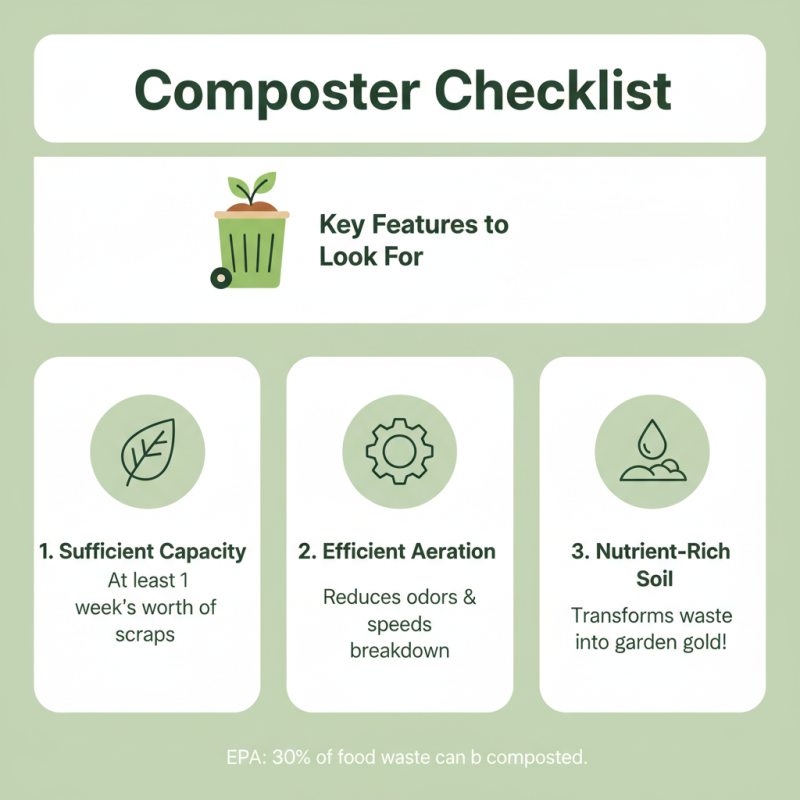
When selecting a countertop composter, it's essential to focus on key features that enhance usability. A study by the Environmental Protection Agency indicates that 30% of food waste could be composted, transforming leftovers into valuable nutrient-rich soil. Look for models with sufficient capacity. A unit that holds at least a week’s worth of scraps is ideal for busy kitchens.
Odor control is crucial. Efficient composters often have carbon filters. These filters help to manage smells effectively. Additionally, ease of use is vital. Opt for designs that offer convenient access for adding materials and turning compost. Many industry experts recommend a composter with an easy-to-clean design. This ensures that maintaining hygiene is less of a hassle.
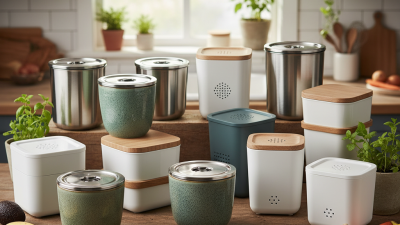
Materials matter too. Durable plastics are easier to clean, but consider wooden options. Wood can blend better with kitchen aesthetics. While some products are naturally resistant to insects, wood still requires more maintenance. Reflecting on personal preferences can lead to the best choice. Each home has unique needs. Identifying these can make a significant difference in your composting experience.
Evaluating Composting Capacity and Maintenance Requirements
When selecting a countertop composter, evaluating composting capacity is crucial. A well-known industry report indicates that approximately 30% of kitchen waste can be diverted through composting. Choosing a unit with sufficient capacity helps you effectively reduce this waste. Standard countertop composters typically have a volume ranging from 1.5 to 5 gallons. Consider your household size and waste production when making your choice.
Smaller households may manage well with a 1.5-gallon composter, while larger families could benefit from a 5-gallon option.
Maintenance requirements are another significant factor. Many composters need regular turning to aerate the material, which can be time-consuming. Reports show that neglecting aeration can slow down the composting process. Some models feature automatic stirring systems, but they often come at a higher price.
Take note that indoor composters can emit odors if not maintained properly. Monitoring moisture levels and ensuring a balanced mix of greens and browns is essential. A lack of attention in these areas can lead to unappealing smells or slow composting. Understanding these aspects will help in selecting a suitable composter for your kitchen.
Comparing Costs and Brands for Optimal Value
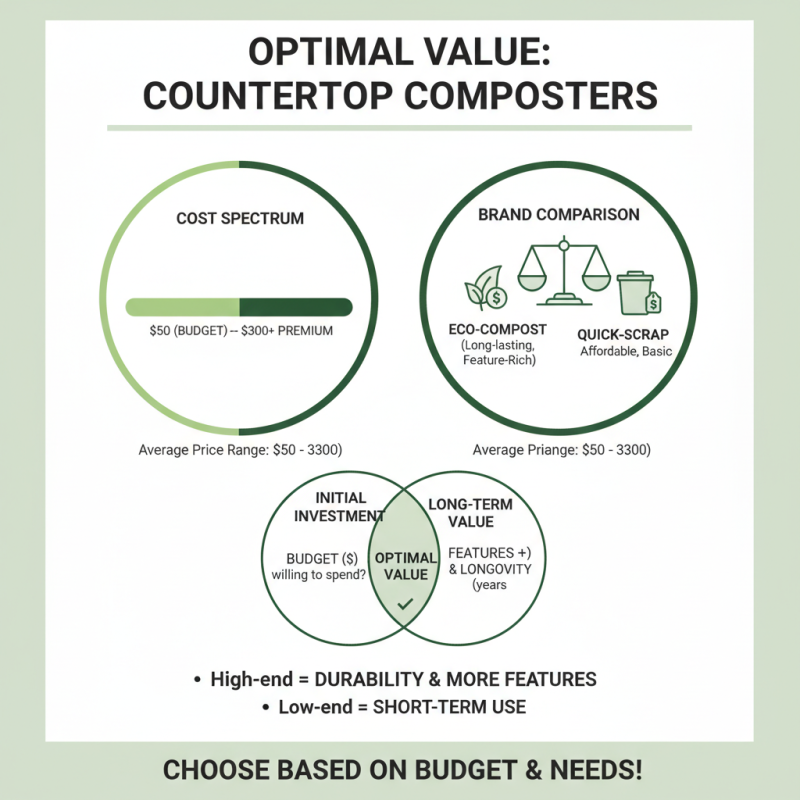
When selecting a countertop composter, cost and brand comparisons play a pivotal role. A recent survey indicates that the average price range for high-quality countertop composters is between $50 and $300. Understanding your budget is essential. Many consumers often overlook how much they are willing to invest initially. A more expensive model may offer superior features and longevity, while budget-friendly options may suffice for short-term use.
Brand reputation is another critical factor. According to industry reports, composters with high customer satisfaction ratings tend to be more reliable. Finding a product with numerous positive reviews often suggests better functionality. However, consumers should be cautious. Not every highly-rated brand guarantees satisfaction over time. Some cheaper models receive high marks for efficiency but fail on durability.
Considering the materials used in construction is vital. Composters made of hard plastics or stainless steel generally ensure longevity but vary significantly in price. Reports show that users often prefer stainless steel models for their aesthetic appeal and ease of cleaning. Yet, this option often comes at a premium. Balancing cost and quality can be challenging. Emphasizing the importance of thorough research can often lead to better long-term investments in countertop composting solutions.

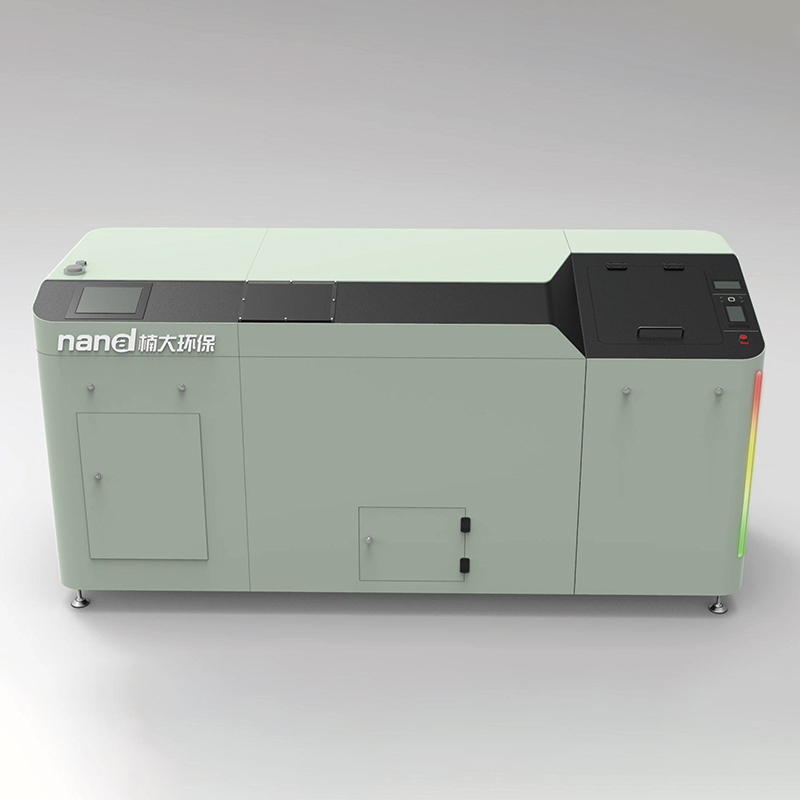 Nanda Trans Series-200
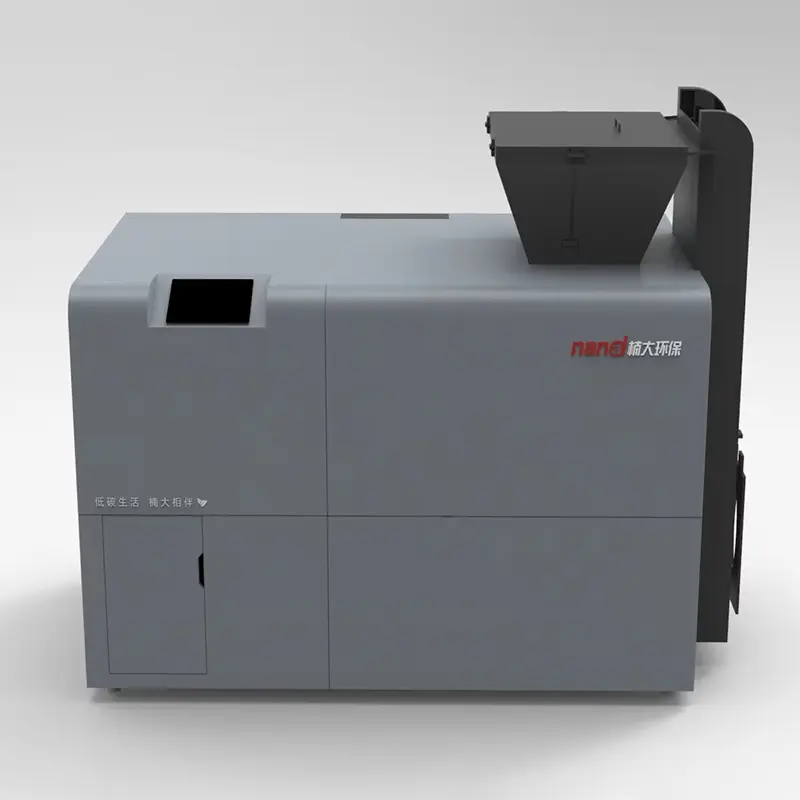 Nanda Trans Series-500
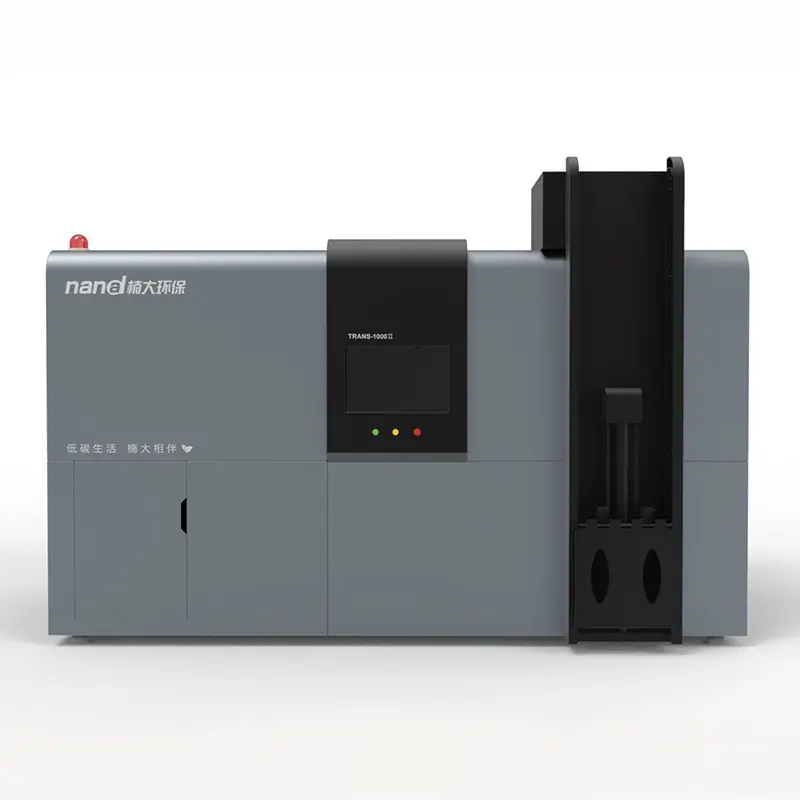 Nanda Trans Series-1000
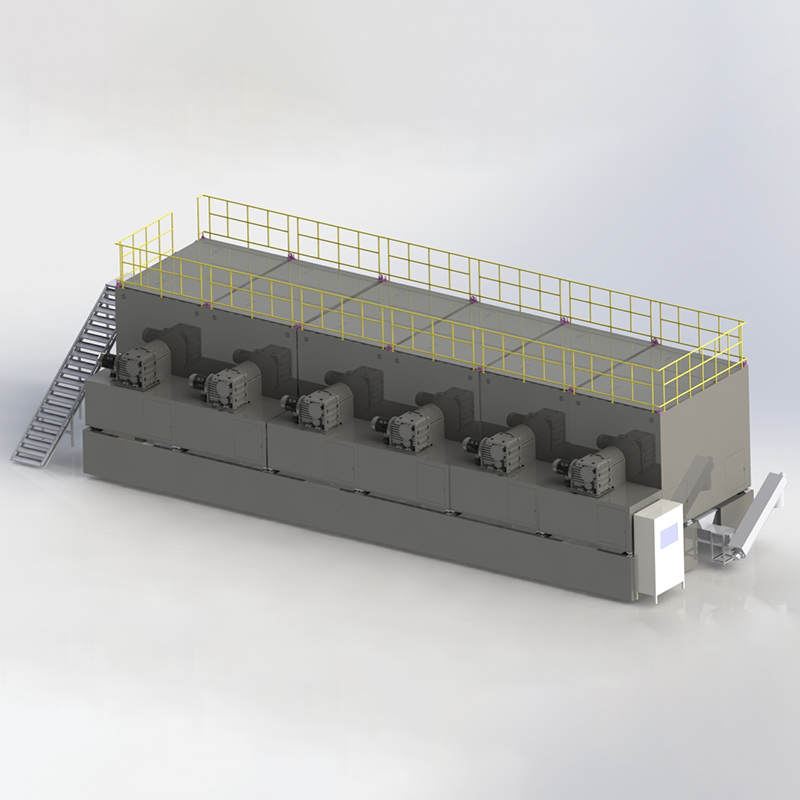 Nanda Trans Series-30000
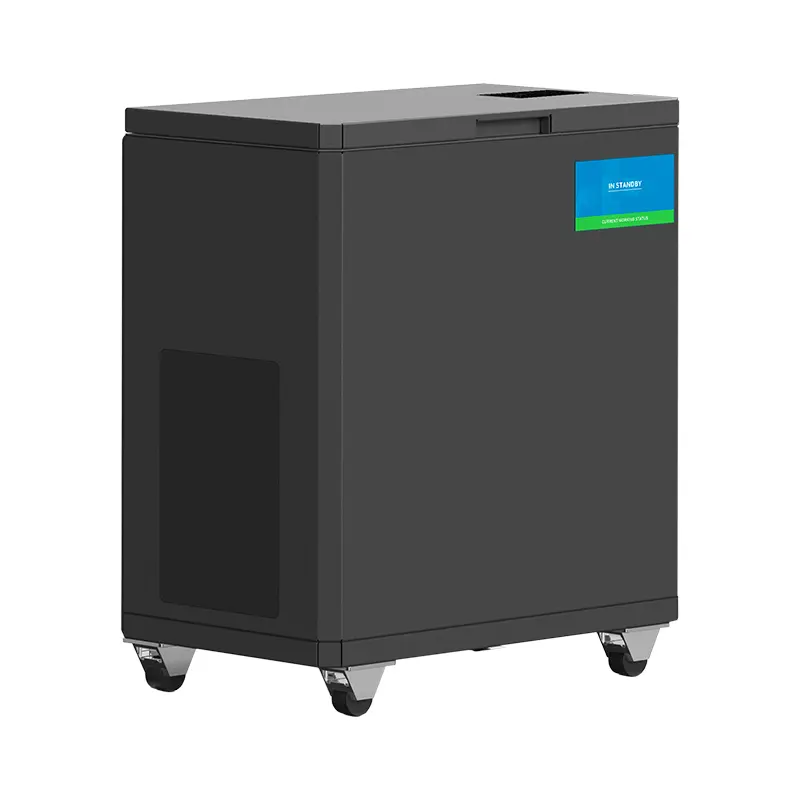 Nanda Thermax Series-100
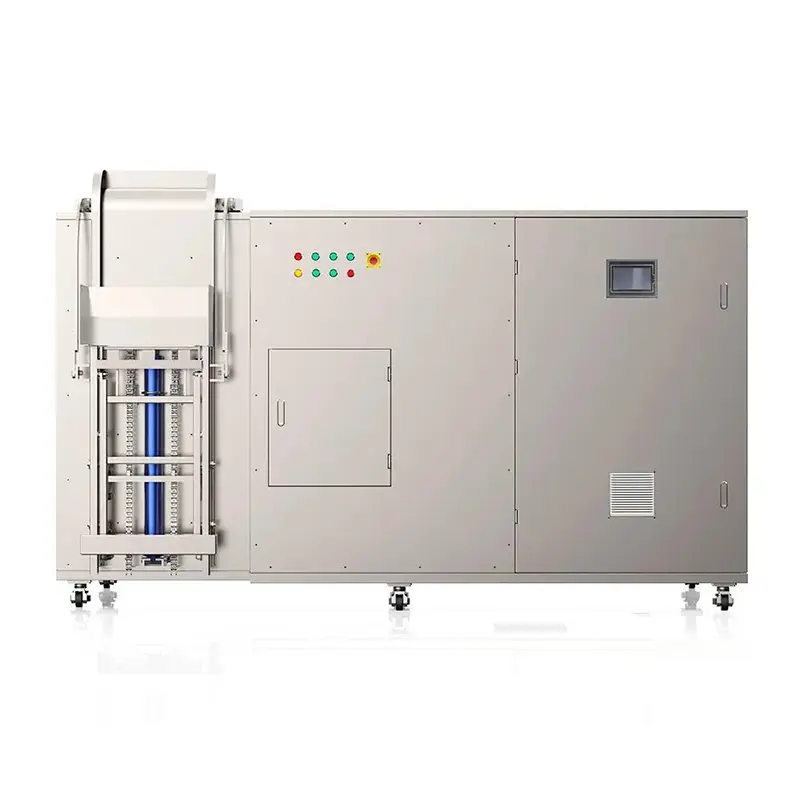 Nanda Thermax Series-200
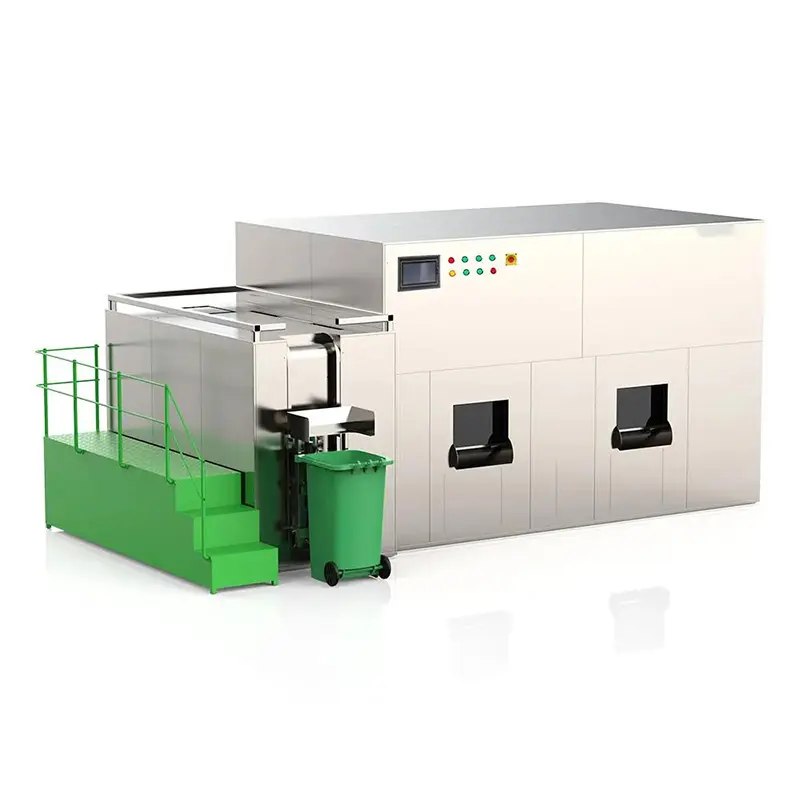 Nanda Thermax Series-2000
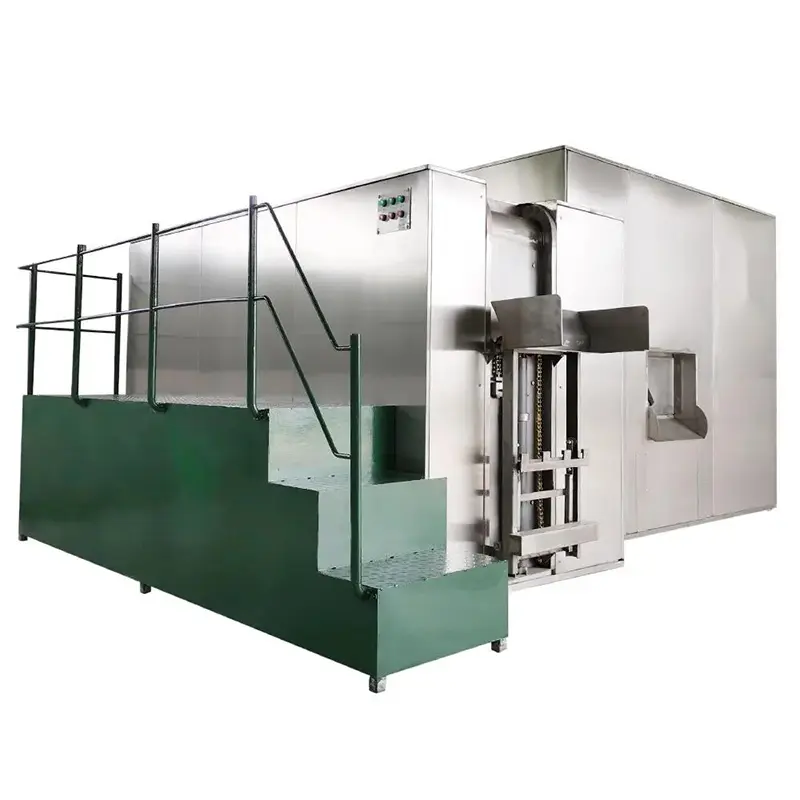 Nanda Thermax Series-10000
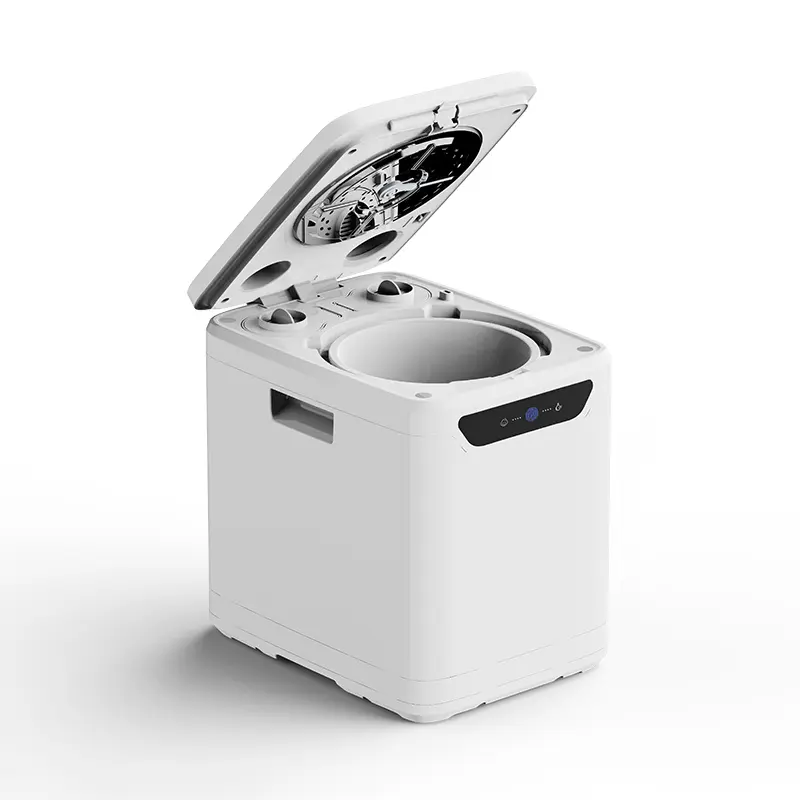 Nanda Turbo Series-3.5L-016
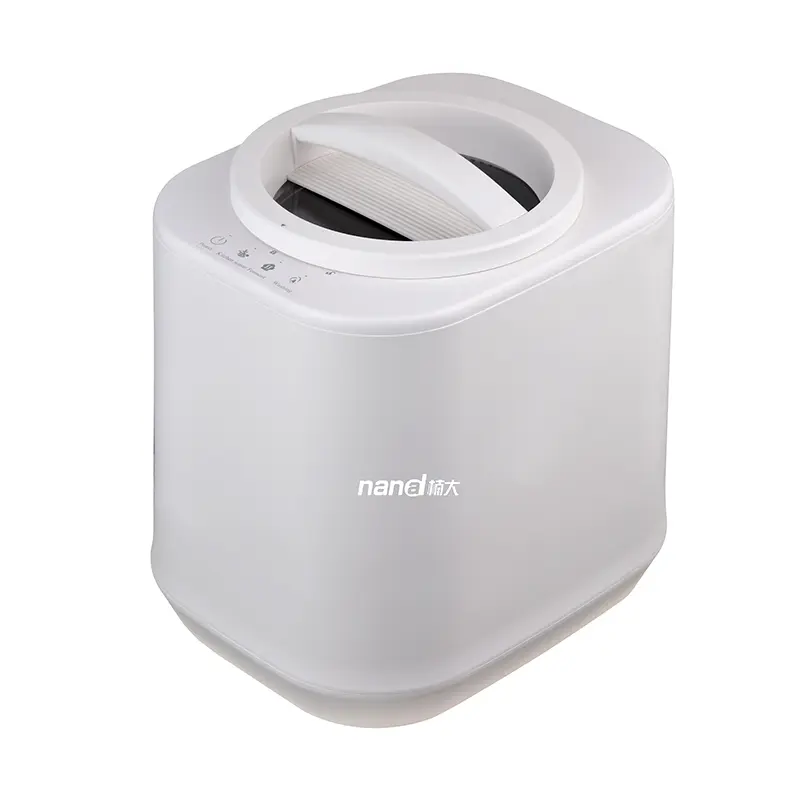 Nanda-Turbo Series-4L-011
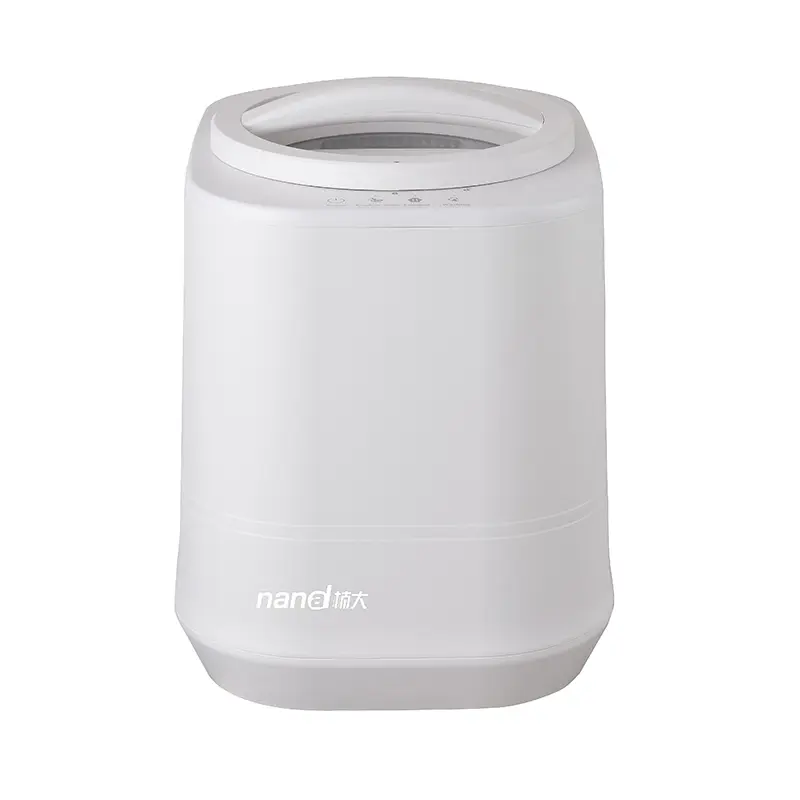 Nanda Turbo Series-4L-012
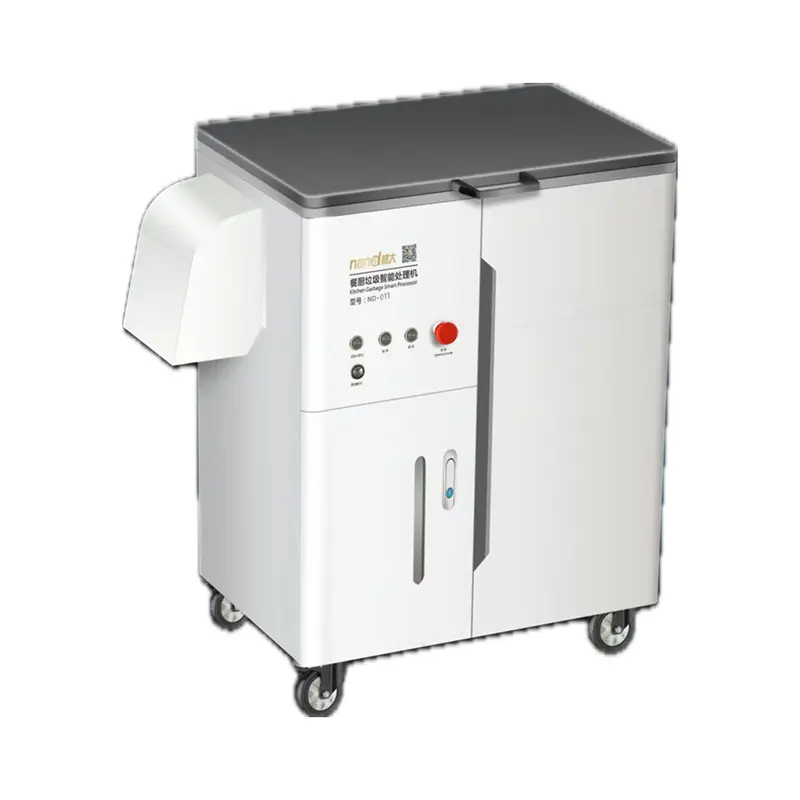 Oil-Water Separator