How to Choose the Best Food Garburator for Your Kitchen Needs
When it comes to maintaining a clean and efficient kitchen, a Food Garburator can be an invaluable addition. Designed to grind food waste into fine particles, these devices minimize clutter in your kitchen and help to reduce the amount of waste sent to landfills. However, with a variety of options available on the market, choosing the right Food Garburator for your kitchen needs can be a daunting task.
In this guide, we will explore the key factors to consider when selecting a Food Garburator, including power, durability, and noise levels. Understanding your specific kitchen requirements and waste disposal habits is crucial to making an informed decision. Whether you're dealing with heavy food scraps from family dinners or simply looking to streamline your kitchen cleanup routine, the right Food Garburator can significantly enhance your culinary experience.
By delving into essential features and discussing the best practices for use and maintenance, this article aims to empower you with the knowledge needed to find the perfect Food Garburator that not only meets your kitchen needs but also complements your lifestyle.

Understanding Food Garburators and Their Functionality
Food garburators, also known as garbage disposals, are essential appliances in modern kitchens, designed to simplify the disposal of food waste. These devices function by grinding up food scraps into small pieces that can easily pass through plumbing systems, thus reducing landfill waste and contributing to a more sustainable kitchen environment. According to industry reports, about 50% of households in the U.S. use garbage disposals, highlighting their popularity and effectiveness in managing food waste.
When choosing the best food garburator for your kitchen, it's important to consider various features and functionality. For instance, the power and horsepower of the motor directly influence how efficiently the unit can grind different types of food waste. Many models now offer sound insulation technology to minimize noise levels during operation, which is a crucial factor for homeowners who value a quieter kitchen experience. Moreover, advanced grinding mechanisms are capable of handling fibrous materials, such as vegetable peels, which can often be problematic for less powerful models. With options ranging from compact designs suitable for small kitchens to heavy-duty disposals built for larger households, understanding these functionalities can help you select the perfect garburator tailored to your specific needs.
Comparison of Food Garburator Features
This chart illustrates the average features of food garburators, highlighting important factors such as power, noise level, grinding speed, warranty, and price. Understanding these metrics can help you choose the best garburator for your kitchen needs.
Key Features to Look for When Choosing a Garburator
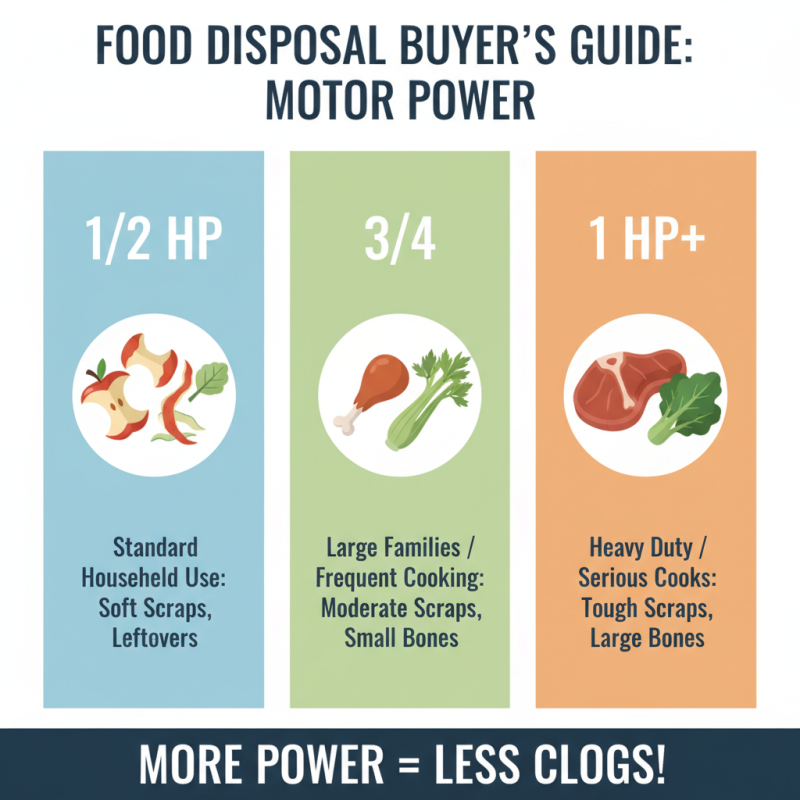
When selecting the best food garburator for your kitchen, several key features should influence your decision. First and foremost, consider the motor power, which is typically measured in horsepower (HP). A more powerful motor can handle tougher food scraps, such as bones and fibrous vegetables, ensuring efficient grinding and reducing the risk of clogs. For most household needs, a 1/2 HP motor is sufficient, but if you have a large family or frequently prepare meals with a lot of waste, opting for a 3/4 HP or 1 HP model may be wise.
Another essential feature to look for is the grinding mechanism. Continuous feed models allow you to add waste while the unit is running, which can be convenient for busy kitchens. On the other hand, batch feed models require you to cover the drain before starting, which can be safer for households with small children. Additionally, pay attention to noise levels; quieter models often have sound insulation features that can minimize disruptions in your kitchen. Choosing a garburator that balances power, functionality, and noise reduction will enhance your kitchen experience significantly.
Assessing Your Kitchen Size and Waste Disposal Needs
When selecting a food garburator, the first step is to assess your kitchen size. In a small kitchen, space can be limited, making it essential to choose a compact model that fits beneath the sink without impeding cabinet space. A unit that is integrated seamlessly can help maintain the aesthetic of your kitchen while ensuring functionality.
In contrast, larger kitchens can accommodate more robust models with higher horsepower, which can handle greater volumes of waste and provide more efficient grinding.
Next, consider your household's waste disposal needs. If you frequently prepare large meals or have a large family, a high-capacity garburator with multiple grinding levels will be beneficial. On the other hand, if your usage is minimal, a standard model with basic features may suffice.
Additionally, think about the types of food waste you typically generate—certain garburators are designed to handle fibrous materials or hard items better than others. Evaluating these factors will lead you to the best choice tailored to your kitchen needs, resulting in a more efficient and enjoyable cooking experience.
Comparing Different Types of Food Garburators
When comparing different types of food garburators, it is essential to consider their power and durability.
Standard models often have a 1/2 to 3/4 horsepower motor, suitable for light kitchen waste. However, for households that generate larger amounts of food scraps or tougher items like bones, selecting a garburator with a 1 horsepower motor or higher can provide more efficiency and longevity. Additionally, look for stainless steel components, which are more resistant to corrosion and wear, ensuring your garburator lasts longer.
Tip: Before purchasing, assess your kitchen waste production. If you frequently prepare meals or are a fan of cooking, a more robust model may serve you better in the long run.
Another important factor to compare is the noise level of the garburator. Some models feature sound insulation technology that minimizes operational noise, which can be a significant consideration if you have a busy household. Alongside sound levels, consider the types of materials that can be safely processed. Many high-end models can handle various waste types, including fibrous vegetables and small bones, increasing their functionality.
Tip: Read user reviews to gauge the performance of different garburators, particularly about noise and waste capacity, to find a model that aligns with your lifestyle and kitchen needs.
Maintenance Tips for Longevity of Your Garburator
Proper maintenance is essential for ensuring the longevity of your food garburator. One of the key practices is to regularly clean the unit. This can be done by running cold water through the garburator while it operates, followed by a handful of ice cubes and a quarter of a lemon.
The ice will help dislodge any built-up debris, while the lemon will neutralize odors and leave a fresh scent. Doing this once a week can maintain optimal performance and prevent clogs.
Additionally, avoid putting fibrous materials, oils, or starchy foods down the garburator, as these can lead to jams and build-up. When using your garburator, always run cold water for about 30 seconds before and after grinding food waste to aid in flushing down solid particles. If you notice any unusual sounds or slowing down of the motor, address these issues promptly, as they can be indicative of larger problems that could lead to breakdowns.
Regular checks and maintenance can go a long way in extending the life of your garburator and keeping your kitchen running smoothly.

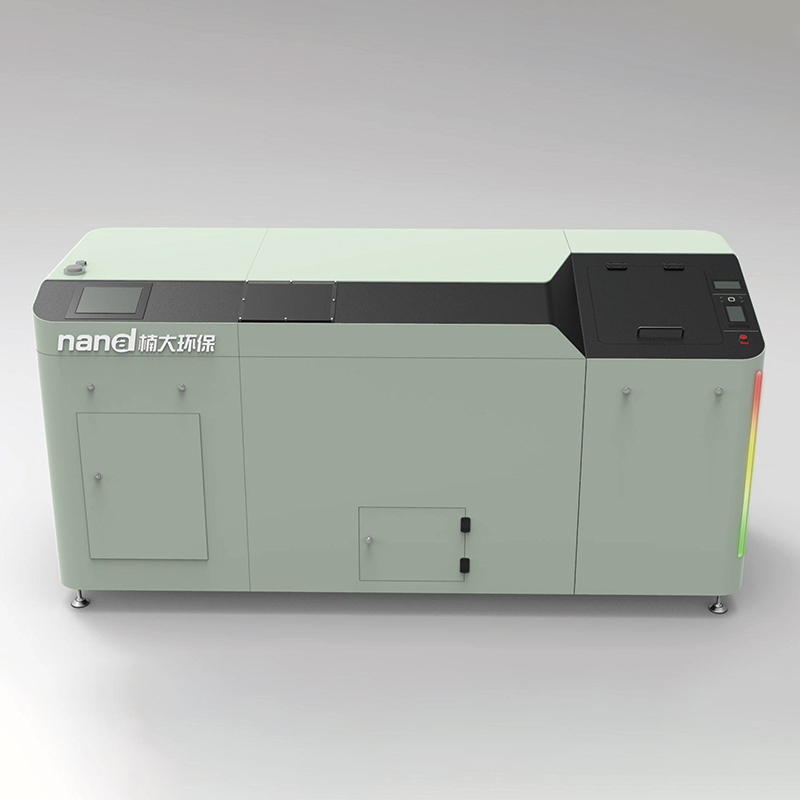 Nanda Trans Series-200
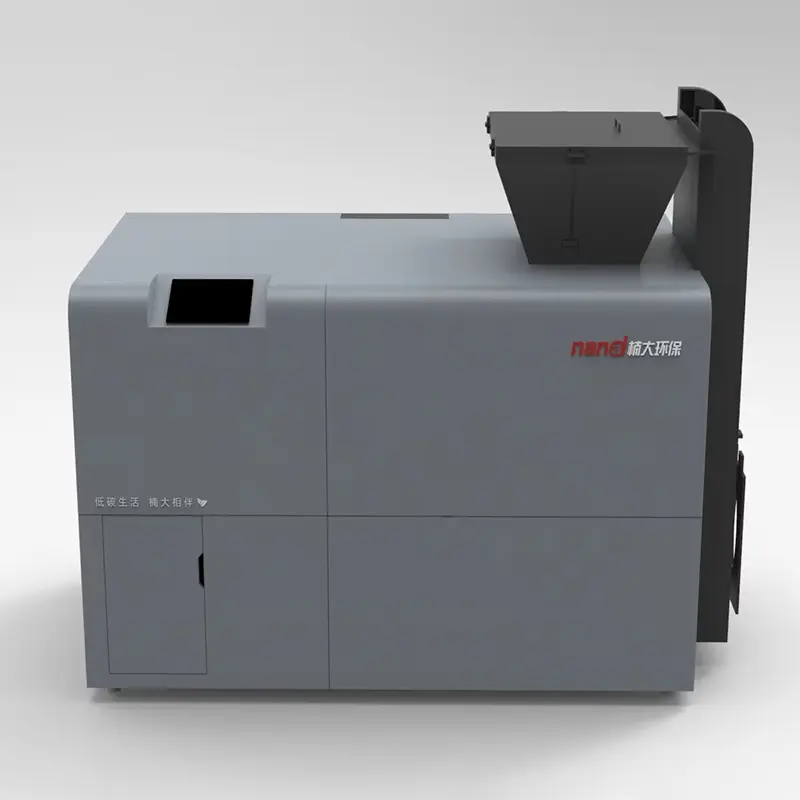 Nanda Trans Series-500
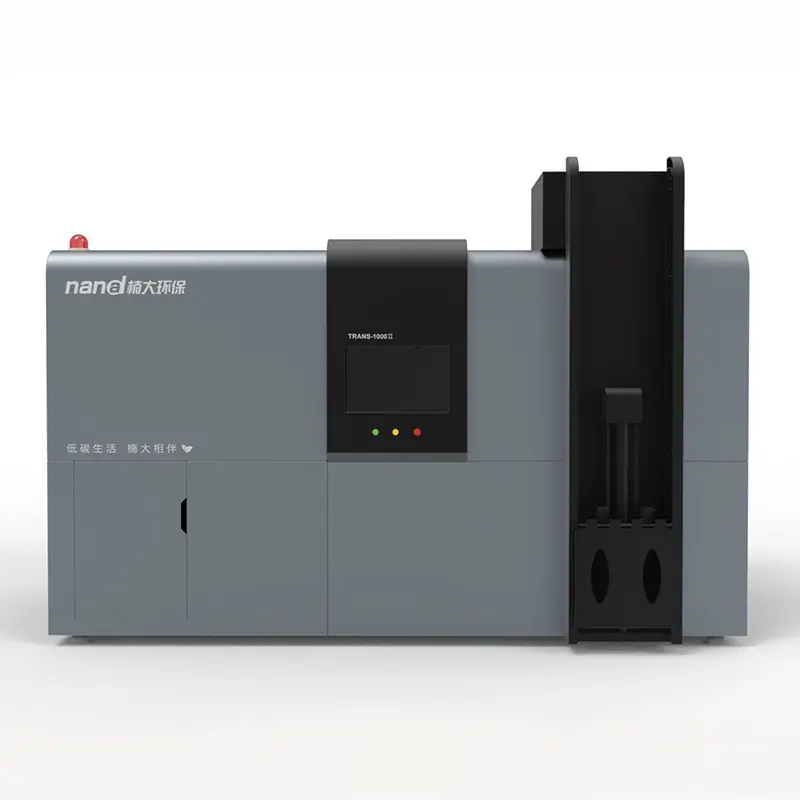 Nanda Trans Series-1000
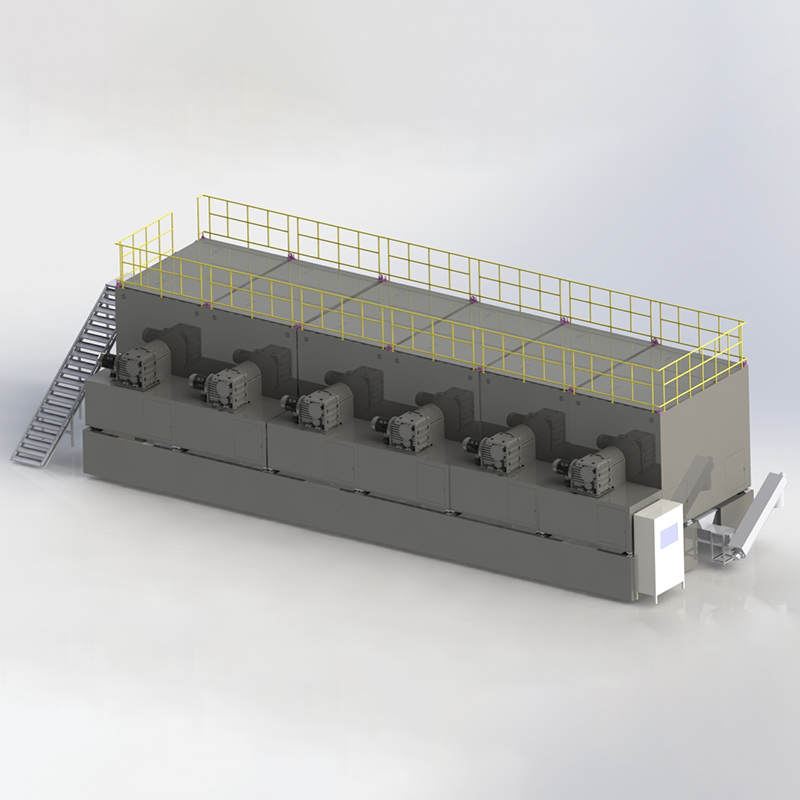 Nanda Trans Series-30000
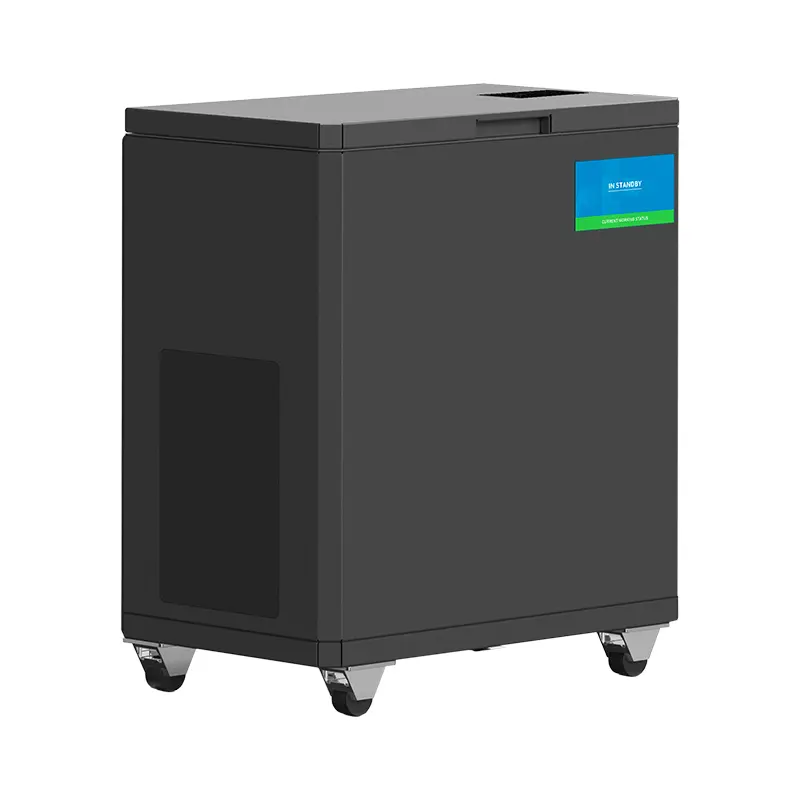 Nanda Thermax Series-100
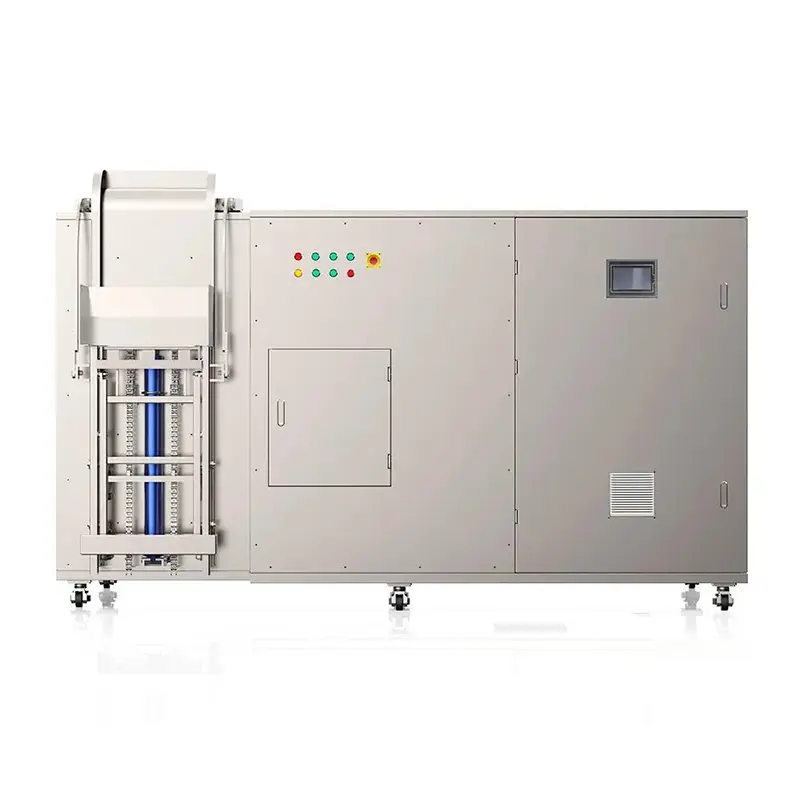 Nanda Thermax Series-200
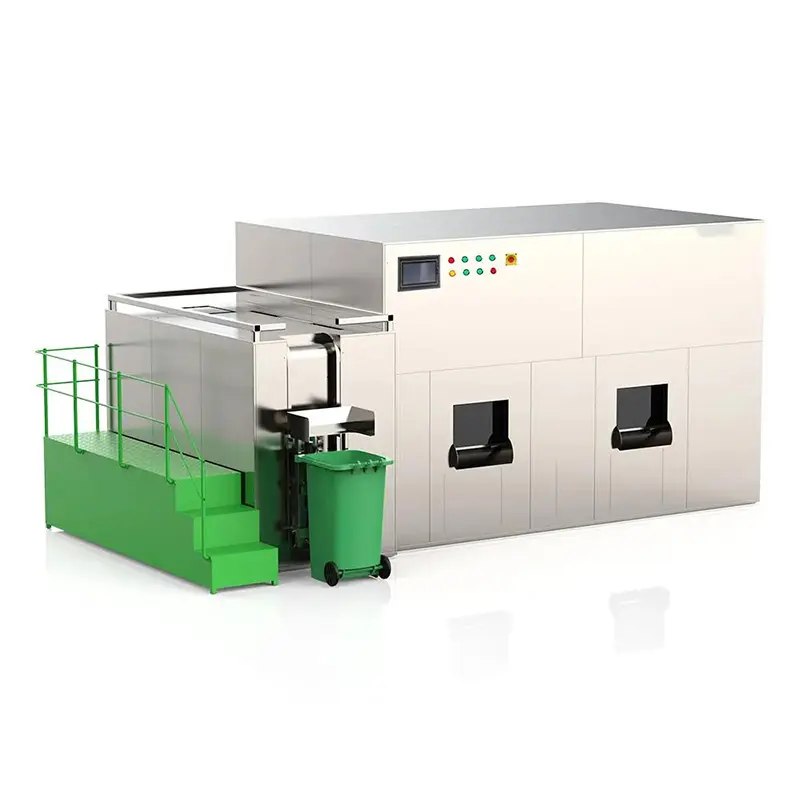 Nanda Thermax Series-2000
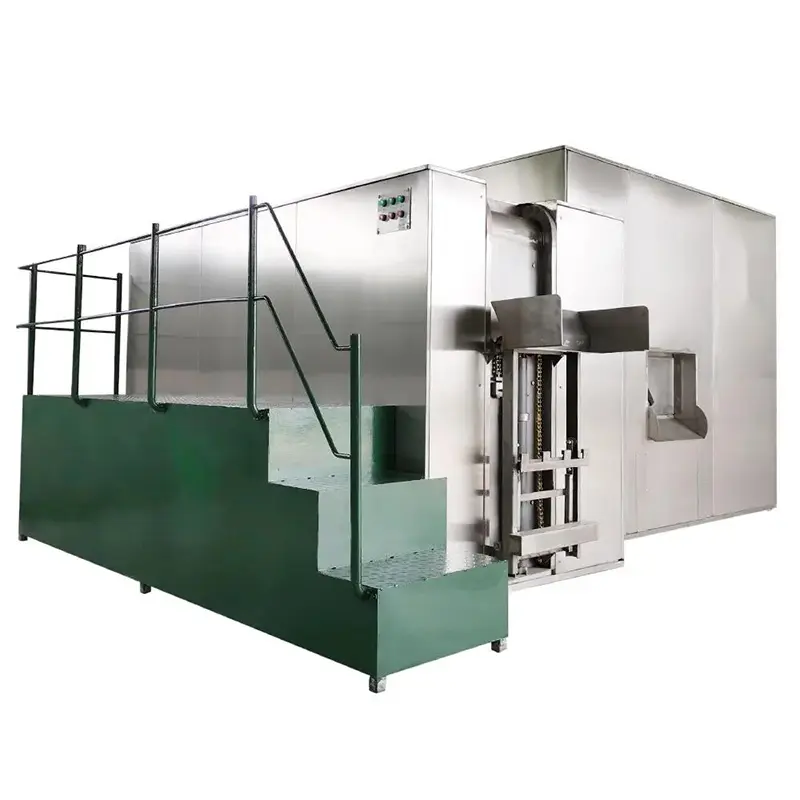 Nanda Thermax Series-10000
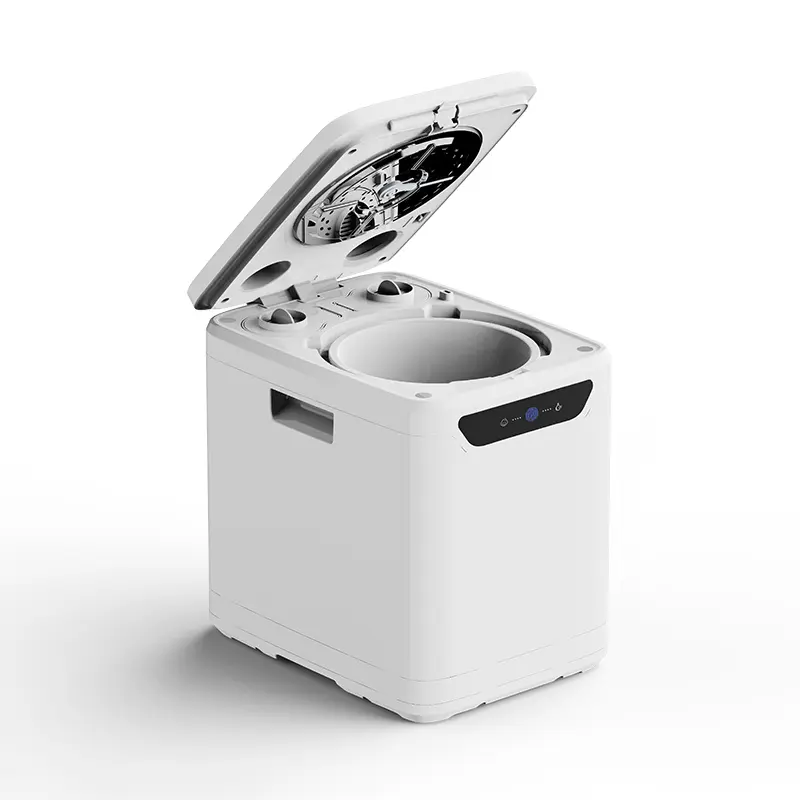 Nanda Turbo Series-3.5L-016
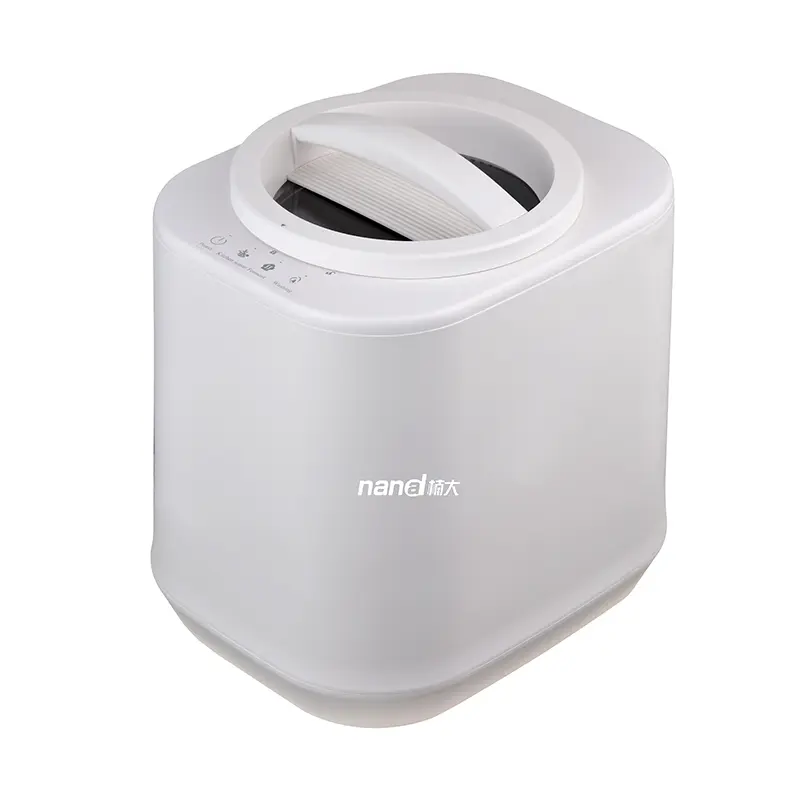 Nanda-Turbo Series-4L-011
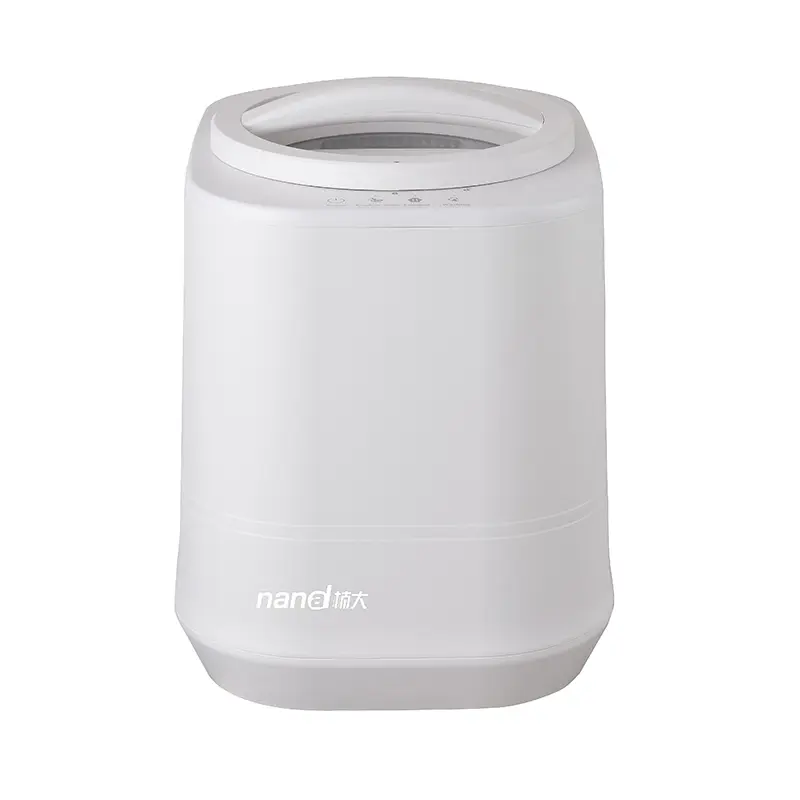 Nanda Turbo Series-4L-012
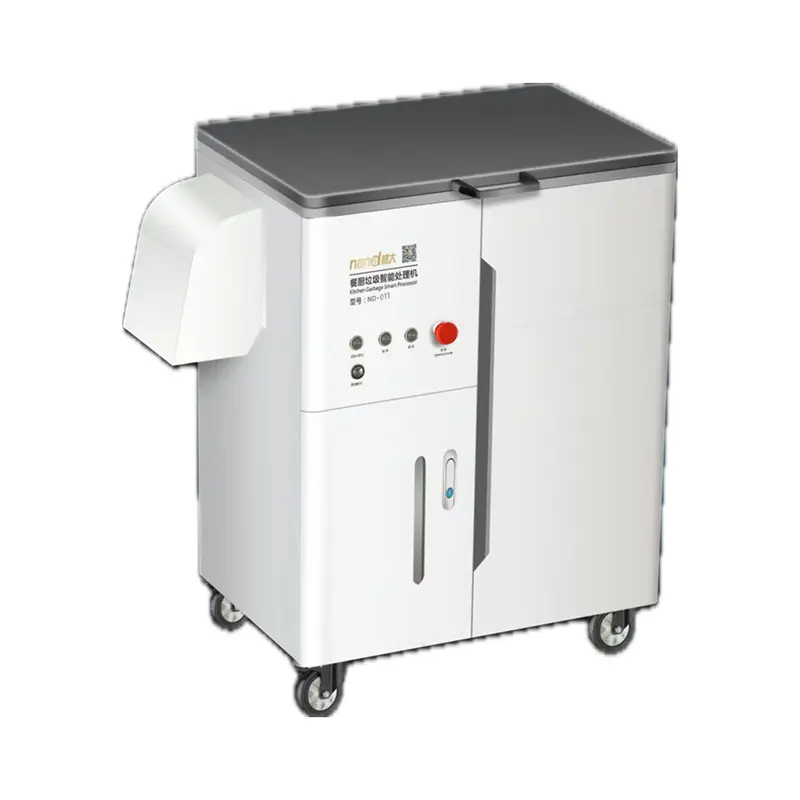 Oil-Water Separator