2026 How to Choose the Best Kitchen Waste Container for Your Home?
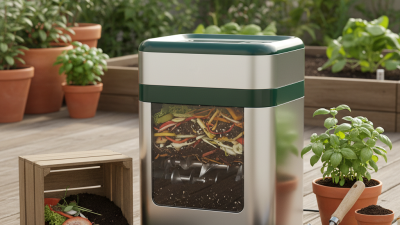
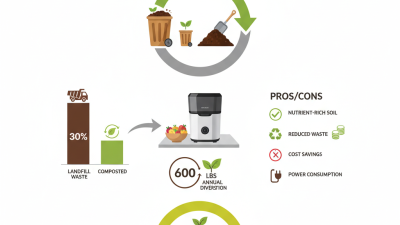
Choosing the right Kitchen Waste Container is essential for effective waste management at home. With over 30% of household waste consisting of organic materials, a suitable container can significantly reduce landfill contributions. Industry reports highlight the increasing preference for composting, driven by eco-conscious consumers.
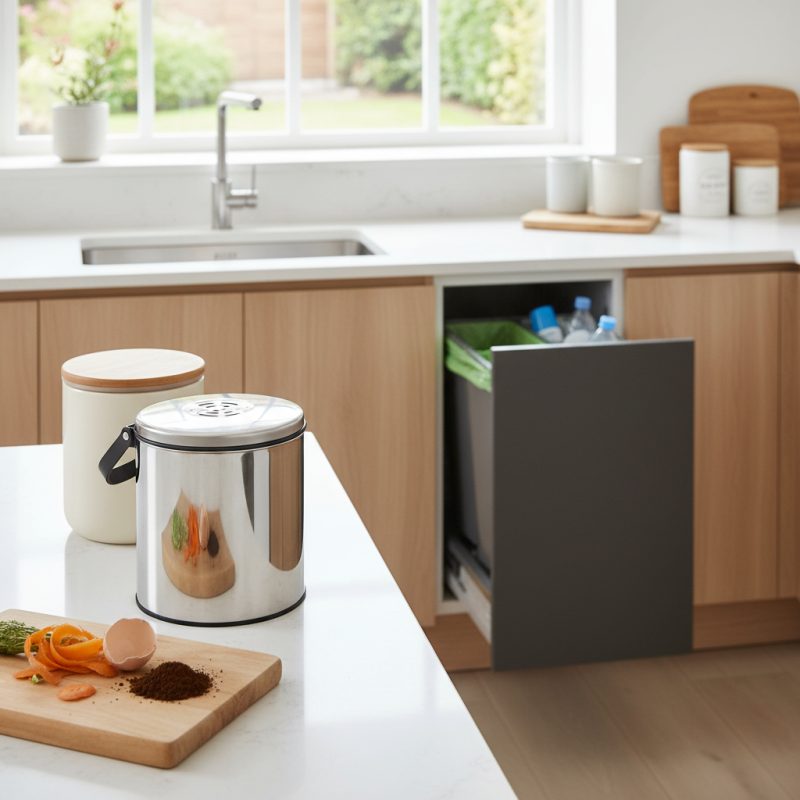
Quality matters when selecting a Kitchen Waste Container. A durable, odor-resistant container not only keeps your kitchen fresh but also encourages proper waste segregation. Many options are available, from sleek countertop models to larger outdoor bins. However, some containers may lack sufficient ventilation, leading to unpleasant odors.
Reflecting on your needs is crucial. Consider the space available in your kitchen and the amount of waste your household generates. A common mistake is underestimating the size required. Ultimately, the right Kitchen Waste Container can enhance your waste management routine and positively impact the environment.
Factors to Consider When Choosing a Kitchen Waste Container
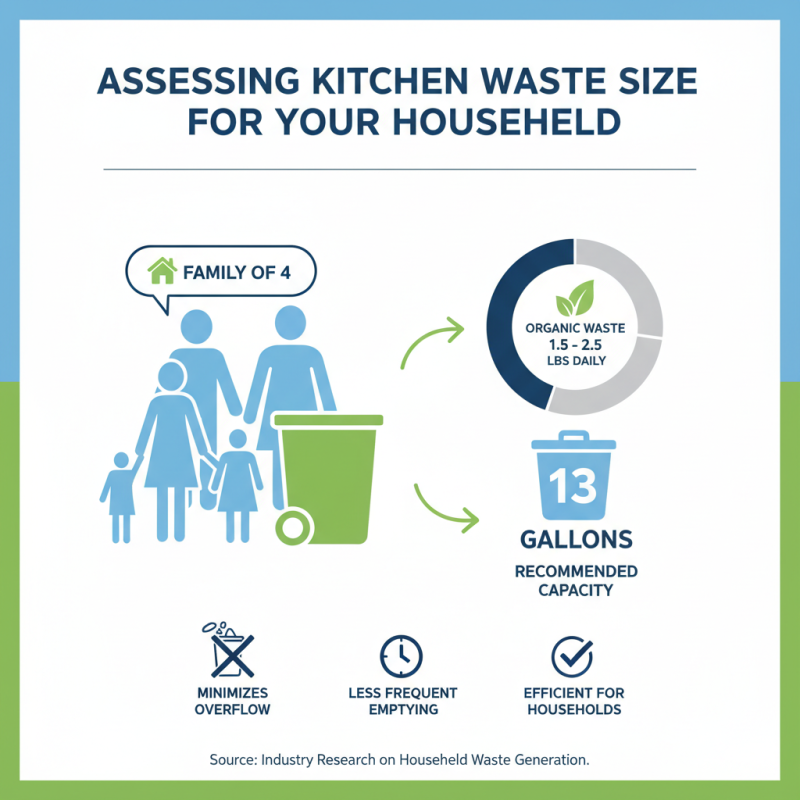
When selecting a kitchen waste container, consider various factors for optimal performance. The size of the container is crucial. A report from the American Cleaning Institute suggests that the average household generates about 4.5 pounds of waste per day. A container that holds at least 13 gallons is often needed for a family of four. Ensure it fits well in your kitchen space without being obtrusive.
Material choice also impacts usability. Stainless steel options are durable and resistant to odors, while plastic containers may trap smells. According to a study by Waste Management Sustainability, around 67% of consumers prefer eco-friendly materials. This preference showcases a growing awareness of environmental issues.
You might also want to consider ease of cleaning. Some designs have smooth interiors that reduce bacteria buildup. However, not every container is easy to maintain. Read user reviews to identify potential pitfalls. You could find complaints about difficult lids or awkward shapes. Balancing functionality with design is essential for a satisfying choice.
Types of Kitchen Waste Containers Available in the Market
When selecting a kitchen waste container, it's essential to understand the various types available on the market. There are primarily three categories: compost bins, recycling containers, and general waste bins.
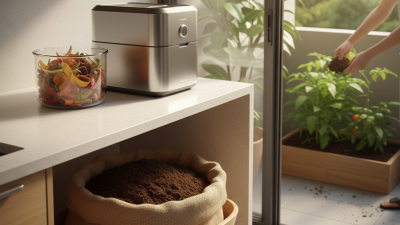
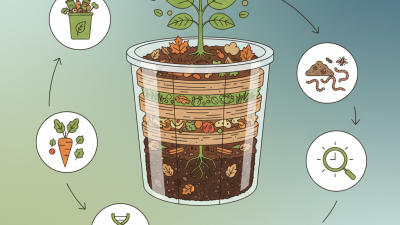
Compost bins are designed to break down organic materials naturally. They can reduce your kitchen waste by about 30%, according to the EPA. This method not only helps the environment but also provides nutrient-rich soil for gardening.
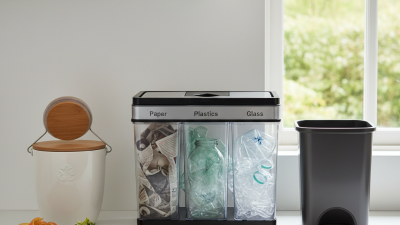
Recycling containers are another vital option, encouraging responsible waste management. Many households use color-coded systems to separate plastics, metals, and paper. Studies indicate that proper recycling can divert about 75% of waste from landfills. General waste bins, however, serve a different purpose. They collect non-recyclable items. Interestingly, many consumers underestimate the contents of these bins. Research shows that almost 50% of what ends up in general waste could be composted or recycled.
The choice of container also matters. Size and design can significantly impact a user's willingness to separate waste. Smaller bins may lead to more frequent disposal, but larger bins might encourage hoarding of refuse.
Think about placement and ergonomics in your kitchen. If a container is inconvenient to access, it may just add to the problem. Balancing aesthetics and functionality can be challenging. Every choice counts toward a greener kitchen.
Material Options: Plastic, Metal, and Compostable Choices
When choosing a kitchen waste container, material matters. Plastic containers are lightweight and easy to clean. They come in various colors and sizes, fitting any aesthetic. However, many plastic options are not biodegradable and contribute to environmental issues. This raises questions about sustainability.
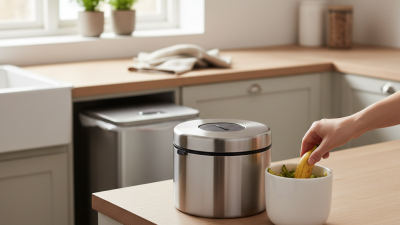
Metal containers offer durability and resistance to odors. Stainless steel is a popular choice, often featuring a sleek design that complements modern kitchens. Yet, metal can be heavy and may rust over time if not properly maintained. It's essential to consider how much effort you’re willing to invest in upkeep.
Compostable options present an eco-friendly alternative. Made from plant-based materials, they break down naturally. This choice encourages responsible waste disposal. However, some compostable products may not hold up well against moisture or heavy waste. Finding the right balance between functionality and sustainability can be challenging. Choosing the best container is not just about convenience; it’s also about aligning with your values and lifestyle.
Maintenance and Cleaning Tips for Your Kitchen Waste Container
Maintaining a clean kitchen waste container is crucial for a healthy home. You should regularly empty the bin to prevent odors and pest infestations. Weekly cleaning can make a significant difference. Use warm water and a gentle detergent to wash it thoroughly. Pay attention to the corners where residue might linger. Sometimes, it’s easy to overlook these areas, but they can harbor bacteria.
Consider using a vinegar solution for extra disinfection. Vinegar is a natural, effective cleaner. Just spray it inside the container and let it sit for a few minutes. Then wipe it down. This can help remove stubborn smells and stains. For harder-to-reach spots, an old toothbrush is helpful.
The type of liner you choose can impact the container’s overall cleanliness. Biodegradable liners are a better option. They break down faster and reduce waste. Yet, they may require more frequent changing, which can be a hassle. Reflecting on this can help you find a balance between convenience and sustainability. Daily practices like rinsing out food residue can save time in the long run. Even small efforts can create a more pleasant kitchen environment.
2026 How to Choose the Best Kitchen Waste Container for Your Home? - Maintenance and Cleaning Tips for Your Kitchen Waste Container
| Feature |
Description |
Maintenance Tips |
Cleaning Frequency |
| Material |
Durable and easy to clean materials like stainless steel or plastic. |
Wipe down with a damp cloth after emptying. |
Weekly |
| Size |
Capacity should fit your household needs - small for singles, larger for families. |
Assess waste output regularly to ensure size is adequate. |
Monthly |
| Odor Control |
Containers with lids and odor-absorbing filters help manage smells. |
Use baking soda or activated charcoal to reduce odors. |
As needed |
| Ease of Access |
Containers should be easily accessible to encourage usage. |
Ensure it's placed in a convenient location in your kitchen. |
Ongoing |
| Eco-friendliness |
Look for compostable or recyclable materials. |
Sort waste into appropriate bins for recycling and composting. |
Monthly |

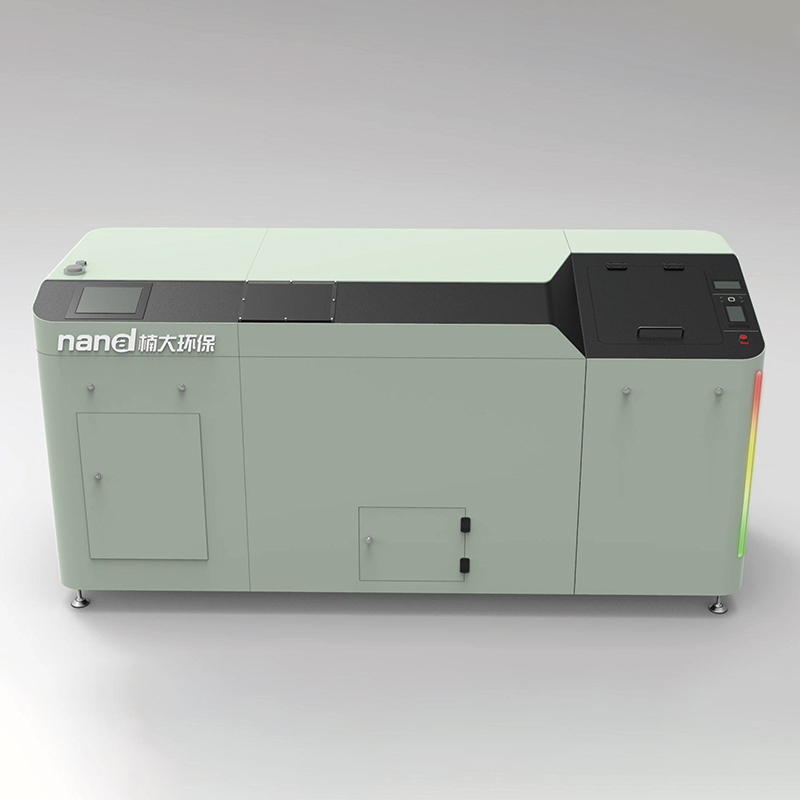 Nanda Trans Series-200
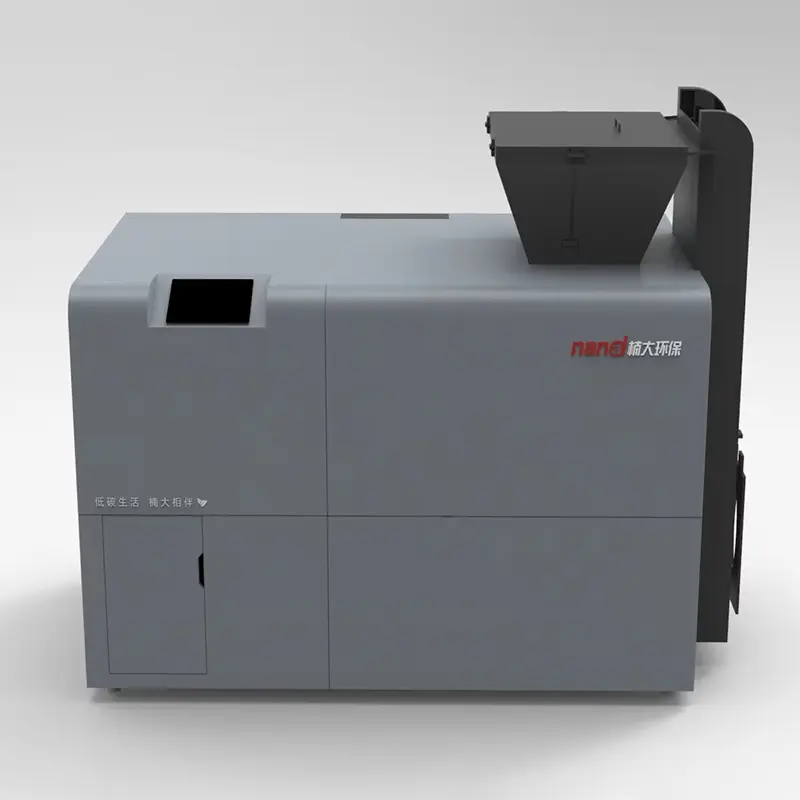 Nanda Trans Series-500
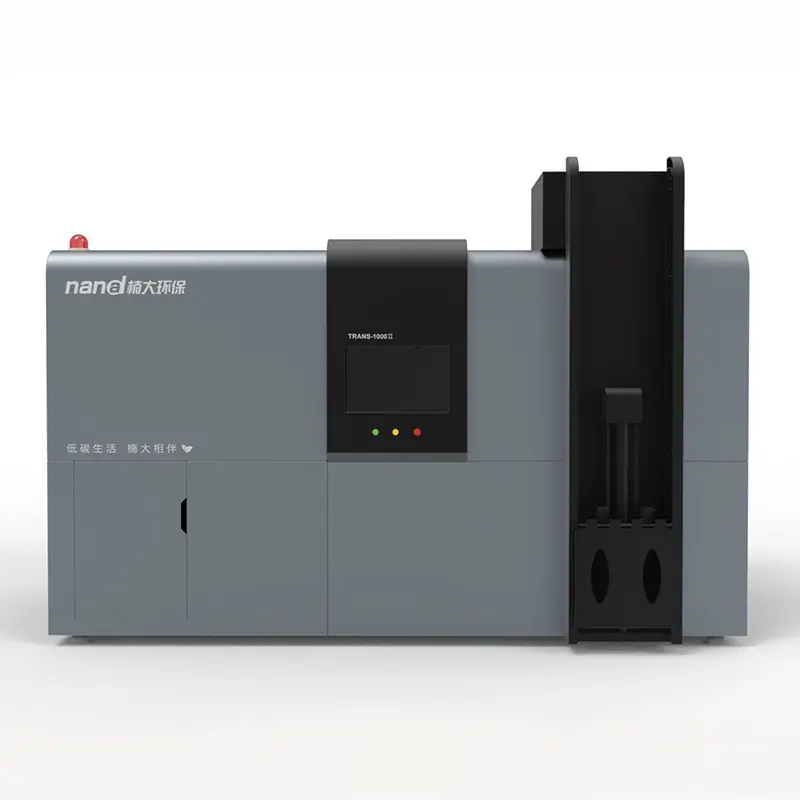 Nanda Trans Series-1000
 Nanda Trans Series-30000
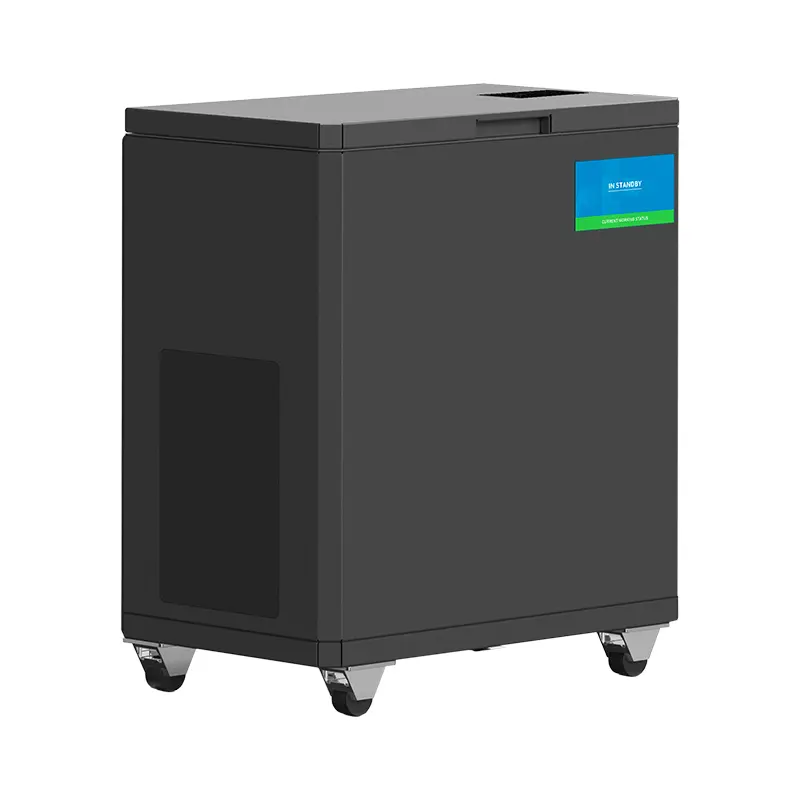 Nanda Thermax Series-100
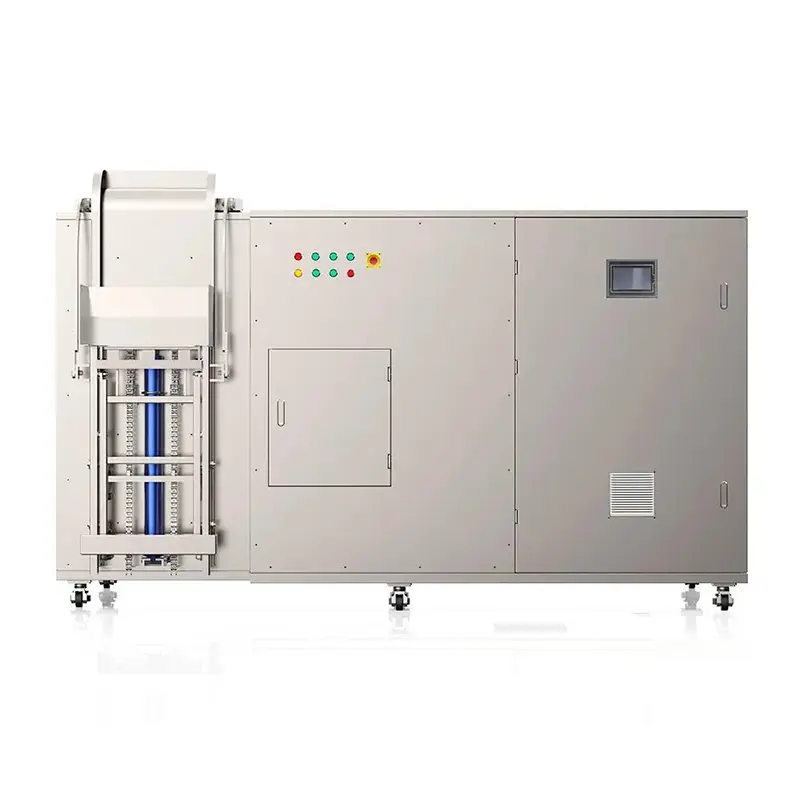 Nanda Thermax Series-200
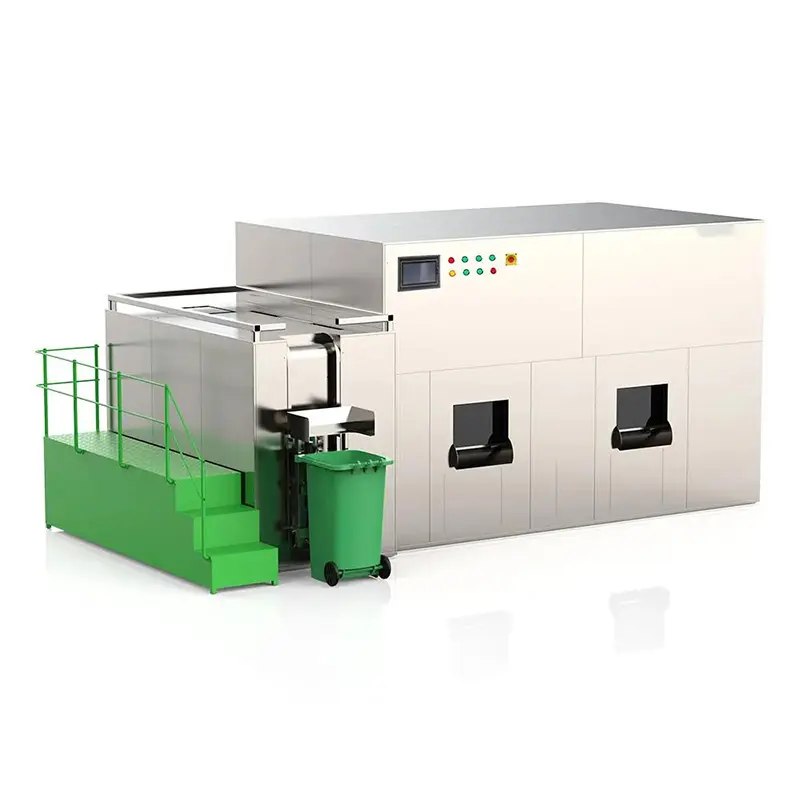 Nanda Thermax Series-2000
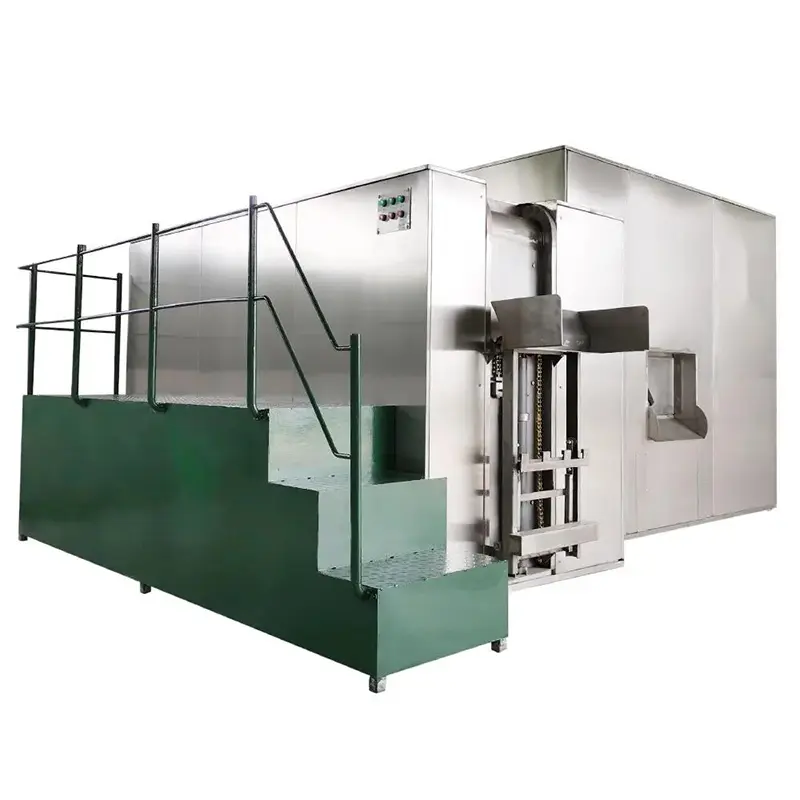 Nanda Thermax Series-10000
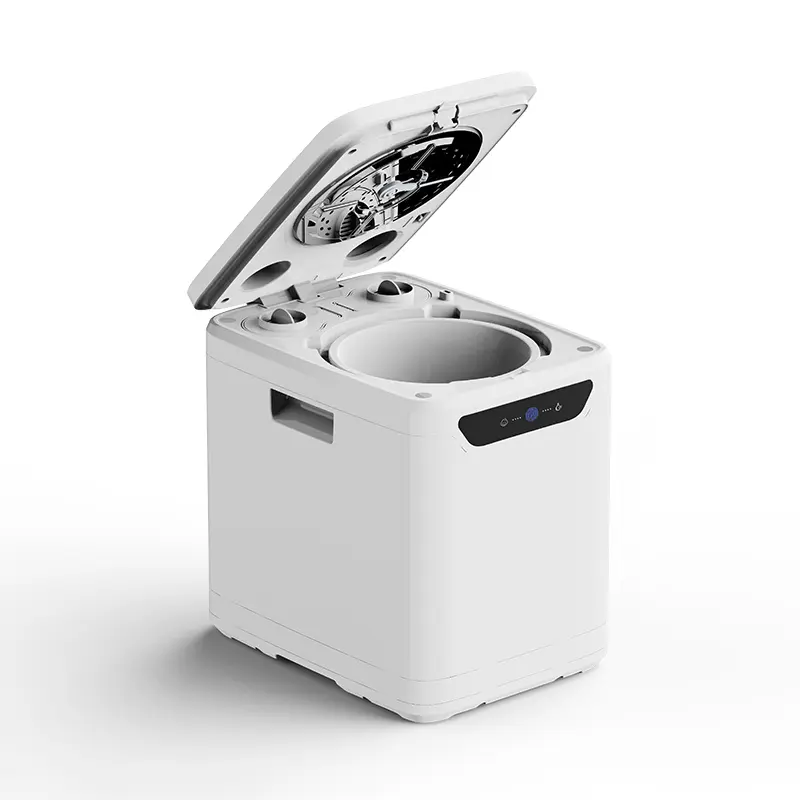 Nanda Turbo Series-3.5L-016
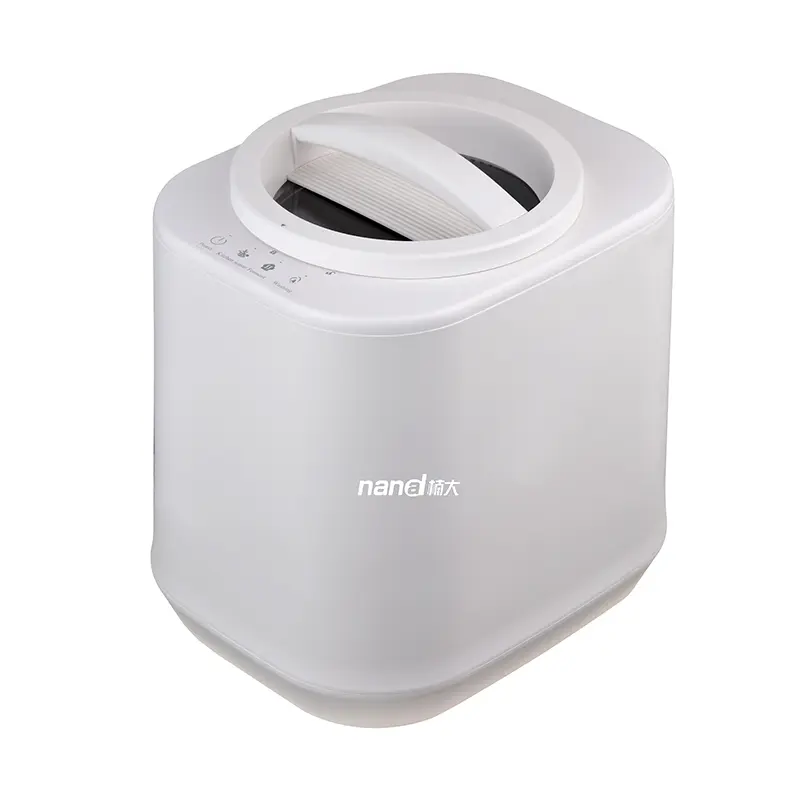 Nanda-Turbo Series-4L-011
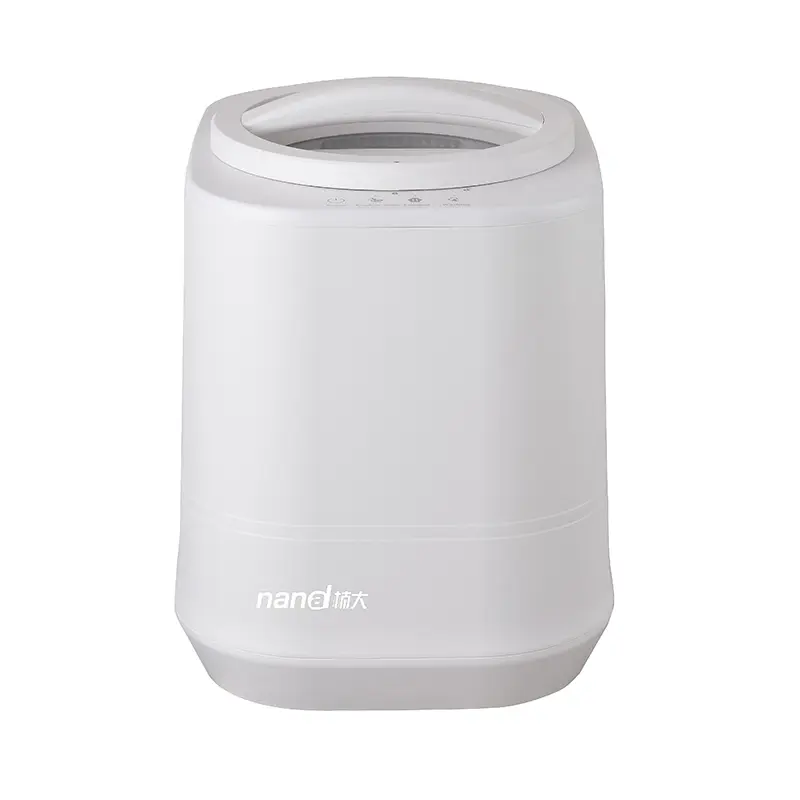 Nanda Turbo Series-4L-012
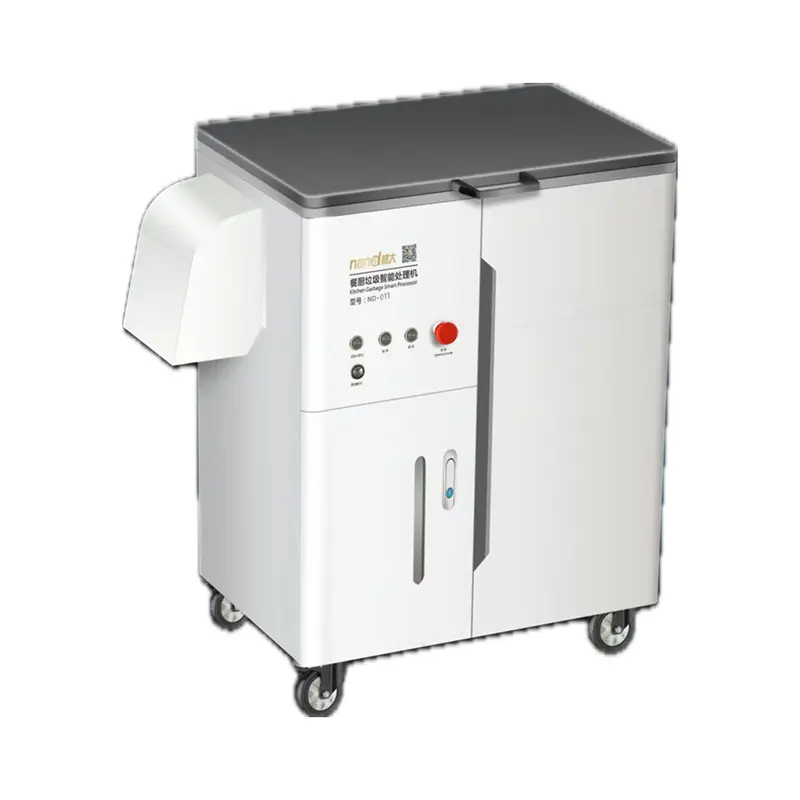 Oil-Water Separator