How to Choose the Best Kitchen Waste Disposer for Your Home?
Choosing the right Kitchen Waste Disposer can be overwhelming. With numerous models available, making an informed choice is essential. According to expert James Sullivan, "A good Kitchen Waste Disposer not only reduces waste but also saves on garbage bags." This highlights the importance of selecting one that fits your needs and home.
Many factors influence the decision. Consider the size and power options. A disposer that is too small may not effectively handle food scraps. Conversely, a high-powered model may not be necessary for smaller households. It's vital to evaluate your kitchen habits. Some accumulations might surprise you.
Additionally, sound levels can affect your kitchen experience. If you have a quiet home, a loud unit can be jarring. Reflect on your usage patterns. Will you constantly use it or only occasionally? The right Kitchen Waste Disposer should balance efficiency and noise. Making these choices wisely can enhance your kitchen's function.
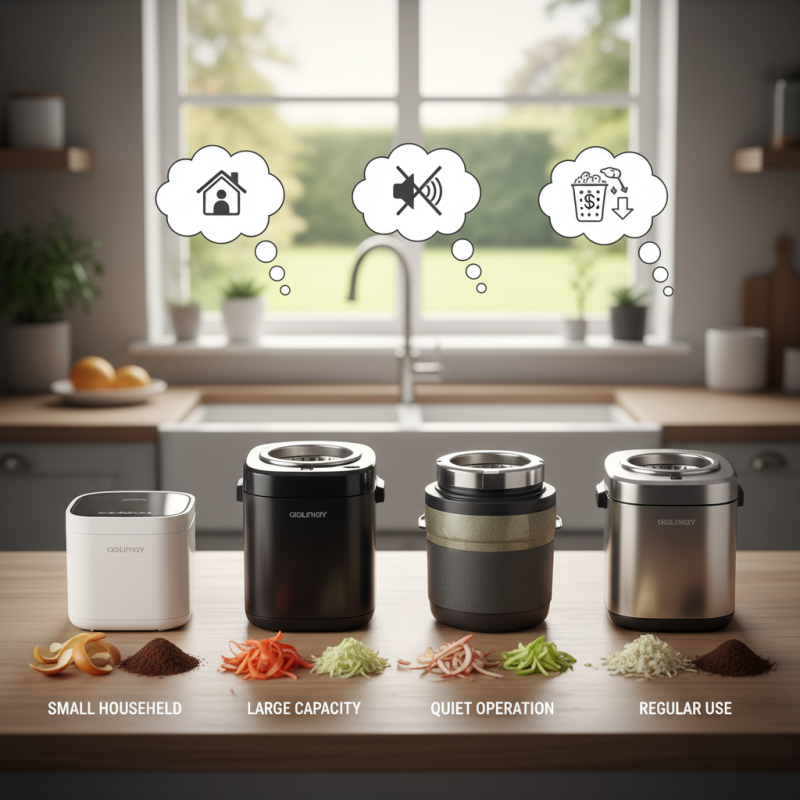
Understanding Kitchen Waste Disposers: Types and Features
When choosing a kitchen waste disposer, understanding the types and features is crucial. There are two main types: continuous feed and batch feed. Continuous feed disposers allow you to add waste while the unit is running. This feature is convenient for busy kitchens. However, they may pose a safety risk if not used carefully. Batch feed models require you to load waste, then secure the lid to turn them on. This can reduce the chance of accidents.
Tips: Consider the power of the disposer. Higher horsepower units can handle tougher waste. Look for features like multifunctional blades or sound insulation. These can improve efficiency and reduce noise. It's important to assess your own cooking habits. If you often grind tough materials, opt for a powerful model.
Another key feature is the installation process. Some models are easier to install than others. If you’re not a DIY expert, you might want a simpler design. Also, remember that disposers can sometimes jam. It's vital to know how to reset your unit. Familiarizing yourself with troubleshooting steps can save time. Overall, reflecting on your specific needs will help you make an informed choice.
Key Factors to Consider When Selecting a Kitchen Waste Disposer
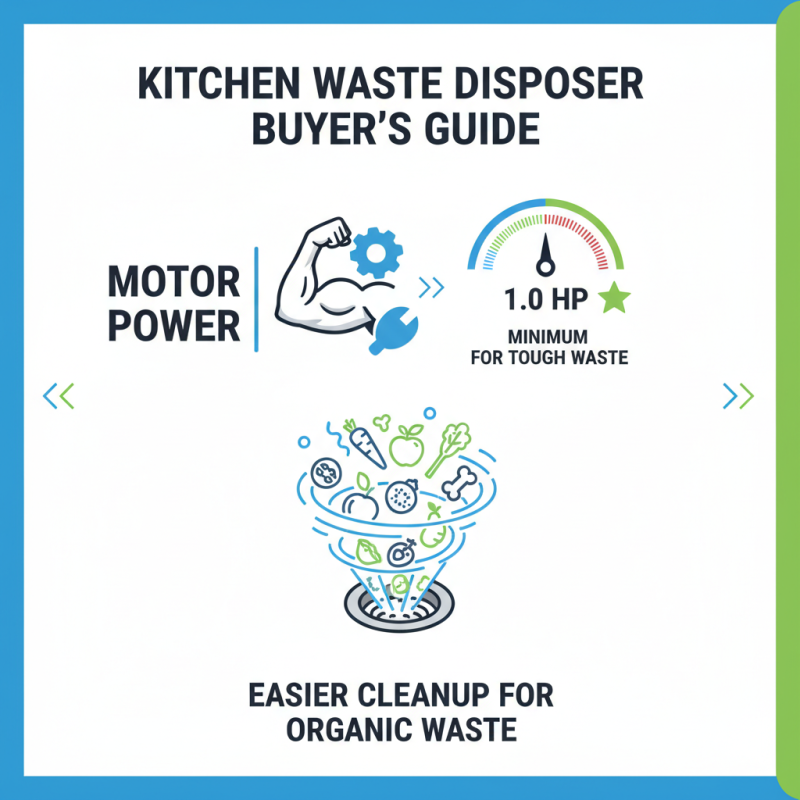
Choosing the right kitchen waste disposer involves careful consideration of several key factors. One critical aspect is the motor power. According to industry reports, a disposer with at least 1 horsepower can effectively handle tougher waste. Many homes produce more organic waste than ever, and a powerful unit can make cleanup easier.
Another important factor is the grind system. Two-stage grinding systems are reported to reduce waste particles more efficiently. These systems can help prevent clogs in your plumbing, resulting in fewer maintenance issues and potential costs. Certain studies indicate that up to 40% of homeowners experience issues with blockages due to inadequate grinding.
Size and installation type matter as well. Under-sink disposers require sufficient space and need to fit the plumbing layout. Some users overlook this, leading to installation challenges. Additionally, noise levels can be a concern. A quieter unit can provide a more pleasant kitchen environment. It is essential to balance these features with your budget. Sometimes, spending more upfront on quality can save costs in repairs over time. However, not all expensive options guarantee the best performance. Careful research is always required.
Assessing the Power and Grind Capability of Disposers
When choosing a kitchen waste disposer, power and grind capability are crucial. The standard range for motor power is between 1/3 to 1 HP. According to industry data, a more powerful motor can handle tougher food waste. A 1 HP disposer can efficiently grind fibrous materials like celery and tough bones, while lesser models struggle.
Grind capability is determined by the design of the inner grind chamber and the type of grinding mechanism. Disposers with multiple grind stages can reduce waste into finer particles. This not only improves efficiency but also reduces the chance of clogs in plumbing systems. Reports indicate that finer food particles are less likely to cause plumbing blockages, which can lead to costly repairs.
Tips: Always consider the noise levels too. Higher horsepower models may create more sound during operation. Also, opting for a disposer with a stainless-steel grinding chamber can help prevent rust and improve longevity. Lastly, evaluate your typical food waste; using a tough disposer for soft waste is excessive.
Make informed choices that match your lifestyle and kitchen habits.
Evaluating Noise Levels and Installation Requirements
When choosing a kitchen waste disposer, noise levels play a crucial role. Some models operate quietly, allowing you to use them anytime without disturbing others. If you have small children or live in a shared space, this feature is essential. On the other hand, units that are too noisy can become a nuisance. It’s important to consider how close the disposer will be to living spaces when making your selection.
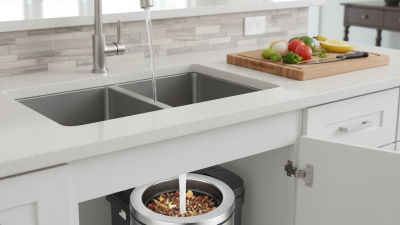
Installation requirements can also vary significantly between models. Some may require additional plumbing or electrical work. This can lead to unexpected costs and delays. Think about your kitchen layout before making a purchase. It's easy to overlook space constraints, which can lead to frustration later. A disposer that is too large may not fit under your sink comfortably, creating a mess.
Reflect on your own DIY skills as well. Some disposers are easier to install than others, but not everyone is handy. If you struggle with basic tasks, hiring a professional might be the best bet. Weigh out the pros and cons as you dive into the specs of potential units. Balancing noise, installation, and your personal circumstances will help you make a more informed choice.
Maintenance Tips for Keeping Your Kitchen Waste Disposer Efficient
Maintaining a kitchen waste disposer can extend its life significantly. Regular care is essential. Start by running cold water while the disposer is in use. This helps to flush food particles down the drain. It’s simple but very effective. Using hot water might seem like a good idea, but it can soften grease, causing clogs.
Cleaning the unit is another important task. Pouring baking soda and vinegar into the disposer can help eliminate odors. Let the mixture sit for a few minutes before flushing it with hot water. Remember, this process is not perfect. Sometimes, old food residues cling stubbornly inside. If odors persist, revisit the cleaning routine, or use alternative methods.
Consider the contents you're disposing of. Avoid fibrous foods like onion skins or starchy items. They can jam the blades. Even small amounts can accumulate over time, leading to inefficiencies. Use the disposer wisely, and be ready to address any hiccups that arise in its performance. Regular maintenance will keep your kitchen cleaner and your disposer functioning at its best.
How to Choose the Best Kitchen Waste Disposer for Your Home? - Maintenance Tips for Keeping Your Kitchen Waste Disposer Efficient
| Feature |
Description |
Maintenance Tip |
| Power Ratings |
The strength of the disposer measured in horsepower (HP). Common ratings are 1/2 HP, 3/4 HP, and 1 HP. |
Choose a disposer with at least 3/4 HP for effective grinding of food waste. |
| Grind Stages |
Single-stage disposers are less efficient compared to multi-stage disposers which grind waste more finely. |
Select a multi-stage disposer for better waste reduction and odor control. |
| Noise Level |
Disposers can vary in how loud they are during operation, typically measured in decibels (dB). |
Look for disposers with sound insulation for quieter operation. |
| Size and Fit |
Ensure the disposer size is compatible with your kitchen's sink and space. |
Measure your sink and under-sink space before purchasing a disposer. |
| Materials |
Disposers can be made from different materials affecting durability and performance. |
Opt for stainless steel components to avoid rust and enhance longevity. |
| Warranty |
Warranties can range from a few years to a lifetime. |
Look for longer warranty periods as they often indicate better quality. |

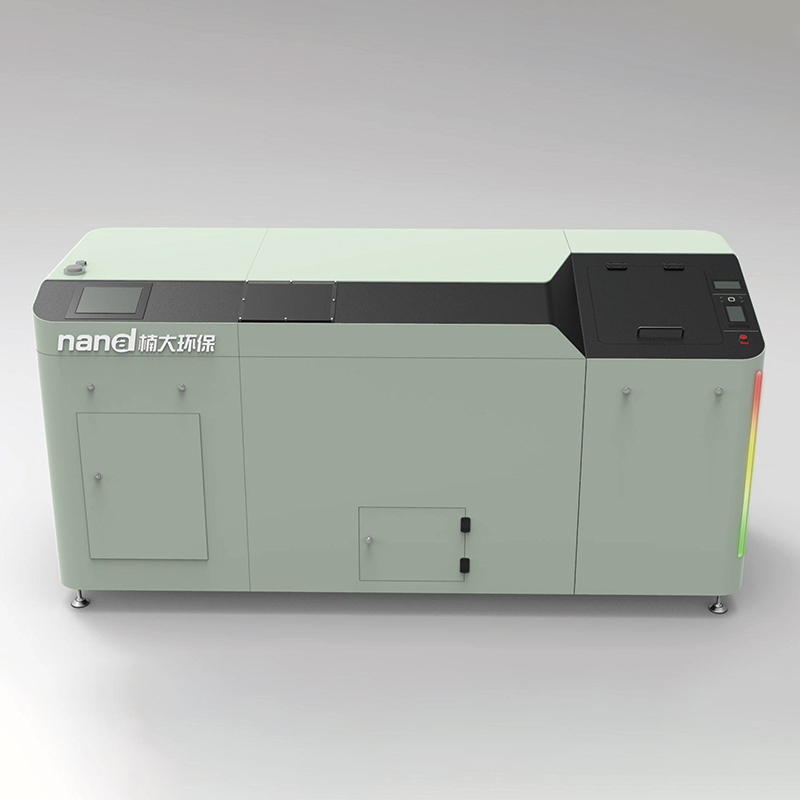 Nanda Trans Series-200
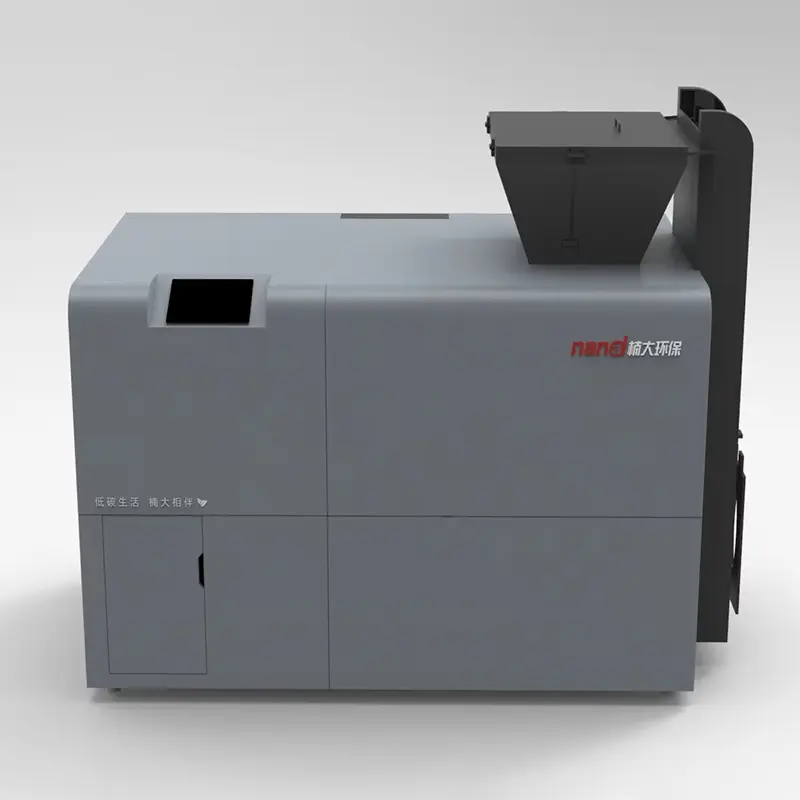 Nanda Trans Series-500
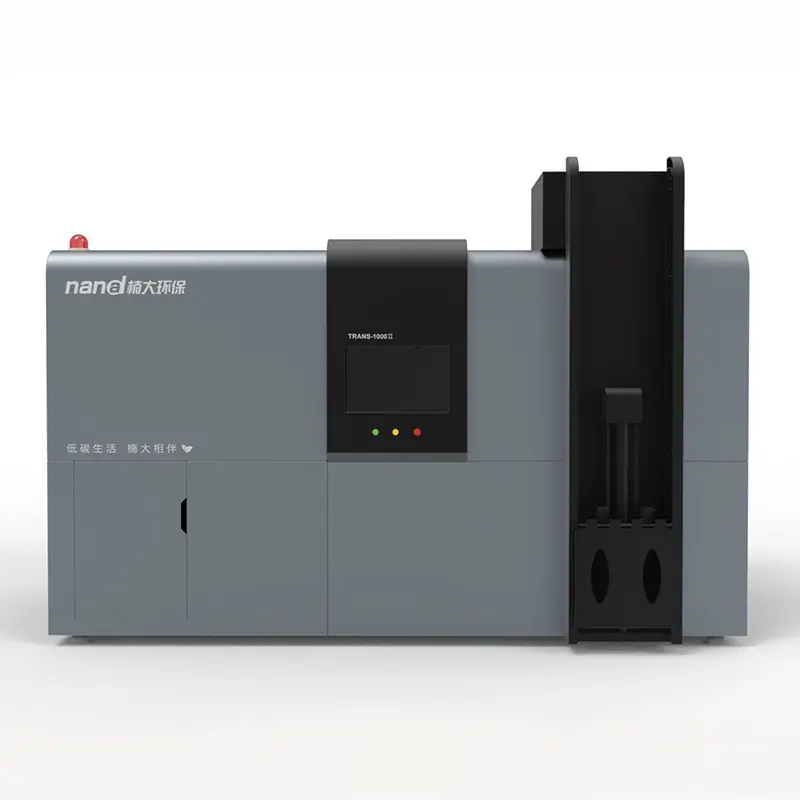 Nanda Trans Series-1000
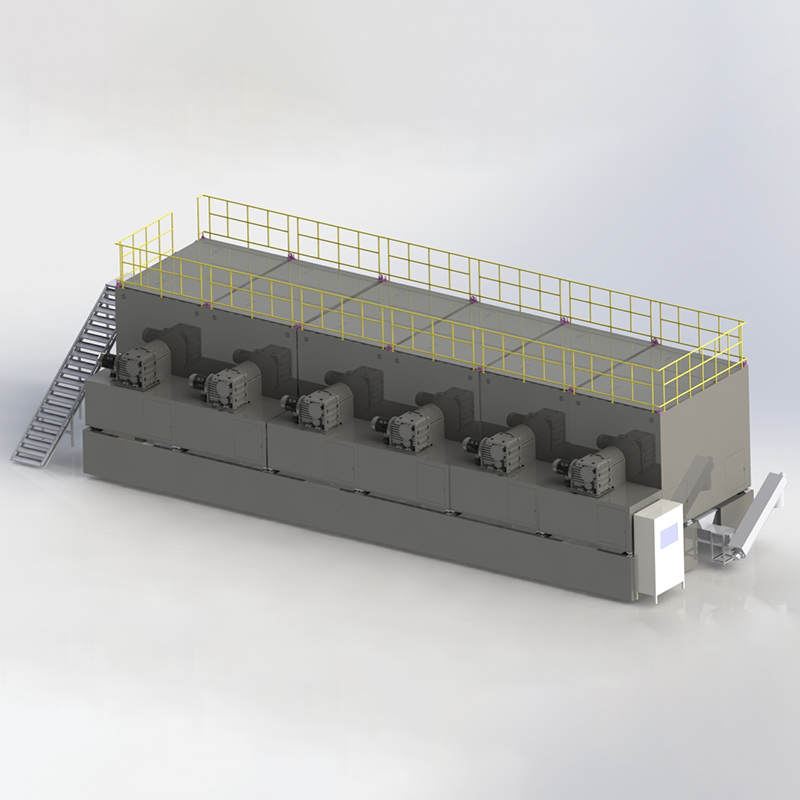 Nanda Trans Series-30000
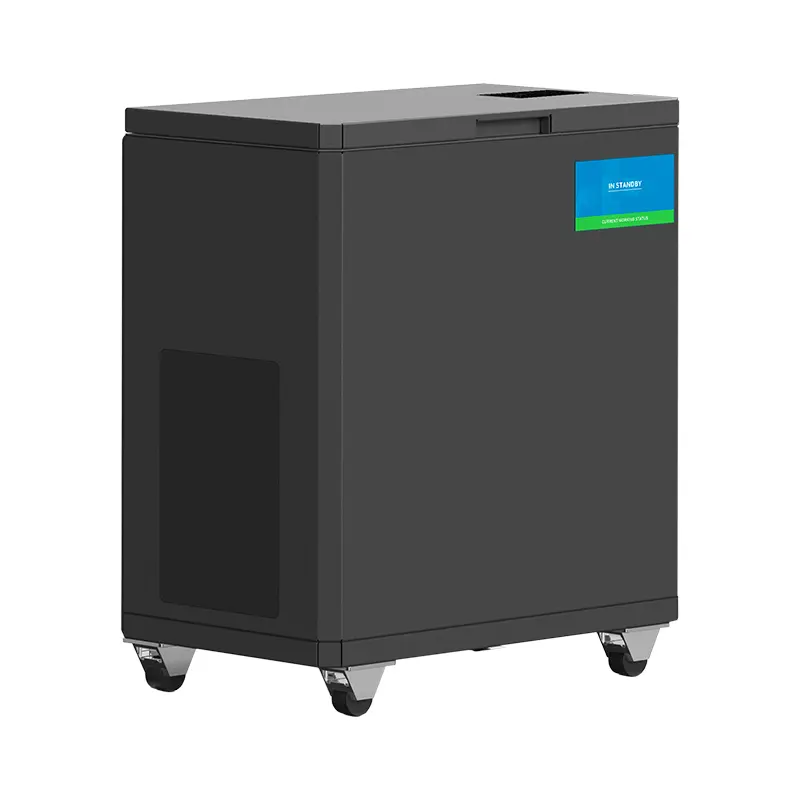 Nanda Thermax Series-100
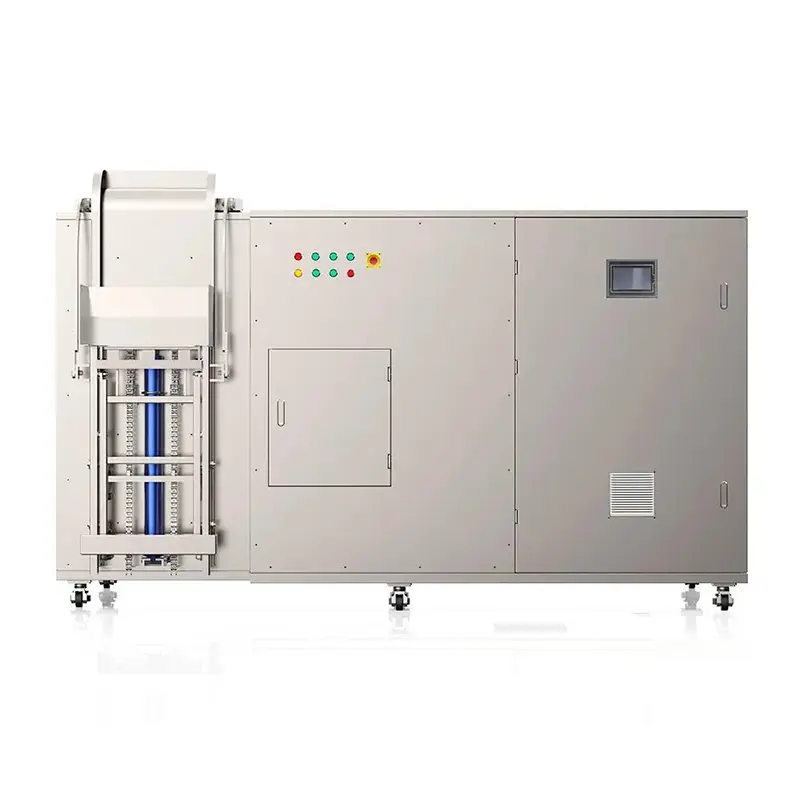 Nanda Thermax Series-200
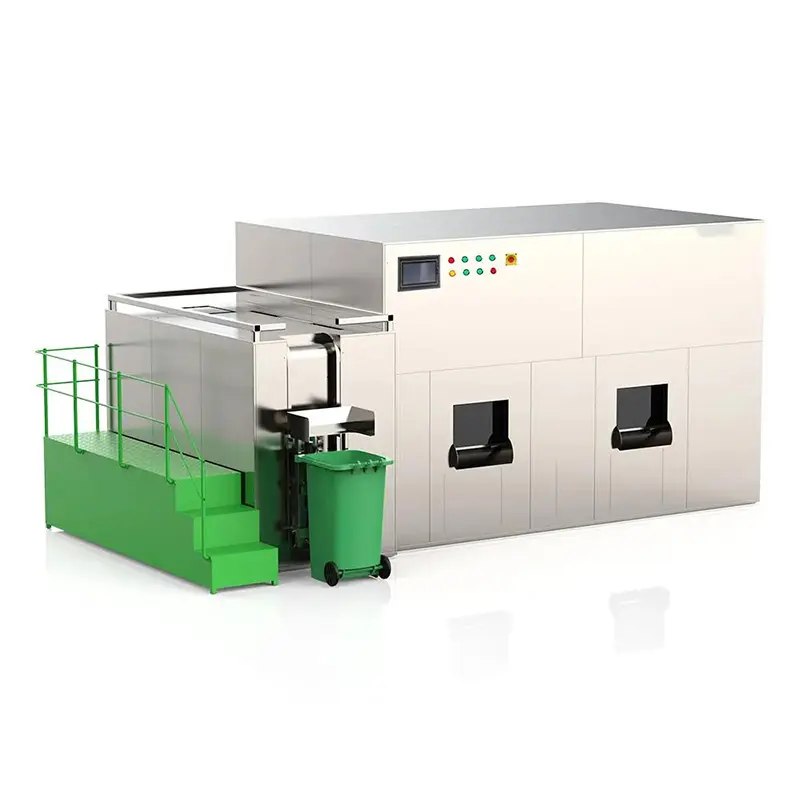 Nanda Thermax Series-2000
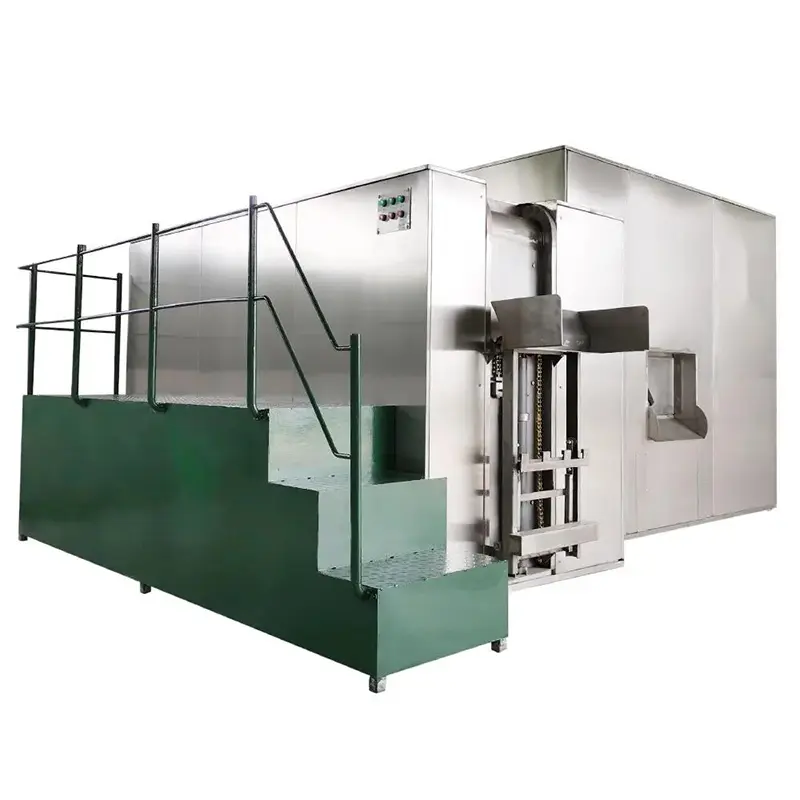 Nanda Thermax Series-10000
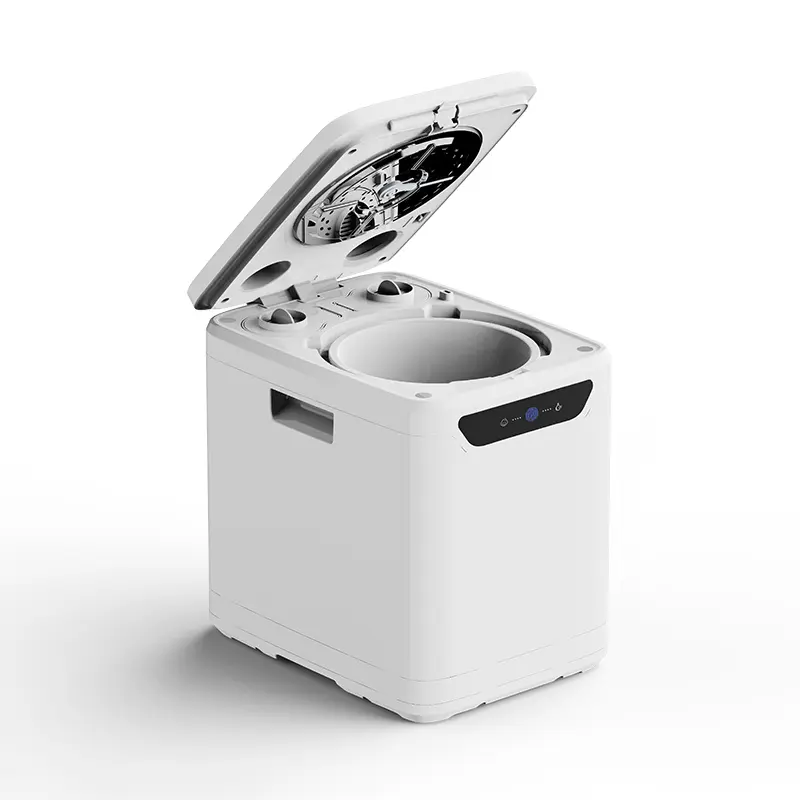 Nanda Turbo Series-3.5L-016
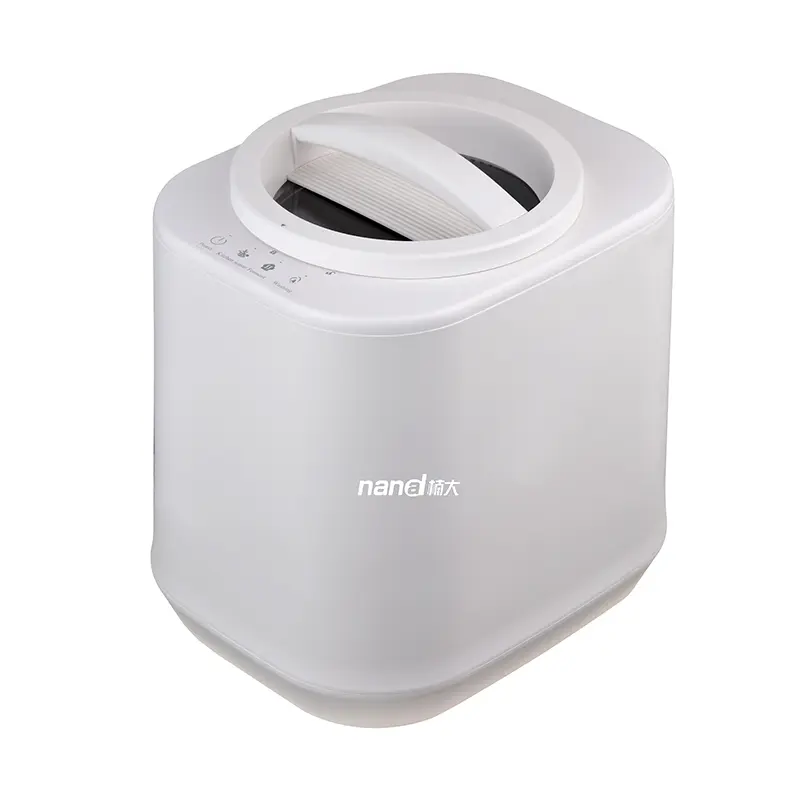 Nanda-Turbo Series-4L-011
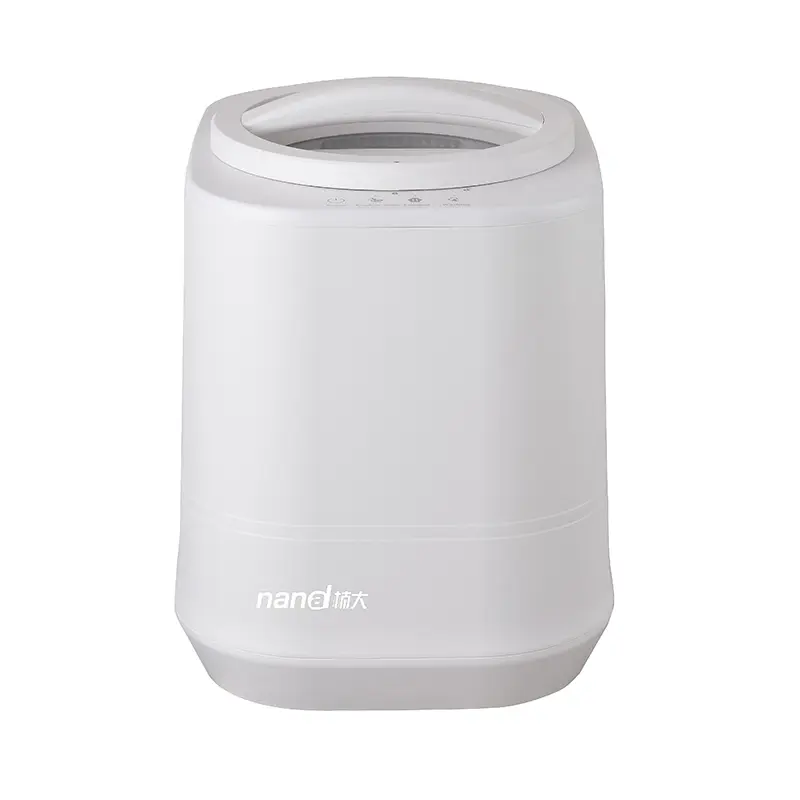 Nanda Turbo Series-4L-012
 Oil-Water Separator