How to Choose the Best Waste Sorting Machine for Your Recycling Needs in 2025
In recent years, the urgent need for effective waste management and recycling has propelled the development of advanced Waste Sorting Machines. According to the Global Waste Management Market Report 2023, the waste management sector is projected to grow significantly, reaching a market size of $530 billion by 2025, driven by stringent environmental regulations and an increasing emphasis on sustainable practices. The efficient sorting of waste not only enhances recycling efforts but also reduces landfill dependency, thereby contributing to a circular economy.
As we look towards 2025, selecting the right Waste Sorting Machine will be critical for businesses and municipalities aiming to optimize their recycling operations. Reports indicate that improper waste sorting results in up to 20% of recyclables being incorrectly disposed of, emphasizing the necessity for robust sorting technologies. The evolution of artificial intelligence and machine learning has further transformed waste sorting capabilities, enabling machines to differentiate between various materials with impressive accuracy. This trend highlights the importance of making informed decisions when choosing the best Waste Sorting Machine to meet specific recycling needs and objectives in an era where sustainability is paramount.

Understanding Waste Sorting Machines: Types and Functions
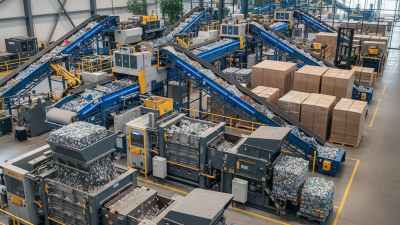
Waste sorting machines are essential tools in modern recycling operations, designed to effectively separate different materials for processing. These machines can be classified into several types, each catering to specific waste streams and recycling needs. The most common types include conveyor belt systems, air classification systems, and magnetic separators. Conveyor belt systems utilize automated processes to sift through waste, allowing for rapid identification and separation of recyclables. Air classification systems, on the other hand, use air flow to distinguish between light and heavy materials, making them particularly effective for certain types of plastics and mixed waste.
In addition to their varying types, waste sorting machines function through advanced technologies that enhance sorting efficiency. Optical sorting machines employ cameras and sensors to identify materials based on color and composition, ensuring high accuracy in sorting. Additionally, some machines utilize artificial intelligence to learn from previous sorting patterns, further improving their effectiveness over time. Understanding these functionalities is crucial for businesses looking to invest in a waste sorting machine that meets their recycling needs, as selecting the right type and technology can significantly impact the overall efficiency of waste management processes.
Waste Sorting Machine Efficiency Comparison (2025)
This bar chart illustrates the efficiency of different types of waste sorting machines in 2025. The advanced AI machine demonstrates the highest efficiency at 95%, followed by the high-efficiency machine at 85%, and the standard machine at 70%. This data can assist businesses in selecting the most suitable waste sorting technology based on their recycling needs.
Key Factors to Consider When Choosing a Waste Sorting Machine
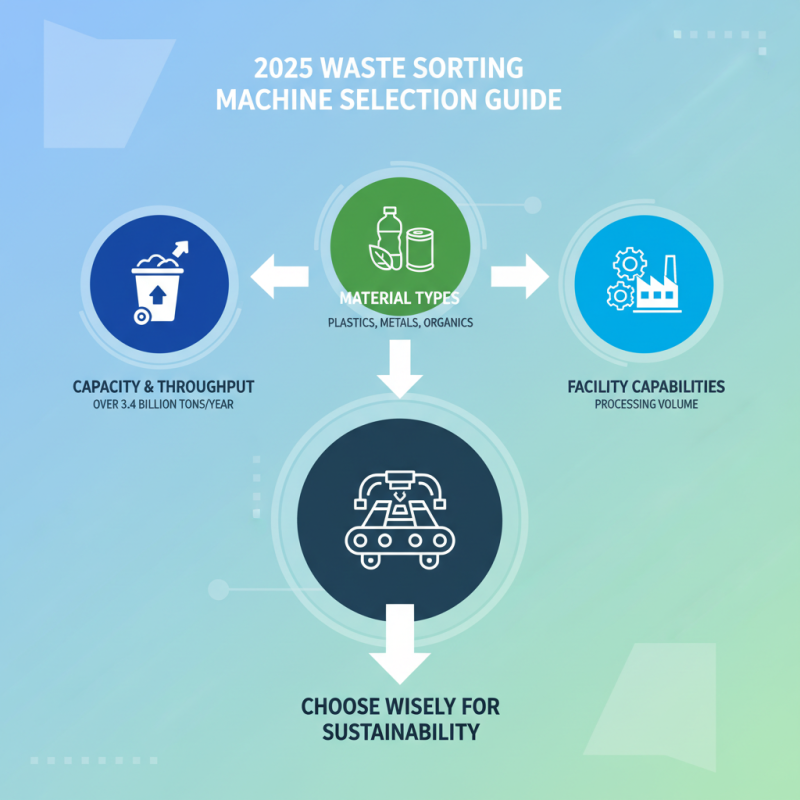
Choosing the right waste sorting machine for your recycling needs in 2025 involves careful consideration of several key factors. One of the primary concerns should be the machine's capacity and throughput. According to a recent industry report, waste generation is expected to exceed 3.4 billion tons annually by 2025, making it crucial that the machine you choose can effectively manage the volume of materials you’ll be handling. Assessing the volume and types of materials—such as plastics, metals, and organics—that your facility will process can guide you in selecting a machine that meets your specific needs.
Another important factor is the technology used in the sorting process. Advanced machines incorporate artificial intelligence and machine learning, enhancing their ability to accurately identify and sort materials, which can lead to an increase in recovery rates. A study from the Recycling Partnership highlights that facilities employing AI-driven systems can improve recycling efficiencies by up to 30%. Exploring these technological advancements opens opportunities for more sustainable practices, aligning with global efforts toward reducing landfill waste and promoting recycling.
**Tips:** When evaluating machines, remember to consider ease of maintenance and the availability of service support. Access to reliable after-sales service can greatly extend the machine's lifespan and ensure continuous operation. Additionally, it's beneficial to analyze the energy consumption of the machines; choosing energy-efficient options can lead to significant cost savings over time while helping you meet sustainability goals.
Evaluating Your Recycling Needs and Capacity Requirements
When selecting a waste sorting machine, understanding your recycling needs and capacity requirements is crucial. Start by assessing the types of materials you typically handle, such as plastics, metals, or organics. Different machines excel at sorting various materials, so it's essential to choose one that aligns with your specific waste types. Additionally, consider the volume of waste you process daily. A high-capacity machine may be necessary for larger operations, while smaller setups can benefit from more compact units designed for limited space.
Next, analyze your operational workflow and how a waste sorting machine will fit into it. Consider factors like automation versus manual sorting, the layout of your facility, and how the machine will integrate with your existing recycling processes. Think about maintenance needs, energy consumption, and the skills required for operating the equipment. By evaluating these elements, you can identify a machine that not only meets your sorting needs but also optimizes efficiency and productivity within your recycling program, ultimately contributing to a more effective waste management strategy.
Analyzing Cost and Maintenance of Waste Sorting Machines
When selecting a waste sorting machine for recycling needs,
cost and maintenance are critical factors that can significantly
influence operational efficiency. Recent industry reports indicate that the initial investment for
quality waste sorting machines ranges from $50,000 to over $200,000,
depending on their capacity and technology level. This requires organizations to evaluate their
budgets carefully, considering not just the purchase price but also the potential return on
investment through enhanced recovery rates. According to a 2023 market analysis, machines
equipped with advanced AI sorting technology can improve sorting accuracy by 30%
and reduce contamination rates, leading to higher market price recovery for recyclables.
Maintenance costs are another crucial aspect; the average annual maintenance expenses for waste
sorting machines can range from $5,000 to $15,000, based on the
machine's complexity and the volume of waste processed. Industry specialists recommend establishing
a maintenance schedule that includes regular inspections and prompt repairs to extend the lifespan
of the machines. Reports suggest that proper maintenance can reduce long-term operational costs by
up to 20%, further emphasizing the importance of integrating
maintenance strategies into the purchasing decision. By understanding these financial dynamics,
organizations can better align their waste management goals with sustainable practices while ensuring
economic viability in the competitive recycling industry.
Future Trends in Waste Sorting Technology for 2025
As we look towards 2025, advancements in waste sorting technology are set to revolutionize the efficiency and effectiveness of recycling practices. One of the most anticipated trends is the integration of artificial intelligence and machine learning into waste sorting systems. These technologies enable machines to accurately identify and sort various types of materials, significantly reducing contamination rates in the recycling stream. The ability to process vast amounts of waste quickly and with precision will not only enhance operational efficiency but also improve the overall quality of recycled materials, making them more valuable in the marketplace.
In conjunction with AI, the development of smart sensors and IoT (Internet of Things) capabilities is expected to transform waste management further. These systems can provide real-time data on waste composition, allowing facilities to adapt their sorting processes on the fly based on incoming materials. This data-driven approach will lead to smarter resource allocation and better decision-making in recycling operations. Additionally, as public awareness of sustainable practices grows, more organizations are likely to adopt innovative waste sorting machines that not only improve recycling rates but also promote environmental responsibility in their operations.
How to Choose the Best Waste Sorting Machine for Your Recycling Needs in 2025 - Future Trends in Waste Sorting Technology for 2025
| Feature |
Description |
Importance |
Future Trend (2025) |
| Automation Level |
The extent to which the machine operates automatically. |
High |
Increased use of AI and machine learning for better sorting accuracy. |
| Capacity |
The volume of waste the machine can process at a time. |
Medium |
Designs accommodating larger volumes will become standard. |
| Energy Efficiency |
The amount of energy consumed by the machine. |
High |
More machines will adopt green technologies and renewable energy sources. |
| User Interface |
Ease of use and accessibility of the control system. |
Medium |
Traveling towards intuitive interfaces for better user engagement. |
| Integration Capabilities |
Ability to connect with other waste management systems. |
High |
Enhanced interoperability with IoT devices and platforms. |

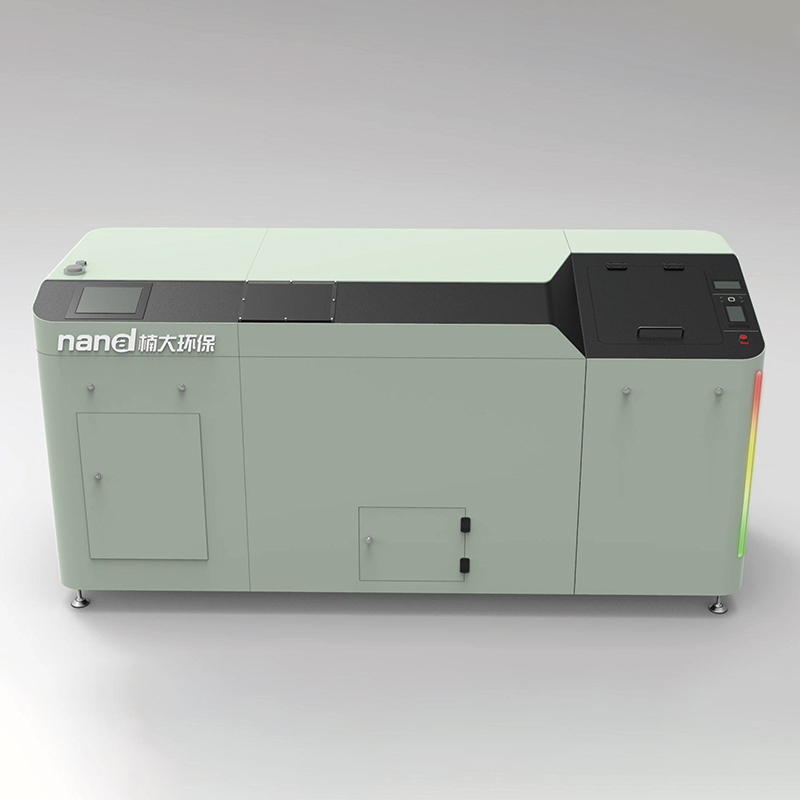 Nanda Trans Series-200
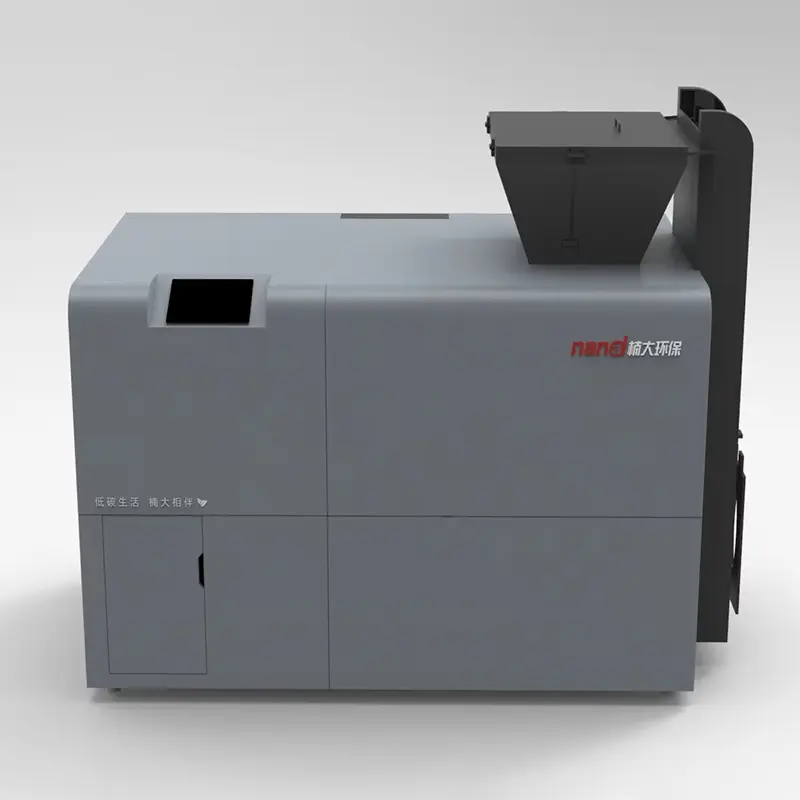 Nanda Trans Series-500
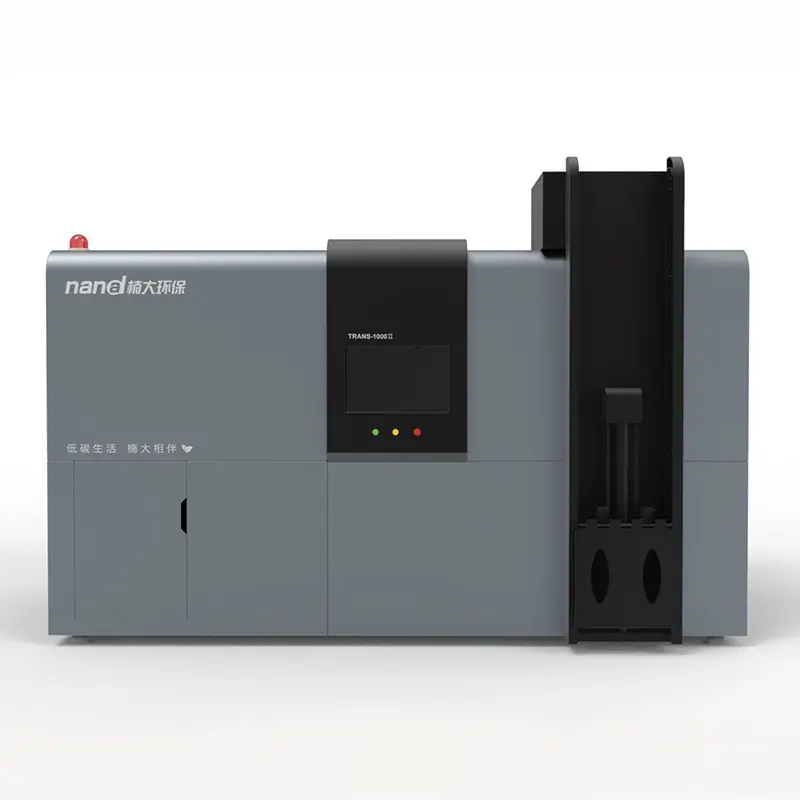 Nanda Trans Series-1000
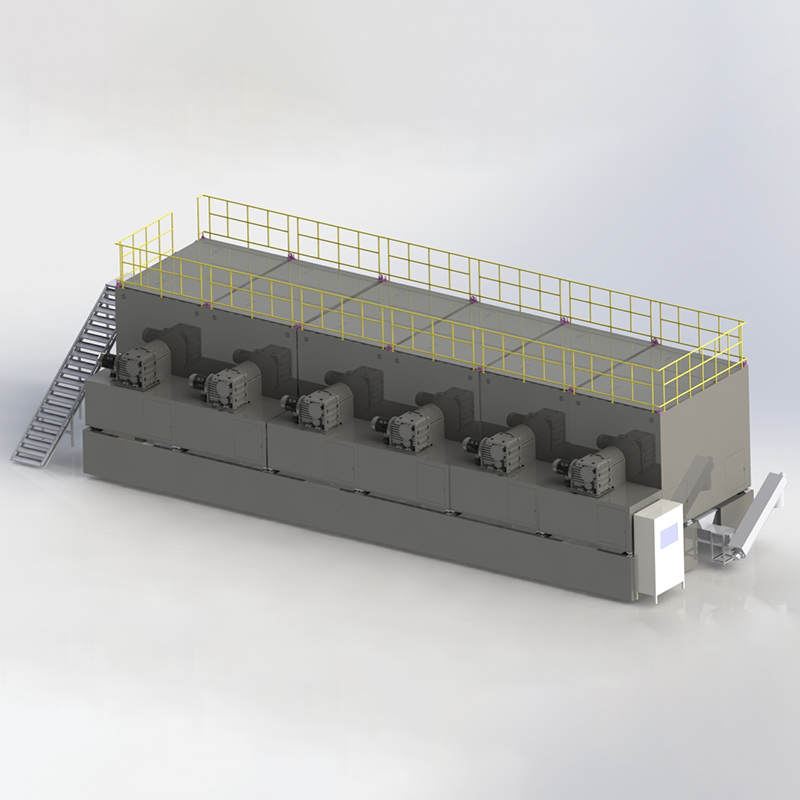 Nanda Trans Series-30000
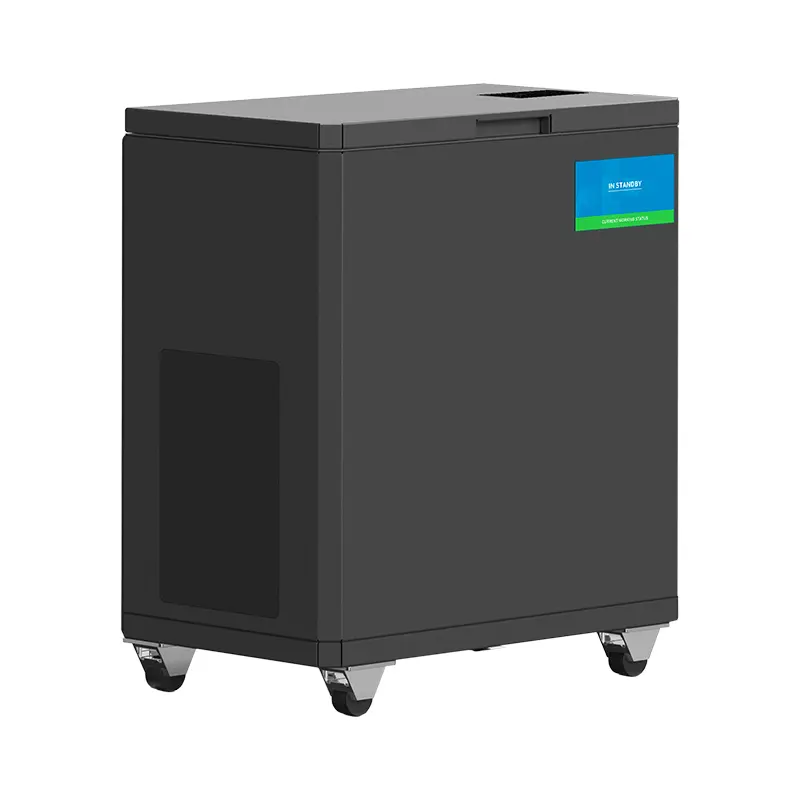 Nanda Thermax Series-100
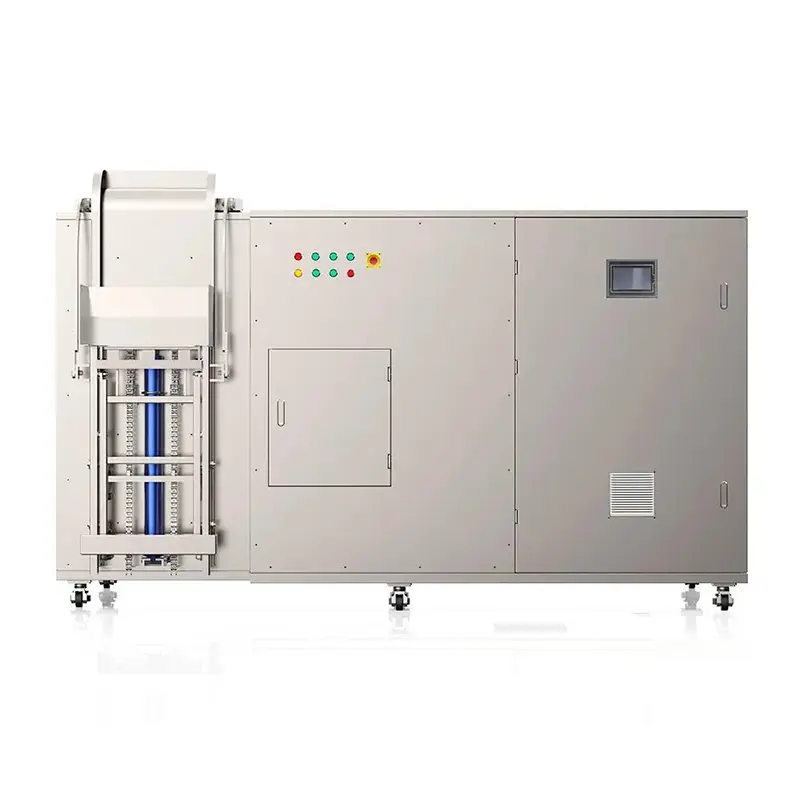 Nanda Thermax Series-200
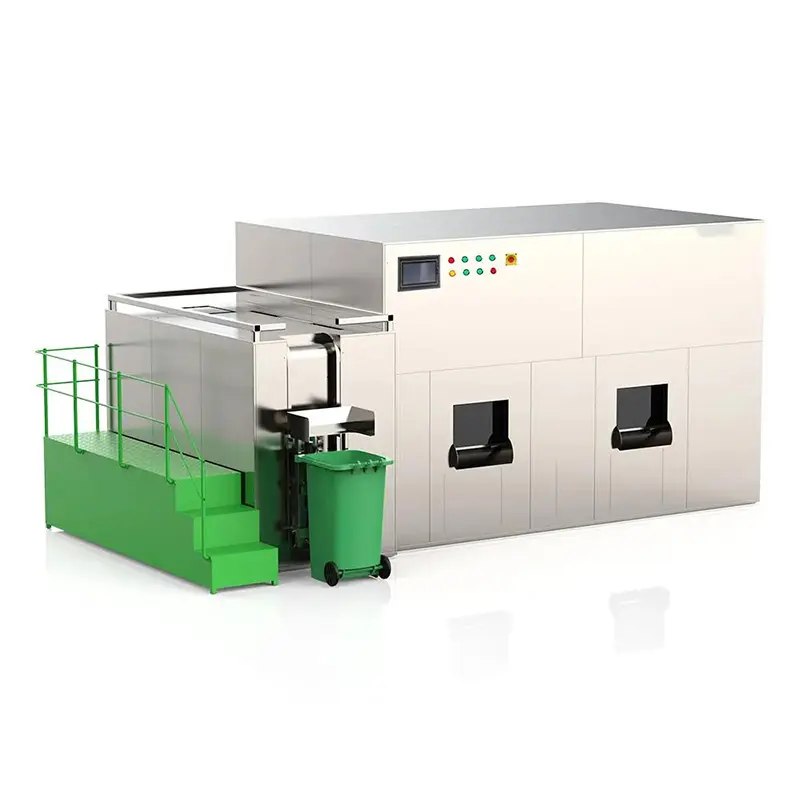 Nanda Thermax Series-2000
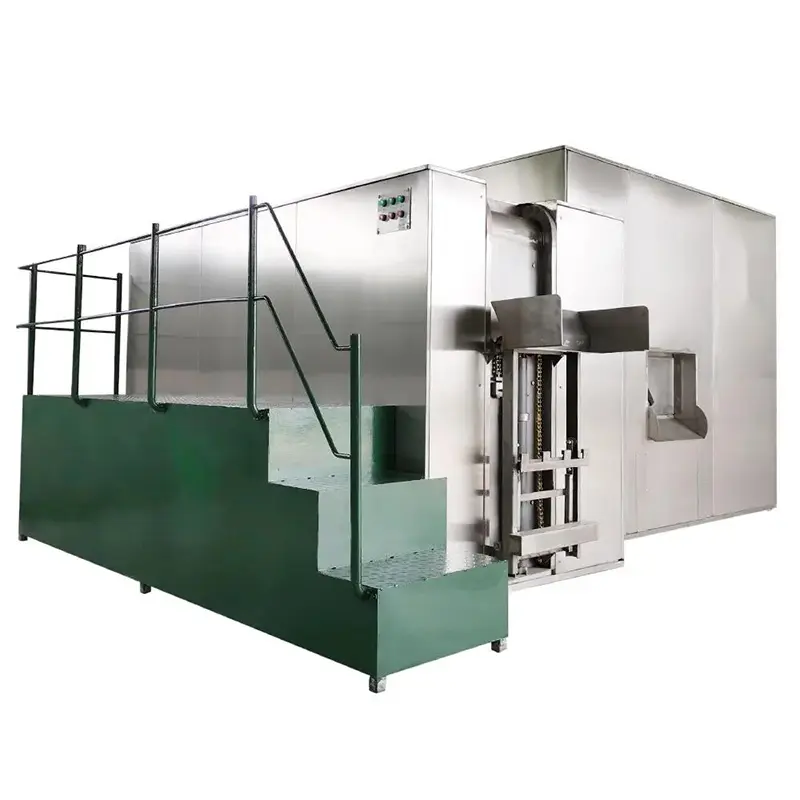 Nanda Thermax Series-10000
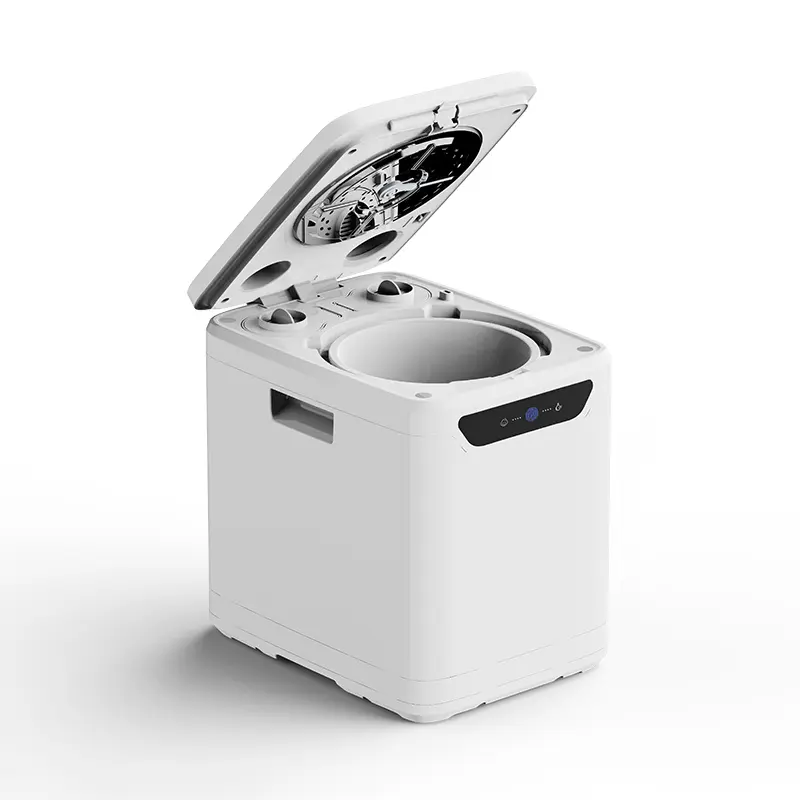 Nanda Turbo Series-3.5L-016
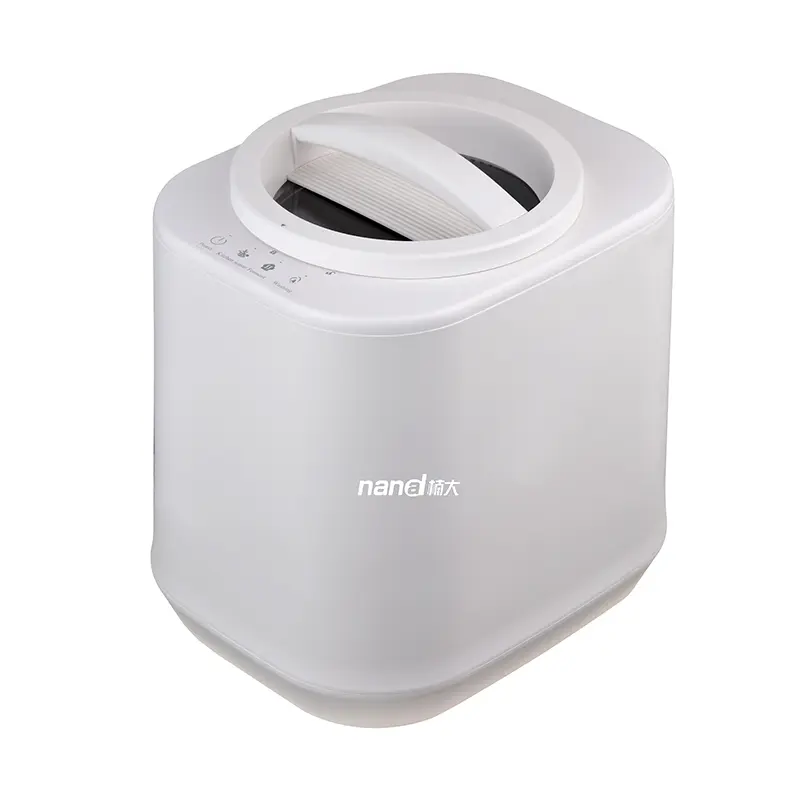 Nanda-Turbo Series-4L-011
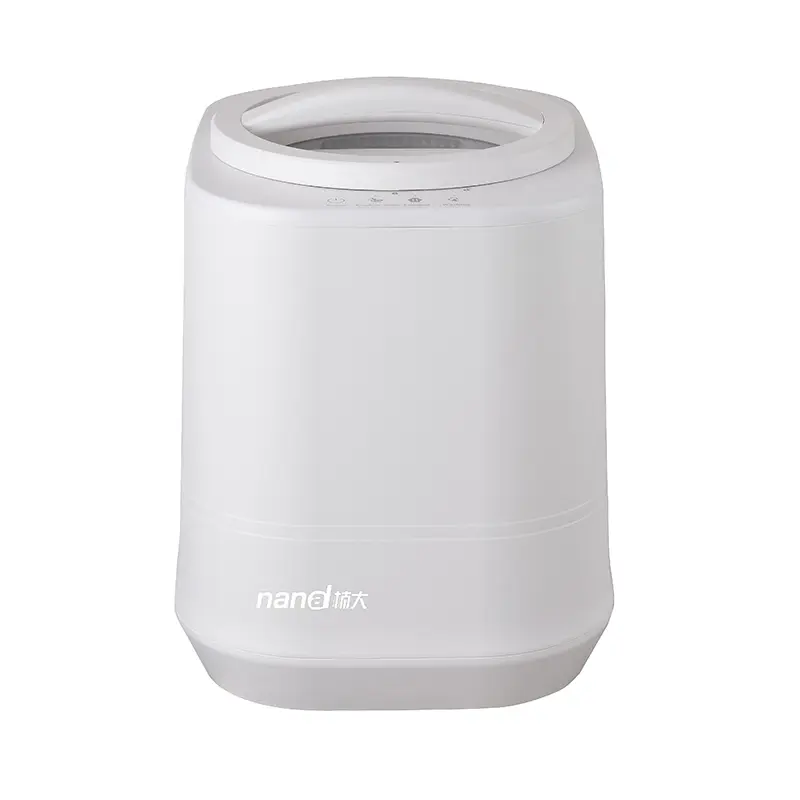 Nanda Turbo Series-4L-012
 Oil-Water Separator