How to Choose the Right Kitchen Waste Disposer for Your Home?
Choosing the right Kitchen Waste Disposer can greatly enhance your kitchen experience. Many homeowners overlook this small appliance. However, it plays a key role in maintaining cleanliness. A good disposer can reduce waste and simplify meal cleanup.
When selecting a Kitchen Waste Disposer, consider your cooking habits. Do you often prepare large meals? If yes, a more powerful model might be necessary. Size and design can also affect your choice. Ensure the disposer fits under your sink and matches your plumbing needs.
Noise levels are another important detail. Some models are surprisingly loud. This can be a key factor if you prefer a quiet kitchen. Research customer reviews to find real feedback. Compare features and prices to make the best decision. Ultimately, the right Kitchen Waste Disposer will suit your unique needs and lifestyle.
Factors to Consider When Selecting a Kitchen Waste Disposer
Choosing the right kitchen waste disposer can feel overwhelming. One key factor is power. Disposers come with different horsepower ratings, affecting their ability to grind food waste. A more powerful disposer can handle fibrous and tough materials. However, it can also be louder and require more energy. Balancing power and noise is crucial.
Another important aspect is installation. Some models require hard wiring, while others can simply plug in. Consider your kitchen's layout and existing plumbing. Make sure you understand the space you have. It's frustrating to buy a product that won't fit easily. Also, check for features like anti-jamming technology. This can prevent clogs, but might also increase the cost.
Don't forget about maintenance. Some disposers require more care than others. Inspecting for leaks or blockages can be time-consuming. Many users overlook this, leading to unexpected problems. Think about how often you'll need to clean it. Finally, consider your waste disposal habits. Are you eco-conscious? Some models have better recycling features. Reflect on your lifestyle to make the best choice.
Different Types of Kitchen Waste Disposers Available
When selecting a kitchen waste disposer, understanding the different types available is essential. There are three main types: continuous feed, batch feed, and septic assist disposers. Continuous feed models operate while the switch is on, allowing you to add waste as you go. This design can be convenient but may lead to accidents if not used carefully.
Batch feed disposers require you to load waste into the chamber before activating it. This can help prevent unexpected accidents, but it also means you must wait until the chamber is full. Septic assist disposers are specifically designed for homes with septic systems. They break down waste more effectively, but installation may be more complicated.
Consider your kitchen habits and the volume of waste you generate. Each type has pros and cons. A continuous feed may suit busy cooks, while batch feed can benefit cautious users. Assess your needs and reflect on what works best in your kitchen.
Types of Kitchen Waste Disposers and Their Market Share
Key Specifications and Features to Look For
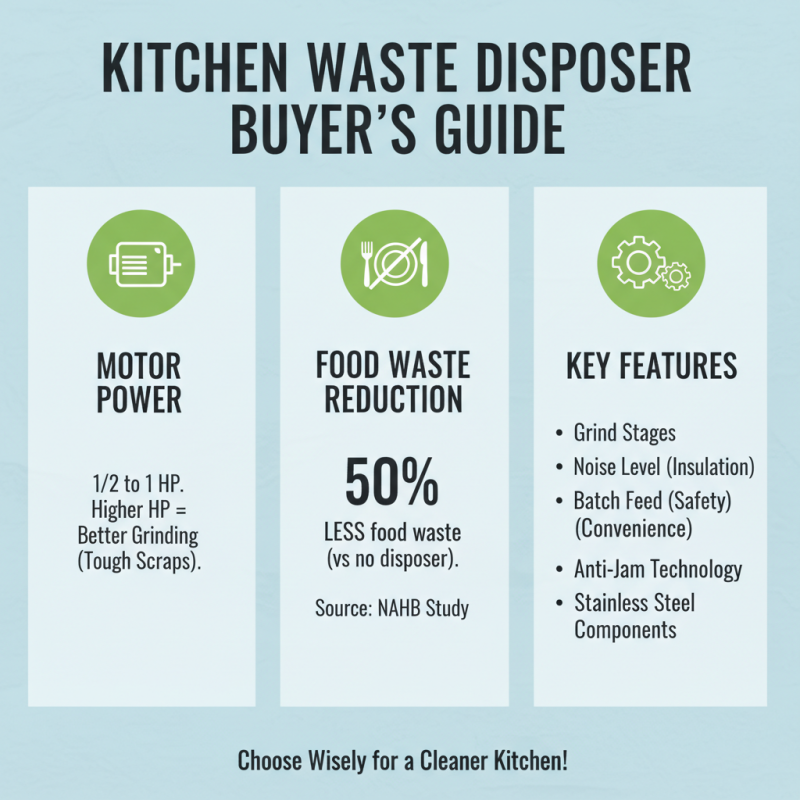
When selecting a kitchen waste disposer, consider key specifications and features that can greatly affect your daily usage. A powerful motor is essential. Most models provide between ½ to 1 horsepower. A higher horsepower means better grinding efficiency, especially for tougher food scraps. A study by the National Association of Home Builders revealed that homes with disposers typically produce 50% less food waste than those without them.
The grinding chamber size also matters. Larger chambers can hold more waste, making them ideal for busy kitchens. A typical model ranges from 25 to 40 ounces. Another critical feature is noise insulation. Many modern disposers come with sound-reducing technology. This can significantly minimize operational noise, making for a more pleasant cooking environment. In fact, some users report up to a 50% reduction in noise levels during operation.
Lastly, ease of installation should not be overlooked. Many disposers offer a simple, user-friendly installation process, often requiring only basic tools. However, not every unit is easy to fit under all sinks. Take careful measurements before purchasing. Remember, investing time in choosing the right waste disposer can streamline your kitchen operations and maintain a cleaner home environment. It's important to evaluate all aspects before deciding, as each feature can impact your overall food waste management strategy.
Maintenance and Installation Tips for Waste Disposers
When installing a kitchen waste disposer, proper maintenance is crucial. Regular cleaning is essential for a smooth operation. A simple mixture of vinegar and baking soda can help eliminate odors. Pour it down the disposer, let it sit for a few minutes, then flush with hot water. This natural remedy can keep your disposer smelling fresh.
Installation should be performed carefully. Ensure that all connections are secure to avoid leaks. Check the drain pipes for any blockages before starting. It’s important to follow the manufacturer's instructions closely. Missing even a small step can lead to future problems. If you feel uncertain about any steps, consider consulting a professional.
Pay attention to what goes into the disposer. Avoid fibrous materials like celery or banana peels. Also, steer clear of hard items such as bones. These can cause jams and affect performance. Maintaining your disposer requires vigilance but prevents bigger issues down the line. In time, you might notice that some foods clog more than others. Adjust your usage accordingly. It's a learning process, and small mistakes are part of it.
How to Choose the Right Kitchen Waste Disposer for Your Home? - Maintenance and Installation Tips for Waste Disposers
| Feature |
Description |
Maintenance Tips |
Installation Tips |
| Power Consumption |
Choose a disposer with efficient energy usage. |
Check for energy star ratings to save electricity. |
Ensure the electrical outlet is rated for the unit's power. |
| Noise Level |
Look for disposers with sound insulation features. |
Regularly check and tighten mounting screws to reduce noise. |
Install rubber anti-vibration pads during installation. |
| Grind Capacity |
Choose based on your kitchen waste volume. |
Avoid overloading to maintain optimal performance. |
Follow recommended guidelines for food waste amounts. |
| Durability |
Opt for stainless steel components for longevity. |
Periodically inspect for wear and tear. |
Install in a location with adequate drainage to avoid rust. |
| Warranty |
Look for disposers with longer warranty periods. |
Keep warranty information handy for servicing. |
Understand warranty terms to ensure proper maintenance is done. |
Environmental Impact and Waste Management Benefits of Disposers
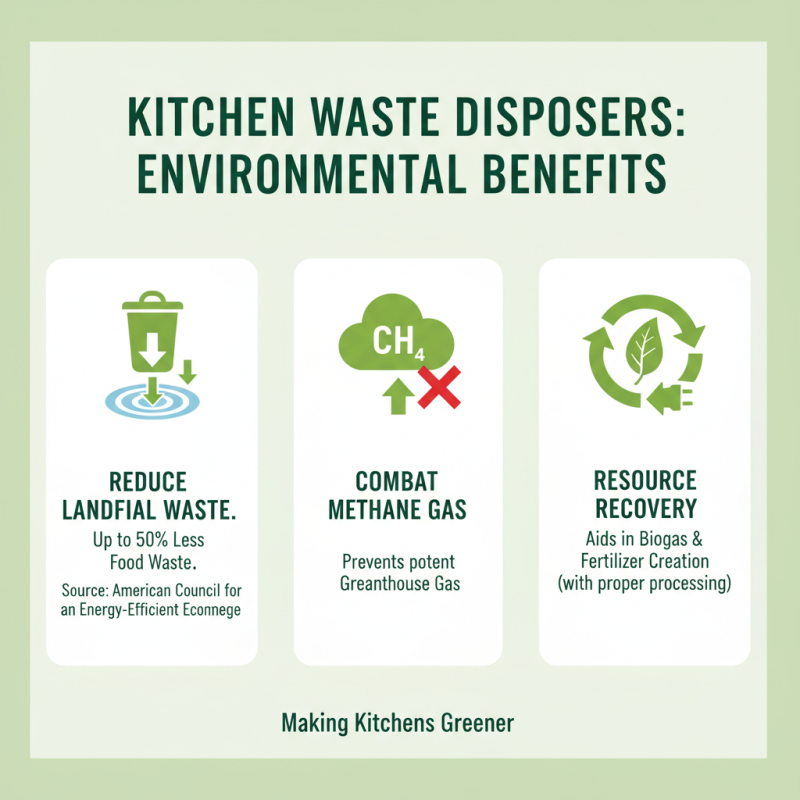
When considering the environmental impact of kitchen waste disposers, data shows their benefits in waste management. A report by the American Council for an Energy-Efficient Economy indicates that disposers can reduce food waste sent to landfills by up to 50%. This reduction is crucial since food decomposing in landfills produces methane, a greenhouse gas over 20 times more potent than carbon dioxide.
In addition to mitigating methane emissions, using a disposer helps recycle nutrients back into the ecosystem. According to the USDA, food waste represents about 30-40% of the food supply in the U.S. Each time food scraps are processed in a disposer, they can be transformed into nutrient-rich fertilizer through wastewater treatment facilities. However, it's essential to consider the energy use involved in this process. Some disposers require significant electricity, which can offset their benefits.
Moreover, the effectiveness of disposers largely depends on proper usage. Many users may not realize the types of waste that can and cannot be disposed of. Misuse can clog systems and cause more harm than good. Thus, while disposers offer promise in waste management, cautious use and awareness of their environmental footprint remain critical.

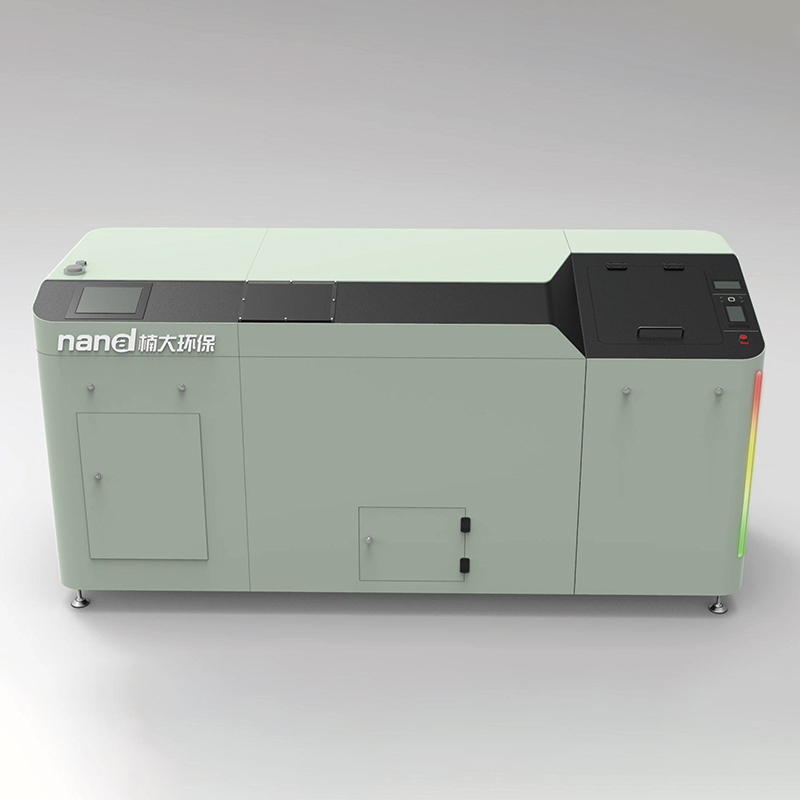 Nanda Trans Series-200
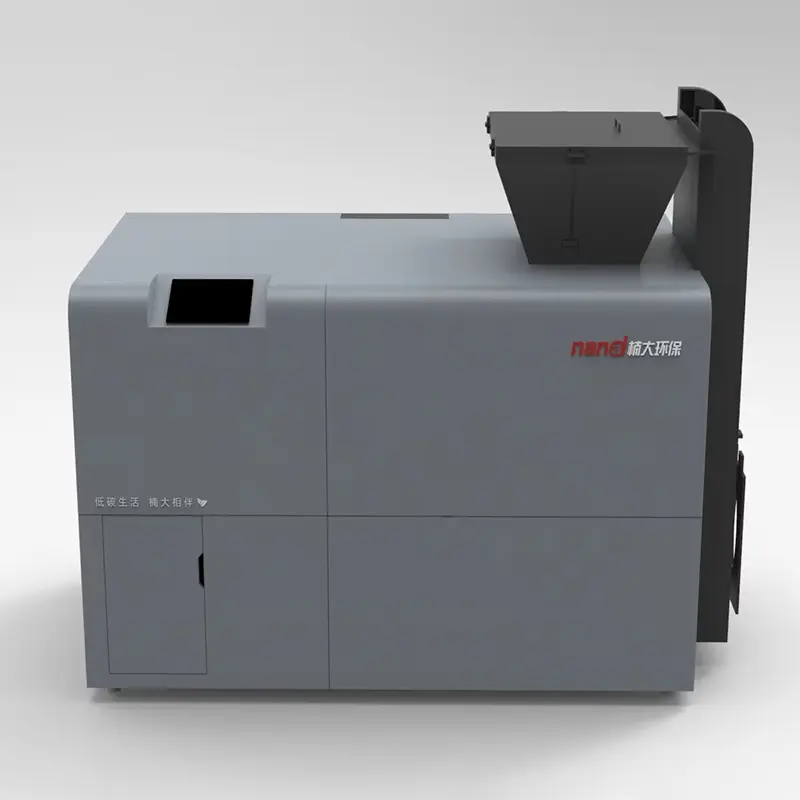 Nanda Trans Series-500
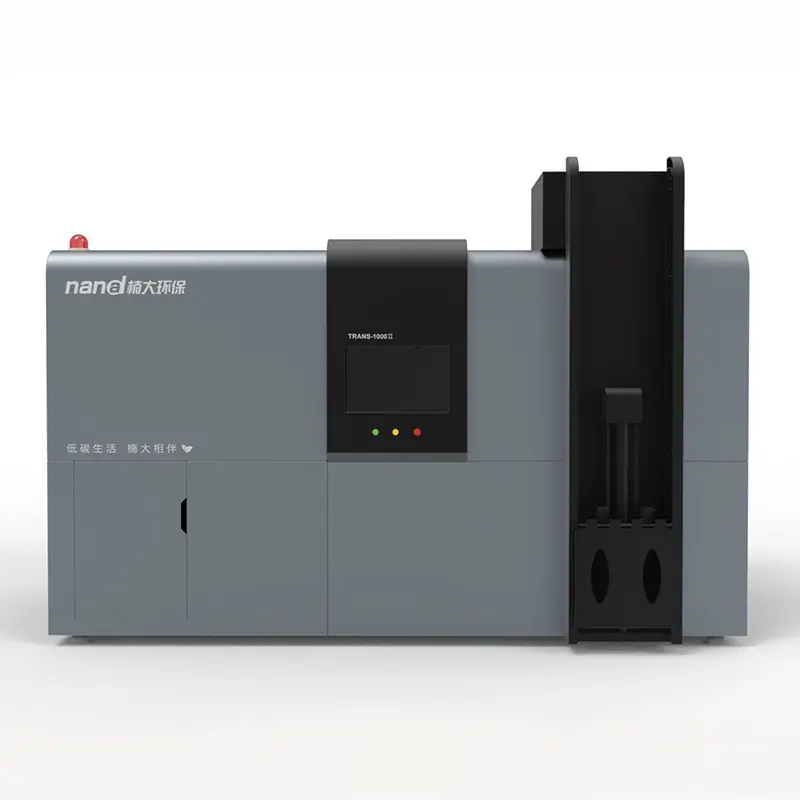 Nanda Trans Series-1000
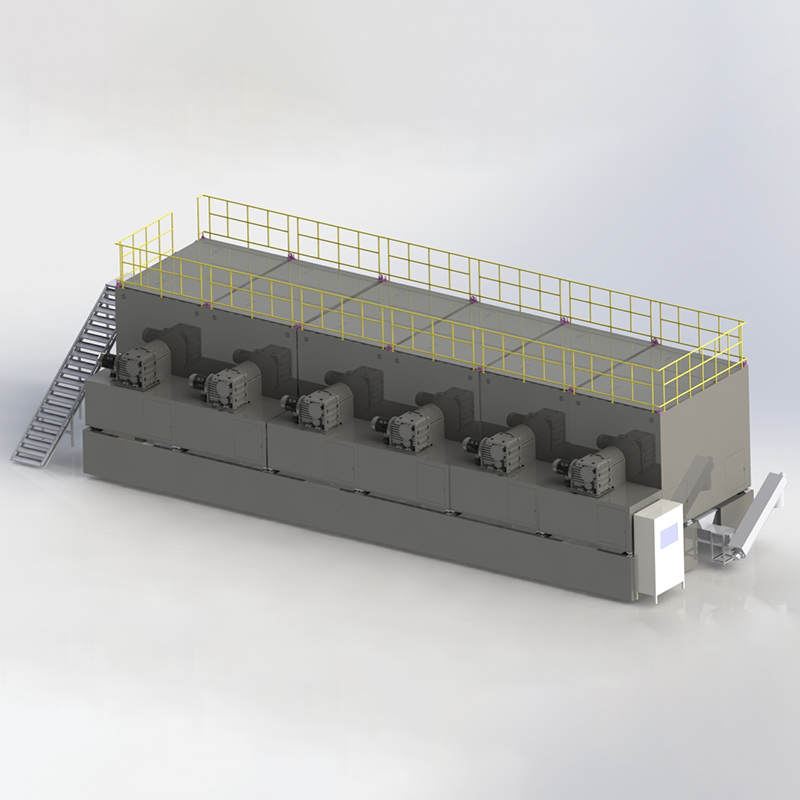 Nanda Trans Series-30000
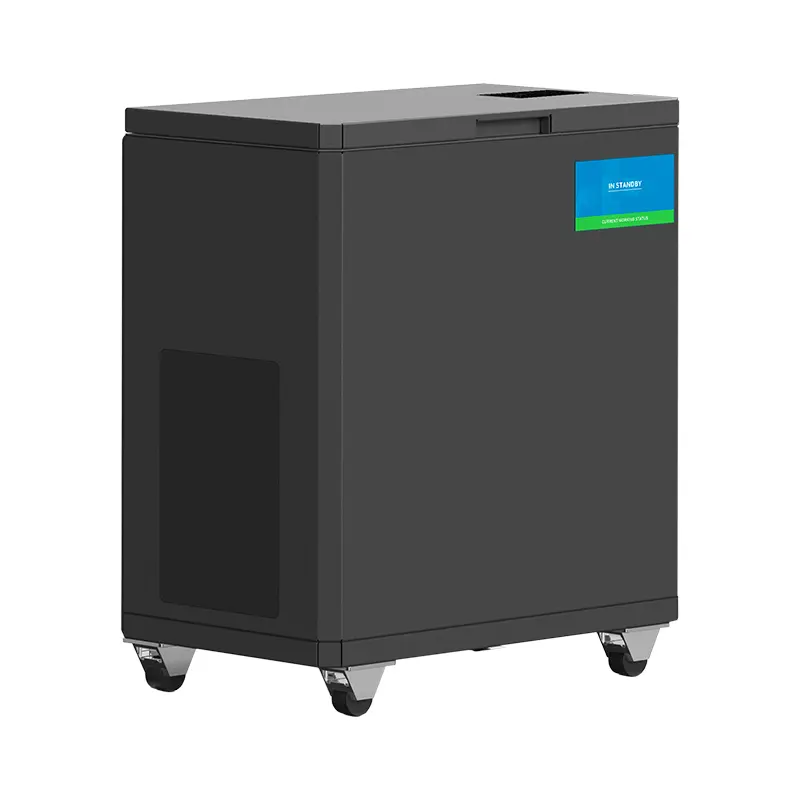 Nanda Thermax Series-100
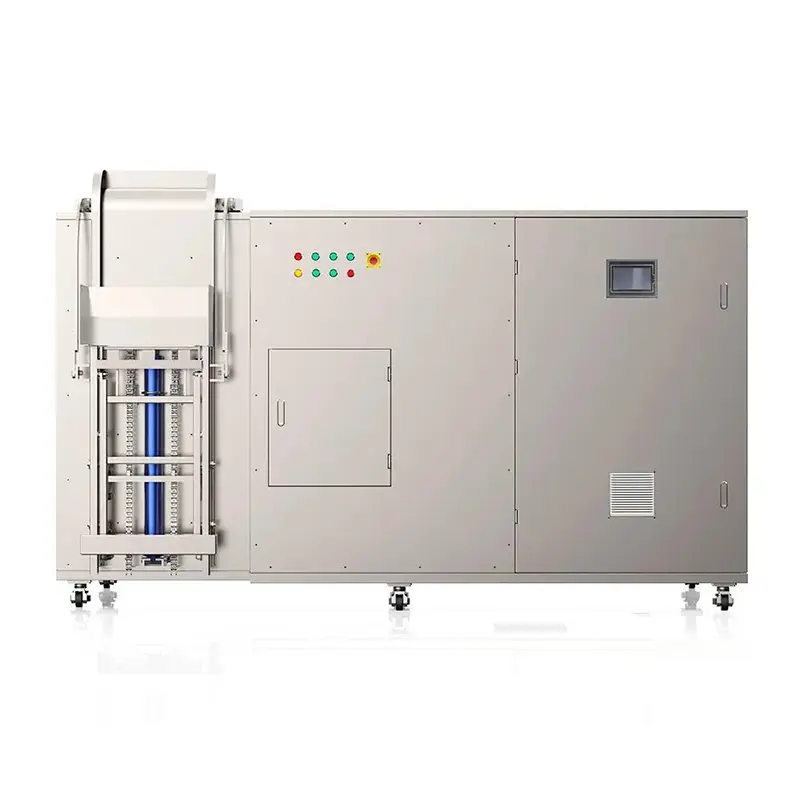 Nanda Thermax Series-200
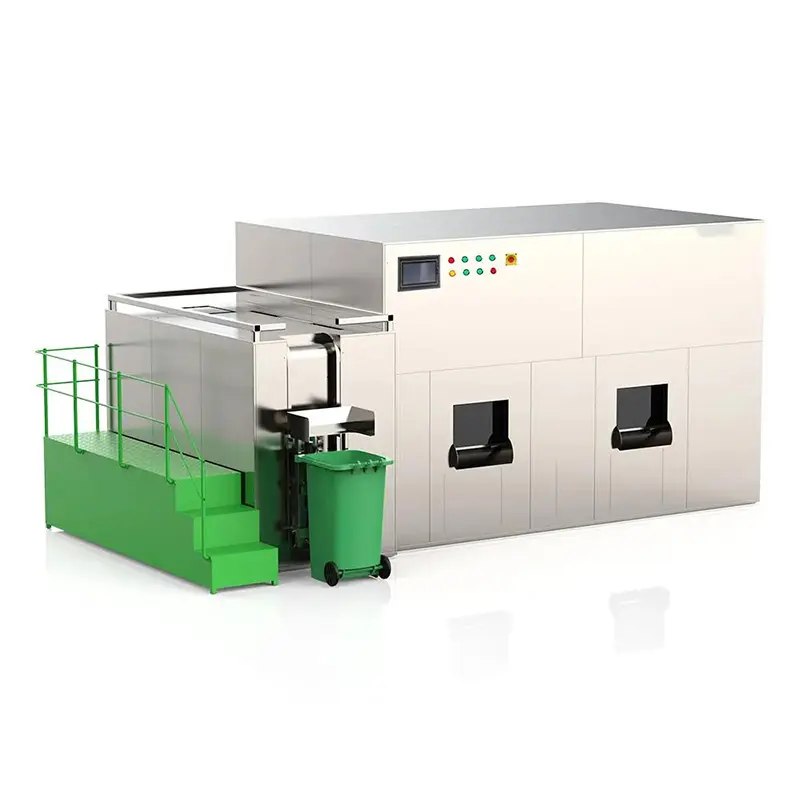 Nanda Thermax Series-2000
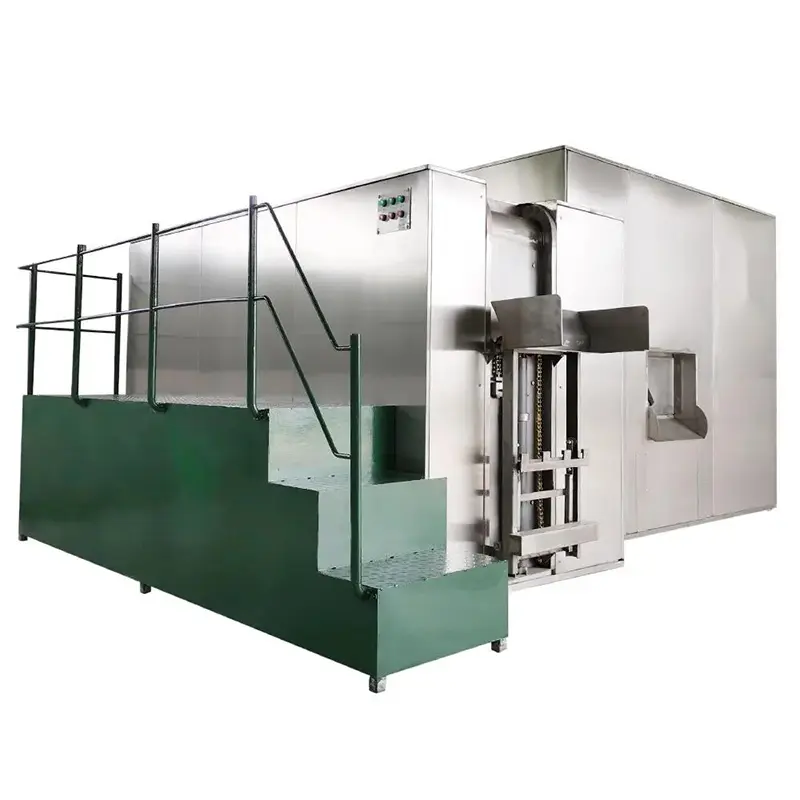 Nanda Thermax Series-10000
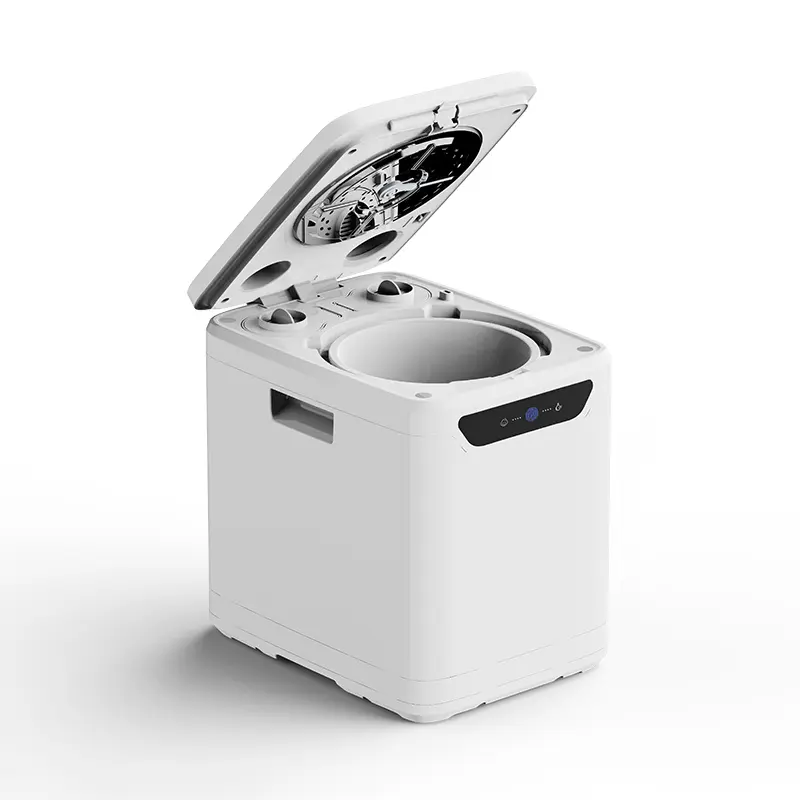 Nanda Turbo Series-3.5L-016
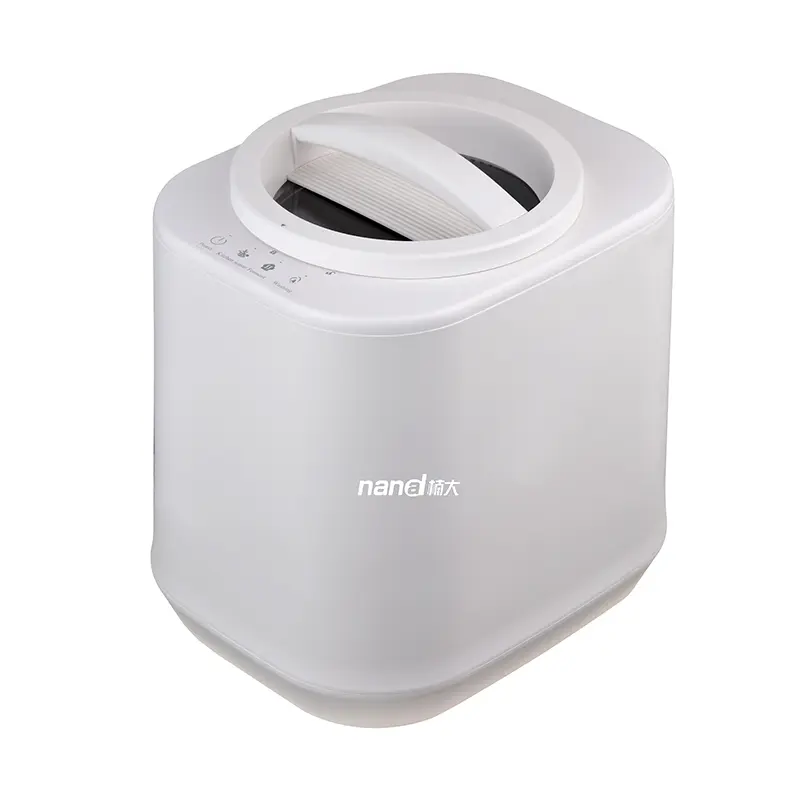 Nanda-Turbo Series-4L-011
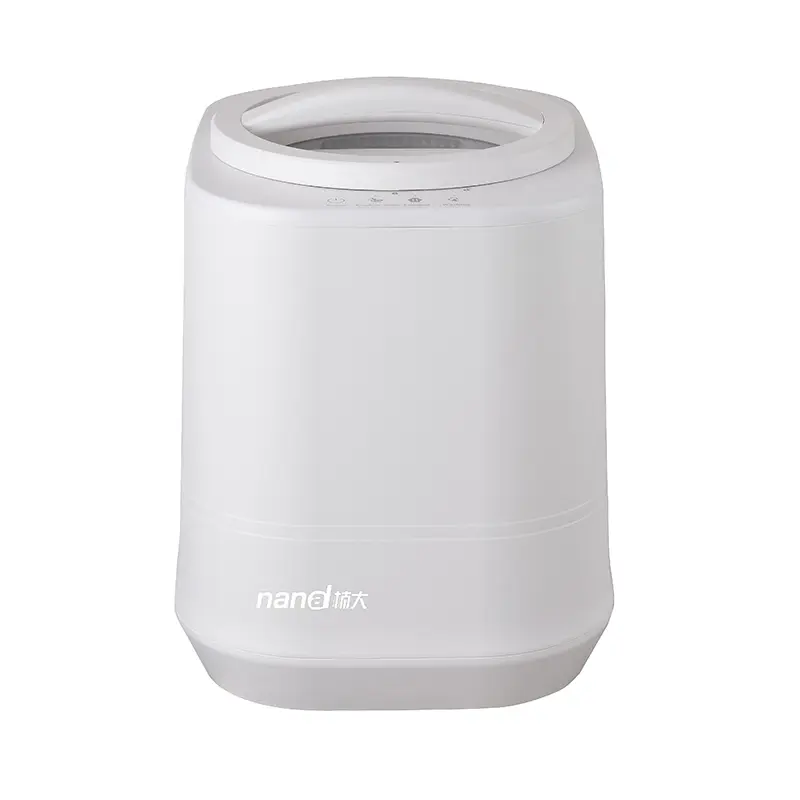 Nanda Turbo Series-4L-012
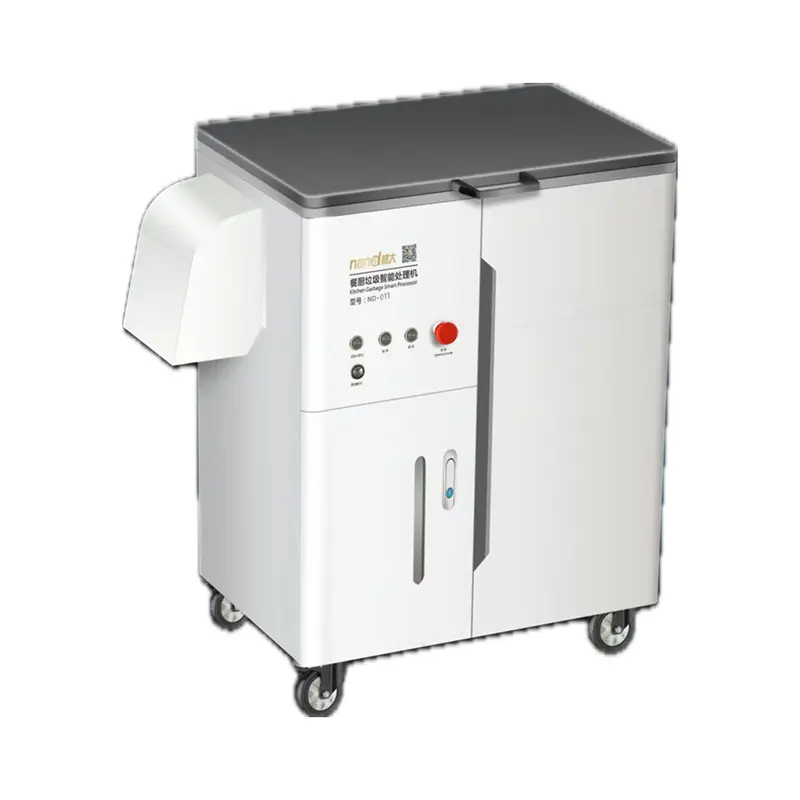 Oil-Water Separator