Why You Should Consider a Kitchen Counter Composter for Your Home?
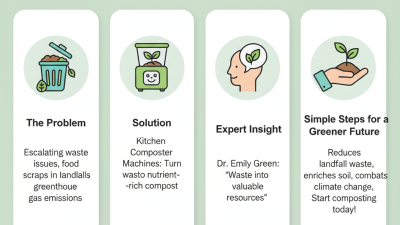
As more homeowners seek sustainable solutions, the Kitchen Counter Composter has emerged as a popular choice. Renowned composting expert Dr. Carol Smith emphasizes its benefits, stating, “A Kitchen Counter Composter can transform kitchen waste into nutrient-rich soil.” This innovative tool not only reduces landfill waste but also fosters a deeper connection with the environment.
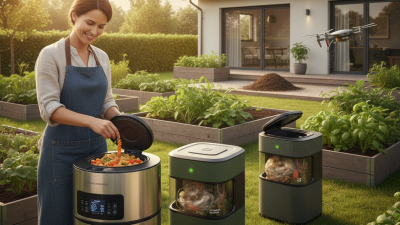
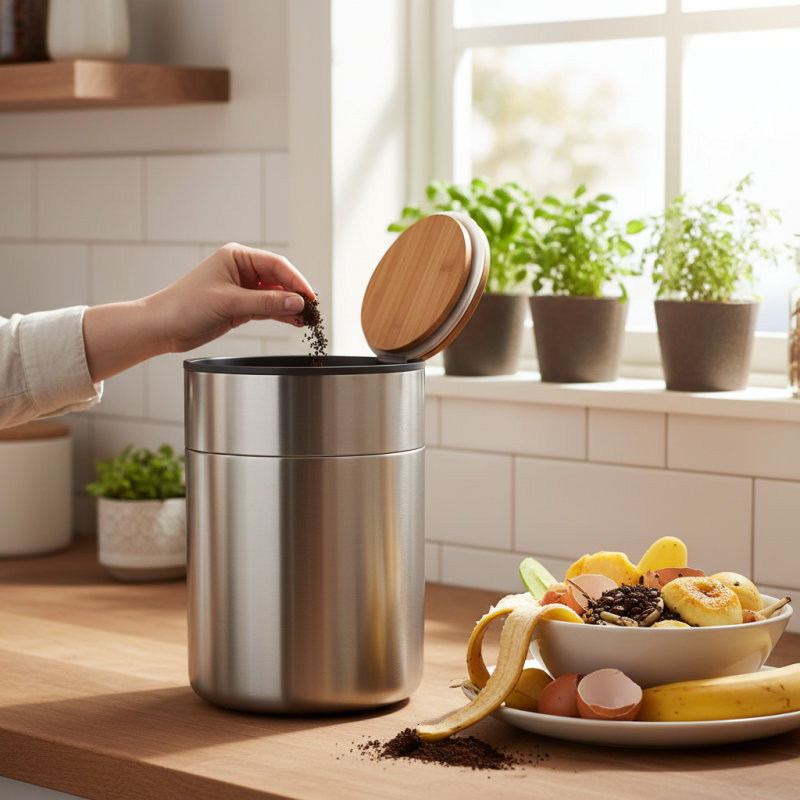
Imagine turning your banana peels and coffee grounds into nourishing compost. The Kitchen Counter Composter simplifies this process, making it an attractive option for busy families and urban dwellers. Each time you use it, you contribute to a circular economy. Such steps may seem small, yet they cultivate a sense of environmental ownership.
However, users must reflect on maintenance strategies. Many forget to clean their composters regularly, leading to odors or pests. Despite its advantages, consistent care is crucial. Ultimately, the Kitchen Counter Composter can serve as a gateway to sustainable living, but it demands commitment and awareness.
Benefits of Using a Kitchen Counter Composter in Your Home
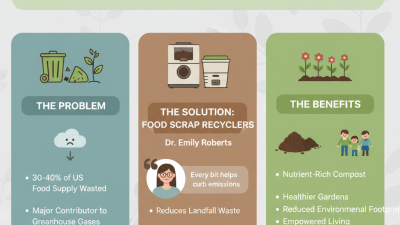
Using a kitchen counter composter brings numerous advantages to homeowners. It transforms organic waste into nutrient-rich compost, minimizing landfill contributions. According to the Environmental Protection Agency, about 30% of waste in landfills is food scraps. Composting can significantly reduce this amount. Home composters help divert waste proactively, promoting sustainable practices.
Convenience is a key benefit. Kitchen counter composters are compact and designed for easy use. They often feature odor-reducing technology. This means you can compost without unpleasant smells infiltrating your kitchen. Research shows that households engaged in composting can produce up to 30% less waste. This reduction aids in lowering disposal costs over time.
Many people overlook the educational aspect of composting. It fosters awareness about waste management and environmental impact. Children and adults learn the importance of recycling organic material. However, challenges arise, such as learning to separate compostable from non-compostable materials. This knowledge gap could lead to contamination, affecting compost quality. Investing time in understanding composting is essential for success.
Why You Should Consider a Kitchen Counter Composter for Your Home?
| Benefit |
Description |
| Reduces Waste |
Composting kitchen scraps reduces the amount of organic waste sent to landfills, decreasing your carbon footprint. |
| Nutrient-Rich Soil |
The compost produced can be used to enrich your garden soil, promoting healthy plant growth. |
| Cost-Effective |
By composting, you can reduce the need for store-bought fertilizers, saving money in the long run. |
| Odor Control |
Counter composters often come with features designed to minimize odors, making composting more pleasant. |
| Convenience |
Having a kitchen counter composter allows you to easily dispose of scraps while cooking, promoting the habit of composting. |
| Sustainability Education |
Using a composter can serve as a teaching tool for children and guests about the importance of sustainability and reducing waste. |
How Kitchen Counter Composters Work: A Simple Overview
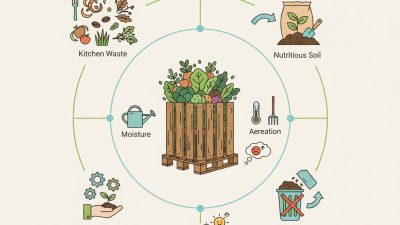
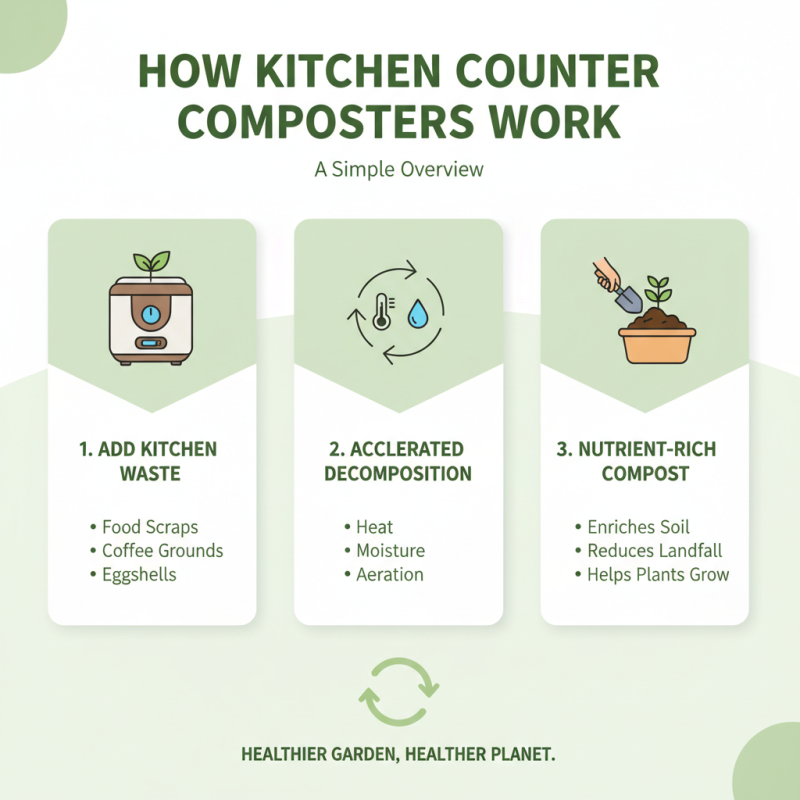
Kitchen counter composters offer a convenient way to transform kitchen waste into nutrient-rich compost. These small units typically utilize a mix of heat, moisture, and aeration to accelerate the decomposition process. By placing scraps in the composter, you can reduce the amount of waste sent to landfill. This helps the environment and enriches your garden soil.
The operation of a kitchen counter composter is straightforward. Add fruits, vegetables, and eggshells, but avoid meat and dairy. Many units have filters to control odors, making them suitable even for small apartments. The process can take weeks to months, depending on the materials used and the setup. Regularly monitoring the compost's moisture levels is essential; too dry or wet compost can slow down decomposition.
However, not all users may find it easy to adapt to composting. Some struggle with ensuring the right balance of ingredients. Others might get discouraged by the time it takes for compost to form. Trial and error is part of the process, and learning from mistakes can lead to a better understanding of composting dynamics. With dedication, kitchen counter composters can significantly contribute to sustainable living.
Tips for Maintaining Your Kitchen Counter Composter Effectively
Maintaining a kitchen counter composter effectively requires attention and care. Start by adding the right materials to your composter. Use a balanced mix of green materials, like fruit scraps and vegetable peels, and brown materials, such as dried leaves or cardboard. This balance helps create a healthy compost environment.
Regularly check the moisture level in your composter. It should feel damp, not soggy. If it’s too wet, add more brown materials. If it’s too dry, sprinkle in some water. Mixing the compost every few days is crucial. This aeration speeds up the decomposition process. You might notice a smell if you don’t turn your compost often.
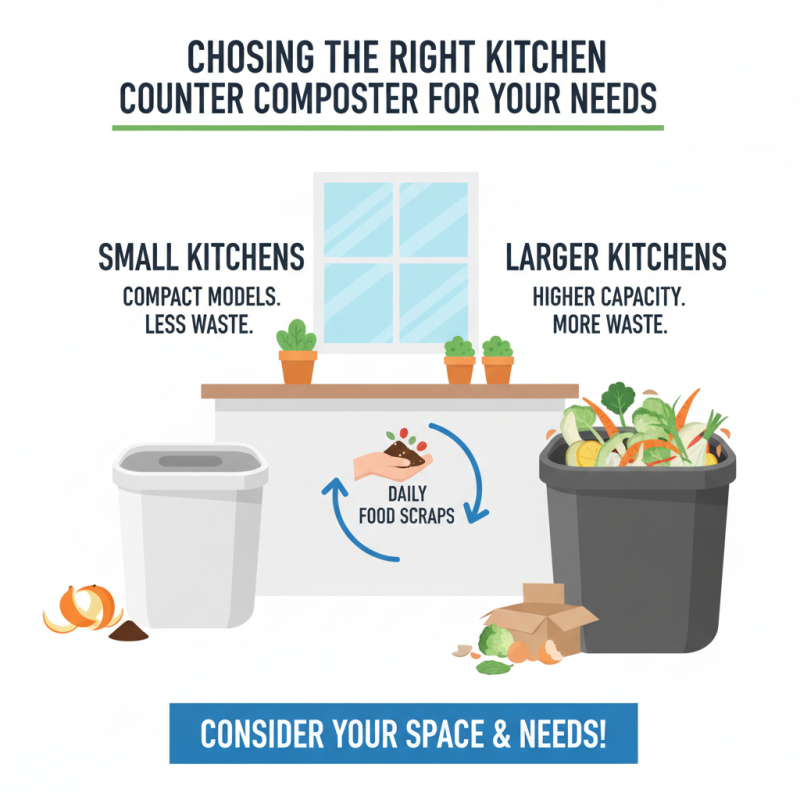
Another consideration is the size of your composter. A small unit can fill up quickly. You may need to empty it every week. This extra step could seem tedious, but it’s essential for efficient composting. Watch out for pests too. Flies and other insects can be a nuisance. Keeping your composter clean and covered can help reduce these issues. Don't let small challenges deter you. Composting takes practice and patience.
Common Misconceptions About Kitchen Composting Practices
When considering kitchen composting, many people hold misconceptions. One common belief is that composting will attract pests. In reality, using a proper counter composter reduces this risk. Ensuring a balanced mix of greens and browns minimizes odors and keeps insects away.
Another misconception is that composting takes too much time. In fact, kitchen composters are designed for convenience. You can easily add scraps during meal prep. This makes it a quick, effective way to reduce waste.
Tips: Remember to chop larger scraps into smaller pieces. This accelerates the decomposition process. Regularly turning the compost can help improve airflow and speed up breakdown. Over time, you'll find the process becomes second nature.
People often think composting produces an unpleasant smell. However, proper management can lead to an earthy aroma. If you notice a foul odor, it’s usually a sign of imbalance. Adjusting the ratio of materials can help correct this.

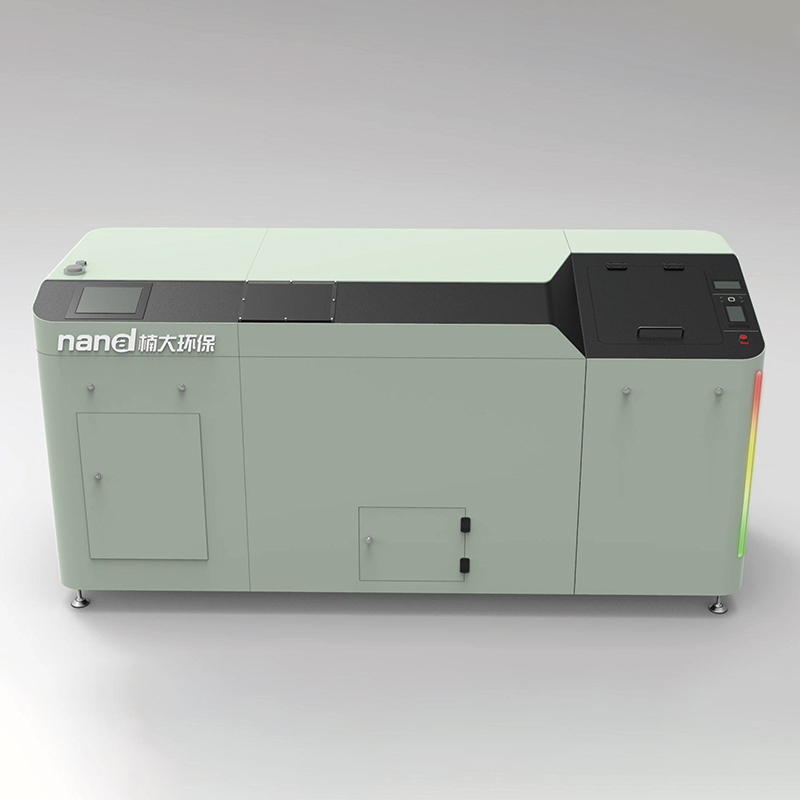 Nanda Trans Series-200
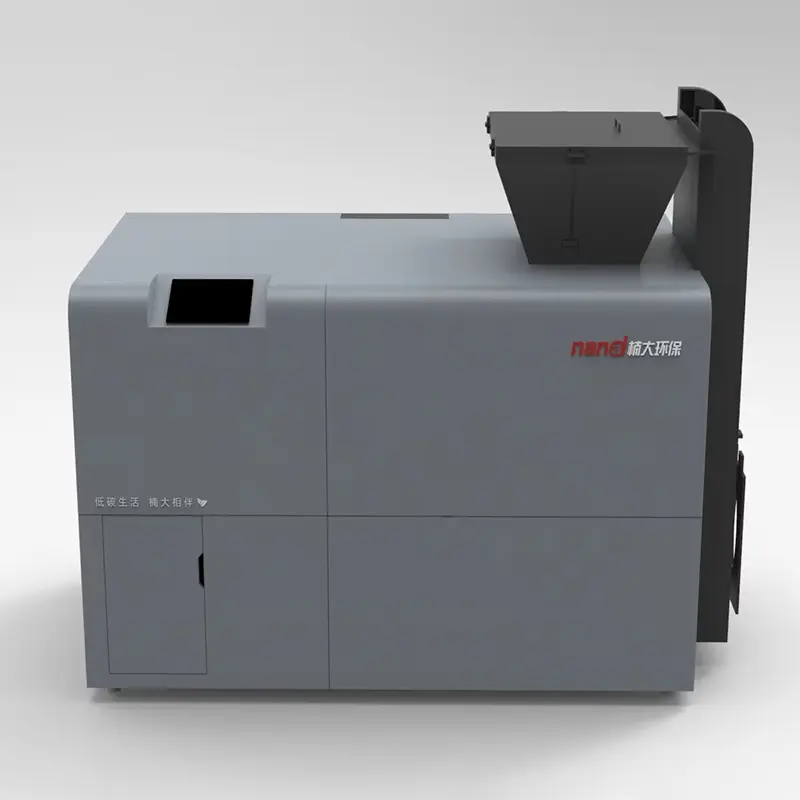 Nanda Trans Series-500
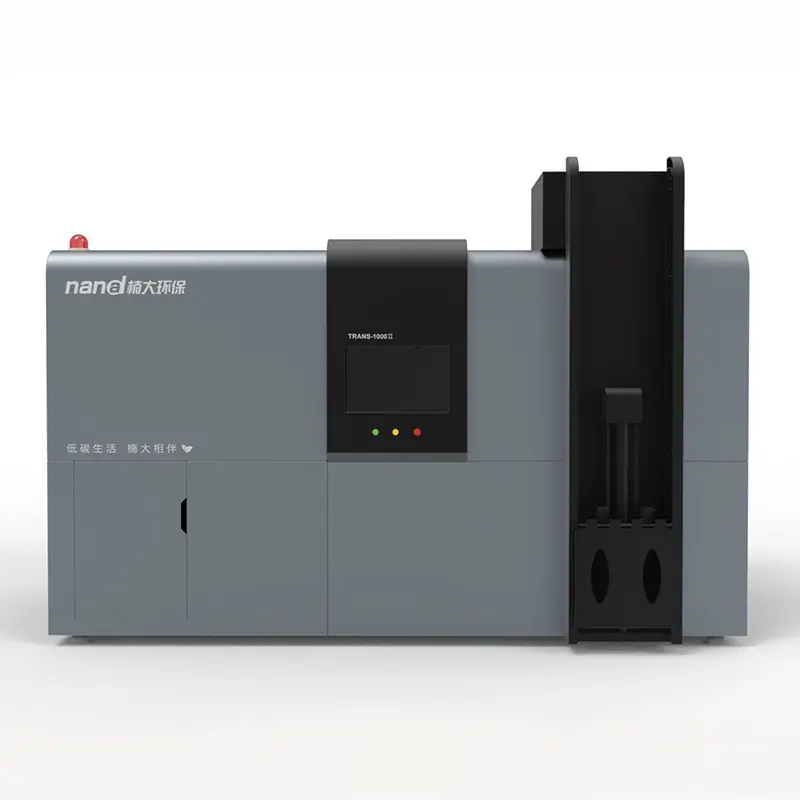 Nanda Trans Series-1000
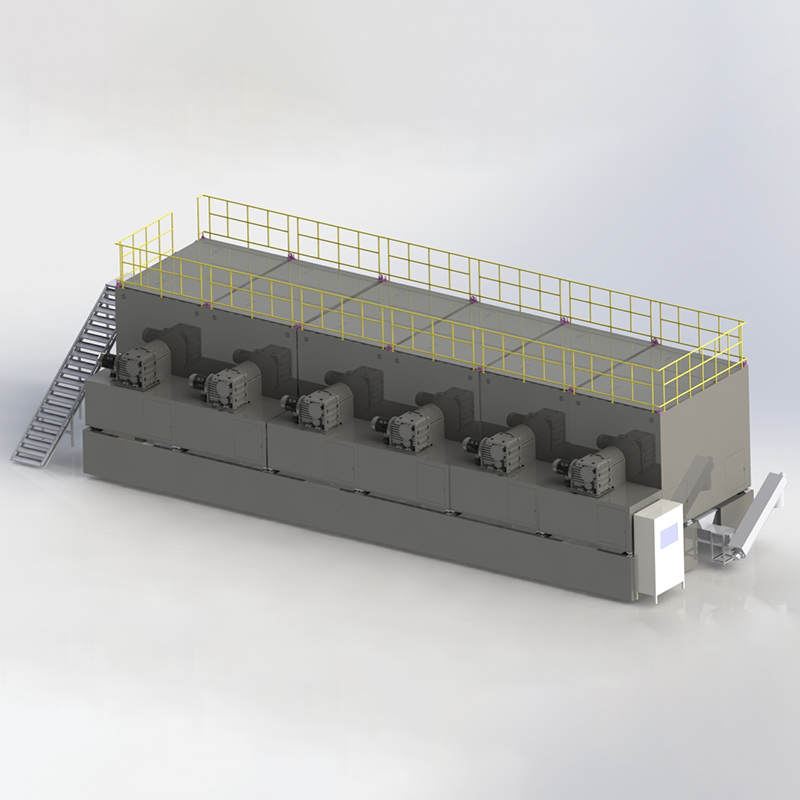 Nanda Trans Series-30000
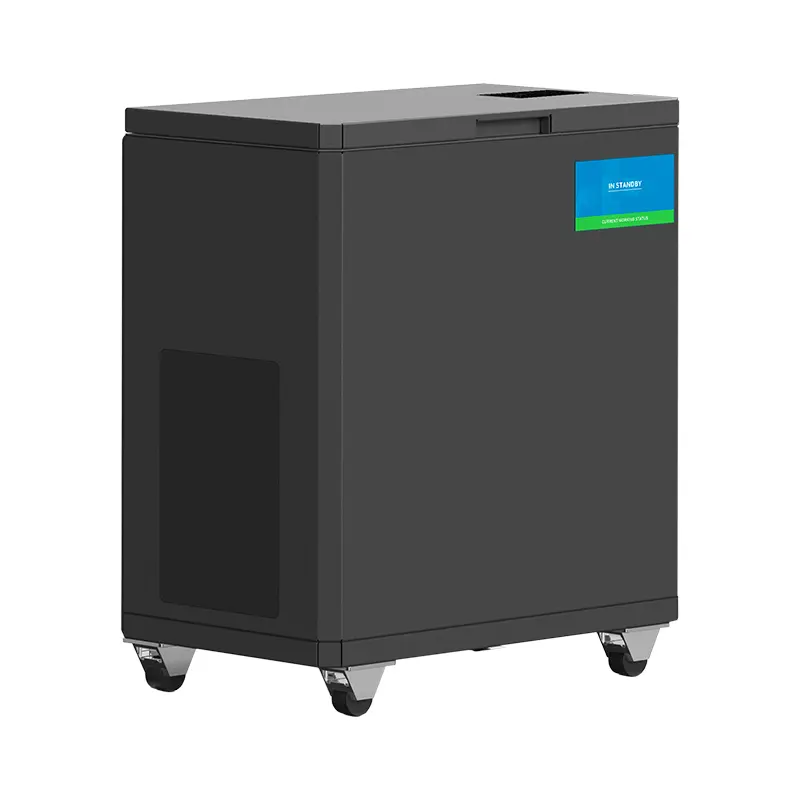 Nanda Thermax Series-100
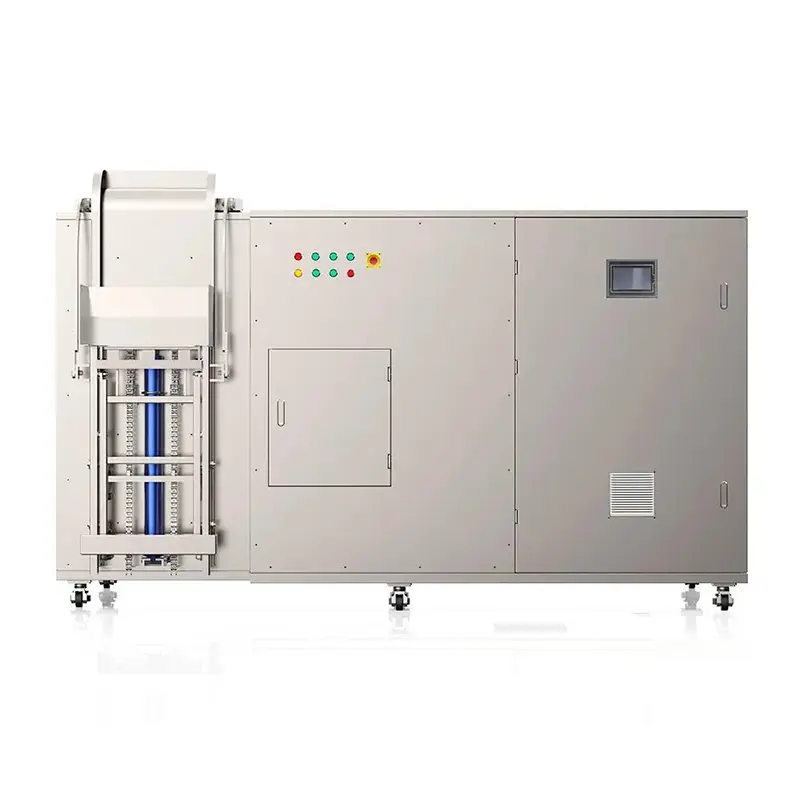 Nanda Thermax Series-200
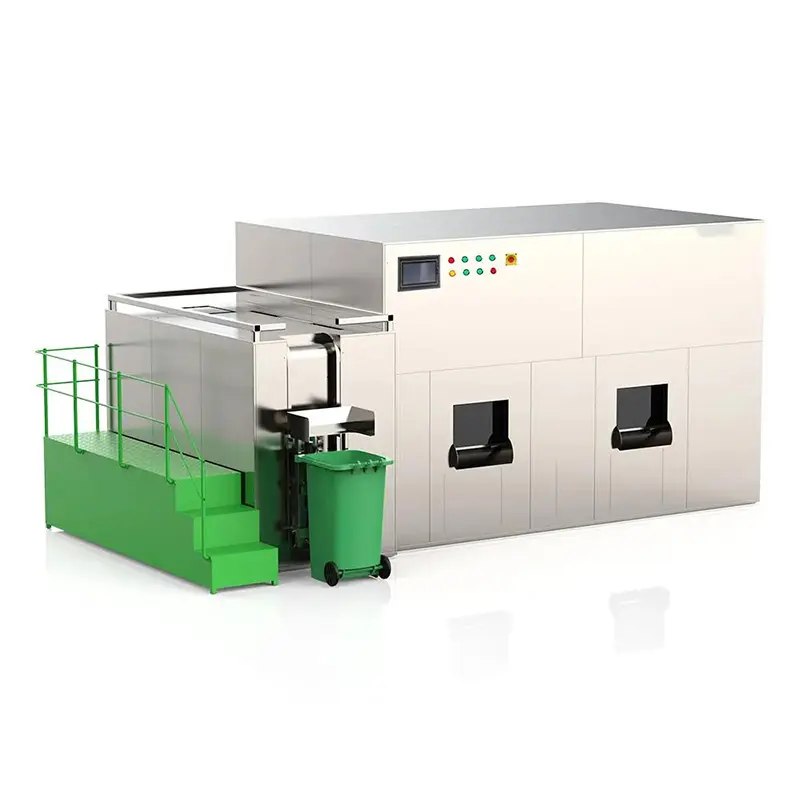 Nanda Thermax Series-2000
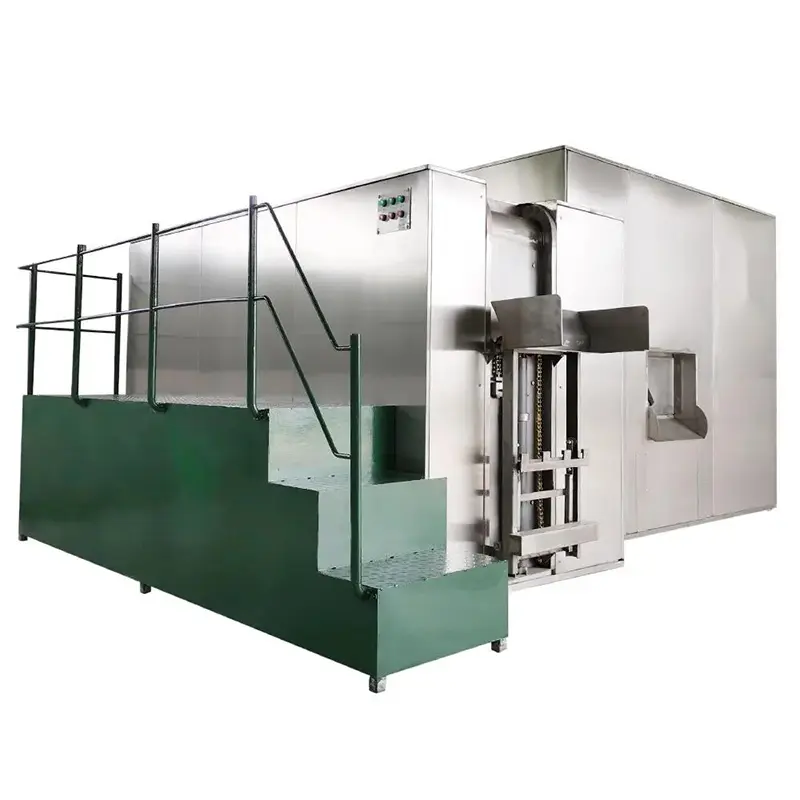 Nanda Thermax Series-10000
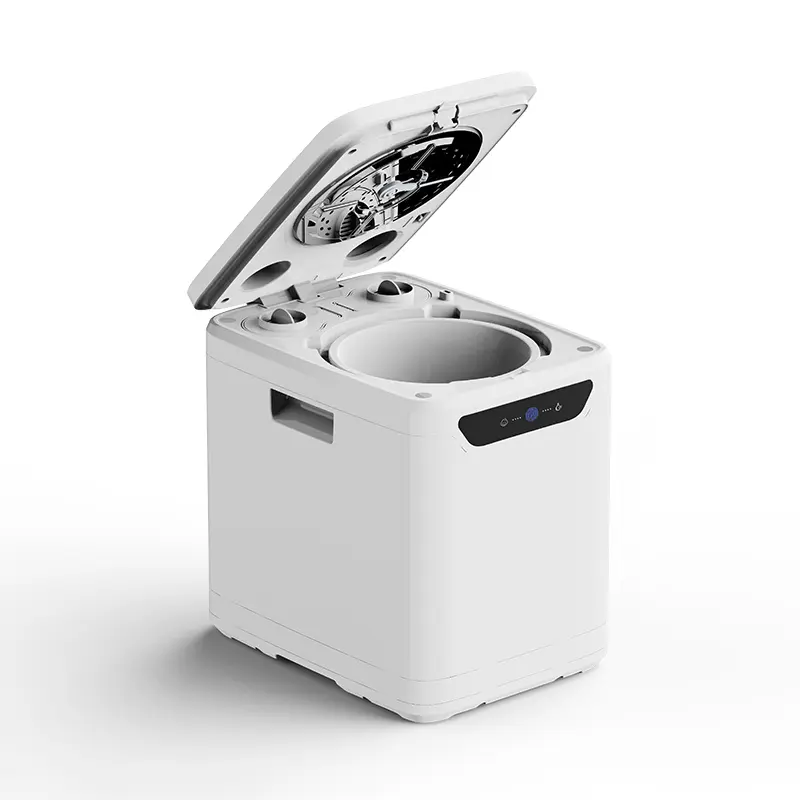 Nanda Turbo Series-3.5L-016
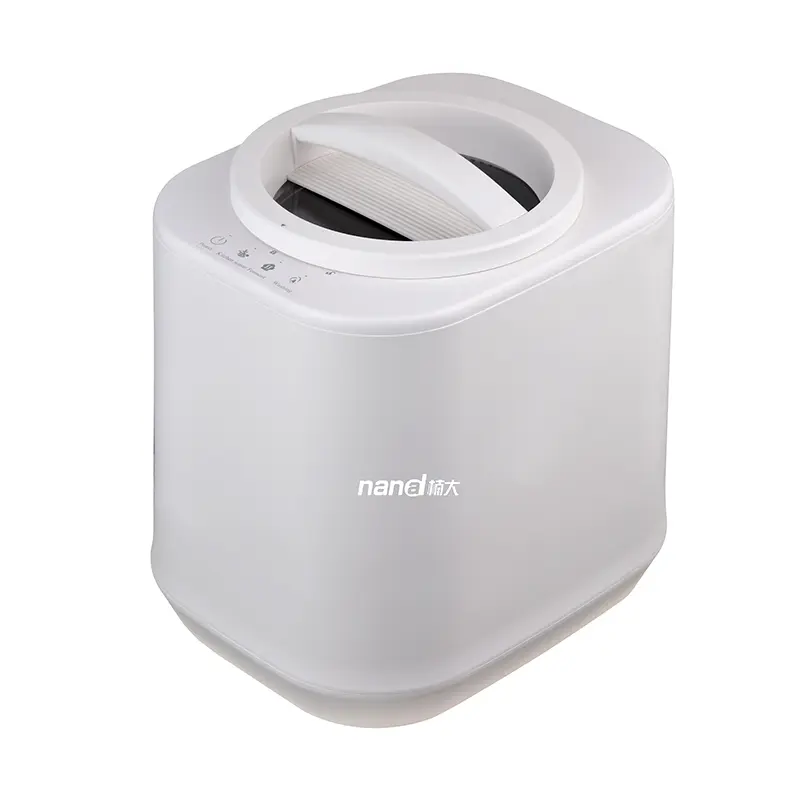 Nanda-Turbo Series-4L-011
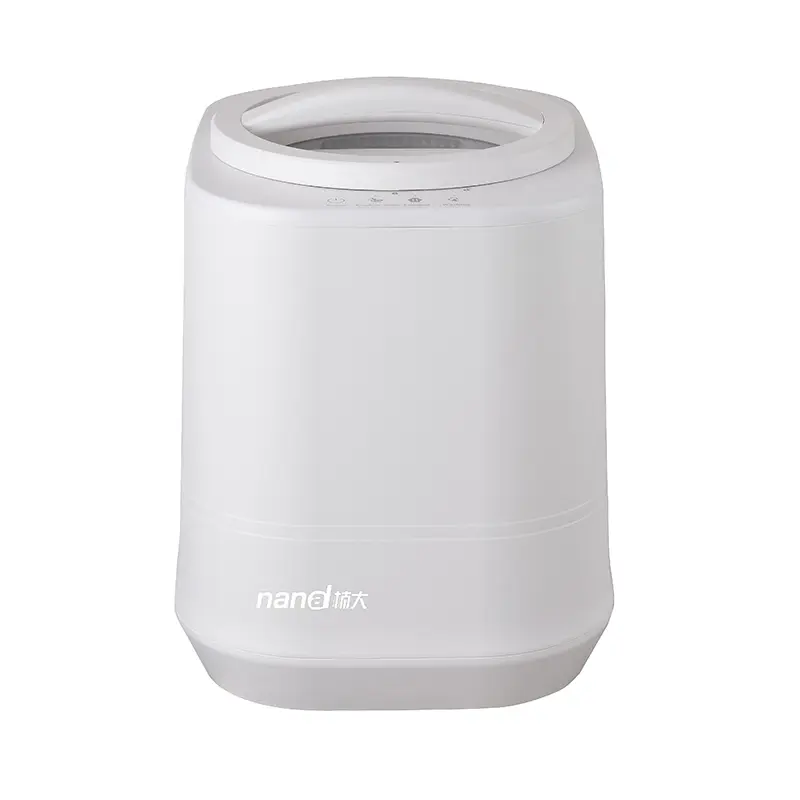 Nanda Turbo Series-4L-012
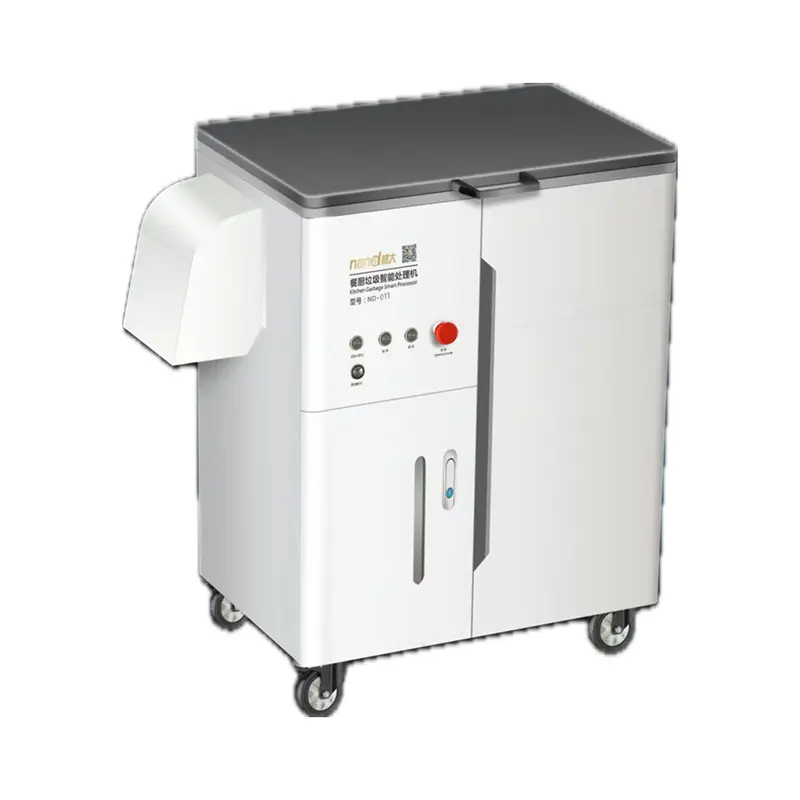 Oil-Water Separator