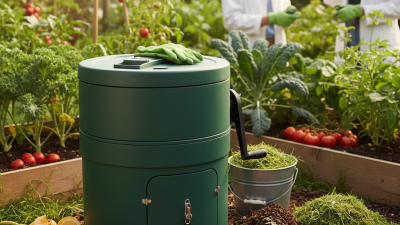
What is a Countertop Composter and How Does it Work?
Countertop composting is gaining traction among eco-conscious individuals. As more people strive to reduce waste, the countertop composter emerges as a practical solution. According to Dr. Emily Green, an expert in sustainable practices, “Countertop composters make it easier for everyone to contribute to waste reduction.”
These compact machines are designed to process food scraps directly in your kitchen. They offer a convenient way to recycle organic waste. Users can convert peels, coffee grounds, and other scraps into nutrient-rich compost. However, these devices require careful attention to maintain an ideal balance. Overloading or improper usage can lead to odors or ineffective composting.
While the benefits are significant, challenges remain. Some users may feel overwhelmed by the initial learning curve. Understanding the right materials and maintaining equipment can be tricky. Despite these hurdles, the advantages of a countertop composter are compelling for those who want to make a difference.
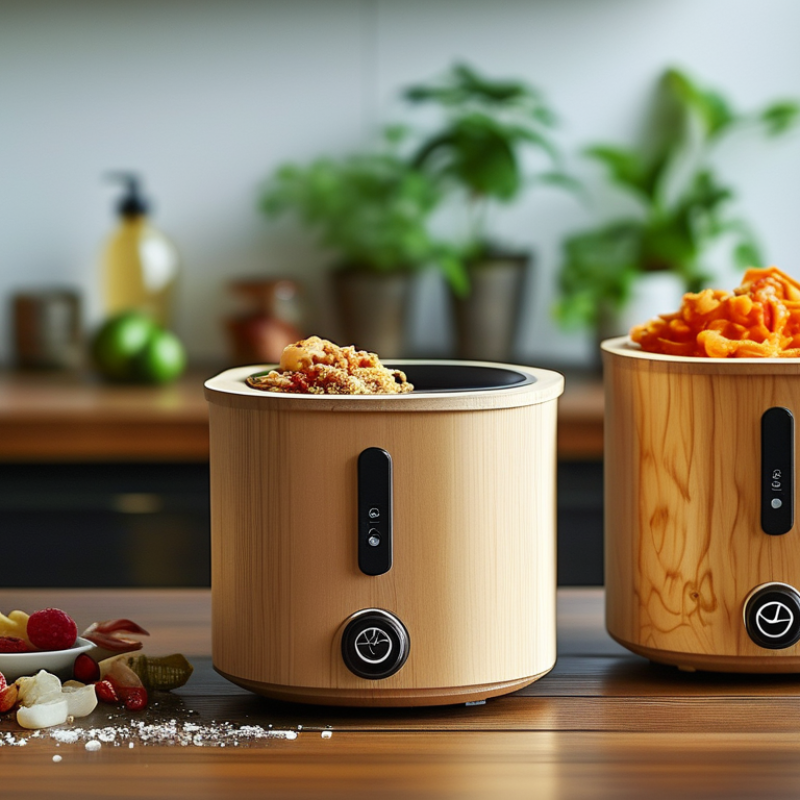
What is a Countertop Composter?
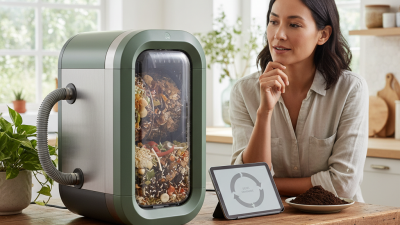
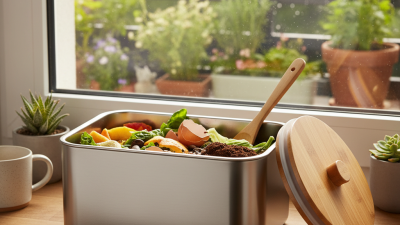
A countertop composter is a compact, convenient solution for turning kitchen scraps into nutrient-rich compost. This device fits seamlessly on your kitchen counter, allowing you to compost organic waste like fruit peels, vegetable trimmings, and coffee grounds. Many users appreciate the simplicity of this method, as it encourages waste reduction right at home.
How does it work? Inside, a blend of materials breaks down food waste through microbial activity. Some models feature charcoal filters to minimize odors, which is crucial for indoor use. While countertop composters make composting accessible, they require some attention. Users must balance the carbon and nitrogen content to avoid unpleasant smells. Regular monitoring is essential to maintain an ideal composting environment.
Though they are effective, not every waste type can be composted. Items like dairy and meat can attract pests and create messes. Learning what to include in your composter may take time and experimentation. While it's an environmentally friendly choice, you may face challenges in mastering the process of indoor composting. The experience can be rewarding, but it's advisable to remain patient and open-minded.
Benefits of Using a Countertop Composter
Countertop composters are an excellent tool for managing kitchen waste. They offer an easy and efficient way to compost food scraps. Using these compact devices reduces waste sent to landfills. Many people appreciate the convenience of having a composter right on their kitchen countertop. It encourages sustainable practices in a small space.
One notable benefit is the nutrient-rich compost produced. This compost can enrich garden soil. It helps plants thrive and reduces the need for chemical fertilizers. Additionally, countertop composters can minimize unpleasant odors often associated with kitchen waste. Many models feature odor control systems, making the process more hygienic.
However, some individuals may find it challenging to correctly maintain their composters. It's vital to monitor the balance of green and brown materials. Keeping the right mixture is crucial for successful composting. Occasionally, users might experience issues like excess moisture or slow decomposition. Learning from these challenges can improve the composting experience, leading to better results over time.
What is a Countertop Composter and How Does it Work? - Benefits of Using a Countertop Composter
| Feature |
Description |
Benefits |
| Compact Size |
Designed to fit easily on kitchen countertops, ideal for small spaces. |
Convenient for urban dwellers with limited kitchen space. |
| Odor Control |
Includes filters or ventilation systems to minimize odors during composting. |
Keeps your kitchen smelling fresh while composting. |
| Ease of Use |
Simple mechanisms for adding organic waste and managing composting process. |
User-friendly for anyone, from novice to experienced composters. |
| Speed of Composting |
Some models can accelerate composting through heat or aeration. |
Reduces waiting time for finished compost. |
| Sustainability |
Reduces waste sent to landfills and promotes recycling nutrients back into the soil. |
Contributes to environmentally friendly practices. |
How a Countertop Composter Works
A countertop composter is a convenient solution for composting kitchen scraps. It typically features a compact design that fits easily on a countertop. This composter uses natural processes to break down organic waste. It can handle vegetable peels, coffee grounds, eggshells, and other biodegradable materials. As food waste decomposes, it creates nutrient-rich compost.
How does a countertop composter work? Most models employ a combination of aerobic and anaerobic bacteria. These microorganisms thrive on organic material and break it down through microbial activity. Users often add a carbon source, such as shredded paper or dried leaves, to maintain a balanced composting environment. Over time, food scraps transform into compost. However, the process may produce odors if not managed properly. Regular turning and monitoring moisture levels can help.
Some users may find it challenging to adjust their practices. Not all materials compost the same way. Some scraps can take longer to break down. It’s essential to understand what can and cannot go into the composter. This knowledge increases efficiency and reduces frustrations. Composting at home requires patience and attention but can lead to a rewarding process.
Types of Countertop Composters Available
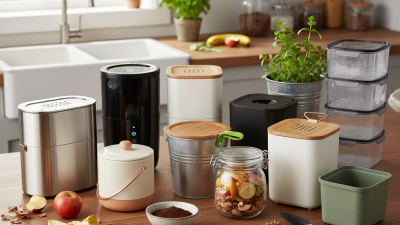
Countertop composters are innovative tools for sustainable living. They come in various types, each catering to different composting needs. Common designs include traditional bins, electric models, and fermentation machines. Traditional bins are user-friendly and perfect for kitchen scraps. They rely on natural processes to break down waste over several weeks.
Electric composters are fast and efficient. They can convert waste into compost within hours. A study from the Environmental Protection Agency highlights that such devices can divert up to 30% of household waste. Fermentation machines provide a unique solution by creating a liquid fertilizer. This method enhances nutrient absorption for plants and can reduce landfill contributions significantly.
When using countertop composters, consider the type of waste you're processing. While many materials are compostable, some might not break down as expected. For optimum results, avoid products with high fat or dairy content. Furthermore, take the time to learn the balance between green (nitrogen-rich) and brown (carbon-rich) materials. Remember, every composting journey comes with challenges. Reflect on your practices and adjust them for better results.
Tips for Effective Composting at Home
Home composting can be simple and rewarding. To get started, know what materials to use. Fruit scraps, vegetable peels, and yard waste are great. Avoid meat and dairy, as they can attract pests. A balance of green materials, rich in nitrogen, and brown materials, like dry leaves, is essential for healthy compost.
Regularly turning your compost can speed up the breakdown process. This is a simple task that enhances airflow. Keeping moisture in check is crucial, too. If it’s too dry, add water. If too wet, add more brown materials. Check the temperature; it can indicate whether composting is happening effectively.
Your patience is key. Composting takes time. It's a trial and error process. Don't get discouraged by odor or slow decomposition. Experiment with different materials and ratios. Every household’s composting setup will be unique. Keep learning and adjusting for the best results.

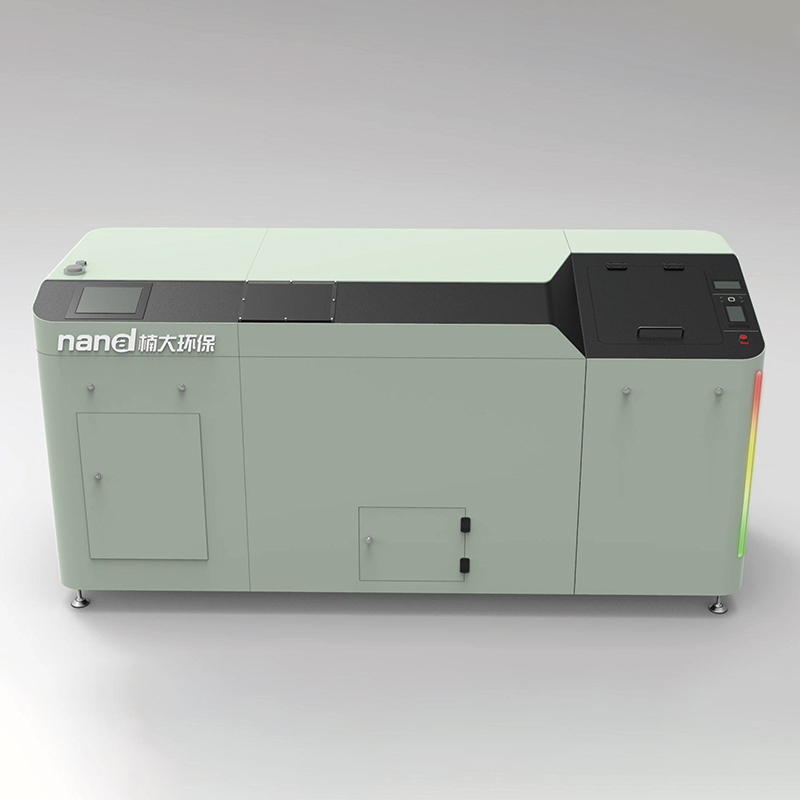 Nanda Trans Series-200
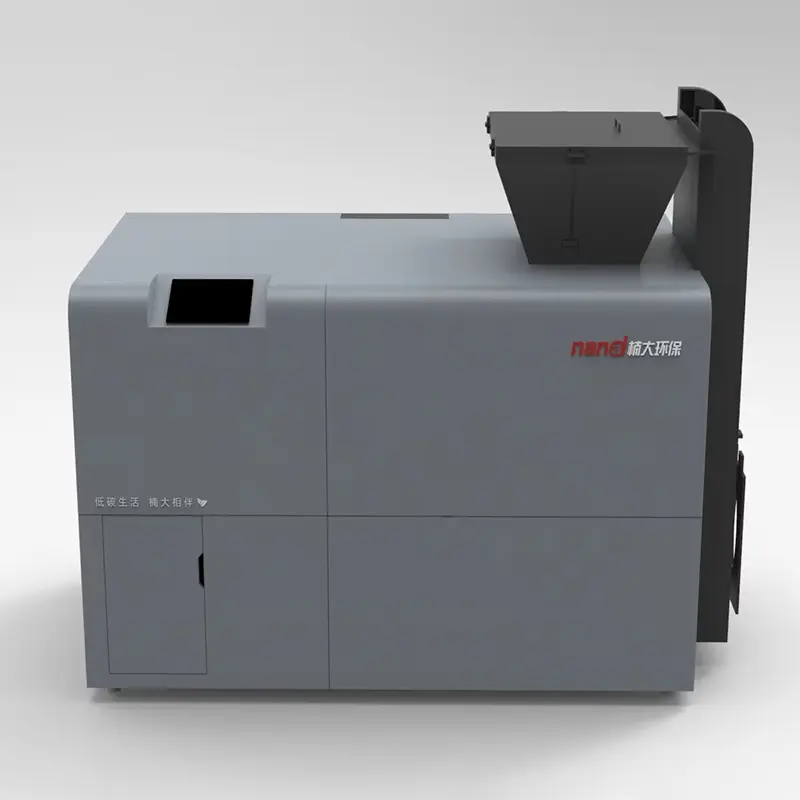 Nanda Trans Series-500
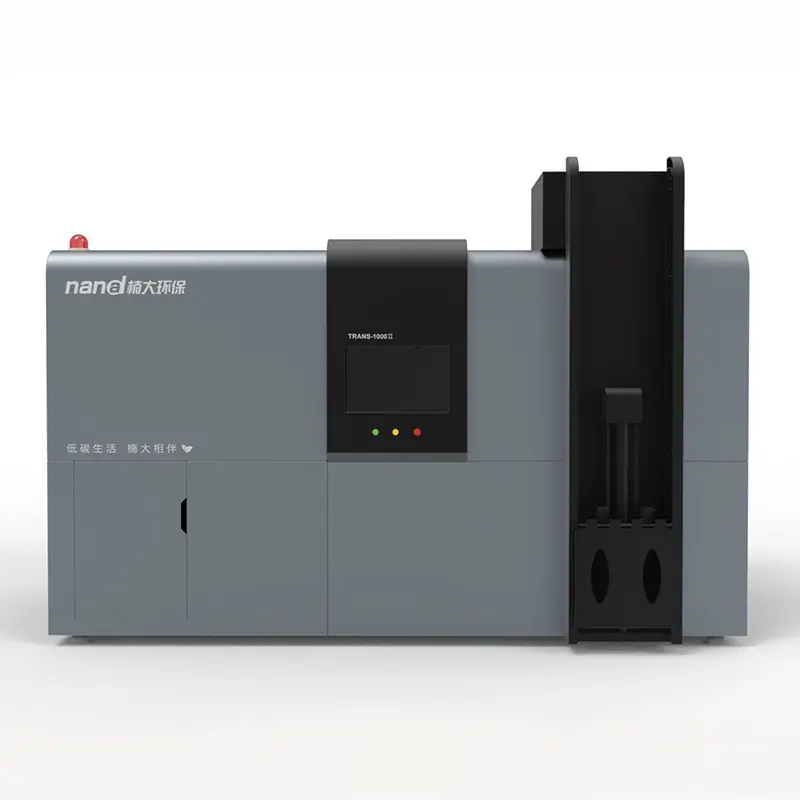 Nanda Trans Series-1000
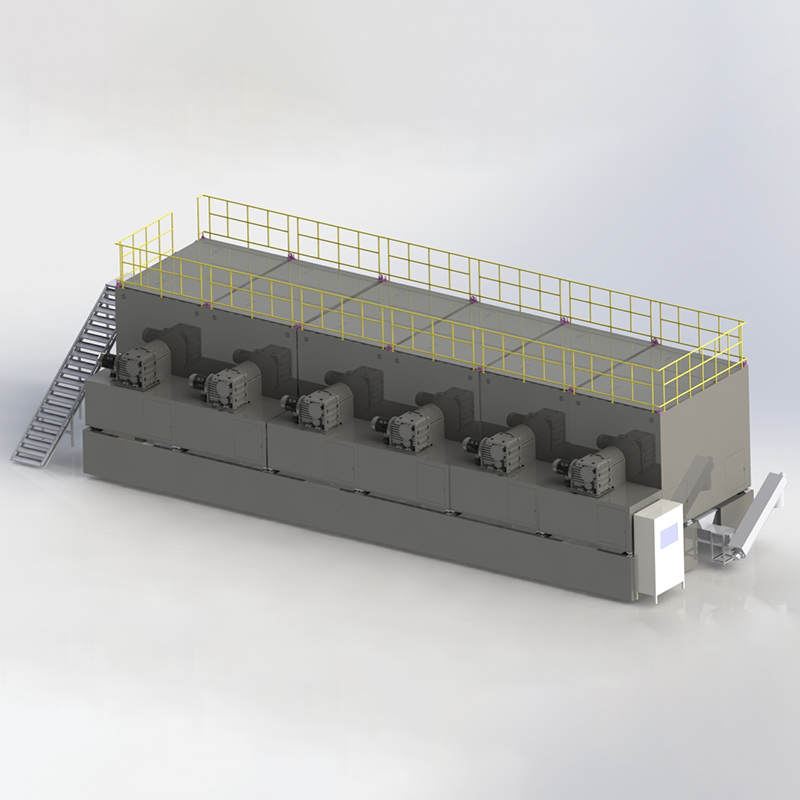 Nanda Trans Series-30000
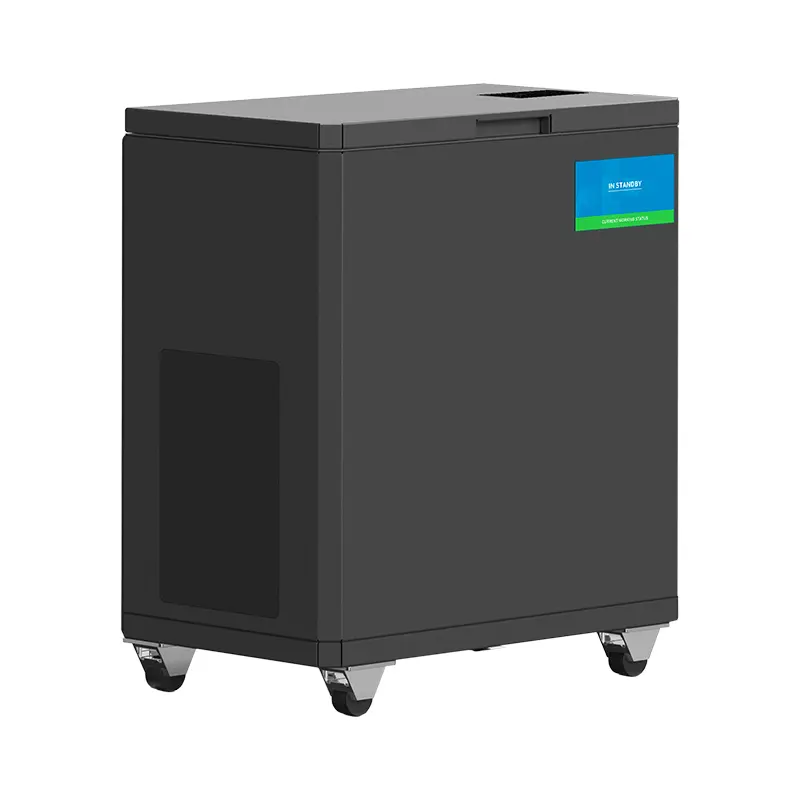 Nanda Thermax Series-100
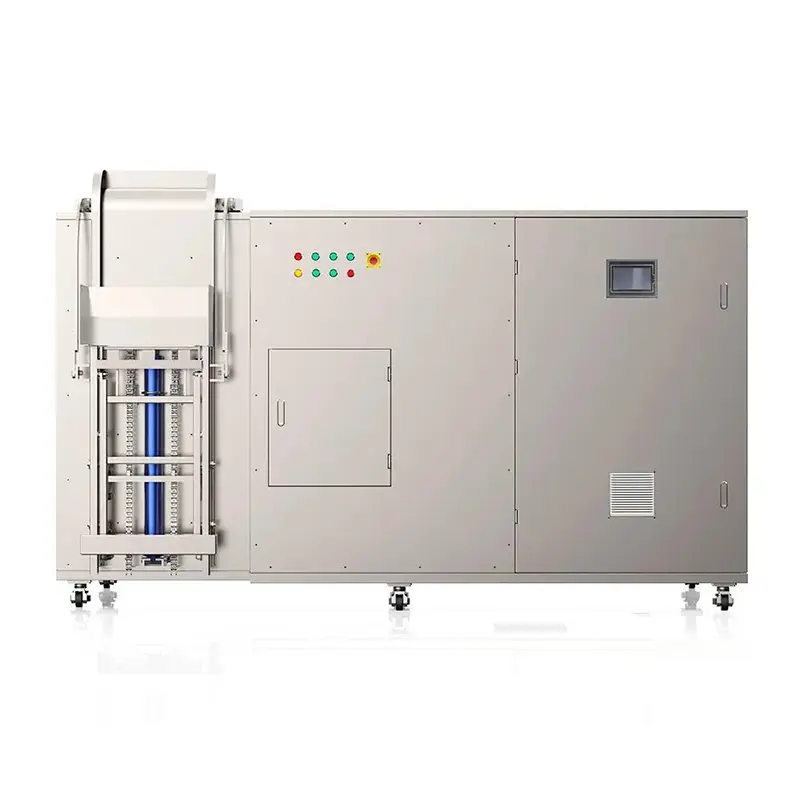 Nanda Thermax Series-200
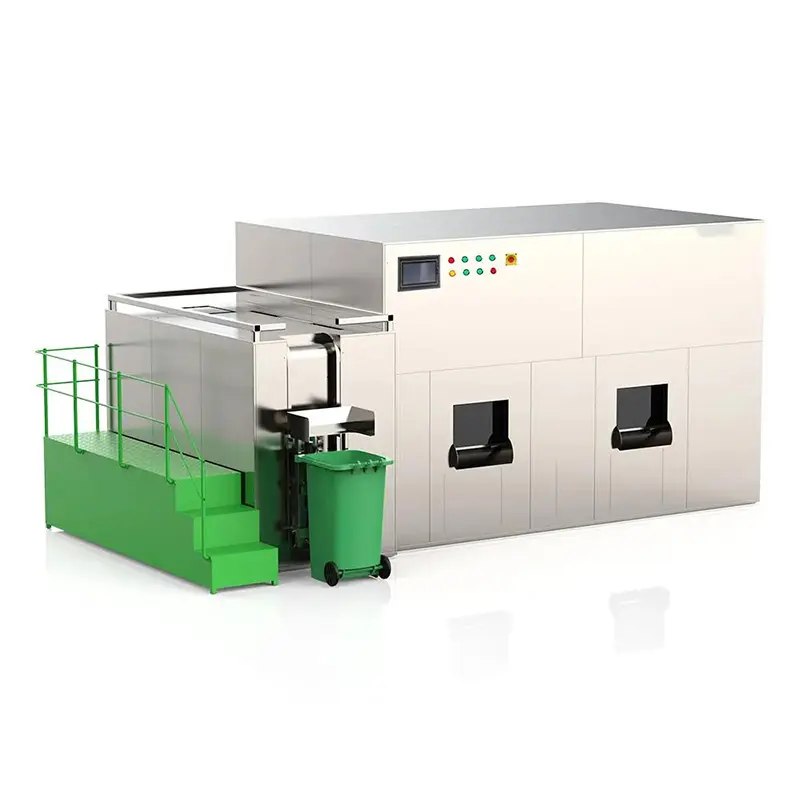 Nanda Thermax Series-2000
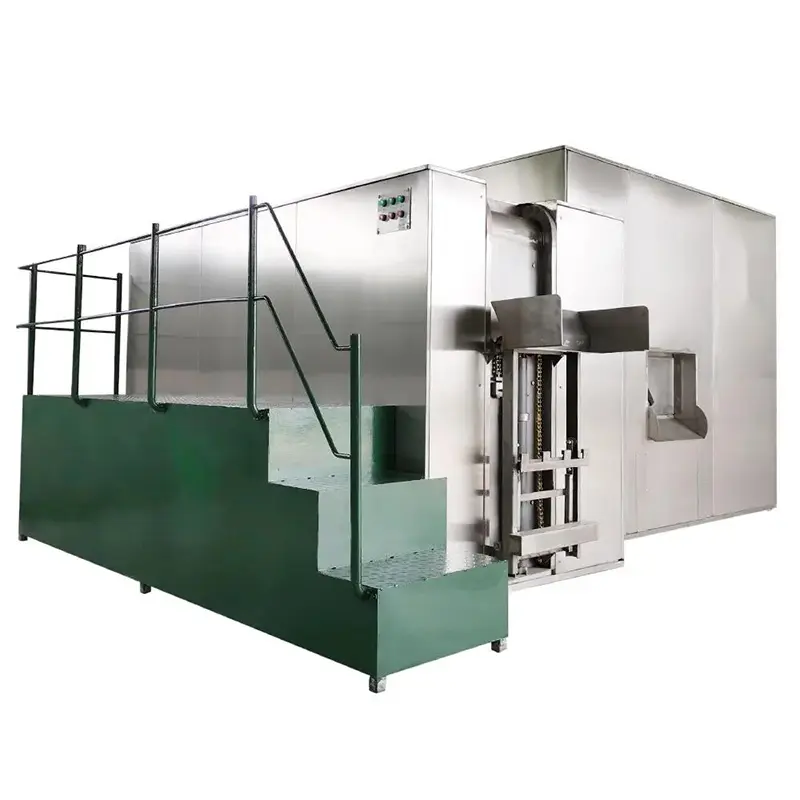 Nanda Thermax Series-10000
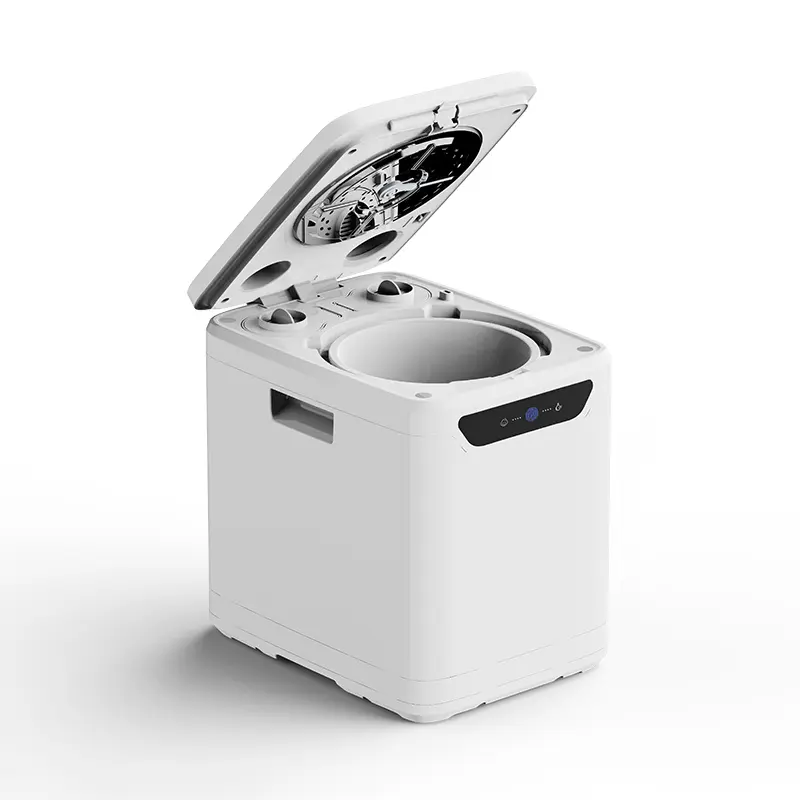 Nanda Turbo Series-3.5L-016
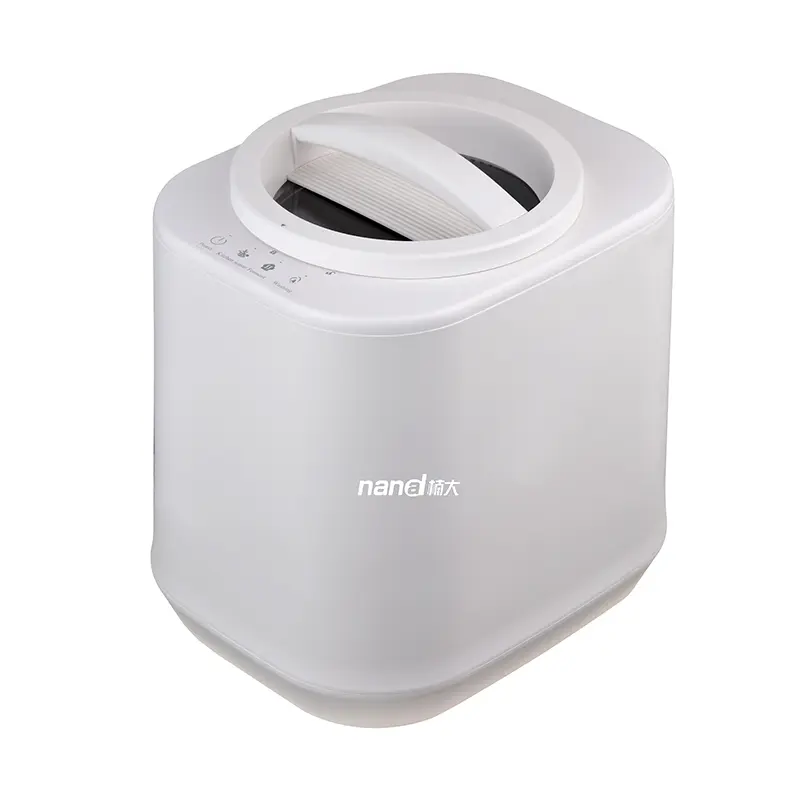 Nanda-Turbo Series-4L-011
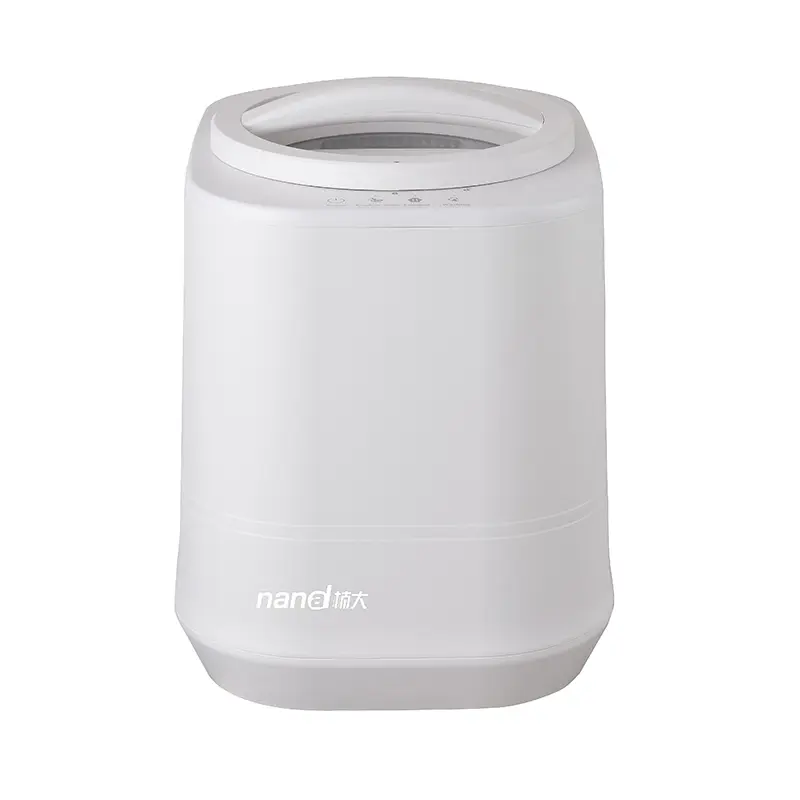 Nanda Turbo Series-4L-012
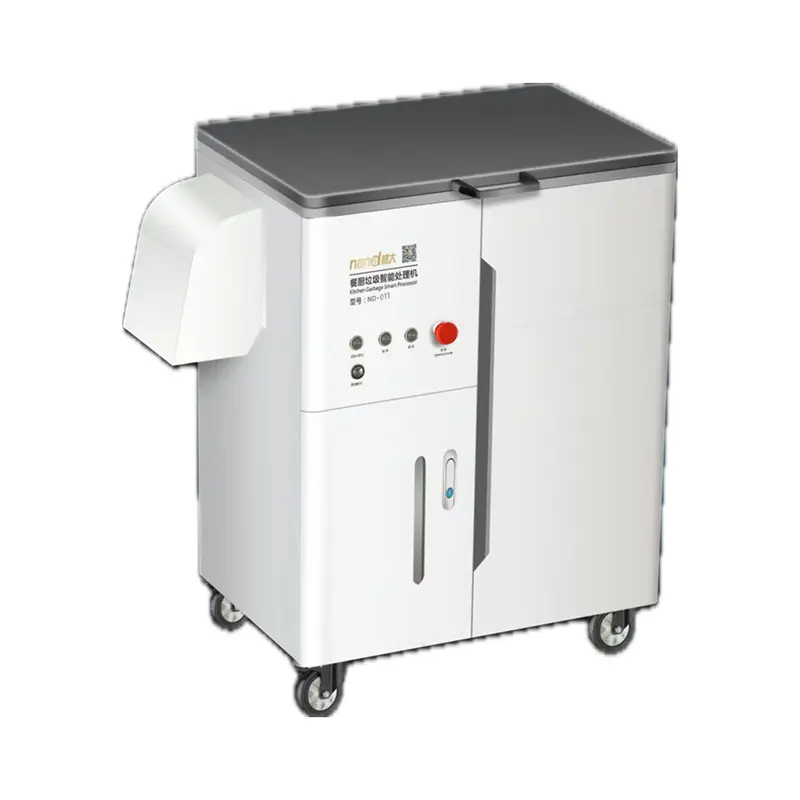 Oil-Water Separator