Leave Your Message

Top 10 Tips for Effective Household Waste Disposal Strategies?

Effective household waste disposal is essential for maintaining a clean and healthy environment. It affects our daily lives and the planet's future. Each year, millions of tons of waste end up in landfills. Many people lack awareness of proper disposal methods. This can lead to pollution and health issues.

Implementing successful waste disposal strategies can significantly reduce our environmental footprint. Simple practices, like sorting recyclables, reduce landfill waste. Education is vital in guiding individuals and communities. Yet, many still struggle with consistent waste management. There is potential for improvement.

Each household can make a difference. Small changes can lead to substantial outcomes. For example, composting kitchen scraps can minimize waste. It's a learning process that requires commitment. Reflecting on our disposal habits reveals areas for growth. Adopting effective household waste disposal strategies is not just a task; it’s a responsibility we all share.
Top 10 Tips for Effective Household Waste Disposal Strategies?

Understanding the Importance of Proper Household Waste Disposal

Top 10 Tips for Effective Household Waste Disposal Strategies?

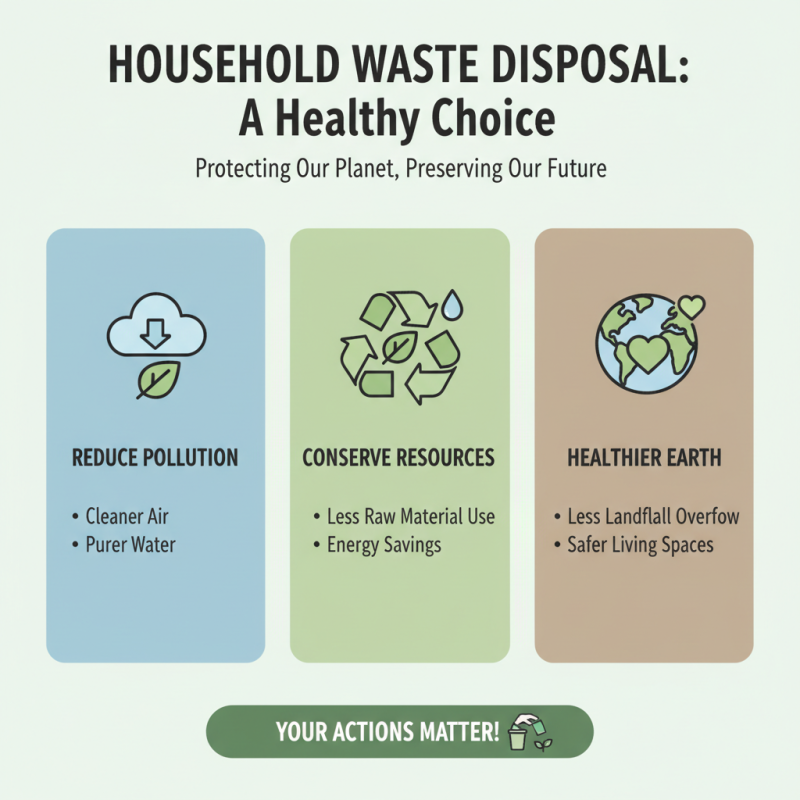
Proper household waste disposal is vital for maintaining a healthy environment. It reduces pollution and helps in conserving resources. When we dispose of waste incorrectly, we contribute to landfills overflowing with harmful materials. This not only affects the air we breathe but also the earth we live on.

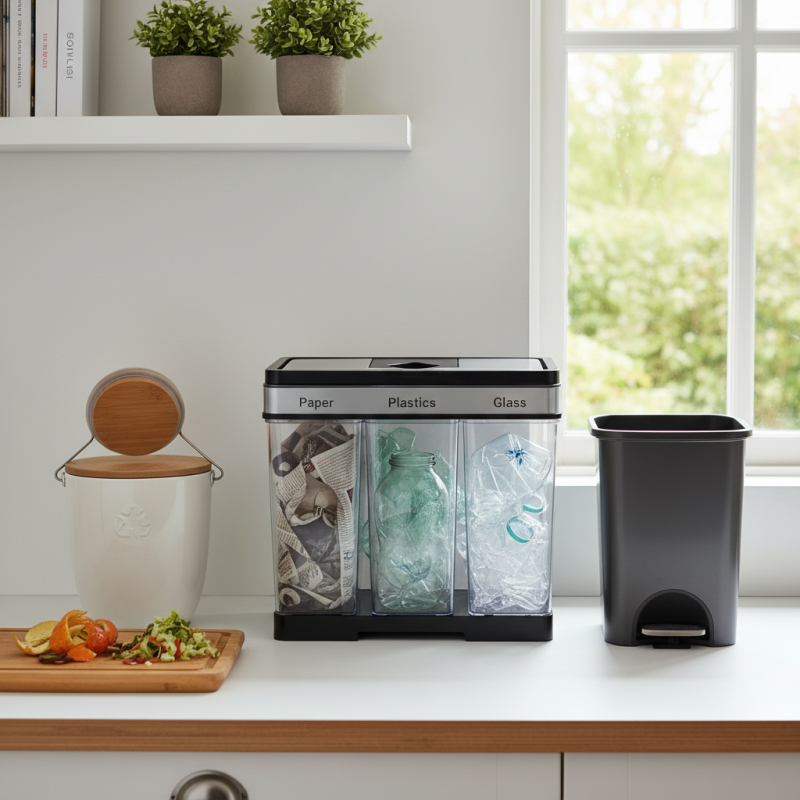
To effectively manage waste, consider reducing your footprint. Start by recycling items like paper, glass, and plastics. This simple habit can significantly decrease the volume of waste. Another step is to compost organic waste. Kitchen scraps and yard waste can become valuable compost, contributing to healthy plants.

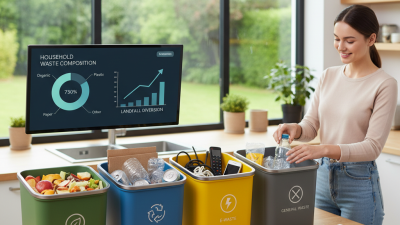
Educating your family is another essential tip. Discuss waste segregation at home. Use separate bins for recyclables and non-recyclables. Make it a fun activity. However, it’s crucial to acknowledge that many people struggle with consistent disposal methods. It’s about learning from mistakes and improving our practices over time. Every small effort counts towards a cleaner, more sustainable future.
Identifying Different Types of Household Waste

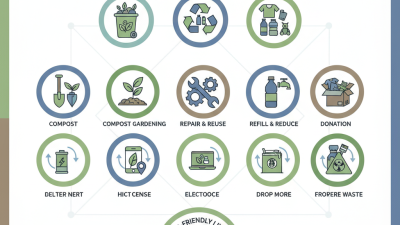
When it comes to household waste, identifying the types is essential. There are several categories. Organic waste includes food scraps, yard waste, and other biodegradable materials. This type breaks down naturally and can be composted. In contrast, recyclables like paper, plastic, and glass must be separated for effective processing. Mixing them can lead to contamination.

Hazardous waste is another category. Items such as batteries, paint, and certain chemicals pose serious risks. They require special disposal methods to prevent harm to the environment. Many people overlook this and throw them in regular trash. Non-recyclable waste, including certain plastics and materials, also causes concern. They take years to decompose.

People often underestimate the impact of waste disposal. Awareness is key. Many households mix different waste types, resulting in a larger environmental footprint. It’s vital to educate ourselves about proper disposal methods. By recognizing the various types of household waste, we can make better choices. Recycling and composting can significantly reduce waste.

Top 10 Tips for Effective Household Waste Disposal Strategies

Waste Type Disposal Method Recycling Potential
Plastic Bottles Recycling High
Food Waste Composting N/A
Paper Products Recycling High
Glass Containers Recycling High
Electronics E-Waste Recycling Medium
Batteries Hazardous Waste Collection Low
Textiles Donating Medium
Household Chemicals Hazardous Waste Collection N/A
Yard Waste Composting N/A
Mixed Waste Landfill Low

Establishing a Sorting System for Effective Waste Management

Establishing a sorting system is key to effective waste management. Many households struggle with knowing what to recycle and what to throw away. According to a 2022 survey by the Environmental Protection Agency, only about 35% of urban waste was recycled. This indicates significant room for improvement.

A practical sorting system includes separate bins for recyclables, compost, and waste. Use clear labels on each bin. This helps family members understand what goes where, reducing contamination of recyclable materials. Research shows that simple visual cues can increase compliance by up to 50%. Yet, many still mix items, leading to frustration and confusion.

It’s essential to regularly review and update the sorting system based on household habits. To enhance the system, consider a monthly waste audit. Track what types of waste are most common. This can reveal patterns and areas for improvement. For instance, if food waste is significant, it may indicate a need for better meal planning. Households can waste up to 30% of food. Regular reflection can help identify these issues and encourage more responsible disposal practices.

Exploring Recycling Options for Common Household Items

Recycling is a crucial aspect of waste management. Many household items can be recycled, but the process often confuses residents. For example, glass bottles are accepted by most recycling programs. However, they must be clean and free of labels. This means rinsing them out before disposal.


Plastic items present another challenge. Not all plastic can be recycled. It's important to check the recycling symbols. Items like yogurt containers might not belong in the recycle bin. A simple mistake could mean tons of recyclable materials go to waste. This reflects a broader issue; many of us lack awareness about proper disposal.


Paper products can often be recycled, but contamination is a concern. If pizza grease seeps into the cardboard, it may not be accepted. It's worth noting that not every town accepts the same materials. Residents must stay informed about local rules. Consider attending community workshops. Engaging with your community can enhance understanding.

Implementing Composting as a Sustainable Waste Disposal Method

Top 10 Tips for Effective Household Waste Disposal Strategies?

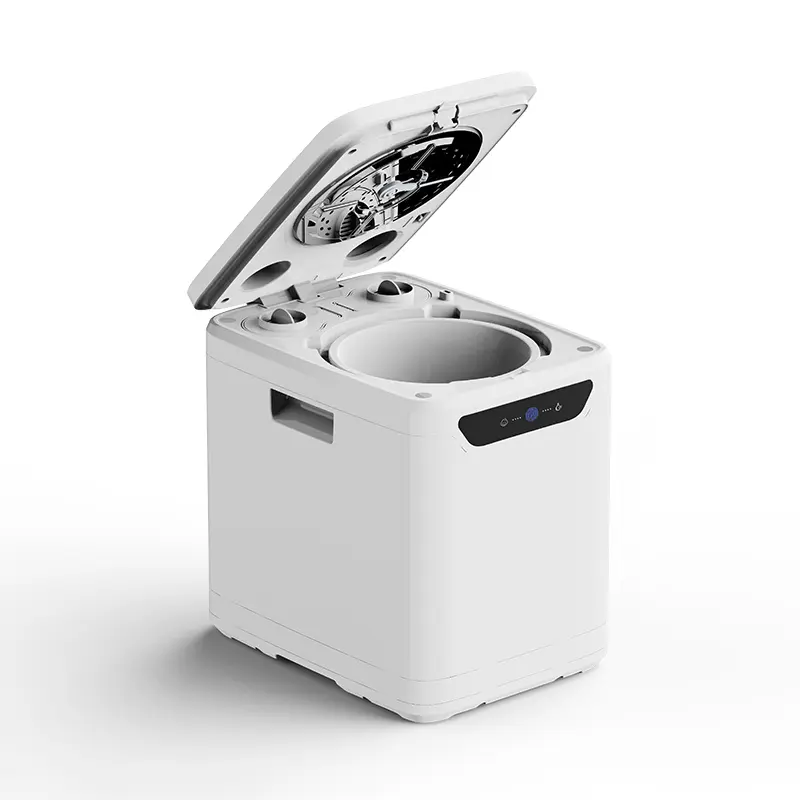
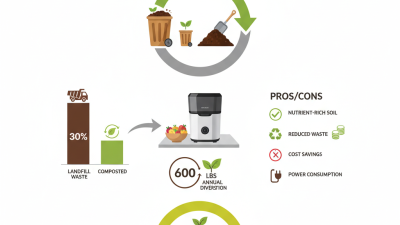
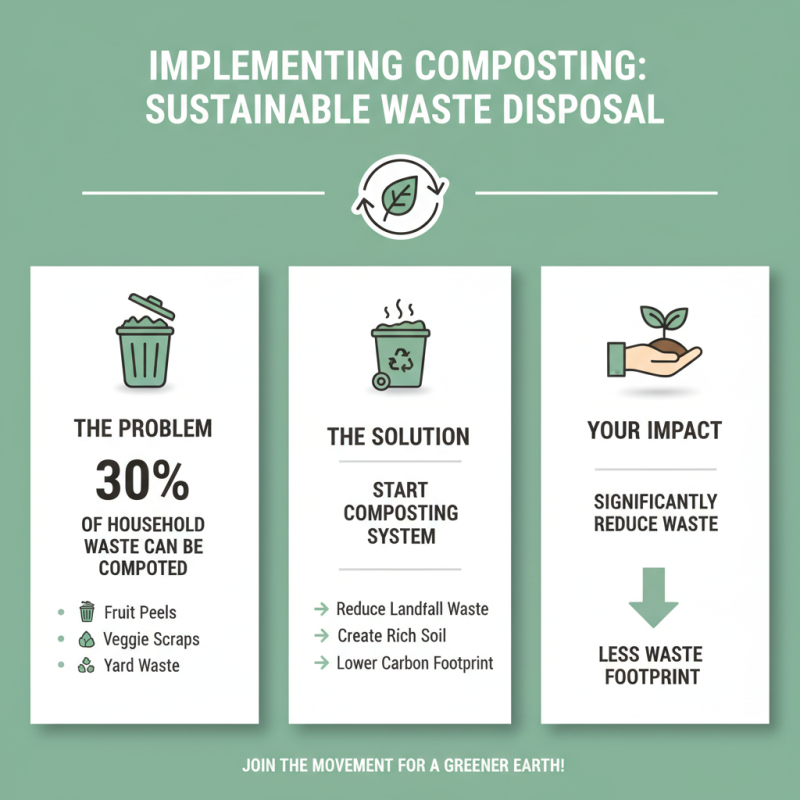
Composting is a powerful waste disposal method that many households overlook. Recent studies show that nearly 30% of the waste generated in households could be composted. This organic waste includes fruit peels, vegetable scraps, and yard waste. By implementing a composting system, you can significantly reduce your waste footprint.

The process is fairly simple but requires commitment. Start with a compost bin in your backyard or a designated space. Layering greens and browns helps maintain balance. It takes time for decomposition, and some people may struggle with the wait. Patience is key. Research indicates that well-maintained compost can reduce greenhouse gas emissions significantly. Some reports suggest that composting one ton of organic waste can prevent 1.5 tons of CO2 from entering the atmosphere.

Many individuals have concerns about unpleasant smells or pests. While these issues can arise, they are manageable with proper care. Regular turning of the compost helps mitigate odors. Still, some may find it daunting. Despite these challenges, the benefits of composting are worth the effort. It not only enriches soil but also promotes a healthier environment.