How to Manage Household Waste Disposal Effectively?
Managing household waste disposal is more critical than ever. With the rise in population and consumerism, waste accumulation is overwhelming. Households generate various types of waste, including organic, plastic, and electronic items. Many struggle to dispose of these wastes properly, leading to environmental damage.
Effective household waste disposal requires awareness. Most people don't realize the importance of sorting their waste. For instance, mixing recyclables with general garbage complicates the recycling process. Simple steps can make a big difference. For example, keep separate bins for different waste types. This small action can significantly reduce landfill contributions.
Reflection is vital. Consider how often you throw away items that could be reused or recycled. Many common household items are recyclable, but they often end up in the trash. Think about your habits and explore alternatives like composting. Adopting small yet impactful changes in household waste disposal can lead to a cleaner, healthier environment.
Understanding the Different Types of Household Waste
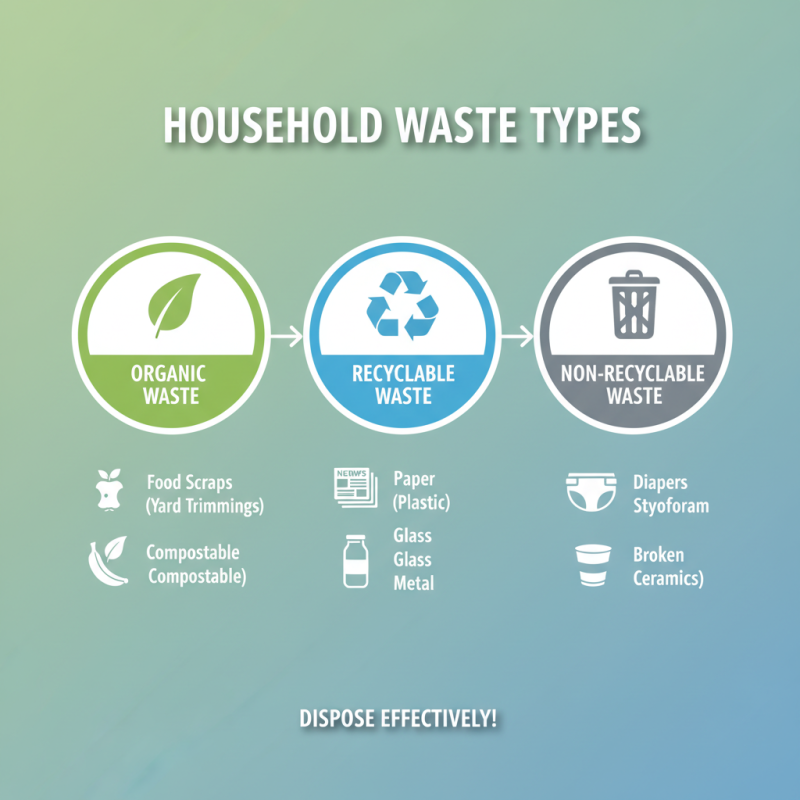
Household waste comes in various forms. Understanding these types helps us dispose of them effectively. The main categories are organic, recyclable, and non-recyclable waste.
Organic waste includes food scraps and garden waste. This type decomposes naturally. It’s better to compost it at home, turning it into nutrient-rich soil. Recycling is about processing materials like paper, glass, and plastic. It’s important to rinse recyclables to avoid contamination. Unfortunately, many people don’t rinse them. This oversight leads to a larger problem.
Non-recyclable waste consists of items like broken glass and certain plastics. It often ends up in landfills. Too often, people throw mixed waste in the same bin. This mistake complicates the recycling process. In many homes, waste segregation is inconsistent. We could improve our habits by being more mindful of our waste disposal practices.
Evaluating Waste Management Options Available at Home
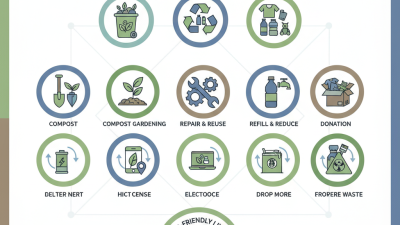
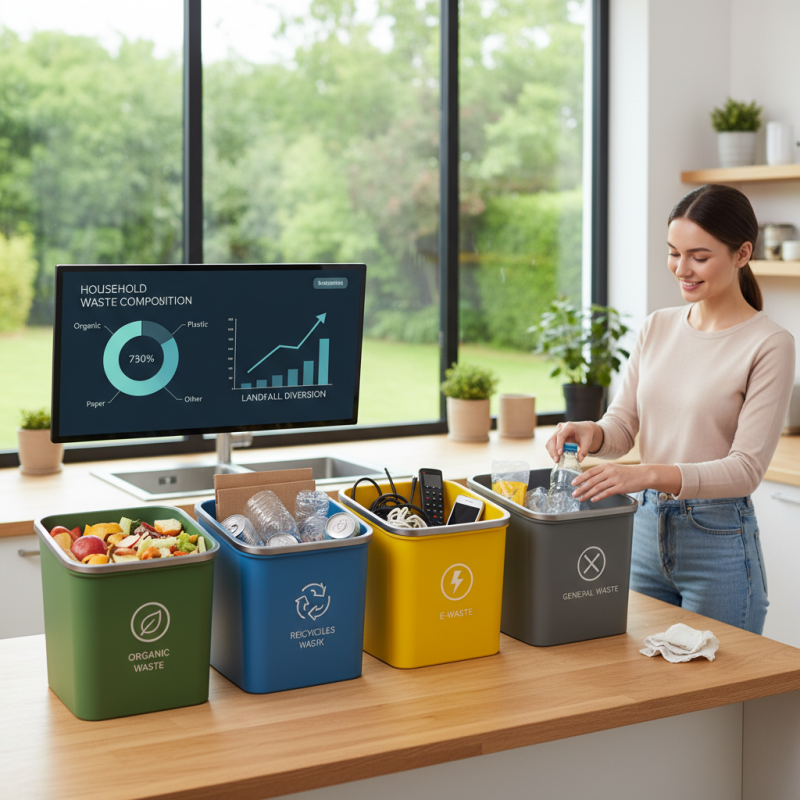
Managing household waste effectively requires evaluating various waste management options available at home. One common choice is implementing a recycling system. Designate separate bins for paper, plastics, and glass. This simple step helps reduce landfill contributions. However, many people struggle with ensuring that items are clean and free from food residue. It's crucial to inspect each item before placing it in the recycling bin. Small mistakes can lead to contamination, making entire batches unusable.
Composting is another option that may not be widely adopted. It offers an eco-friendly way to reduce organic waste. However, many households hesitate due to the smell and potential pests. To mitigate these, use a sealed compost bin. Keep the mix balanced between greens and browns. This can require some trial and error. Remember, it’s okay if your compost doesn’t turn out perfect the first time. Learning from each attempt is part of the process.
Consider electronic waste as well. Devices often pile up after replacements. Many users keep old gadgets far too long, not knowing how to dispose of them properly. Research local e-waste recycling programs. They can help you get rid of electronics safely. It’s essential to handle this waste responsibly to prevent environmental harm. Every bit counts, even if it feels overwhelming at times.
Household Waste Management Options
Implementing a Waste Sorting System for Effective Disposal
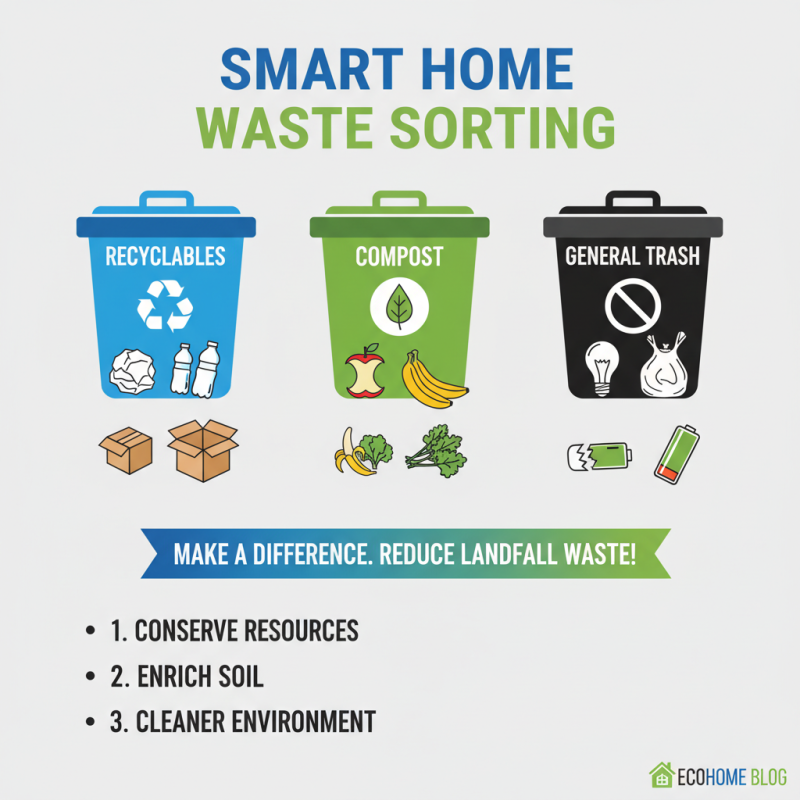
Implementing a waste sorting system can make a significant difference in managing household waste. Start by designating specific bins for different types of waste: recyclables, compost, and general trash. For instance, use a blue bin for paper and plastics, a green one for food scraps, and a black one for everything else. Label them clearly to avoid confusion.
Educating family members about the system is important. You can hold brief sessions to explain what goes where. However, despite good intentions, mistakes may happen. Some people may still throw recyclables in the trash. It's essential to review the system regularly. Reflect on what works and what doesn’t. Adjust the process as needed.
Incorporate features like color coding or pictures on bins. This makes sorting easier, especially for children. Use them as learning opportunities about waste management. Yet, be aware that it may take time to develop these habits. A waste sorting system is most effective when everyone participates actively and adjusts practices over time.
Exploring Composting as a Sustainable Waste Management Practice
Composting is an efficient way to manage household waste. It converts organic materials into nutrient-rich soil. This practice reduces waste sent to landfills. It also helps the environment by lowering greenhouse gas emissions. Many people struggle with composting. They often don’t know what materials are suitable.
Start by collecting kitchen scraps. Fruit and vegetable peels are excellent options. Coffee grounds and eggshells add beneficial nutrients too. Avoid meat and dairy products. These can attract pests and cause odors. Make sure to mix the materials well. This aeration speeds up the decomposition process.
Remember to monitor your compost. It should be moist but not soggy. If it smells bad, you might need to add more dry materials. Strive for a balance between green and brown materials. Experiment with different layers. Composting is a learning experience. Adjust your mix periodically to see what works best.
How to Manage Household Waste Disposal Effectively? - Exploring Composting as a Sustainable Waste Management Practice
| Category |
Waste Type |
Composting Method |
Disposal Tips |
Impact on Environment |
| Organic Waste |
Fruit & Vegetable Scraps |
Cold Composting |
Chop into small pieces for faster decomposition |
Reduces landfill waste & methane emissions |
| Organic Waste |
Grass Clippings |
Hot Composting |
Mix with brown materials (e.g., leaves) for balance |
Supports soil health & biodiversity |
| Organic Waste |
Coffee Grounds |
Vermicomposting |
Use in moderation to prevent acidity |
Enhances soil nutrients & moisture retention |
| Non-Organic Waste |
Plastic Bottles |
Recycling |
Clean and sort by type |
Reduces plastic pollution in oceans |
| Hazardous Waste |
Batteries |
Special Disposal |
Take to dedicated recycling centers |
Prevents soil and water contamination |
Engaging the Community in Local Waste Reduction Initiatives
Community involvement is crucial for effective waste reduction initiatives. When people come together, their collective efforts can lead to significant change. Local events, such as clean-up days, foster teamwork. Residents can take pride in their shared environment. These activities often strengthen community bonds, but they're not always easy to organize.
Education plays a vital role in engagement. Workshops on composting and recycling can empower residents. Knowledge about proper waste disposal methods is essential. Yet, the challenge lies in reaching everyone. Some community members might not see the value in participating. Others may feel overwhelmed by the information. It's important to find approachable ways to share these concepts.
Experimenting with different outreach methods can be beneficial. Social media campaigns may engage younger demographics. Traditional flyers can still resonate with older generations. Ultimately, it’s about trial and error to find what works best. Lessons learned from less successful attempts can refine future initiatives. The goal is to create a culture of sustainability within the community, where everyone feels responsible for their waste.

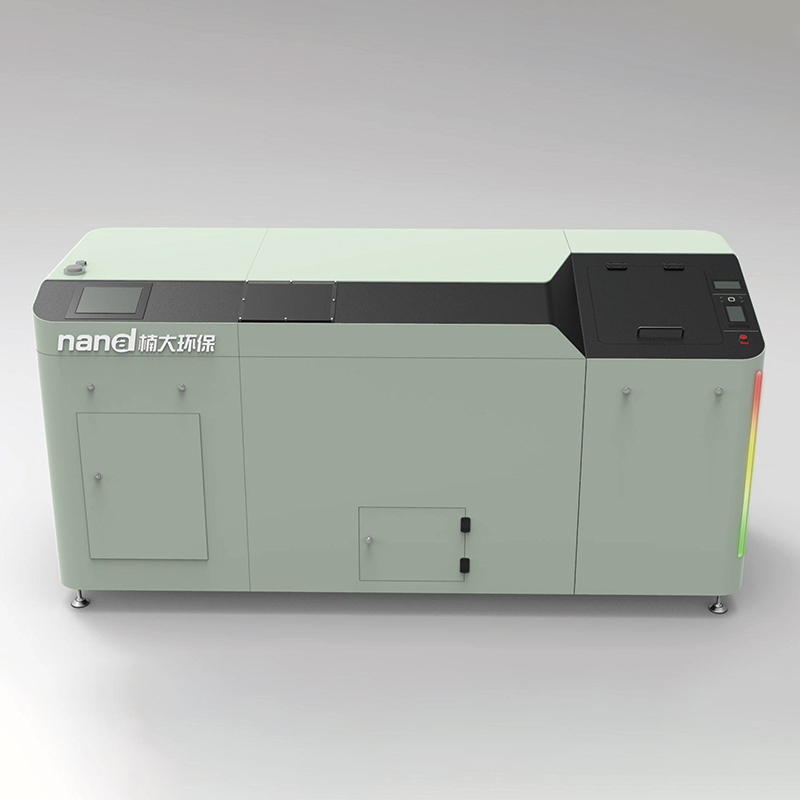 Nanda Trans Series-200
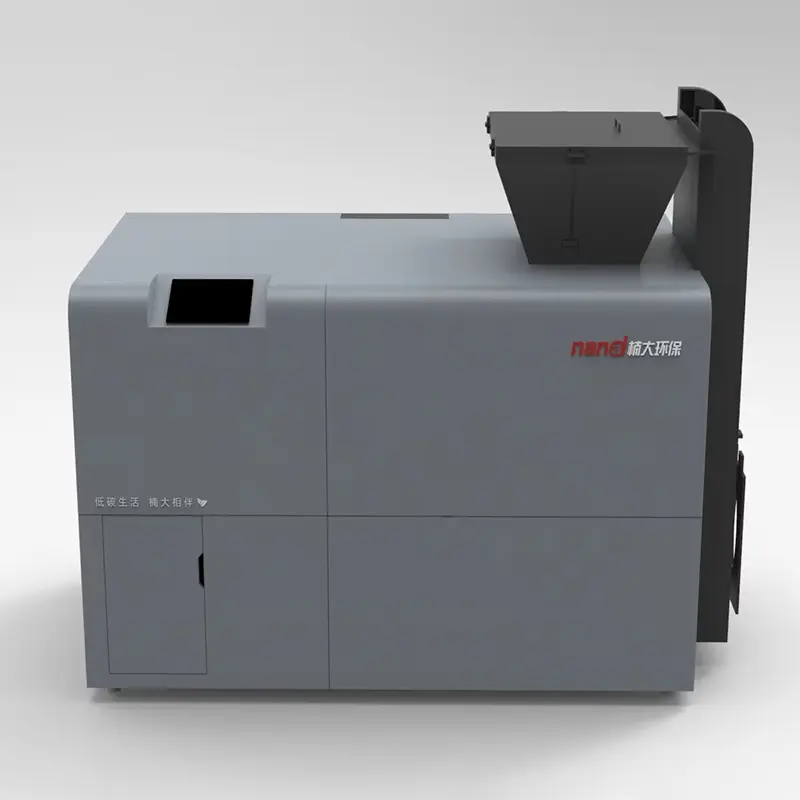 Nanda Trans Series-500
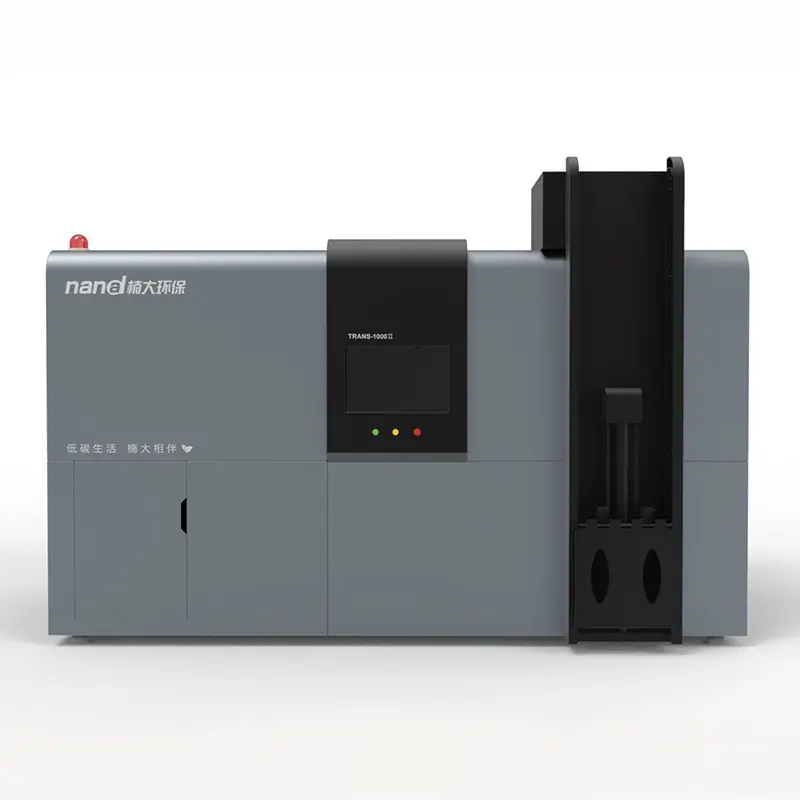 Nanda Trans Series-1000
 Nanda Trans Series-30000
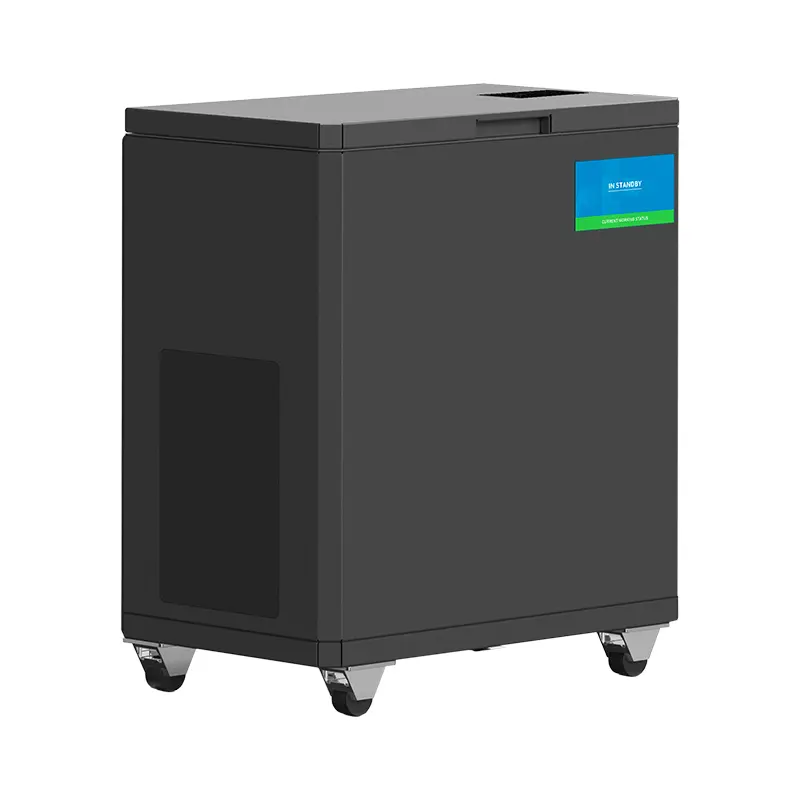 Nanda Thermax Series-100
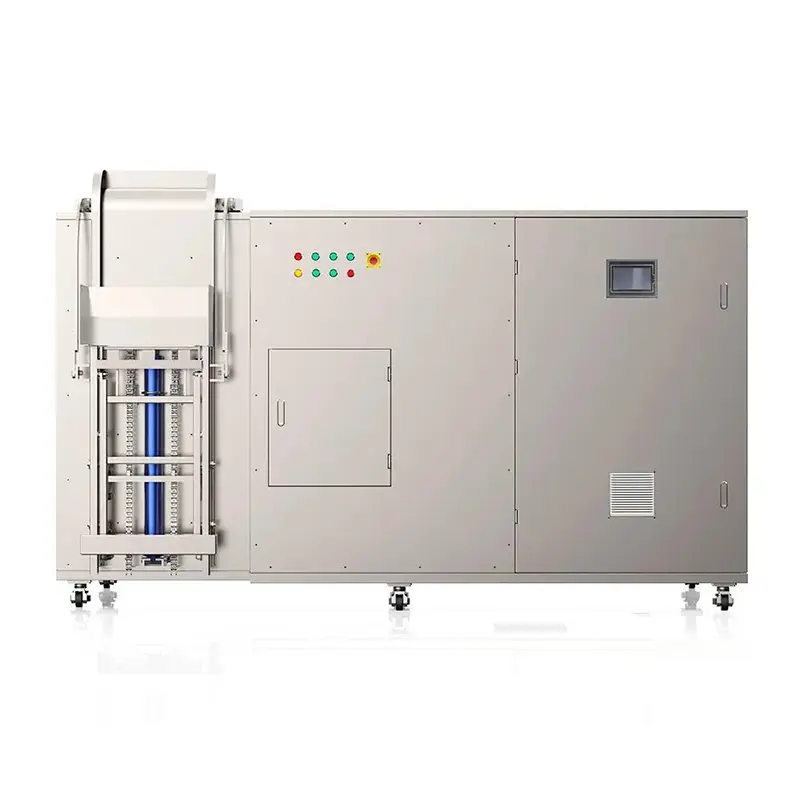 Nanda Thermax Series-200
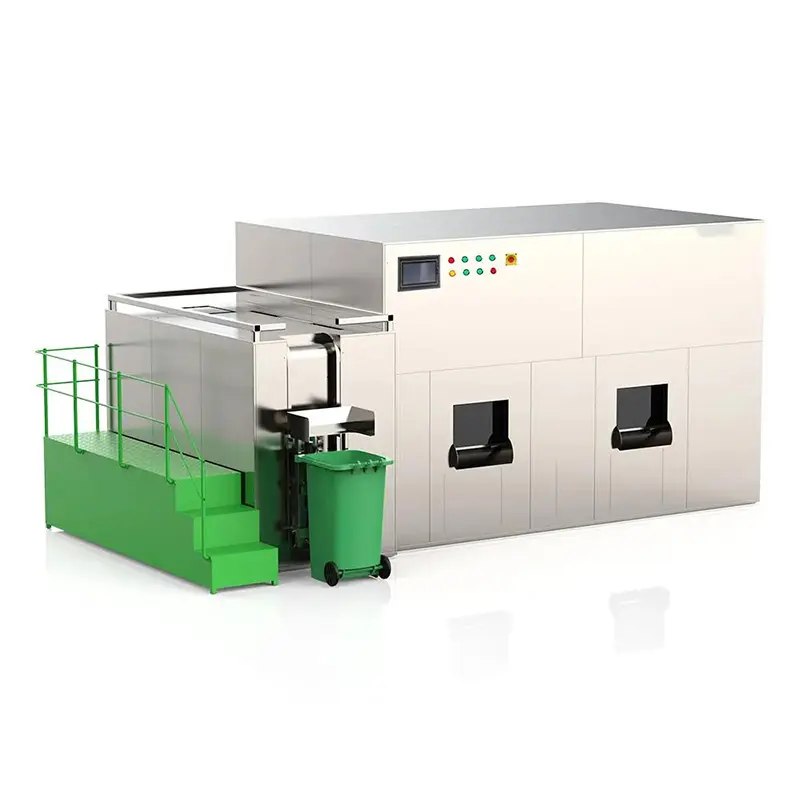 Nanda Thermax Series-2000
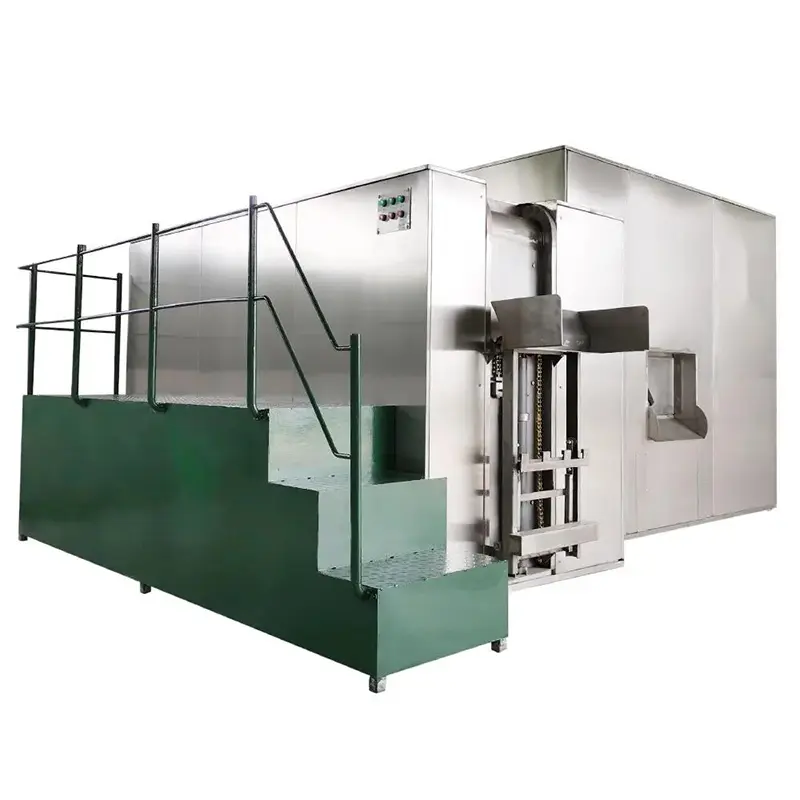 Nanda Thermax Series-10000
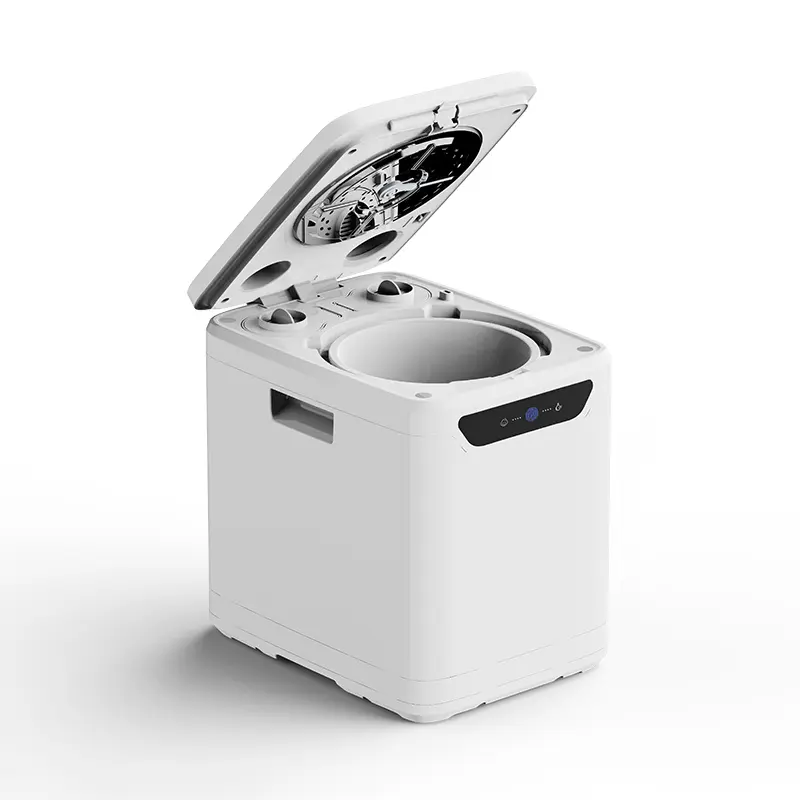 Nanda Turbo Series-3.5L-016
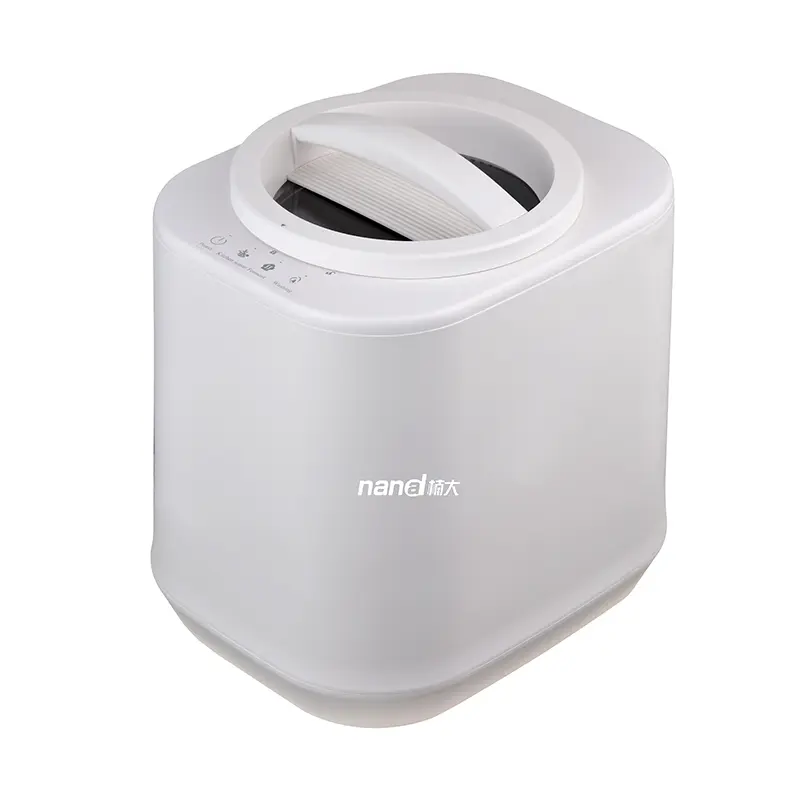 Nanda-Turbo Series-4L-011
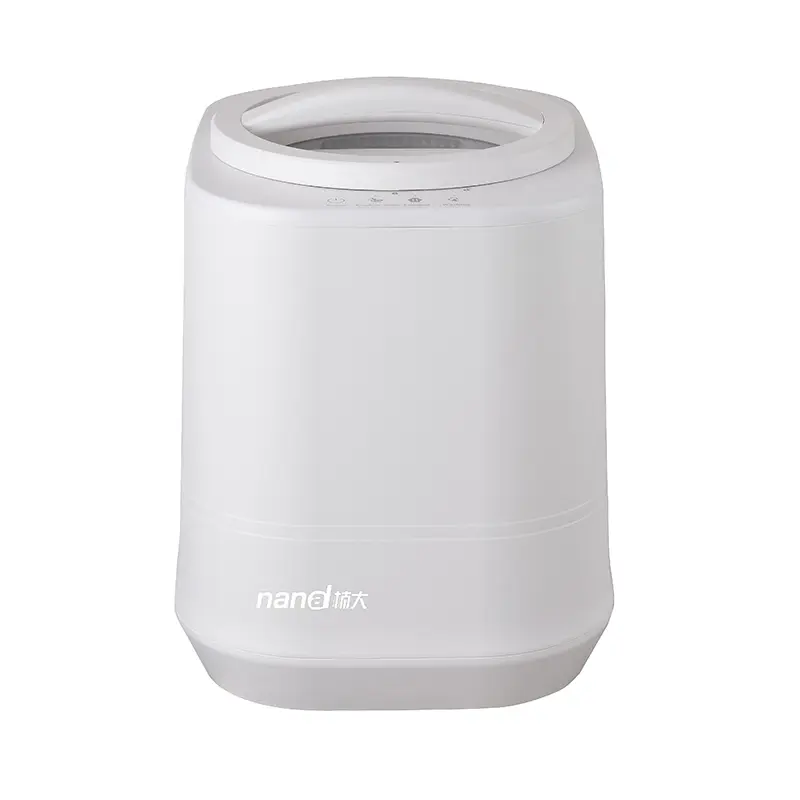 Nanda Turbo Series-4L-012
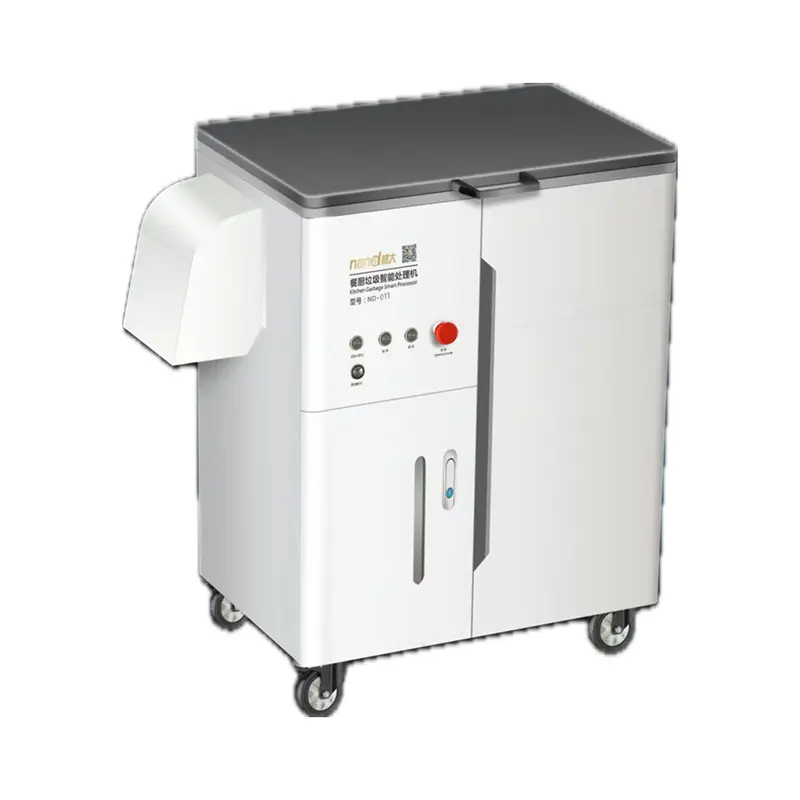 Oil-Water Separator