How to Effectively Manage Waste Through Composting Techniques?
Waste management is a growing concern in our society today. Traditional waste disposal methods are becoming less effective. Composting techniques present a practical solution. They allow us to convert organic waste into valuable resources. This process not only reduces waste but enriches our soil.
Many individuals struggle with proper waste management compost practices. Lack of knowledge often leads to mistakes. For instance, using the wrong materials can create odors or pests. The balance of nitrogen and carbon is essential for effective composting. Learning these details can make a difference in successful composting.
Effective waste management compost requires patience and observation. Some components take time to break down. Rushed efforts often lead to poor results. Understanding the process helps in producing rich compost. Ultimately, composting is more than a trend. It’s a critical step toward sustainability and environmental responsibility.
Understanding Waste Management and the Role of Composting
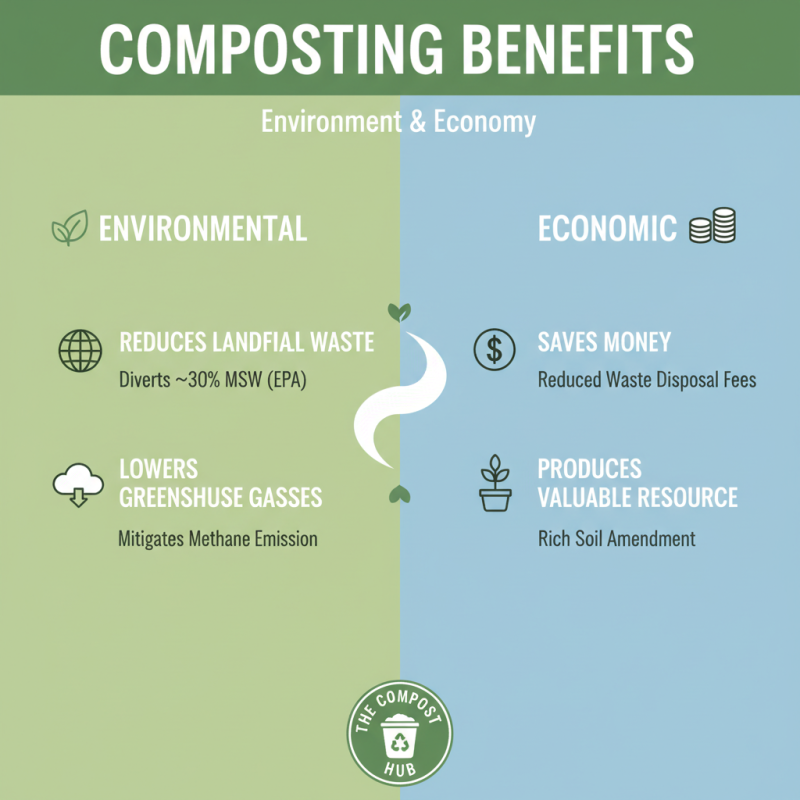
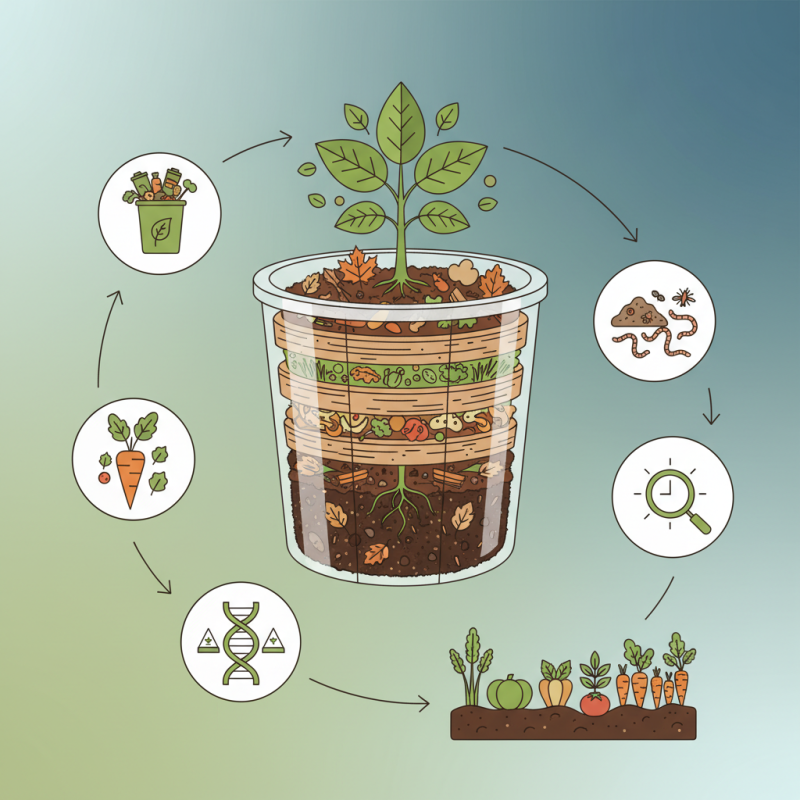
Waste management is a critical issue in our society. It impacts our environment and health directly. One effective method of waste management is composting. Composting transforms organic waste into nutrient-rich soil. This process reduces landfill load and cuts greenhouse gas emissions.
Understanding the composting process is essential. You can easily compost kitchen scraps like food peels and coffee grounds. Yard waste such as leaves and grass clippings is also ideal. It’s surprising how much waste can be repurposed when you start looking. However, many people still struggle with composting. They may overwater their compost or include non-compostable items. This leads to unpleasant odors and ineffective breakdown. It's important to learn from these mistakes and adjust.
The role of composting goes beyond waste reduction. It enriches soil, supports plant growth, and enhances biodiversity. Composting creates a connection to nature, promoting sustainability. Yet, the journey to effective composting requires patience. Many might give up after a few failed attempts. Understanding these challenges is crucial for encouraging better practices in waste management.
How to Effectively Manage Waste Through Composting Techniques?
| Composting Method |
Materials Used |
Time to Decompose |
Nutrient Benefits |
Best Practices |
| Bokashi Composting |
Kitchen scraps, fruit peels, grains |
4-6 weeks |
High in nitrogen |
Seal tightly, ensure anaerobic conditions |
| Vermicomposting |
Food scraps, cardboard, paper |
2-3 months |
Rich in humus and beneficial microbes |
Keep moist, avoid citrus, and meat |
| Traditional Composting |
Yard waste, vegetable scraps, leaves |
3-6 months |
Balanced nutrients, improves soil structure |
Turn regularly, maintain moisture, add greens and browns |
| Hot Composting |
Nutrient-rich materials like manure, greens |
4-8 weeks |
Quick breakdown of materials, pathogen reduction |
Achieve high temperatures, aerate frequently |
Essential Materials for Effective Composting: Dos and Don'ts
Composting can transform waste into nutrient-rich soil. However, to do it effectively, choosing the right materials is key. Some materials should definitely go in your compost pile, while others should stay out.
Start with greens like vegetable scraps, grass clippings, and coffee grounds. These provide the necessary nitrogen for successful composting. Browns, such as dried leaves, straw, and cardboard, are vital for carbon. Layering these two types is essential. It helps with aeration and decomposition. Remember: avoid meats, dairy, and oils. They attract pests and can create unpleasant odors.
Tips: Check moisture levels. Compost should feel like a damp sponge. If it’s too dry, add water. If too wet, add more browns. Regularly aerate your pile by turning it. This boosts oxygen levels and speeds up the process.
Some people forget about fruit peels and eggshells. They decompose well and enrich the compost. Others think all paper is suitable, but avoid glossy or colored pages. It’s important to reflect on the materials you add. A simple mistake can lead to failed compost. Composting requires balance and attention.
Best Composting Techniques: Aerobic vs. Anaerobic Processes
Composting is a powerful tool for waste management. Among various methods, two main processes stand out: aerobic and anaerobic. Understanding these can help choose the right technique for specific needs.
Aerobic composting uses oxygen to break down organic materials. This method is faster and produces nutrient-rich compost. A study by the U.S. Environmental Protection Agency shows aerobic processes can reduce waste volume by up to 50% within weeks, creating valuable soil amendment. The smell is typically less offensive, as aerobic bacteria thrive in conditions that reduce odors. However, this method requires regular turning and a balanced mix of greens and browns, which some find challenging.
Anaerobic composting, on the other hand, occurs without oxygen. While it takes longer, usually several months to a year, it can be more straightforward for beginners. This process often generates methane, a potent greenhouse gas. Reports indicate that improperly managed anaerobic systems may release 36 times more methane than well-maintained aerobic piles. The challenge lies in maintaining a suitable environment to promote decomposition while minimizing harmful emissions. Awareness of these processes is crucial for effective waste management and sustainable practices.
Composting Techniques Comparison: Aerobic vs. Anaerobic
Monitoring Compost Quality: pH, Temperature, and Nutrient Levels
Monitoring compost quality is essential for successful composting. pH, temperature, and nutrient levels significantly influence the process. For instance, the ideal pH level for compost is around 6 to 8. A study by the Soil Science Society of America shows that maintaining this pH range supports microbial activity. When the pH drops below 6, the decomposition slows down.
Temperature control is also crucial. Ideal temperatures for active composting range from 130 to 160 degrees Fahrenheit. At this range, beneficial bacteria thrive. If temperatures fall below 100 degrees, the composting process can stall. Reports have shown that composts at optimal temperatures significantly reduce pathogens and seeds.
Nutrient levels, especially carbon and nitrogen ratios, must be monitored. The ideal ratio is 30:1, carbon to nitrogen. Too much carbon leads to a slow process, while excess nitrogen can produce a foul smell. Data indicates that maintaining balanced nutrient levels enhances decomposition efficiency. Regular monitoring of these factors can prevent issues, leading to successful composting. Adjustments may be needed over time, but they are essential for quality compost.

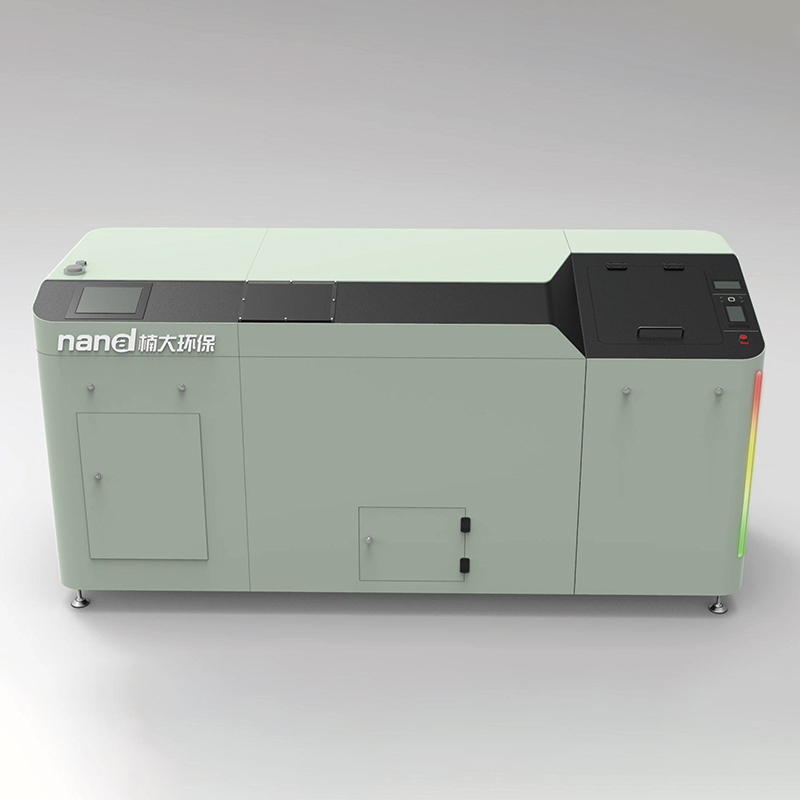 Nanda Trans Series-200
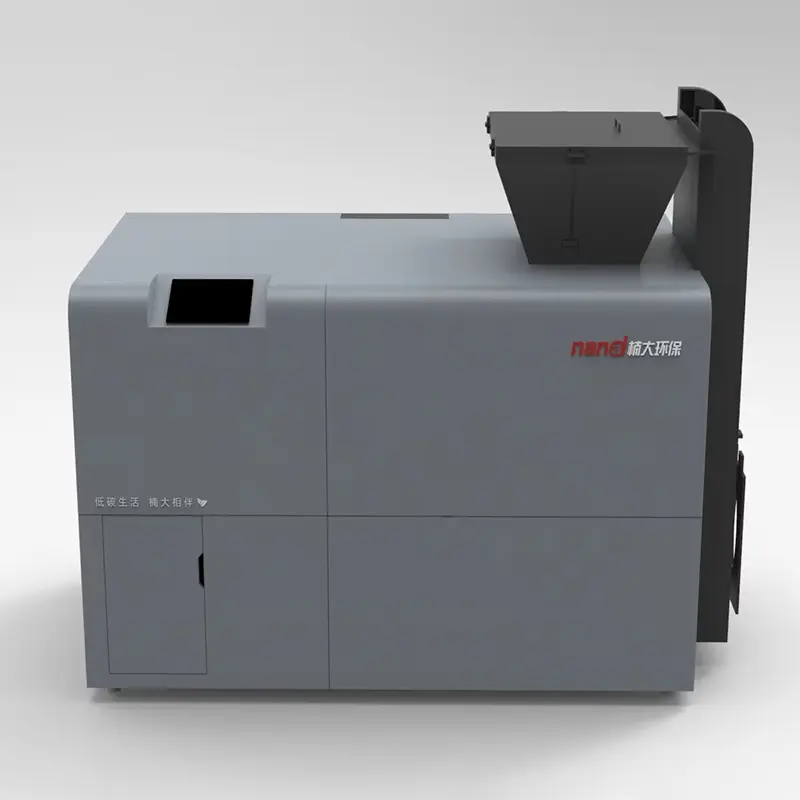 Nanda Trans Series-500
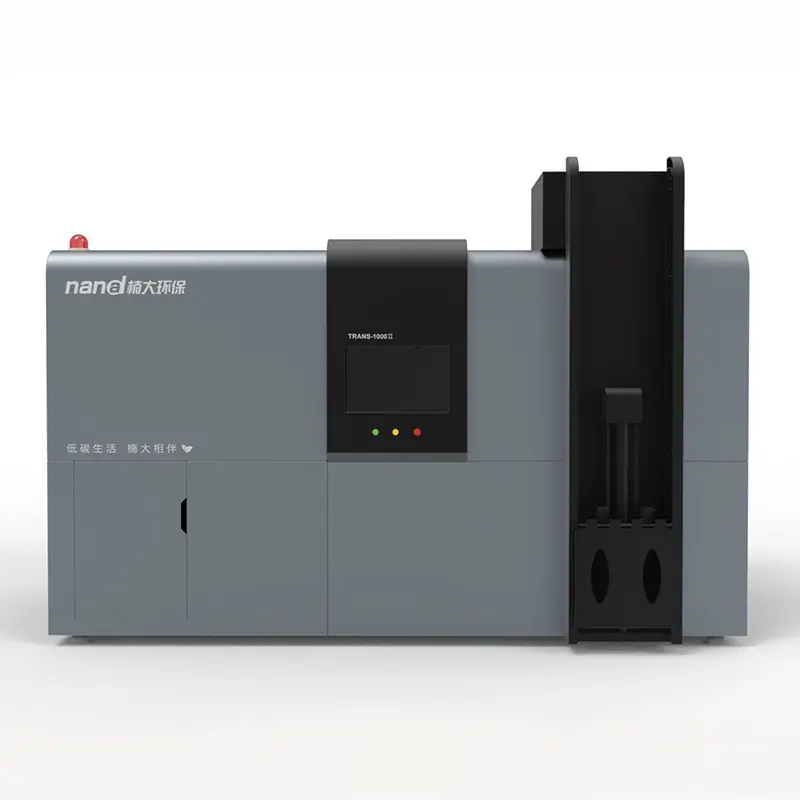 Nanda Trans Series-1000
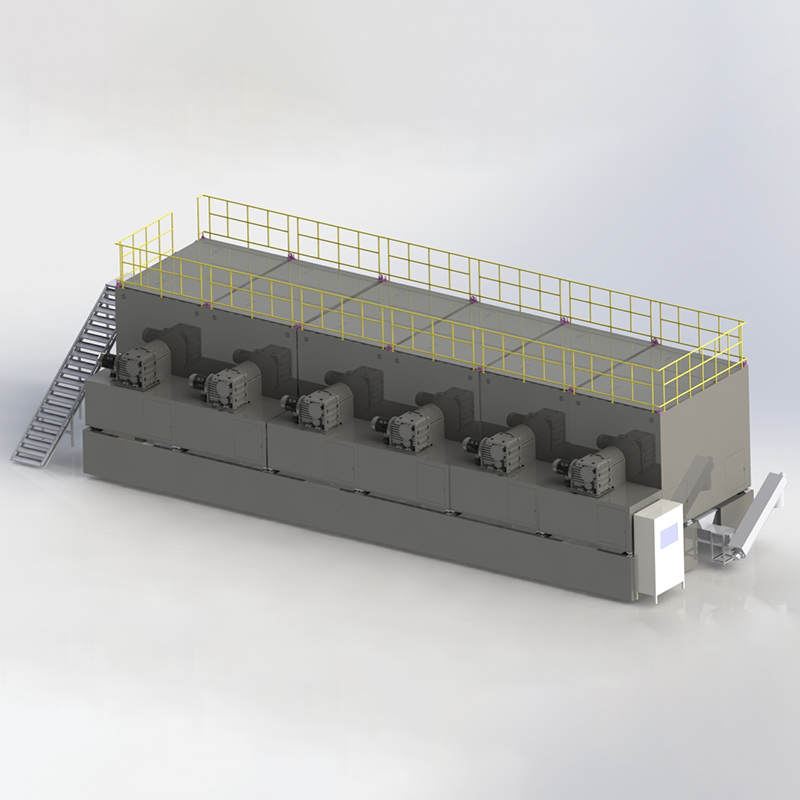 Nanda Trans Series-30000
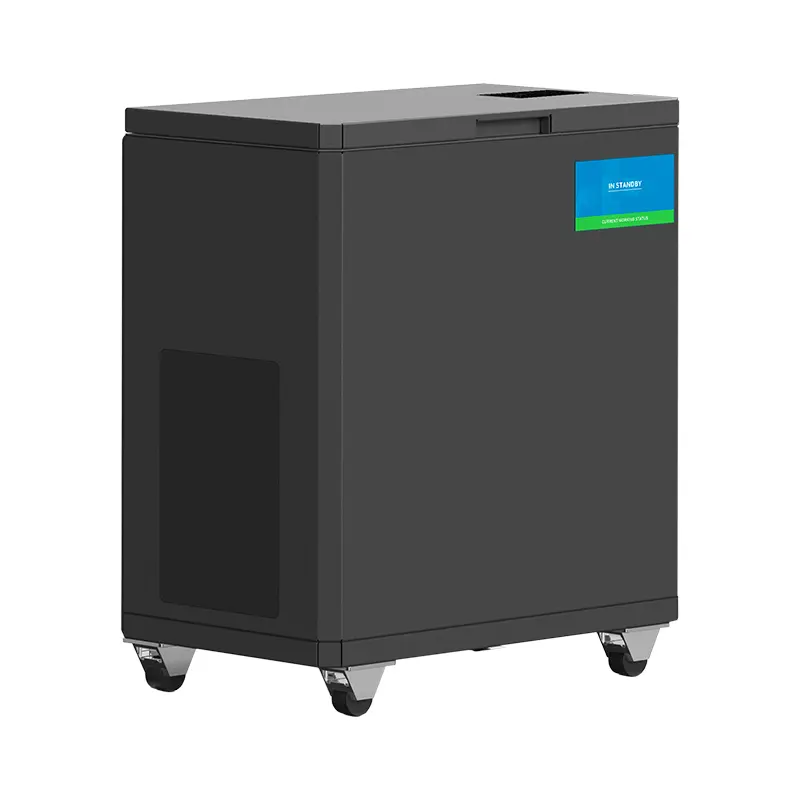 Nanda Thermax Series-100
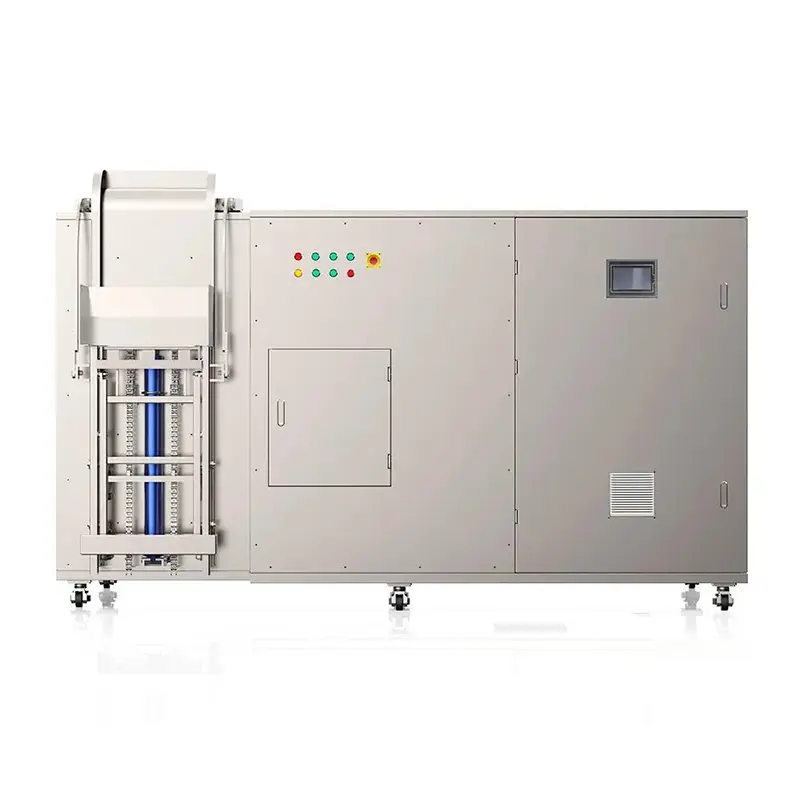 Nanda Thermax Series-200
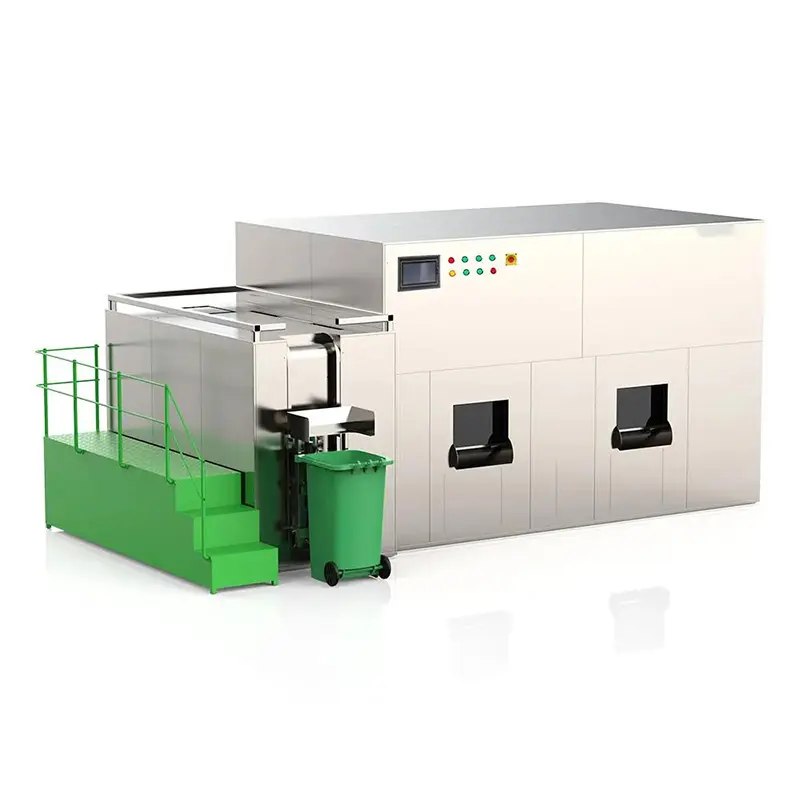 Nanda Thermax Series-2000
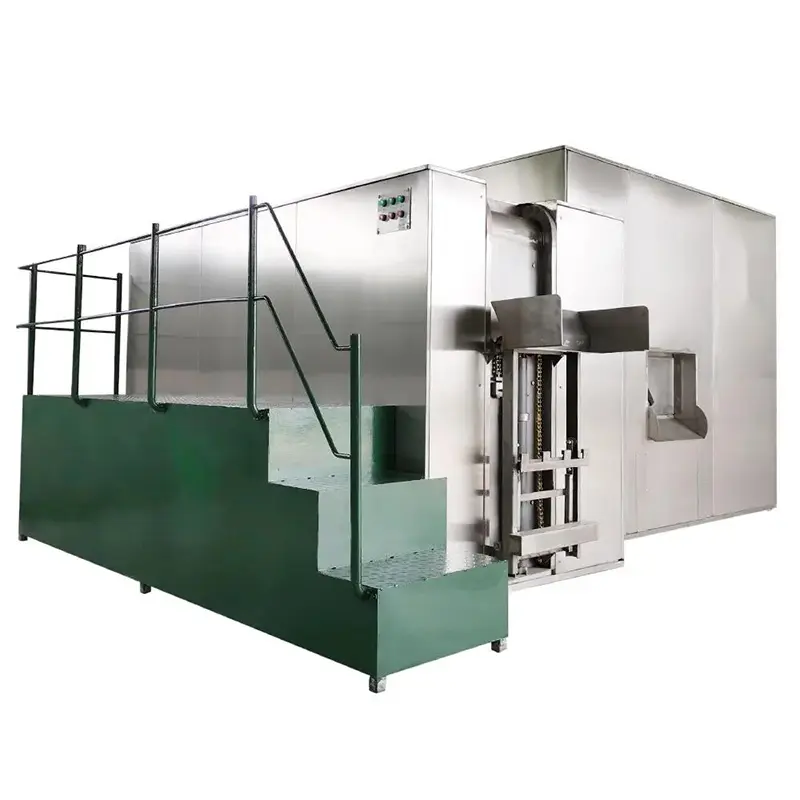 Nanda Thermax Series-10000
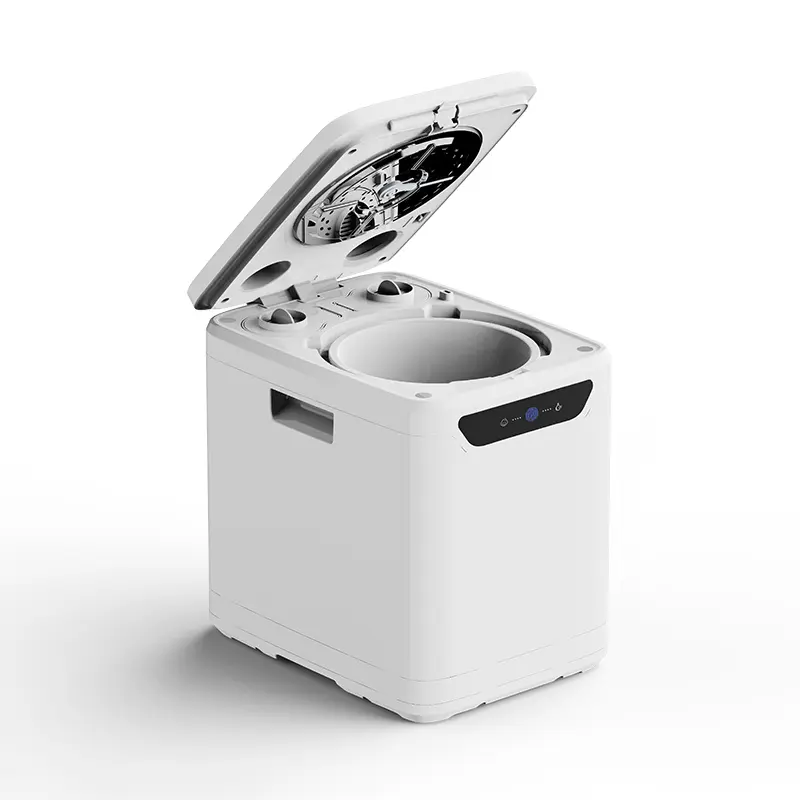 Nanda Turbo Series-3.5L-016
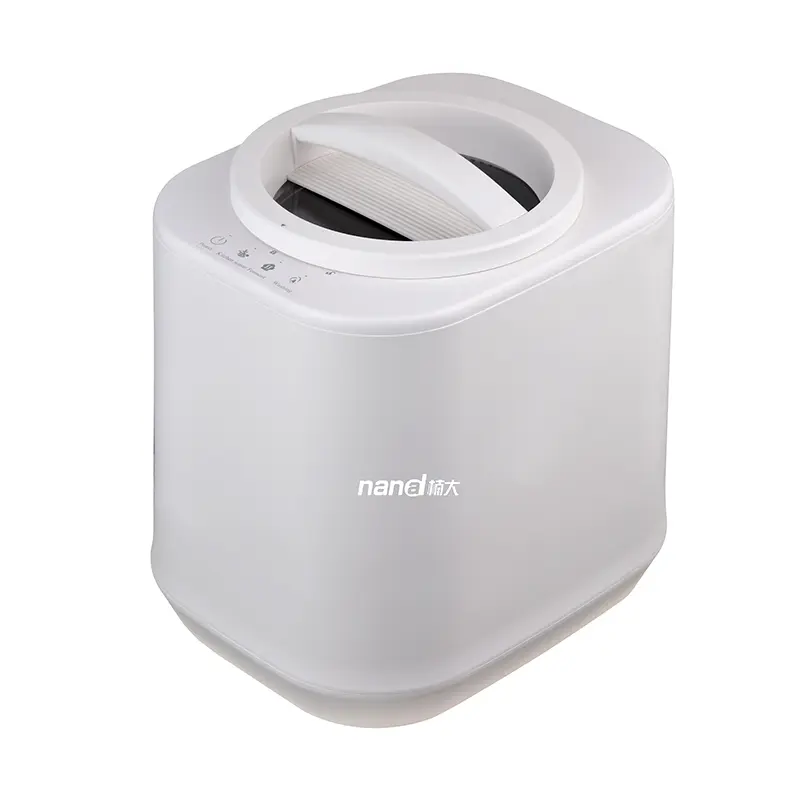 Nanda-Turbo Series-4L-011
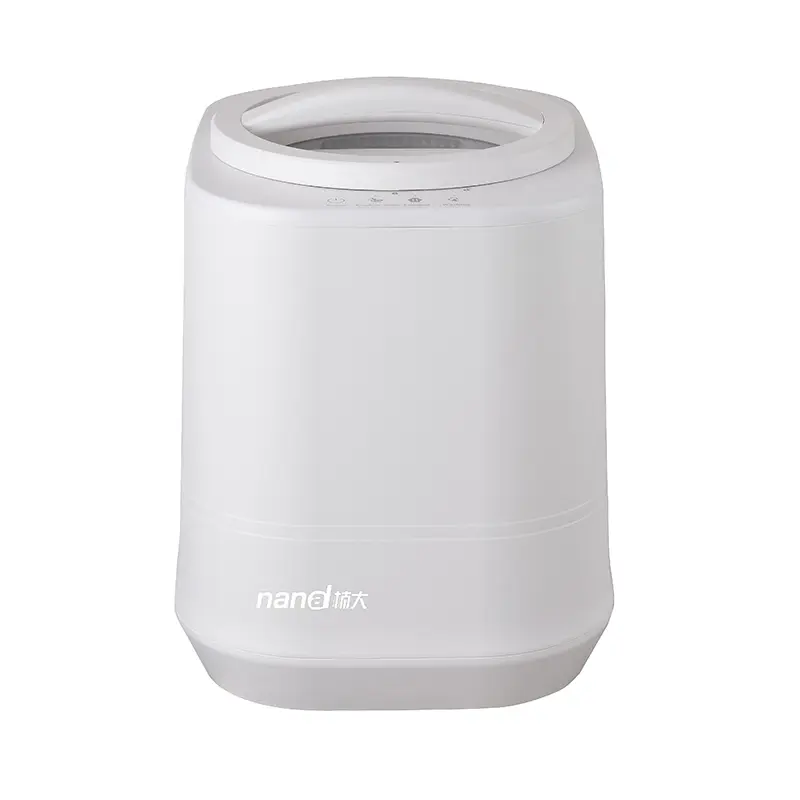 Nanda Turbo Series-4L-012
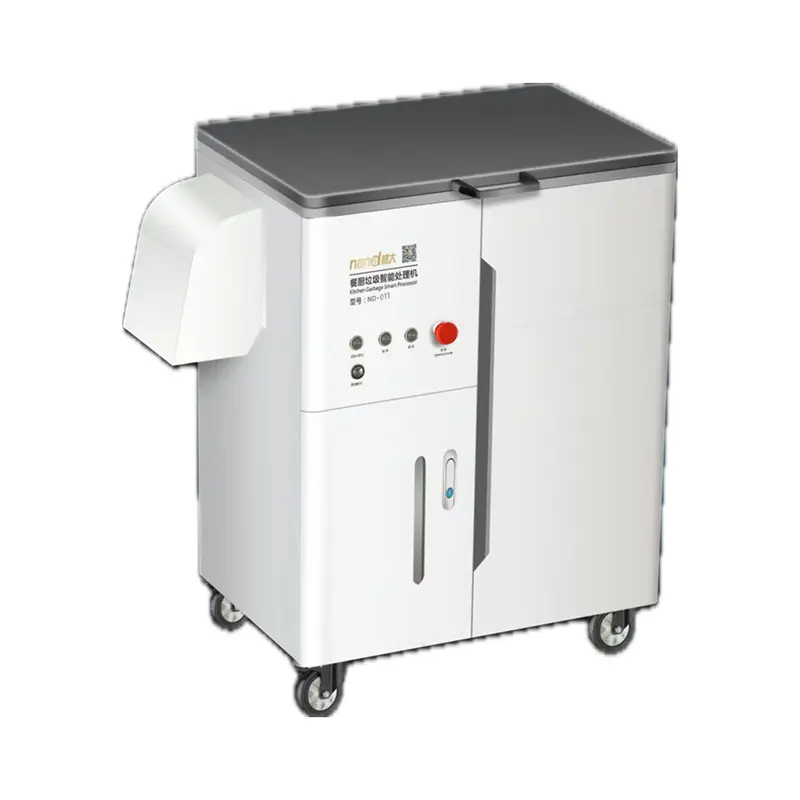 Oil-Water Separator