What is a Food Recycler and How Does It Benefit Your Kitchen Daily
In today's eco-conscious world, the significance of efficient waste management in our kitchens cannot be overstated. A Food Recycler stands at the forefront of this movement, transforming organic kitchen waste into valuable resources. According to Dr. Emily Greene, an expert in sustainable food practices, "Integrating a Food Recycler into your daily routine not only reduces waste but also enriches your kitchen experience, making cooking and composting more seamless." This innovative appliance is not just a kitchen gadget—it represents a paradigm shift towards a more sustainable lifestyle.
By utilizing a Food Recycler, households can significantly decrease their landfill contributions while simultaneously creating nutrient-rich compost for gardens and potted plants. In addition to its environmental benefits, a Food Recycler enhances convenience in meal preparation. Instead of letting food scraps pile up, this device facilitates quick disposal, encouraging more cooking from scratch and minimizing food waste. Thus, the Food Recycler plays a crucial role in promoting a cycle of sustainability that benefits both the planet and our daily lives.
What is a Food Recycler and its Purpose in Modern Kitchens
In modern kitchens, food recyclers serve a vital role by transforming wasted food into valuable, organic matter. A food recycler utilizes various technologies to decompose food scraps, which can significantly reduce the waste generated in households. According to the Environmental Protection Agency (EPA), nearly 30-40% of the food supply in the United States is wasted, contributing to around 25% of the nation's municipal waste. By integrating a food recycler into daily kitchen activities, households can divert a considerable portion of this waste from landfills.
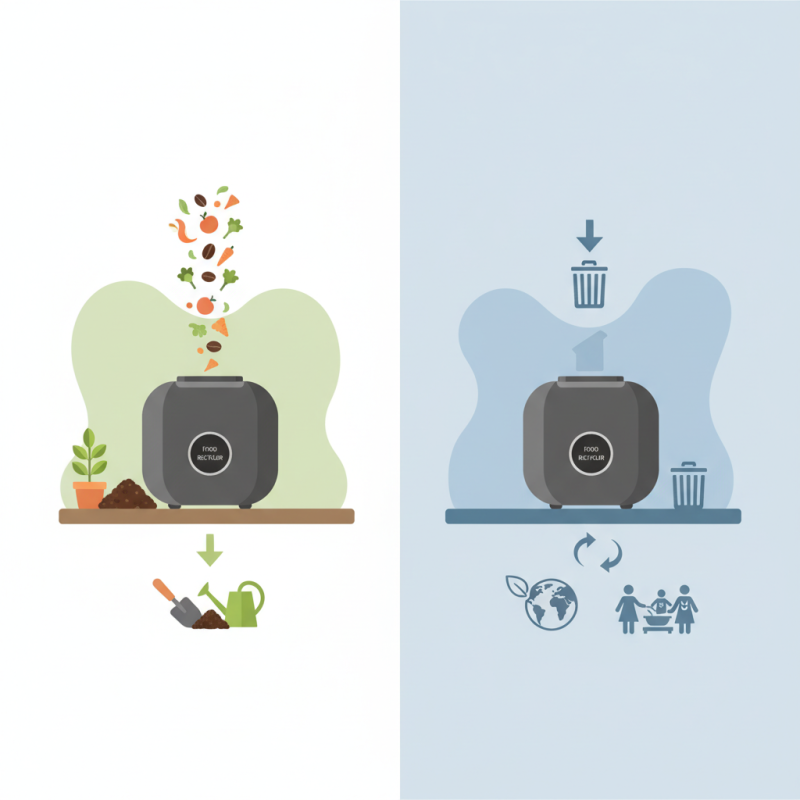
The purpose of food recyclers extends beyond waste reduction; they also contribute to sustainability efforts. By processing food scraps into compost or nutrient-rich soil amendments, these devices enhance gardens and indoor plants. A report from the World Wildlife Fund indicates that composting food waste can decrease greenhouse gas emissions by up to 60% compared to disposal through traditional methods. Furthermore, utilizing food recyclers helps create a closed-loop system in which nutrients from food waste are returned to the earth, promoting healthier soils and promoting local food production. This cyclical approach not only benefits personal kitchens but also fosters a more sustainable environment, aligning with modern values of conservation and resource efficiency.
Key Features and Technologies in Food Recycler Systems
Food recyclers have emerged as innovative appliances designed to help households manage food waste efficiently and sustainably. Key features of these systems include advanced grinding technologies that can reduce food scraps to a fraction of their original volume, often up to 90%. This significant volume reduction not only saves space in landfills but also helps in decreasing greenhouse gas emissions, as food waste is a major contributor to methane production when it decomposes anaerobically. According to a report from the Food Waste Reduction Alliance, food waste constitutes about 30-40% of the total food supply in the U.S., underscoring the necessity for effective management solutions.
In addition to grinding capabilities, many food recyclers are equipped with odor control systems that minimize unpleasant smells often associated with decomposing food waste. Technologies such as activated carbon filters or UV light sanitation help ensure a pleasant kitchen environment. Furthermore, some modern units integrate smart technology, allowing users to monitor their waste processing via smartphone apps. These innovations not only promote hygiene but also empower users with data insights on their food waste habits, encouraging more mindful consumption. As the global focus shifts toward sustainability, these features make food recyclers a valuable addition to any kitchen, aligning with the goal of reducing food waste at the household level.
What is a Food Recycler and How Does It Benefit Your Kitchen Daily - Key Features and Technologies in Food Recycler Systems
| Feature |
Description |
Benefits |
| Automatic Feed |
Easily absorbs food waste directly from your kitchen. |
Reduces manual waste handling and keeps the kitchen cleaner. |
| Odor Control |
Built-in systems to minimize unpleasant smells. |
Enhances kitchen environment and air quality. |
| Energy Efficient |
Uses minimal energy while processing food waste. |
Saves electricity and reduces environmental impact. |
| Nutrient-Rich Compost |
Transforms food scraps into nutrient-dense compost. |
Supports gardening and plant health, creating a sustainable cycle. |
| User-Friendly Interface |
Intuitive controls for easy operation. |
Encourages regular use and simplifies waste management. |
Environmental Impact: Reducing Food Waste and Carbon Footprint
A food recycler is an innovative solution for managing kitchen waste, allowing households to minimize their environmental impact. By transforming organic food scraps into nutrient-rich compost or other reusable materials, food recyclers contribute significantly to reducing food waste. This process not only diverts waste from landfills but also decreases the volume of methane emissions produced by decomposing food, which is a potent greenhouse gas. Therefore, integrating a food recycler into daily kitchen activities can play a vital role in promoting sustainable practices.
In addition to mitigating food waste, using a food recycler can help lower an individual’s carbon footprint. Traditional waste disposal methods often involve transportation and processing that lead to increased carbon emissions. On the other hand, food recyclers facilitate on-site processing, reducing the need for long-haul waste transport. As families embrace food recycling, they foster an eco-conscious mindset, understanding that their everyday choices have a direct effect on the environment. This collective effort not only contributes to healthier ecosystems but also cultivates a sense of responsibility toward future generations.
Economic Benefits: Cost Savings and Sustainable Practices
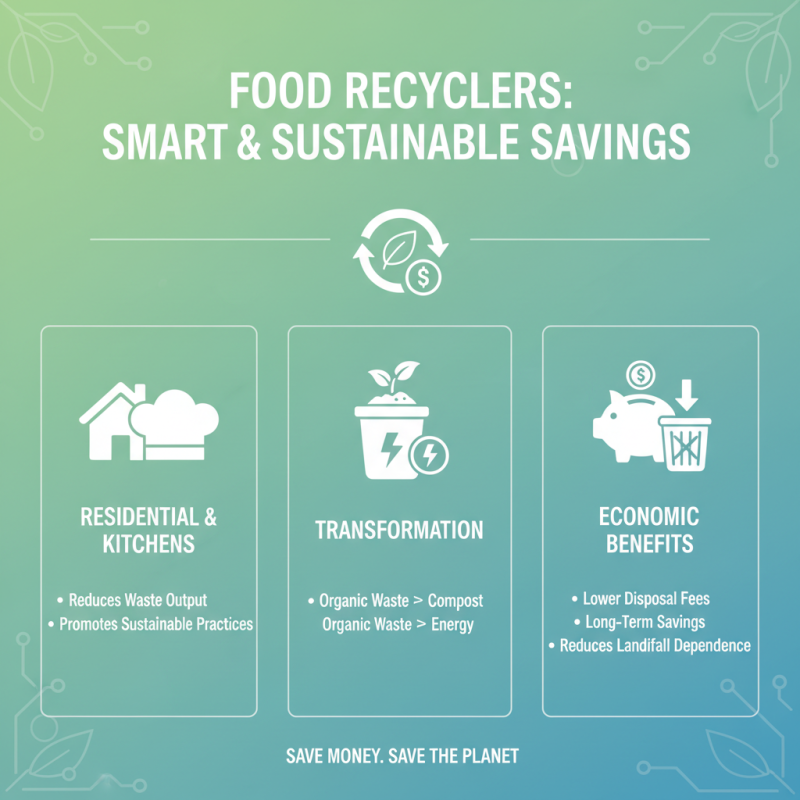
In today's environmentally conscious world, food recyclers have emerged as a valuable asset in both residential and commercial kitchens. Utilizing food recyclers not only promotes sustainable practices but also significantly impacts economic costs. By transforming organic waste into compost or energy, these devices help households reduce their waste output and the costs associated with disposal services. As landfills continue to charge hefty fees for waste disposal, finding ways to minimize what goes into them can lead to substantial savings over time.
Moreover, food recyclers encourage the practice of recycling organic materials that might otherwise contribute to greenhouse gas emissions when left to decompose in landfills. By composting food scraps, kitchens can generate nutrient-rich soil that can be used for gardening or landscaping, fostering a more sustainable lifestyle. This practice can further reduce the need for purchased fertilizers, thus decreasing overall gardening expenses. In essence, implementing a food recycler in your kitchen not only supports a sustainable approach to waste management but also leads to economic benefits through cost savings and resource efficiency.
Usage Statistics: Growing Adoption of Food Recycling in Households
The trend of food recycling in households is gaining traction as more people recognize its environmental benefits and the convenience it offers. Recent statistics show a significant increase in the adoption of food recyclers among homeowners, with many citing both sustainability and waste reduction as primary motivations. Food recyclers help divert organic waste from landfills, thereby lowering greenhouse gas emissions and promoting composting practices. The movement towards food recycling is not only reshaping waste management at the household level but also fostering a culture of environmental responsibility.
For those considering incorporating food recycling into their kitchens, here are some tips to get started. First, evaluate your kitchen space and choose a suitable food recycler that fits your lifestyle and needs. Many modern units are compact and designed for easy integration into any kitchen layout. Additionally, educate yourself and your family members about what can be recycled. Items like fruit peels, vegetable scraps, and leftover meals can often go into these devices, making it simple to reduce waste. Lastly, maintain consistency by setting a routine for recycling food scraps daily, which reinforces the habit and maximizes the benefits of your food recycler. Consistency is key to making the most out of this sustainable practice.

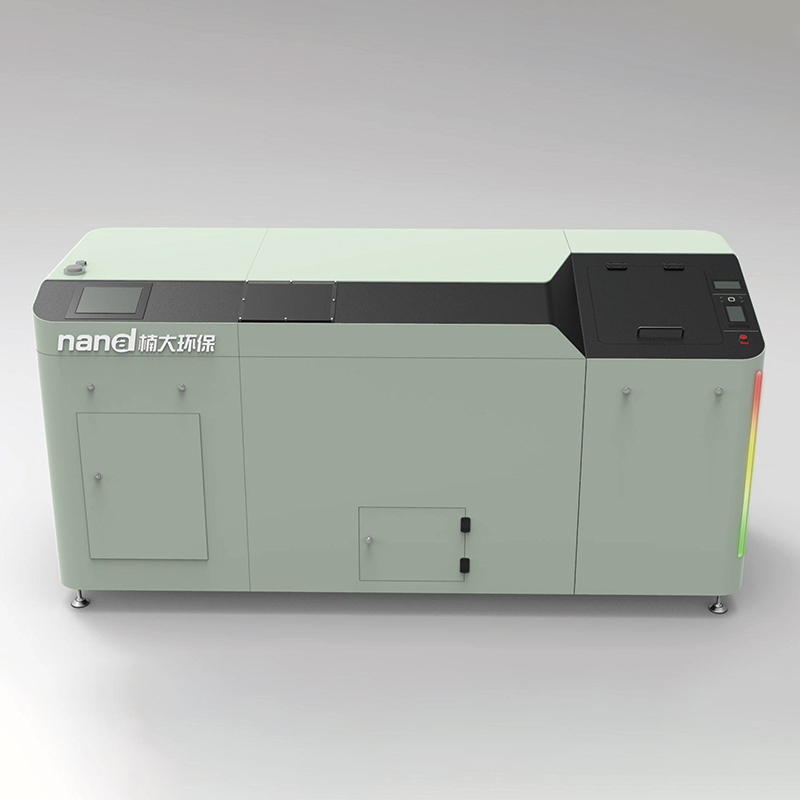 Nanda Trans Series-200
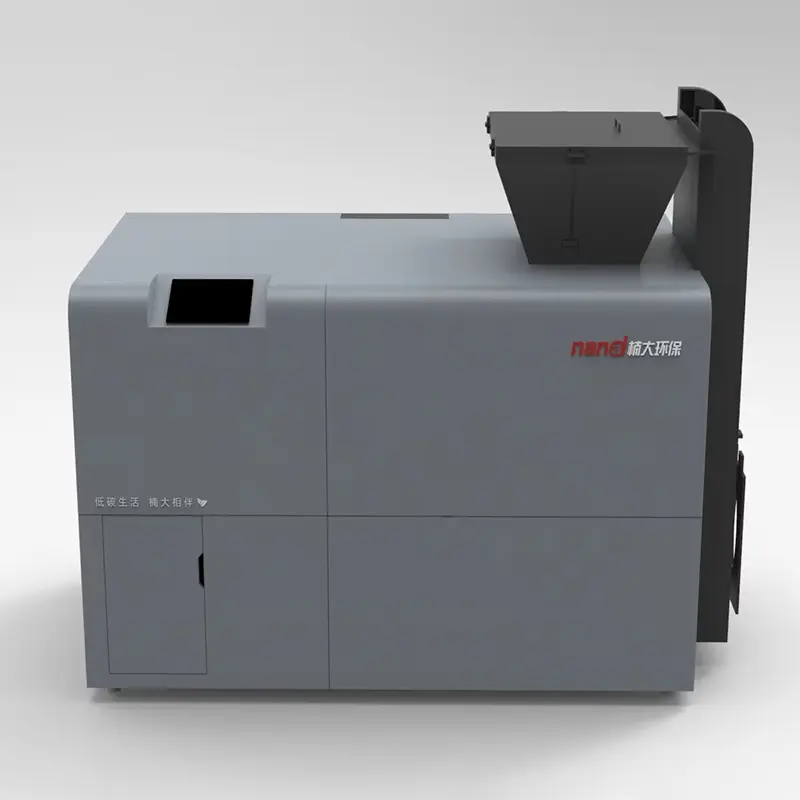 Nanda Trans Series-500
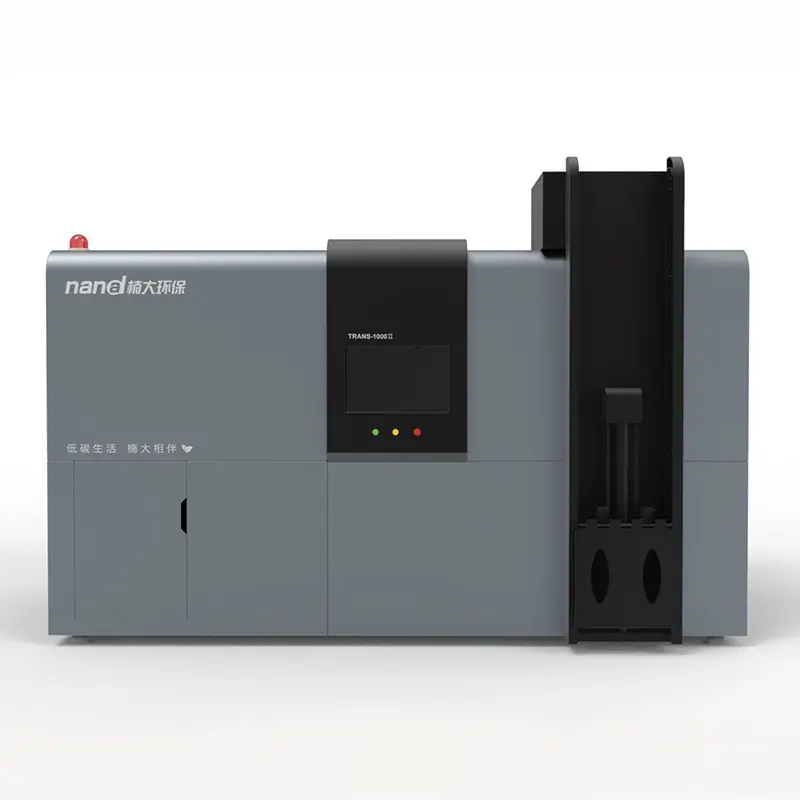 Nanda Trans Series-1000
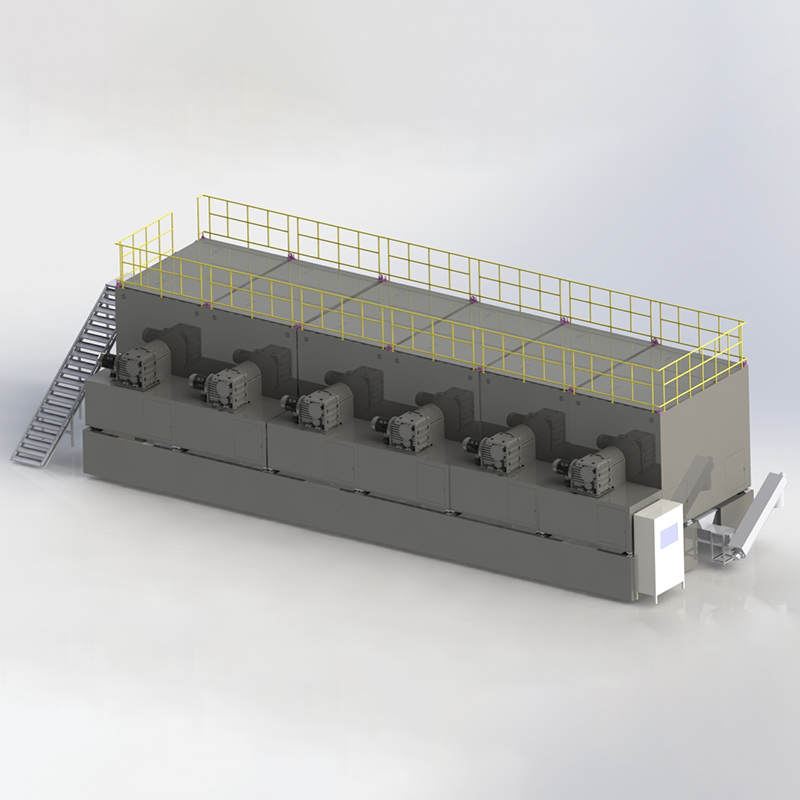 Nanda Trans Series-30000
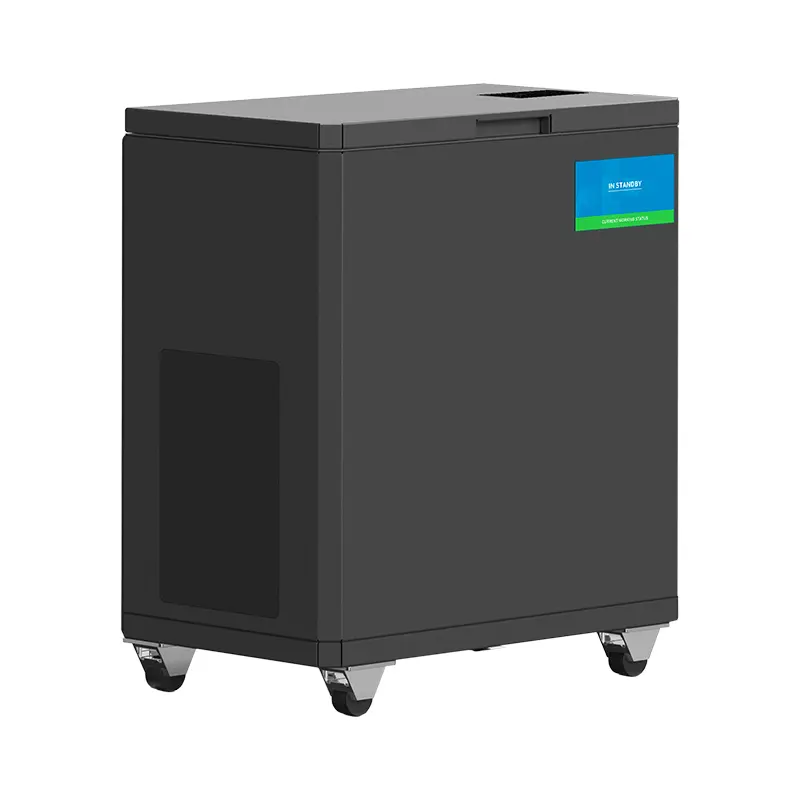 Nanda Thermax Series-100
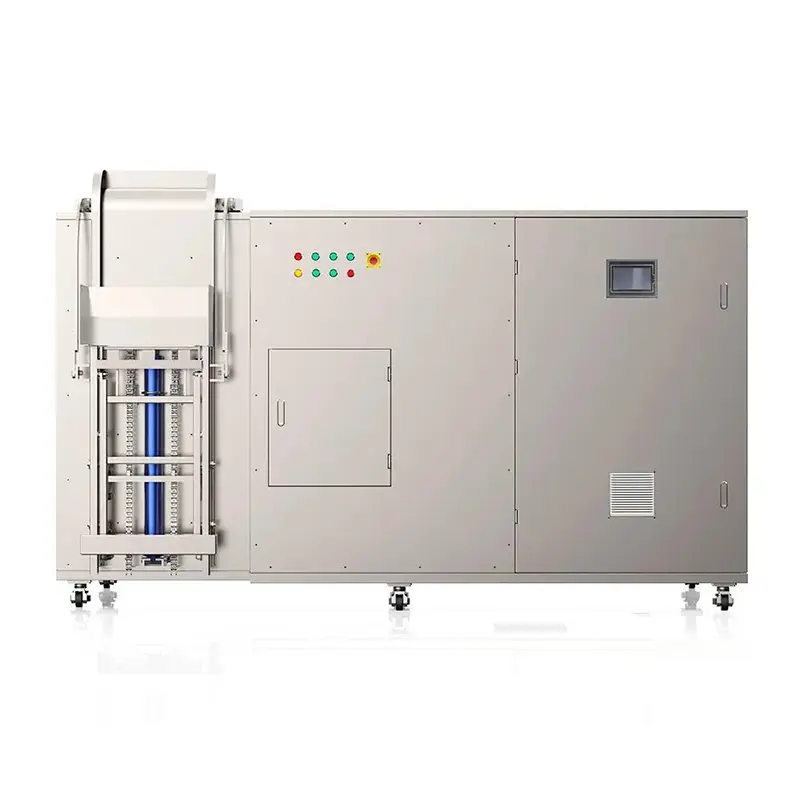 Nanda Thermax Series-200
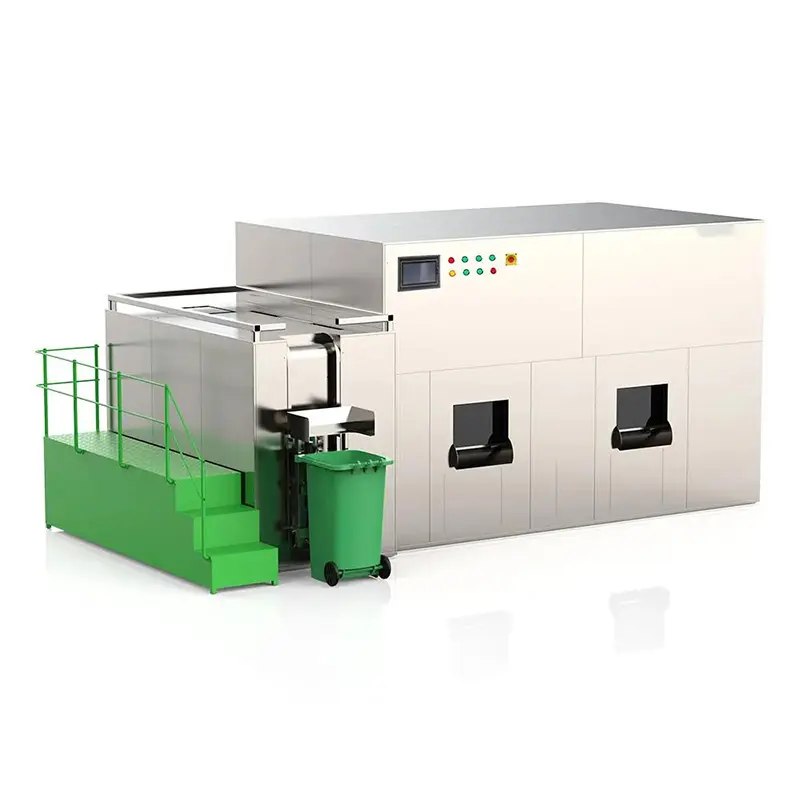 Nanda Thermax Series-2000
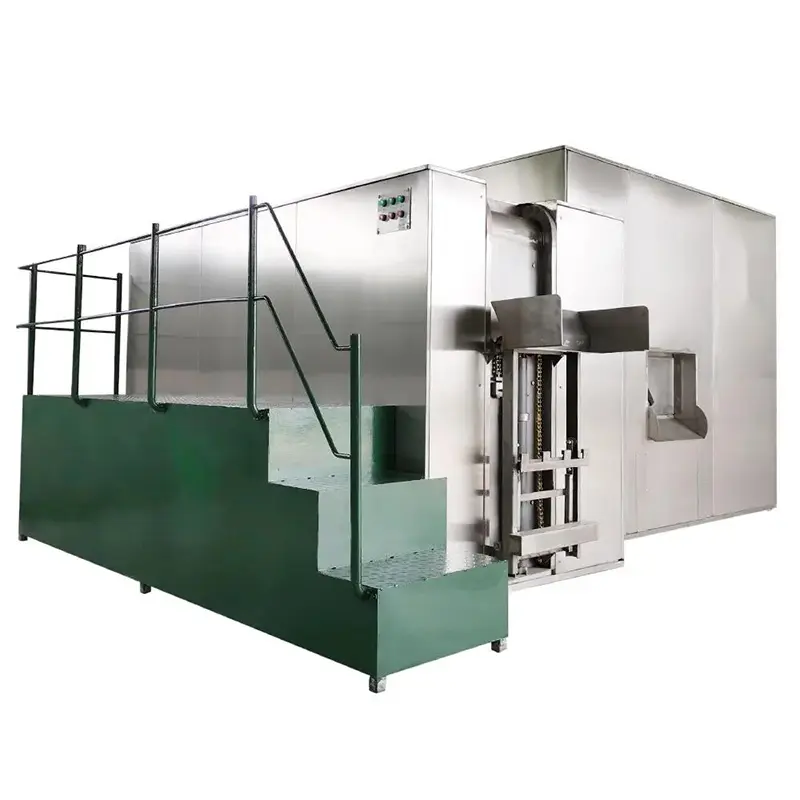 Nanda Thermax Series-10000
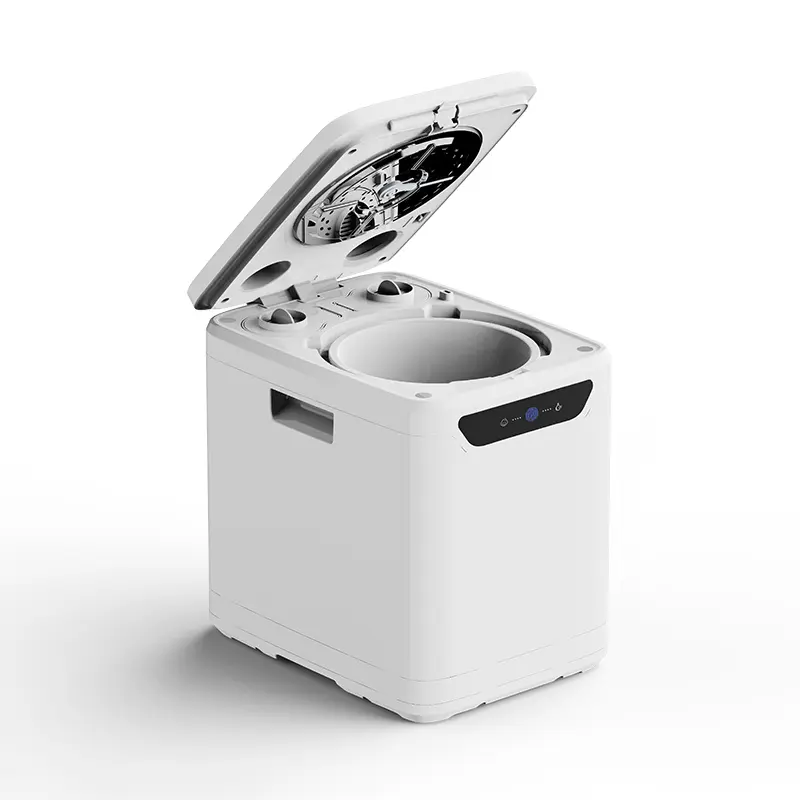 Nanda Turbo Series-3.5L-016
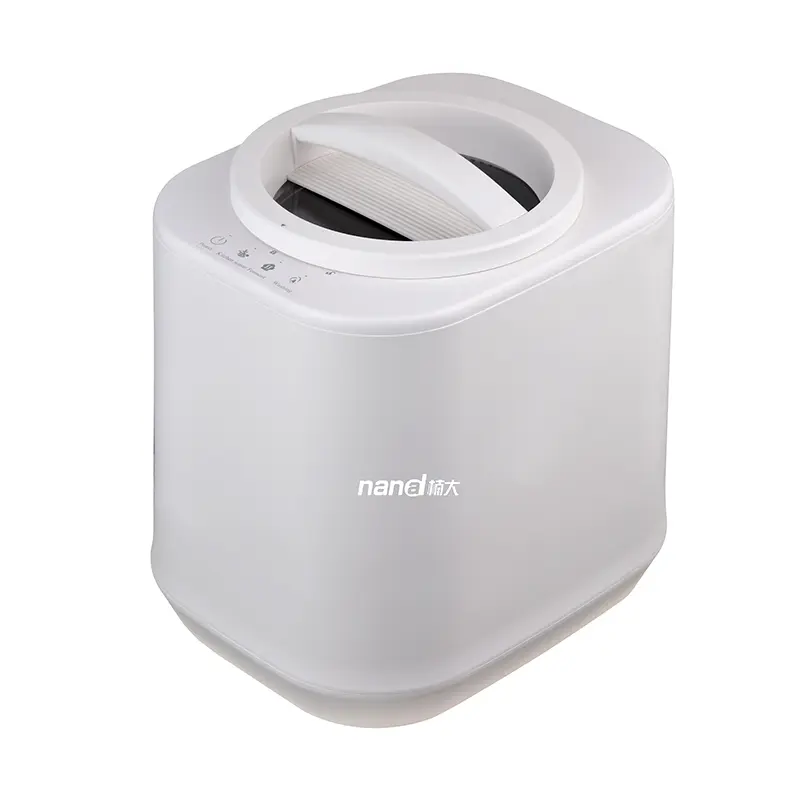 Nanda-Turbo Series-4L-011
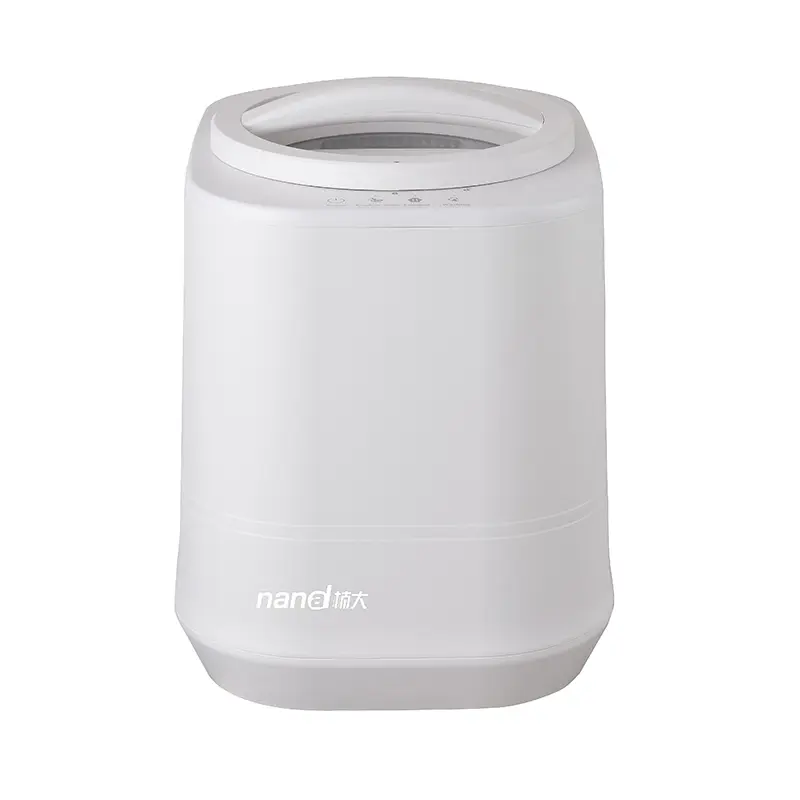 Nanda Turbo Series-4L-012
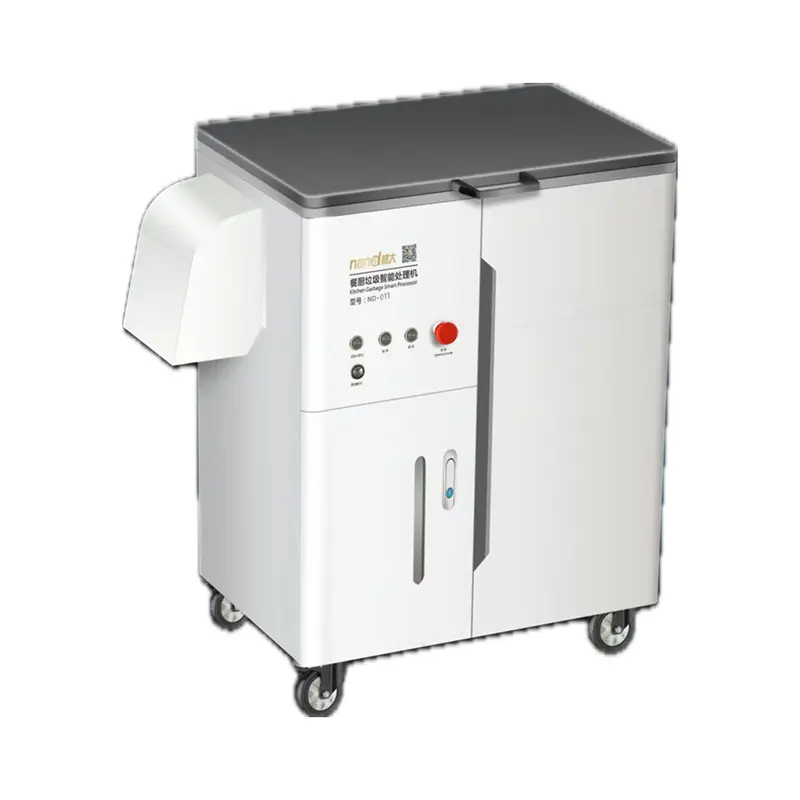 Oil-Water Separator