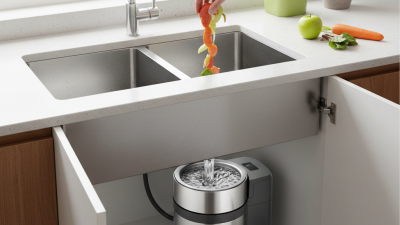
What is a Food Recycler and How Does It Work?
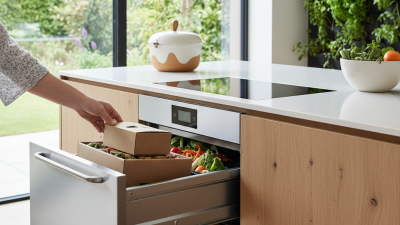
In today’s world, food waste is a significant challenge. A "Food Recycler" promises a solution by converting organic waste into useful products. According to Dr. Emily Green, a leading expert in waste management, "Food Recyclers empower households to reduce landfill waste effectively." This technology transforms scraps into nutrient-rich compost or biogas.
The process begins with the collection of food waste, such as vegetable peels and stale bread. These machines break down the waste quickly, often within hours. The result is either a compost that can enrich gardens or biogas that can serve as renewable energy. However, it's important to recognize that not all food items are suitable for recycling. Misuse can lead to inefficiencies and even odor issues.
Moreover, while Food Recyclers are innovative, they require a commitment to proper usage. Users must understand what can and cannot be recycled. Without this knowledge, the system may fall short of its potential. Food Recyclers offer a glimpse into a sustainable future but also challenge us to rethink our waste habits.
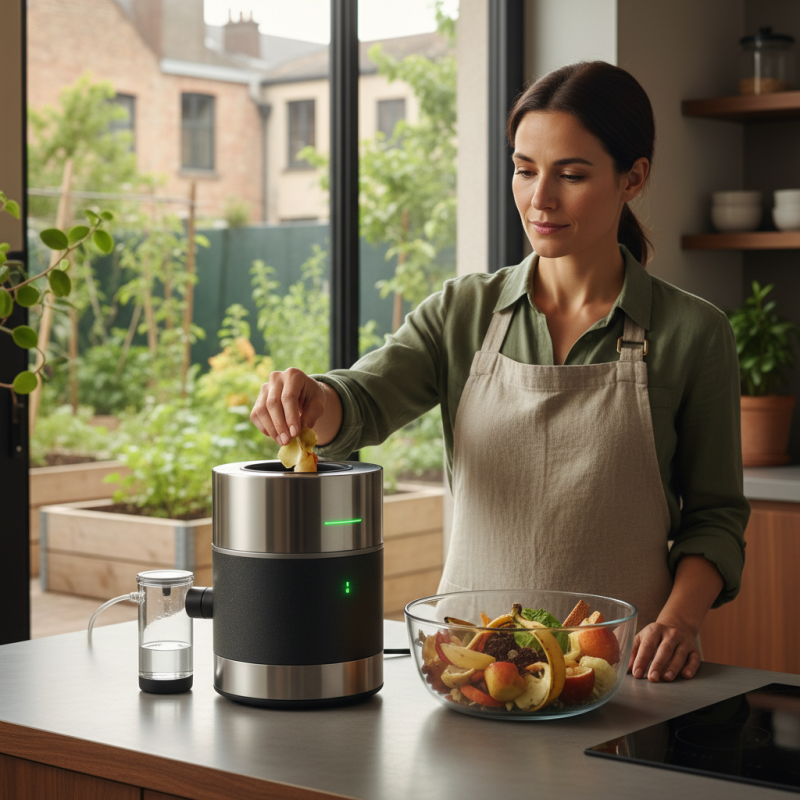
Understanding the Concept of Food Recycling
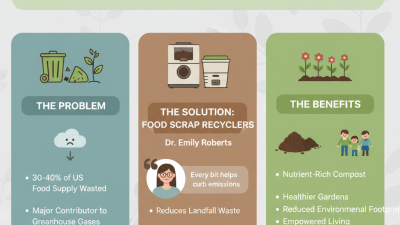
Food recycling involves the conversion of food waste into usable products, reducing landfill contributions. In the United States alone, approximately 30-40% of the food supply is wasted. This staggering statistic highlights the importance of food recycling. It turns discarded food into compost, animal feed, or bioenergy.
The process of food recycling can vary in complexity. Simple methods include composting leftovers. More advanced systems use anaerobic digestion to produce biogas. This biogas can generate electricity. According to the Environmental Protection Agency, composting and food waste recycling could divert up to 75% of waste from landfills. However, the reality often falls short. Many communities struggle with participation and access to proper facilities.
Cultural attitudes towards waste play a significant role. In areas with a strong emphasis on sustainability, food recycling rates tend to be higher. Yet, many still view food waste as a normal part of life. Education and awareness campaigns are crucial. They help shift perceptions and encourage more people to take part in food recycling initiatives. As we rethink our relationship with food, embracing these practices can lead to substantial environmental benefits.
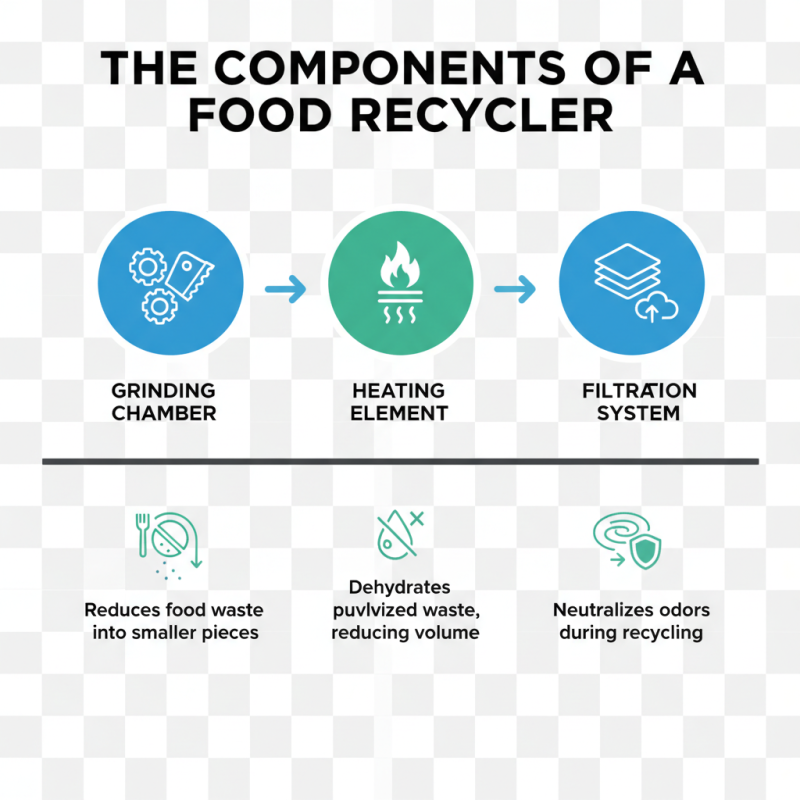
The Components of a Food Recycler
A food recycler is an innovative device designed to manage food waste efficiently. Its main components include a grinding chamber, a heating element, and a filtration system. The grinding chamber reduces food waste into smaller pieces, making it easier to process. The heating element then helps dehydrate the pulverized waste, reducing its volume significantly. Finally, the filtration system ensures that any odors are neutralized during the recycling process.
When using a food recycler, remember to cut food into smaller chunks to optimize efficiency. Avoid recycling overly oily or fibrous materials, as they may clog the system. Pay attention to the operating instructions for best results. It’s important to clean the recycler regularly. This helps prevent buildup and unpleasant smells.
You might find some challenges along the way. Sometimes, the device may not process tough materials efficiently. You could end up with leftovers that need manual sorting. Reflect on how often this happens to improve your usage. Being mindful of what goes in can enhance the overall recycling experience.
The Process of Food Recycling: Step-by-Step
Food recycling is an essential process for reducing waste. It transforms leftover food into useful products. Here’s how it typically works, step by step.
The first stage begins with collection. Food waste is gathered from homes, restaurants, and grocery stores. This often involves special bins for easy segregation. Then, the collected waste is transported to a food recycling facility. Here, a thorough sorting occurs. Items that can't be recycled are discarded. This phase requires careful attention to detail.
Next comes the processing phase. Food is ground down and mixed with water. This mixture is then turned into a slurry. It is heated to break down organic materials. The resulting product can be used for compost or bioenergy. However, many facilities struggle with contamination. Even small amounts of non-food waste can ruin large batches. It is a constant challenge. The process is not always perfect and requires ongoing adjustment. People must become more aware of how they manage food waste at home.
What is a Food Recycler and How Does It Work? - The Process of Food Recycling: Step-by-Step
| Step |
Description |
Duration |
End Product |
| 1 |
Collection of Food Waste |
1 Day |
Fresh Food Waste |
| 2 |
Sorting and Separation |
2 Days |
Separated Organic Materials |
| 3 |
Processing Food Waste |
5 Days |
Compost or Animal Feed |
| 4 |
Monitoring and Quality Control |
Throughout Process |
High-Quality End Products |
| 5 |
Distribution of End Products |
3 Days |
Commercial Compost or Feed |
Benefits of Using a Food Recycler
Food recyclers are gaining traction as innovative solutions for kitchen waste. They transform food scraps into compost or nutrient-rich soil in a compact device. This process not only reduces landfill waste, but also supports sustainable gardening practices. In fact, food waste accounts for nearly 30-40% of the total municipal solid waste in the United States, as per the Environmental Protection Agency (EPA). By using food recyclers, households can significantly cut down their waste footprint.
The benefits of these devices extend beyond waste reduction. They promote a circular economy by returning nutrients back to the soil. According to a study by the USDA, composting food waste can yield a 30% reduction in greenhouse gas emissions. Plus, the compost produced can enhance soil fertility and moisture retention. Home gardeners can see an increase in plant growth and vitality. However, many users worry about maintenance and odors associated with food recyclers. It's important to address these concerns for wider adoption.
While food recyclers represent a step forward, some users find the initial learning curve steep. Not all food scraps can be processed, and this limits options. Additionally, the upfront cost of these devices might deter potential users. A thoughtful approach is required to make food recyclers a common household item. This transition aligns with a broader shift towards eco-friendly living, a movement still in its infancy.
Food Recycler Benefits Analysis
Common Challenges and Solutions in Food Recycling
Food recycling is a vital process that can significantly reduce waste. However, common challenges arise when trying to implement effective food recycling practices.
One major issue is contamination. Food scraps mixed with non-recyclable materials can jeopardize the entire recycling process.
Educating individuals on proper sorting is essential. People often underestimate the importance of clean recycling practices.
Another challenge is odor management. Composting food waste can lead to unpleasant smells if not done correctly.
To combat this, it's important to use airtight containers. Keeping the compost pile balanced with carbon-rich materials, like dry leaves, can also help mitigate odors.
Tip: Regularly turning your compost can enhance airflow and reduce smell.
Processing food waste at scale presents additional hurdles. Facilities might face high operational costs. This can deter institutions from pursuing food recycling initiatives.
Seeking community partnerships can help distribute costs and share resources. Emphasizing the collective benefits of food recycling could foster engagement in local communities.
Tip: Organize community workshops to educate residents about food recycling.
The journey of food recycling is filled with imperfections. Every effort counts, and recognizing obstacles is part of the process.
Adjusting strategies based on what works in practice is key to making meaningful progress.

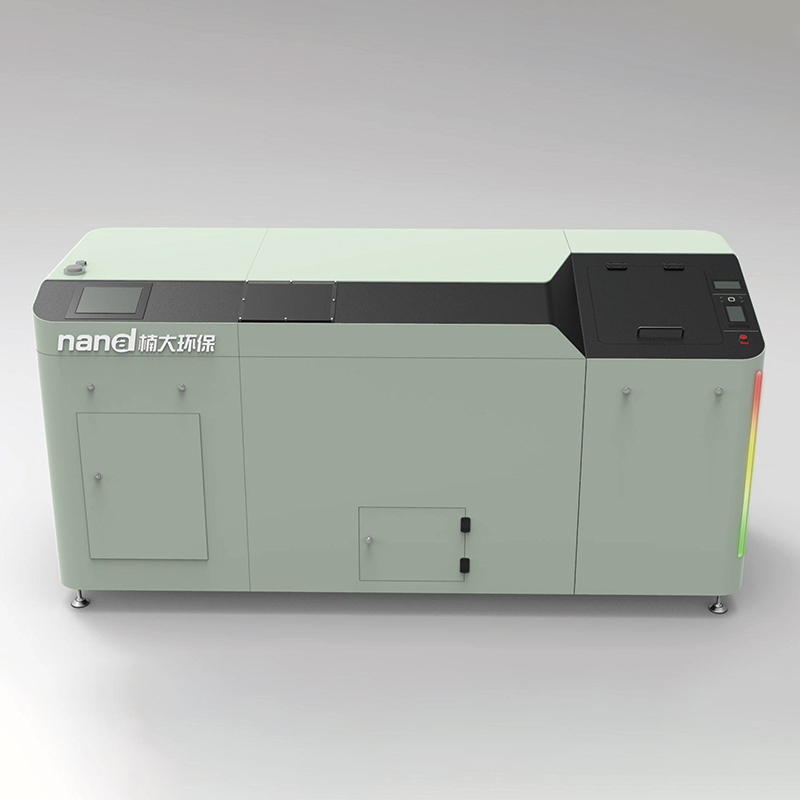 Nanda Trans Series-200
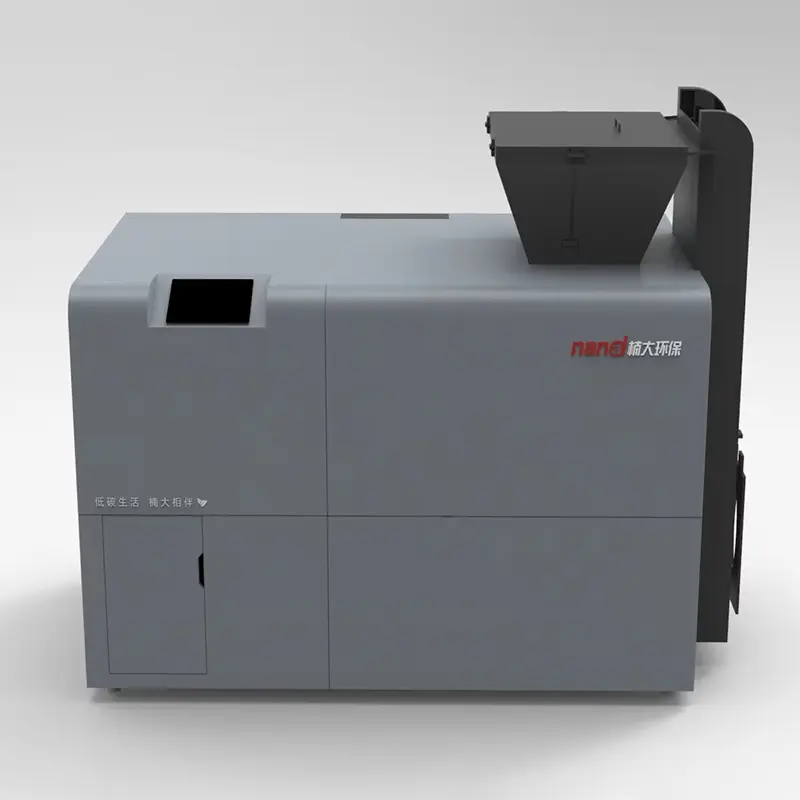 Nanda Trans Series-500
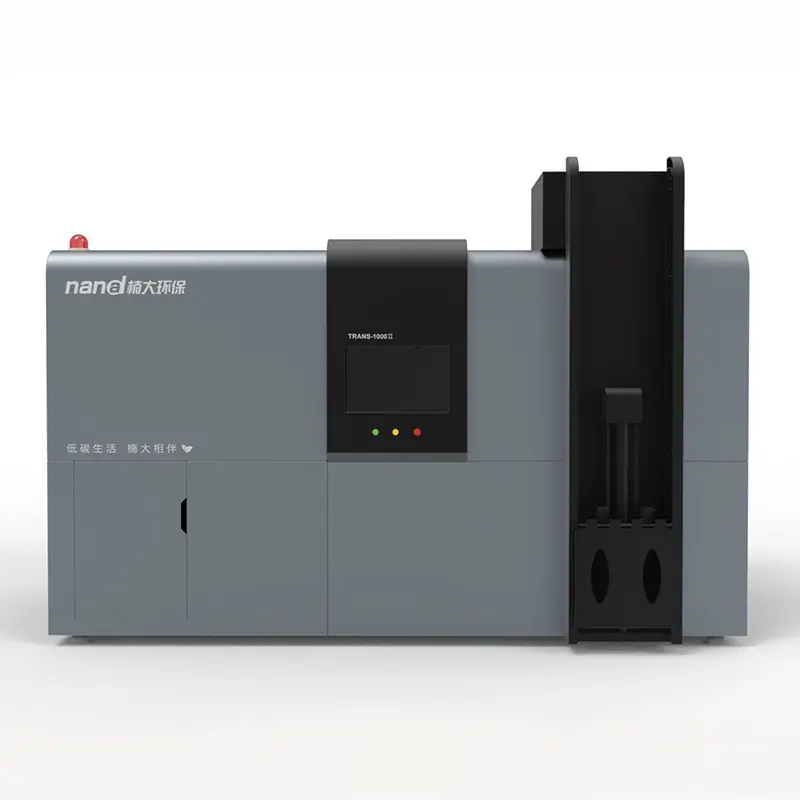 Nanda Trans Series-1000
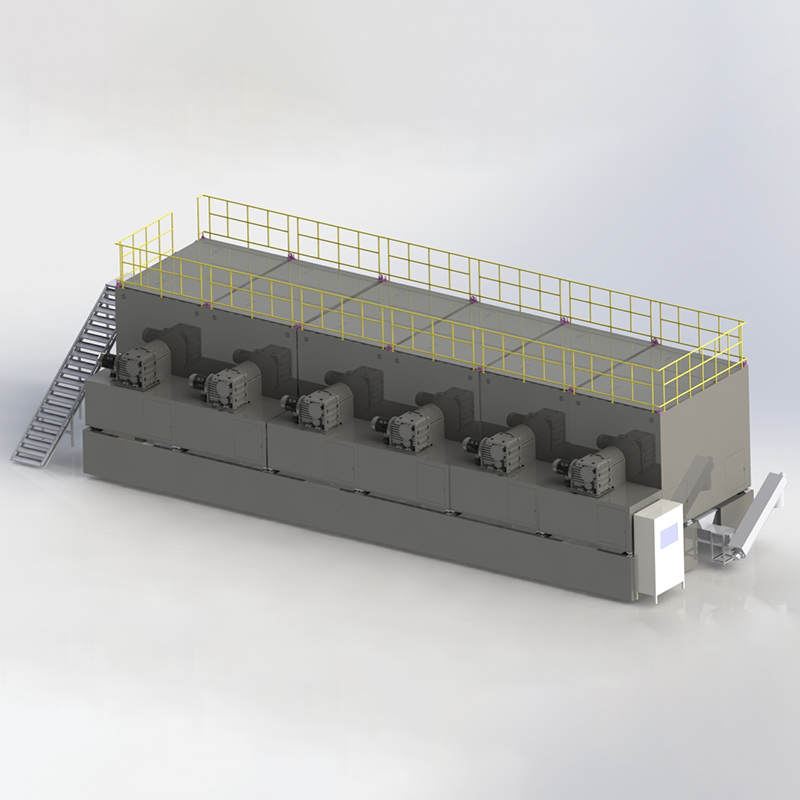 Nanda Trans Series-30000
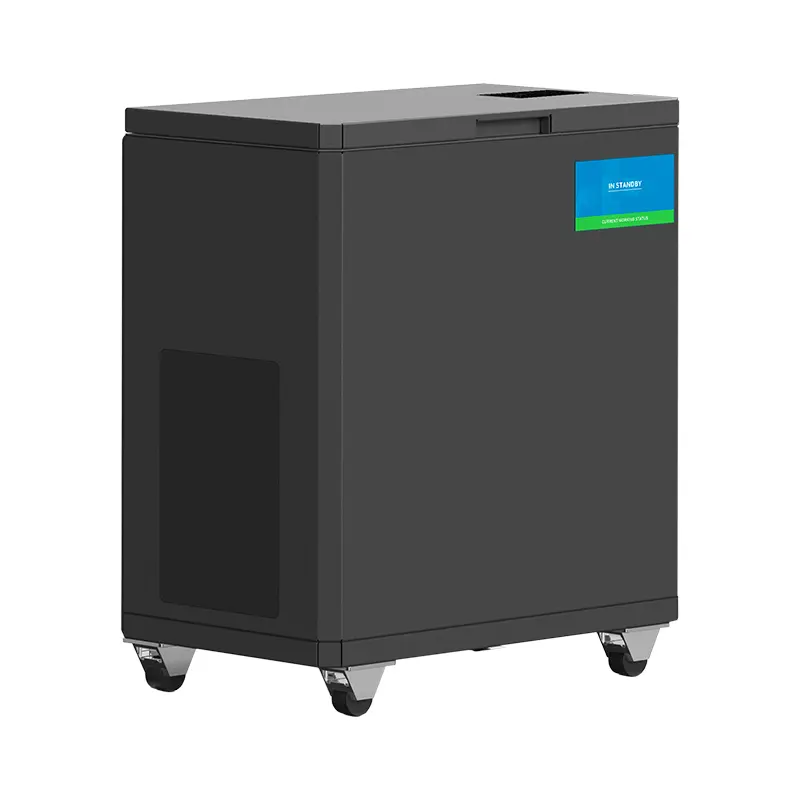 Nanda Thermax Series-100
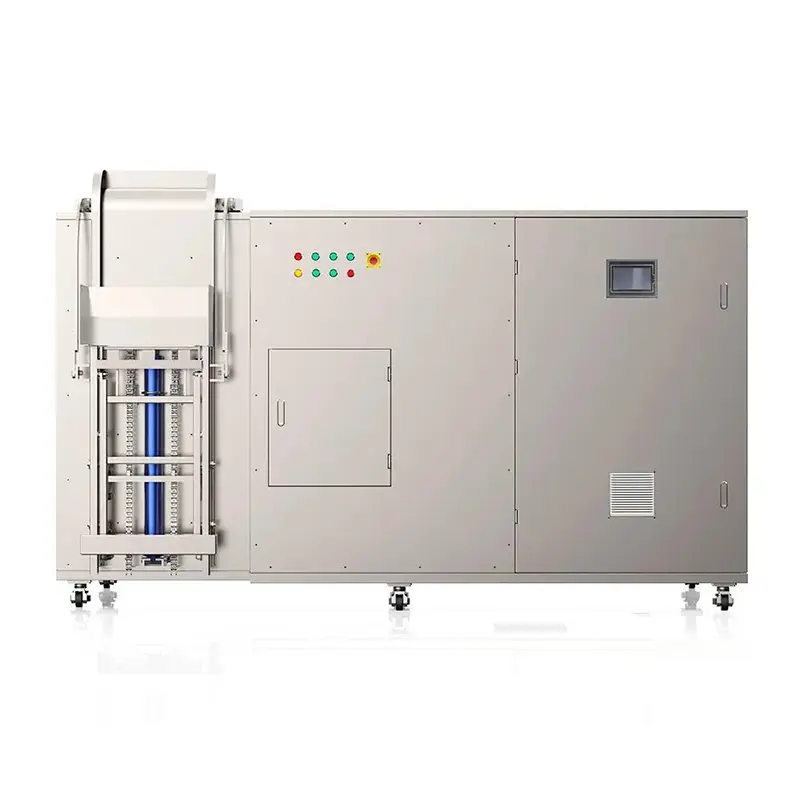 Nanda Thermax Series-200
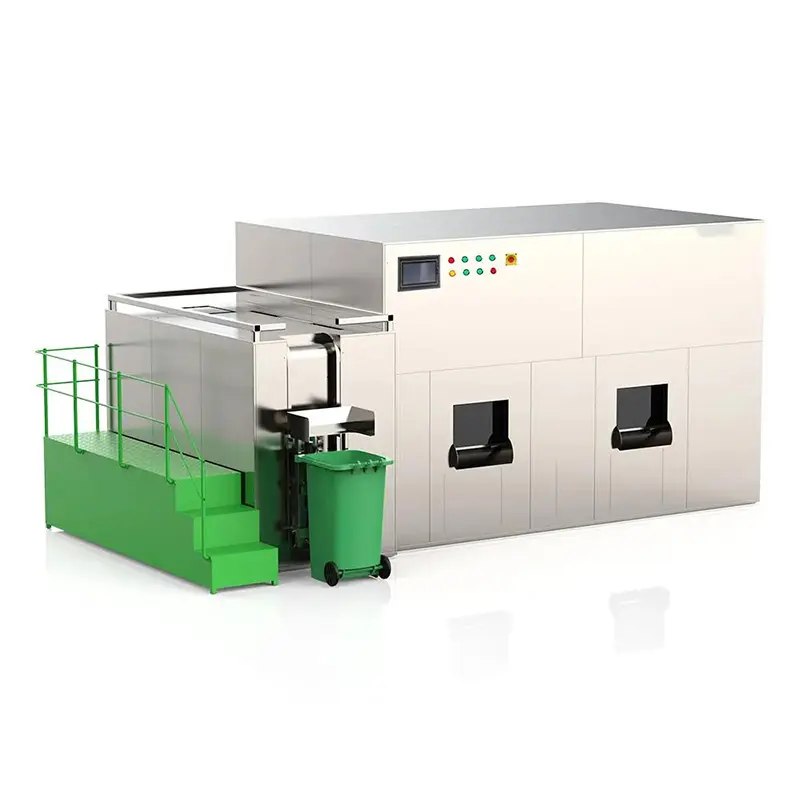 Nanda Thermax Series-2000
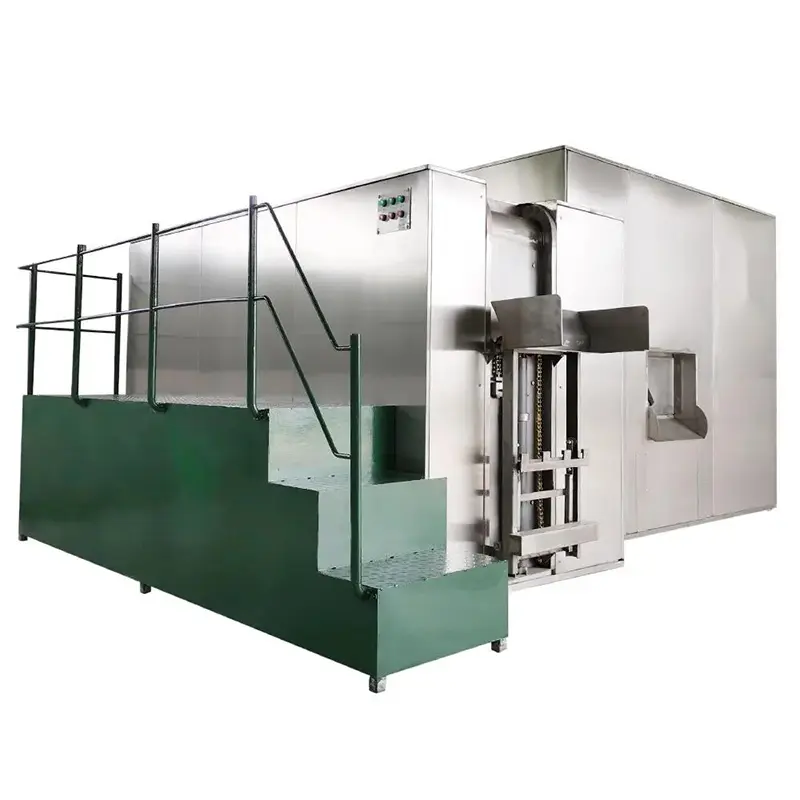 Nanda Thermax Series-10000
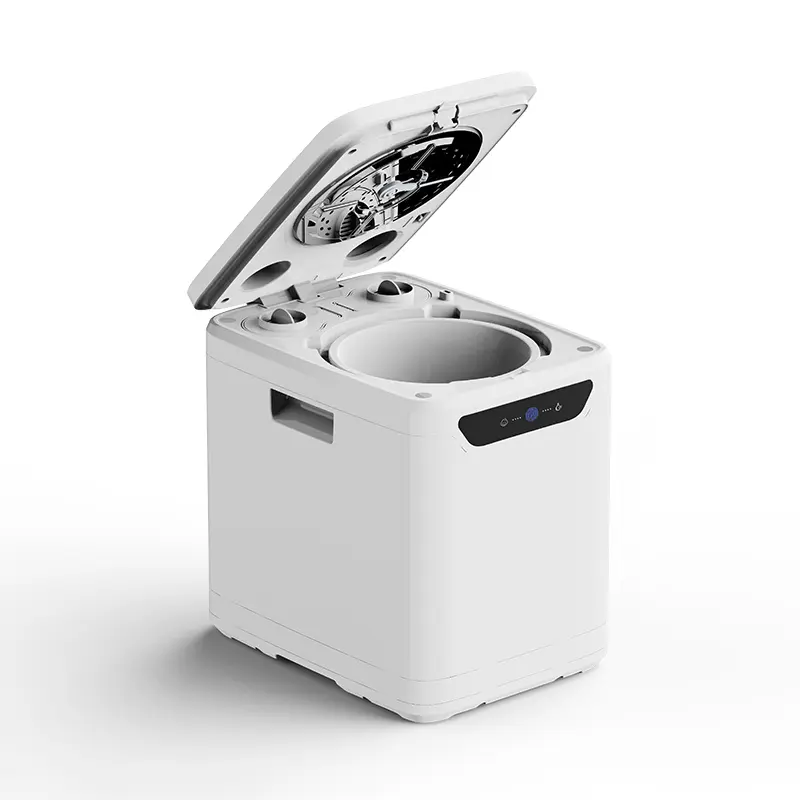 Nanda Turbo Series-3.5L-016
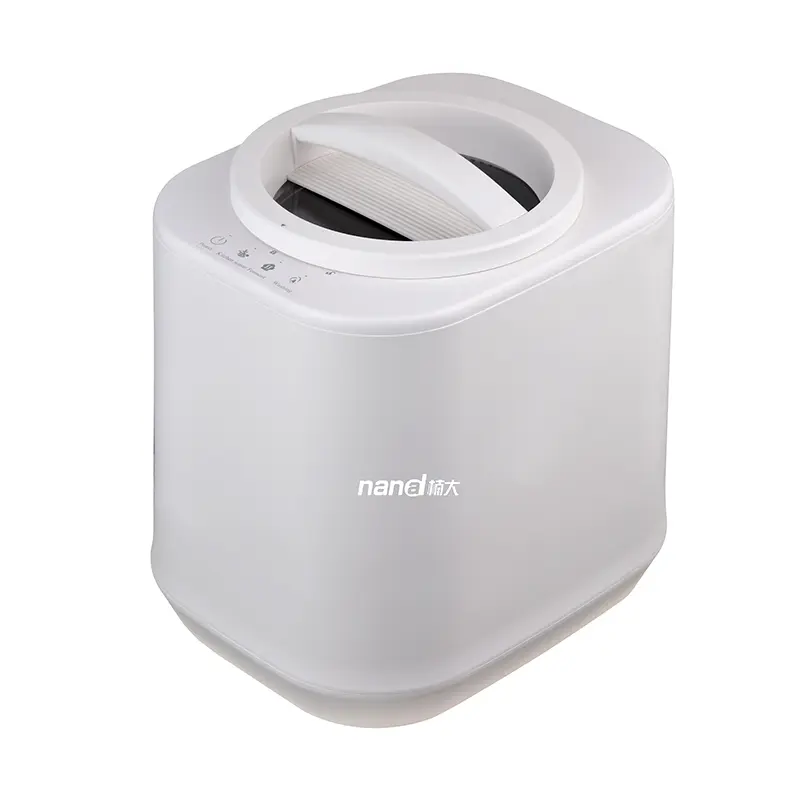 Nanda-Turbo Series-4L-011
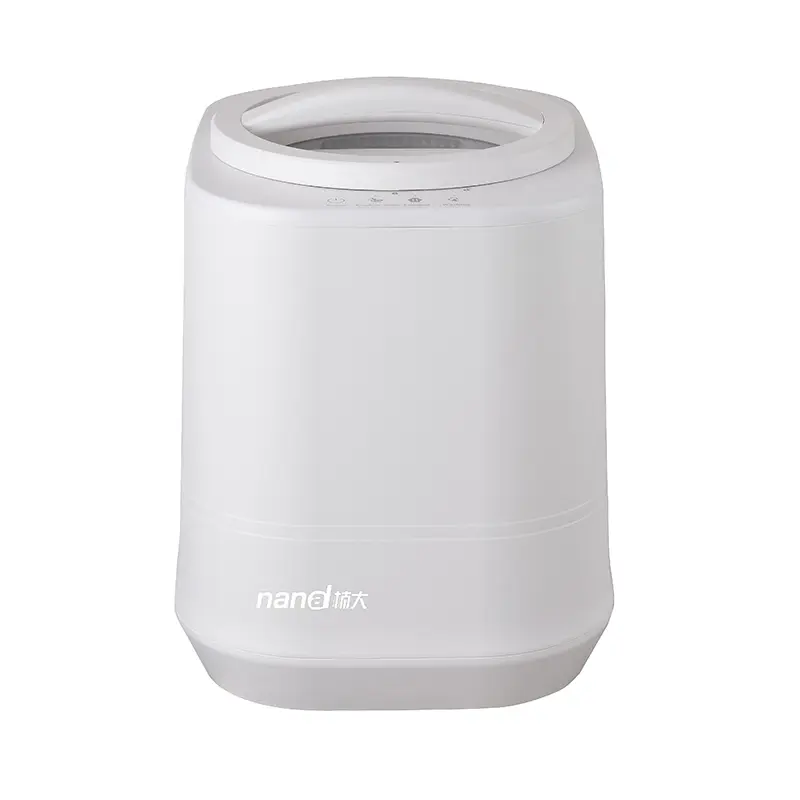 Nanda Turbo Series-4L-012
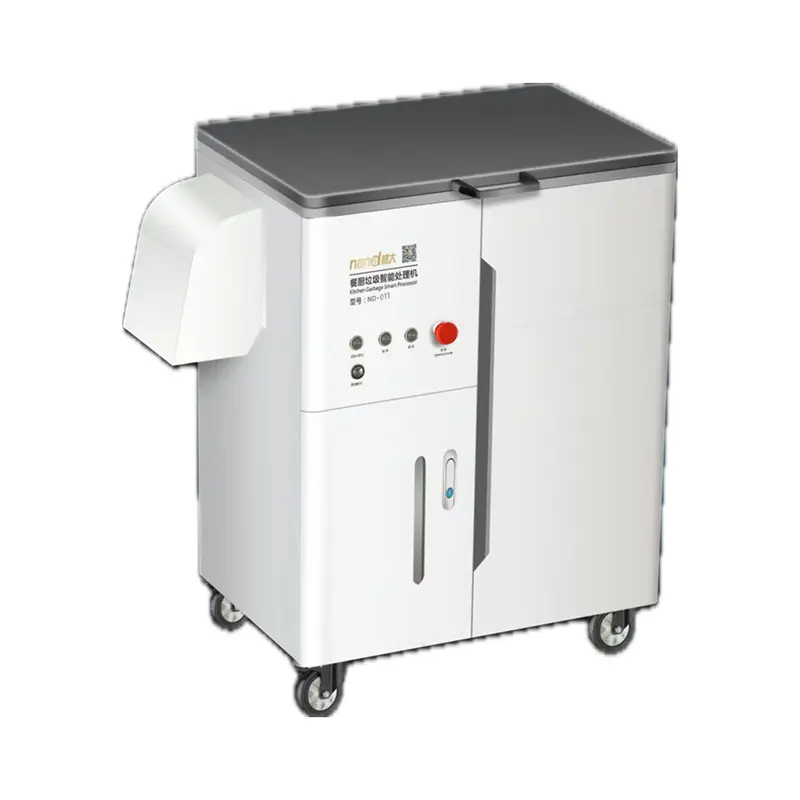 Oil-Water Separator