What is a Food Waste Treatment Machine and How Does It Work?
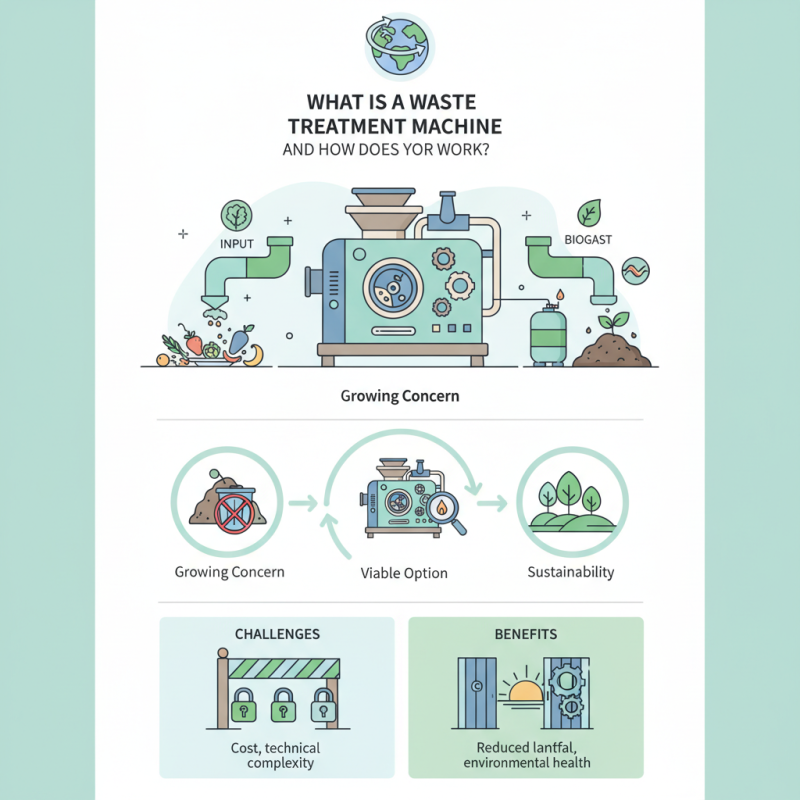
Food waste is a growing concern worldwide, with an estimated 1.3 billion tons discarded annually, according to the FAO. As cities expand, the need for effective waste management solutions becomes more critical. The "Food Waste Treatment Machine" emerges as a viable option, addressing the urgent issue of food disposal. These machines convert organic waste into valuable resources like compost or biogas, fostering sustainability.
Expert in waste management, Dr. Emily Chen, states, "Food Waste Treatment Machines are a crucial step towards reducing landfill use and promoting environmental health." Her insight reflects growing industry awareness. Despite advancements, many facilities still struggle with implementation and efficiency. Challenges such as cost and technical complexities persist. Clear communication and updates on technology are essential to overcome these barriers. The path to effective food waste management is not without its obstacles, but the benefits of the Food Waste Treatment Machine are undeniable.
What is a Food Waste Treatment Machine?
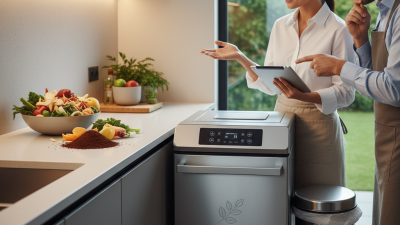
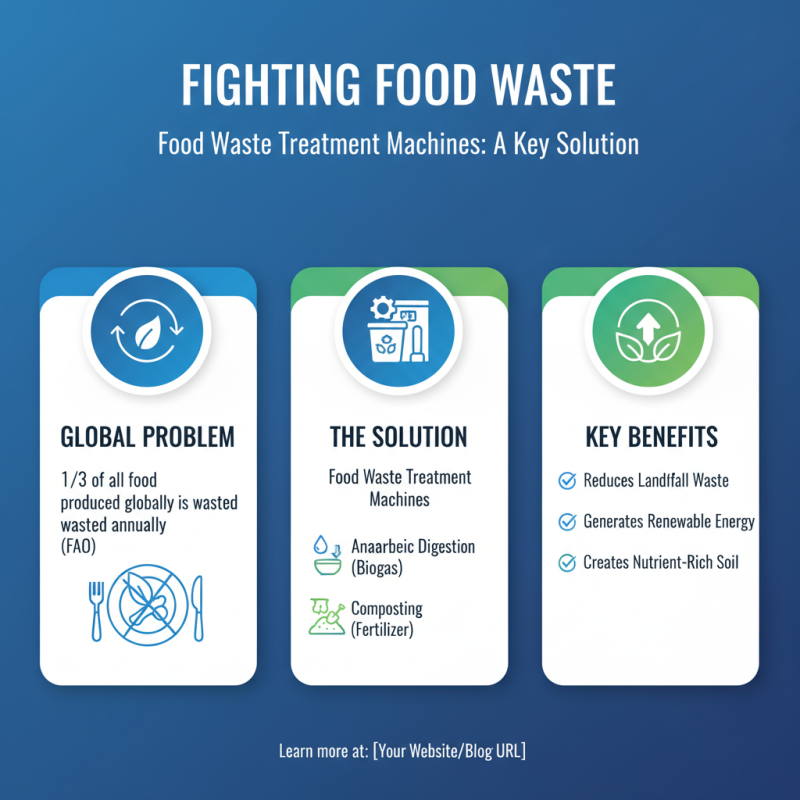
A food waste treatment machine is a tool designed to convert organic waste into usable forms. This technology reduces the amount of waste sent to landfills. In fact, according to the Food and Agriculture Organization (FAO), about one-third of food produced globally is wasted. Treating this waste effectively could significantly reduce environmental impact.
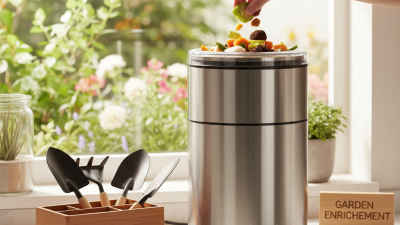
These machines work by breaking down organic materials. They often use biological processes, heat, and grinding. For example, some systems employ microorganisms to decompose food scraps. This method speeds up the breakdown process. The result can be compost or bioenergy. Each of these outputs can be reused, contributing to a circular economy.
Tips: Make sure to sort waste properly before using the machine. This helps optimize performance. Avoid putting plastic or metal inside, as it can damage equipment.
Using such machines comes with challenges. Some users report that machines can be noisy. Regular maintenance is essential for efficiency. Additionally, not all food waste is suitable for every machine. It's crucial to read the user manual carefully to maximize benefits. Reflecting on these aspects helps improve waste management practices.
Food Waste Composition by Category
Types of Food Waste Treatment Machines Available
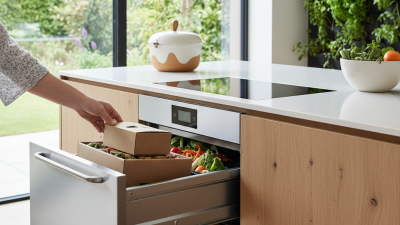
Food waste treatment machines play a vital role in managing the increasing food waste crisis. Various types of machines exist to address different needs and settings. Common types include composters, anaerobic digesters, and grinders. Each machine functions uniquely, contributing to eco-friendly waste management.
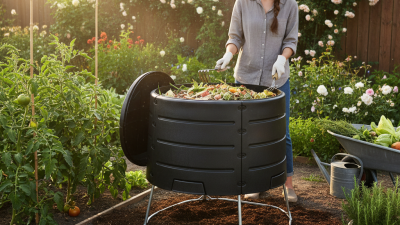
Composters convert food scraps into nutrient-rich compost. They work by facilitating decomposition using bacteria, heat, and oxygen. Meanwhile, anaerobic digesters break down organic material without oxygen, producing biogas as a byproduct. This method of treatment can significantly reduce food waste volume by over 50%. On the other hand, grinders are essential for quick disposal. They reduce waste size, making it easier to transport or process.
**Tips:** To maximize efficiency, ensure that only biodegradable materials enter these machines. This minimizes contamination and boosts productivity. Regular maintenance is crucial for optimal performance. It's worth noting, however, that not all machines suit every space or budget. It's important to evaluate what system aligns best with your specific needs before investing.
What is a Food Waste Treatment Machine and How Does It Work? - Types of Food Waste Treatment Machines Available
| Type of Machine |
Description |
Processing Capacity (kg/day) |
Energy Consumption (kWh) |
Key Features |
| Composting Machine |
Converts organic waste into compost through aerobic digestion. |
100 |
1.5 |
Natural process, enriches soil, odor control. |
| Biogas Digester |
Processes food waste anaerobically to produce biogas and digestate. |
200 |
2.0 |
Produces renewable energy, reduces landfill waste. |
| Dehydrator |
Removes moisture from food waste to reduce volume and facilitate transportation. |
150 |
1.0 |
Prepares waste for composting, low energy use. |
| Grinder |
Reduces the size of food waste for easier handling and processing. |
300 |
1.2 |
Compact design, suitable for various waste types. |
| Fermentation Unit |
Utilizes fermentation to break down food waste into usable products. |
250 |
2.5 |
Generates organic fertilizers, low environmental impact. |
How Food Waste Treatment Machines Function
Food waste treatment machines play a crucial role in managing the growing issue of food waste. According to a report by the Food and Agriculture Organization, approximately one-third of all food produced is wasted annually. This staggering statistic highlights the need for effective waste management solutions. These machines typically process organic waste through methods like anaerobic digestion and composting.
The function of these machines is quite straightforward. They break down food waste using specialized microbial action. For instance, anaerobic digestion converts waste into biogas. This gas can be used for energy, showcasing a sustainable approach to waste disposal. Meanwhile, composting transforms food scraps into nutrient-rich soil, contributing to circular economy practices. However, efficiency can vary based on the type of food waste processed. Certain materials, like dairy or oils, can complicate the treatment process.
While advancements are significant, challenges remain. Not all systems can handle diverse food waste types efficiently. Moreover, some regions lack proper infrastructure for optimal machine use. Data reveals that proper training and education can enhance machine efficiency by up to 40%. Addressing these gaps is vital for maximizing the benefits of food waste treatment machines.
Benefits of Using Food Waste Treatment Machines
Food waste treatment machines play a crucial role in managing waste effectively. Their main benefit is
reducing the volume of organic waste. This leads to less waste in landfills, minimizing odors and pests.
Furthermore, these machines help convert food scraps into valuable resources, like compost.
Using these machines can significantly decrease greenhouse gas emissions. Decomposing food in landfills releases methane, a potent greenhouse gas. By processing food waste on-site,
facilities can cut down these harmful emissions. Additionally, the compost produced can enrich soil, promoting healthy plant growth.
While these machines offer many advantages, they are not without flaws. Users may encounter operational challenges or
maintenance issues. Training staff properly is essential. Without proper knowledge, the machines may not operate at their full potential. Regular checks and balances are necessary
to ensure effectiveness.
Common Applications and Industries Utilizing These Machines
Food waste treatment machines play a crucial role in various industries. These machines efficiently process organic waste, converting it into beneficial outputs. They are commonly found in restaurants, supermarkets, and food processing facilities. According to recent industry reports, food waste accounts for nearly 30% of the global food supply. This waste significantly impacts the environment, contributing to greenhouse gas emissions.
In the hospitality sector, for instance, food waste treatment machines can reduce disposal costs. Restaurants often generate large amounts of food scraps. Utilizing these machines can save up to 50% on waste disposal expenditures. Additionally, supermarkets can effectively manage unsold produce. Reports indicate that supermarkets waste about 10% of their inventory, creating an urgent need for sustainable waste management solutions.
The agricultural industry also benefits from these machines. They turn organic waste into compost, reducing reliance on chemical fertilizers. In fact, the global market for organic fertilizers is expected to grow by 12% by 2027. While food waste treatment machines offer significant advantages, challenges remain. Not all businesses adopt these technologies, often due to costs or lack of awareness. This gap highlights the need for better education on the benefits of food waste treatment.

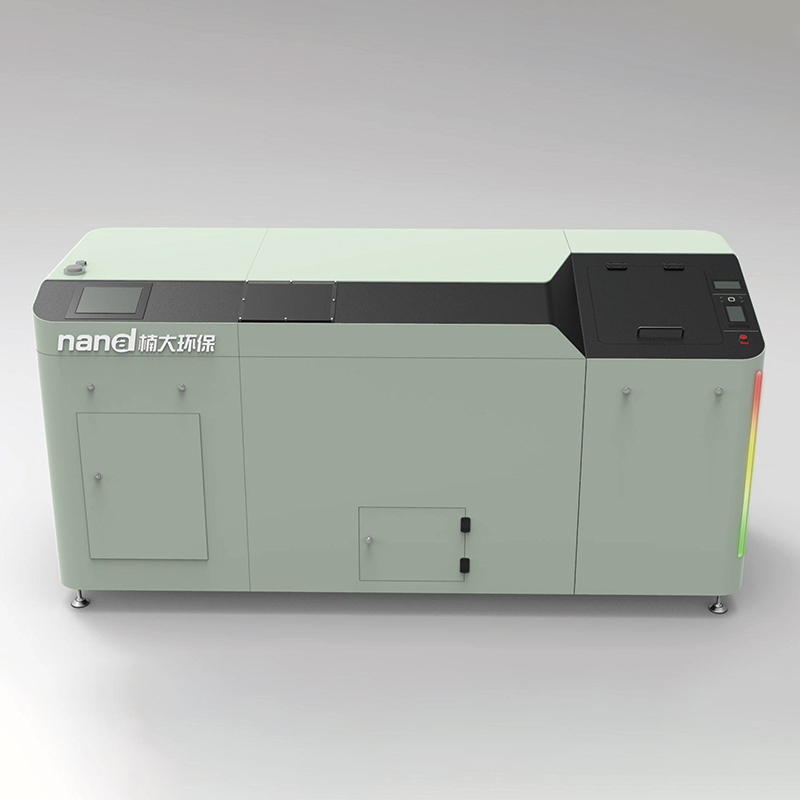 Nanda Trans Series-200
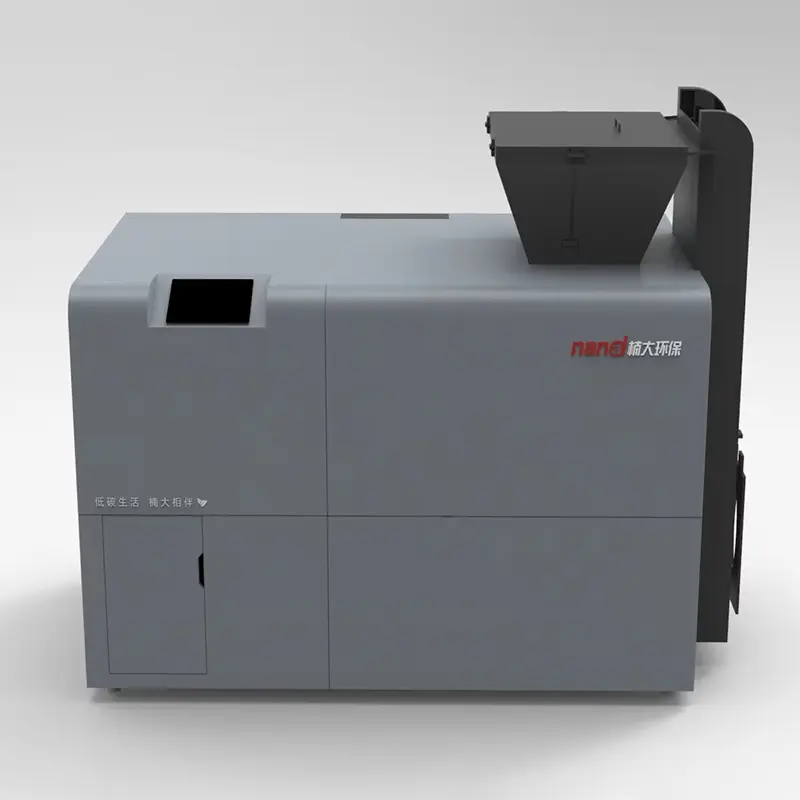 Nanda Trans Series-500
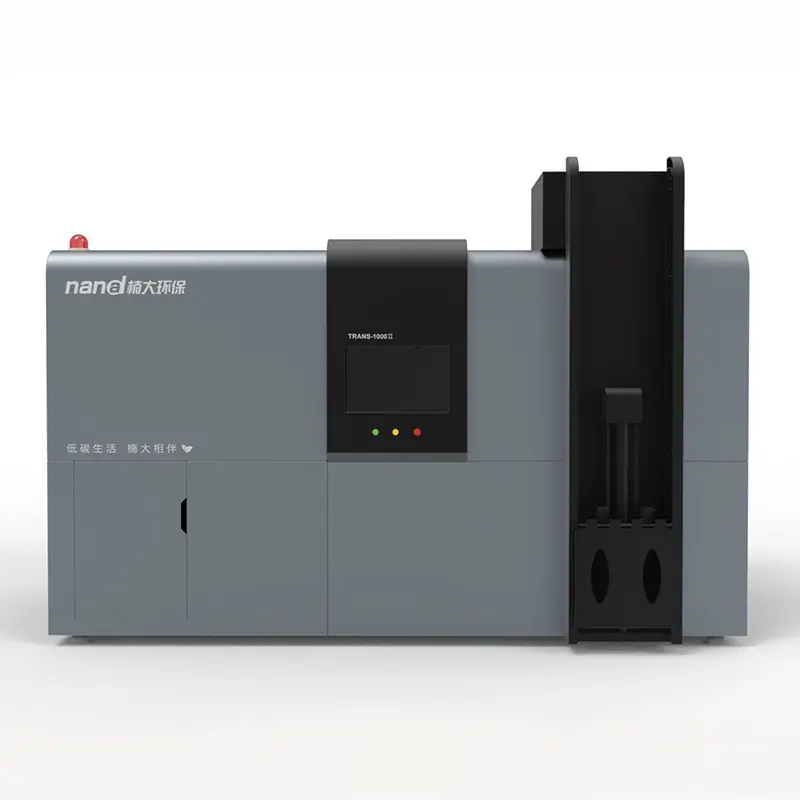 Nanda Trans Series-1000
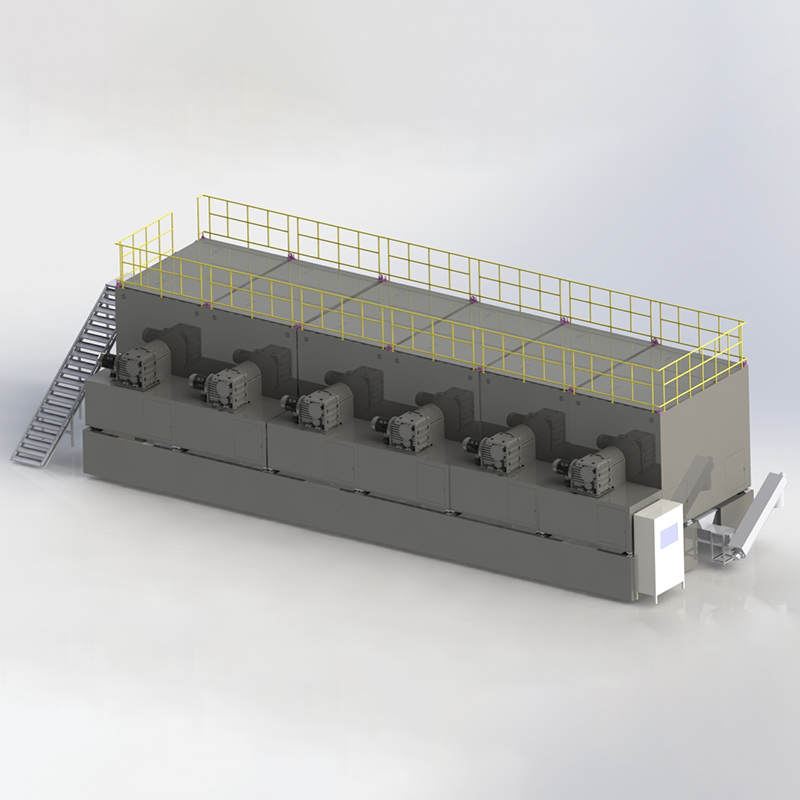 Nanda Trans Series-30000
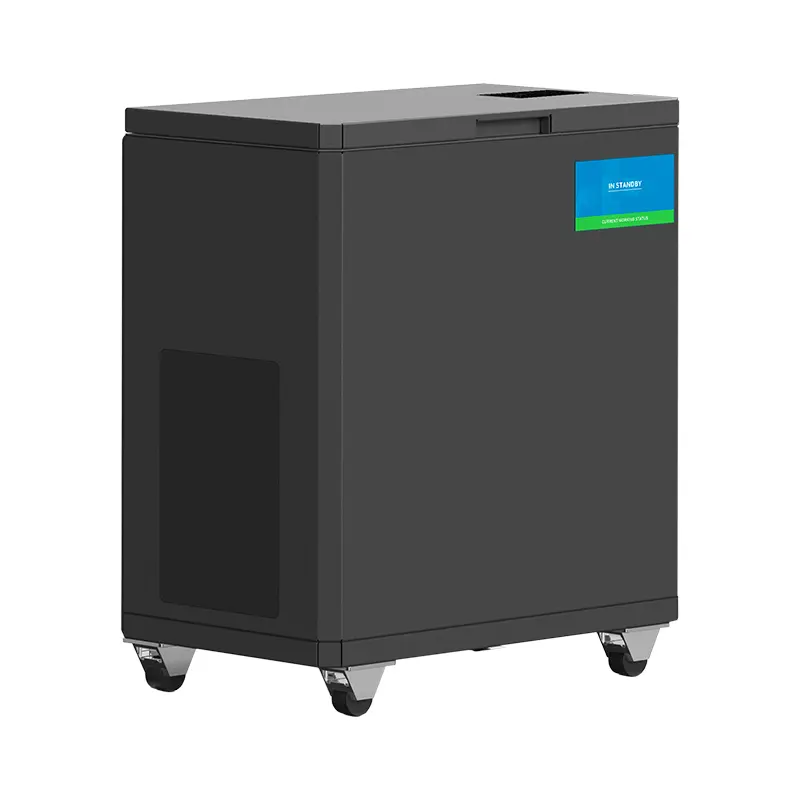 Nanda Thermax Series-100
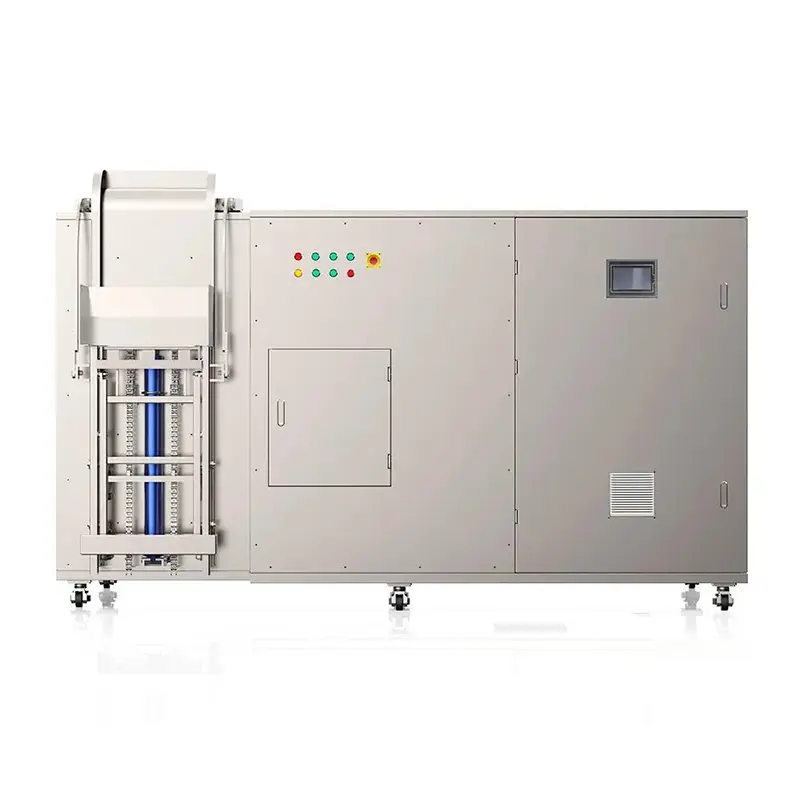 Nanda Thermax Series-200
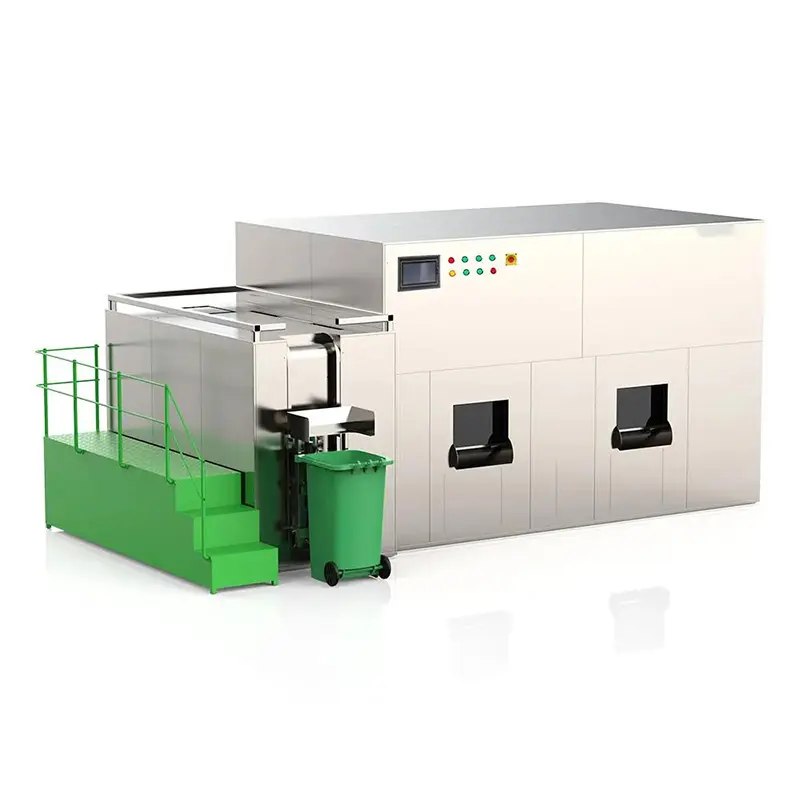 Nanda Thermax Series-2000
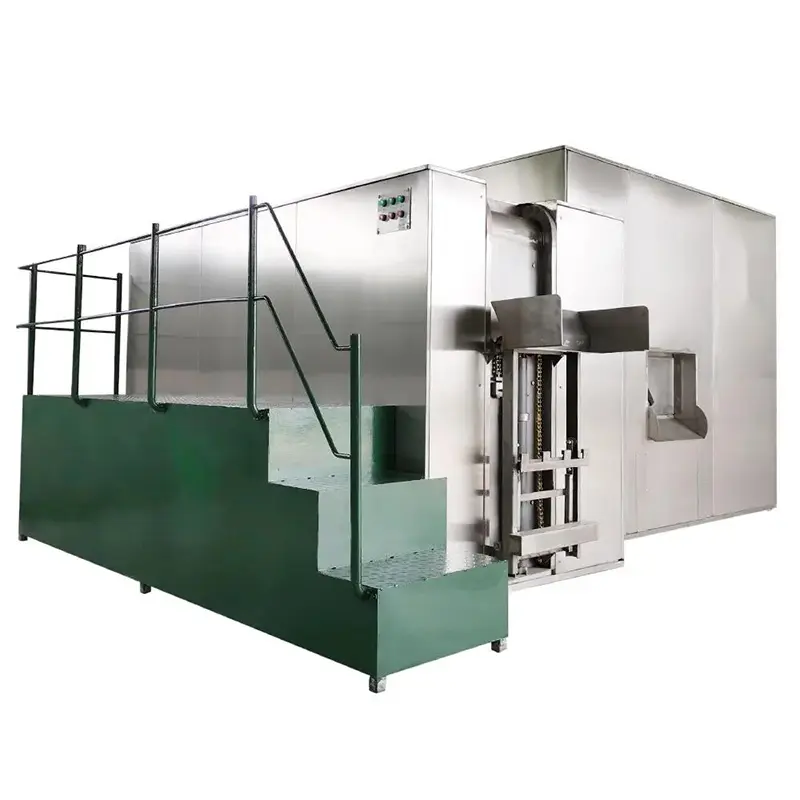 Nanda Thermax Series-10000
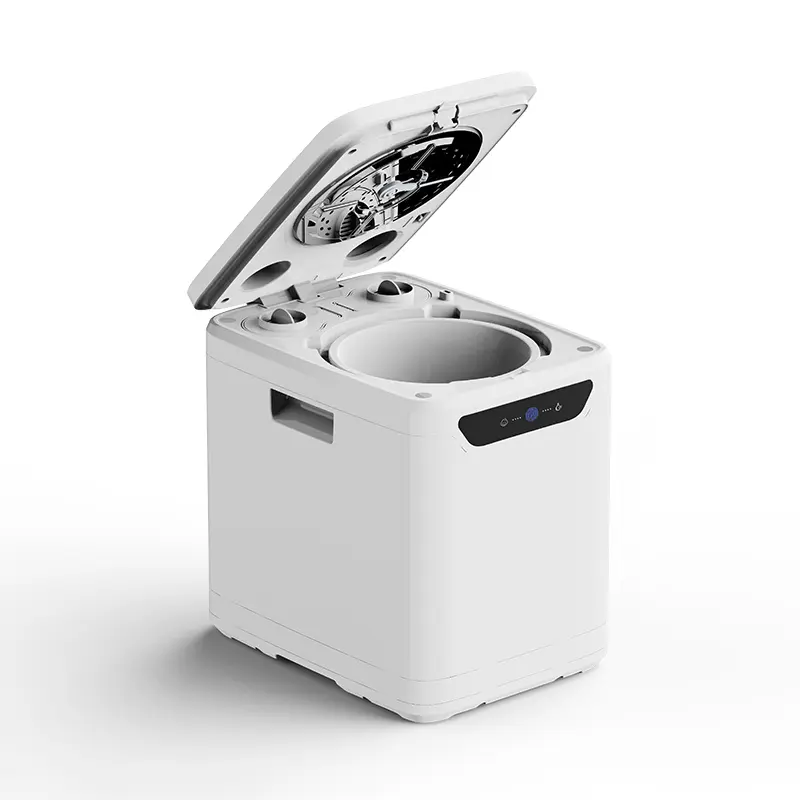 Nanda Turbo Series-3.5L-016
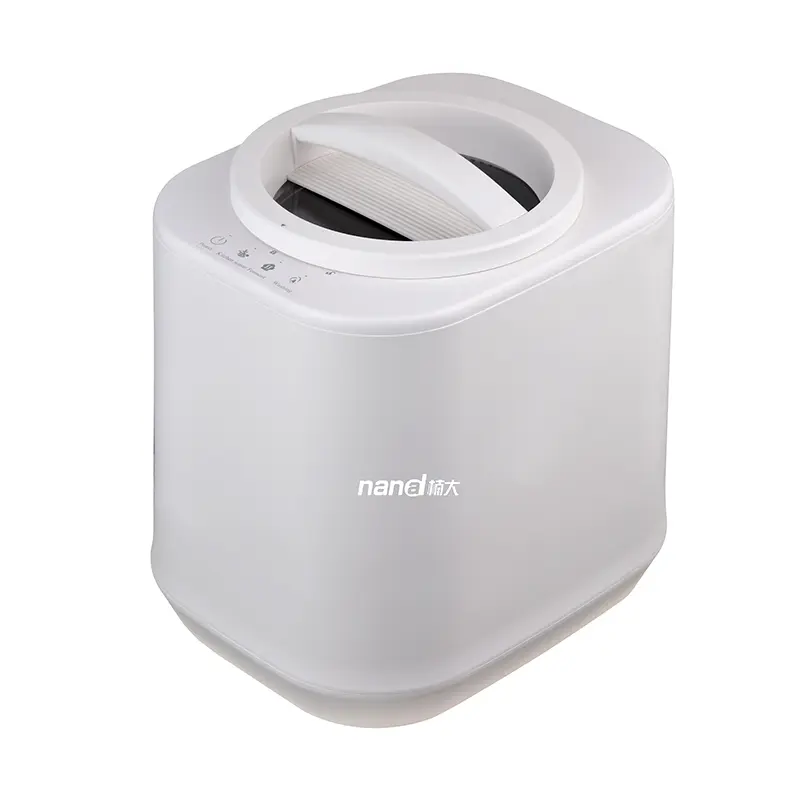 Nanda-Turbo Series-4L-011
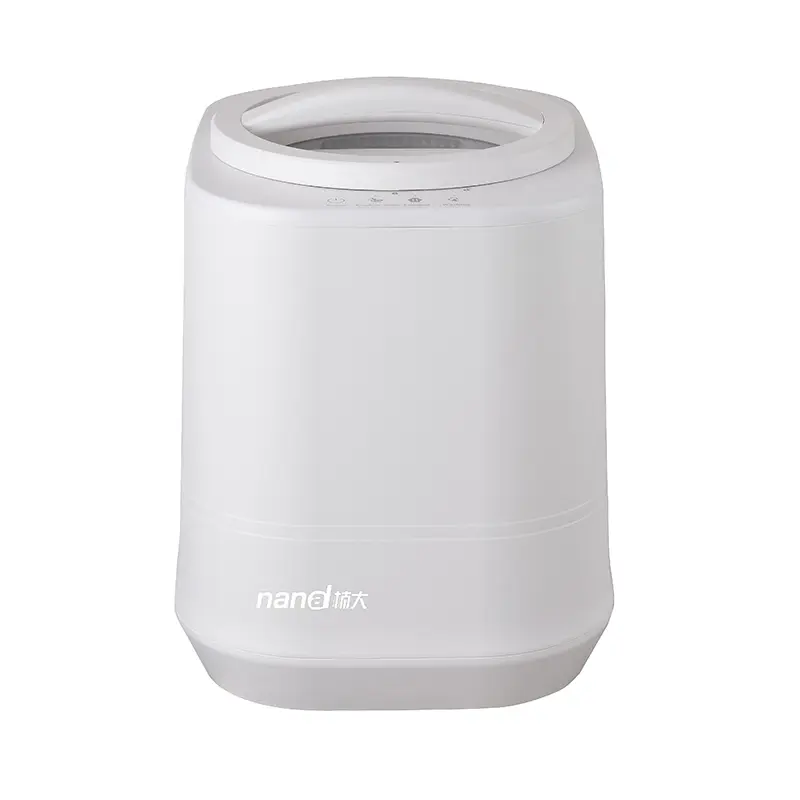 Nanda Turbo Series-4L-012
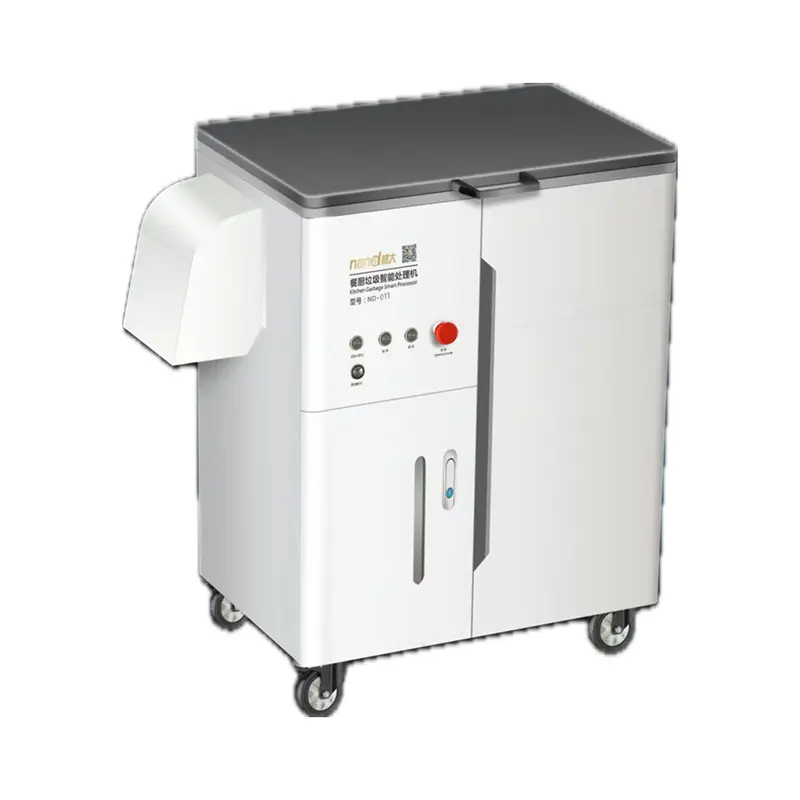 Oil-Water Separator