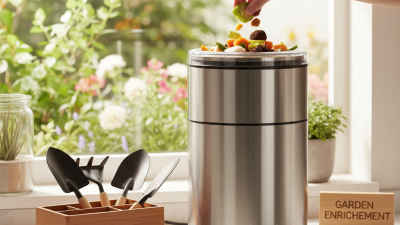
Why You Should Consider a Home Composter Machine for Sustainable Living?
As global waste production continues to escalate, sustainable living solutions are more critical than ever. The Home Composter Machine emerges as a practical choice for eco-conscious households. According to a report from the World Bank, global waste is projected to increase by 70% by 2050 if no action is taken. Using a home composter can reduce waste significantly, diverting organic materials from landfills.
In 2022, it was estimated that households produced about 300 million tons of organic waste annually in the U.S. alone. Harnessing a Home Composter Machine not only minimizes this waste but also transforms it into nutrient-rich compost. This process encourages sustainable gardening and contributes to healthier soil. Despite its benefits, many still hesitate to adopt composting at home.
Some might find the initial setup costs daunting. Others may struggle with managing composting processes. Reflecting on these challenges can help users optimize their composting efforts, ensuring a balance between convenience and environmental impact. Embracing a Home Composter Machine is a step toward a greener future, making sustainable practices more accessible.
Benefits of Home Composter Machines for Sustainable Waste Management
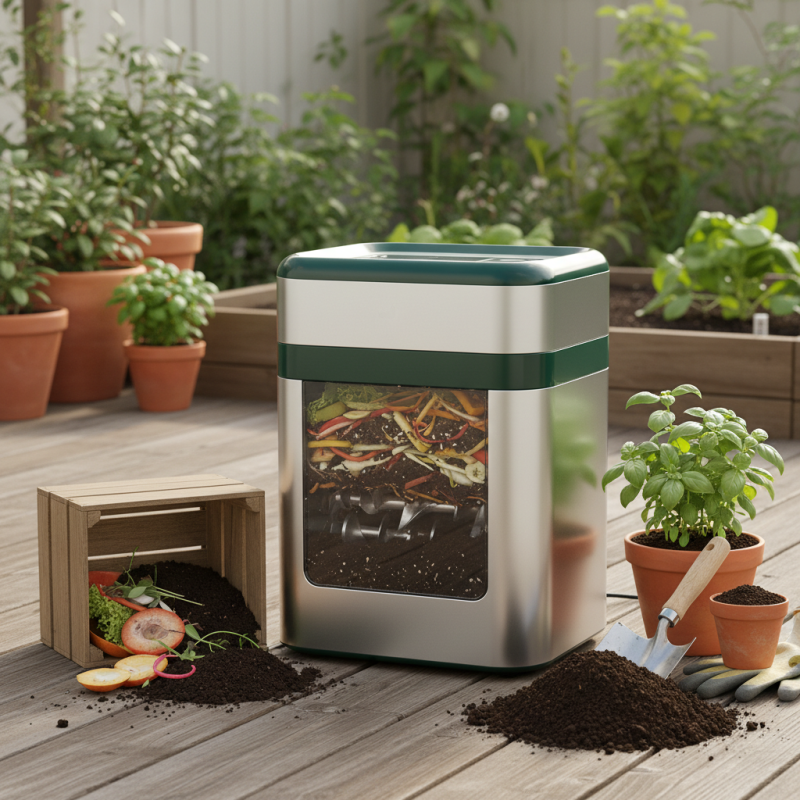
Home composter machines offer practical benefits for sustainable waste management. By converting kitchen scraps into rich compost, they reduce the amount of waste sent to landfills. This process lowers greenhouse gas emissions, which is crucial in fighting climate change. With less waste, your home contributes positively to the environment.
Using a home composter can be messy. Sometimes, the composting process takes longer than expected. It's essential to monitor moisture levels and mix materials correctly. Decomposition can produce unpleasant odors if not managed well. Yet, these challenges offer learning opportunities about waste habits.
Moreover, the compost generated enriches soil quality. It enhances nutrient levels, making gardens thrive. Many users find that their plants grow healthier and stronger with homemade compost. While achieving perfect compost can be difficult, the journey fosters a deeper understanding of organic waste. This connection to nature is rewarding and encourages more sustainable living practices.
Statistical Insights: Food Waste and Its Environmental Impact
Food waste is a major issue. In the U.S. alone, over 63 million tons of food are discarded each year. This waste contributes to about 25% of methane emissions from landfills. Methane is a potent greenhouse gas, with a warming potential more than 25 times that of carbon dioxide. Such statistics highlight the urgent need for sustainable practices.
Home composting can significantly reduce this waste. In fact, composting can divert about 30% of household waste from landfills. This not only lowers waste management costs but also enriches soil. Many households, however, overlook this option. They either lack information or fear the complexity of composting. Yet, the environmental benefits are substantial. A small change at home can lead to positive impacts on a larger scale.
Consider the statistics related to food waste. Approximately 40% of the food supply is wasted in the U.S. alone. This waste not only represents a loss of resources but also embodies a missed opportunity for enhancing soil health. Families often toss perfectly edible food. Stopping this cycle is crucial. Using a home composter can help turn waste into valuable compost, ensuring that food scraps contribute to a sustainable ecosystem rather than rotting away in a landfill.
Food Waste and Its Environmental Impact
This chart illustrates the staggering amount of food waste generated globally and its potential environmental benefits if composted. Reducing food waste through composting can significantly lower methane emissions and promote sustainable living.
Comparative Analysis: Home Composter Machines vs. Traditional Composting
Home composter machines offer a
modern solution to composting, contrasting sharply with traditional methods. Recent studies indicate that these machines can reduce composting time by up to
80%. Traditional composting usually takes several months to produce usable compost, while a machine can deliver finished compost in just weeks. For those with limited outdoor space, these machines are a viable alternative, turning kitchen scraps into
nutrient-rich soil in a compact format.
Traditional composting often requires ongoing maintenance. It demands regular turning and monitoring, which can be
labor-intensive. Conversely, home composter machines operate with minimal effort. They often have built-in aeration systems and temperature controls. However, they may not handle larger items well. Certain materials still require manual pre-processing. Many users report that
balancing greens and browns can be tricky.
Another critical factor is the energy consumption of these machines. While innovations in energy-efficient designs are emerging, some models are less eco-friendly than traditional composting. A survey revealed that
40% of users express concern about energy use. Despite convenience, composting should align with
sustainability goals. A careful choice is essential. Understanding the
pros and cons can guide individuals toward a suitable composting method for their lifestyle.
Economic Advantages of Implementing a Home Composter Machine
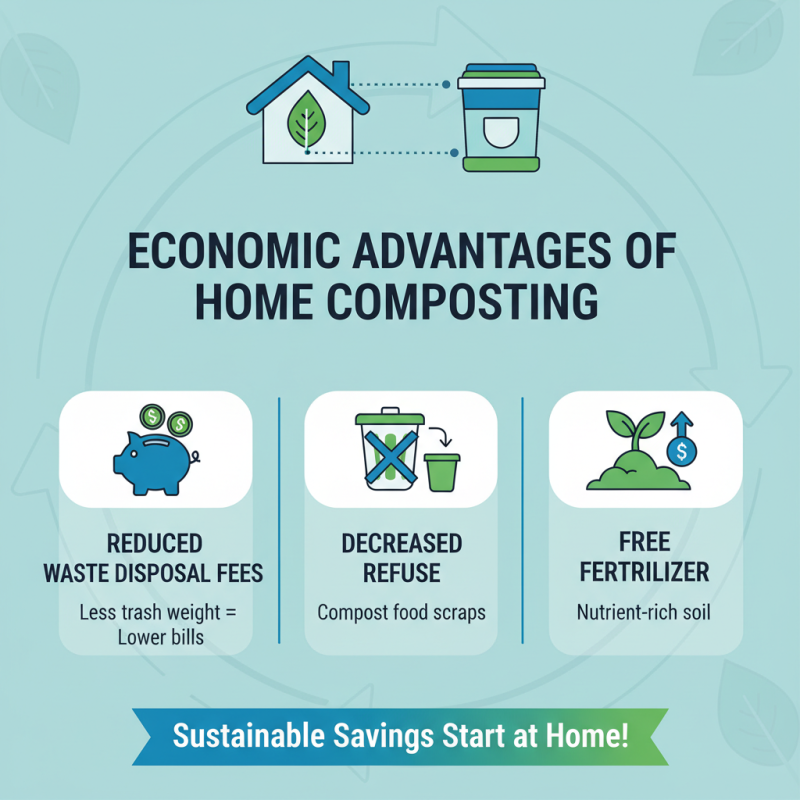
Home composting machines present several economic advantages for those seeking sustainable living. These devices can significantly cut down on waste disposal fees. Many municipalities charge residents for trash pickup based on weight. By composting, you reduce the amount of refuse you generate, which translates to savings. In addition, scraps like fruit peels and vegetable greens are compost materials. Instead of throwing them away, you can transform this waste into nutrient-rich compost.
Creating your own compost also lowers gardening costs. Homemade compost enriches the soil. It reduces the need for chemical fertilizers. This natural alternative not only promotes plant health but also saves money. Over time, these savings add up. However, composting requires time and effort. Regular maintenance is crucial. Some may find the smell or presence of pests problematic. Reflecting on these challenges is essential, as they can influence your composting journey.
In conclusion, while a home composter machine can bring significant economic benefits, it requires commitment and adaptation. The initial investment in a composting machine can be offset by long-term savings. Nonetheless, it demands dedication and awareness of its shortcomings. The balance between effort and reward is worth considering for anyone interested in sustainable living.
Guidelines for Choosing the Right Home Composter Machine for Your Needs
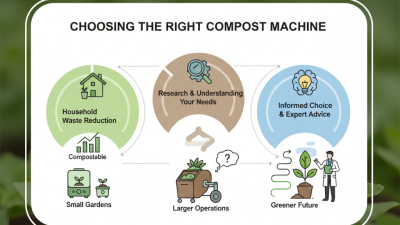
Choosing the right home composter machine is essential for effective sustainable living. Consider the size of your household. If you have a small family, a compact unit may suffice. For larger families, you might need a bigger system to handle more waste. Look at the materials you produce. A machine that can handle kitchen scraps works well for many homes. However, some models can also compost yard waste.
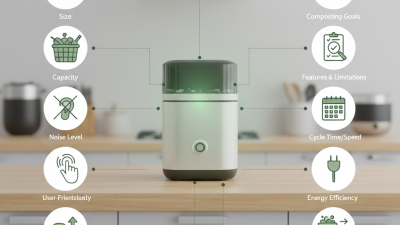
Pay attention to the machine's features. Some offer aeration systems to speed up decomposition. Others have a built-in shredder for quicker processing. Noise levels can also be a concern. A quieter model may be better for urban areas. Think about ease of use. Compounding materials should not feel like a chore. If the process is too complicated, you might give up.
Finally, reflect on your commitment to composting. Are you ready to invest time? Maintenance is necessary for optimal results. Not all machines work the same. Your environment may affect their efficiency. Don't hesitate to experiment with different types. Finding a balance that works for your lifestyle can be a learning experience in itself.
Why You Should Consider a Home Composter Machine for Sustainable Living
| Feature |
Description |
Benefits |
| Size |
Compact designs for small spaces to larger units for families. |
Fit for any home size and ensures efficient use of space. |
| Type of Composting |
Aerobic vs. Anaerobic - choose based on your preference and materials. |
Tailored composting process for effective waste management. |
| Material Compatibility |
Can accept kitchen scraps, yard waste, or specialized compost materials. |
Increase the volume of waste recycled into useful compost. |
| Output Quality |
Nutrient-rich soil amendment vs. basic soil conditioner. |
Improved soil health for gardening and landscaping. |
| Ease of Use |
User-friendly designs with features like monitoring systems. |
Less tedious composting process, encouraging regular use. |
| Price Range |
Varies from budget-friendly to high-end models. |
Options available for different budgets, promoting accessibility. |

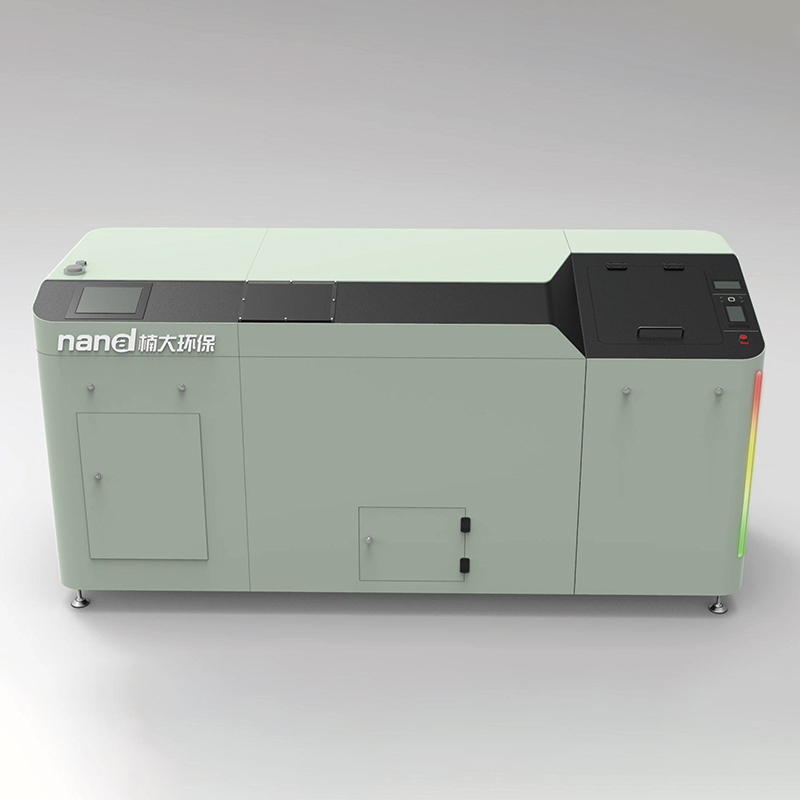 Nanda Trans Series-200
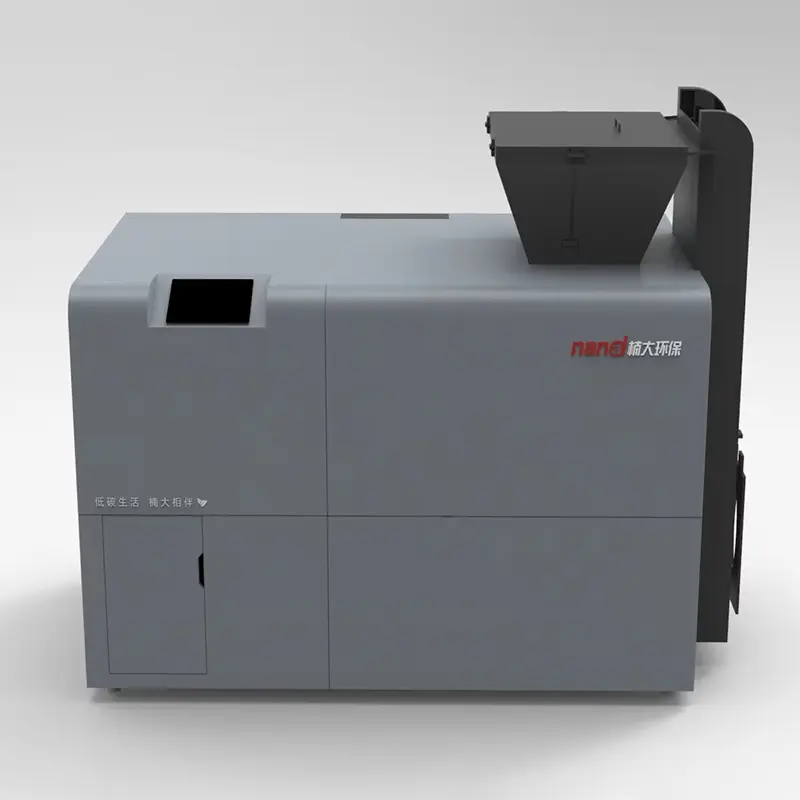 Nanda Trans Series-500
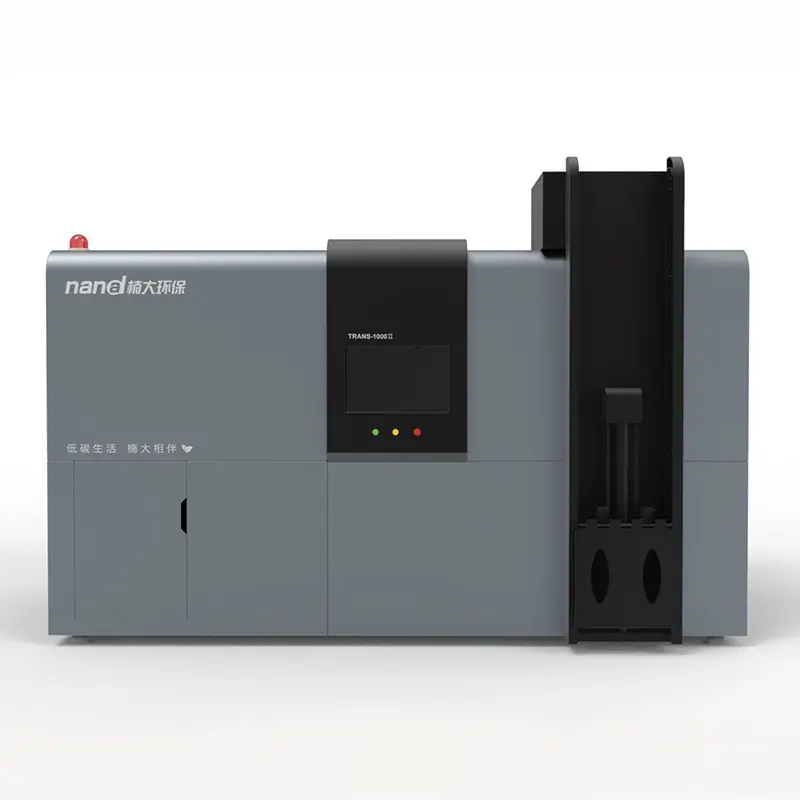 Nanda Trans Series-1000
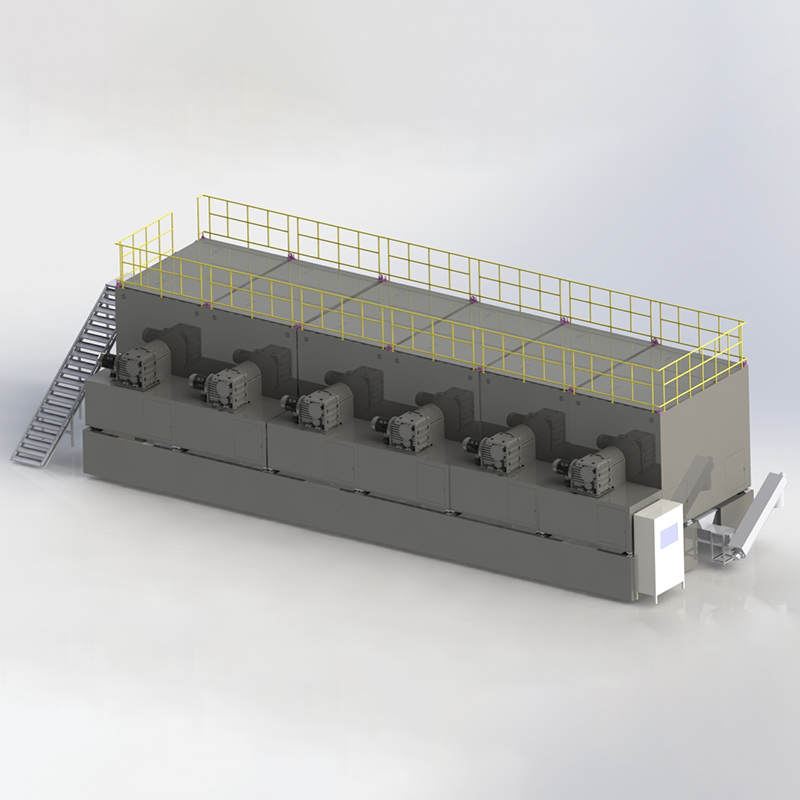 Nanda Trans Series-30000
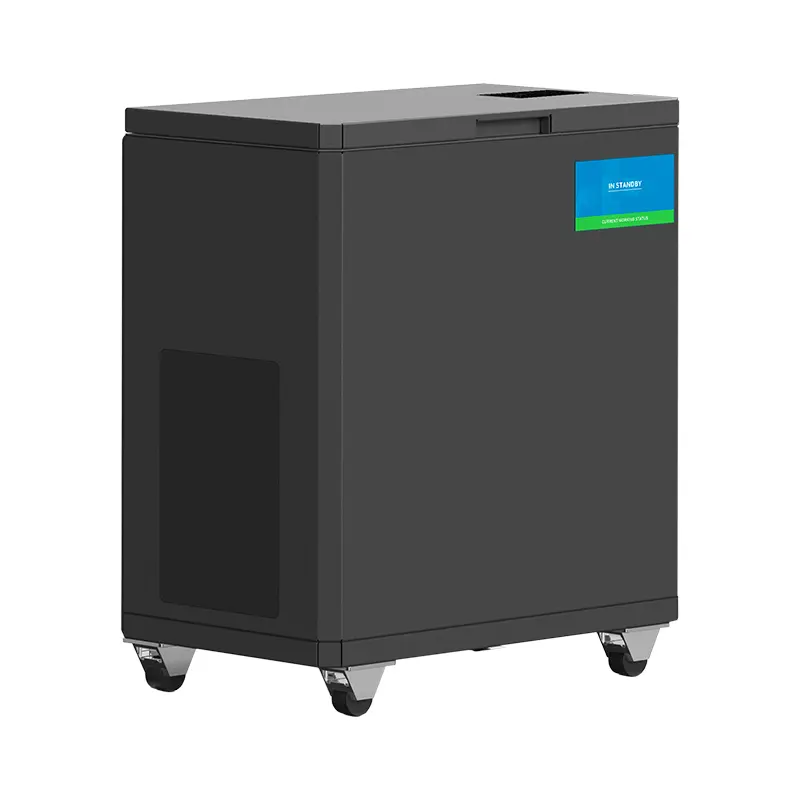 Nanda Thermax Series-100
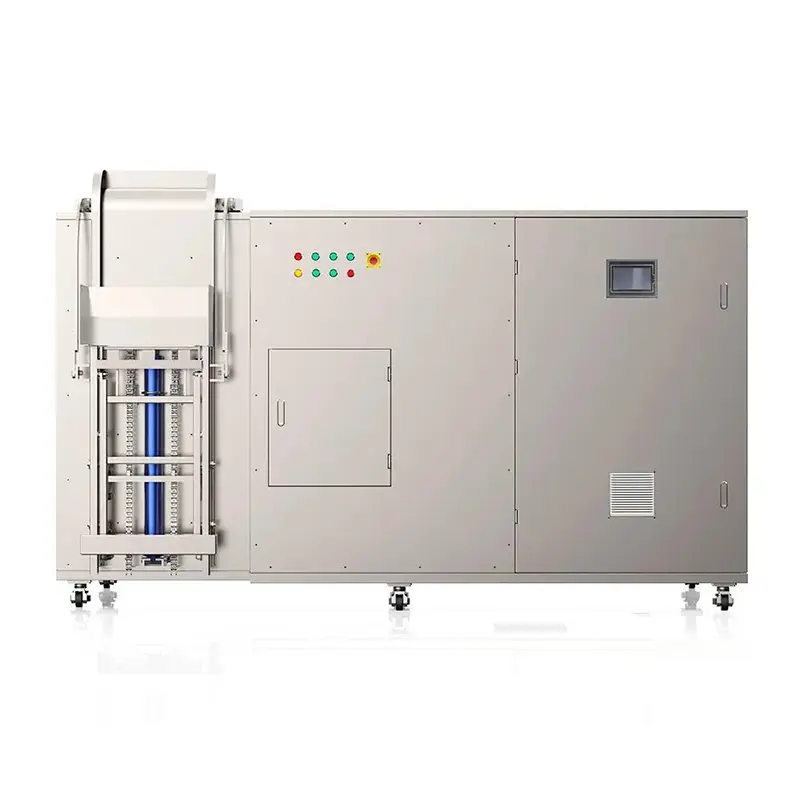 Nanda Thermax Series-200
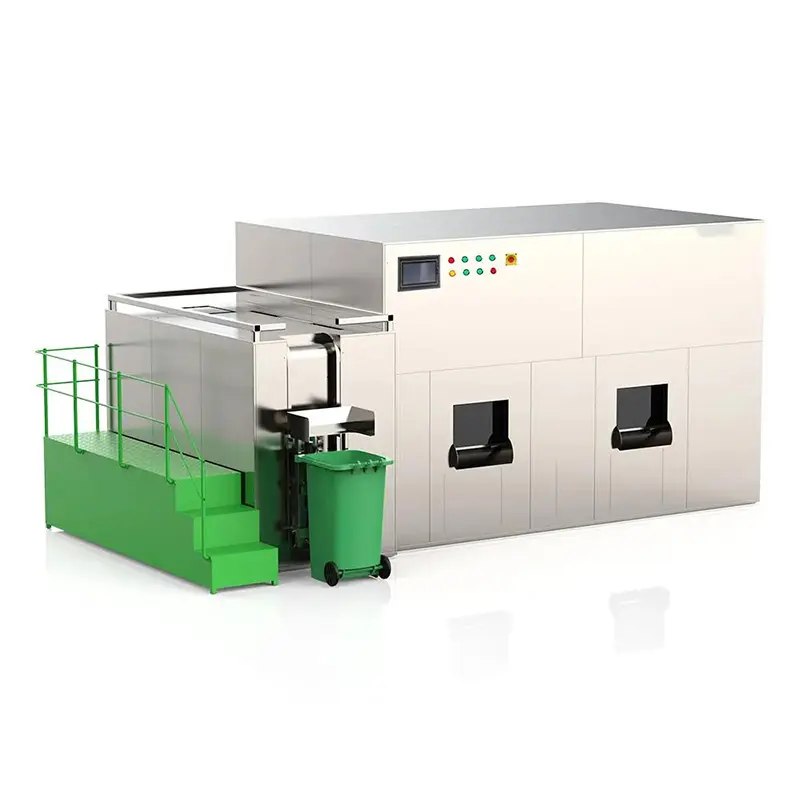 Nanda Thermax Series-2000
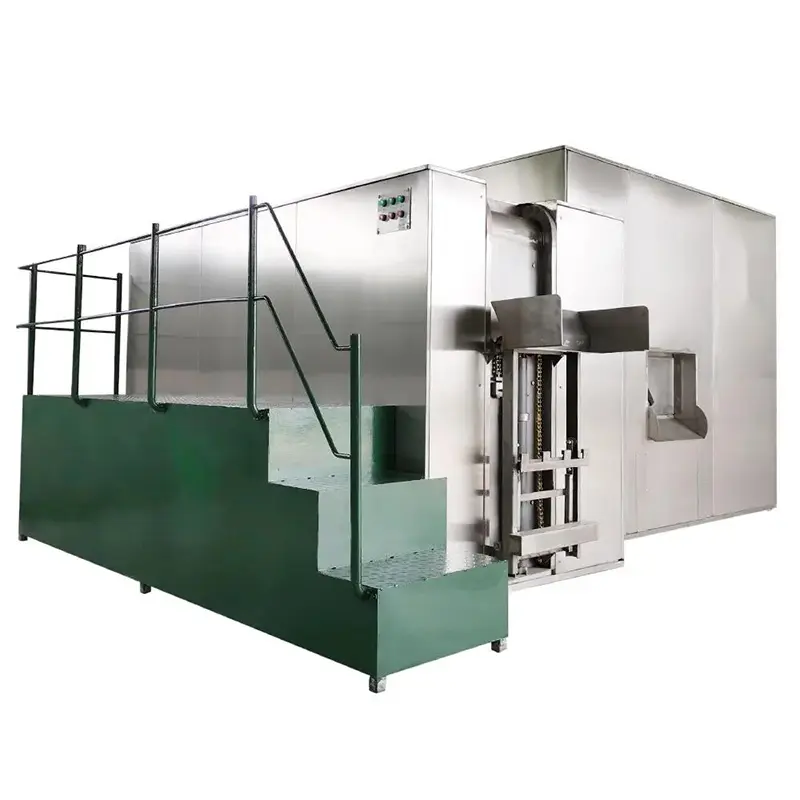 Nanda Thermax Series-10000
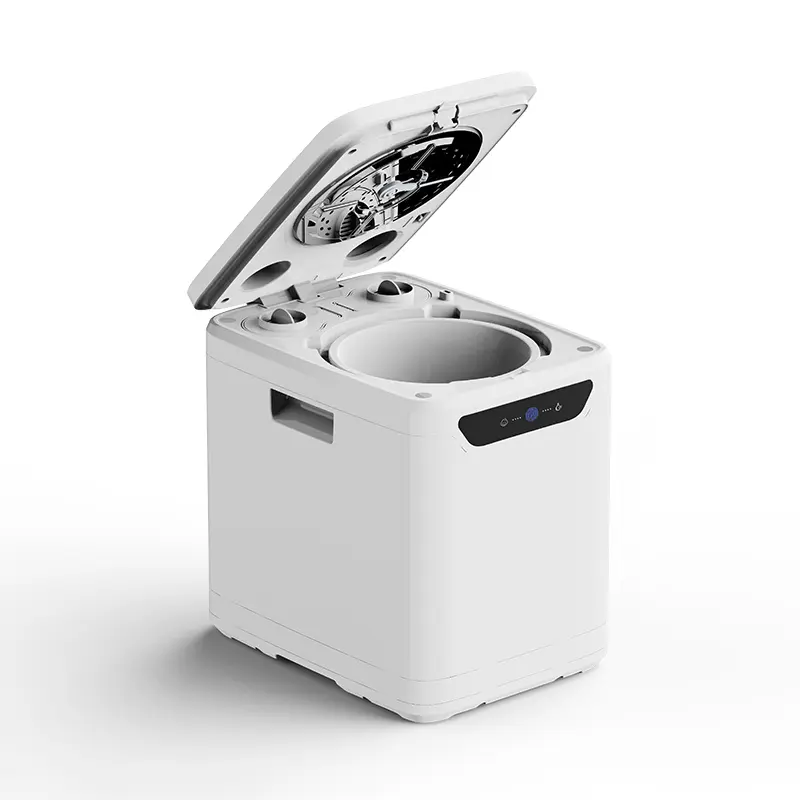 Nanda Turbo Series-3.5L-016
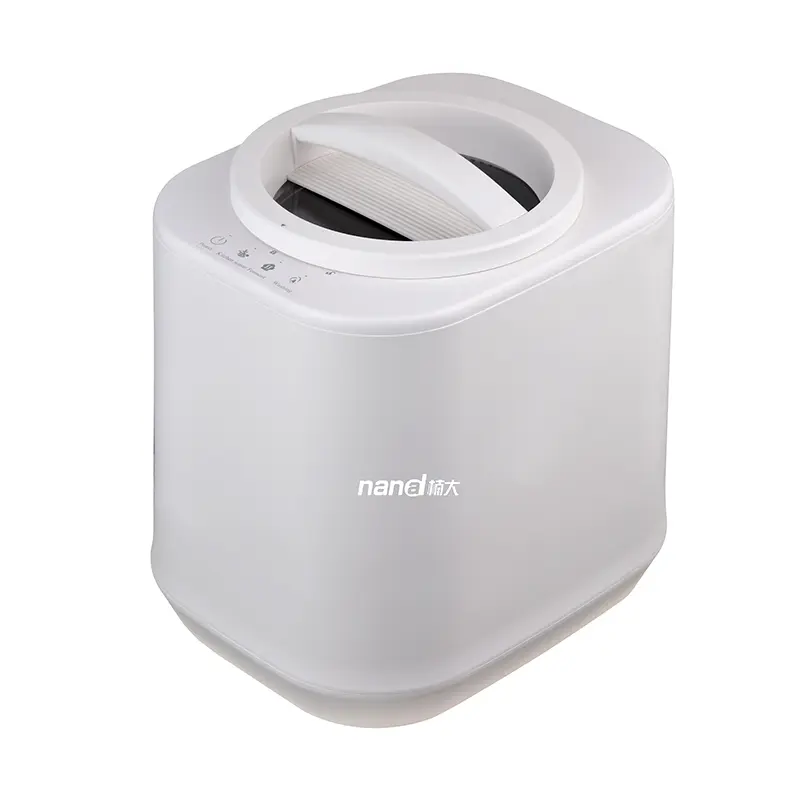 Nanda-Turbo Series-4L-011
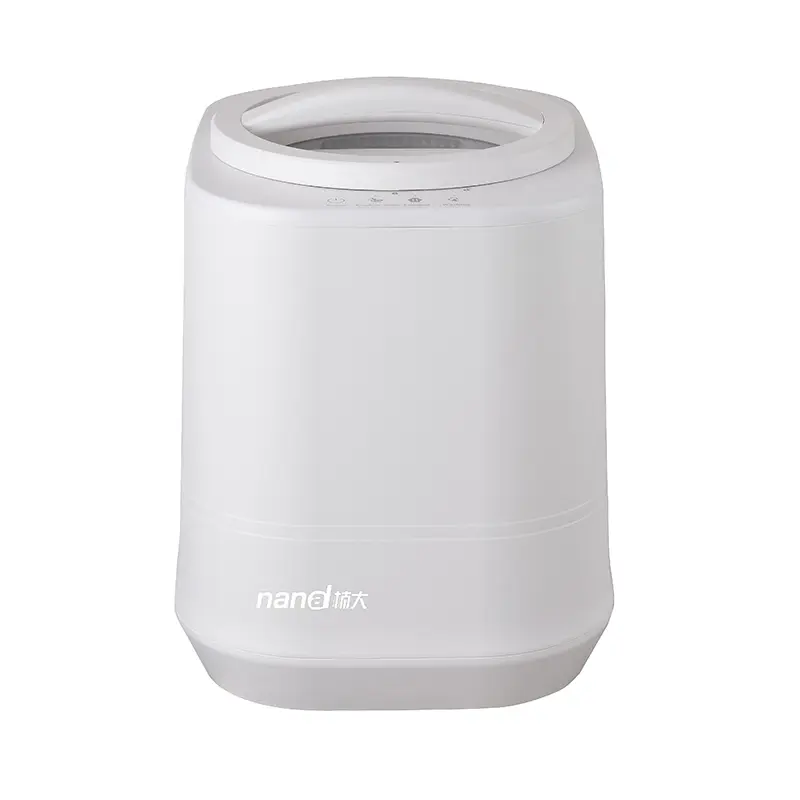 Nanda Turbo Series-4L-012
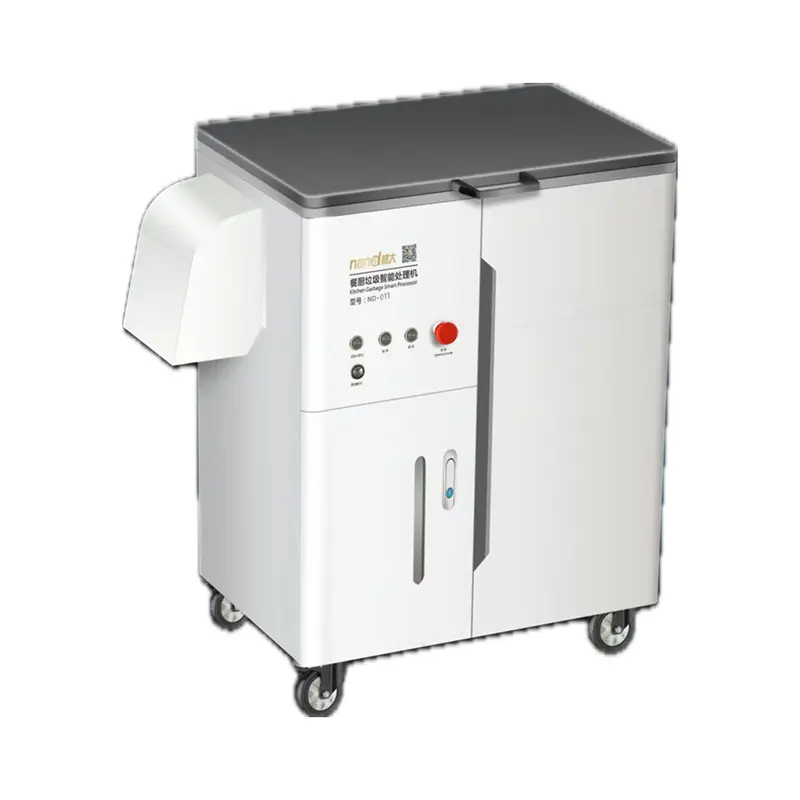 Oil-Water Separator