2026 How to Choose the Best Food Compactor for Your Kitchen Needs?
Choosing the right Food Compactor can greatly enhance your kitchen efficiency. A Food Compactor compresses waste, reducing its volume by up to 75%. This not only saves space but also cuts down on landfill waste, contributing to sustainability efforts. With the increasing focus on eco-friendly practices, many homeowners now seek more efficient kitchen appliances.
In 2022, the global compactor market was valued at approximately $4.2 billion and is estimated to grow steadily. However, with numerous brands and models available, selecting the best Food Compactor for your needs can be daunting. Many people overlook important features like capacity, power, and ease of use, leading to regretful purchases. A poor choice might result in frequent breakdowns or inadequate waste reduction.
It’s vital to consider your kitchen habits when choosing a compactor. Do you cook often? Do you generate a lot of food waste? While the size and price of a Food Compactor matter, functionality is crucial. Investing time in research can prevent costly mistakes. Be mindful; not every model suits every kitchen. Your decision could impact both your cleanliness and your environmental footprint.

Understanding Food Compactors and Their Benefits
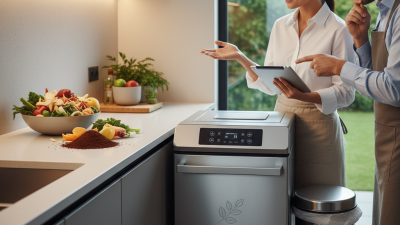
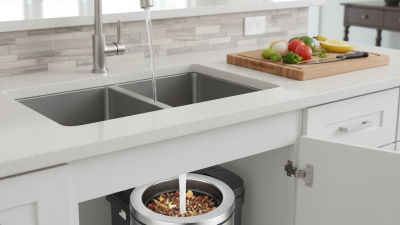
Food compactors are essential kitchen appliances designed to reduce waste volume. They compress food scraps into smaller forms, making disposal easier. This process not only saves space in garbage bins but also reduces the frequency of taking out the trash. Imagine having a clean, organized kitchen without frequent clutter from food waste.
Using a food compactor can greatly enhance your kitchen's efficiency. These devices are often easy to use. Simply load your food waste, press a button, and let the compactor do the job. However, they do require regular maintenance. Neglecting to clean them could lead to unpleasant odors. It’s a small detail that can become a bigger issue if overlooked.
Incorporating a food compactor into your kitchen is beneficial, but it’s not a one-size-fits-all solution. They might not handle all food types effectively. Some items can jam the machine, while others might not compact well. Assessing your waste habits is crucial. If you often throw away large amounts of food scraps, a compactor can be a game changer. But remember, it’s a tool, not a replacement for mindful consumption.
Key Features to Look for in a Food Compactor
When choosing a food compactor, certain features can greatly enhance your kitchen experience. First, consider the size and capacity of the unit. A compact model fits well in smaller kitchens, while larger models can handle more waste. Think about your typical food waste volume. Do you cook frequently? More capacity may be necessary.
Another key feature is ease of use. Look for a compactor with a user-friendly interface. Simple buttons make operation straightforward. Some models have automatic settings, which can save time and effort. Noise levels should also be assessed. A quieter compactor allows for a more peaceful kitchen environment.
Durability is essential too. A sturdy design ensures longevity. Consider materials used in construction. Stainless steel offers both strength and style. Finally, energy efficiency is important. An energy-efficient model helps save on electricity bills. Reflect on your preferences and needs. Each feature plays a significant role in your choice.
Comparing Different Types of Food Compactors
When selecting a food compactor, it’s essential to understand the different types available. Two common types are vertical and horizontal compactors. Vertical compactors are ideal for limited spaces. They generally have a smaller footprint, making them a great choice for kitchens where every inch counts. According to a report from the Waste Management Industry, vertical compactors can reduce waste volume by up to 75%. This efficiency can be a game-changer for smaller households or restaurants.
Horizontal compactors, on the other hand, tend to handle larger volumes of waste. They are more powerful but occupy more space. They are well-suited for busy commercial kitchens. This type can achieve a waste reduction ratio of approximately 4:1. While they may require a larger initial investment, their durability and capacity often lead to lower long-term costs. However, it’s crucial to weigh the space against the benefits. Misjudging your kitchen layout may result in frustration and inefficiencies.
Lastly, consider the hassle factor. Some compactors can be complex to operate. Ease of use can vary significantly among models. Reviews frequently mention poor user manuals as a barrier. Managing complicated machinery can lead to downtime and wasted resources. Think about your kitchen workflow before making a purchase. This reflects a real-world balance of function and practicality in waste management.
Comparison of Different Types of Food Compactors
This chart compares the effectiveness rating of various types of food compactors. The ratings indicate how well each type compresses food waste, with a scale from 1 to 10. Vertical and horizontal compactors are rated the highest, showing their efficiency in handling kitchen waste.
Assessing Your Kitchen Space and Size Requirements
Assessing your kitchen space is crucial when choosing a food compactor. Compacting machines come in various sizes. A larger unit may not fit in a small kitchen. Data indicates that over 50% of homeowners underestimate their space requirements when purchasing kitchen appliances. Measuring your counter and cabinet space can prevent installation issues.
Consider the layout of your kitchen too. An efficient design can enhance workflow. According to a recent industry report, kitchens under 100 square feet often lack adequate space for additional appliances. Think about how a compactor will affect accessibility and movement. If the machine is too bulky, it might hinder your cooking experience.
Moreover, reflect on your waste disposal habits. If you generate a lot of garbage, a larger compactor may be necessary. However, if you're a light user, a smaller model suffices. Choosing the right size can save energy and space. The wrong choice could lead to frustration during usage. Balancing size with functionality is critical for satisfaction.
2026 How to Choose the Best Food Compactor for Your Kitchen Needs? - Assessing Your Kitchen Space and Size Requirements
| Model |
Dimensions (inches) |
Weight (lbs) |
Capacity (cubic ft) |
Power (watts) |
Noise Level (dB) |
| Compact Pro 1000 |
24 x 18 x 30 |
85 |
1.5 |
600 |
60 |
| EcoSmart 500 |
20 x 16 x 28 |
70 |
1.2 |
500 |
58 |
| PowerCrunch 2000 |
25 x 20 x 32 |
90 |
2.0 |
750 |
62 |
| SilentSqueeze 300 |
22 x 15 x 26 |
65 |
1.0 |
450 |
55 |
| MiniMax 100 |
18 x 12 x 22 |
50 |
0.8 |
300 |
50 |
Maintenance Tips for Optimal Performance of Food Compactors
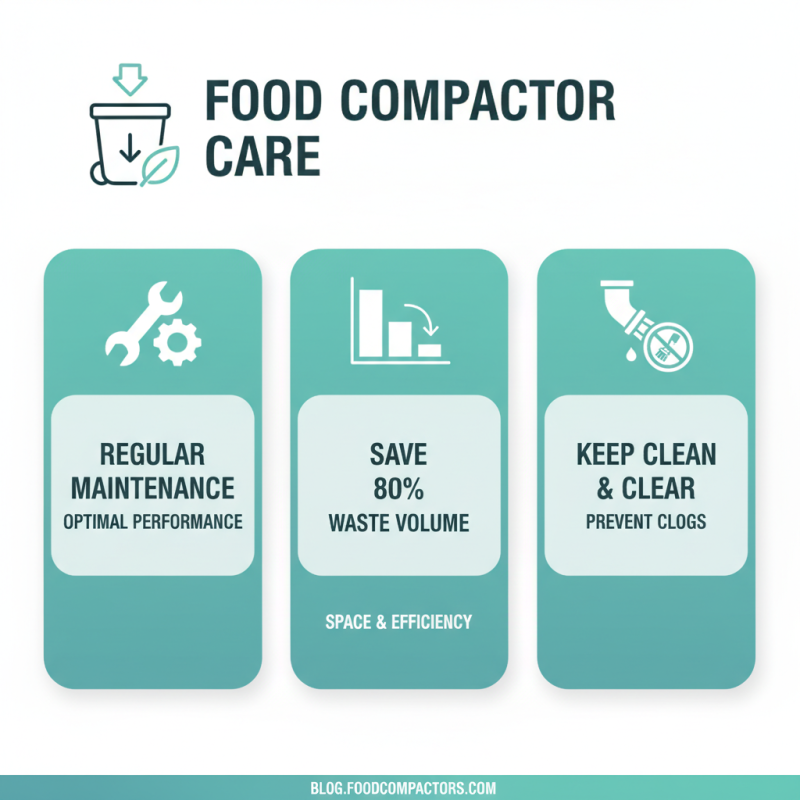
When it comes to maintaining food compactors, regular care is essential for optimal performance. Reports indicate that well-maintained compactors can reduce waste volume by up to 80%. This significant reduction not only saves space but also helps in managing waste more efficiently. Keep your compactor clean and free from debris to avoid clogs that can affect its efficiency.
Tip: Schedule routine inspections. Check for any signs of wear or malfunction. A small problem can escalate into a costly repair down the line. The average lifespan of food compactors is about 15 years, but neglect can shorten this period. Lubricate moving parts regularly to ensure smooth operation, and always refer to the manufacturer’s guidelines for specific maintenance advice.
Another crucial aspect is to avoid overloading the compactor. Exceeding its capacity can lead to motor strain. It can also lead to jams, which may require time-consuming repairs. Data shows that proper usage can extend the life of the machine. Always distribute waste evenly for efficient compaction.
Tip: Use moisture-reducing agents if you’re compacting wet waste. This simple measure can improve performance and reduce odors. Remember, maintenance is an ongoing process. Regularly assess your compactor's performance and make adjustments as needed.

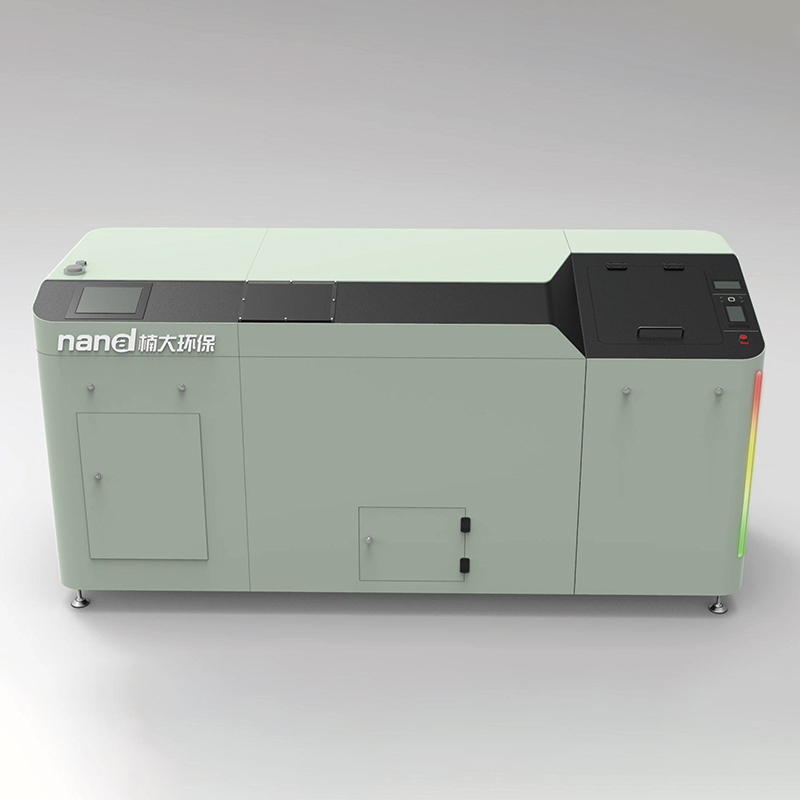 Nanda Trans Series-200
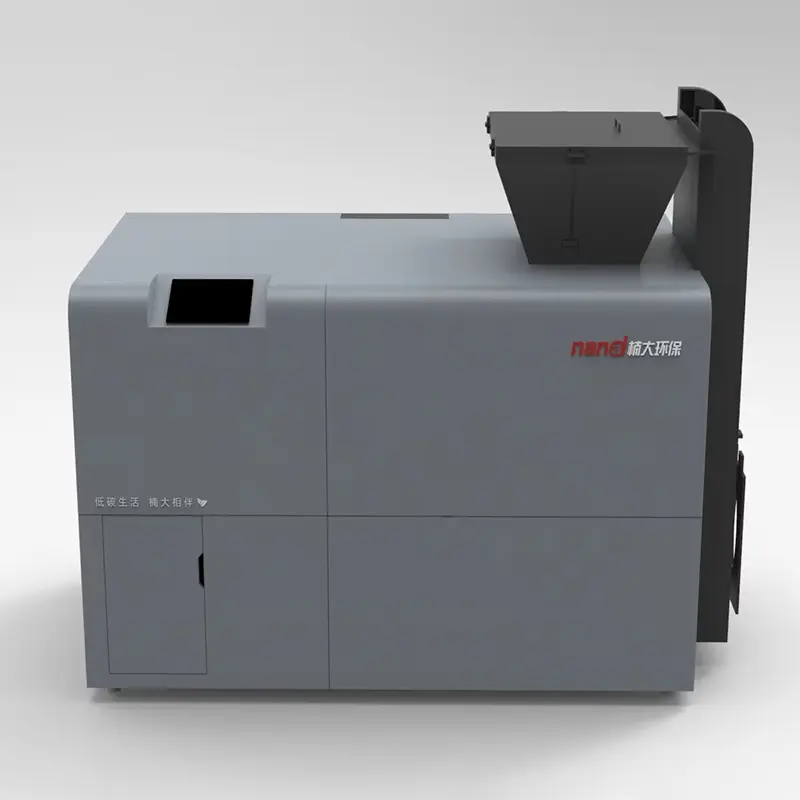 Nanda Trans Series-500
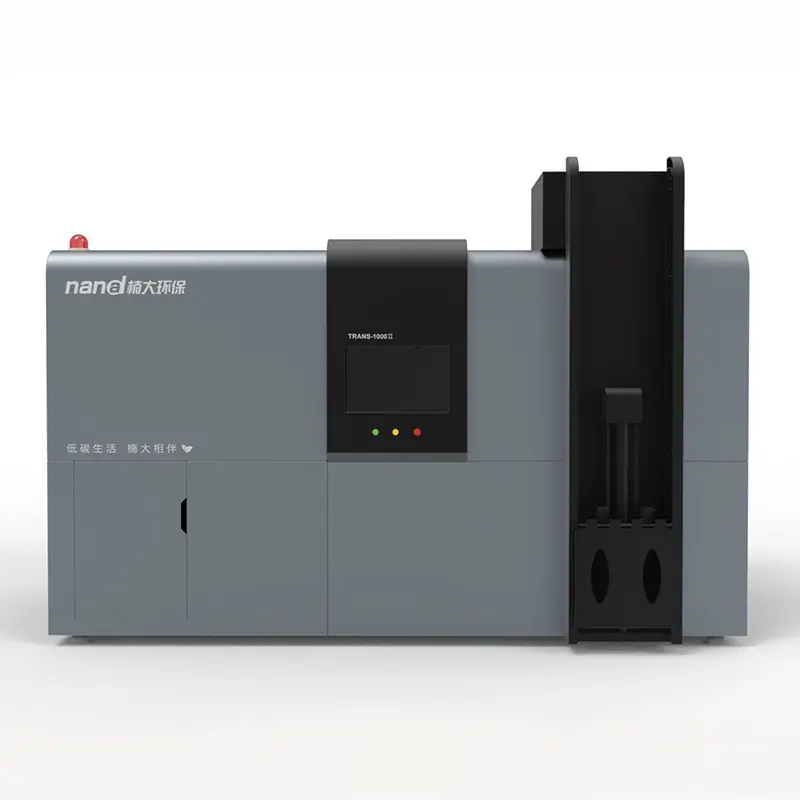 Nanda Trans Series-1000
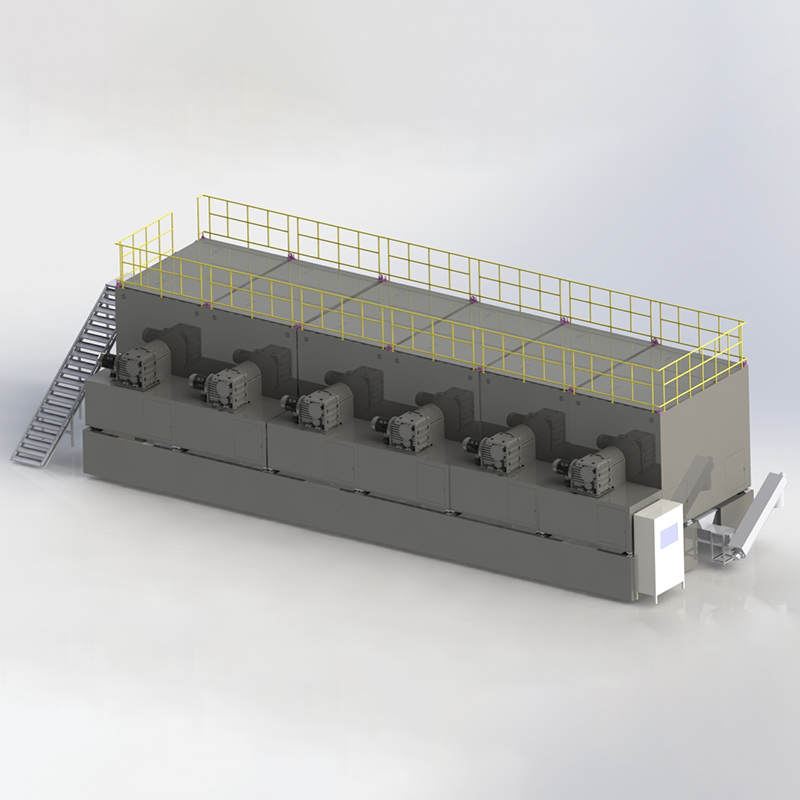 Nanda Trans Series-30000
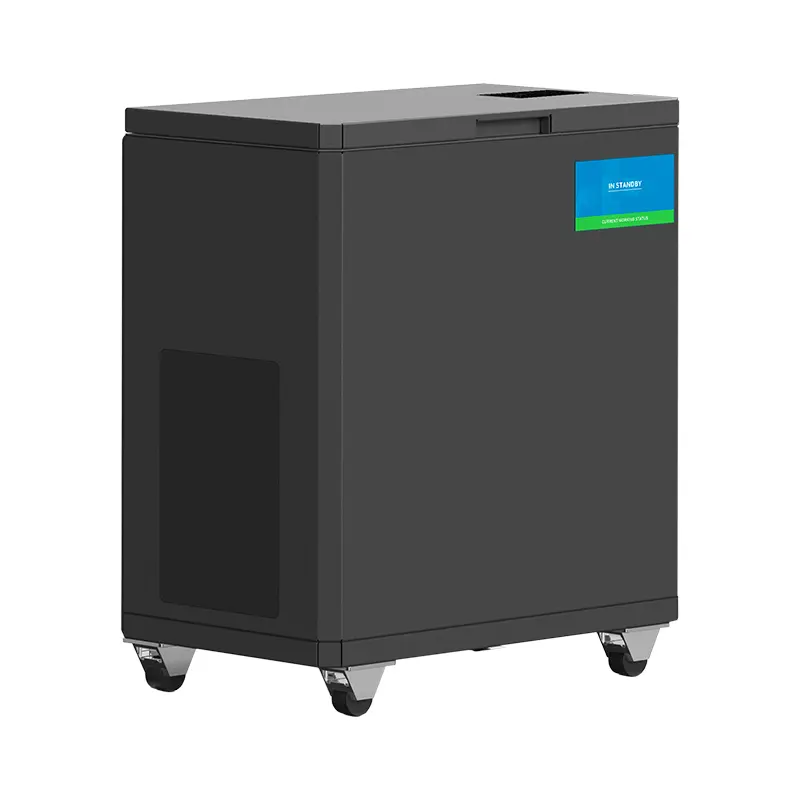 Nanda Thermax Series-100
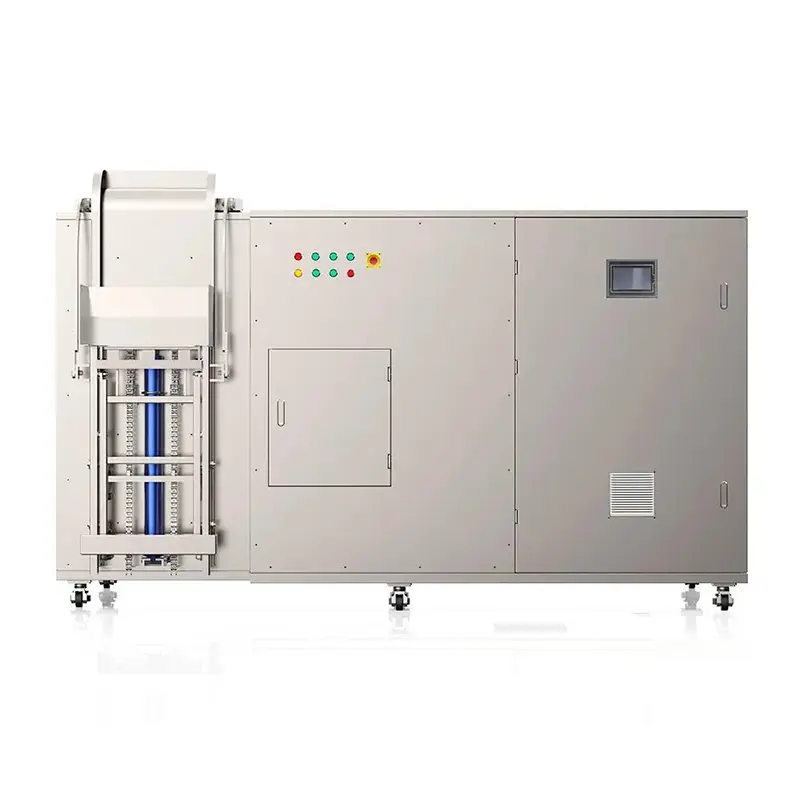 Nanda Thermax Series-200
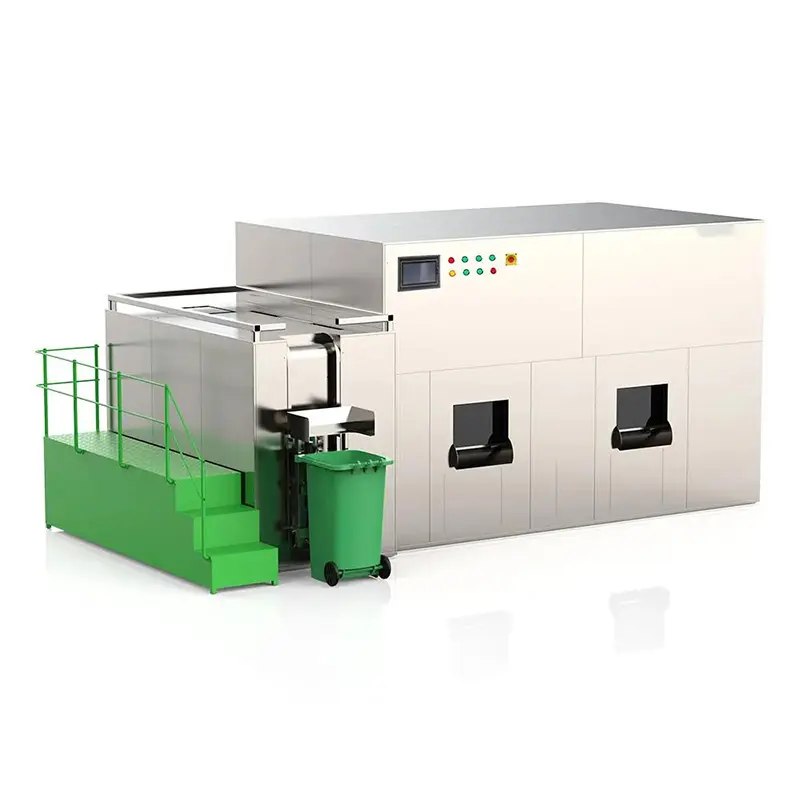 Nanda Thermax Series-2000
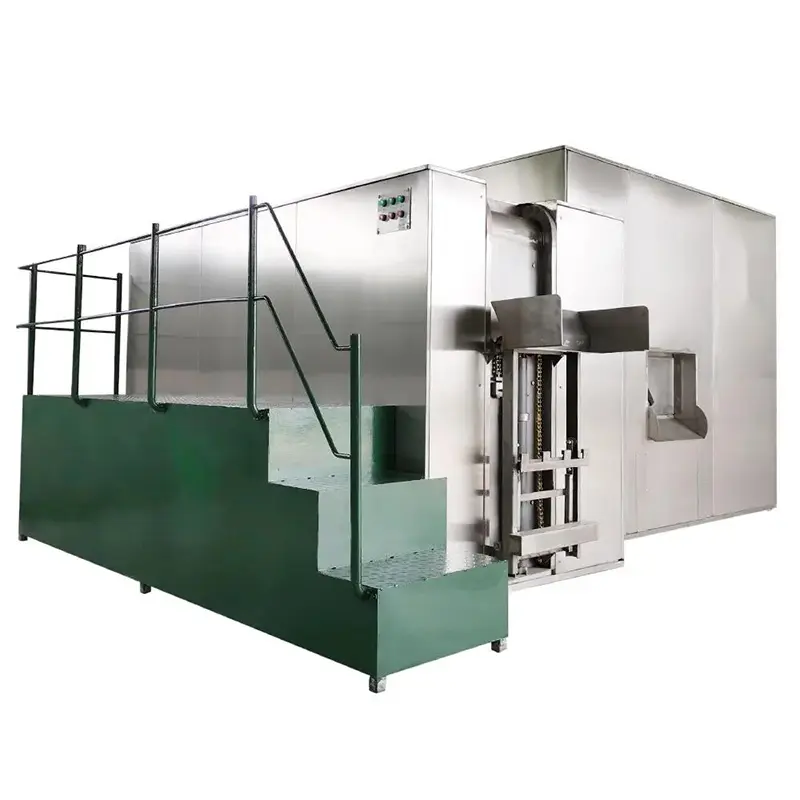 Nanda Thermax Series-10000
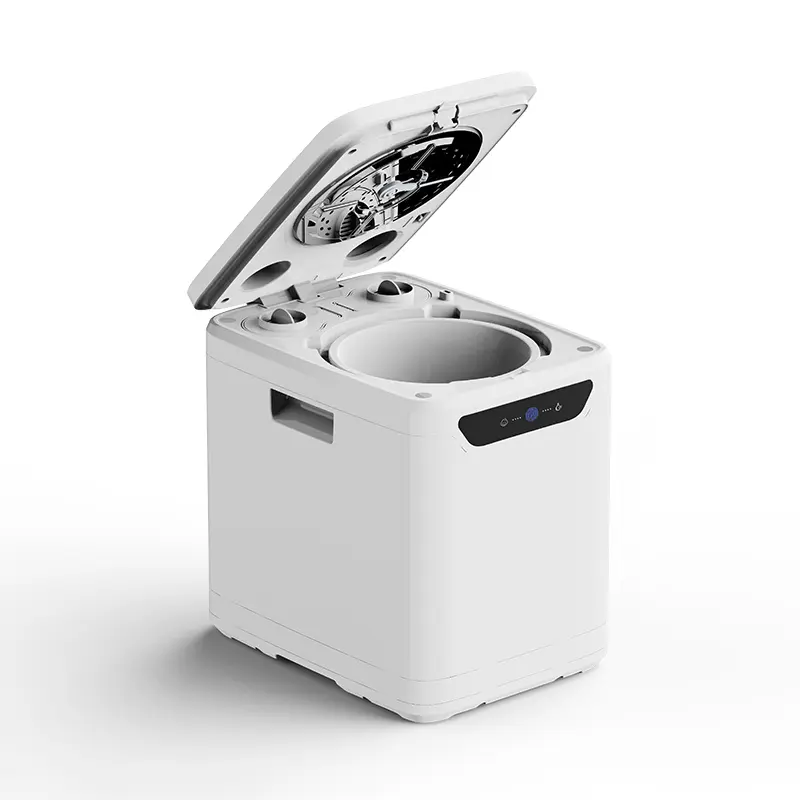 Nanda Turbo Series-3.5L-016
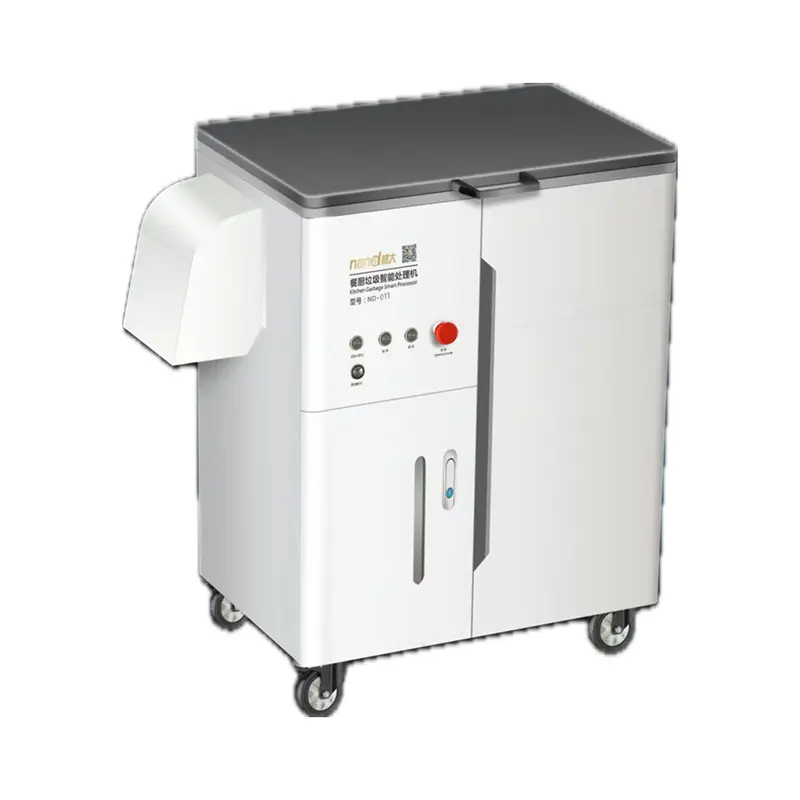
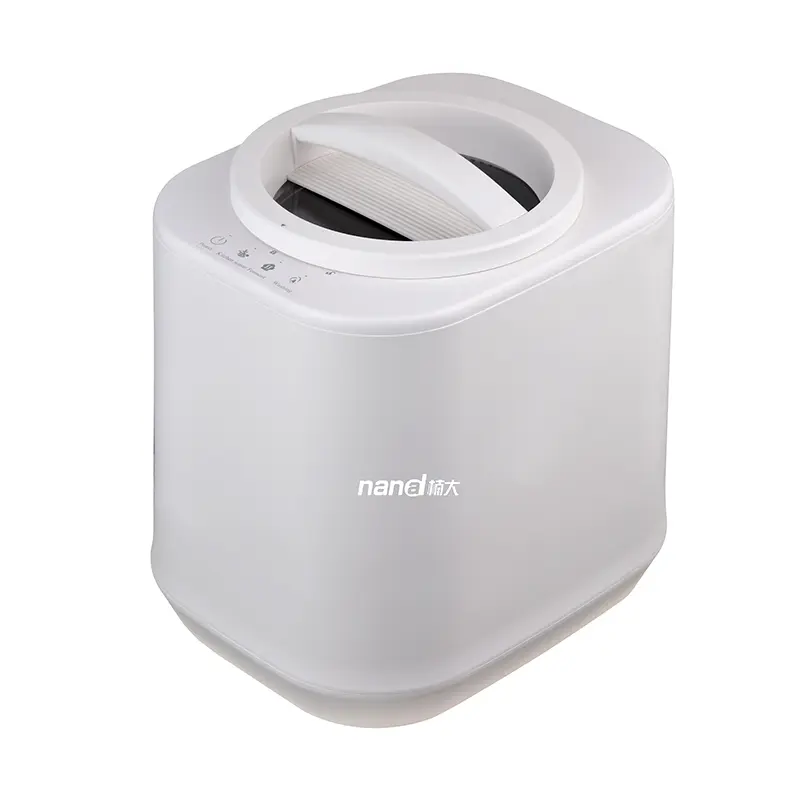 Nanda-Turbo Series-4L-011
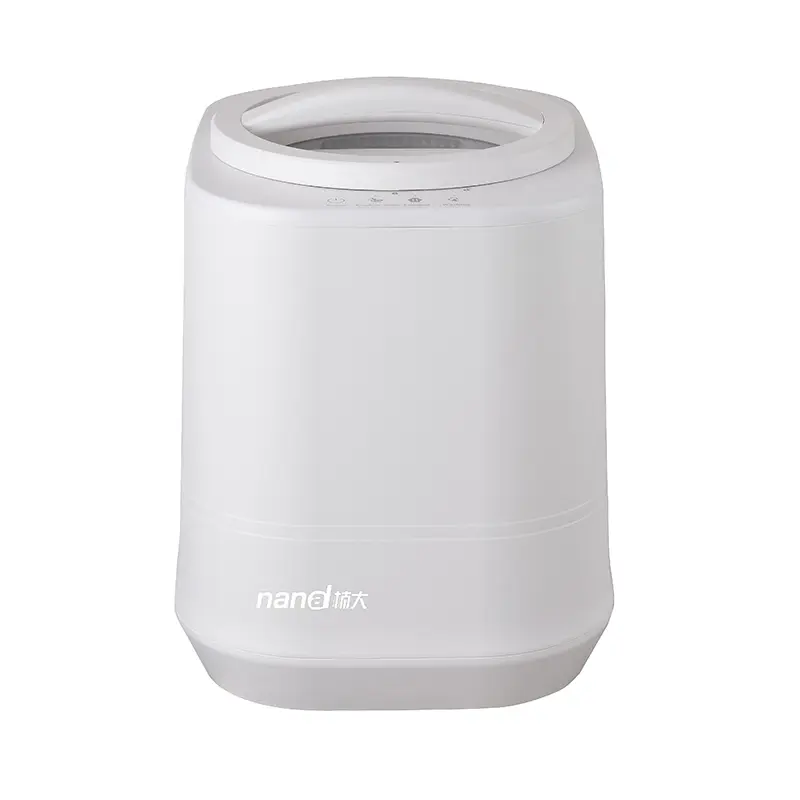 Nanda Turbo Series-4L-012
 Oil-Water Separator