Why You Should Invest in a Waste Composter for a Greener Future
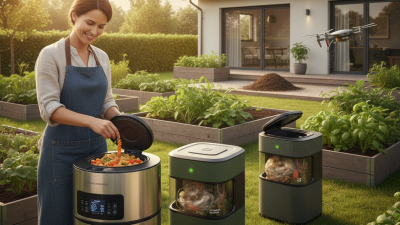
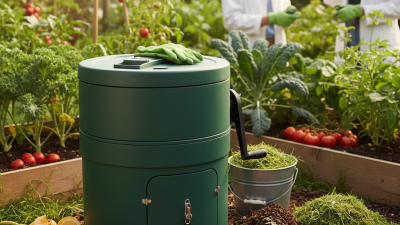
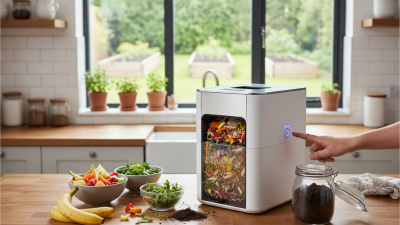
In today’s world, waste disposal is a growing concern. Many people overlook simple solutions that can foster a greener future. A Waste Composter stands out as a practical investment. This device not only reduces landfill waste but also creates nutrient-rich compost. Using organic waste for composting can transform your kitchen scraps into a valuable resource.
Imagine turning vegetable peels and coffee grounds into soil-enriching compost. This reduces the burden on waste management systems. However, many individuals underestimate the positive impact of such a simple tool. Often, they think composting is too complicated or smelly. The reality is that a Waste Composter offers an easy way to participate in sustainability efforts.
Moreover, small changes can lead to significant environmental benefits. By incorporating a waste composter into daily life, households can contribute to reducing methane emissions. Yet, some may hesitate, worrying about maintenance or space. These concerns can be overshadowed by the numerous benefits of composting. Embracing this change requires reflection and commitment but promises a greener, healthier future for everyone.
The Environmental Impact of Organic Waste and Composting Solutions
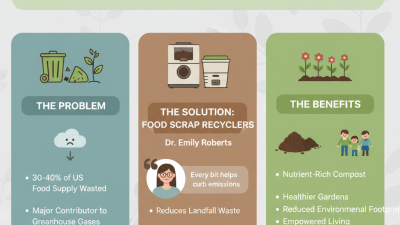
Organic waste is a pressing concern for our planet. According to the Food and Agriculture Organization (FAO), approximately one-third of all food produced globally is wasted. This waste not only contributes to landfills but also releases methane, a potent greenhouse gas. Composting offers a sustainable solution. By recycling our organic waste, we can significantly reduce its environmental impact.
Composting transforms kitchen scraps and yard waste into nutrient-rich soil. Research indicates that composting can reduce landfill waste by up to 30%. It enriches the soil, promoting healthier plant growth and reducing the need for chemical fertilizers. Communities that embrace composting programs have seen improvements in local biodiversity. However, many still overlook this simple solution. Awareness and effort are needed to drive change.
Despite its benefits, composting is not without challenges. Many people find it daunting. Proper techniques and materials can be confusing. Some fail to maintain motivation. Compost piles might attract pests if not managed correctly. Acknowledging these barriers is essential. By providing education and resources, we can make composting accessible and effective.
Statistics on Landfill Waste and the Benefits of Composting
The world faces a growing landfill crisis. According to recent statistics, about 2 billion tons of waste are generated globally every year. A significant portion of this waste is organic. In landfills, organic matter decomposes slowly, releasing greenhouse gases like methane. This is damaging our environment and contributing to climate change.
Composting offers a practical solution. By composting kitchen scraps and yard waste, we can drastically reduce landfill contributions. Studies suggest that composting could reduce landfill waste by up to 30%. This not only diverts waste but also enhances soil health. Rich, nutrient-dense compost improves crop yields and reduces the need for chemical fertilizers.
Yet, many of us hesitate. Starting a composting routine may seem daunting. It requires time and effort, but the impact is significant. Small changes in our waste habits can lead to a healthier planet. The choice is ours. Will we contribute to the problem, or will we embrace composting for a greener future?
Waste Management: Landfill Waste vs. Composting Benefits
This chart illustrates the contrast between the amount of waste sent to landfills and the potential waste reduction achieved through composting. With approximately 292.4 million tonnes of waste going to landfills, implementing composting practices could reduce this figure by 75 million tonnes, contributing significantly to a greener future.
Economic Advantages of Home and Community Composting Initiatives
Investing in home and community composting initiatives can lead to significant economic advantages. A report from the EPA states that composting can divert up to 30% of household waste. This not only reduces landfill costs but also cuts down on greenhouse gas emissions. Managing waste locally can save municipalities up to $1,500 per ton in disposal fees.
Composting creates a valuable product: nutrient-rich soil. Farmers and gardeners often prefer it to synthetic fertilizers. The compost market has been projected to grow by 5.6% annually, indicating an increasing demand. However, the initial setup cost for a composting system can be a barrier for some. Community programs often address this by pooling resources. They offer residents affordable options and create jobs, benefiting the local economy.
Moreover, composting fosters community engagement. Residents learn to work together toward a common goal. Yet, the challenge lies in ensuring consistent participation. Many people may drop out or forget to compost. Educational outreach is essential to maintain interest. It’s a process that requires regular reflection and adaptation. Without constant effort, initiatives risk fading away.
Improving Soil Health and Biodiversity through Composted Materials
Composting is not just about waste reduction; it plays a crucial role in improving soil health and boosting biodiversity. When organic matter breaks down, it transforms into nutrient-rich material. This enriches the soil, leading to healthier plants and stronger ecosystems. Many gardeners notice remarkable changes once they start using compost. The soil becomes loamy and moisture-retentive. Tummy ties loosen up, allowing roots to grow deeper.
But it’s not just plants that benefit. Compost can encourage a variety of organisms to thrive. Worms, beneficial insects, and microorganisms all contribute to a balanced ecosystem. A compost pile can become a mini-habitat. However, it requires proper management to achieve these benefits. Without attention, it may start to smell or attract unwanted pests.
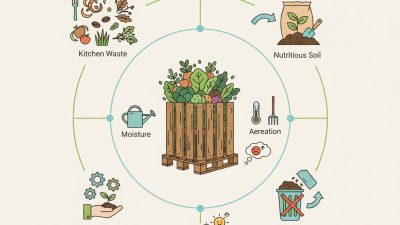
Tips: Make sure to balance greens and browns in your compost. Too much of one can slow down the process. Keep it moist, but not soggy. A dry pile won't decompose well. Finally, remember that patience is key. Sometimes, compost needs time to turn into that black gold.
Why You Should Invest in a Waste Composter for a Greener Future - Improving Soil Health and Biodiversity through Composted Materials
| Aspect |
Statistics |
Benefits |
| Soil Health Improvement |
30% increase in nutrient content |
Enhances plant growth and yields |
| Reduction of Waste |
Approximately 1.3 billion tons of food waste annually |
Decreases landfill waste and methane emissions |
| Biodiversity Support |
Increases beneficial microorganisms in soil |
Promotes a healthier ecosystem |
| Cost-Effectiveness |
Reduces fertilization costs by up to 50% |
Saves money over time |
| Carbon Footprint Reduction |
Lowers CO2 emissions by 1.5 tons per household annually |
Contributes to climate change mitigation |
Investment Trends in the Composting Industry and Future Projections
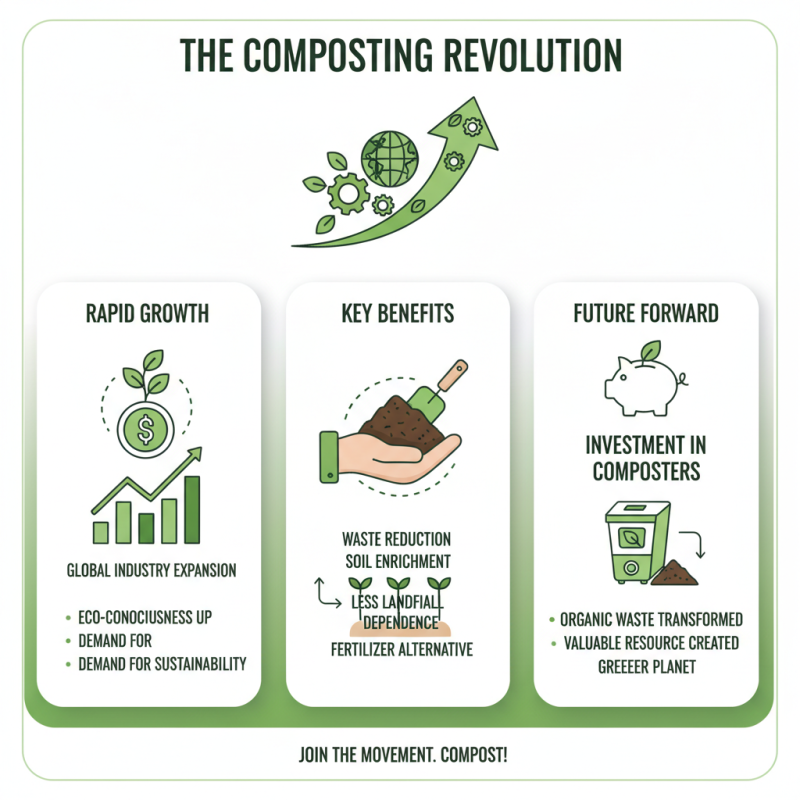
The composting industry is growing rapidly. More people realize the importance of sustainability. This trend points to a future where waste will be less of a burden. Investment in waste composters is crucial for this change. They can transform organic waste into valuable compost, enriching the soil.
Current projections indicate continued growth within this sector. Companies that manufacture composters are expanding their market reach. There's a rising demand for eco-friendly solutions among consumers. However, some challenges remain. Not everyone understands how to compost effectively. Education on composting practices is essential. We need to address the misconceptions that exist.
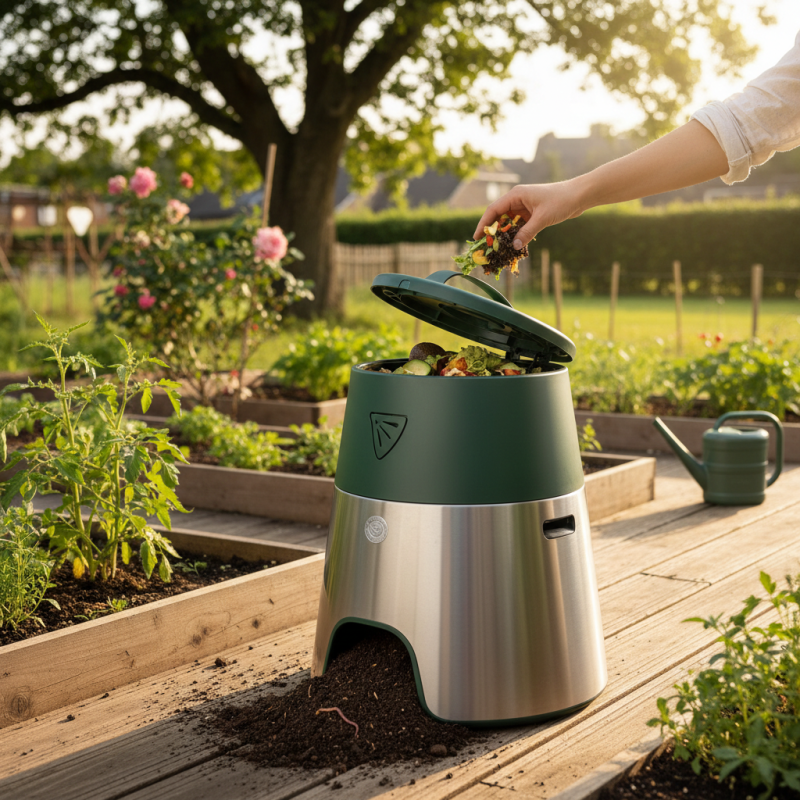
The future looks bright but requires our action. Investing in a waste composter is not only a personal choice. It is a step towards a sustainable future. If we commit to composting, we can lessen landfill waste. Yet, there’s work to do in spreading awareness and simplifying the process. As we move forward, reflecting on our practices will be key.

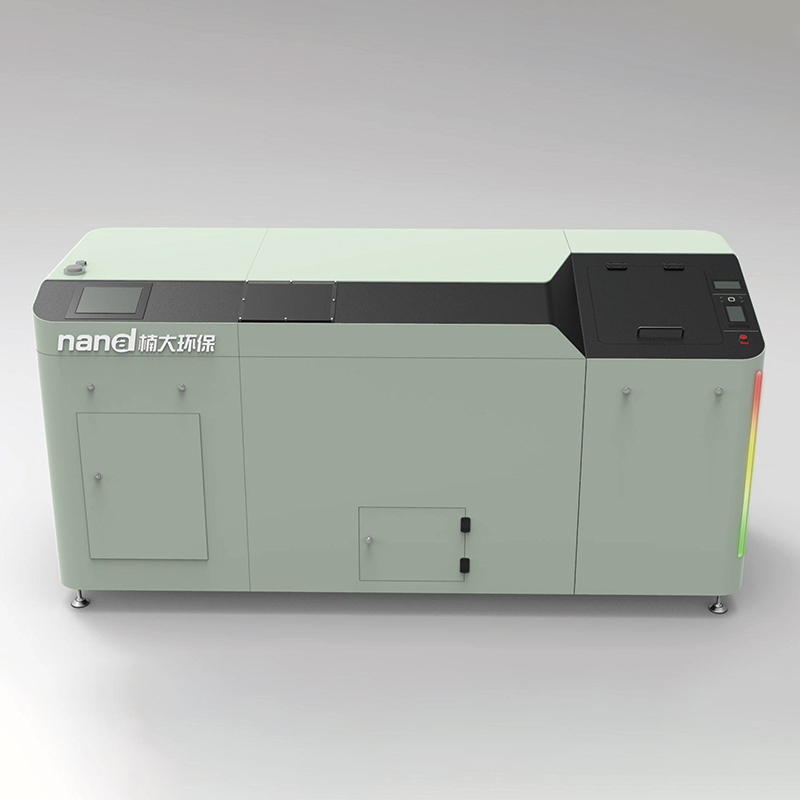 Nanda Trans Series-200
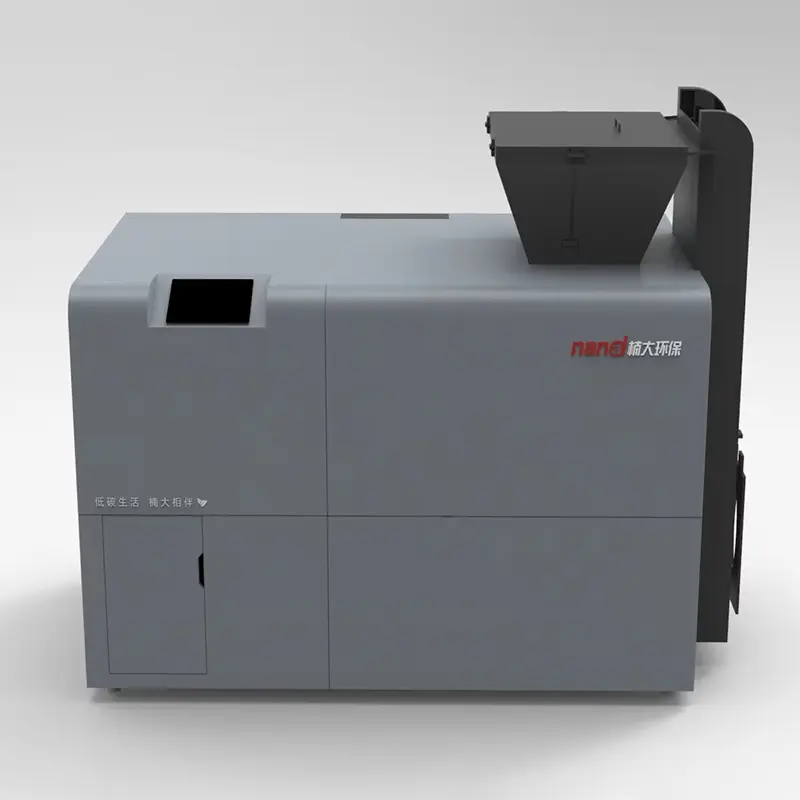 Nanda Trans Series-500
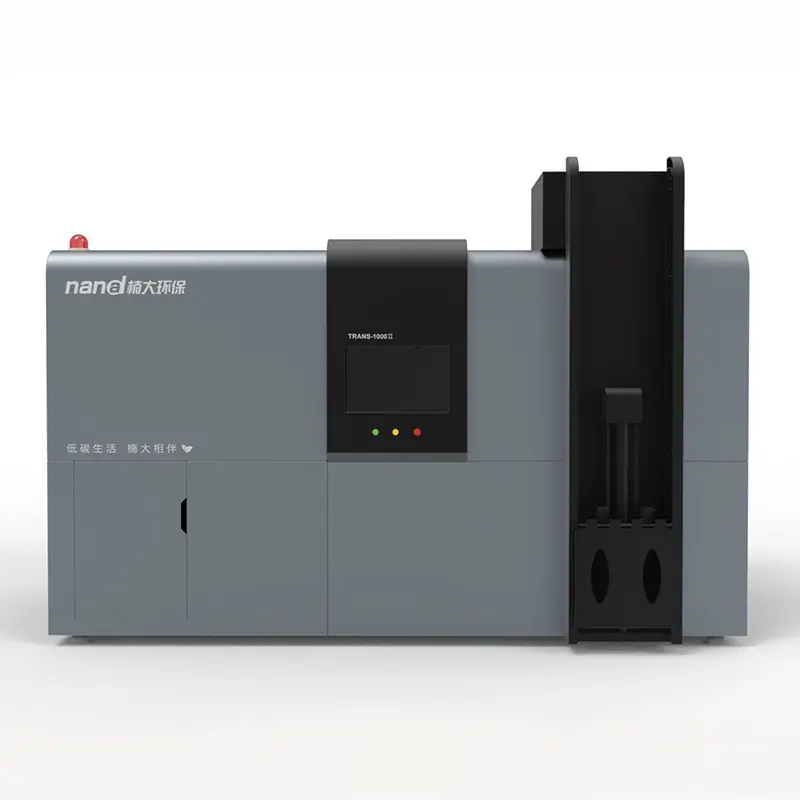 Nanda Trans Series-1000
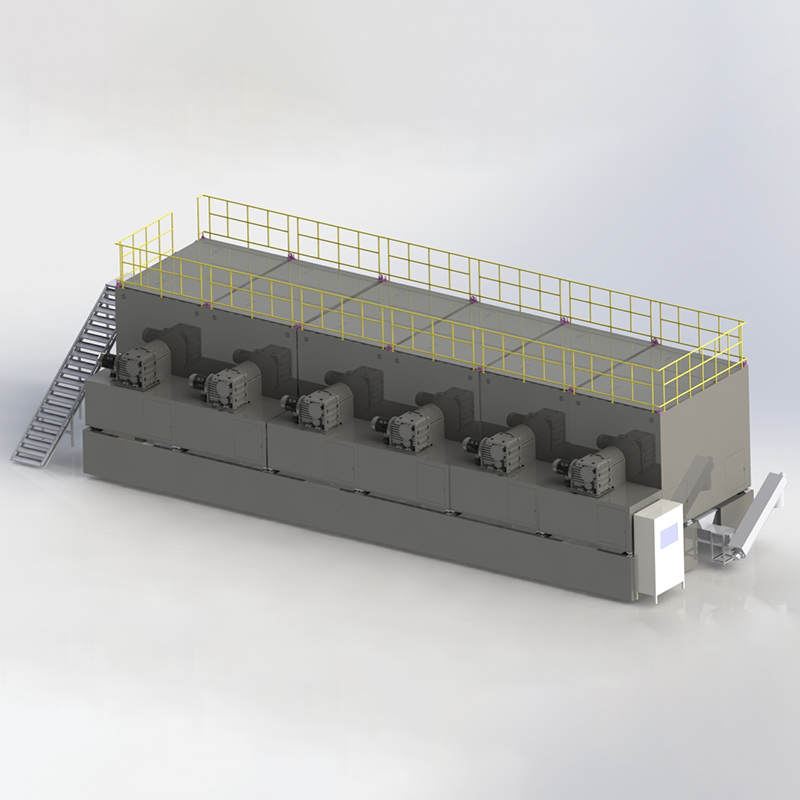 Nanda Trans Series-30000
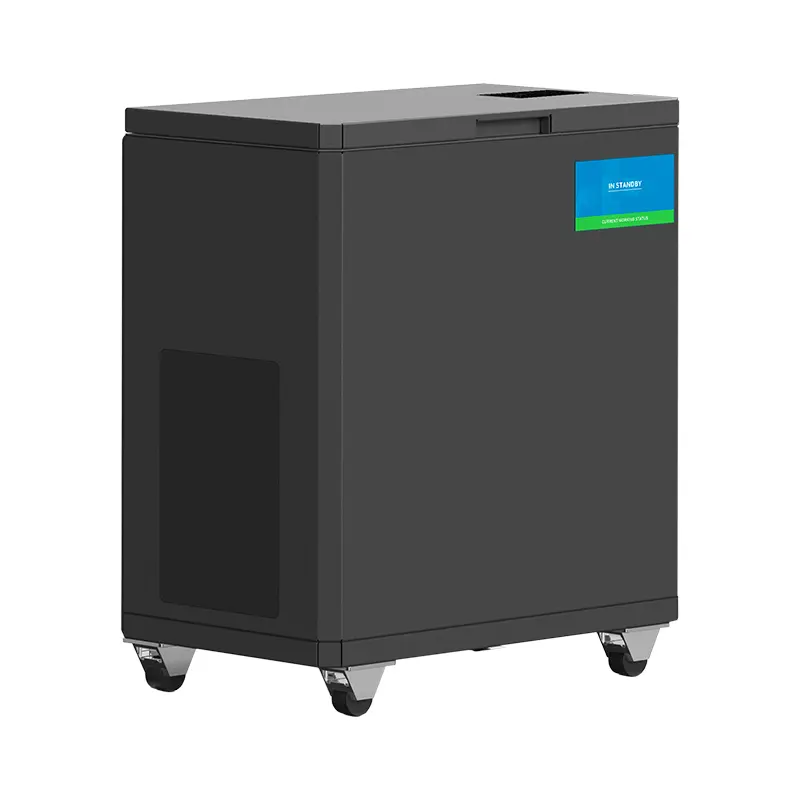 Nanda Thermax Series-100
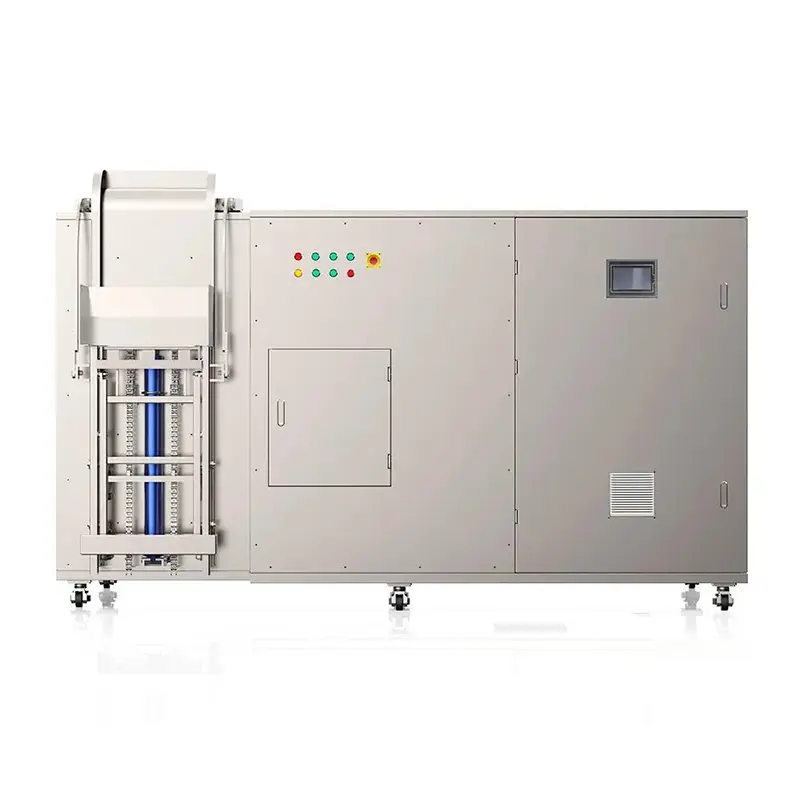 Nanda Thermax Series-200
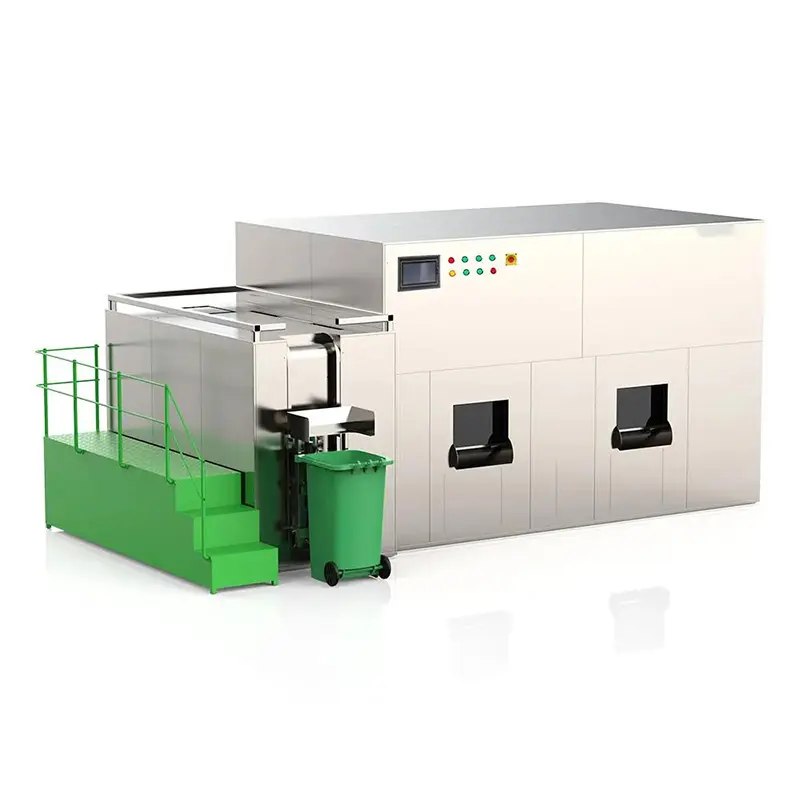 Nanda Thermax Series-2000
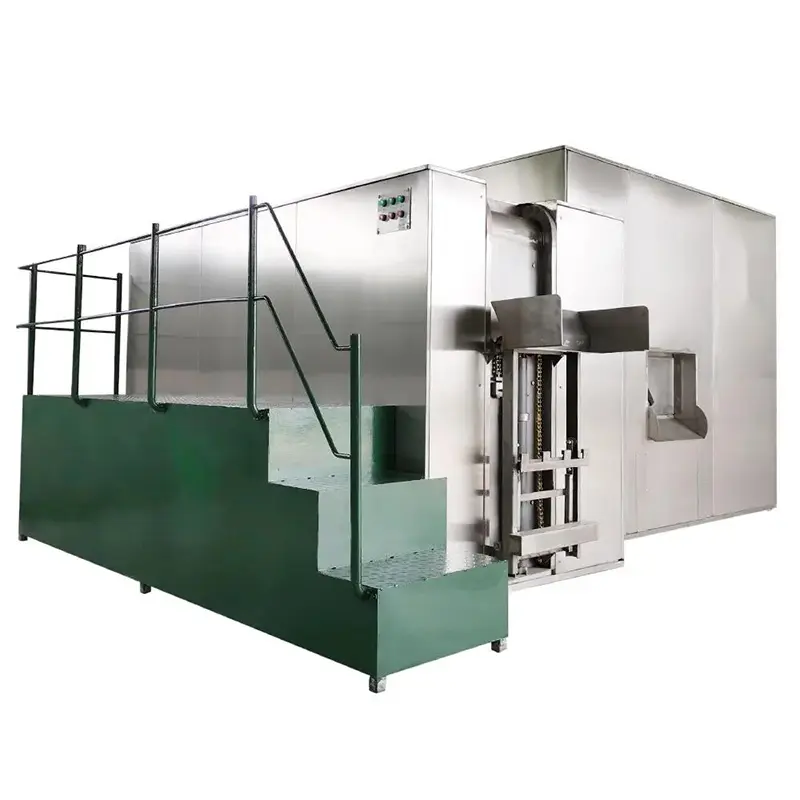 Nanda Thermax Series-10000
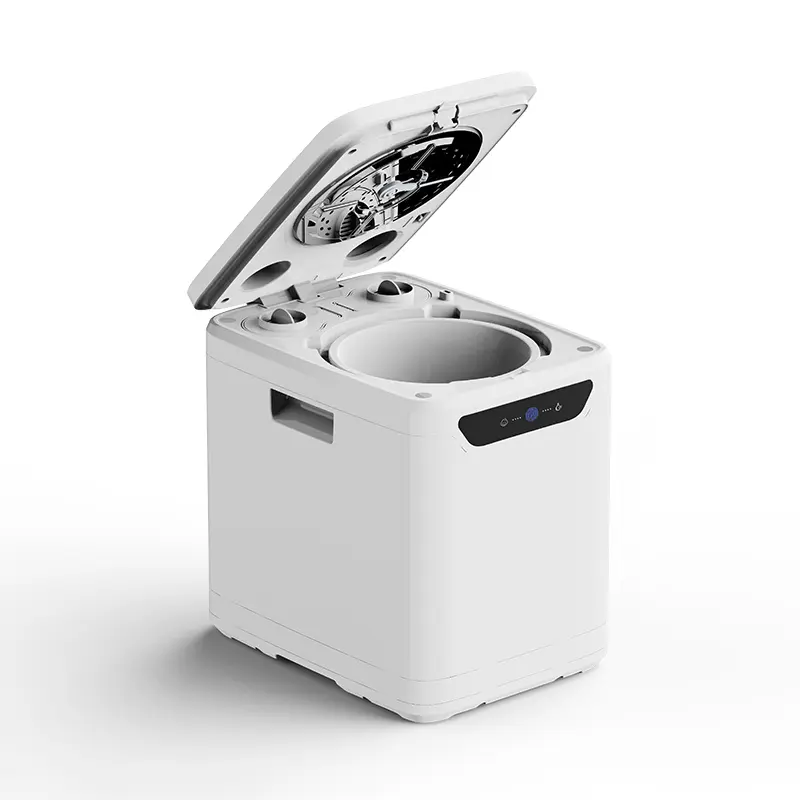 Nanda Turbo Series-3.5L-016
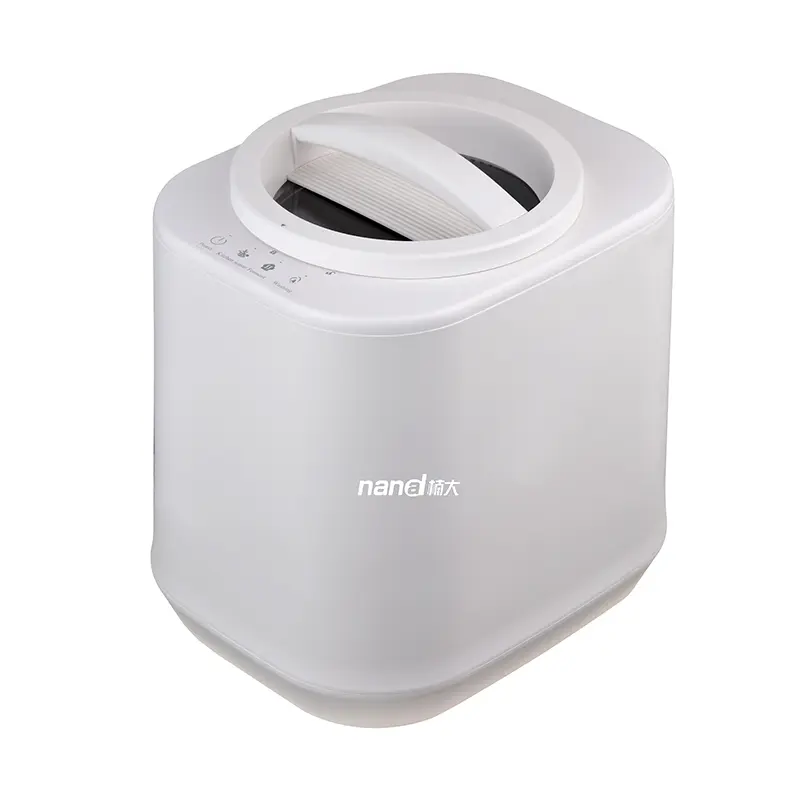 Nanda-Turbo Series-4L-011
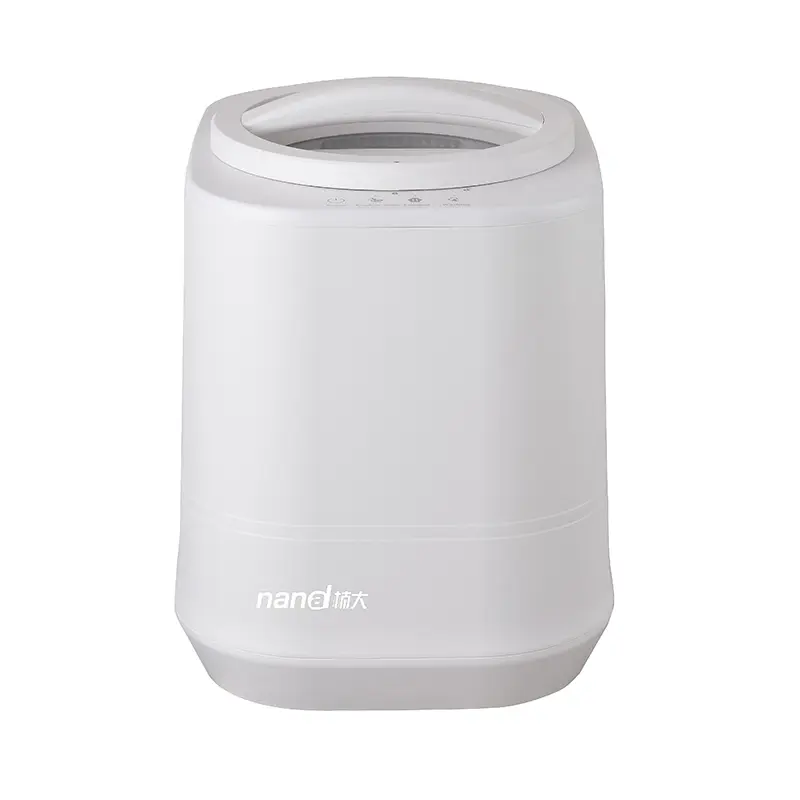 Nanda Turbo Series-4L-012
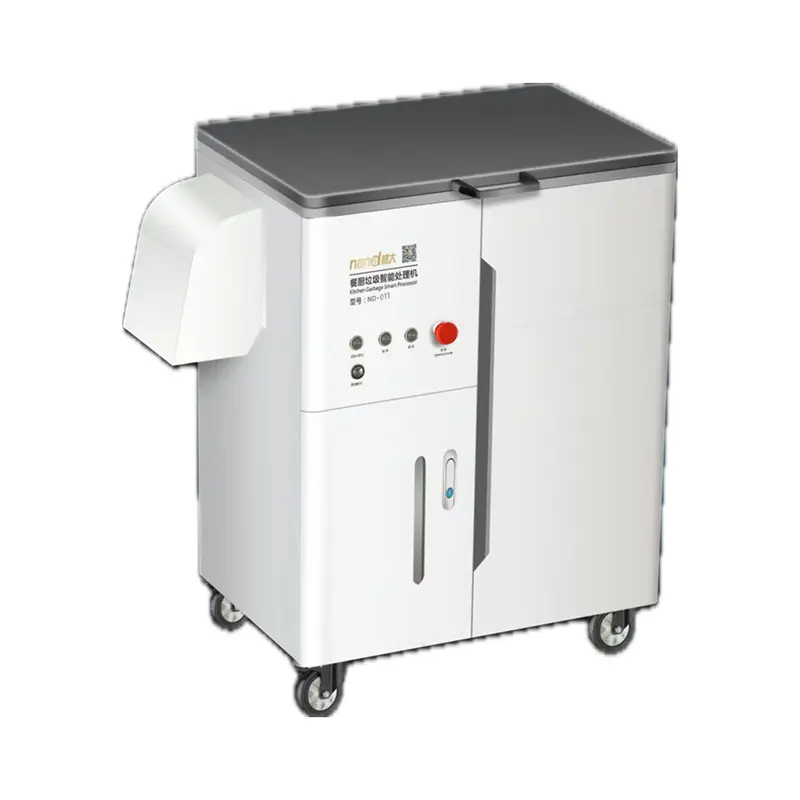 Oil-Water Separator