What is a Kitchen Composter Machine and How Does It Work?
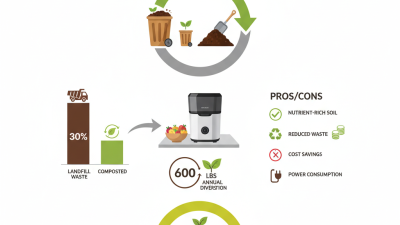
The Kitchen Composter Machine is transforming how households manage food waste. Recent studies indicate that over 30% of global food supply ends up in landfills. This not only leads to significant greenhouse gas emissions but also represents a waste of valuable resources. As urban areas grow, the need for efficient waste management solutions becomes critical.
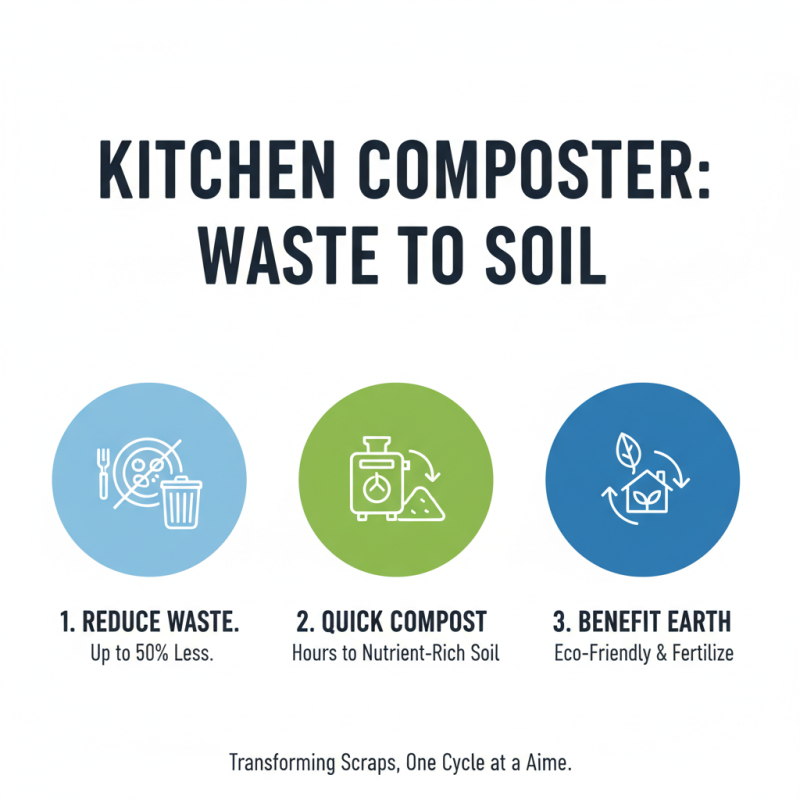
Kitchen Composter Machines offer a practical solution. These devices turn organic waste into nutrient-rich compost, promoting sustainable living. Many users report that they significantly reduce kitchen waste by up to 50%. However, not all machines are created equal, and choosing the right one can be overwhelming. It requires research and understanding of personal needs and local conditions.
Adoption challenges also persist. Many consumers are unsure about composting processes or how to maintain their machines. Furthermore, some machines may not handle all types of food waste effectively. This leads to potential frustration and, ultimately, abandonment of the composting effort. There is room for improvement in education and design, emphasizing an ongoing need for dialogue and feedback in this evolving industry.
What is a Kitchen Composter Machine?
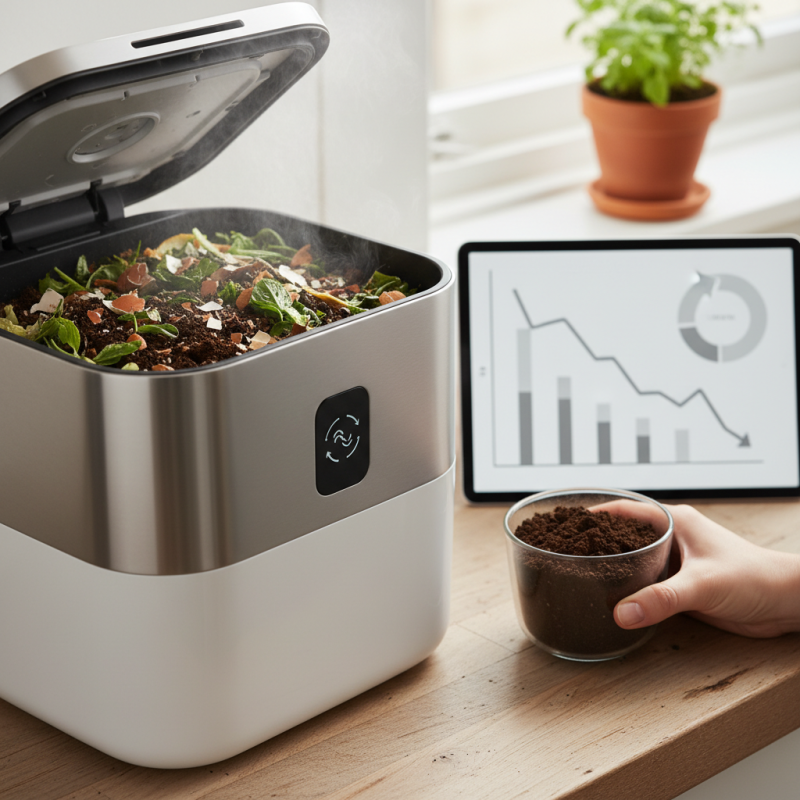
A kitchen composter machine is an innovative device designed to transform food scraps into compost. It typically uses heat, moisture, and microorganisms. This process significantly reduces waste in your kitchen. You can toss in vegetable peels, coffee grounds, and other organic matter. The machine breaks down these materials efficiently.
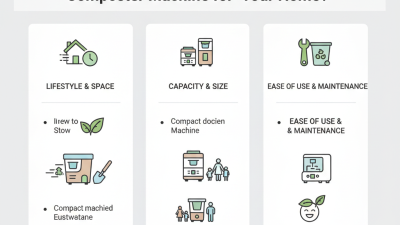
These devices come in various sizes and designs. Some are compact and fit snugly on your countertop. Others are larger and may require more space. Many models are user-friendly, with simple controls. However, it is essential to normalize the idea of composting at home. Not everyone understands its benefits or even how to use these machines properly.
Over time, users might face challenges, like unpleasant odors or insufficient compost production. Sometimes, people forget about their composters. This can lead to a build-up of waste. These small hiccups are reminders that composting is not always perfect. It's a learning process that can take time to master.
What is a Kitchen Composter Machine and How Does It Work?
| Feature |
Description |
| Function |
Converts organic kitchen waste into compost or fertilizer. |
| Materials Used |
Fruit and vegetable scraps, coffee grounds, eggshells, and yard waste. |
| Working Mechanism |
Utilizes aerobic bacteria and a grinding mechanism to break down waste. |
| Cycle Time |
Typically takes 1 to 4 weeks to produce compost, depending on the machine and conditions. |
| Environmental Impact |
Reduces landfill waste and lowers carbon footprint by recycling organic matter. |
| Maintenance |
Regular cleaning and monitoring of moisture levels are required for optimal performance. |
Key Components of a Kitchen Composter Machine
A kitchen composter machine is a practical device for turning food waste into compost. It helps reduce kitchen waste while providing nutrient-rich material for plants. Several key components make this process efficient.
The main components include a grinding mechanism, a heating element, and a ventilation system. The grinding mechanism breaks down food scraps into smaller, manageable pieces. This allows for quicker decomposition. A heating element raises the temperature to create an ideal environment for microbes. Warmth speeds up the composting process, which is essential for breaking down organic material.
Additionally, the ventilation system ensures proper airflow. This prevents odor buildup and creates a balanced compost. Many users find the airflow vital, yet it may need periodic adjustments. Sometimes, the machine can become too compact, hindering airflow. Users should monitor these aspects regularly. Overall, understanding these components allows for better usage and may lead to improvements in efficiency.
Kitchen Composter Machine Efficiency by Month
This chart illustrates the efficiency of kitchen composter machines in reducing waste over each month of the year, showcasing how consistent use can significantly decrease waste output.
How Does a Kitchen Composter Machine Operate?
A kitchen composter machine operates by breaking down organic waste quickly. Typically, these machines utilize heat and airflow to speed up decomposition. According to the U.S. Environmental Protection Agency, about 30% of the waste produced by households consists of food scraps. A composter machine can significantly reduce the volume of waste.
Inside the machine, microorganisms, including bacteria and fungi, play a crucial role in the breakdown process. They efficiently convert food waste into compost within a few days to weeks, depending on the conditions. Some models even allow precise temperature control, optimizing decomposition. However, not all organic materials break down equally. Items like eggshells or citrus peels may take longer to compost fully.
Users often find challenges in maintaining balance. Too much moisture can lead to odors and slow down decomposition. A survey indicates that nearly 25% of home composters face issues related to odor and pests. Knowing how to manage your kitchen composter effectively requires practice. Understanding these nuances can enhance compost quality and encourage eco-friendly practices.
Benefits of Using a Kitchen Composter Machine
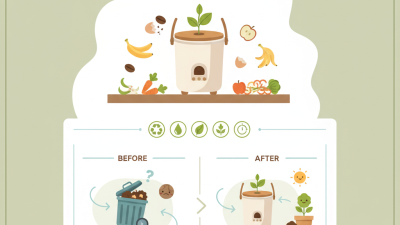
A kitchen composter machine is a handy appliance for food waste. It turns scraps into compost quickly. Many households generate lots of waste. A composter can reduce this significantly. It’s a great way to manage kitchen waste while benefiting the environment.
Using a kitchen composter machine has various benefits. It minimizes waste sent to landfills. This reduces methane emissions, which are harmful to the environment. Composting enriches soil naturally too. This can help with growing plants or cooking herbs. Your kitchen scraps become valuable nutrients, promoting sustainability.
**Tip:** Make sure to choose the right machine for your kitchen size. Not all machines fit small spaces.
You can also try layering different types of waste. Mix greens, like vegetable scraps, with browns, like dried leaves. This helps create a balanced compost. Sometimes, the process can take longer than expected. Be patient and adjust the ingredients as needed. Remember, perfection is not the goal in composting.
Common Types of Kitchen Composter Machines Available
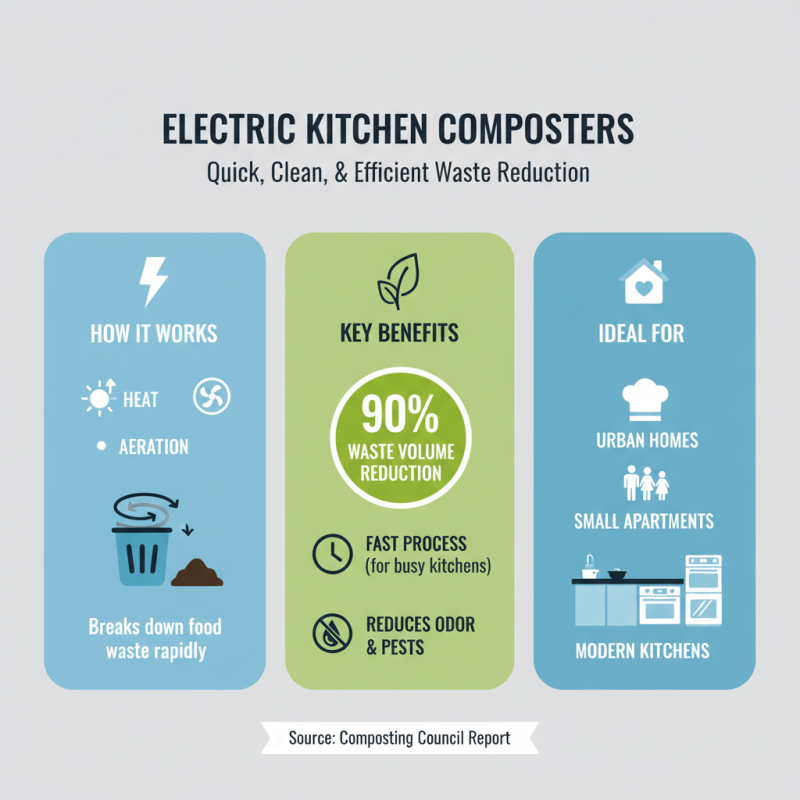
Kitchen composter machines come in various types, each designed for specific needs. One popular option is the electric composter. This machine uses heat and aeration to decompose kitchen waste quickly. According to a report by the Composting Council, electric composters can reduce food waste volume by up to 90%. This rapid decomposition is useful for busy kitchens.
Another common type is the tumbling composter. This manual device allows you to rotate the contents easily. Tumblers are often efficient but require regular turning to promote airflow. Research indicates that tumbling composters can yield finished compost in as little as four weeks. However, some users find them cumbersome. They need time and effort to maintain.
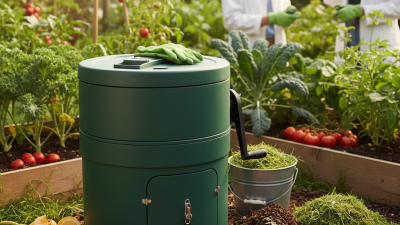
There are also countertop composters, which are compact and user-friendly. They are perfect for small kitchens, helping reduce odors and pests. However, they may require frequent emptying. Users must balance convenience with compost production. Each type has merits and drawbacks, warranting careful consideration based on individual kitchen needs.

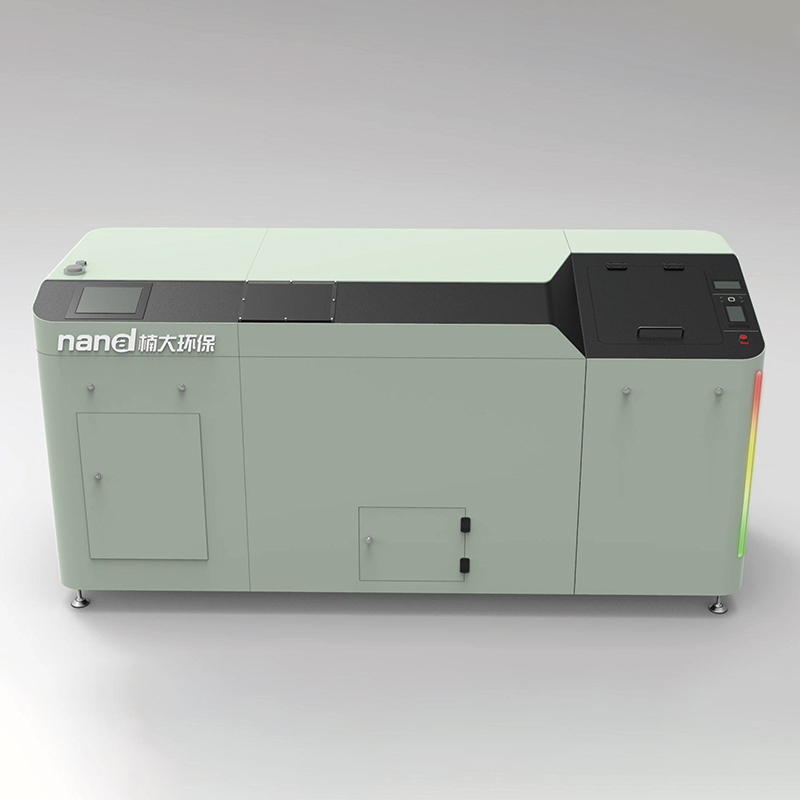 Nanda Trans Series-200
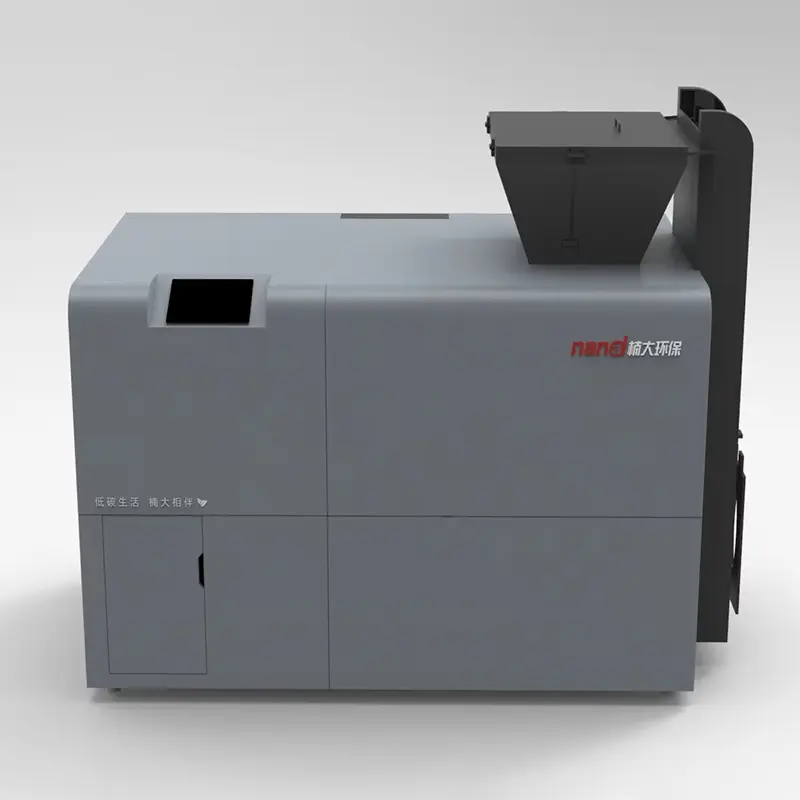 Nanda Trans Series-500
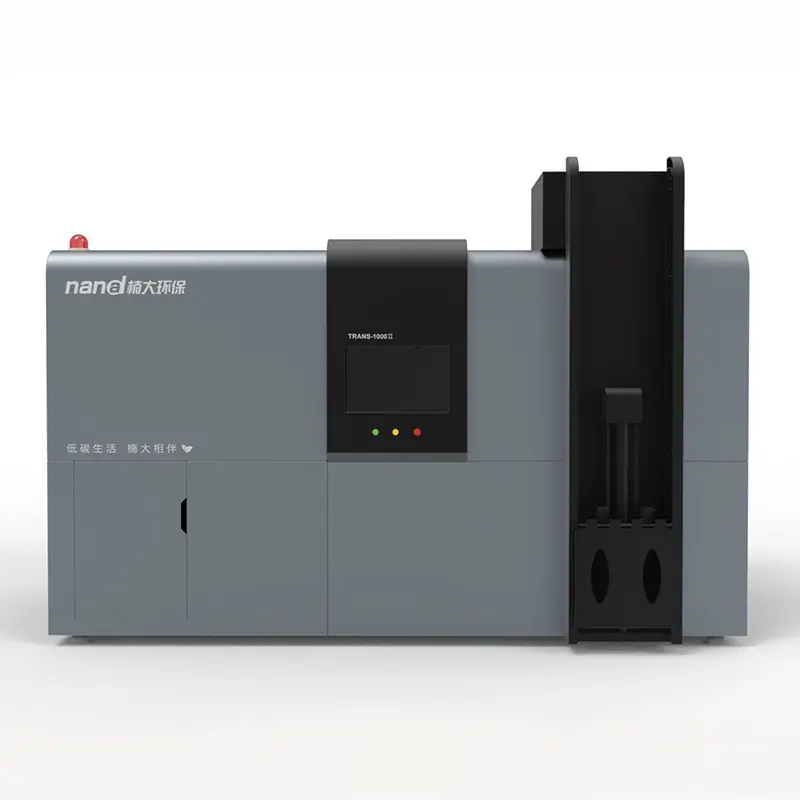 Nanda Trans Series-1000
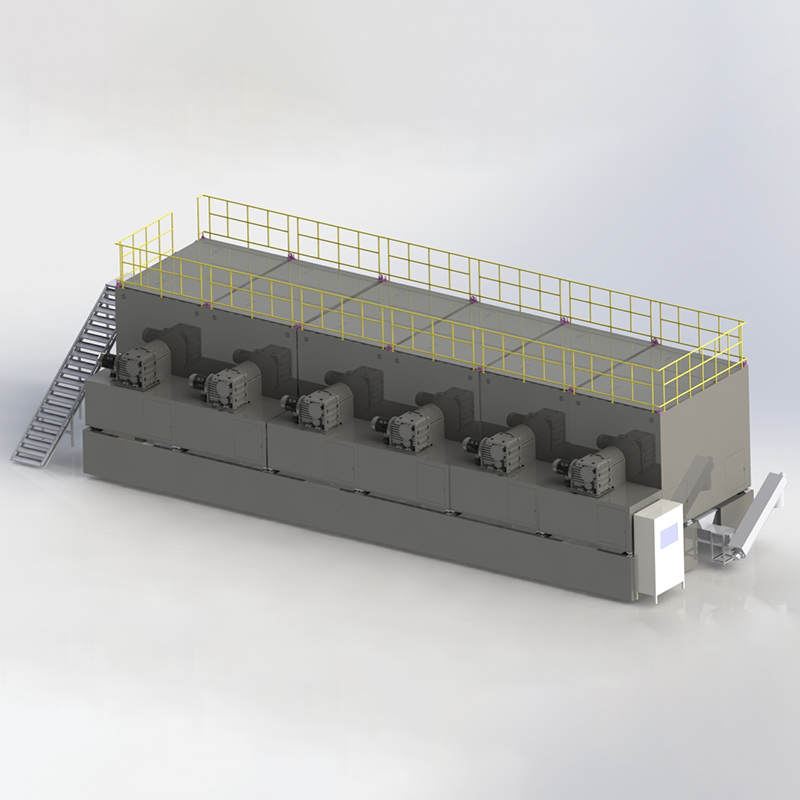 Nanda Trans Series-30000
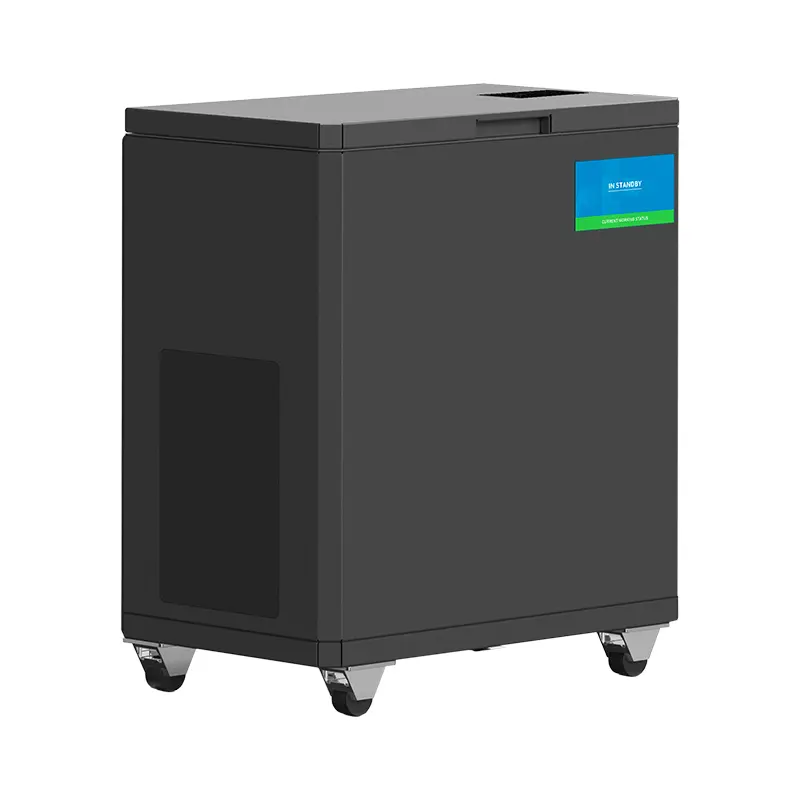 Nanda Thermax Series-100
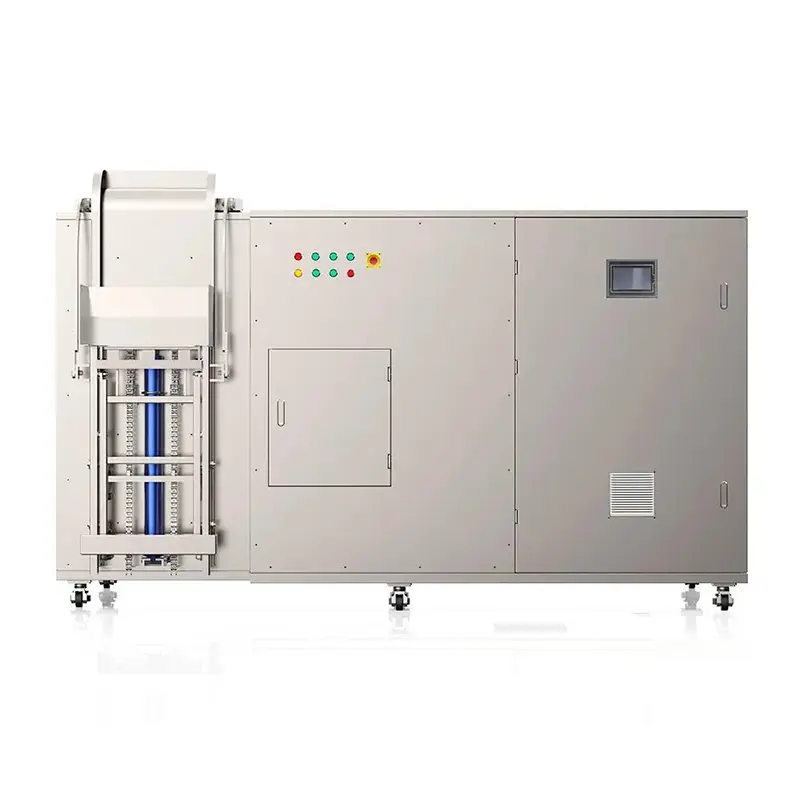 Nanda Thermax Series-200
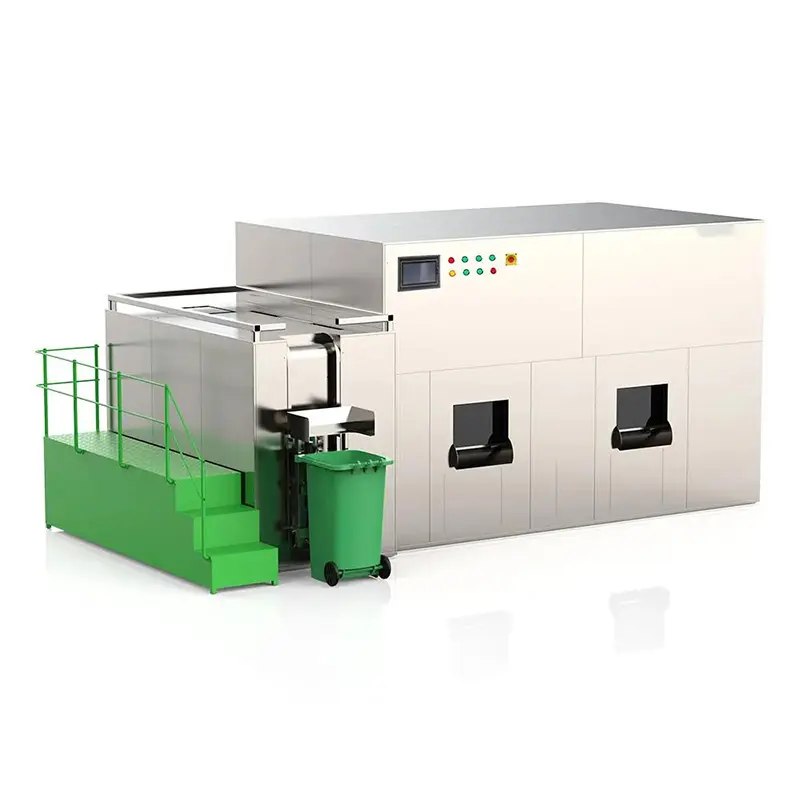 Nanda Thermax Series-2000
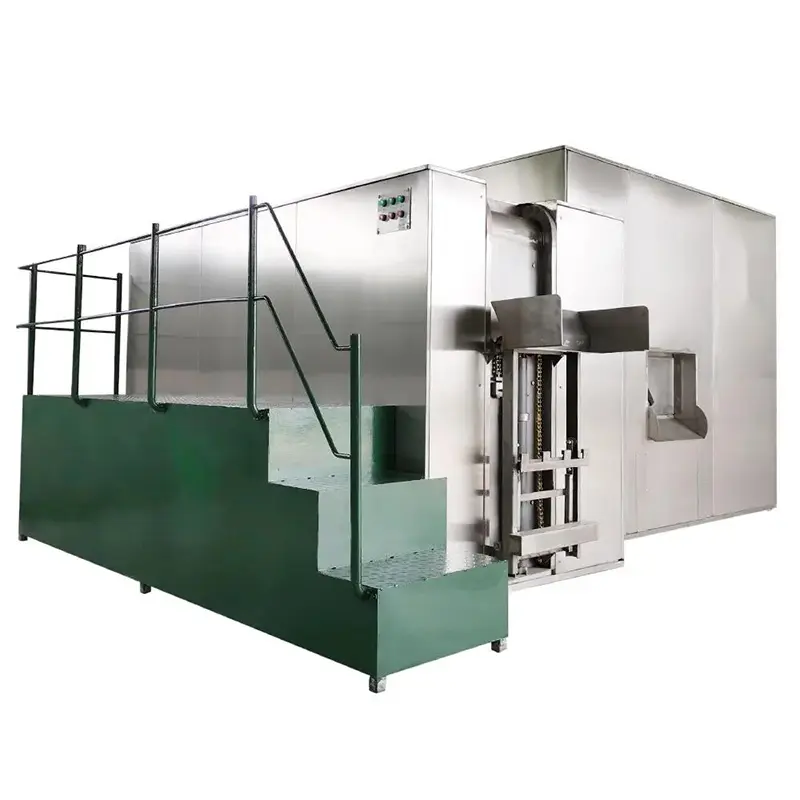 Nanda Thermax Series-10000
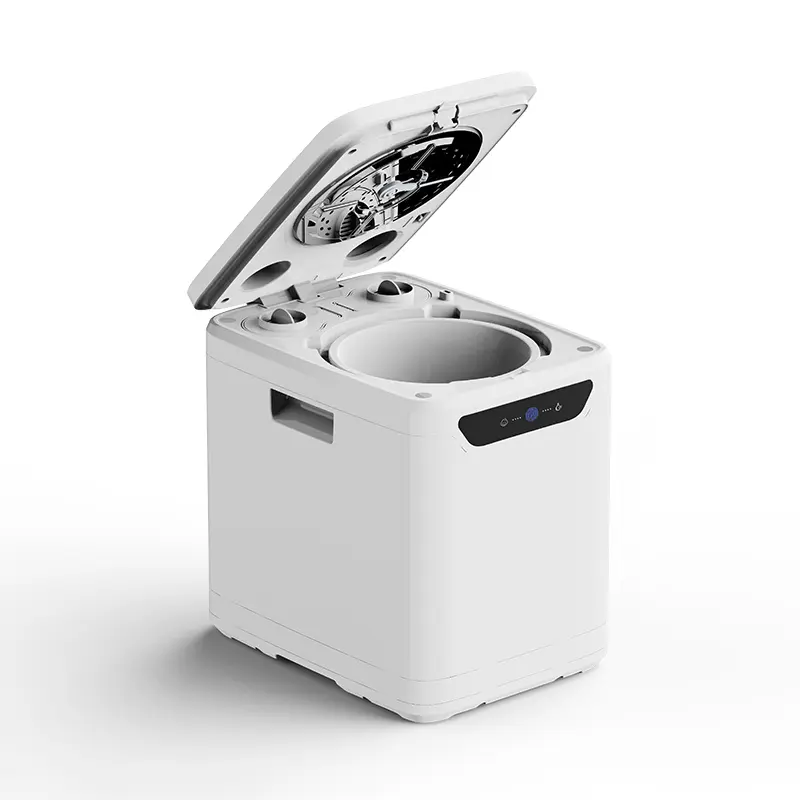 Nanda Turbo Series-3.5L-016
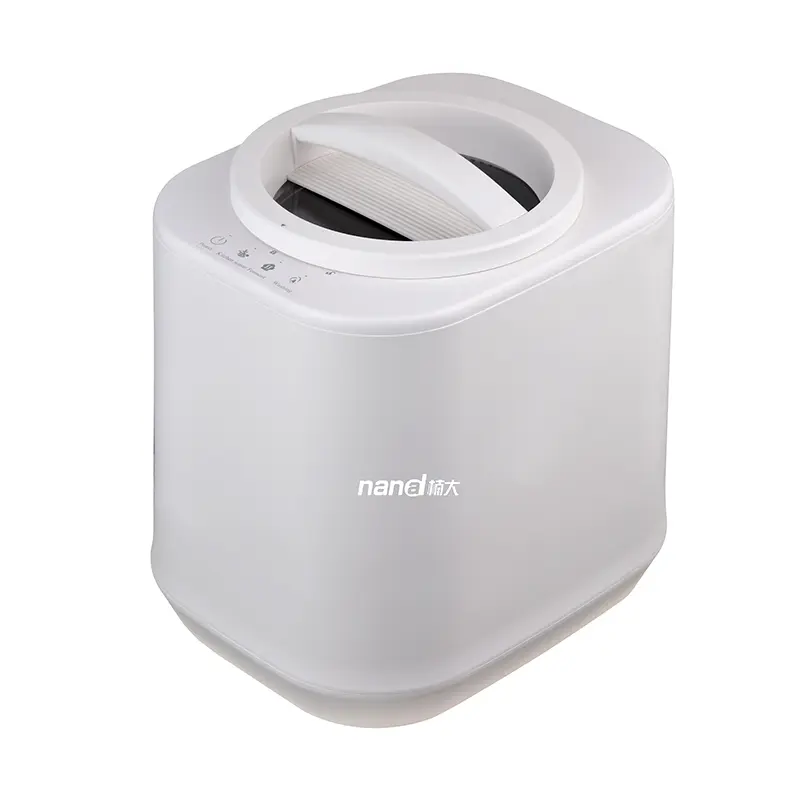 Nanda-Turbo Series-4L-011
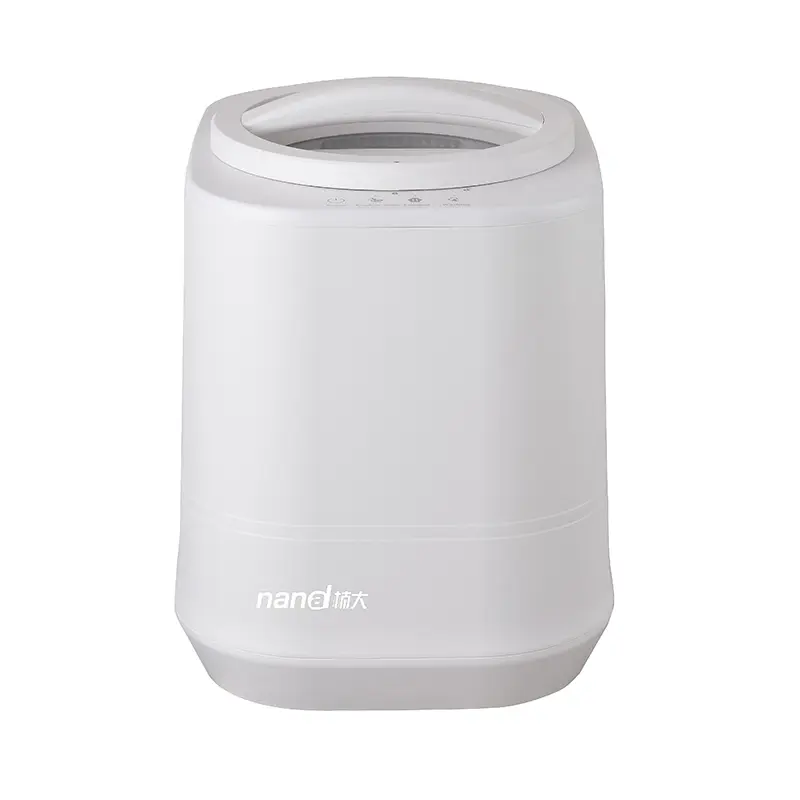 Nanda Turbo Series-4L-012
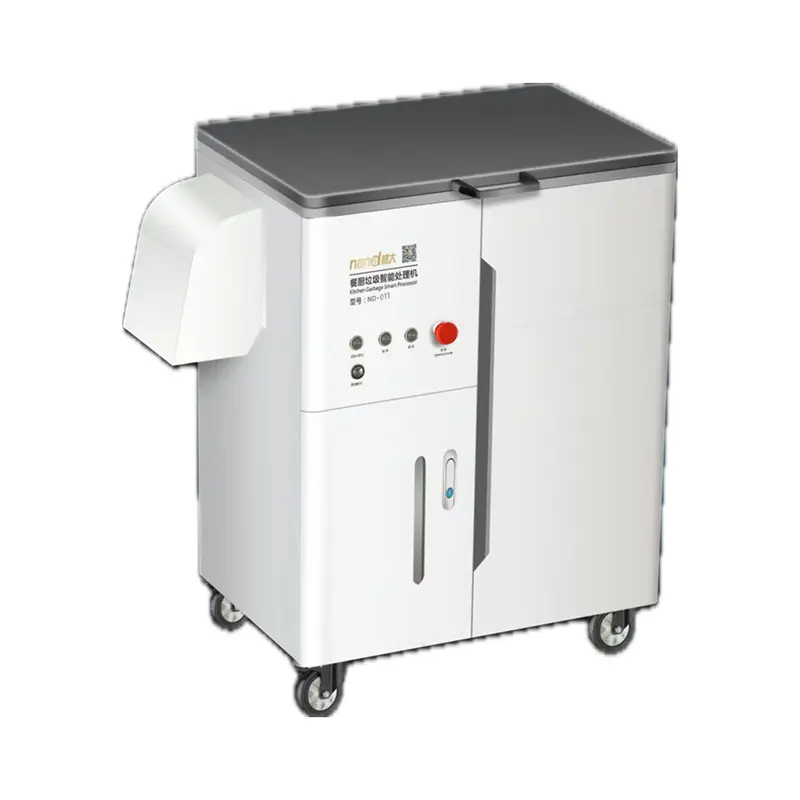 Oil-Water Separator