Why You Should Consider a Kitchen Counter Composter for Sustainable Living?
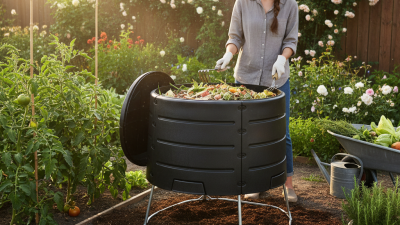
In the pursuit of sustainable living, a Kitchen Counter Composter can be a game-changer. According to expert Sarah Green, "A Kitchen Counter Composter transforms food waste into valuable nutrients." This simple tool can help reduce waste and enrich home gardens.
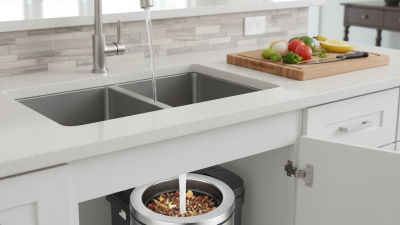
Imagine having a compact composter right on your kitchen counter. It allows you to dispose of vegetable scraps, coffee grounds, and eggshells with ease. As waste accumulates, it can feel overwhelming. Traditional composting requires time and effort. However, with a Kitchen Counter Composter, the process becomes manageable and efficient, even for busy lifestyles.
Many people hesitate to adopt this eco-friendly habit. Some fear the smell or the commitment. In reality, a well-designed composter minimizes odors and encourages recycling. Embracing a Kitchen Counter Composter can foster a deeper connection to sustainability and the cycles of nature. Despite some challenges, this small step can lead to bigger changes. Wouldn't it be worth exploring?
Benefits of Using a Kitchen Counter Composter for Waste Reduction
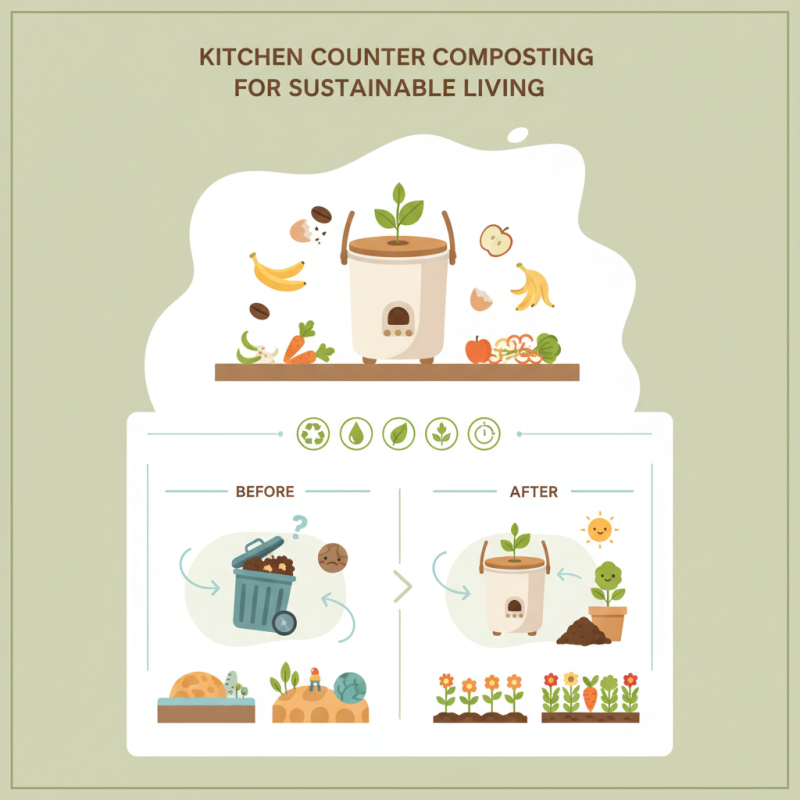
A kitchen counter composter offers numerous benefits for waste reduction. By composting kitchen scraps, you can divert waste from landfills. This simple practice helps reduce greenhouse gas emissions. Rather than throwing away vegetable peels and fruit cores, you can transform them into nutrient-rich compost. This enriches your garden soil while minimizing kitchen waste.
Using a compost bin on your counter can also save time. Instead of making frequent trips to an outdoor compost pile, you can easily collect food scraps. This convenient method encourages you to compost more. However, kitchen composters do require some maintenance. You need to monitor moisture levels and mix the contents regularly. It's a commitment that requires daily attention, but the rewards are substantial.
As you adapt to this new habit, you might face some challenges. Some items may not decompose as quickly as expected. This means occasional odors or pesky fruit flies might arise. Learning what works best for your kitchen can take time. Despite these hurdles, the reduction in waste and the enrichment of your soil can be very fulfilling. Embracing kitchen composting is a step toward a more sustainable lifestyle.
Statistics on Food Waste and Its Environmental Impact
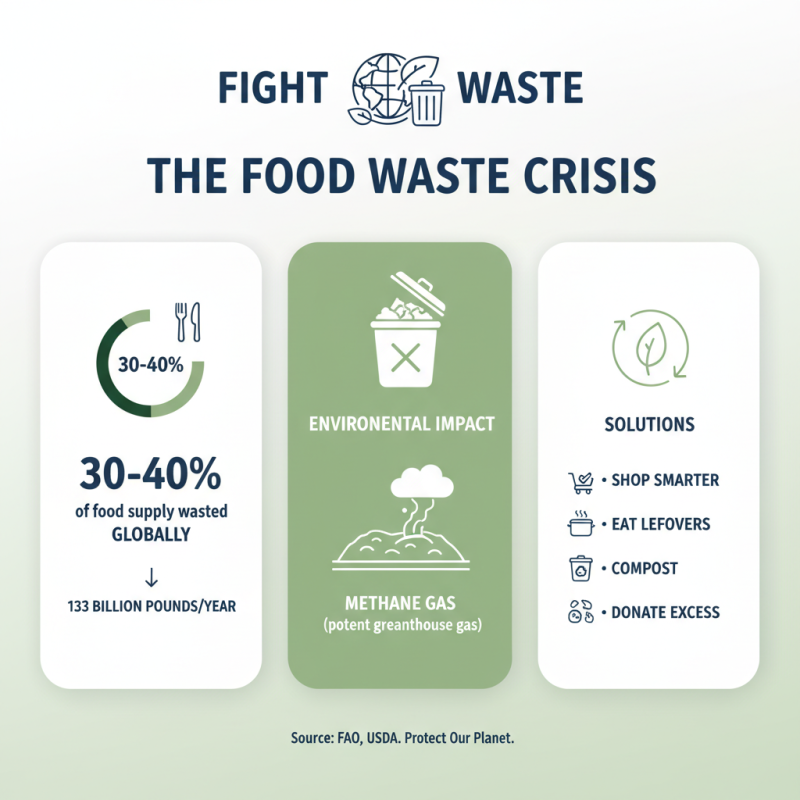
Food waste is a significant issue in our modern society. Statistics reveal that about 30-40% of the food supply is wasted. This equates to approximately 133 billion pounds of food tossed each year. The environmental impact is staggering. When food waste decomposes in landfills, it generates methane, a greenhouse gas far more potent than carbon dioxide.
Consider the ripple effects of this waste. Not only does it contribute to climate change but it also squanders the resources used in producing, transporting, and storing food. For every meal wasted, there are countless hours of labor and water used without any reward.
**Tips:** Start small. If you have a garden, use your kitchen scraps as compost. Scraps like vegetable peels, coffee grounds, and eggshells can enrich your soil. This practice helps reduce waste and provides nutrients. Moreover, educate yourself. Understand the real cost of food waste, both financially and environmentally. It’s crucial to reflect on our consumption habits and seek sustainability in daily choices.
How Kitchen Counter Composting Contributes to Sustainable Living
Kitchen counter composting is an effective way to engage in sustainable living. According to the Environmental Protection Agency, food waste is one of the largest components of municipal solid waste, accounting for about 22% of what we throw away. This waste could be transformed into nutrient-rich compost right in your kitchen. With an average family throwing away over 1,500 pounds of food annually, the impact is staggering.
Composting can reduce landfill waste substantially. Each kitchen counter composter helps divert food scraps from landfills. The compost created can enrich garden soil, making it more productive. Using compost also reduces the need for chemical fertilizers, which can harm the environment. However, managing a composter requires care, as an improper balance can cause odors.
Choosing a kitchen counter composter can lead to significant changes in daily habits. It encourages mindfulness about food consumption and waste. It’s a small step, but it leads to greater awareness of one’s environmental footprint. The commitment to sustainable living can be messy and challenging, but it provides valuable lessons. Reflecting on what we consume makes us more responsible consumers.
Why You Should Consider a Kitchen Counter Composter for Sustainable Living
| Benefit |
Description |
Environmental Impact |
Ease of Use |
| Waste Reduction |
Composting kitchen scraps reduces the amount of waste going to landfills. |
Decreases methane emissions from landfills. |
Easy to operate and maintain in daily use. |
| Nutrient-Rich Soil |
Produces compost that can enrich your garden soil. |
Promotes healthy plant growth and reduces the need for chemical fertilizers. |
Simple process of adding scraps daily and mixing compost. |
| Cost Savings |
Reduces the need for garbage disposal services. |
Less waste translates to lower disposal fees and potential savings on fertilizers. |
Low maintenance costs and minimal effort required. |
| Community Impact |
Encourages sustainable practices within the neighborhood. |
Spreads awareness about waste reduction and composting. |
Can be initiated easily with friends or family. |
The Nutritional Value of Compost and Its Benefits for Gardening
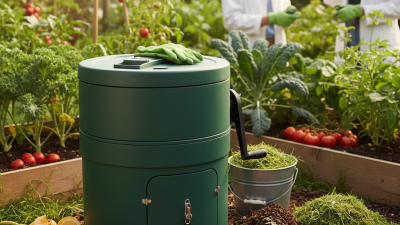
Composting at home is gaining popularity. It transforms kitchen scraps into nutrient-rich compost. This compost enhances soil quality, promoting plant health. Gardens flourish with the added nutrients. Vegetables and flowers grow better with organic matter. Compost retains moisture in the soil, reducing the need for frequent watering.
Many gardeners overlook composting. They might think it takes too much time. However, kitchen counter composters simplify the process. They allow easy collection of food waste. Just toss scraps like fruit peels and coffee grounds inside. The waste decomposes into a valuable resource for your garden. Worms and microorganisms do the work for you.
The impact of compost on plants is remarkable. It boosts soil fertility and creates a thriving ecosystem. Plants absorb essential nutrients, leading to larger yields. The taste of homegrown food improves significantly. Yet, some gardeners struggle with maintaining a balance in their compost. Too many greens or browns can hinder the decomposition process. Understanding this takes patience and experimentation, but the rewards are worth the effort.
Impact of Kitchen Counter Composting on Sustainable Living
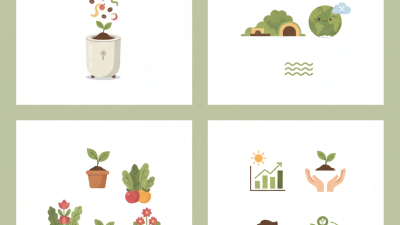
Investing in a kitchen counter composter can significantly contribute to sustainable living by reducing the amount of food waste sent to landfills. This chart illustrates the potential benefits of composting at home, including the pounds of food waste diverted, the nutrient release for gardening, the reduction in landfill waste, and the percentage increase in gardening yields.
Tips for Choosing the Right Kitchen Counter Composter for Your Home
Choosing the right kitchen counter composter can feel overwhelming. There are many options available. Start by considering your kitchen space. A compact design works well for small kitchens. Larger bins are suitable for families. Think about your food waste volume too.
Next, look at the materials. Stainless steel models are durable and easy to clean. Some composters use plastic. They can be lighter, but may not last as long. The odor control feature is essential as well. Some composters have charcoal filters, which help reduce smells.
Also, consider the aesthetic. A stylish composter can enhance your kitchen. Find one that matches your décor. Convenience is key. A lid that opens easily will encourage regular use.
Lastly, think about the learning curve. Some composters require patience and practice. It’s a journey towards sustainable living. Each mistake teaches you something new. Embrace the process, and enjoy composting!

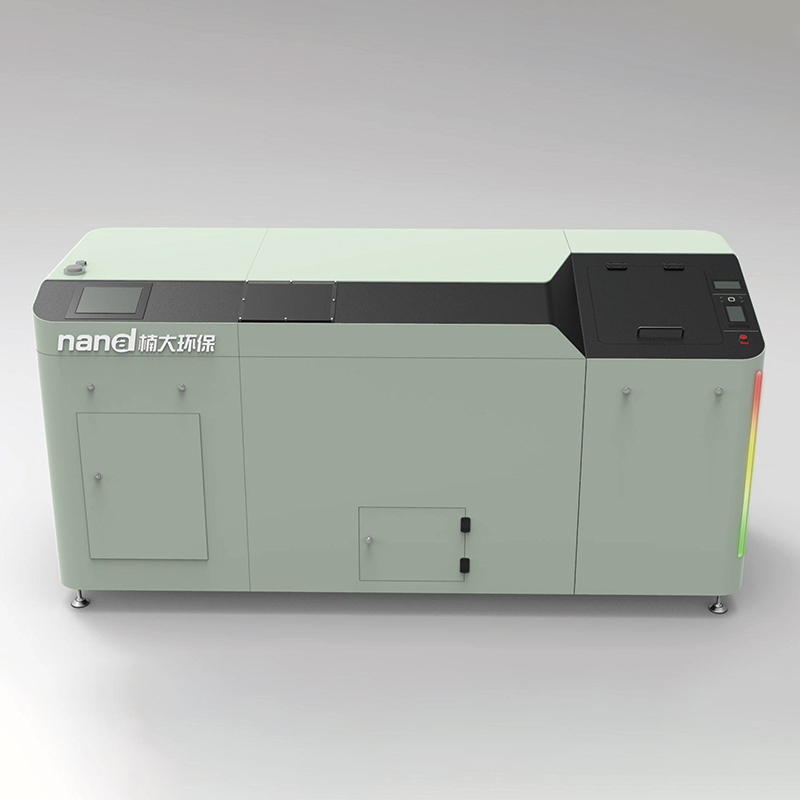 Nanda Trans Series-200
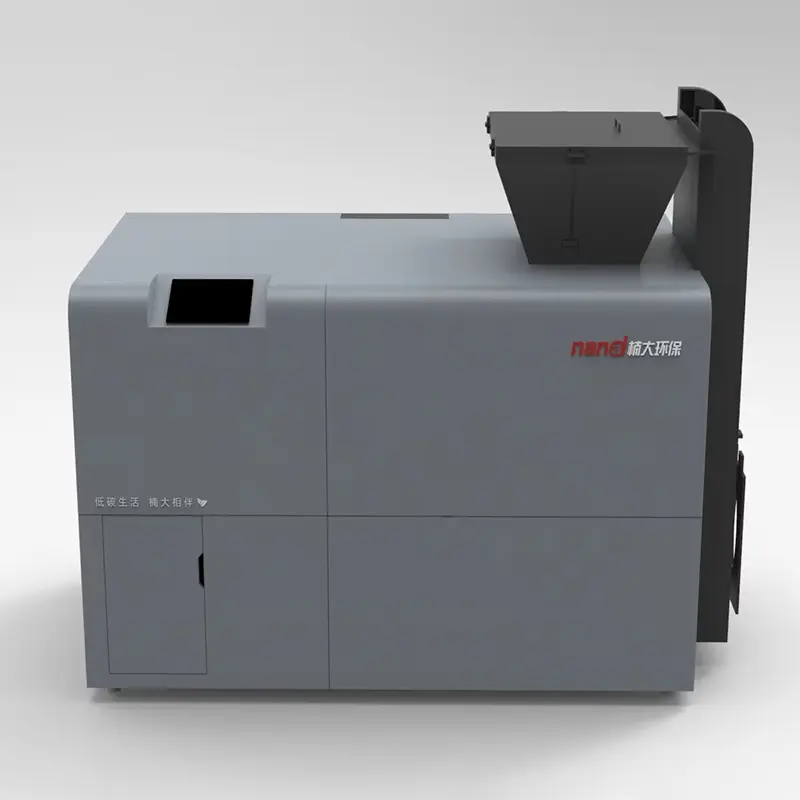 Nanda Trans Series-500
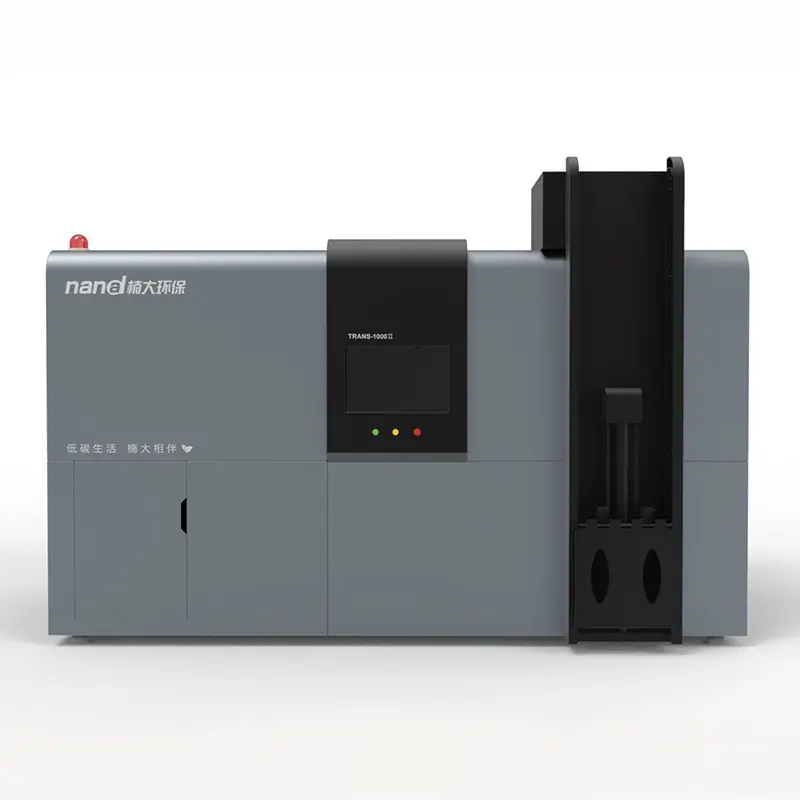 Nanda Trans Series-1000
 Nanda Trans Series-30000
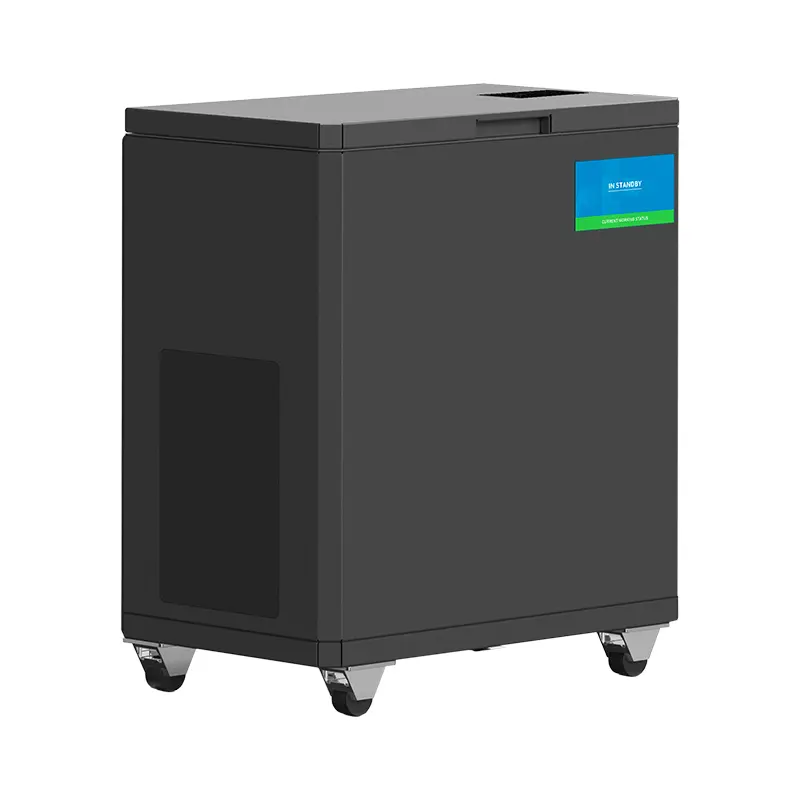 Nanda Thermax Series-100
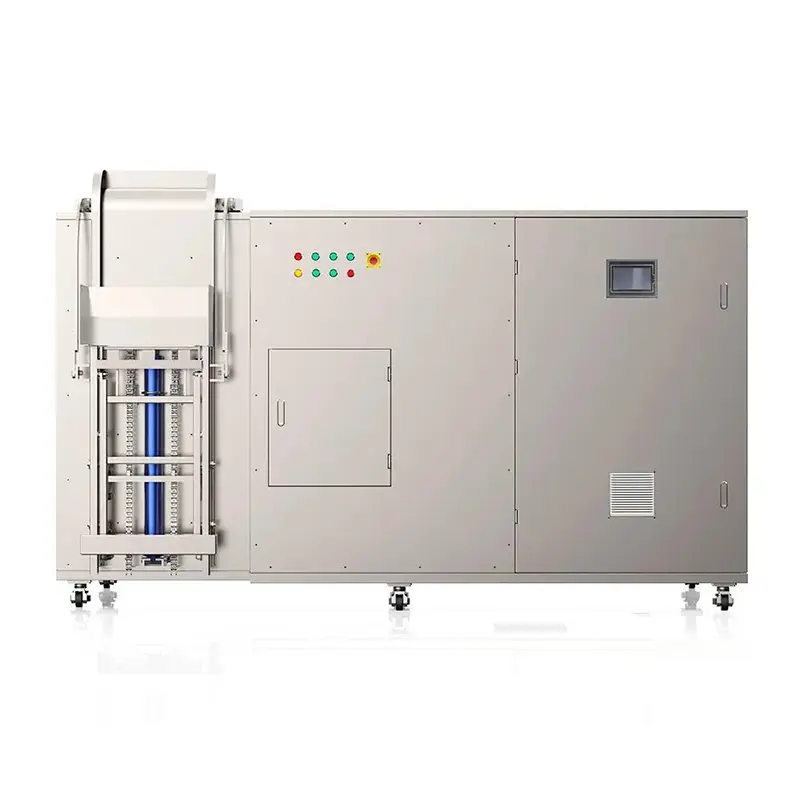 Nanda Thermax Series-200
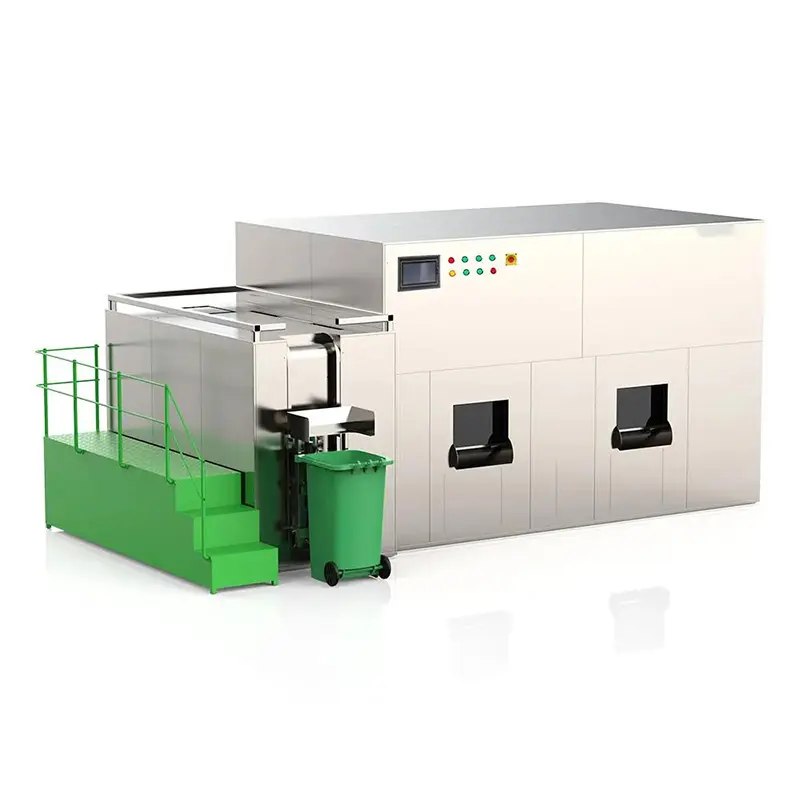 Nanda Thermax Series-2000
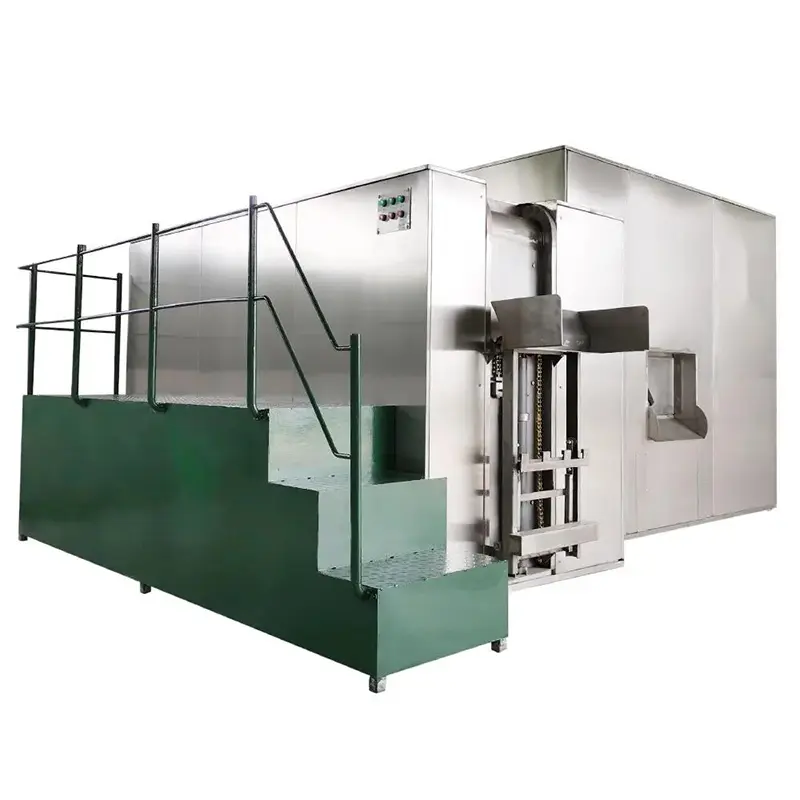 Nanda Thermax Series-10000
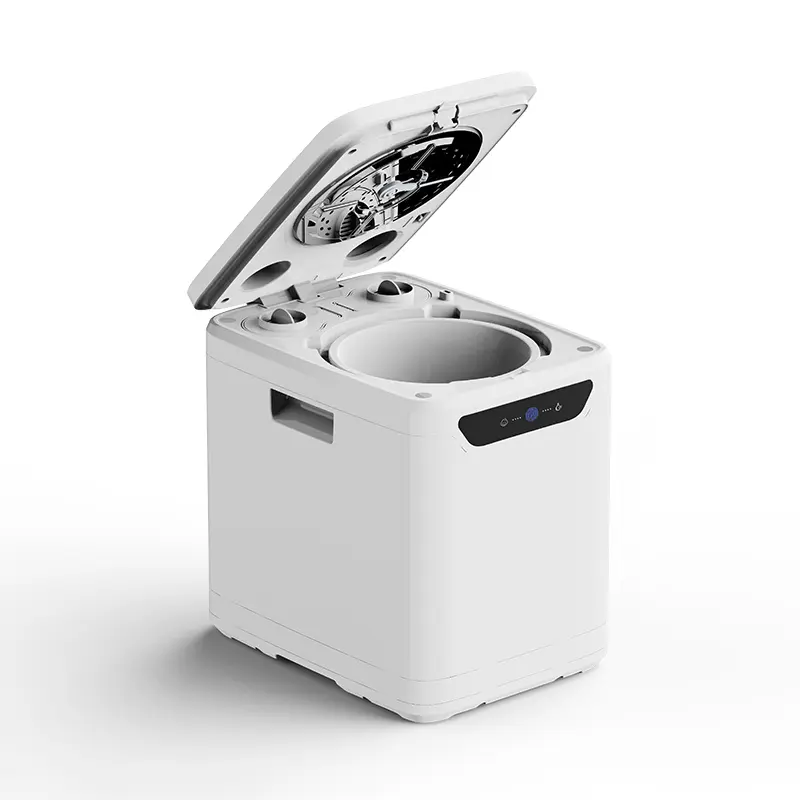 Nanda Turbo Series-3.5L-016
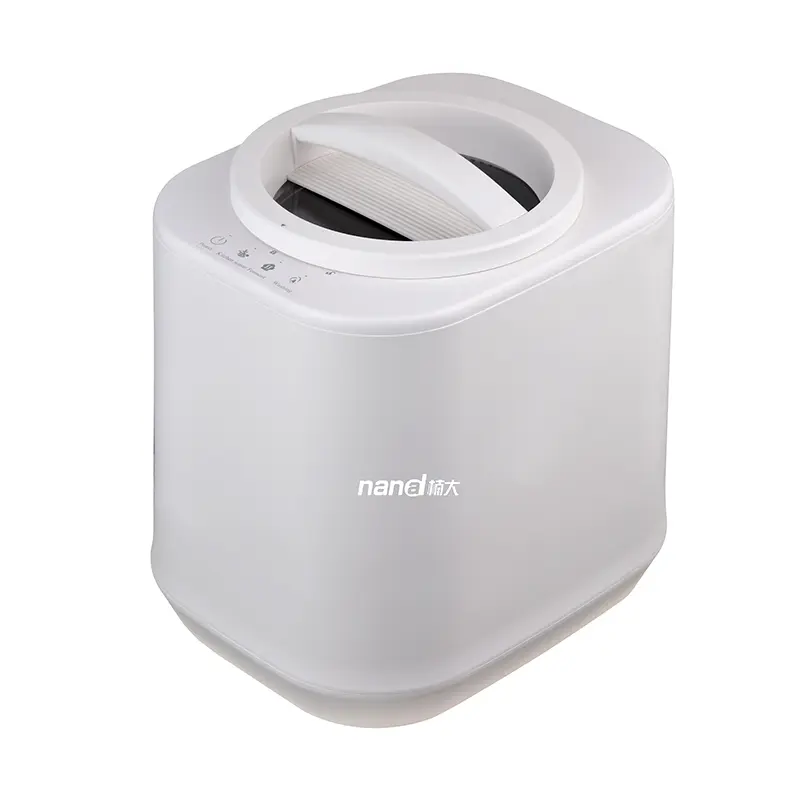 Nanda-Turbo Series-4L-011
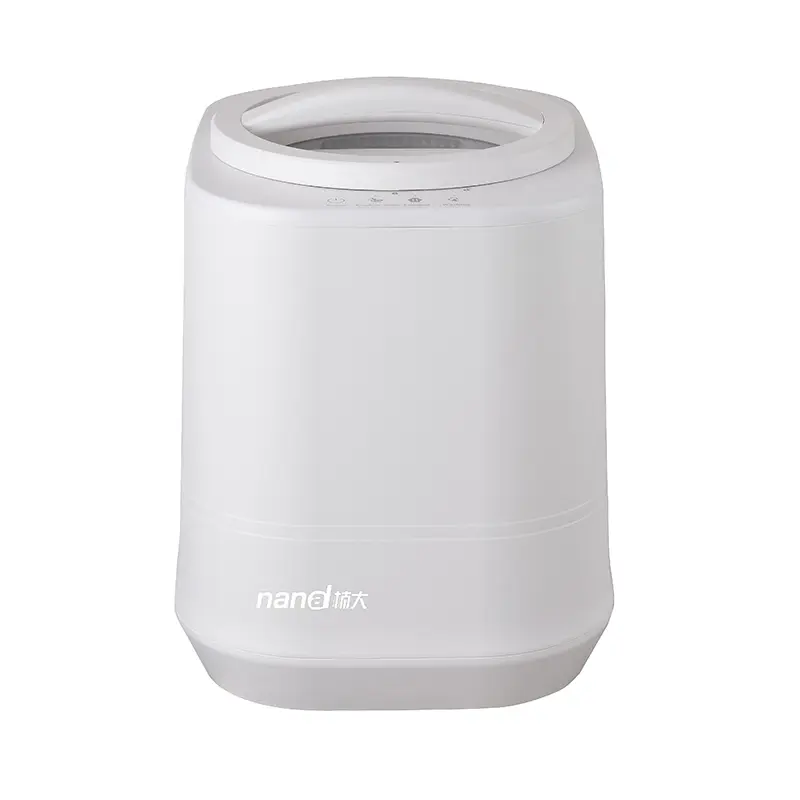 Nanda Turbo Series-4L-012
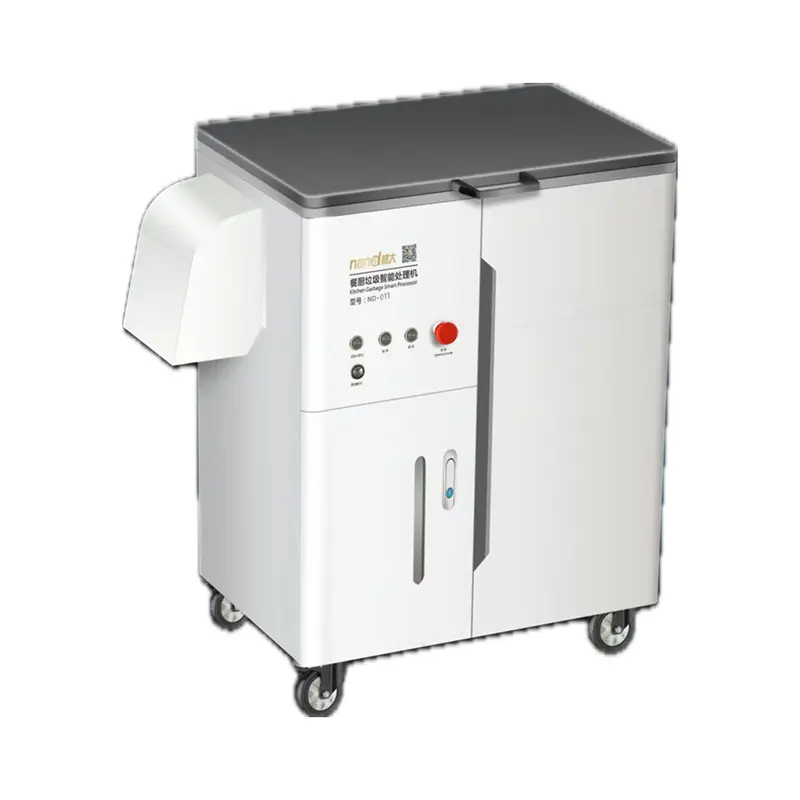 Oil-Water Separator