What is an Organic Waste Composter and How Does it Work?
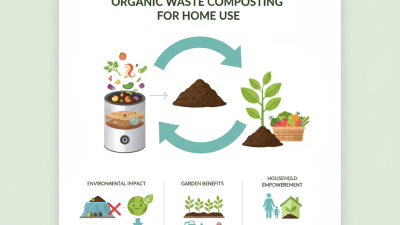
An Organic Waste Composter is an essential tool in managing food scraps and garden waste. Experts emphasize its importance, like Dr. Emma Green, a leading environmental scientist. She states, "An Organic Waste Composter turns waste into treasure." This process not only reduces landfill waste but also enriches soil.
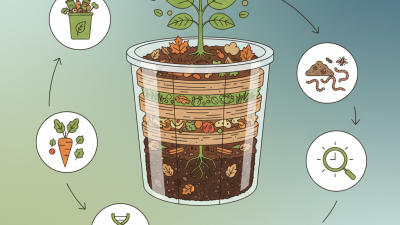
Understanding how it works can be enlightening. An Organic Waste Composter uses natural processes. Bacteria break down organic material, turning it into nutrient-rich compost. This transformation is vital for sustainability. Yet, many people overlook the benefits, often due to misconceptions about composting.
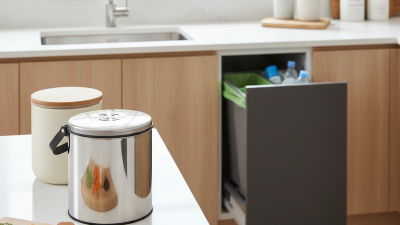
Consider this: a simple kitchen setup can significantly impact our environment. Still, not everyone is aware of the potential. An Organic Waste Composter can seem daunting to some, but its benefits far outweigh the initial confusion. By embracing this method, individuals contribute to a cleaner planet. It's a journey worth reflecting on as we seek greener solutions.
What is Organic Waste and Its Importance in Waste Management?
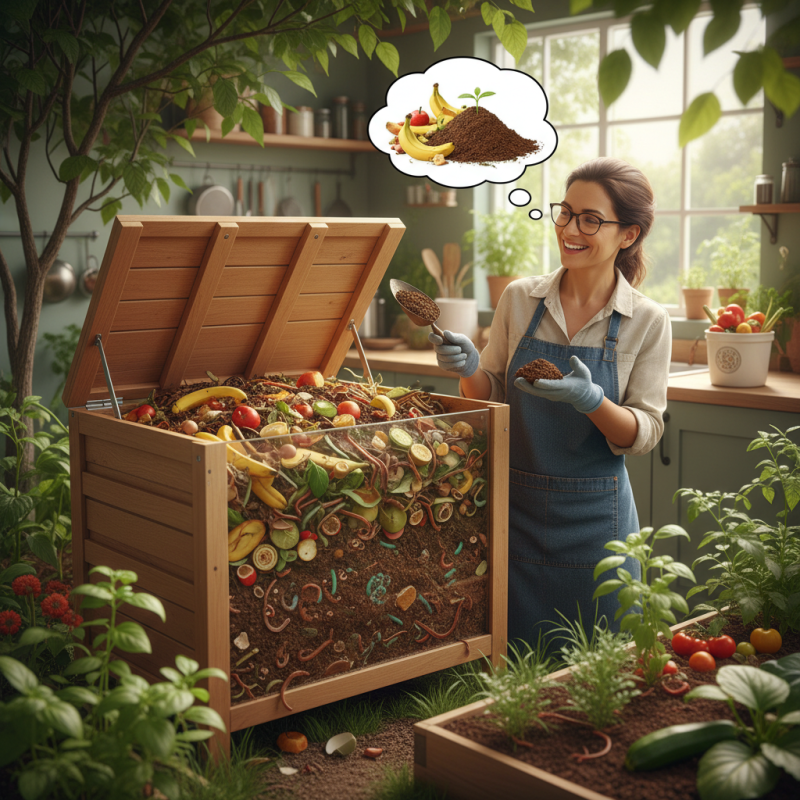
Organic waste is composed of biodegradable materials like food scraps, yard waste, and paper. It plays a crucial role in waste management. When organic waste decomposes, it turns into compost. This compost enriches soil, improving plant growth. Reducing organic waste in landfills also helps lower greenhouse gas emissions.
Managing organic waste effectively is challenging. Not everyone understands what can be composted. Misplaced items can contaminate compost, making it less effective. Education is vital in promoting composting practices. People must learn to separate organic waste from other types.
Composting solutions exist but vary in effectiveness. Some systems require regular maintenance, while others are more hands-off. Finding the right method can be a trial-and-error process. Failure to compost correctly can lead to odors and pests. Despite these issues, the benefits of reducing organic waste are significant. Improved soil health and reduced landfill use can transform our environment.
Key Components of an Organic Waste Composter: Materials and Design
Creating an effective organic waste composter involves understanding its key components. The ideal materials include kitchen scraps, yard waste, and cofactors like cardboard or paper. These elements not only decompose easily but also maintain a balance of carbon and nitrogen, essential for efficient composting. The design often features vented sides. This promotes airflow, encouraging beneficial microorganisms to thrive.
Consider the size of your composter. A unit that is too small can lead to insufficient heat generation. This inhibits decomposition, leaving you with unfinished compost. Design choices also matter. A rotating drum composter may speed up the process, while a stationary bin might require periodic turning. Tools like compost thermometers can help gauge internal temperatures, ensuring optimal conditions.
However, not all composters are created equal. Some designs may trap moisture, which can create unpleasant odors. It's crucial to monitor the moisture level, ensuring it’s not too dry or too wet. Reflecting on these aspects can help you create a more efficient system. Understanding the balance of these components leads to a better composting experience.
Organic Waste Composter Insights
This bar chart illustrates the composition of organic waste typically used in composting, showcasing the percentage contribution of various materials like vegetable scraps, fruit peels, coffee grounds, dry leaves, and garden trimmings.
The Composting Process: How Organic Waste Transforms into Nutrient-Rich Soil
The composting process is an essential method for recycling organic waste. Organic waste includes kitchen scraps, yard waste, and other biodegradable materials. When these items are combined in a compost bin, microorganisms, including bacteria and fungi, start breaking them down. This process transforms waste into nutrient-rich soil, a valuable resource for gardening and landscaping.
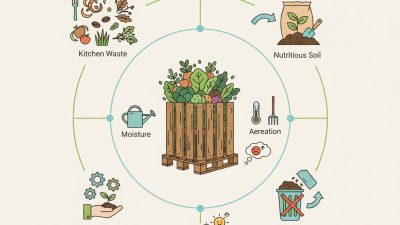
In the composting environment, conditions are key. Adequate moisture, oxygen, and temperature must be maintained for the decomposition to occur effectively. Turning the compost pile regularly aerates it, encouraging microbial activity. As the microorganisms work, they produce heat, aiding the breakdown of tougher materials. Over time, the compost develops a rich, earthy smell, signaling that it’s ready to use.
However, managing a compost system is not without challenges. Balancing carbon-rich and nitrogen-rich materials can be tricky. Too much carbon leads to slow decomposition, while excessive nitrogen can create unpleasant odors. It's a learning process that requires patience and adjustments. Each composting experience offers insights, helping to refine techniques for better results.
Benefits of Using Organic Waste Composters for Home and Garden
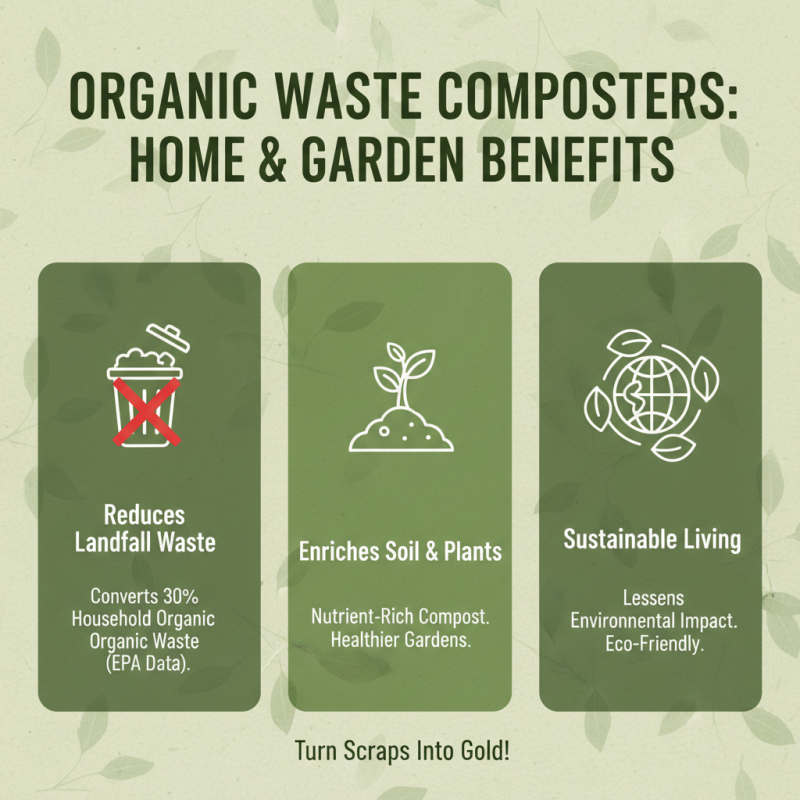
Organic waste composters play a crucial role in sustainable living. They convert kitchen scraps and yard waste into nutrient-rich compost. This process reduces landfill waste significantly. According to the Environmental Protection Agency (EPA), over 30% of household waste is organic material. By composting, households can lessen their environmental impact while enriching their gardens.
Using an organic waste composter offers numerous benefits for home and garden. Compost enhances soil structure and fertility. Studies show that compost can increase crop yields by up to 25%. Additionally, it improves water retention, which is vital in drought-prone areas. Many gardeners find that compost also helps in pest management, reducing the need for chemical fertilizers. This can lead to healthier plants and more flavorful produce.
However, maintaining a composter can come with challenges. Improper ratios of green and brown materials can slow down decomposition. Homeowners may struggle with odors if the composter isn’t aerated properly. It’s also necessary to monitor moisture levels to avoid attracting pests. Embracing composting requires practice and learning from mistakes. With time, it can transform a garden while making a positive environmental impact.
Statistics on Organic Waste Generation and Composting Impact Worldwide
Organic waste accounts for about 50% of global municipal solid waste. According to the World Bank, this figure is growing each year. In 2022, an estimated 2 billion tons of organic waste were generated worldwide. This waste includes food scraps, yard waste, and other biodegradable materials. Composting plays a critical role in transforming this waste into valuable soil amendments.
The benefits of composting are substantial. A report from the Food and Agriculture Organization (FAO) indicates that composting can reduce greenhouse gas emissions by up to 30%. Furthermore, using compost improves soil health, enhancing water retention and nutrient availability. However, many regions still lack adequate composting facilities. This gap leads to missed opportunities for creating sustainable practices.
Tips: Start composting at home with kitchen scraps and yard waste. Even small amounts contribute to composting efforts. Regularly turn your compost pile to ensure proper aeration. Monitor moisture levels to achieve the best results. Reflect on your composting practices to identify areas for improvement.

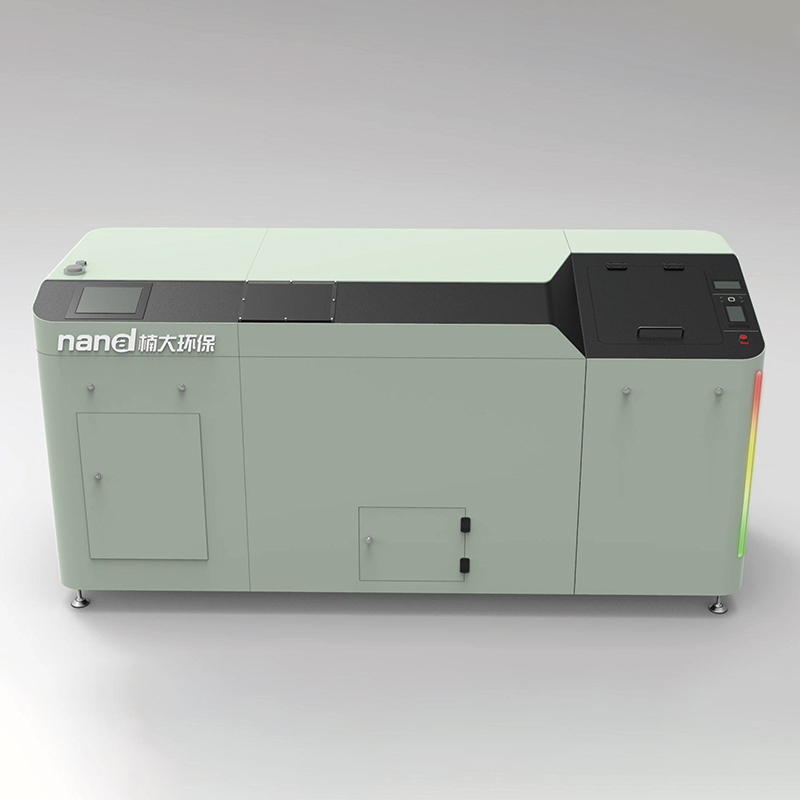 Nanda Trans Series-200
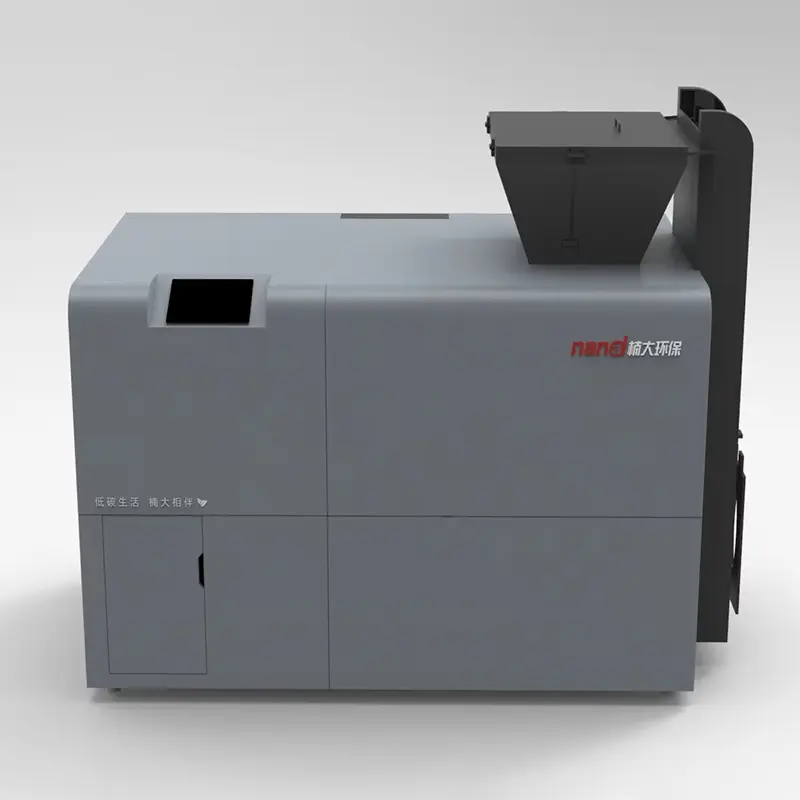 Nanda Trans Series-500
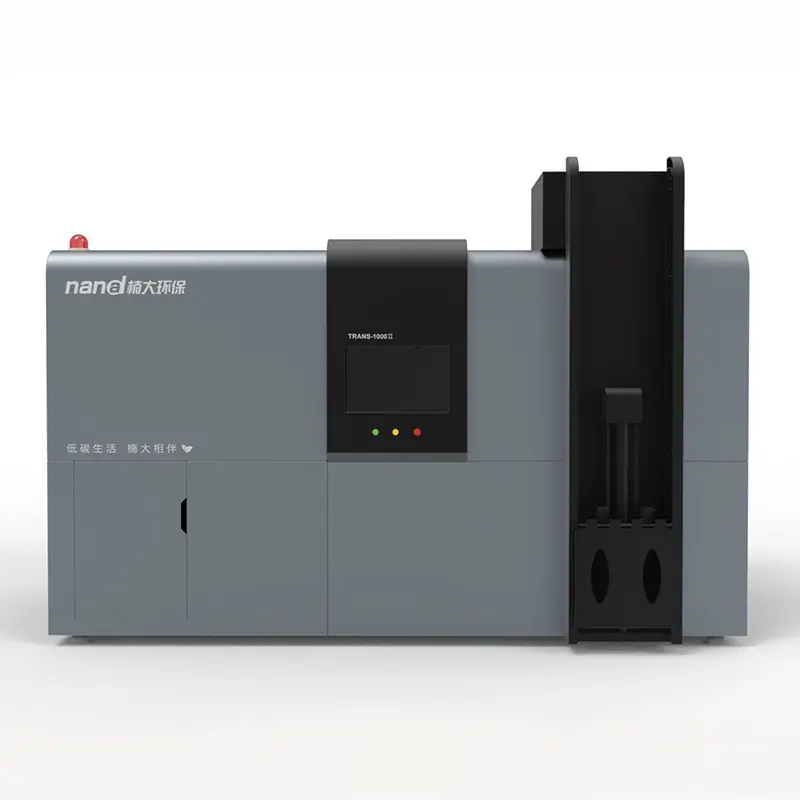 Nanda Trans Series-1000
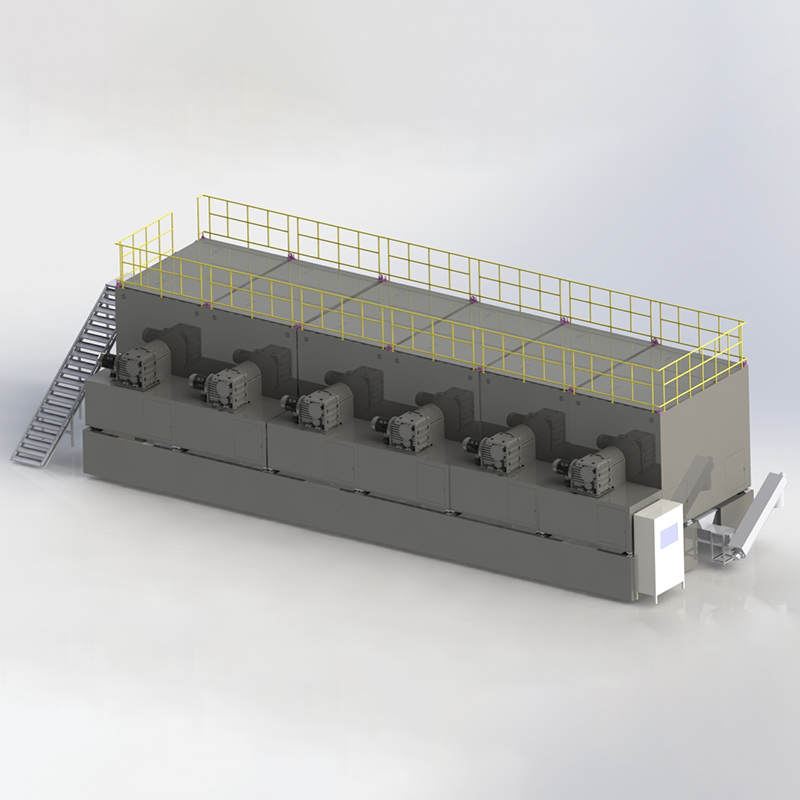 Nanda Trans Series-30000
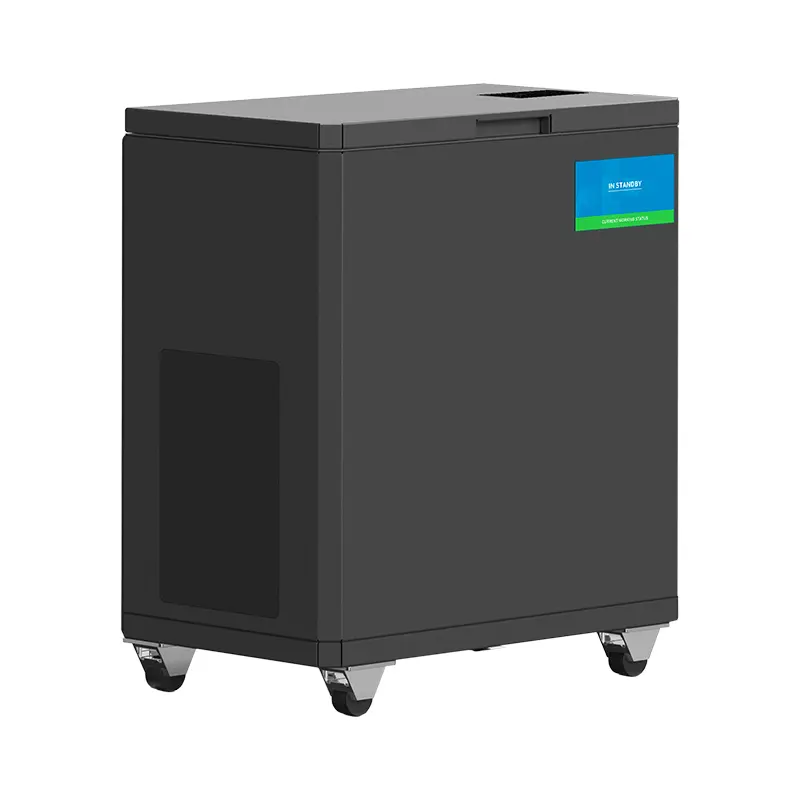 Nanda Thermax Series-100
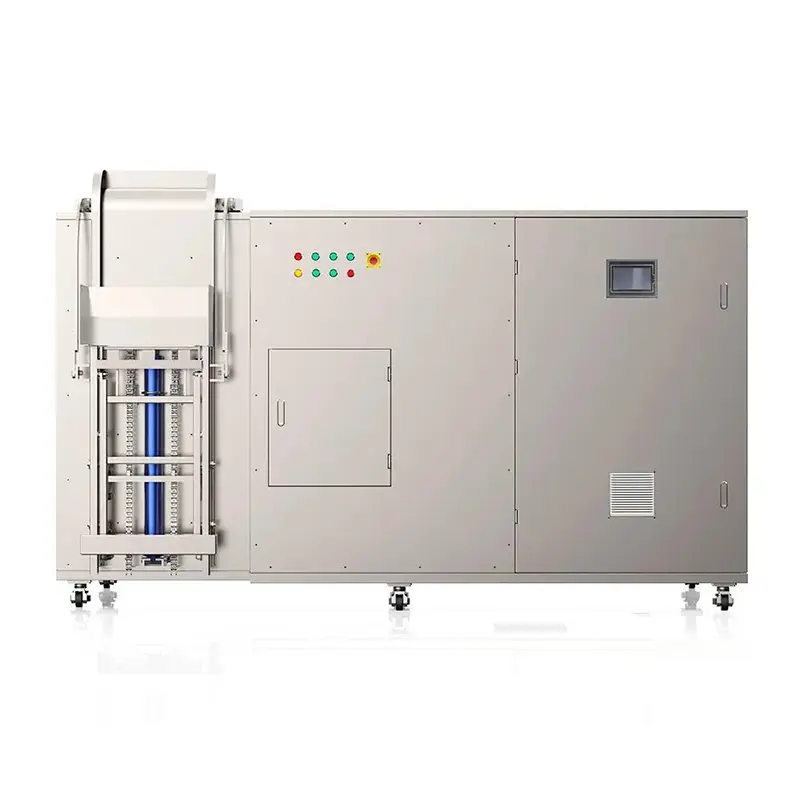 Nanda Thermax Series-200
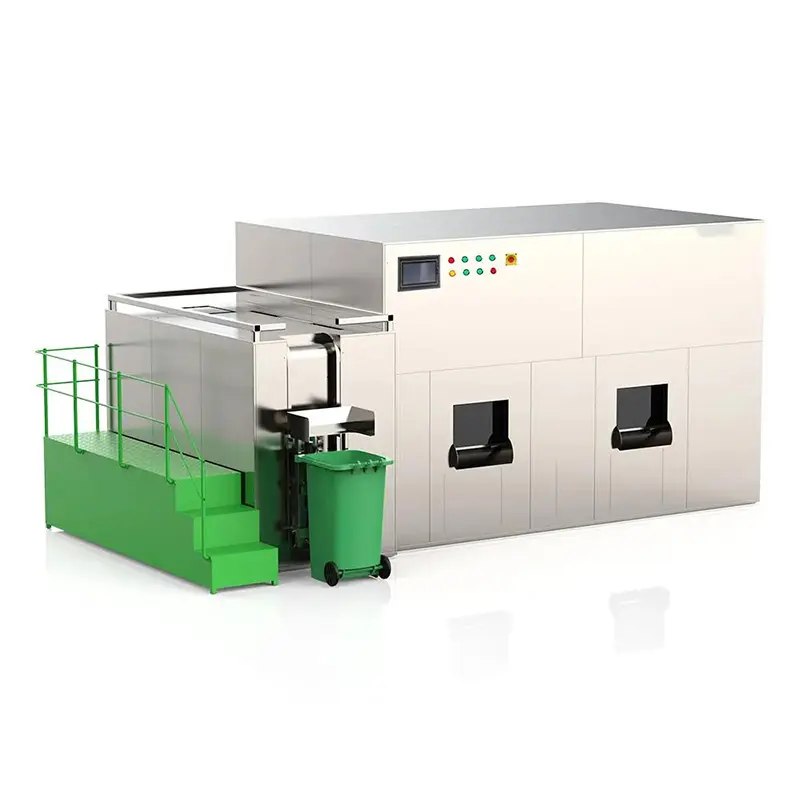 Nanda Thermax Series-2000
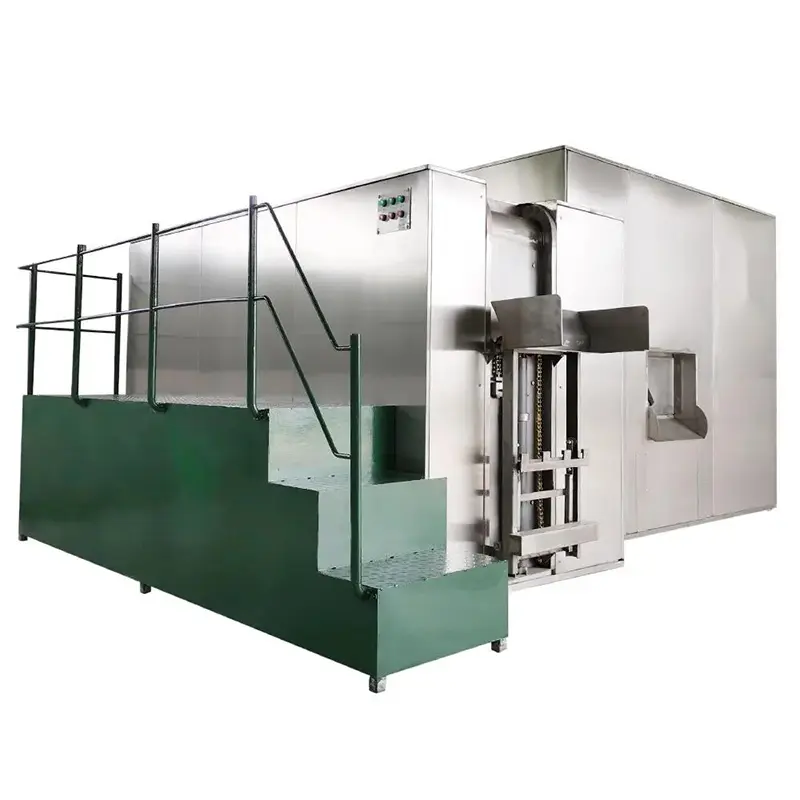 Nanda Thermax Series-10000
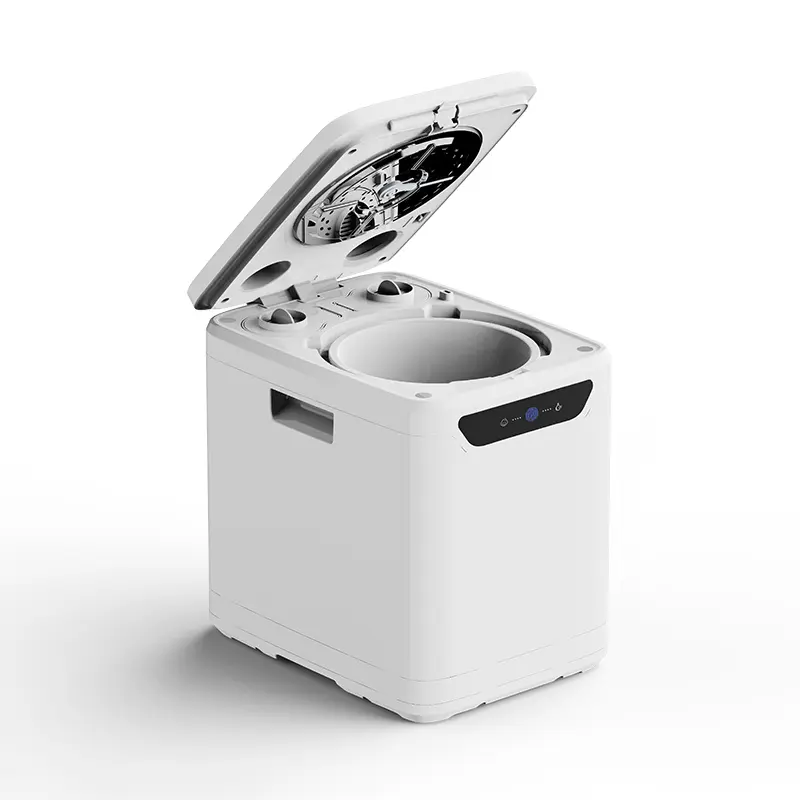 Nanda Turbo Series-3.5L-016
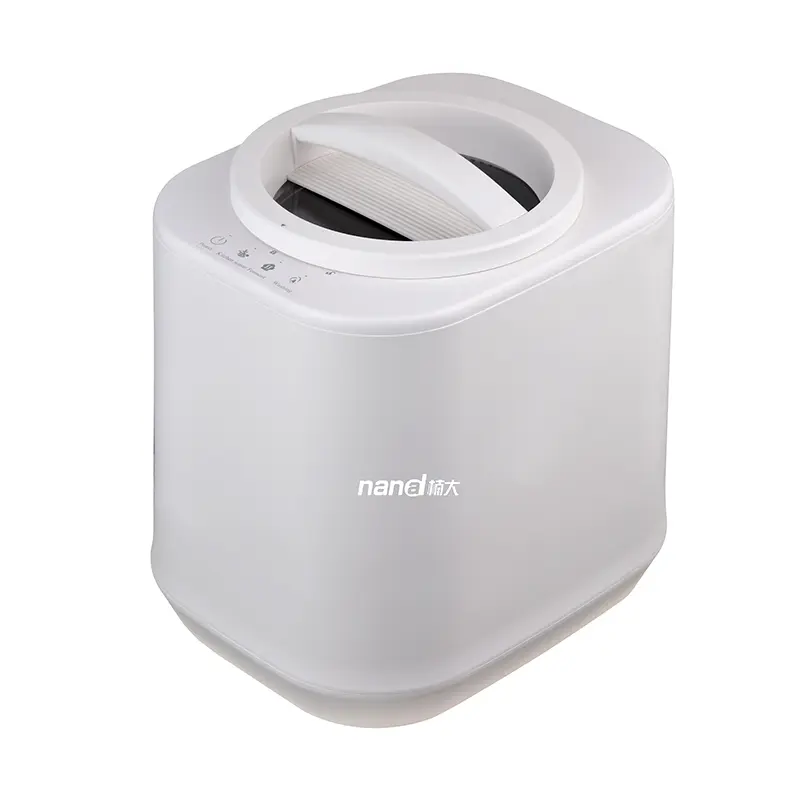 Nanda-Turbo Series-4L-011
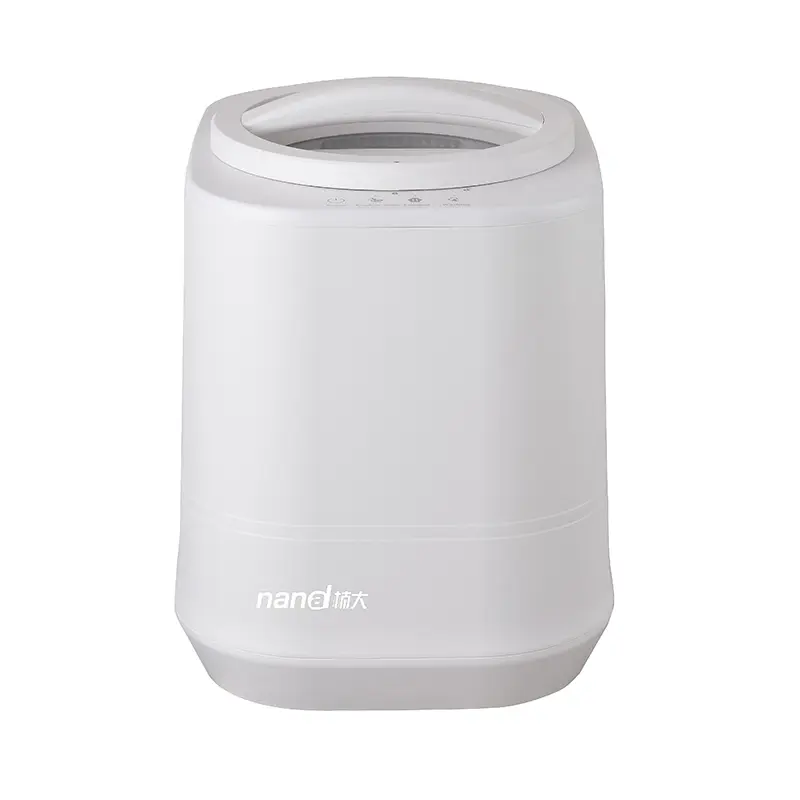 Nanda Turbo Series-4L-012
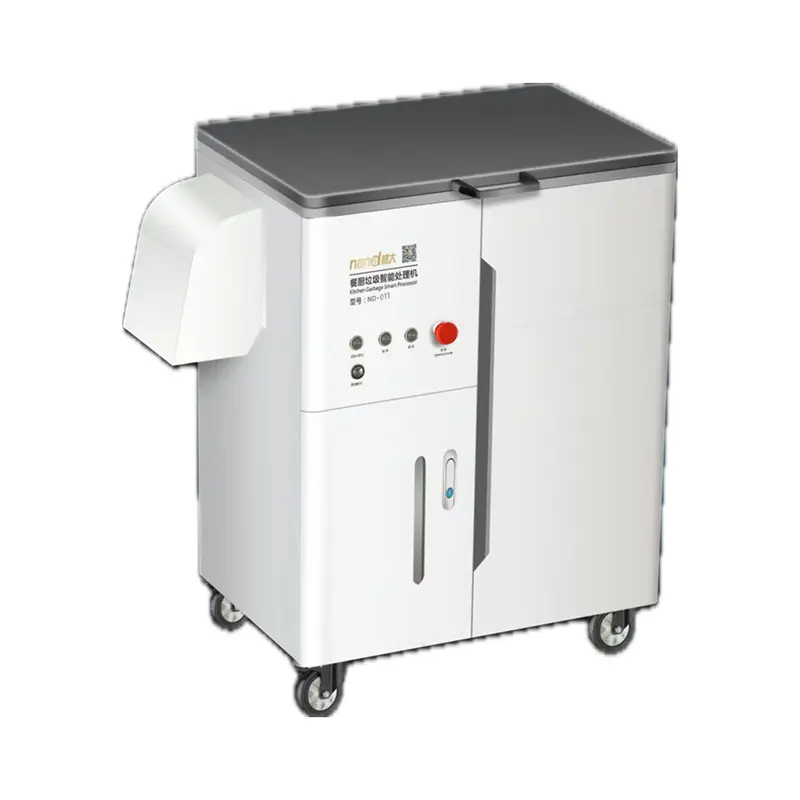 Oil-Water Separator