Why Use a Tabletop Compost Bin for Sustainable Living?
In recent years, the popularity of sustainable living has surged. A significant aspect of this movement is composting. According to the Environmental Protection Agency (EPA), approximately 30% of what we throw away is organic material. This waste could be composted instead. A Tabletop Compost Bin offers a practical solution for urban dwellers. It allows us to recycle food scraps conveniently right in our kitchens.
Many people are unaware of how beneficial composting can be. A report from the Institute of Food Technologists highlights that composting can reduce greenhouse gas emissions by 20%. By using a Tabletop Compost Bin, individuals contribute to cleaner air and healthier soil. Yet, some find the process daunting and may not initially see the results. It requires patience and commitment.
The transition to composting isn't always perfect. Users may face challenges like odor or pests. However, these issues often lead to valuable lessons in waste management. Ultimately, a Tabletop Compost Bin can transform our kitchen waste into nutrient-rich compost, enhancing both our gardening efforts and our commitment to sustainable living.
The Concept of Tabletop Composting in Sustainable Living
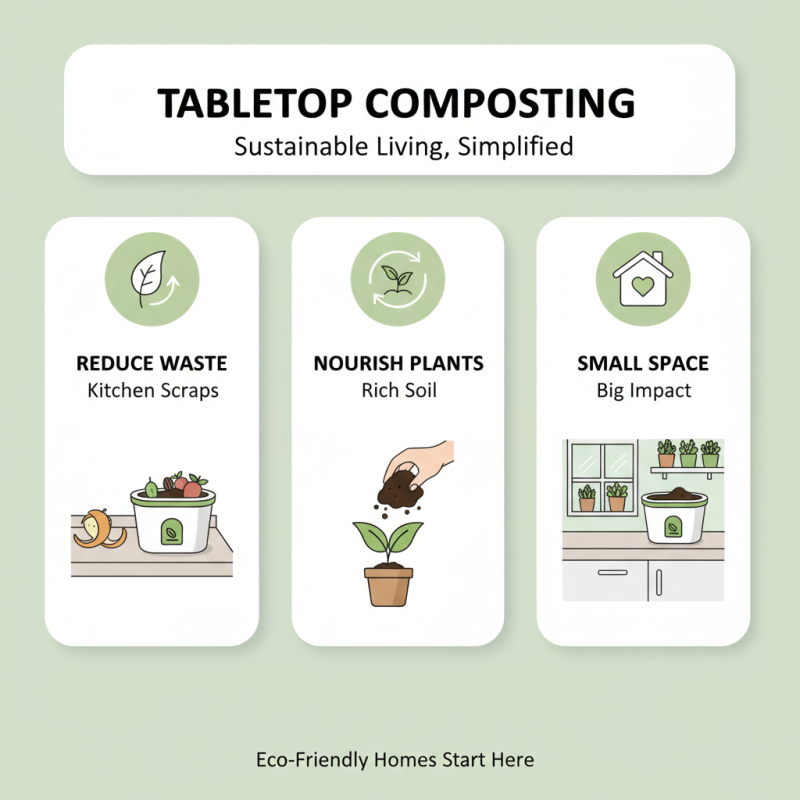
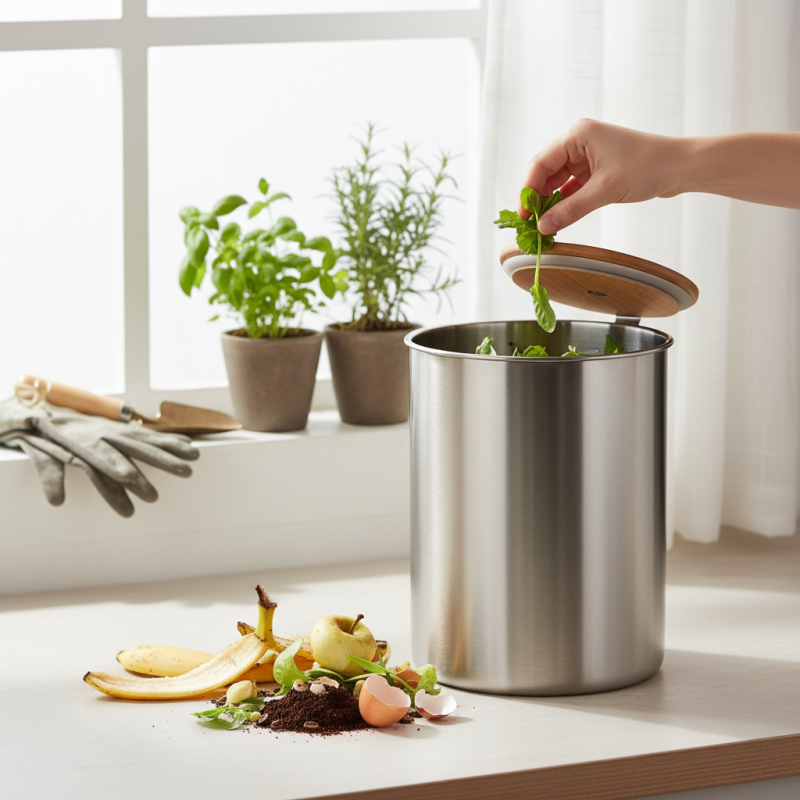
Tabletop composting is a simple yet powerful way to embrace sustainable living. This method allows individuals to compost kitchen scraps conveniently on a kitchen countertop. With small containers, you can recycle food waste, reducing its ecological footprint. It's a tangible step toward making a difference in your home. A compact bin fits neatly in small spaces, making it accessible for anyone.
Imagine peeling vegetables and collecting scraps in your compost bin. Over time, these scraps transform into nutrient-rich compost. It can nourish your indoor plants or garden. However, tabletop composting isn't always perfect. The process requires the right balance of materials, moisture, and airflow. Sometimes, odors may arise if the conditions aren’t ideal. It's essential to monitor and adjust regularly.
Many people struggle with consistency in composting. It’s easy to forget about the bin amidst daily routines. Yet, each small effort contributes to a larger vision of sustainability. By incorporating this process into your life, you actively participate in reducing landfill waste. Embracing tabletop composting can require patience and attention, but the rewards are meaningful.
Benefits of Using a Tabletop Compost Bin at Home
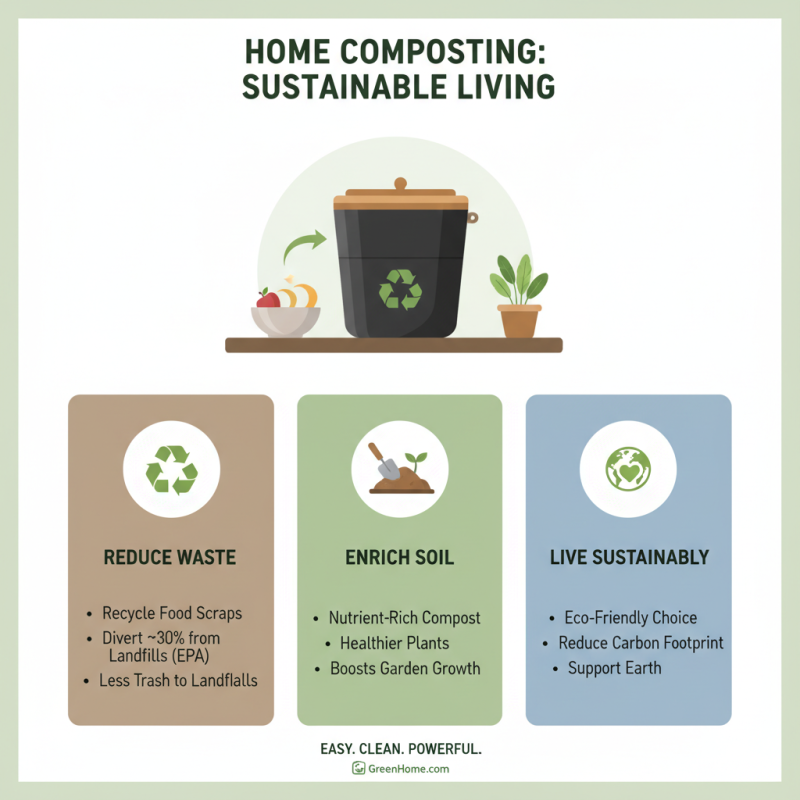
Using a tabletop compost bin at home offers numerous advantages for sustainable living. It allows individuals to recycle organic waste, reducing landfill contributions. According to the EPA, composting can divert about 30% of household waste. This is significant. It not only cuts down on waste but also enriches soil, making it healthier for plants.
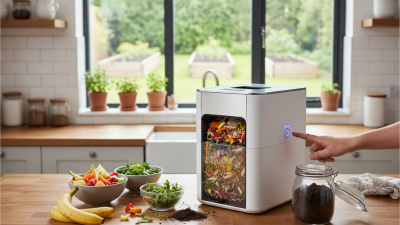
Tabletop compost bins are convenient for small spaces. They fit easily on kitchen counters. You can compost fruit peels, vegetable scraps, and coffee grounds without hassle. Each of these items decomposes quickly, transforming waste into nutrient-rich compost. This process helps reduce harmful methane emissions from landfills. It’s a simple shift towards eco-friendliness.
**Tip:** Start by adding small amounts of waste. Balance it with carbon-rich materials, like dried leaves or shredded paper. Over time, your compost will improve.
One challenge is odor control. If not managed, compost bins can develop smells. Regularly turning the compost and ensuring proper ventilation can help. Also, consider aeration as a way to mitigate odors. Composting can be messy and requires attention. It’s a learning curve, but an essential one for sustainable living. Embracing the imperfections in this process can lead to better practices over time.
Essential Features of a Quality Tabletop Compost Bin
Using a tabletop compost bin can greatly enhance sustainable living practices. These bins are compact and designed to fit in small spaces. They help create nutrient-rich compost from kitchen scraps. This compost enriches soil and reduces waste. Many people overlook kitchen waste’s potential usefulness. Instead of tossing organic scraps, why not transform them?
When selecting a quality compost bin, consider its material. Look for sturdy options that can withstand the rigors of daily use. Some bins are designed with odor control features. This is essential, especially in small kitchens. Ensure there’s adequate ventilation. A well-ventilated bin helps speed up the composting process. Remember that composting can sometimes attract unwanted pests. Having a secure lid can help minimize this risk.
Another feature to look for is ease of access. Choose a bin that allows for simple addition of scraps. Some bins even feature a sliding door for convenience. You’ll want to check if it’s easy to clean. A bin that’s tough to maintain may lead to neglect. Reflect on your own composting habits; are you really committed? The right bin can make a difference in your journey toward sustainability.
Why Use a Tabletop Compost Bin for Sustainable Living? - Essential Features of a Quality Tabletop Compost Bin
| Feature |
Description |
Benefits |
| Size |
Compact design to fit on countertops or small spaces. |
Ideal for apartments or limited kitchen space. |
| Material |
Durable materials such as stainless steel or BPA-free plastic. |
Long-lasting and safe for composting food waste. |
| Odor Control |
Features a tight-sealing lid and airflow management. |
Minimizes odors even in indoor settings. |
| Ease of Use |
User-friendly design with easy access for adding materials. |
Encourages regular composting practices. |
| Ventilation |
Air vents for adequate airflow to aid decomposition. |
Promotes efficient composting process. |
| Aesthetics |
Available in various colors and designs to match decor. |
Enhances kitchen appearance while being functional. |
How to Start Composting with a Tabletop Bin: A Step-by-Step Guide
Composting with a tabletop bin is an excellent way to embrace sustainable living. This method suits small spaces, making it approachable for urban dwellers. According to the EPA, food scraps and yard waste make up about 30% of what we throw away. Composting reduces landfill waste significantly while enriching your soil and supporting plant growth.
To start, choose a compact bin that fits your kitchen. Collect vegetable scraps, coffee grounds, and eggshells. Avoid meats and dairy, as they attract pests. Keeping your compost aerated is essential. Stir it every few days for best results. A balanced mix of green (nitrogen-rich) and brown (carbon-rich) materials is crucial.
Tips: Monitor moisture levels in your bin. Too much water can lead to odors. If it’s feeling too dry, add a little water or extra green materials. Understand that composting is a learning process. Beginners may experience challenges, like odors or slow breakdown. Reflect on these moments to improve your techniques. Engage in the journey; it’s rewarding!
Common Mistakes to Avoid When Using a Tabletop Compost Bin
When using a tabletop compost bin, avoid common mistakes that can lead to unpleasant results. Many beginners mistakenly add too many dry materials, like cardboard or paper. This can cause the compost to become too dense and inhibit airflow. Remember, balance is key to successful composting.
Another common error is neglecting to turn the compost regularly. Turning it helps aerate the mixture and speeds up the decomposition process. Without it, your compost may produce bad odors or attract pests. Don't forget to mix your greens and browns well.
Tips: Use a ratio of three parts browns to one part greens. This helps maintain the right moisture level and promotes efficient breakdown. Consider adding a few worms; they work wonders in a compact bin. Start small, and adjust based on your composting needs. Don't be surprised if things get messy; that's part of the process! Keep experimenting until you find what works best for you.

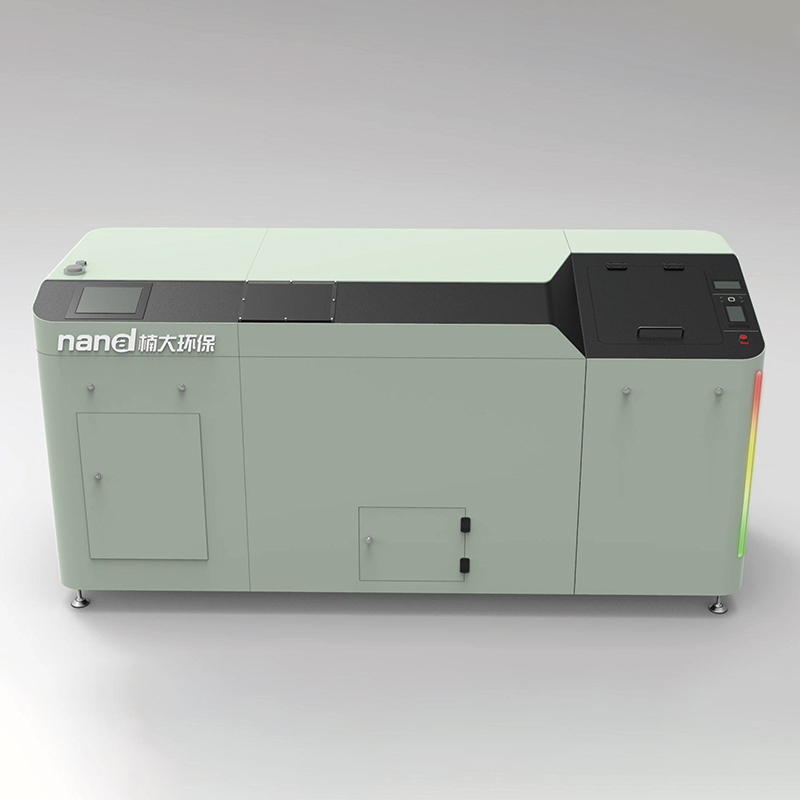 Nanda Trans Series-200
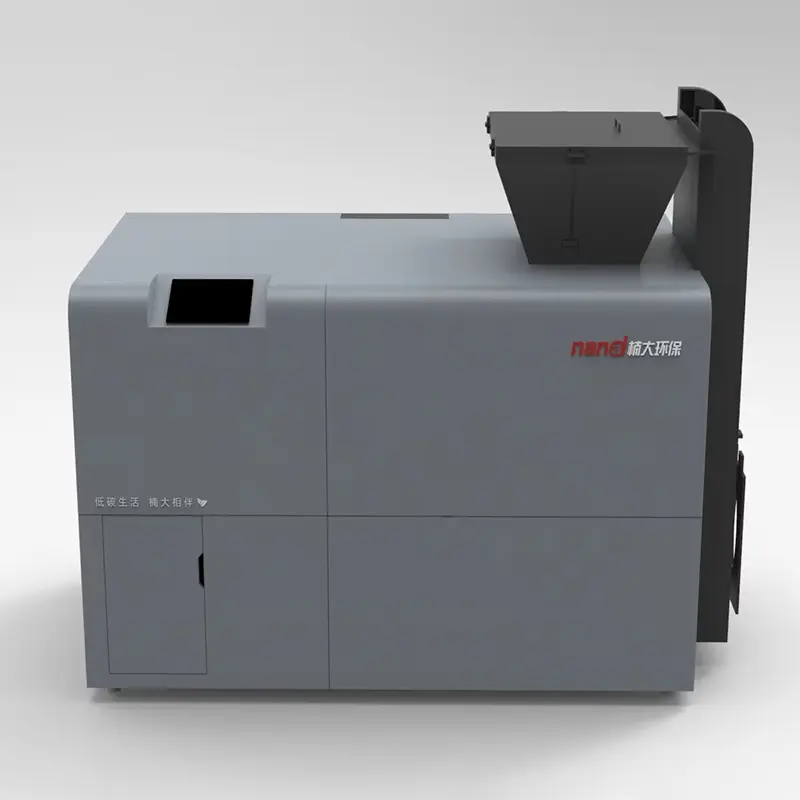 Nanda Trans Series-500
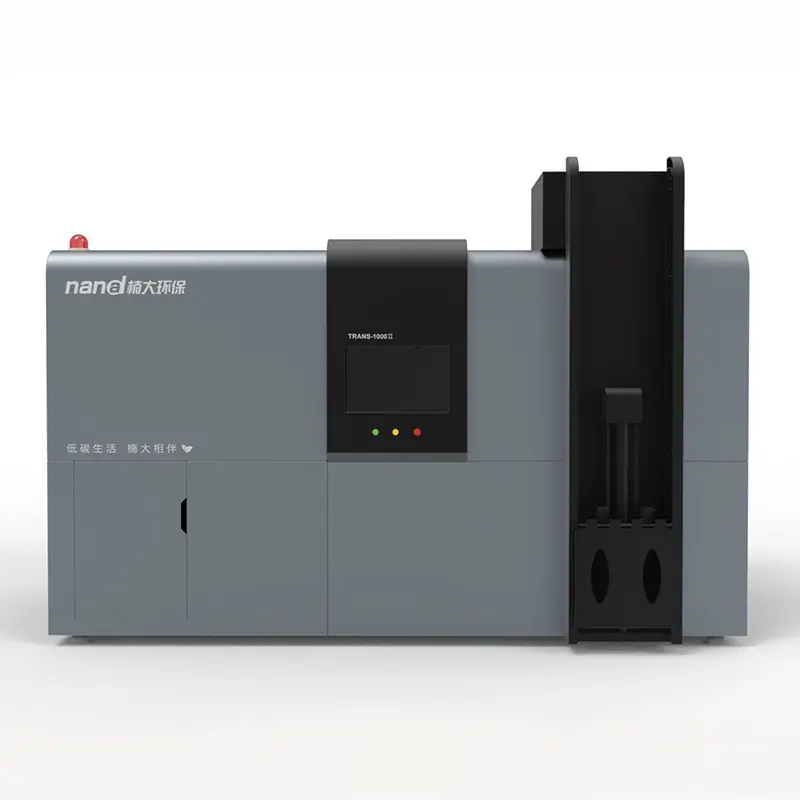 Nanda Trans Series-1000
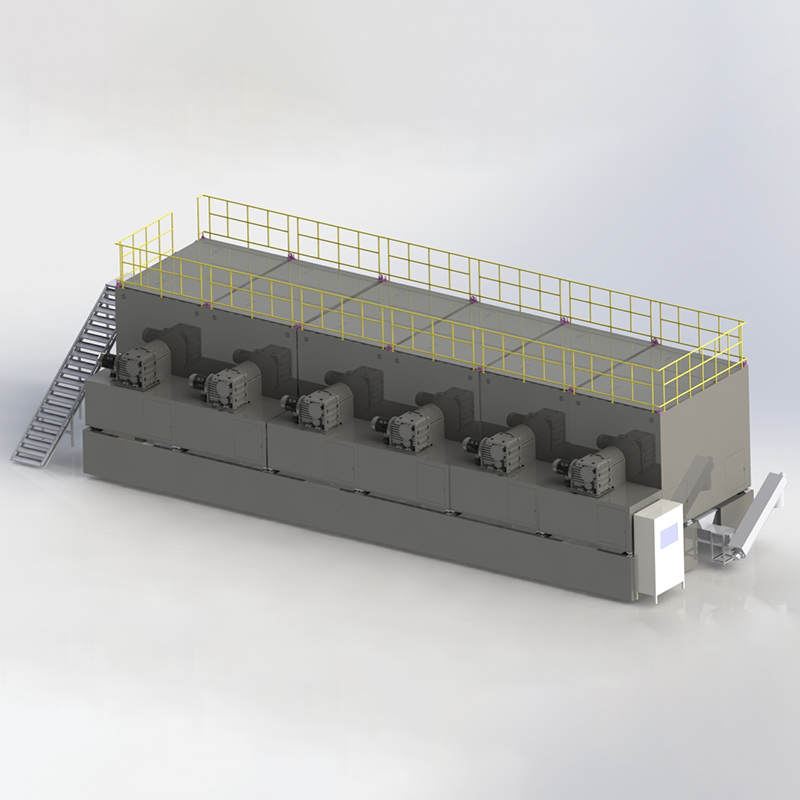 Nanda Trans Series-30000
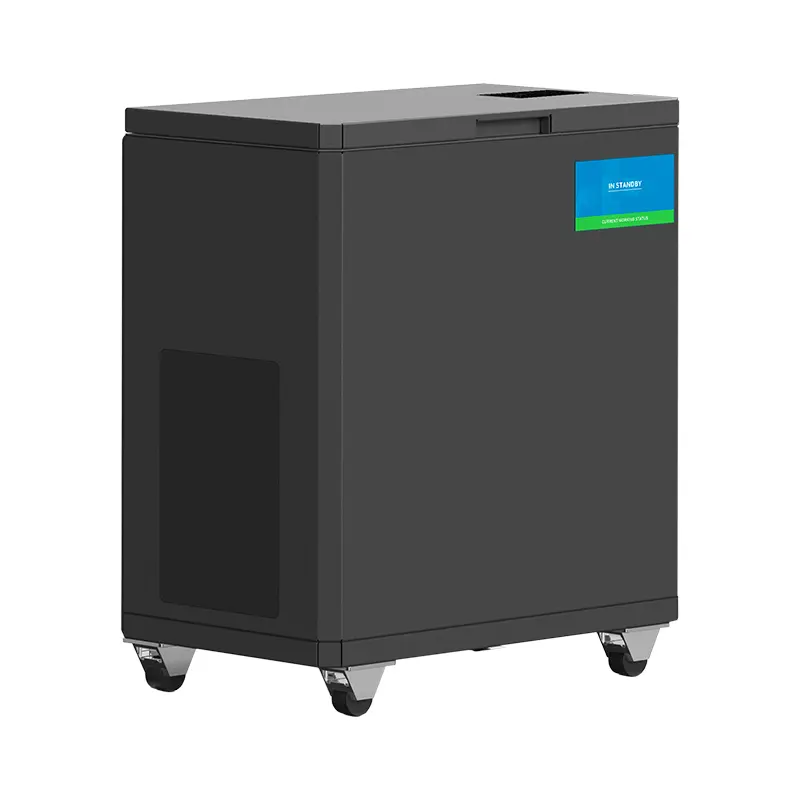 Nanda Thermax Series-100
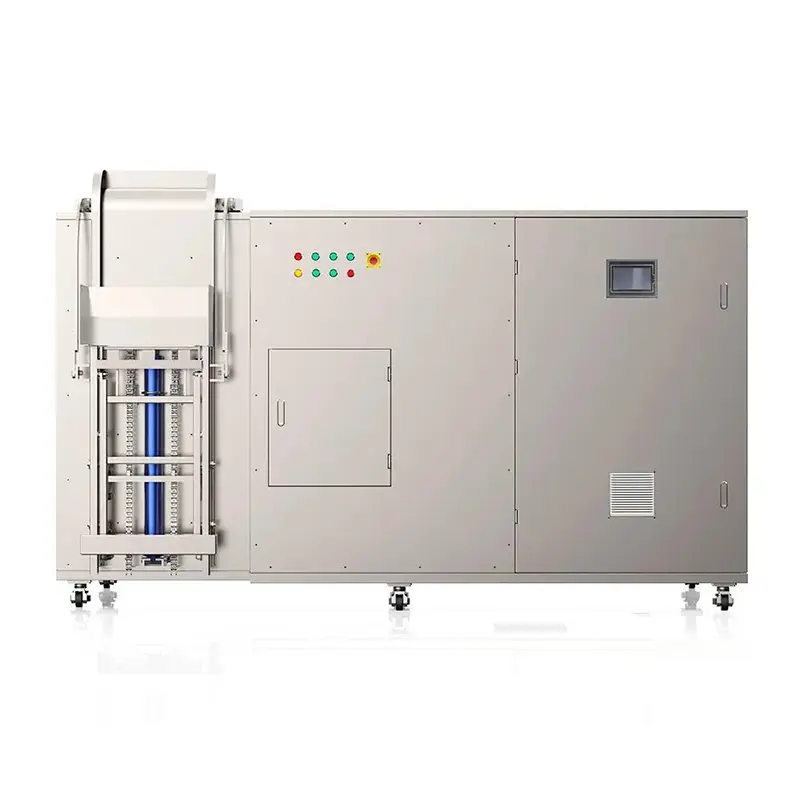 Nanda Thermax Series-200
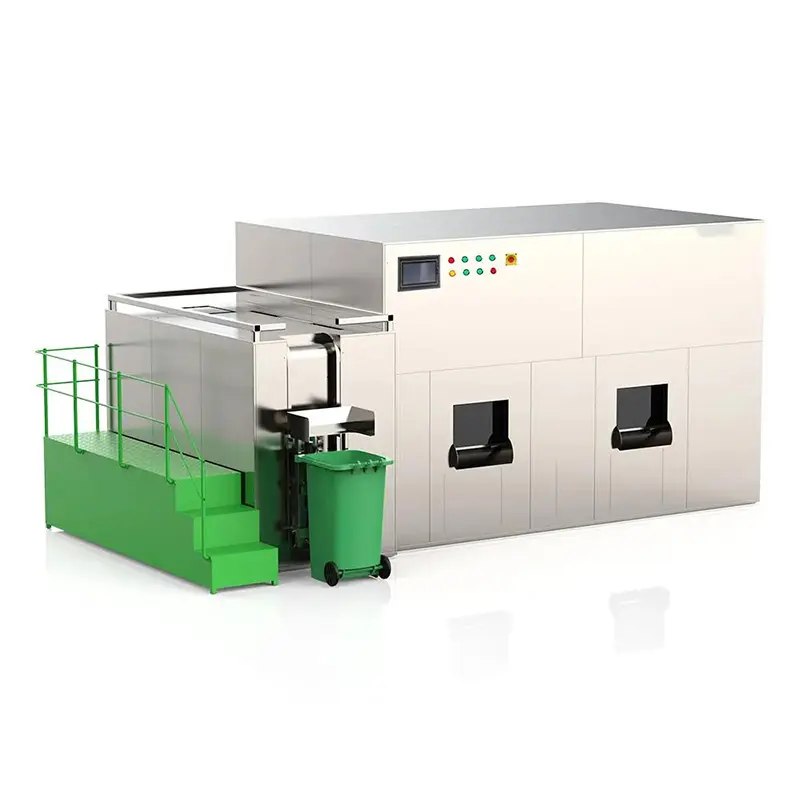 Nanda Thermax Series-2000
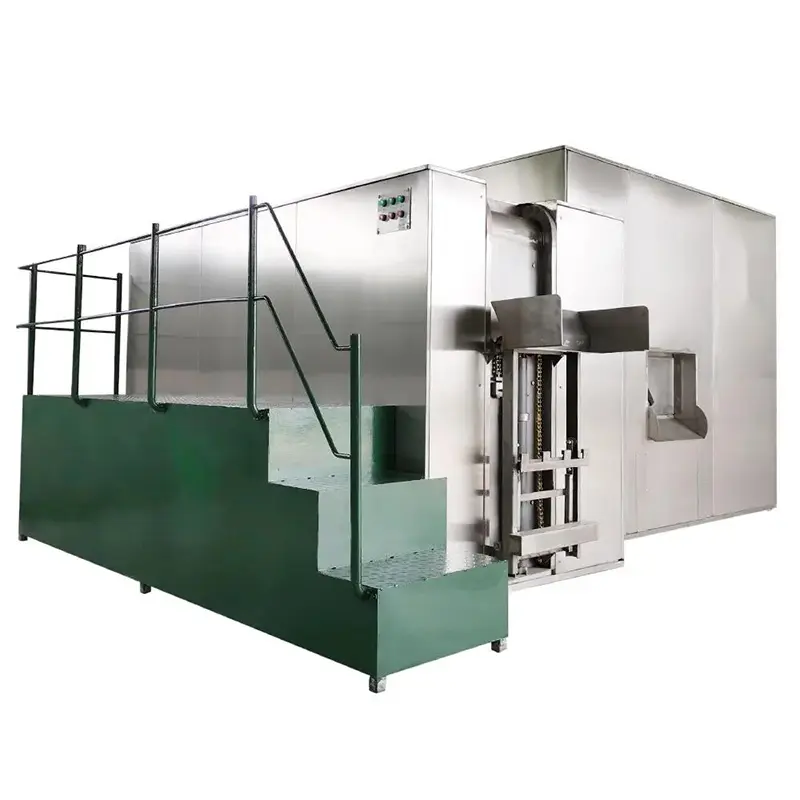 Nanda Thermax Series-10000
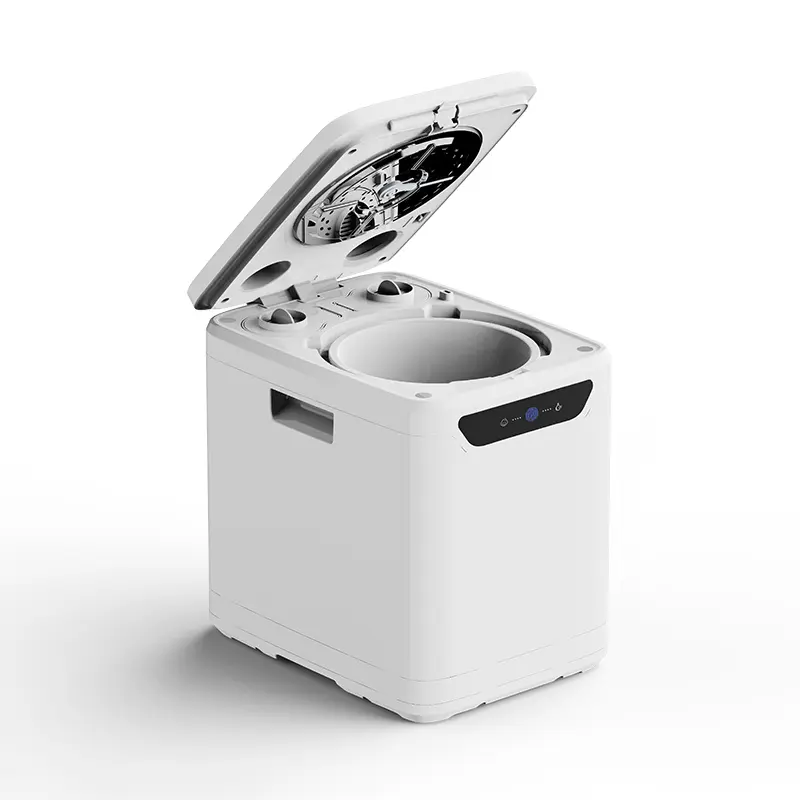 Nanda Turbo Series-3.5L-016
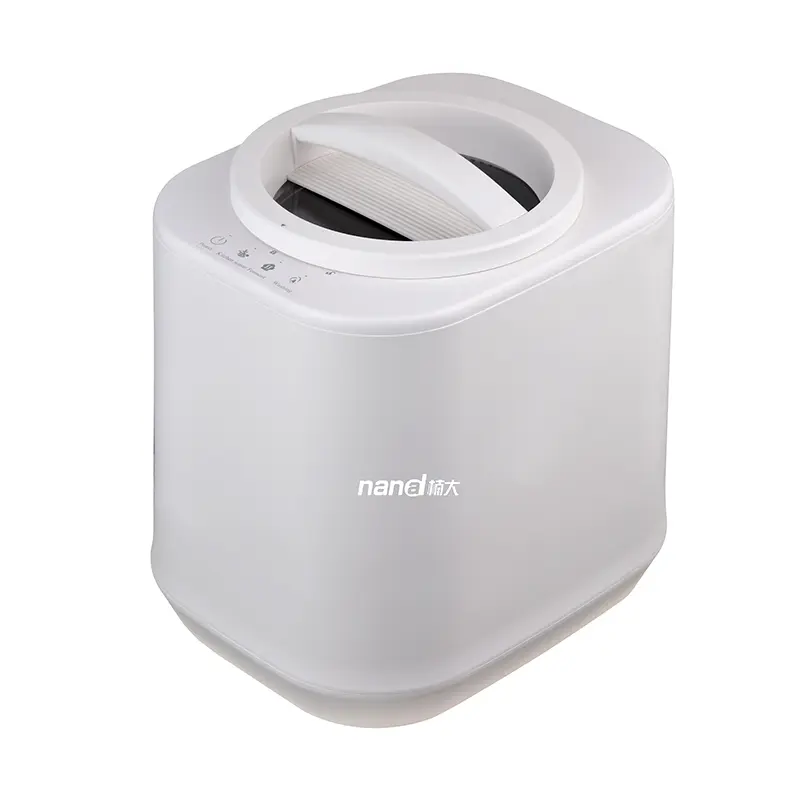 Nanda-Turbo Series-4L-011
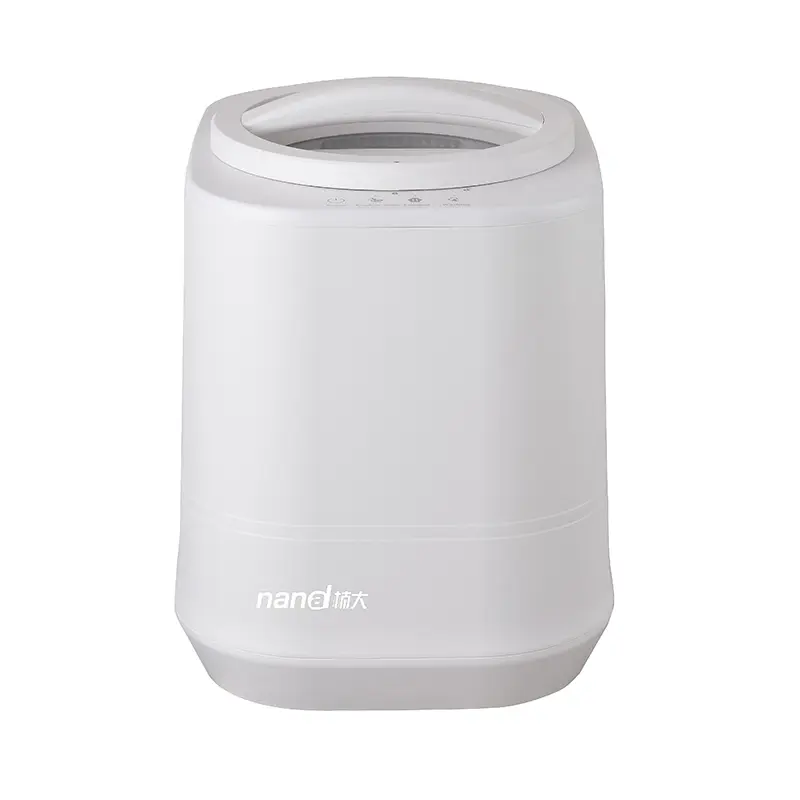 Nanda Turbo Series-4L-012
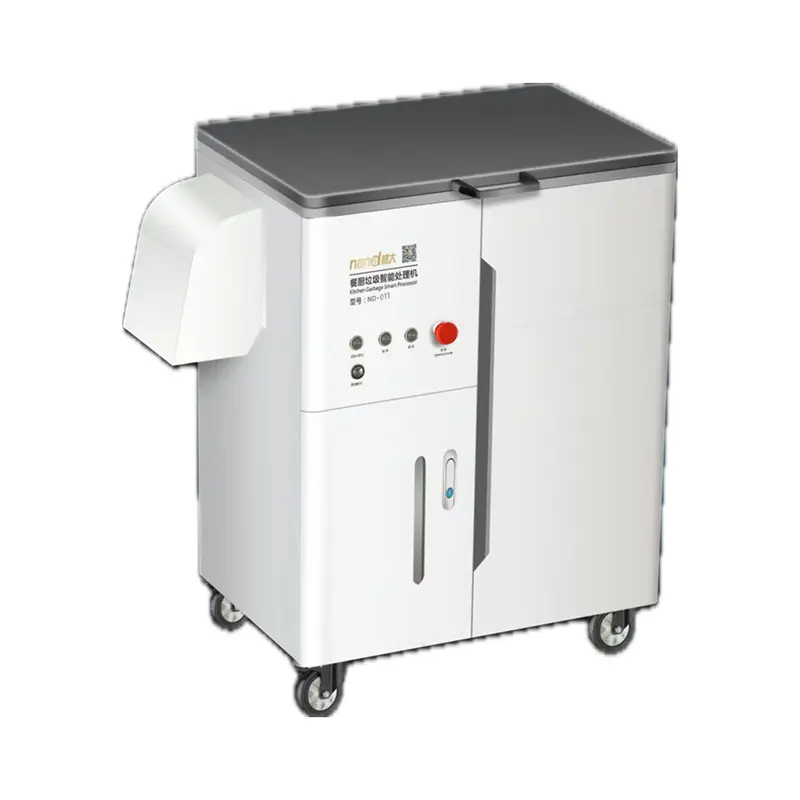 Oil-Water Separator