Why You Should Consider a Tabletop Compost Bin for Your Home
As environmental concerns rise, more homeowners are turning to sustainable practices. One effective solution is the "Tabletop Compost Bin." This compact system allows individuals to recycle their kitchen scraps efficiently. According to a recent market report by EcoExperts, the composting industry has seen a 25% growth in the last five years. This trend indicates a rising awareness of waste reduction and soil health.
Expert Jane Smith, a leading voice in sustainable living, states, "Using a Tabletop Compost Bin transforms waste into valuable resources." Her insight emphasizes the importance of accessible composting for urban dwellers. These bins can fit into small spaces, making them ideal for apartments and small homes.
However, not all composting methods suit everyone's lifestyle. Some may struggle with odors or maintaining the balance of greens and browns. It’s essential to understand the nuances before committing. Composting, while beneficial, requires effort and attention. The journey toward sustainability demands both motivation and a willingness to learn.
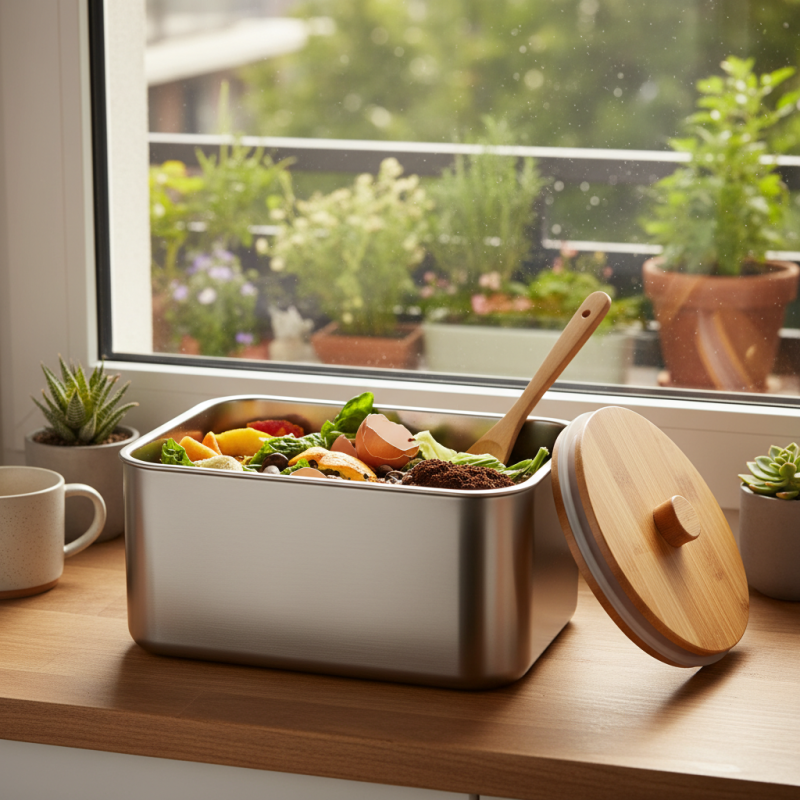
Benefits of Using a Tabletop Compost Bin in Your Home
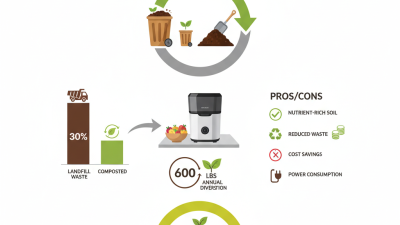
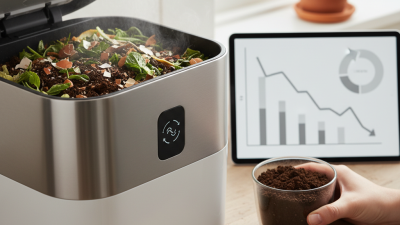
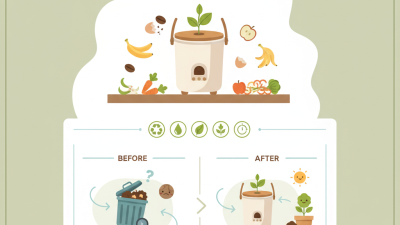
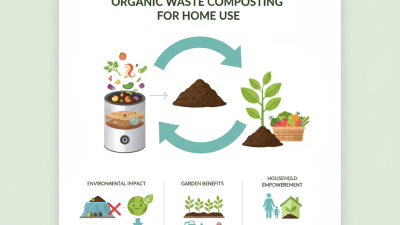
A tabletop compost bin can be a game changer for your home. It helps recycle kitchen scraps, reducing waste. You can compost fruit peels, vegetable trimmings, and coffee grounds. It provides a simple way to create nutrient-rich soil for your plants. Home composting can be rewarding for many, but it does take time to adjust.
Using a compost bin also reduces the volume of trash you send to landfills. It minimizes harmful methane emissions. When you compost at home, you actively contribute to environmental wellness. Yet, some may find it challenging to manage odors. Choosing the right balance of materials is crucial.
Creating compost at home may not work for everyone. Some people may feel overwhelmed by the process. However, starting small and learning along the way brings satisfaction. Watching your scraps turn into rich compost is exciting. You may encounter failures, but every try teaches you something new. Keep experimenting to find what works best for your household.
How to Choose the Right Location for Your Compost Bin
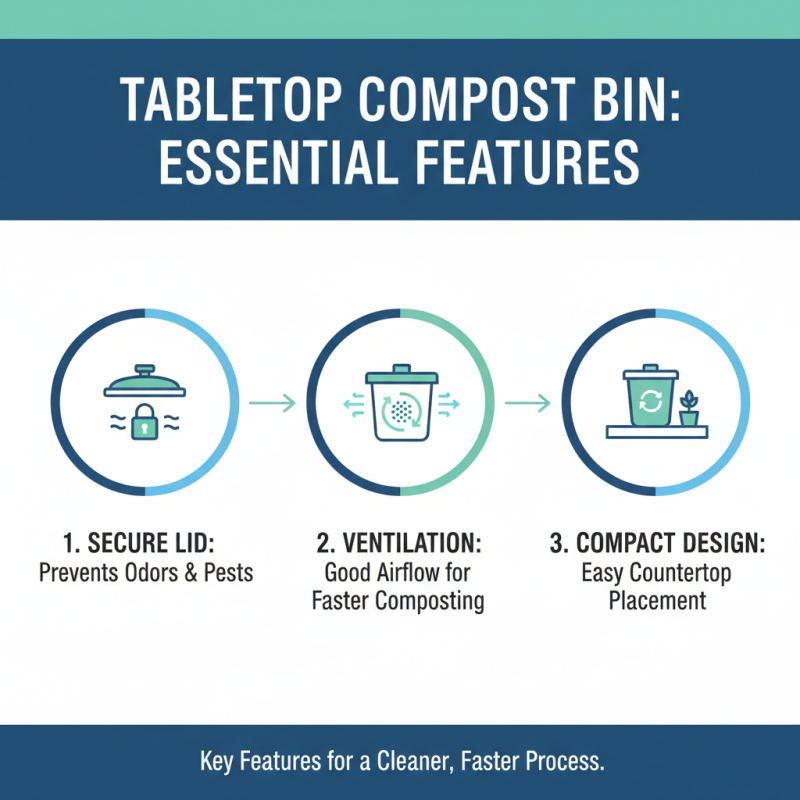
Choosing the right location for your tabletop compost bin is crucial for effective composting. Ideally, place it in a spot that is easily accessible. A kitchen counter or a corner of your home can work well. The bin should be near your food prep area, encouraging you to compost kitchen scraps regularly. Many people overlook this aspect and choose distant locations. Remember, convenience matters.
Consider light and ventilation. Compost bins thrive in a warm, aerated environment. A spot near a sunny window is ideal. Research shows that materials break down faster with warmth. However, too much sunlight can dry out the compost. Monitor moisture levels to ensure your compost remains balanced.
Tips: Rotate the bin occasionally. This helps aerate the contents and speeds up the composting process. Additionally, check for odors. If your compost smells off, it might need more carbon-rich materials, like dry leaves. Adjusting your location might also help. Not all homes are perfect for indoor composting; some may require outdoor setups. Reflect on your space and lifestyle to find the best fit.
Tips for Maintaining Your Tabletop Compost Bin Effectively
Maintaining a tabletop compost bin can be rewarding yet challenging. Start by balancing the green and brown materials. Greens include fruit scraps and vegetable peels. Browns involve dried leaves and cardboard. Too many greens can create odor. Too many browns slow decomposition. Aim for a mix that keeps the bin healthy.
Regularly turning the compost is essential. This aerates the pile and speeds up the process. A simple tool can help in mixing. You might forget to turn it now and then. That’s okay. Just remember to check the moisture level. If it feels dry, add some water. Compost should feel like a damp sponge.
Don’t get discouraged if it doesn’t work perfectly at first. A strong smell or too slow decomposition can happen. Adjust the ingredients if necessary. Patience is key. Over time, the compost will transform into nutrient-rich material. Enjoy the process and learn as you go.
Common Misconceptions About Composting in Small Spaces
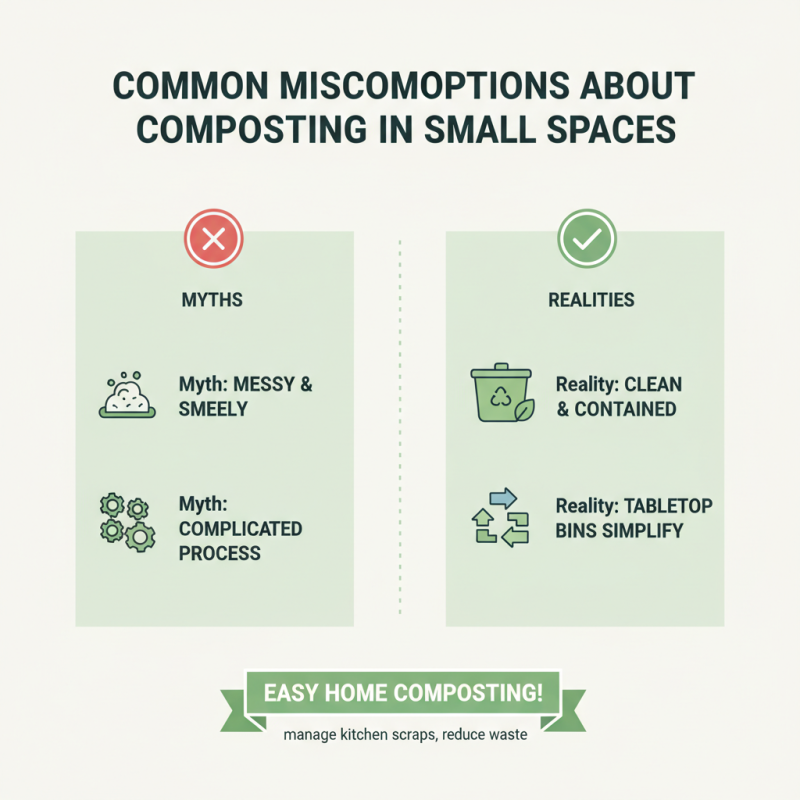
Composting at home often sparks misconceptions, especially for those in small spaces. Many think it's messy or complicated. However, a tabletop compost bin can simplify the process. It's a neat, contained way to manage kitchen scraps without overwhelming your living area.
Tip: Start with just vegetable peels, eggshells, and coffee grounds. Collect them in your bin and avoid adding meat or dairy. These items can attract pests and create odors. Balance is key. Too much wet waste can lead to an imbalance. Add dry materials like shredded newspaper or cardboard to absorb excess moisture.
Another common worry is odor. A well-maintained compost bin shouldn’t smell bad. If you notice unpleasant odors, you may need to adjust the balance of your compost. Aerate it regularly to promote decomposition. This will keep the compost healthy, nutrient-rich, and odor-free.
Creating compost doesn’t have to be a daunting task. It can be a small, rewarding part of your daily routine. Embrace the learning curve. Mistakes may happen, but they provide opportunities for adjustment. Reflect on what works best for you and your household.

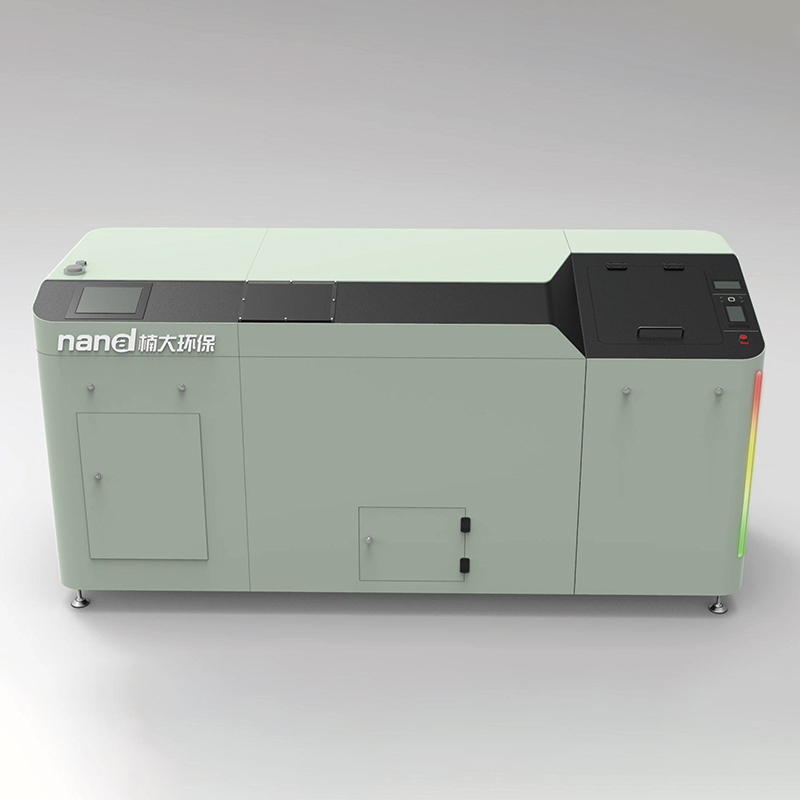 Nanda Trans Series-200
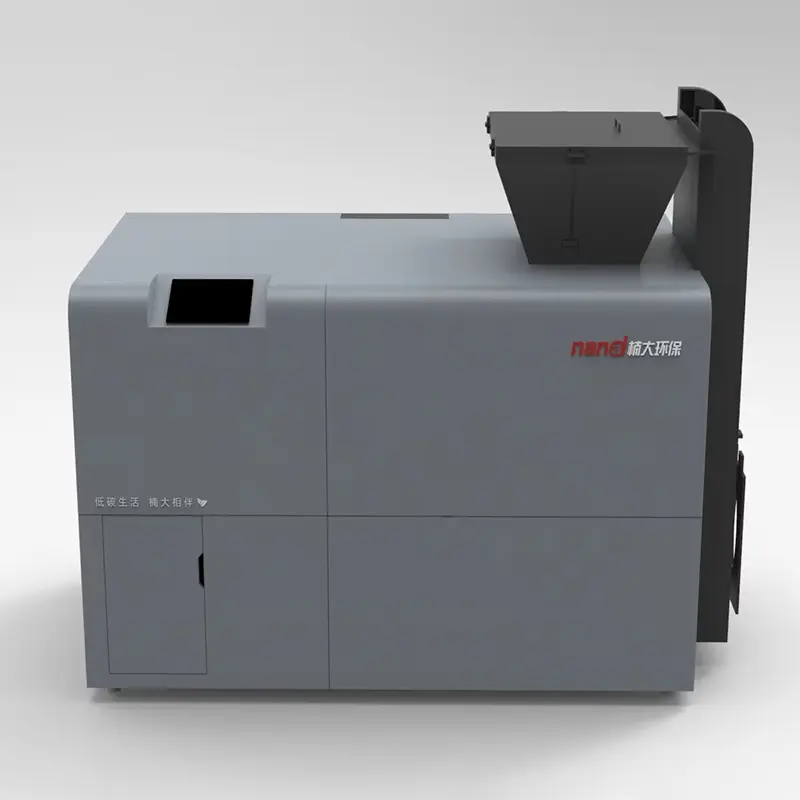 Nanda Trans Series-500
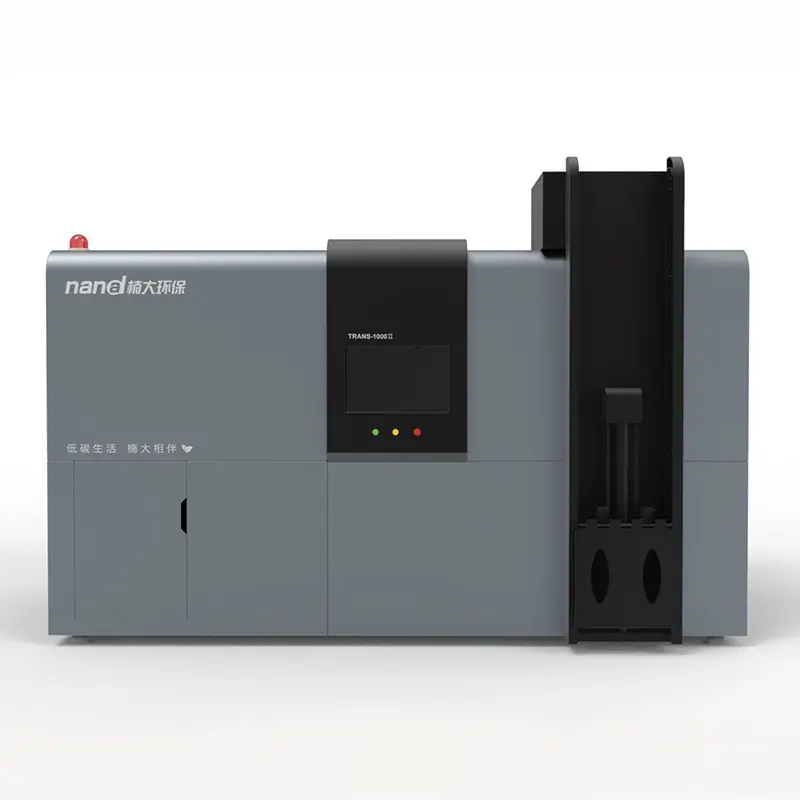 Nanda Trans Series-1000
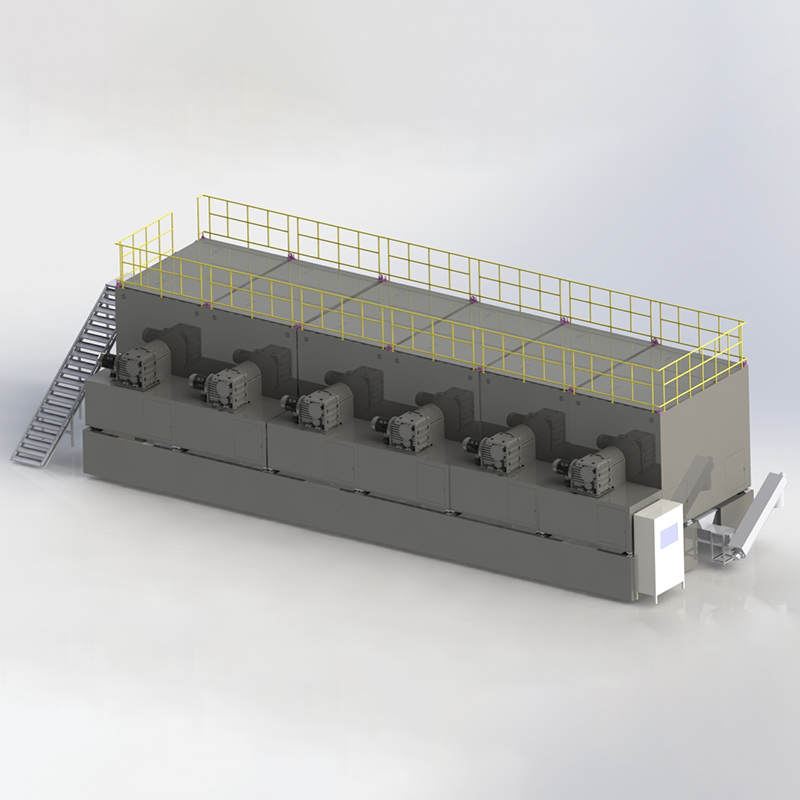 Nanda Trans Series-30000
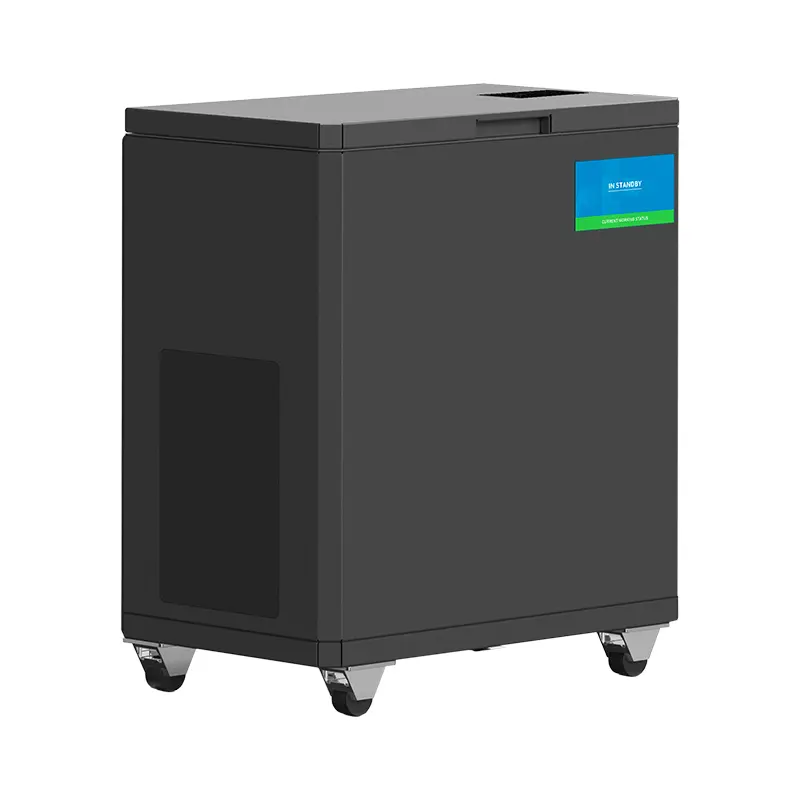 Nanda Thermax Series-100
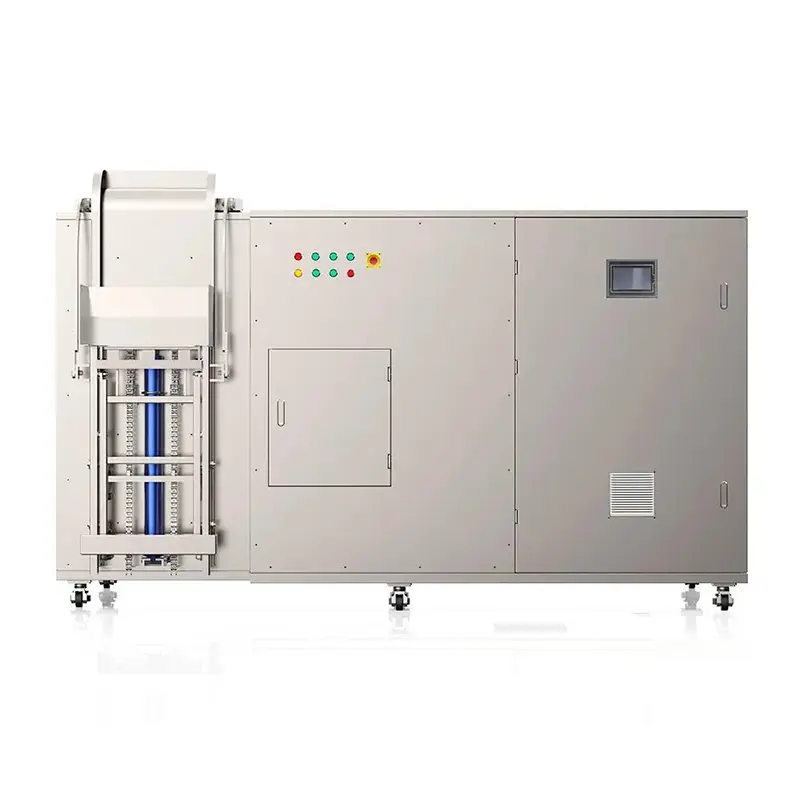 Nanda Thermax Series-200
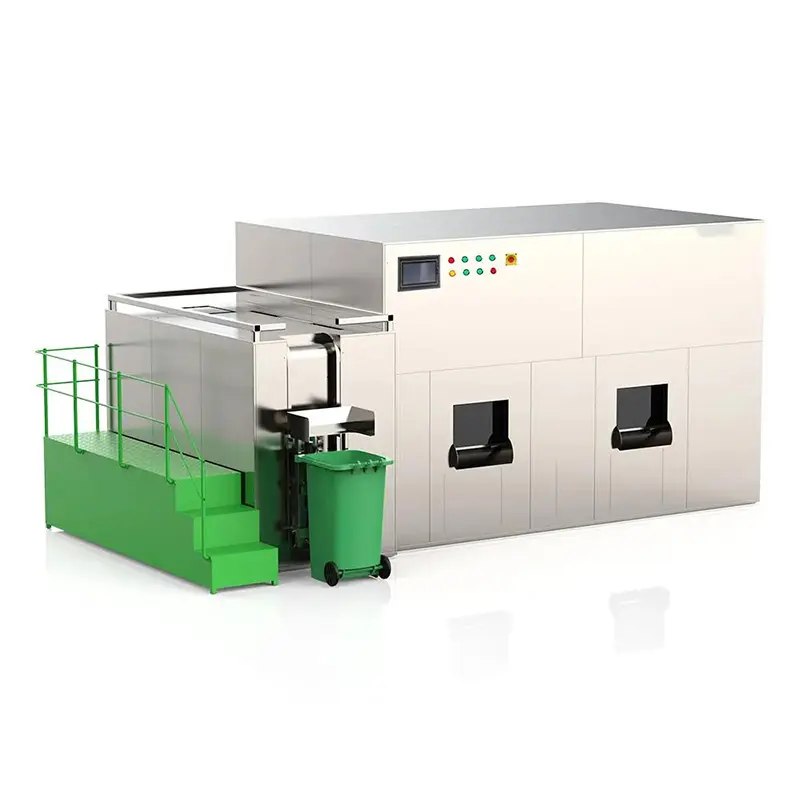 Nanda Thermax Series-2000
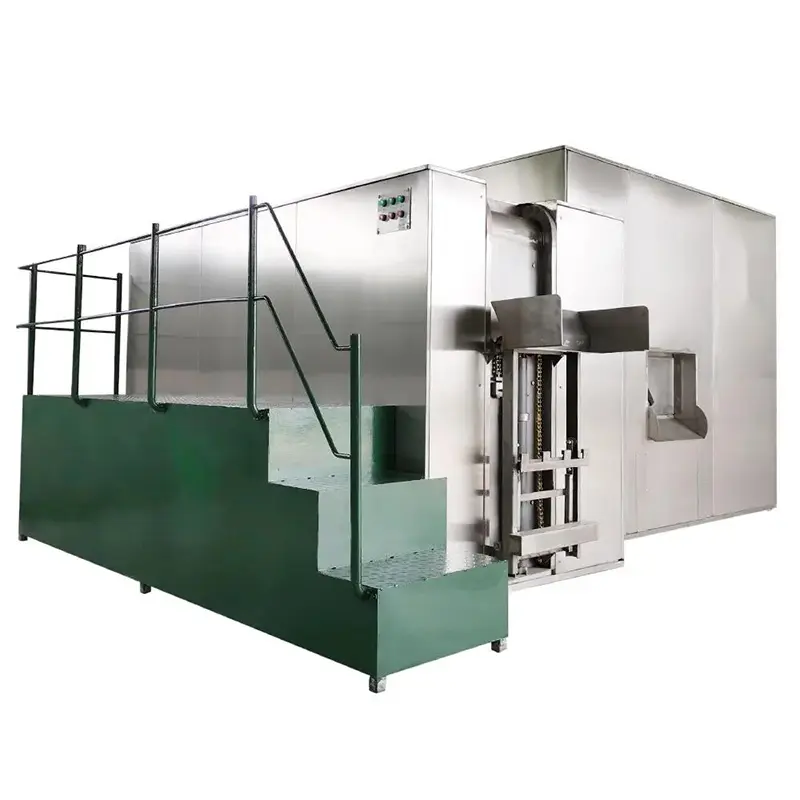 Nanda Thermax Series-10000
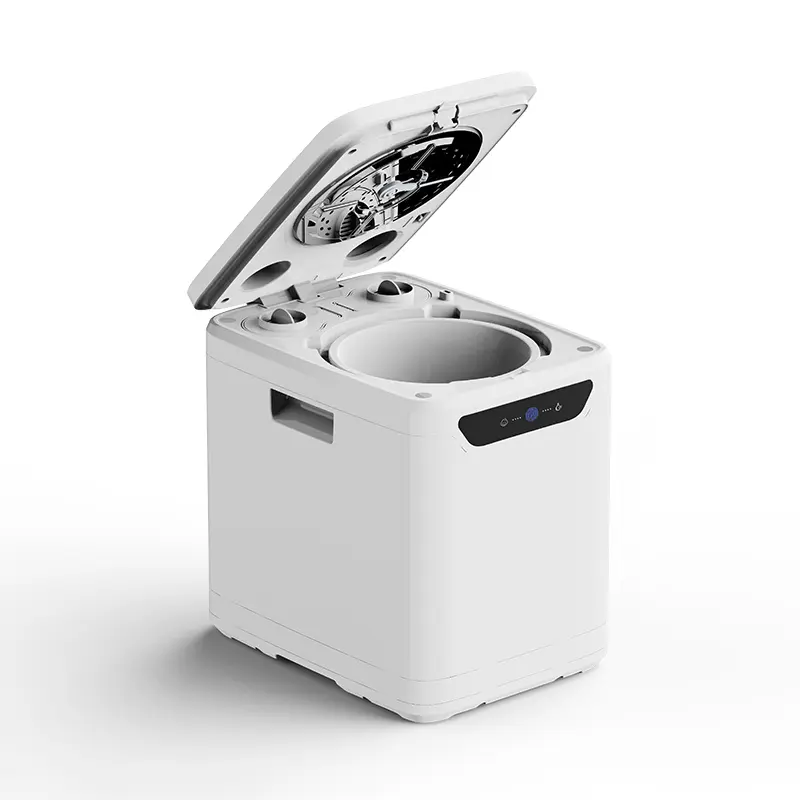 Nanda Turbo Series-3.5L-016
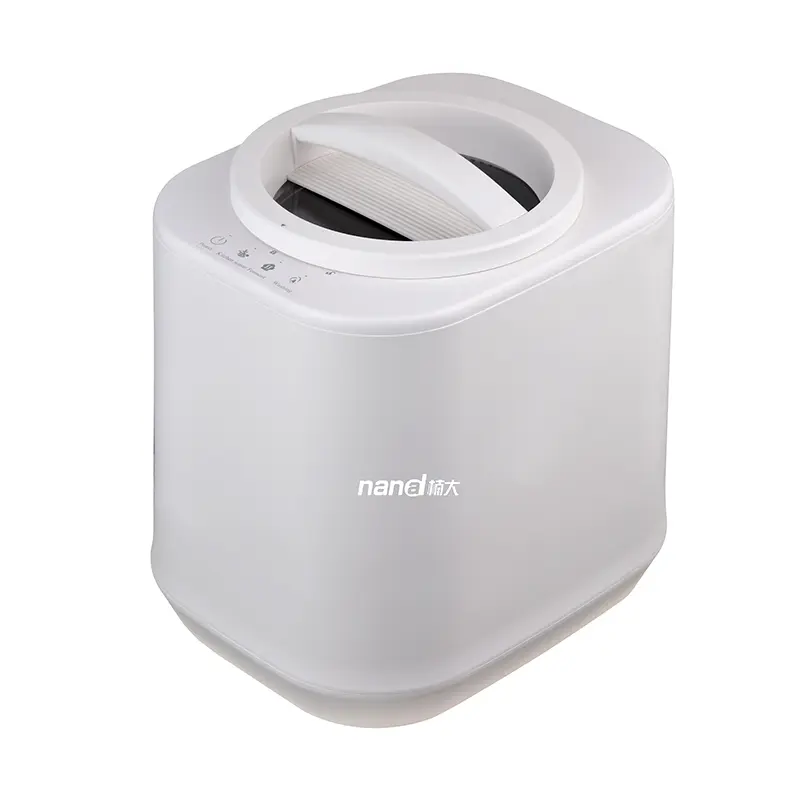 Nanda-Turbo Series-4L-011
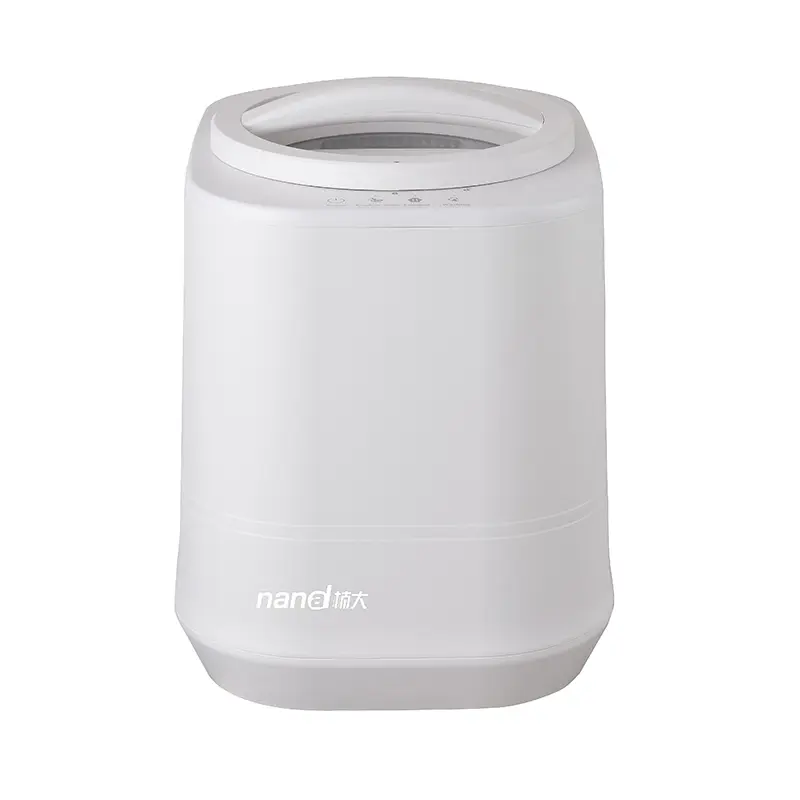 Nanda Turbo Series-4L-012
 Oil-Water Separator