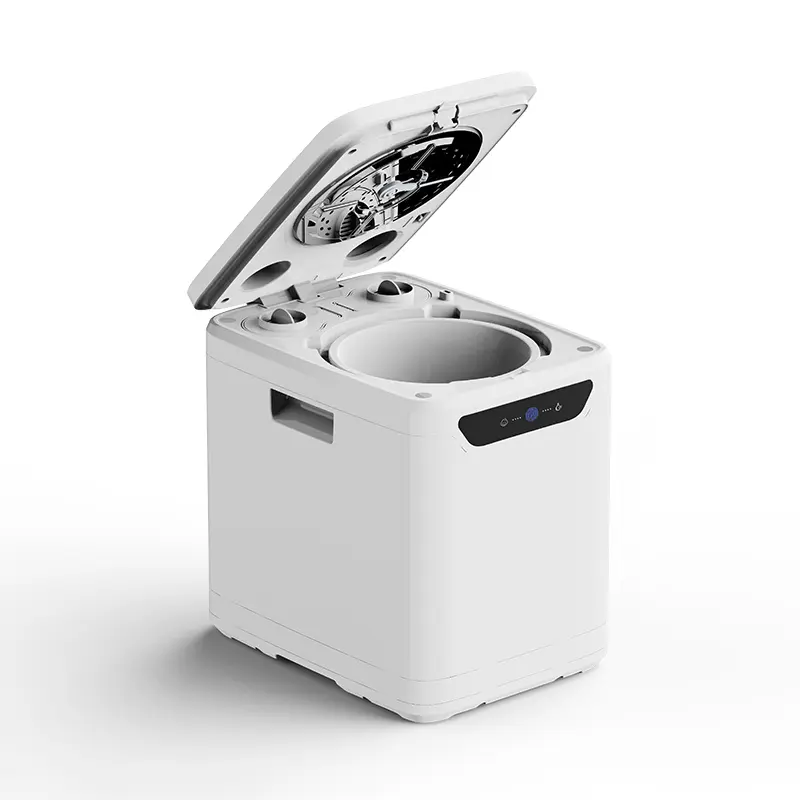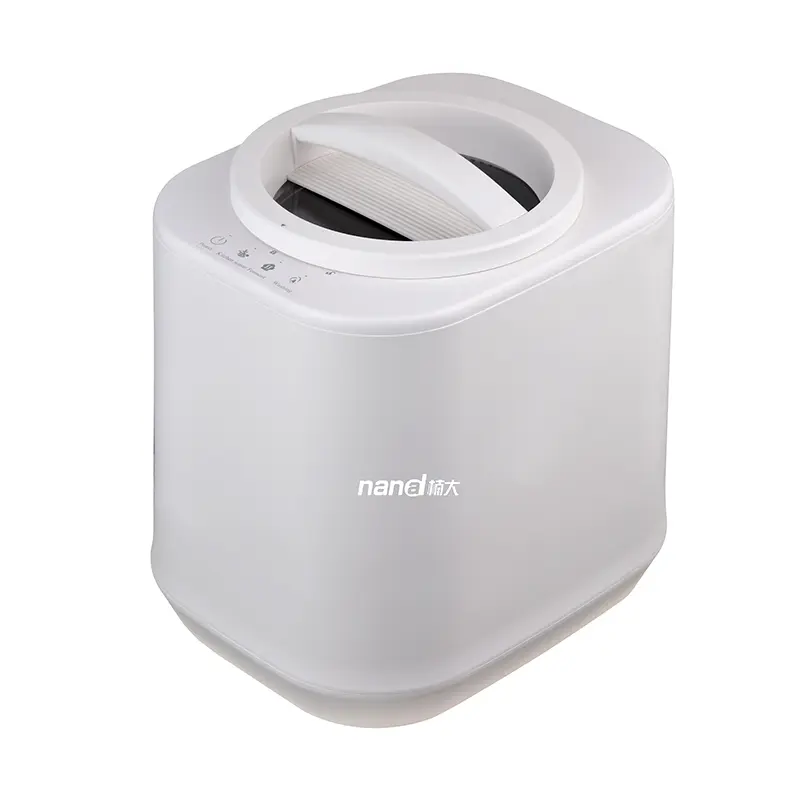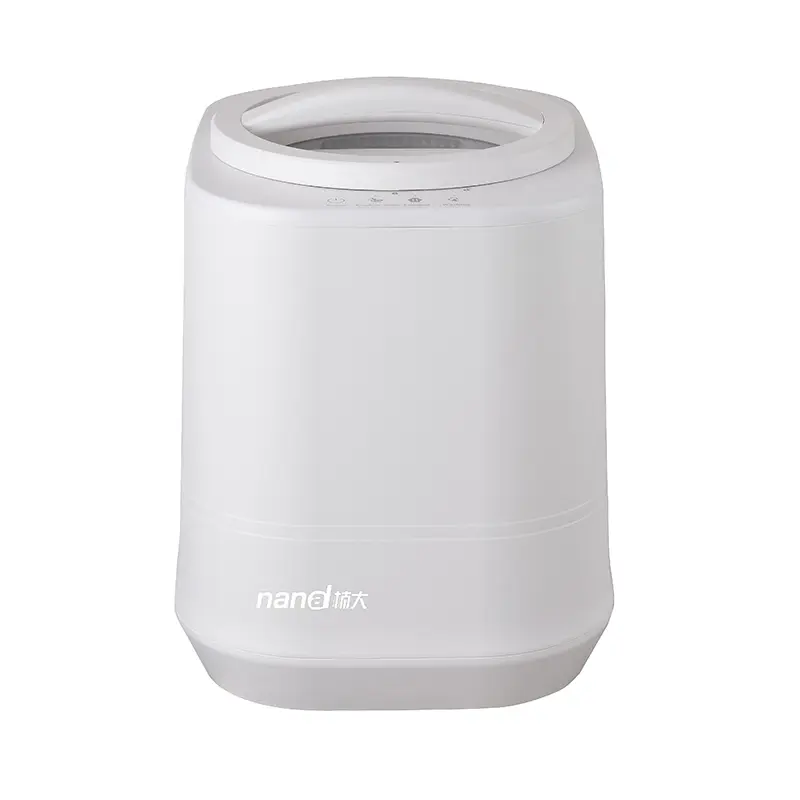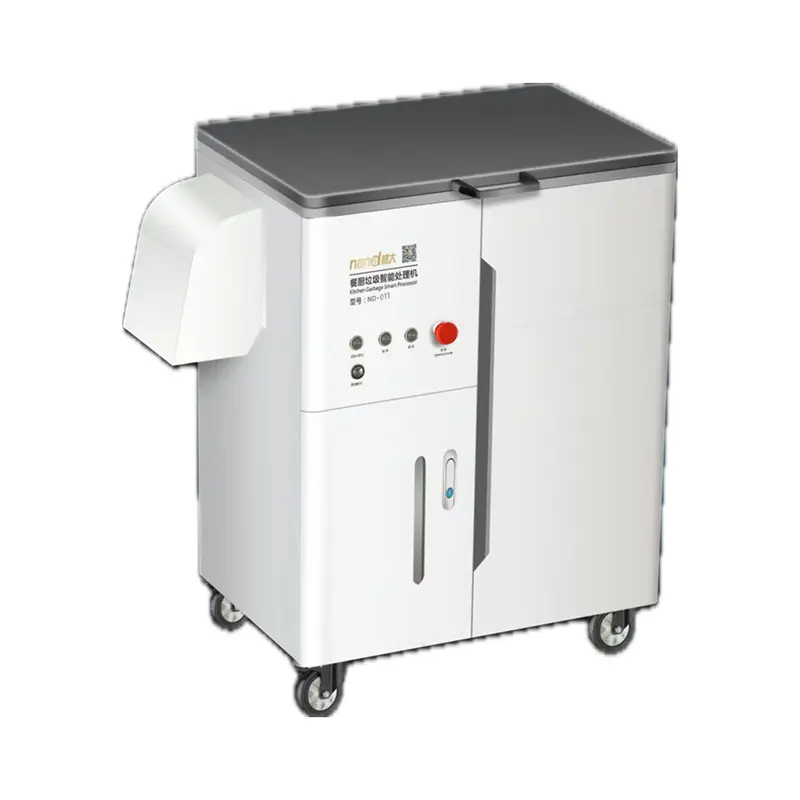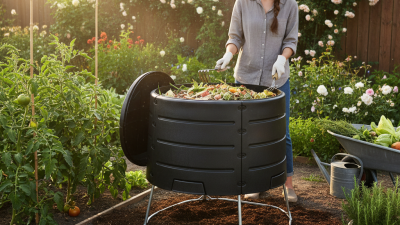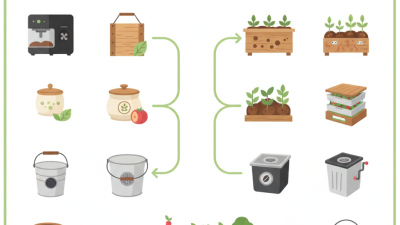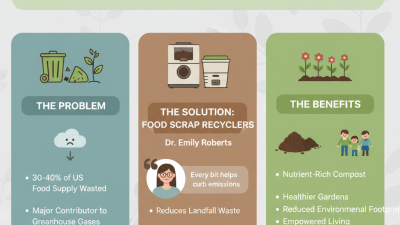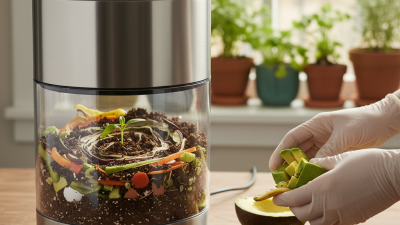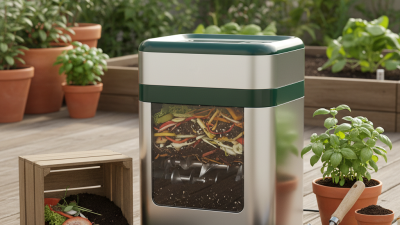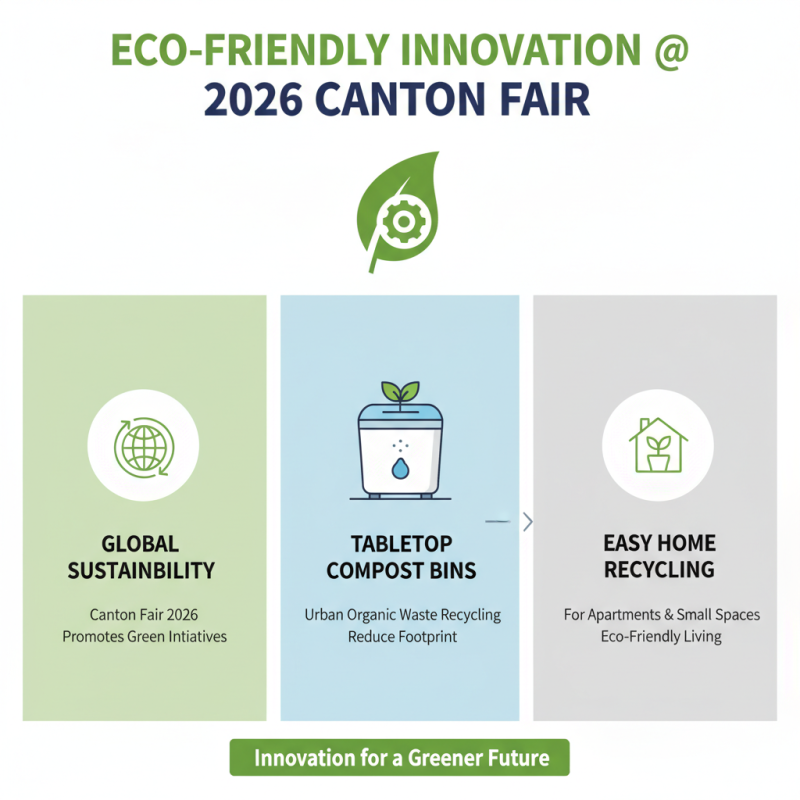
At the upcoming 2026 Canton Fair, innovations in the Tabletop Compost Bin sector are expected to take center stage. Industry expert Dr. Jane Green, known for her work in sustainable living, emphasized, "A tabletop compost bin can revolutionize how we dispose of waste at home." This reflects the growing trend of eco-friendly products integrating seamlessly into daily life.
The Canton Fair, held from April 15 to May 5, will showcase advanced manufacturing and quality home products. Tabletop compost bins will likely leverage the fair's AI-driven features. Buyers can navigate through the vast exhibits, seeking sustainable solutions among certified suppliers.
Despite the excitement, challenges remain. Some designs may lack user-friendliness or efficiency. Evaluating various models can help address these issues. The hope is that innovation will make composting accessible and practical for every household.
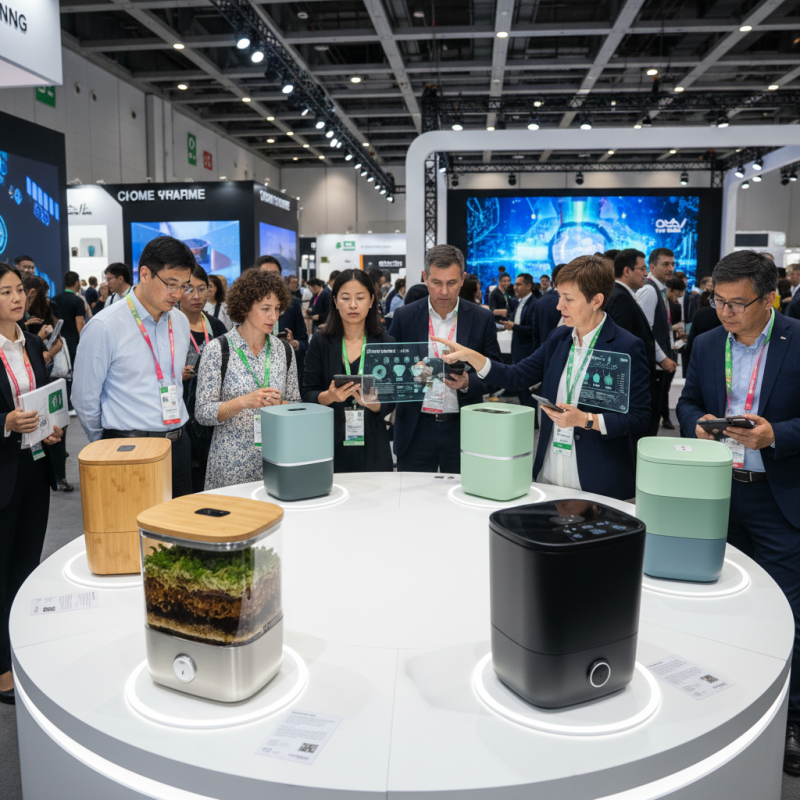
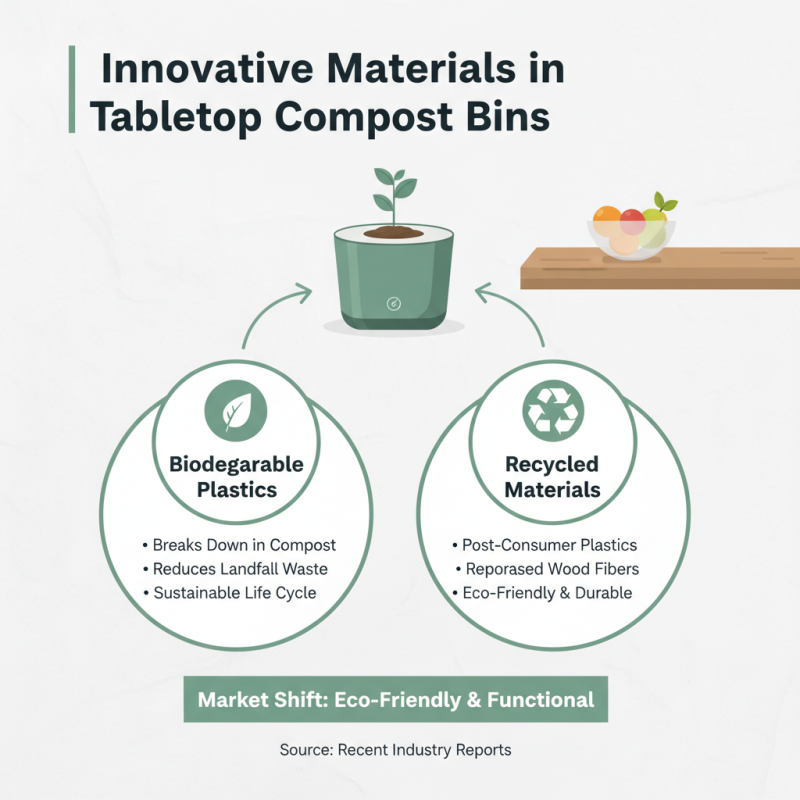
The tabletop compost bin market is evolving rapidly thanks to innovative materials. Recent reports show a significant shift toward biodegradable plastics and recycled materials. Compost bins made from these resources are not only environmentally friendly but also functional. Biodegradable plastics can break down effectively in compost, supporting a more sustainable life cycle.
Some recent data indicate that nearly 65% of consumers prefer compost bins made from sustainable materials. This growth highlights the demand for eco-conscious products. By using recycled steel or bamboo, manufacturers are creating aesthetically pleasing bins that fit seamlessly in modern kitchens. Designs are not just practical; they are stylish.
**Tips:** Consider the size of your countertop and your composting needs before purchasing. Smaller bins may suit limited spaces but will require more frequent emptying. Remember that not every material will break down equally. Research the specifications to ensure you make the right choice for your composting journey.
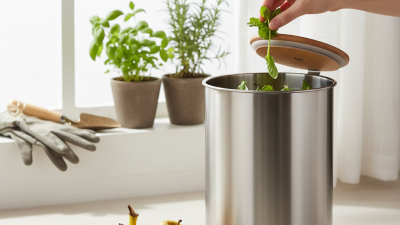
The 2026 Canton Fair showcased exciting tabletop compost bin innovations. Smart technology features take center stage. Many new designs incorporate IoT capabilities. Sensors monitor moisture and temperature levels. These ensure optimal composting conditions.
Data from industry reports reveal significant trends. The global composting market is expected to grow by 12% annually. A large part of this growth stems from urban consumers seeking solutions. They want sustainability in small spaces, making smart compost bins appealing. However, many still find technology daunting. The complexity can deter potential users.
Active feedback loops improve user experience. Some bins provide real-time data alerts. This helps users manage compost effectively. Yet, not all designs deliver intuitive interfaces. Simplicity remains a critical factor. The balance between technology and ease of use is essential. As innovations evolve, successful designs will need to reflect user needs.
The 2026 Canton Fair showcased a variety of eco-friendly practices, highlighting the importance of sustainability. Many vendors presented innovative tabletop compost bins. These bins promote organic waste recycling for urban dwellers looking to reduce their environmental footprint.
Some designs featured unique materials, like biodegradable plastics and recycled metals. Colorful options made composting visually appealing. However, many still lacked effective odor control. This shortcoming could deter potential users looking for a practical solution.
Workshops at the fair discussed practical composting methods. Attendees learned about compostable materials and efficient maintenance techniques. Yet, the challenge remains: many people are unaware of composting's benefits. The need for education in this area is crucial for widespread adoption. Engaging the public on these topics can drive change in everyday habits.
At the 2026 Canton Fair, the focus on user-centric designs in tabletop compost bins is evident. Innovations highlight how vital accessibility is for consumers. Many designs emphasize ease of use for people of all ages, including children and seniors. According to a recent report by the Environmental Protection Agency, around 60% of households are interested in composting but find it challenging to start.
One notable trend is the integration of smart technology. Many compost bins now feature sensors that notify users when it's time to turn the compost. These advancements make composting more engaging. However, while these features are innovative, they can also lead to added complexity. Some users prefer simplicity over tech-heavy options. Recent data shows that 45% of users abandoned smart compost bins due to technical issues.
Accessibility also includes physical design. The size and shape of compost bins must cater to small kitchens and varied user needs. Some bins are modular, allowing users to customize according to their space. But it raises questions: Do these options truly reflect diverse user experiences? Many designs are still not adaptive enough for those with disabilities, needing further reflection from the industry. Addressing these gaps could enhance user engagement and make composting a more mainstream activity.
| Feature | Description | User-Centric Design | Accessibility | Sustainability Impact |
|---|---|---|---|---|
| Odor Control System | Advanced filtration technology to minimize odors. | Intuitive controls for easy adjustment. | User-friendly design for easy access with mobility aids. | Reduces greenhouse gas emissions significantly. |
| Smart Sensors | Monitors moisture and temperature for optimal composting. | Alerts users via mobile app. | Visual indicators for the hearing impaired. | Encourages responsible waste management. |
| Compact Design | Space-saving models ideal for urban living. | Easily fits on kitchen countertops. | Designed with easy-to-open lids for all users. | Promotes composting in limited spaces. |
| Multi-Functionality | Combines composting and storage for convenience. | Dual-purpose design enhances usability. | Accessible drawers for all heights. | Maximizes resource use efficiently. |
| Recyclable Materials | Made from eco-friendly, recycled plastics. | Durable and safe for household use. | Lightweight for easy transport. | Supports a circular economy approach. |
The 2026 Canton Fair showcased an impressive array of tabletop compost bins. Consumers are increasingly eco-conscious. They seek solutions that fit their lifestyles. Composting at home is no longer just for hardcore gardeners. Many city dwellers want to contribute to sustainability, too.
Innovations focus on efficiency and aesthetics. New designs are compact and attractive. They fit easily on kitchen counters. Smart features are becoming popular. Some bins now come with sensors that alert users when it's time to empty. Yet, there's still a learning curve for many customers. Understanding what materials to compost can be tricky. The balance of greens and browns is often misunderstood.
Feedback shows some bins struggle with odors. While many are meant to be odorless, users report otherwise. This discrepancy highlights a gap in market expectations versus reality. Consumers are exploring how to keep their compost bins effective. They want solutions that require minimal effort. The desire for easy composting solutions is growing fast. However, not all innovations meet these needs yet.