Top Tips for Choosing the Best Compost Milling Machine?
When selecting a Compost Milling Machine, various factors come into play. The right choice can greatly enhance composting efficiency. According to the Composting Association, the market for composting equipment has grown by 20% in recent years. This highlights the increasing importance of effective composting processes in waste management.
Expert insights underscore the nuances in choosing the best milling machine. Dr. Jane Smith, a leading figure in compost technology, states, "The right compost milling machine is crucial for optimizing organic material breakdown." Selection requires balancing capacity, power, and features to meet specific needs.
Understanding the varying models can be daunting. Some machines may struggle with different materials, while others excel. It is essential to evaluate each option's efficiency and durability. By focusing on key metrics, buyers can avoid costly mistakes in this significant investment. Emphasizing quality and reliability ensures a machine that delivers consistent results.
Factors to Consider When Selecting a Compost Milling Machine
When selecting a compost milling machine, several factors are crucial. Understanding your composting needs will guide your decision. Consider the materials you’ll process. Some machines excel with organic waste, while others are versatile. In fact, a report by the International Compost Alliance states that over 50% of processed organic matter is food waste. Choosing the right machine can maximize efficiency and minimize operational costs.
Focus on machine capacity and processing speed. Higher capacity machines can handle more waste at once. However, a balance between speed and quality is vital. Machines that operate too quickly may compromise the fineness of the compost. According to recent research, optimal milling usually occurs at speeds between 300-500 RPM for effective breakdown. Assessing your specific volume needs is essential to avoid future inefficiencies.
Durability and maintenance need consideration as well. As per industry reports, around 70% of operators experience downtime due to maintenance issues. Selecting a robust machine with easy maintenance features can significantly reduce these problems. Don't overlook warranty and support. These factors can influence long-term satisfaction and reliability. Hence, taking time to evaluate all these aspects will aid in making a more informed choice.
Understanding Different Types of Compost Milling Machines Available
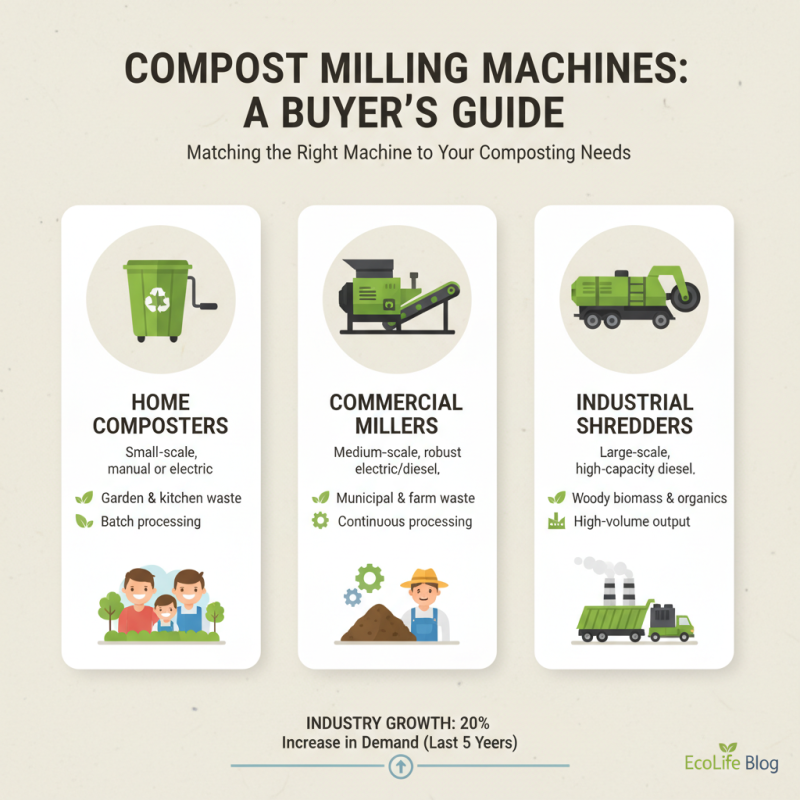
When selecting a compost milling machine, understanding the types available is crucial for effective composting. Different models cater to various needs, from home composters to large-scale operations. A recent industry report states that the demand for compost milling machines has increased by 20% over the past five years. This surge indicates a growing recognition of the importance of efficient compost processing.
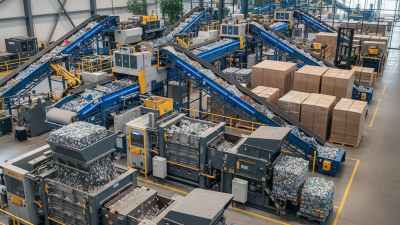
There are several types of compost milling machines. Shredders are popular for home use, helping break down yard waste into smaller pieces. This process accelerates decomposition and improves aeration in the compost pile. On a larger scale, industrial hammer mills are used. They can handle significant volumes of material quickly. According to experts, these machines can reduce composting time by up to 50%, making them essential for businesses focused on sustainability.
However, choosing the right machine isn't always straightforward. Factors such as material type, volume, and intended use impact performance. Some users report difficulties with clogging in lower-quality machines. It's essential to weigh the investment against the potential benefits. A thorough understanding of your composting needs will guide you in making the best choice.
Key Features Impacting Performance and Efficiency in Milling Machines
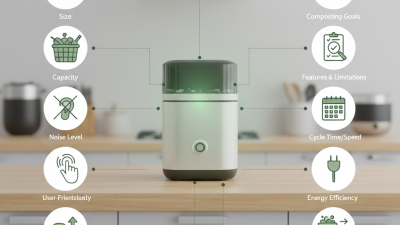
When selecting a compost milling machine, focus on key features that directly influence performance. One essential aspect is the motor power. A robust motor can handle tough materials and increase efficiency. Look for a machine with adjustable settings to accommodate different types of compost. This flexibility enhances processing and allows for tailored results.
Another significant feature is the size and design of the milling chamber. A larger chamber can process more compost at once, increasing throughput. However, it may also lead to challenges in maneuverability. It's crucial to balance capacity with ease of use. Additionally, consider the blade design and material. Quality blades improve cutting efficiency, but they can be prone to wear and require regular maintenance.
Noise levels are often overlooked but can impact your work environment. A quieter machine may provide a more pleasant experience, but it might sacrifice power. Assess your needs carefully. Sometimes, quieter options might not hold up against denser materials. Reflect on what matters most for your application and workflow.
Evaluating Cost vs. Quality: Making an Informed Investment Decision
When considering a compost milling machine, the cost and quality are crucial factors. High-quality machines may come with a higher price tag, but they often offer better performance.
Investing in a durable machine can save money in the long run. Cheaper options might seem appealing, but they can lead to frequent repairs and replacements.
Assess your budget carefully and weigh the potential long-term costs.
Look for machines made from reliable materials. Stainless steel or heavy-duty plastic can enhance durability. Compare user reviews before purchasing.
Real experiences from other customers can reveal potential faults. You might find that seemingly minor issues can affect efficiency.
A machine's capacity matters too. Think about the volume of compost you handle regularly. A smaller machine may seem sufficient, but overloading it can lead to malfunctions.
On the other hand, a too-large capacity might be inefficient. Striking the right balance is essential for optimal performance. Proper research and consideration can lead to a sound investment.
Industry Standards and Regulations for Compost Milling Equipment
When selecting compost milling equipment, understanding industry standards is crucial. According to a report by the American Society of Agricultural and Biological Engineers, performance standards significantly impact the efficiency of composting processes. The equipment should comply with specific guidelines to ensure safety and functionality.
Moreover, the Environmental Protection Agency emphasizes the importance of emissions control. Equipment must minimize odor and particulate matter. Machines should ideally meet EPA emissions regulations to prevent potential environmental hazards. For example, some studies have shown that adhering to these standards can reduce overall air pollution by 30%.
Choosing a machine that aligns with these requirements not only enhances performance but also builds trust with stakeholders. Many buyers overlook regulatory compliance when purchasing. This can lead to operational setbacks or legal complications. Understanding these standards can save time and resources in the long run. These decisions require careful consideration, as the wrong choice can lead to inefficiencies and poor compost quality.
Top Tips for Choosing the Best Compost Milling Machine
This chart displays the ratings of various important factors when choosing a compost milling machine. Higher scores indicate better performance in specific criteria, helping potential buyers make informed decisions.

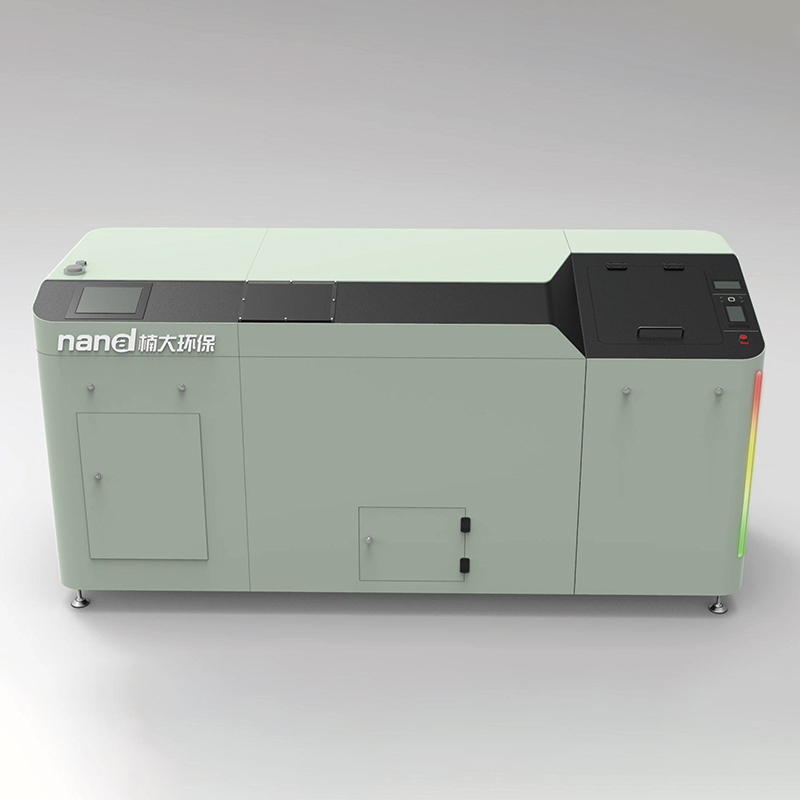 Nanda Trans Series-200
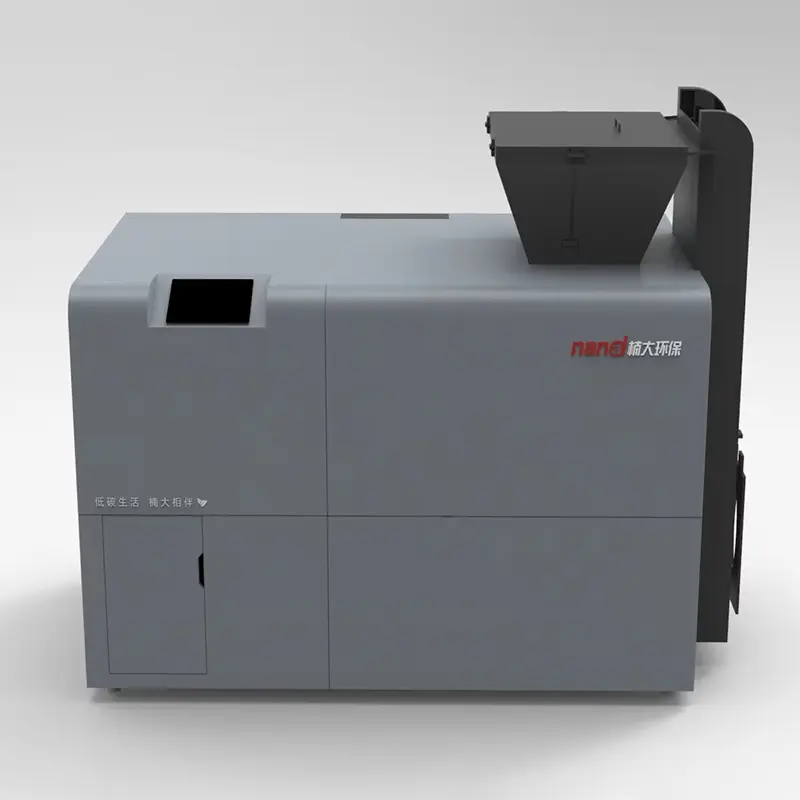 Nanda Trans Series-500
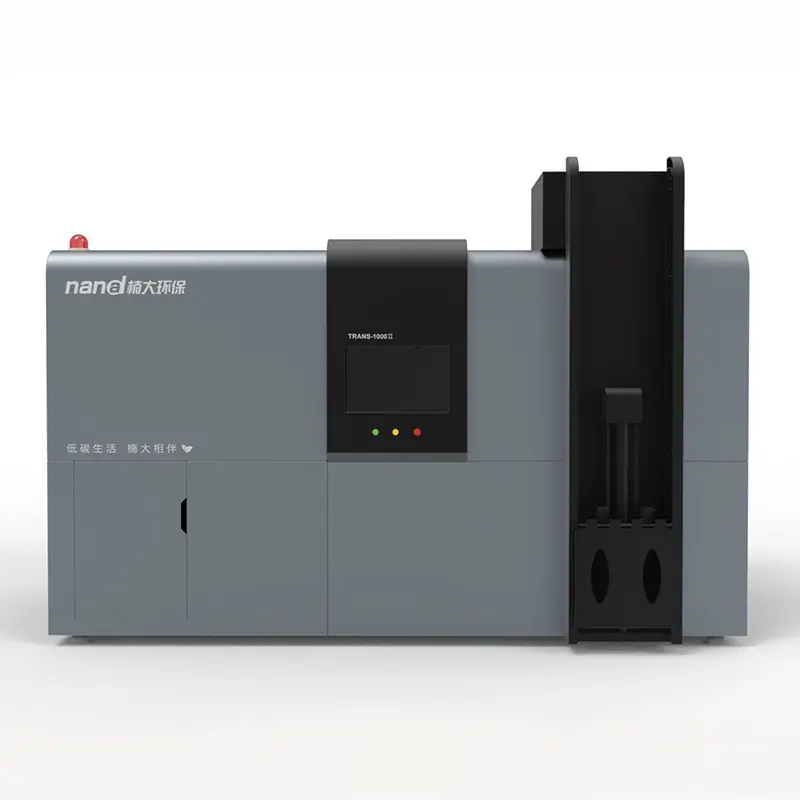 Nanda Trans Series-1000
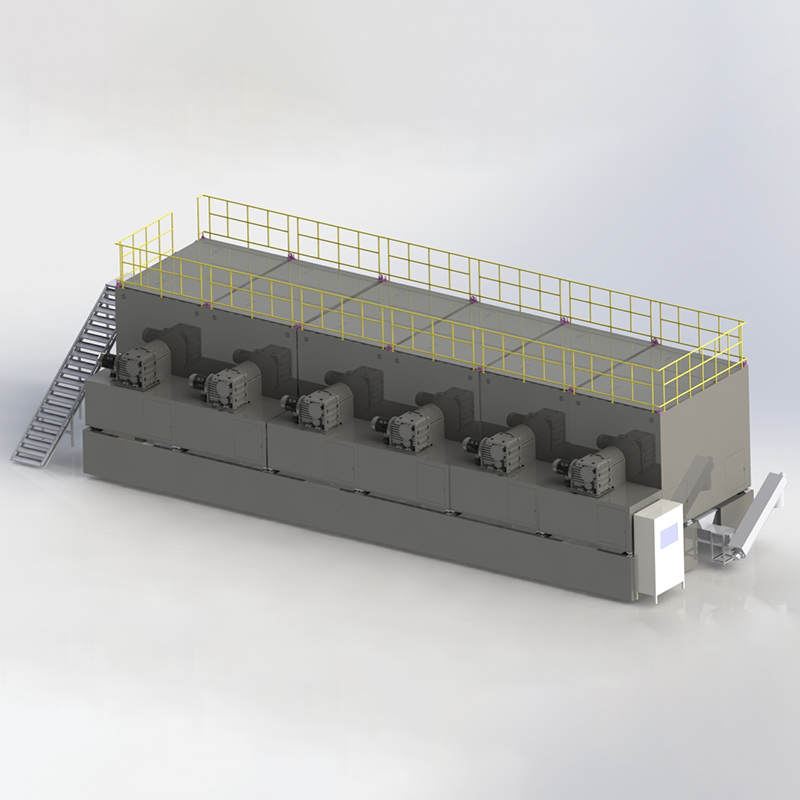 Nanda Trans Series-30000
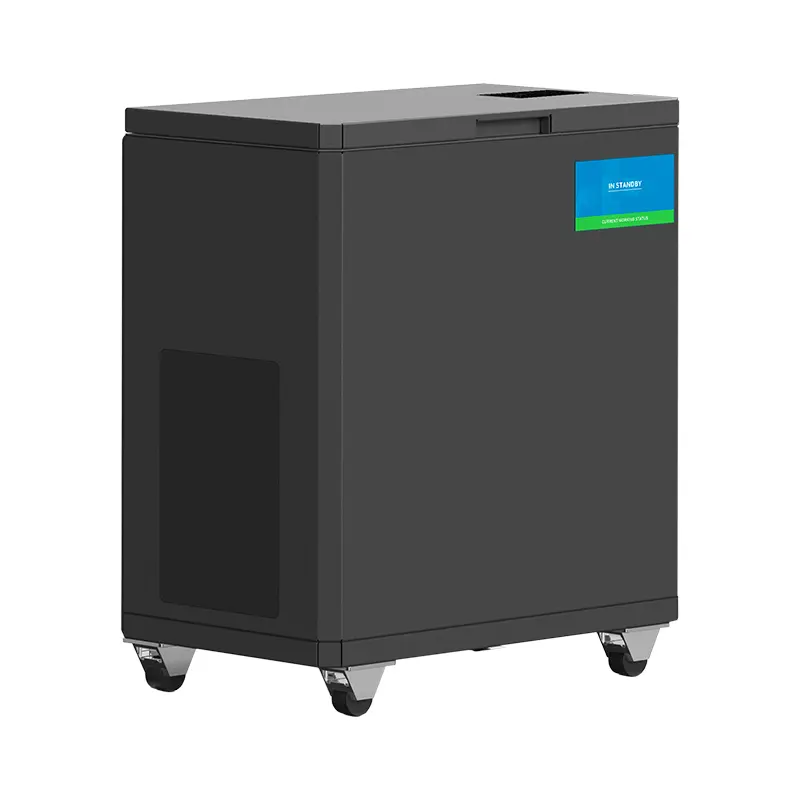 Nanda Thermax Series-100
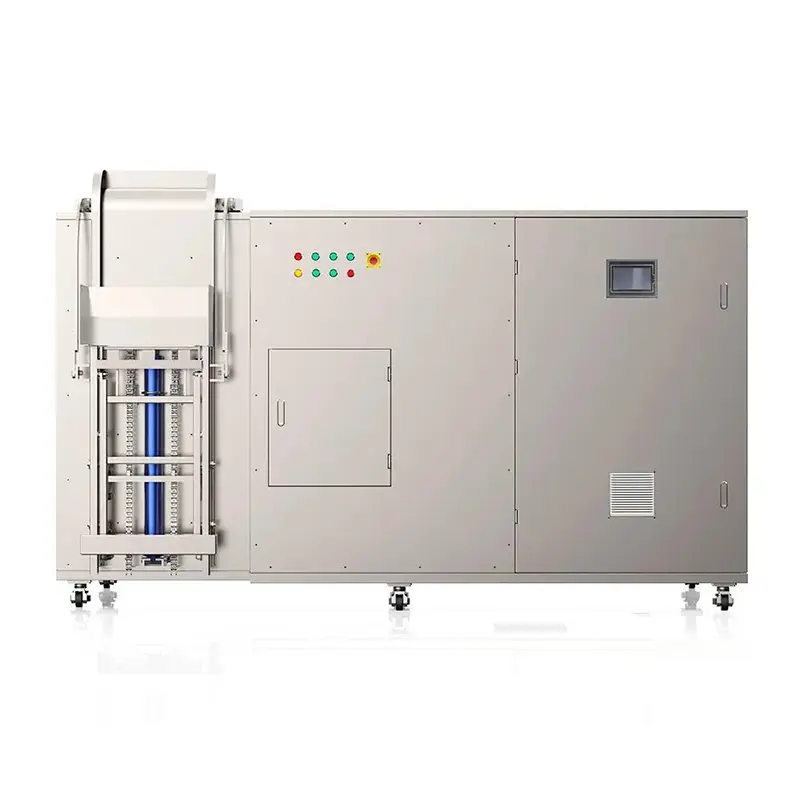 Nanda Thermax Series-200
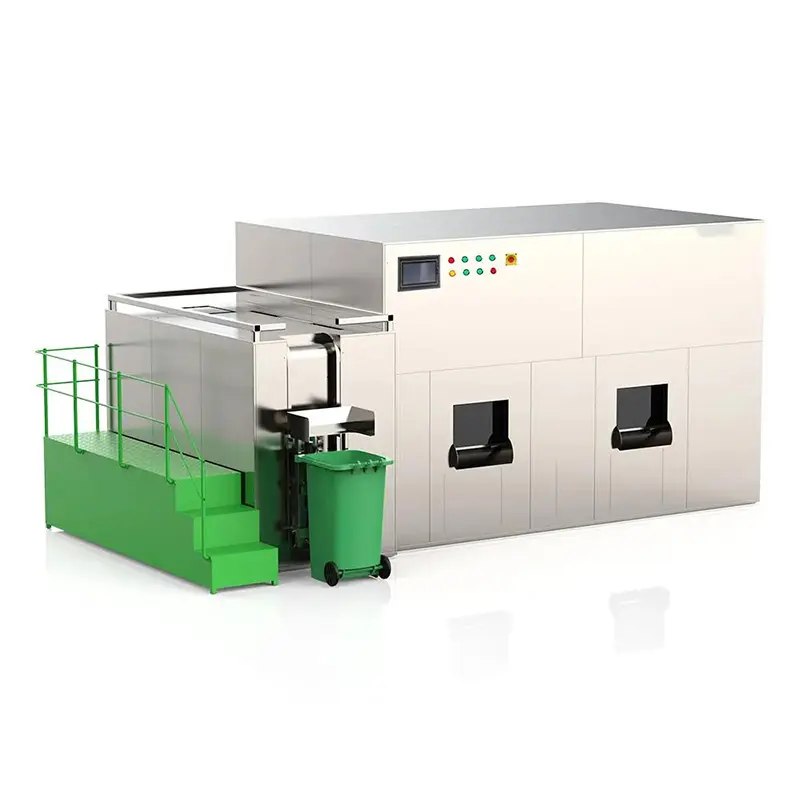 Nanda Thermax Series-2000
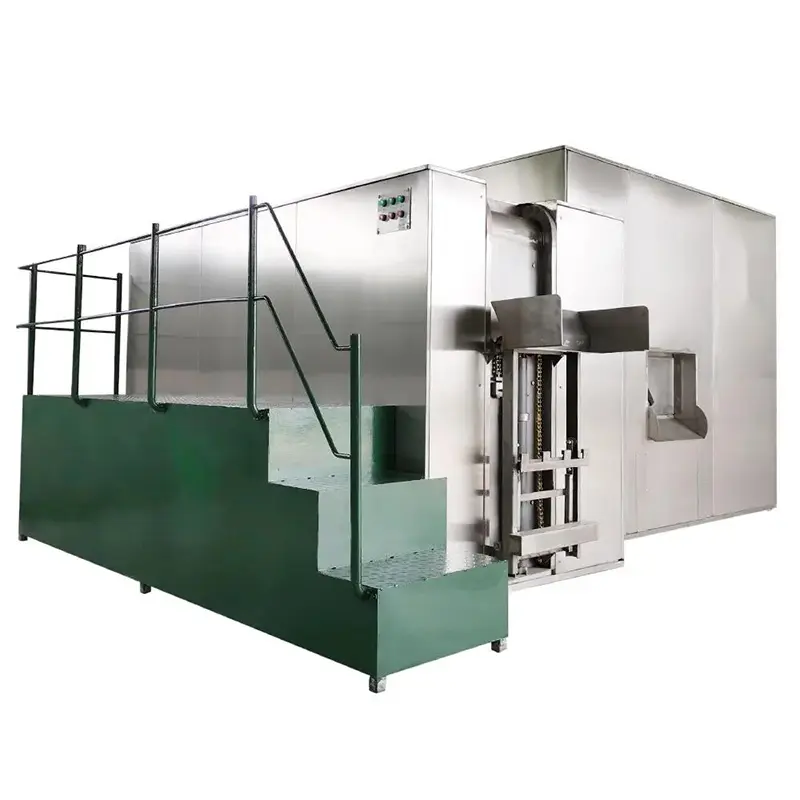 Nanda Thermax Series-10000
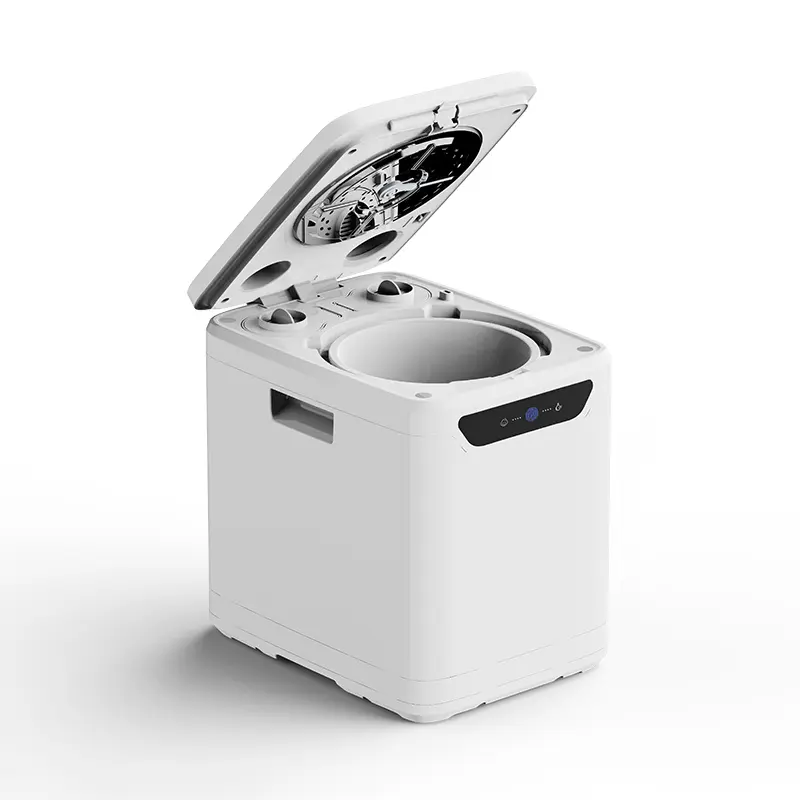 Nanda Turbo Series-3.5L-016
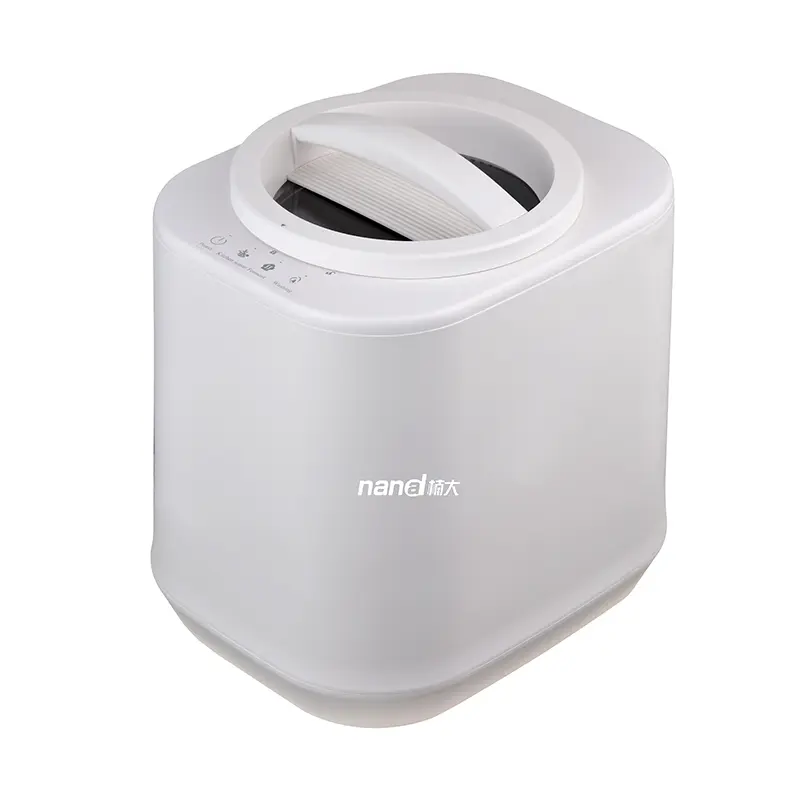 Nanda-Turbo Series-4L-011
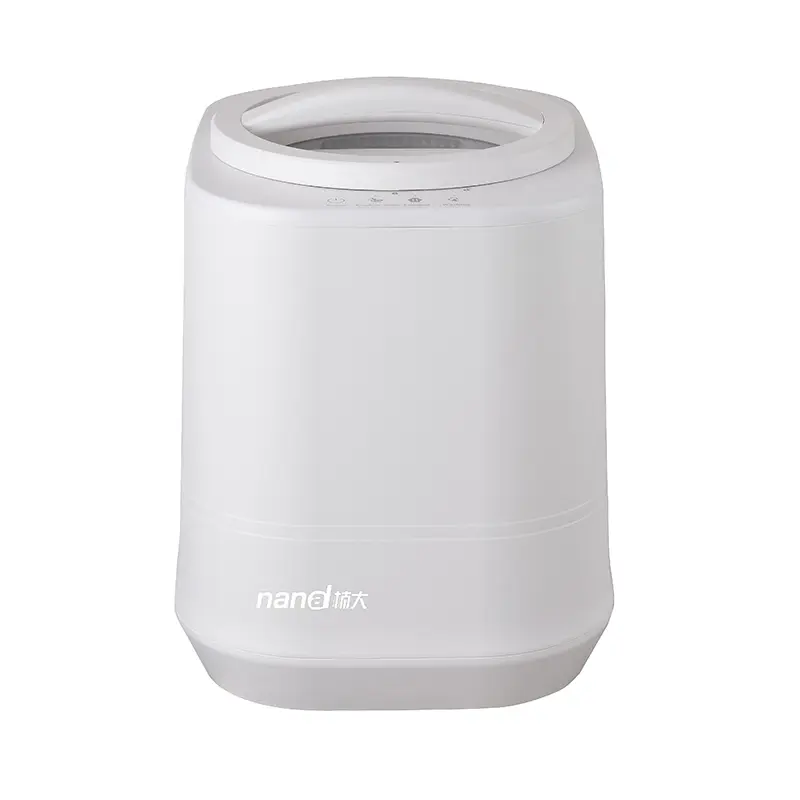 Nanda Turbo Series-4L-012
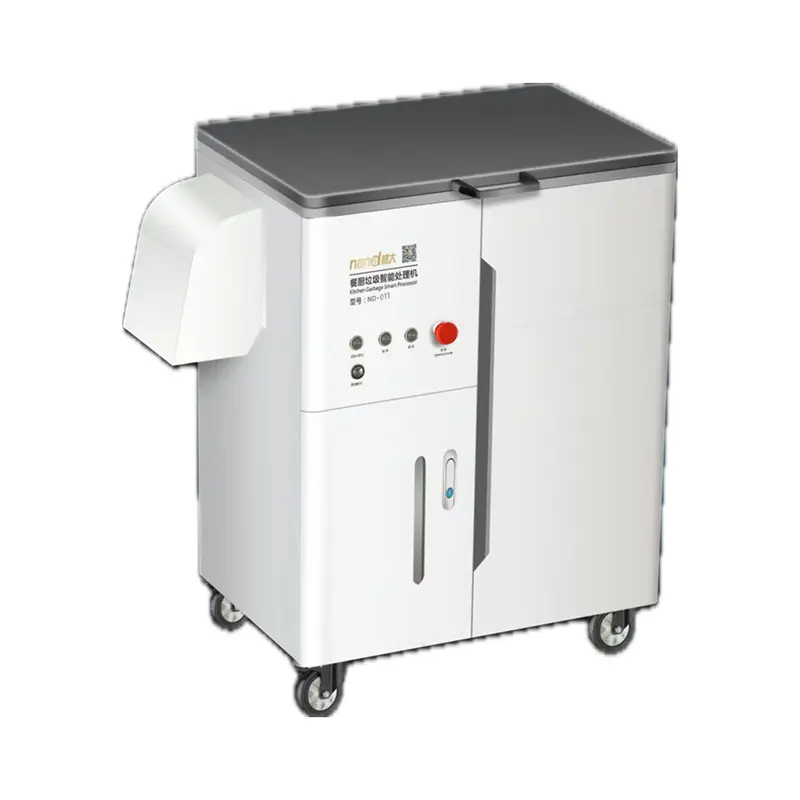 Oil-Water Separator