Ultimate Tips for Choosing the Right Compost Machine?
Choosing the right compost machine is crucial for sustainable waste management. According to a report by the Composting Association, around 33% of household waste can be composted. This statistic highlights the potential for compost machines to reduce landfill waste significantly. However, many individuals struggle to find the perfect model for their needs.
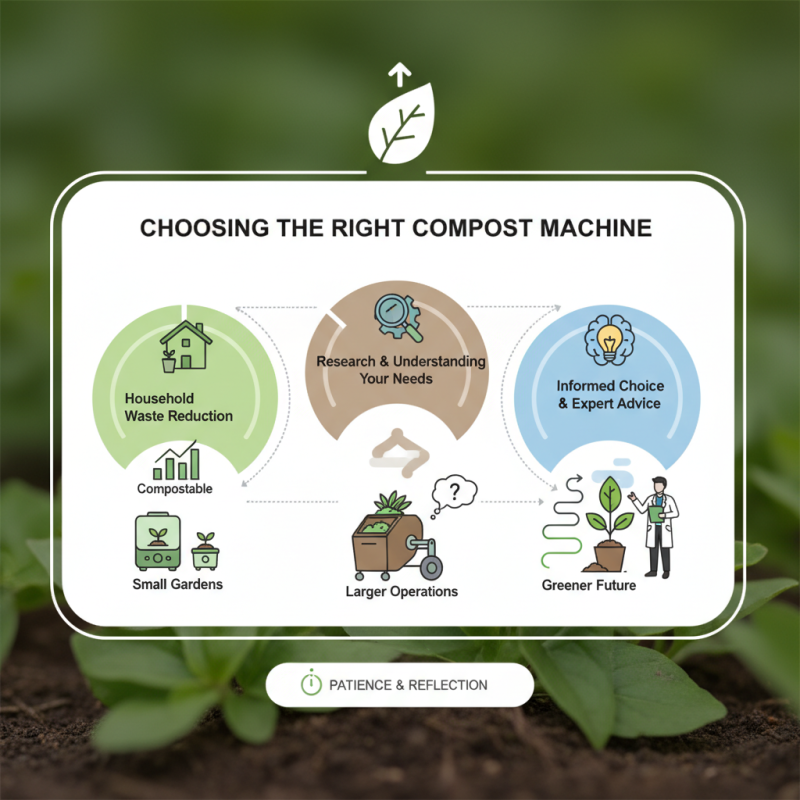
Experts like Dr. John Rees, a sustainable agriculture specialist, emphasize the importance of research. "Selecting the right compost machine can make or break your composting experience," he states. Different compost machines serve various purposes. Some are designed for small gardens, while others cater to larger operations. Understanding your requirements is key.
Yet, the choices can be overwhelming. Many new users report confusion regarding features and types. Consumers often regret their decisions due to insufficient information. By understanding the essential criteria and seeking expert advice, you can make an informed choice. This journey may require patience and reflection, but it’s worth it for a greener future.
Understanding the Different Types of Compost Machines Available
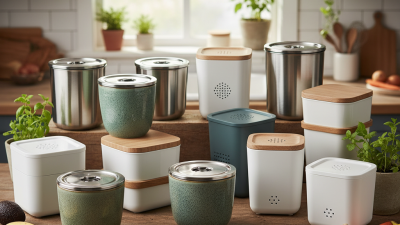
When choosing a compost machine, understanding the different types available is crucial. There are tumblers, bins, and even electric composters. Tumblers are great for quick composting. They can be rotated easily, ensuring proper aeration. Bins, on the other hand, are more traditional and can require more work. They often take longer to break down materials.
Electric composters automate the process, making it less labor-intensive. They usually produce compost faster, but they can be pricier. Assessing your space is vital. Some machines need more room than others, especially larger tumblers. Think about your waste: how much do you produce weekly? A small household may do well with a compact bin.
Don’t forget about maintenance. Some systems require more attention than others. Tumblers need to be turned regularly, while bins might attract pests if not managed properly. It's essential to reflect on your lifestyle and commitment before making a choice. Do you have the time for hands-on composting? Each type has its pros and cons, and understanding these can lead you to the best decision for your composting journey.
Ultimate Tips for Choosing the Right Compost Machine
| Type of Compost Machine |
Description |
Pros |
Cons |
Best For |
| Tumble Composters |
Rotating drum for easy mixing of compost. |
Fast composting, easy to use. |
Limited capacity, can be heavy when full. |
Small to medium-sized gardens. |
| Stationary Compost Bins |
Open-air bins for layering organic waste. |
Low cost, large capacity. |
Slow decomposition, requires manual mixing. |
Large yards or community gardens. |
| Electric Composters |
Automatic machines that speed up the composting process. |
Fast, efficient, minimal effort required. |
Higher initial cost, requires electricity. |
Urban settings with limited space. |
| Worm Composters |
Uses worms to break down organic material. |
Produces high-quality compost, compact. |
Requires maintenance, limited to kitchen scraps. |
Indoor composting or small apartments. |
Key Features to Look for in a Compost Machine
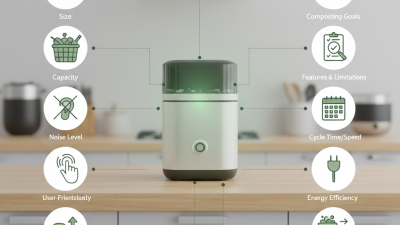
When choosing a compost machine, consider key features that enhance efficiency. Look for machines with adjustable aeration systems. Good airflow speeds up the composting process. A well-designed aeration system prevents unpleasant odors too. Another important feature is the insulation. Insulated composters maintain higher temperatures, which boosts microbial activity.
Capacity matters as well. Consider your composting needs. A small household may not require a large machine. If you generate a lot of waste, a bigger model is necessary. Durability is crucial too. Check the materials used. Quality compost machines withstand the elements and last longer.
Don’t overlook the user-friendliness. Composting should not feel like a chore. Machines that are easy to load and unload make the process smoother. A machine with wheels is a plus. However, some composters can be heavy or hard to move. Reflect on your space as well. Limited space may restrict your options. Choose a model that fits comfortably in your garden. Remember, the right compost machine will simplify your composting journey.
Assessing Your Space and Needs for Composting
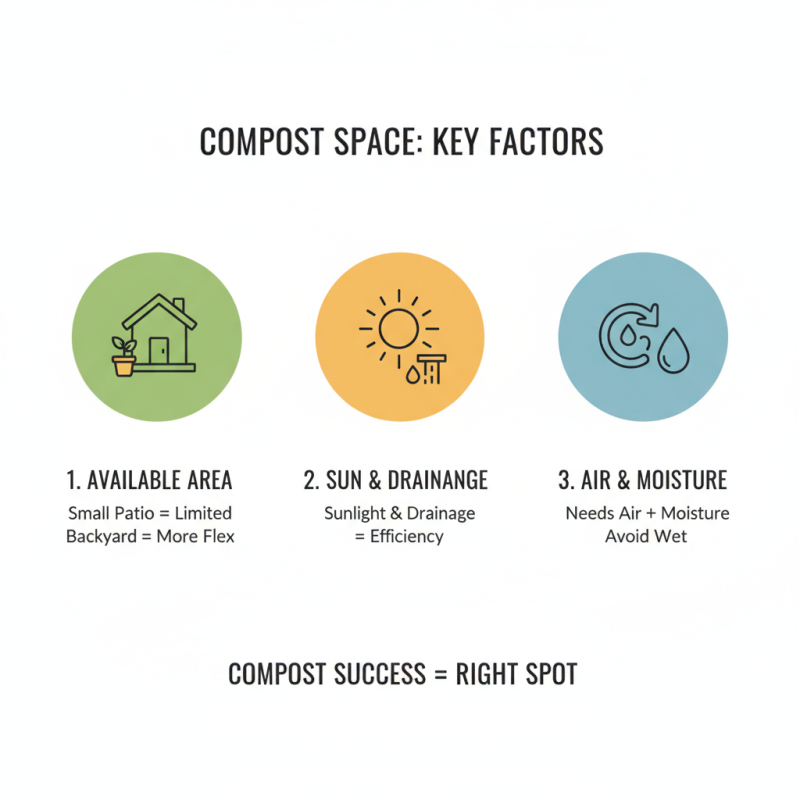
When assessing your space for composting, consider your available area. A small patio might limit your options. A backyard gives you more flexibility. Check for sunlight and drainage. These factors influence composting efficiency. Remember, compost needs air and moisture, so avoid overly wet spots.
Think about your needs too. Are you composting kitchen scraps, yard waste, or both? Different machines cater to various requirements. A compact unit may suit urban dwellers. Larger systems are ideal for gardeners. Evaluate how much waste you generate weekly. This will guide your choice effectively.
Don't forget the aesthetics. You want a machine that fits your outdoor space. A bulky unit can be an eyesore. A sleek design might complement your garden. Reflect on your preferences carefully. Making impulsive choices often leads to regret. A thoughtful assessment can enhance your composting experience.
Budget Considerations When Choosing a Compost Machine
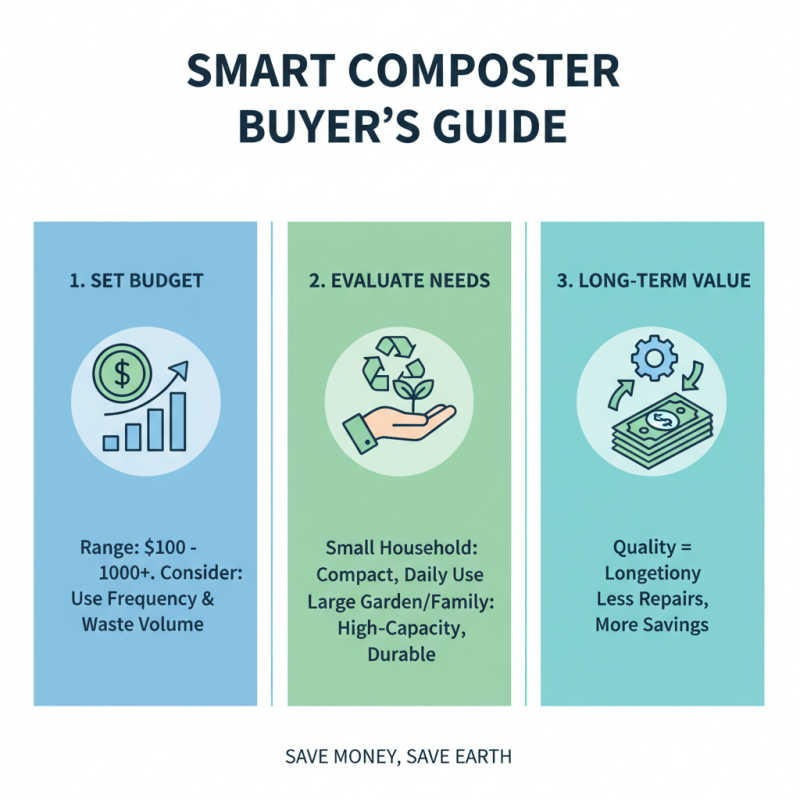
When selecting a compost machine, budget is a crucial factor. You might find models ranging from inexpensive to quite costly. Set a realistic budget that matches your composting needs. Consider how often you'll use it and the volume of waste you generate. A higher quality machine may save you money over time, as it could last longer and require fewer repairs.
Look for versatile options without breaking the bank. For instance, consider whether a static or tumbling composter suits your space better. Investing in a compost machine with good capacity can help reduce waste quickly. However, do your research to ensure you're not overspending on features you may not need.
It's essential to balance quality and price. A cheaper option may require frequent replacements. Think about the costs of maintenance and long-term use. You might feel tempted to purchase the most affordable model, but this can lead to frustration. Reflect on your composting habits. If the compost machine doesn't meet your requirements, it won't be worth the initial savings. A thoughtful investment can lead to a more effective composting experience.
Maintenance Tips for Keeping Your Compost Machine Efficient
Proper maintenance is crucial for keeping your compost machine efficient. Start by ensuring it has proper airflow. Ventilation holes can easily become clogged with materials. Regularly check and clear these areas to allow air to circulate. Aeration helps with decomposition. If you notice a foul odor, it may indicate poor airflow.
Turning your compost pile is another essential task. This process mixes materials and introduces oxygen. Aim to turn it every few weeks. Use a pitchfork or shovel for this task. It can be labor-intensive but ensures even breakdown of organic matter. Remember, some materials take longer to decompose than others. Patience is key here.
Temperature monitoring is also important. An efficient compost pile should reach between 130°F to 160°F. Too low, and the composting process stalls. Too high, and beneficial microorganisms may die. Consider using a compost thermometer. Check it frequently and be ready to adjust your pile's moisture levels. Composting can be a bit messy and requires some trial and error. Don't be discouraged by setbacks; they are part of the process.

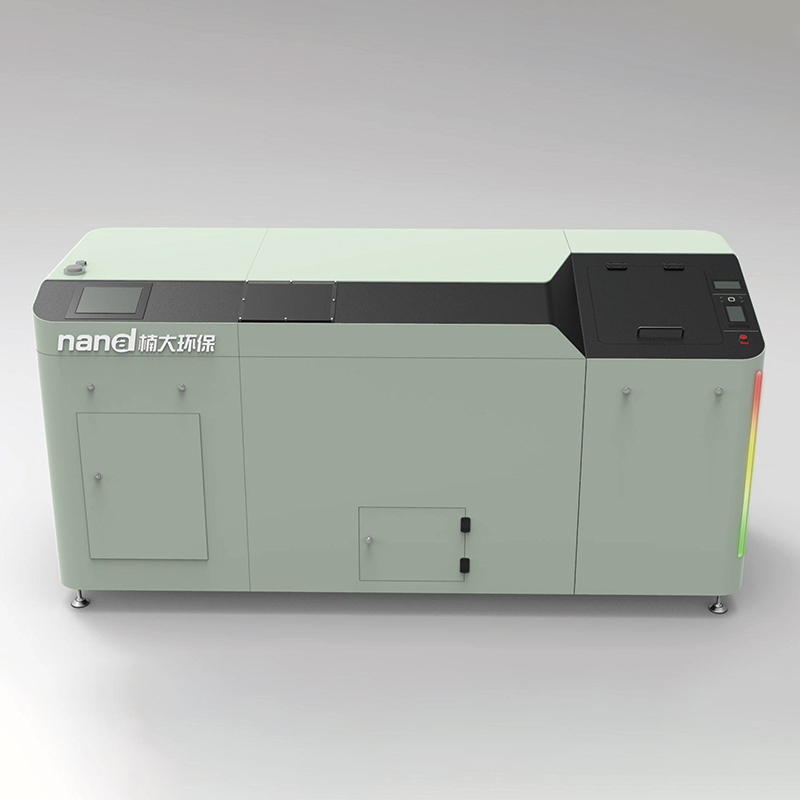 Nanda Trans Series-200
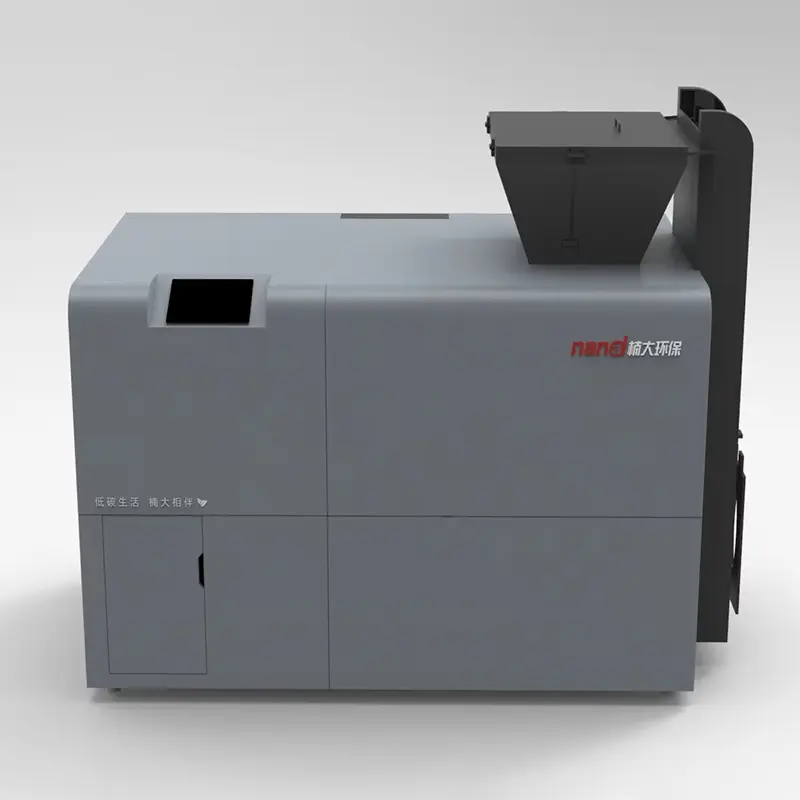 Nanda Trans Series-500
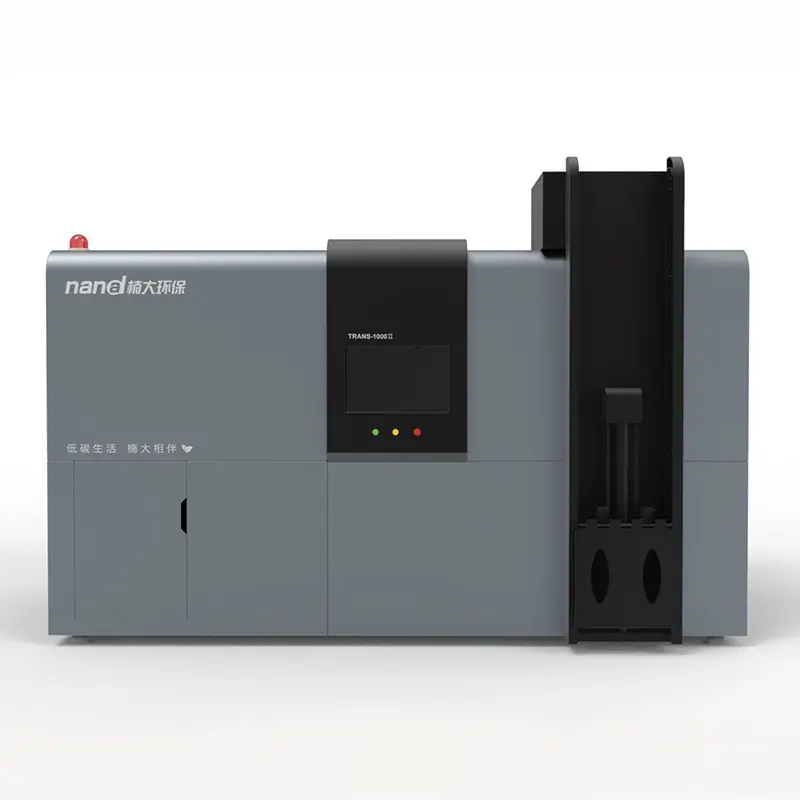 Nanda Trans Series-1000
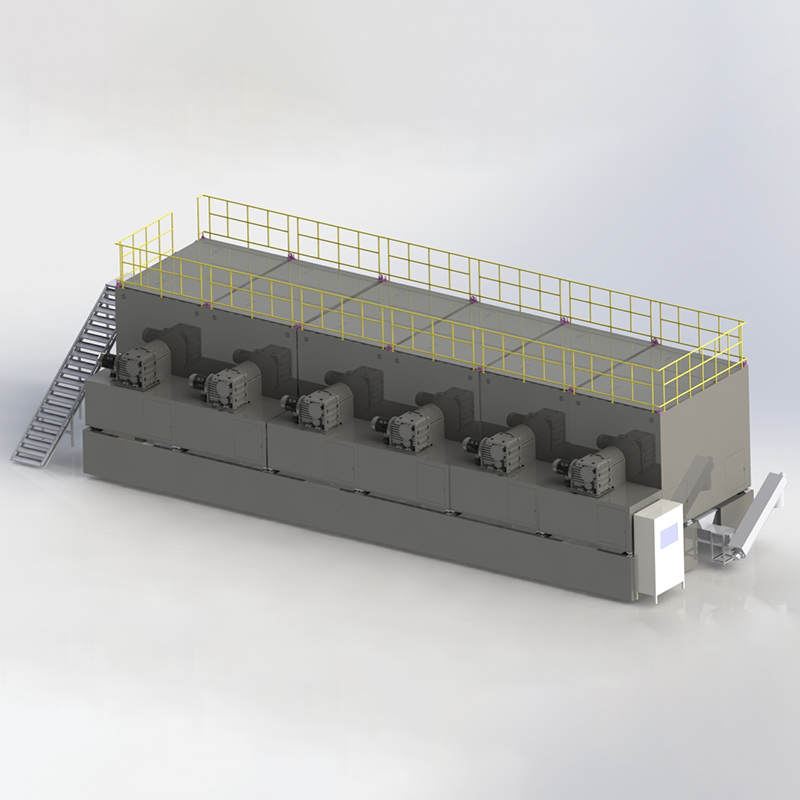 Nanda Trans Series-30000
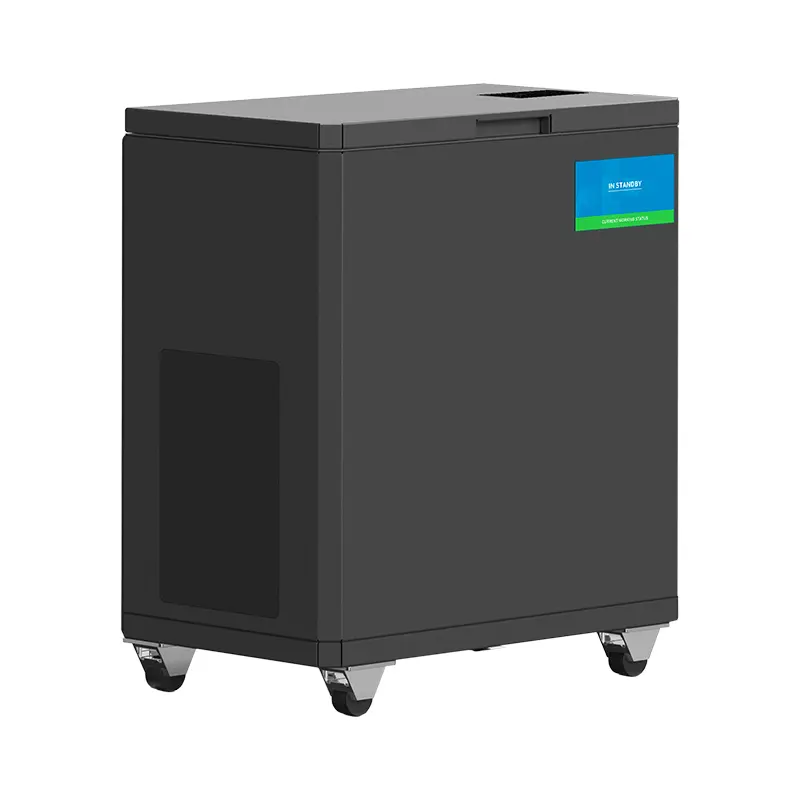 Nanda Thermax Series-100
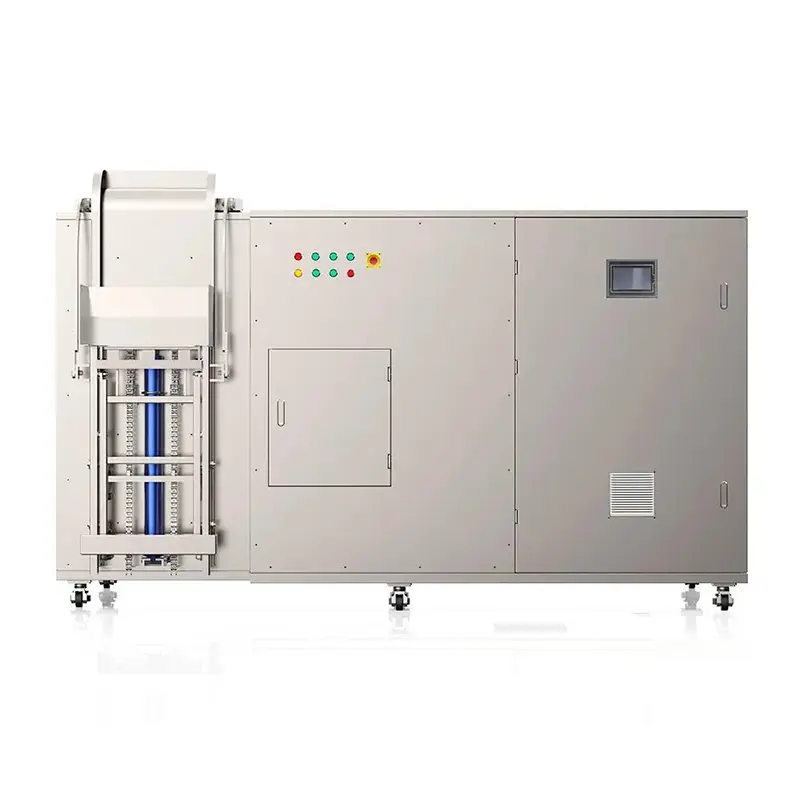 Nanda Thermax Series-200
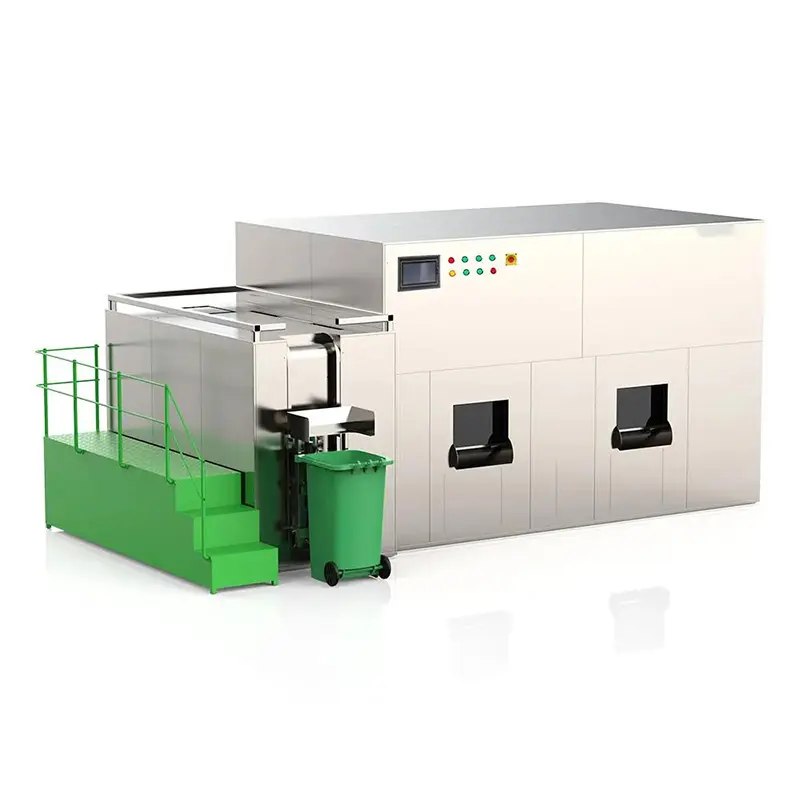 Nanda Thermax Series-2000
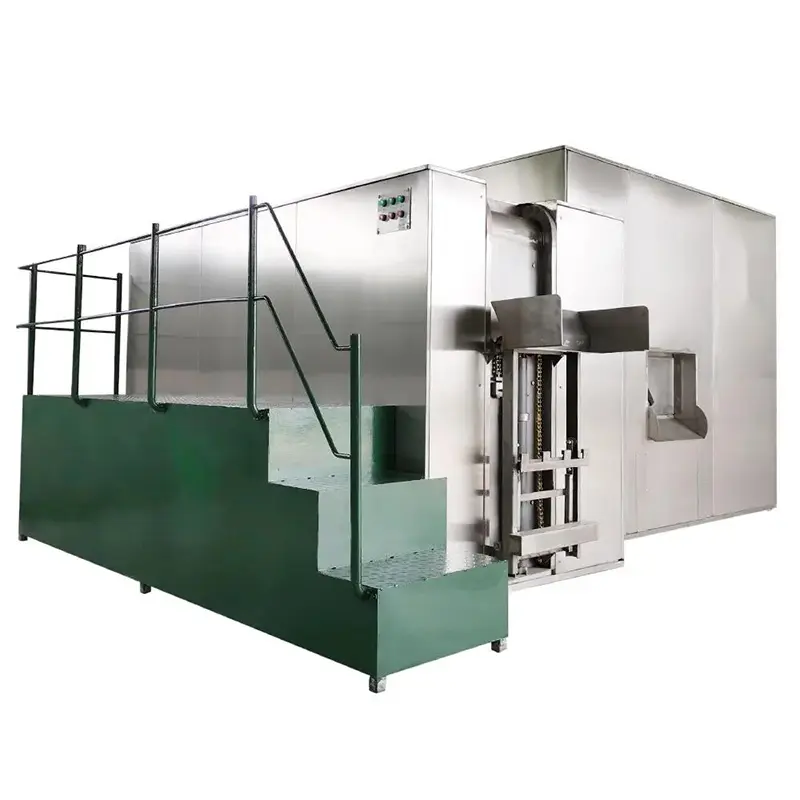 Nanda Thermax Series-10000
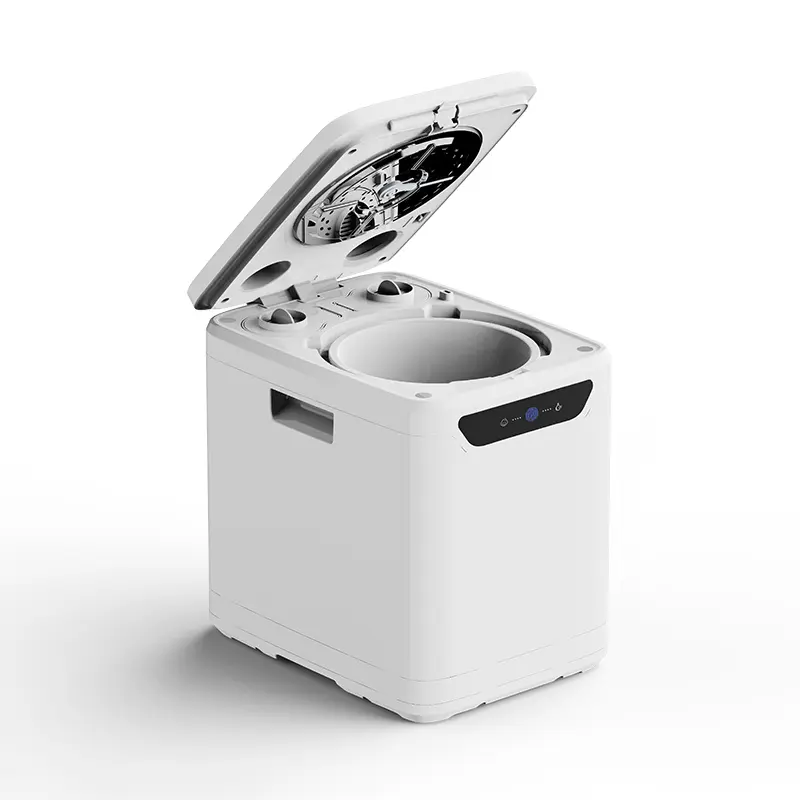 Nanda Turbo Series-3.5L-016
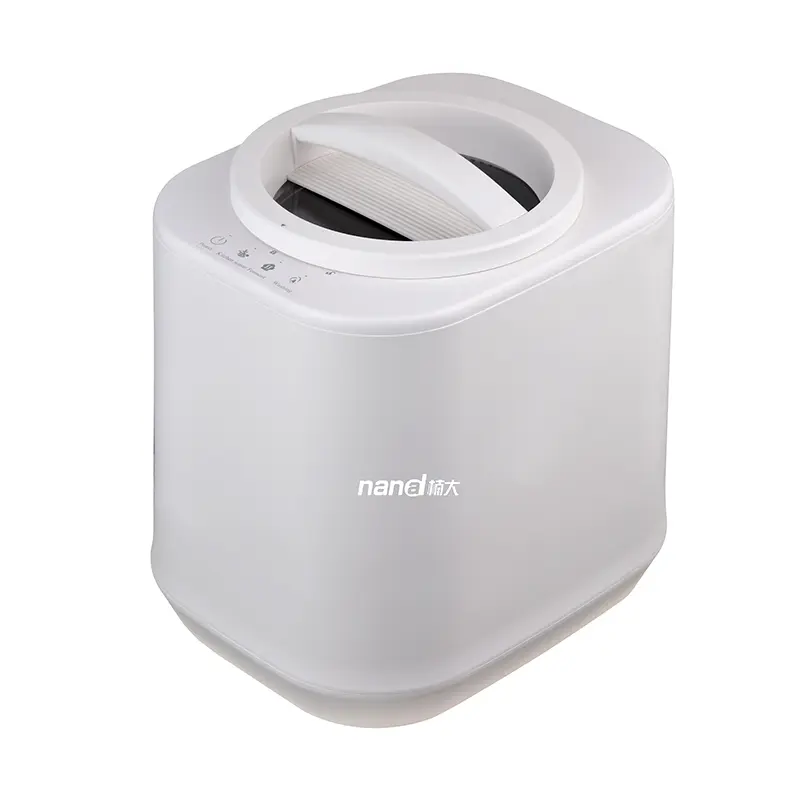 Nanda-Turbo Series-4L-011
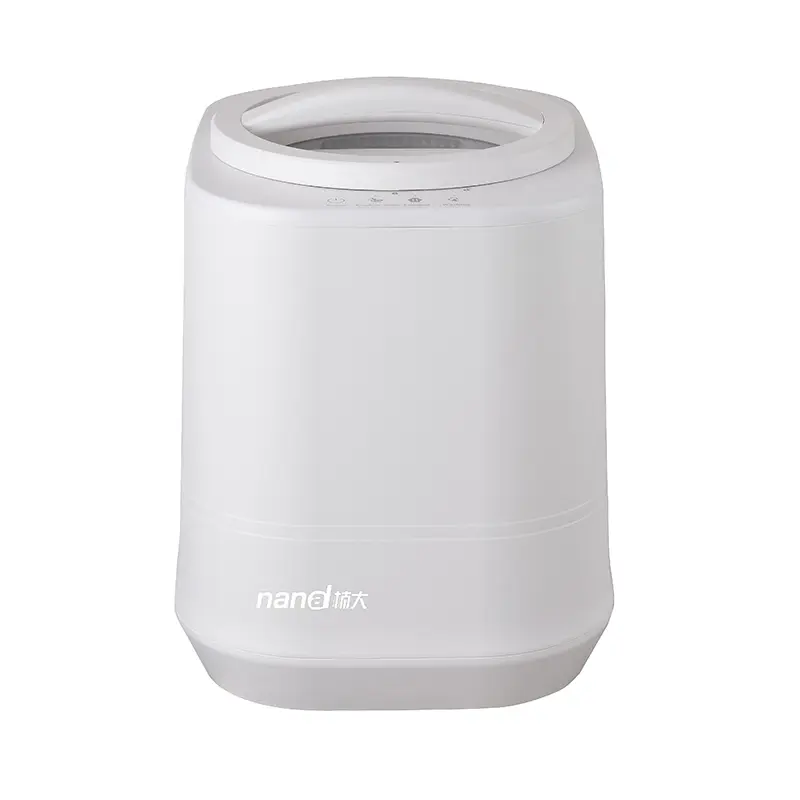 Nanda Turbo Series-4L-012
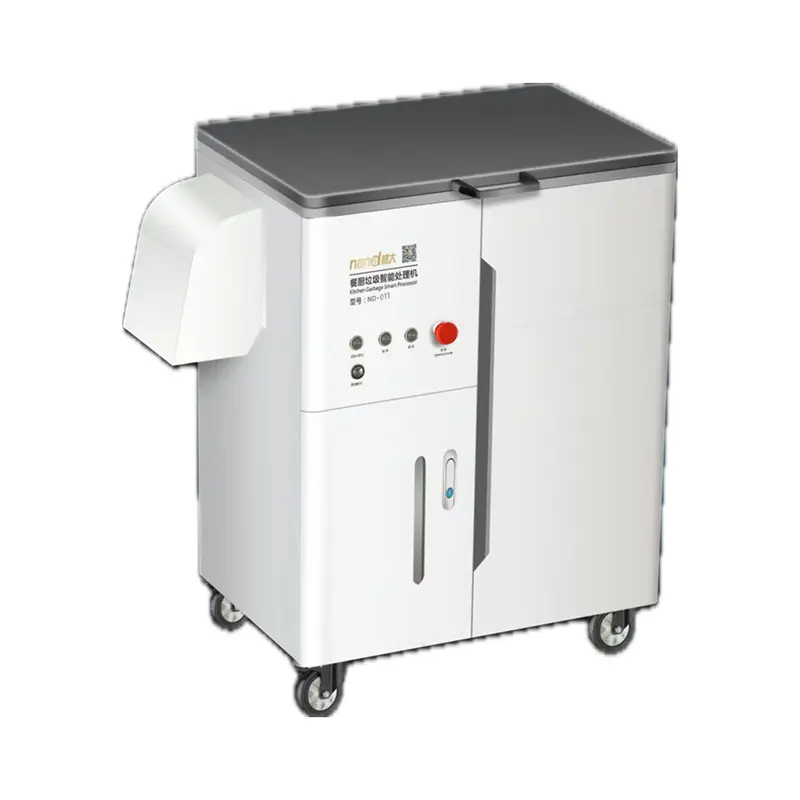 Oil-Water Separator