Top 10 Best Waste Management Compost Solutions for Sustainable Living?
In an era where environmental sustainability is crucial, effective waste management is essential. One of the most impactful practices is waste management compost. This process not only reduces landfill waste but also enriches soil. It’s a simple method that many people overlook.
Many households still struggle with composting efficiently. Issues arise from improper sorting and lack of knowledge about compostable materials. Yet, the benefits of composting can be significant. It can convert kitchen scraps and yard waste into nutrient-rich soil. This is a vital step toward reducing our carbon footprint.
As we explore the top 10 waste management compost solutions, keep in mind that there is always room for improvement. Each method has its pros and cons, and finding the right one requires careful consideration. The challenge is understanding what works best for your lifestyle and environment.
Understanding Composting: Benefits for Sustainable Living
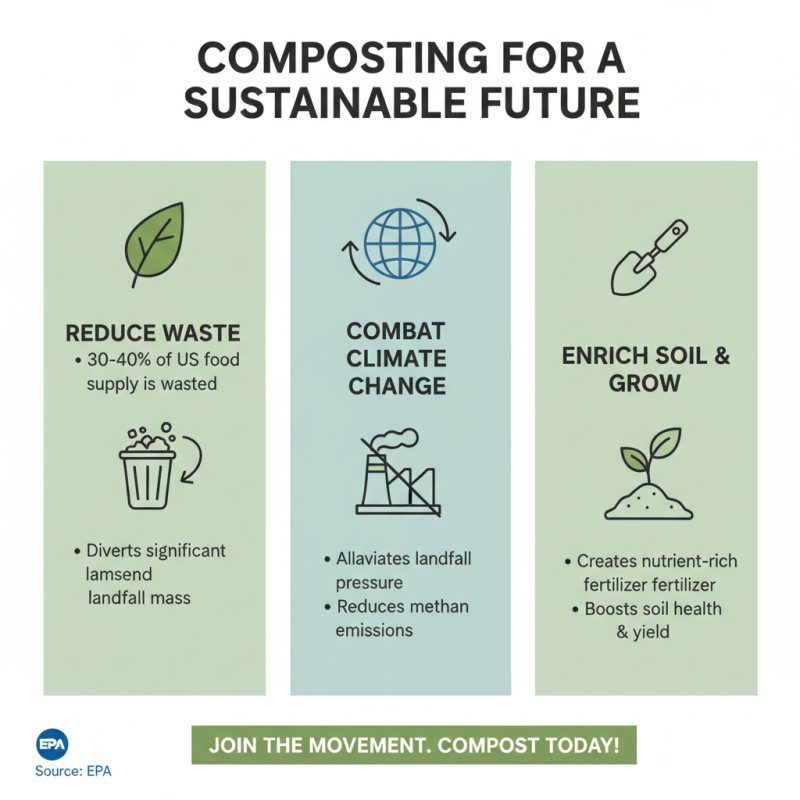
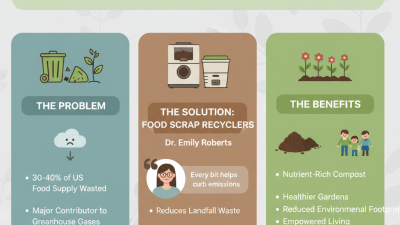
Composting plays a crucial role in sustainable living. It reduces waste and enriches the soil. According to the Environmental Protection Agency (EPA), food waste accounts for about 30-40% of the U.S. food supply. Composting this waste can alleviate landfill pressure. By composting, individuals can divert significant amounts from landfills, reducing methane emissions in the process.
Moreover, composting returns vital nutrients to the soil. This practice enhances soil health and reduces the need for chemical fertilizers. Research suggests that healthy soil can yield up to 10% more crops. However, many still struggle with the composting process. Issues like contamination and odor control are common challenges. Understanding these obstacles is essential for effective composting, yet many remain unaware or uneducated about proper techniques.
Statistics indicate that only 10% of Americans compost at home, despite its benefits. The lack of knowledge often leads to discouragement. Educational initiatives are vital in promoting composting. By fostering a community understanding of these practices, we can enhance participation. The journey towards widespread composting may require patience and effort, but the rewards for our environment are immense.
Types of Composting Systems: Choosing the Right Fit for Your Home
Composting at home can greatly reduce kitchen waste. Choosing the right composting system is essential for success. There are various methods, each fitting different lifestyles and spaces.
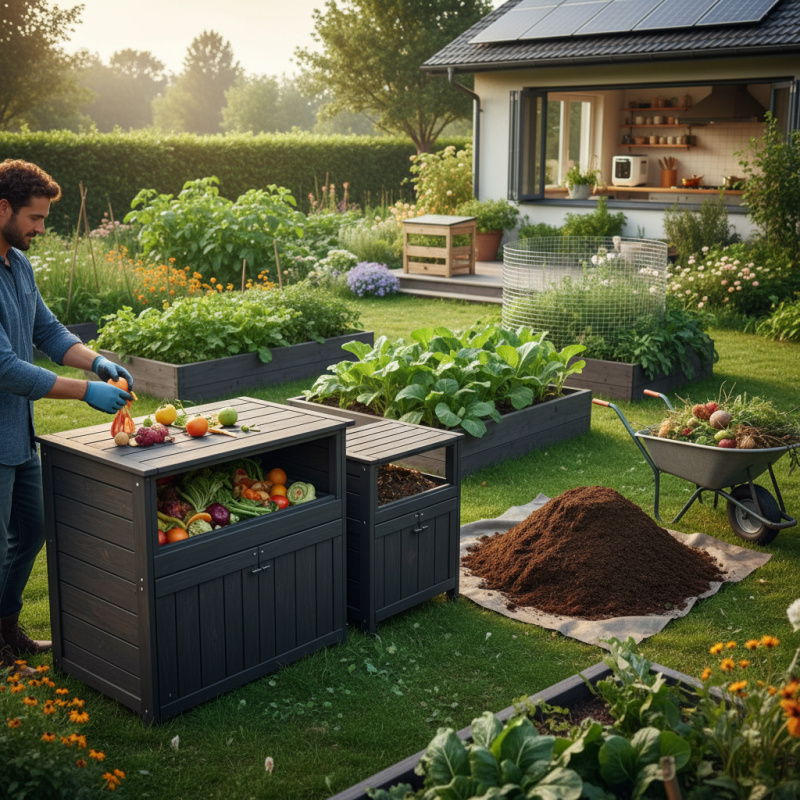
For those with limited space, a compact bin is ideal. It can sit in a small corner of your kitchen or balcony. If you have a garden, consider an outdoor compost pile. This allows for larger volumes of organic material. However, managing a pile requires more effort. You’ll need regular turning and monitoring.
Bokashi composting is another interesting method. It ferments kitchen scraps quickly and is perfect for urban living. It doesn't need much space, but the initial setup can be confusing. Worm composting, or vermicomposting, is also an option. It can produce rich fertilizer but requires the right conditions for worms to thrive. Each method has pros and cons to ponder. If you are new to composting, it may take time to find what truly works for you.
Top 10 Compost Solutions: Features and Benefits Explained
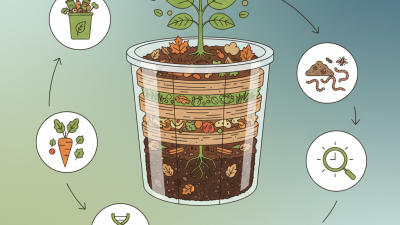
Composting transforms waste into rich soil. It supports sustainable living. Many compost solutions exist, each with unique features and benefits. These systems vary in size and complexity. Some are compact for urban living. Others are more extensive for larger homes.
A great tip is to assess your space. Consider the available area for composting. If space is limited, select a small bin or a worm composting system. These can fit on balconies or in kitchens. For more room, a traditional compost pile may work better.
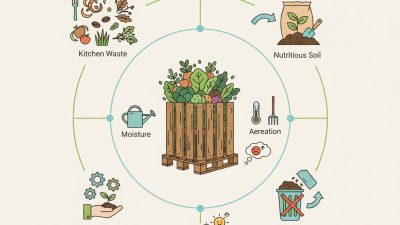
Different compost solutions have various requirements. Maintaining balance is critical. You need to mix green and brown materials. Green items include vegetable scraps. Brown items consist of dried leaves or cardboard. Too much of one type can slow down the process. Be mindful and adjust your inputs. Regularly turning the compost can help speed things up.
When implementing any compost solution, don’t fear imperfection. Sometimes, your mixture may smell bad or attract pests. This can provoke frustration. Take it as a learning opportunity. Reflect on your methods and make necessary adjustments. It’s about progress, not perfection. Enjoy the journey towards sustainable living!
Top 10 Best Waste Management Compost Solutions for Sustainable Living
| Solution |
Type |
Capacity |
Composting Time |
Key Features |
Benefits |
| Bokashi Composting |
Indoor |
5 Gallons |
2-4 weeks |
Fermentation process |
Odor reduction, fast process |
| VermiComposting |
Indoor/Outdoor |
10-50 Gallons |
3-6 months |
Utilizes worms |
Highly nutritious compost, low maintenance |
| Tumbler Compost Bin |
Outdoor |
50-100 Gallons |
4-6 weeks |
Rotatable design |
Ease of mixing, aeration improvement |
| Compost Pile |
Outdoor |
Variable |
3-6 months |
Simple setup |
Natural process, low cost |
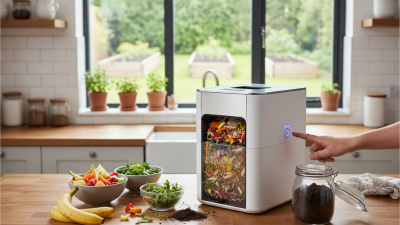
| Electric Composter |
Indoor/Outdoor |
5-30 Gallons |
24 hours |
Automated processing |
Rapid composting, minimal effort |
| Worm Bin |
Indoor |
5-20 Gallons |
4-6 months |
Small space requirement |
Produce worm castings, great for small homes |
| Compost Bin System |
Outdoor |
75-300 Gallons |
2-3 months |
Multi-chamber design |
Effective management of composting stages |
| Soil Incubator |
Outdoor |
Variable |
4-8 weeks |
Heat retention |
Boosts composting rate, enhanced soil nutrients |
| Compost Tumbler with Legs |
Outdoor |
50-100 Gallons |
4-6 weeks |
Elevated design for easy access |
Reduces bending, efficient aeration |
Tips for Effective Composting: Maximizing Efficiency and Output
Composting is a simple yet powerful way to reduce waste. Maximizing your composting efficiency involves a few key tips. Start with a balanced mix of green and brown materials. Green items are rich in nitrogen, such as grass clippings and vegetable scraps. Brown materials, like dried leaves and cardboard, provide carbon. A good ratio is roughly 2:1, brown to green. Layering these materials helps air circulation and speeds up decomposition.
Maintain moisture but avoid sogginess. The compost should feel like a wrung-out sponge. If it’s too dry, add water or green materials. Too wet? Mix in more brown. Keep an eye on temperatures, aiming for a warm center. Turning the pile every few weeks introduces oxygen. This action minimizes odors and accelerates composting.
Even with the right methods, challenges can arise. Sometimes, the compost might smell bad. This can happen if the mixture lacks air or moisture. Monitor for signs of pests or mold, as these can derail your effort. Composting is a learning journey. Observe your pile – note what works and what doesn't. Adjust accordingly, and remember, every small step is progress.
Top 10 Best Waste Management Compost Solutions for Sustainable Living
Challenges in Composting: Troubleshooting Common Issues
Composting can be a rewarding practice, but it often poses challenges. One common issue is odor. Odorous compost can result from an imbalance in green and brown materials. A lack of carbon-rich materials can lead to a smelly environment. Adding dry leaves or cardboard may help reduce unhealthy scents.
Moisture levels also play a crucial role in successful composting. Too much moisture can create a soggy mess. On the other hand, dry compost can slow down decomposition. It's essential to monitor the moisture. A handful of compost should feel like a damp sponge. If it’s too wet, adding dry materials can balance it out. If it’s too dry, spritzing with water helps.
Pests are another obstacle. Fruit flies, for instance, can invade a compost pile. Keeping a tight lid can help. Covering food scraps with browns may deter them too. Remember, composting is a learning experience. It involves trial and error. Adapting to these challenges makes the process worthwhile. Embrace the imperfections as you nurture your garden.

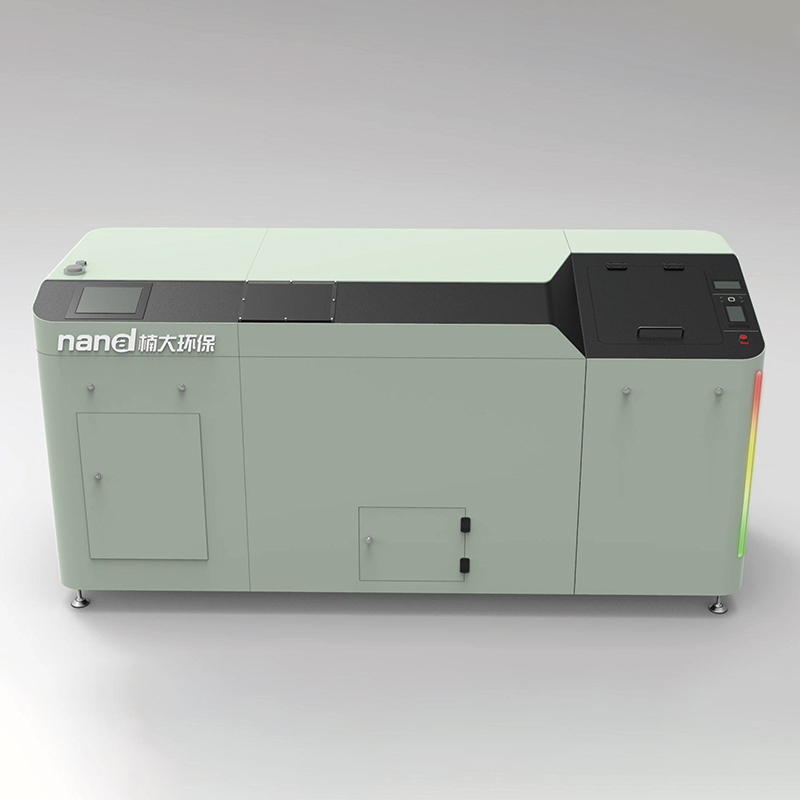 Nanda Trans Series-200
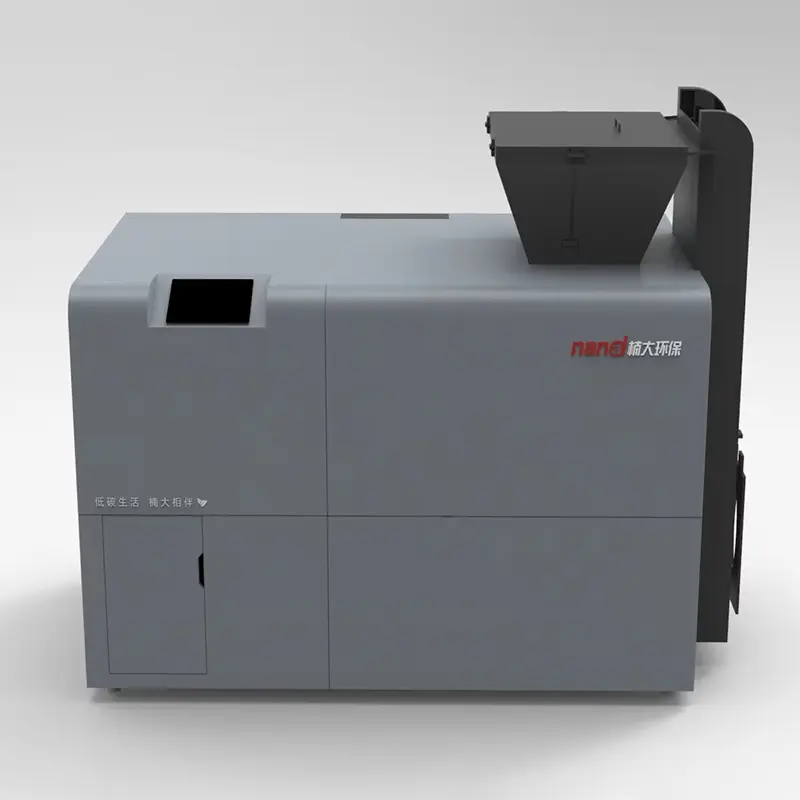 Nanda Trans Series-500
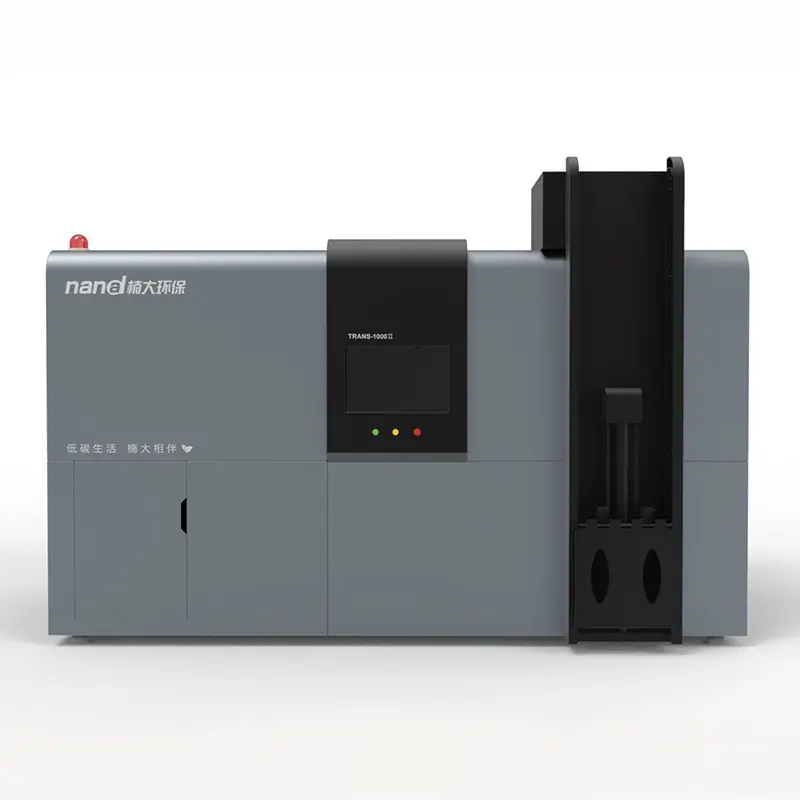 Nanda Trans Series-1000
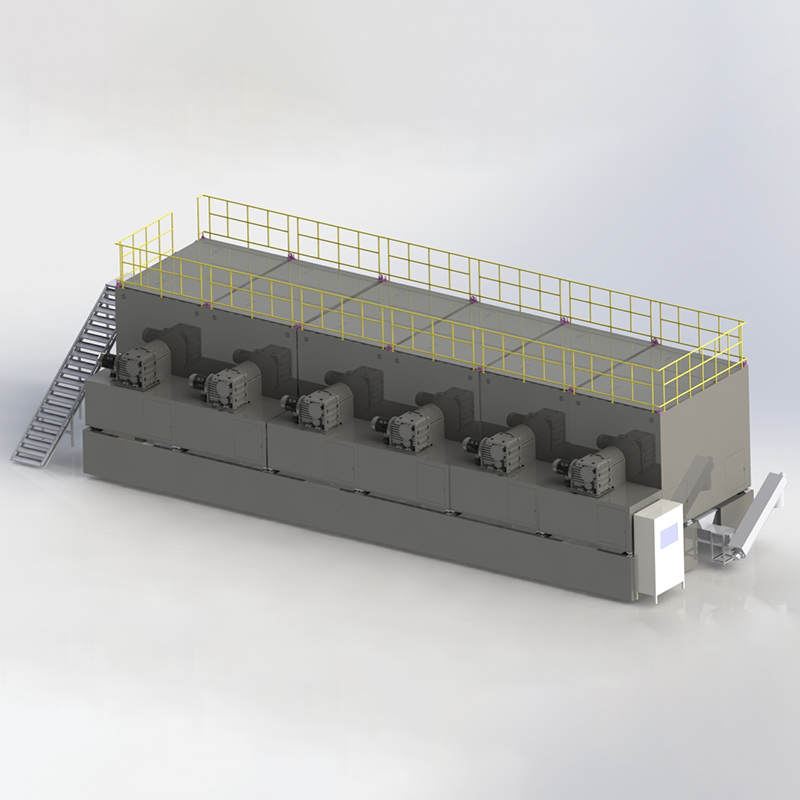 Nanda Trans Series-30000
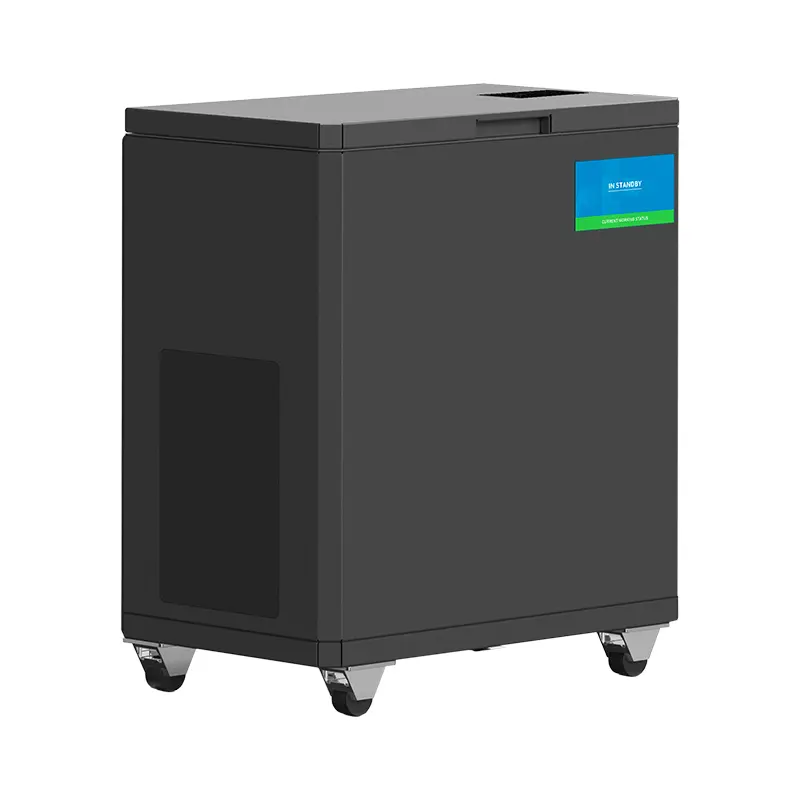 Nanda Thermax Series-100
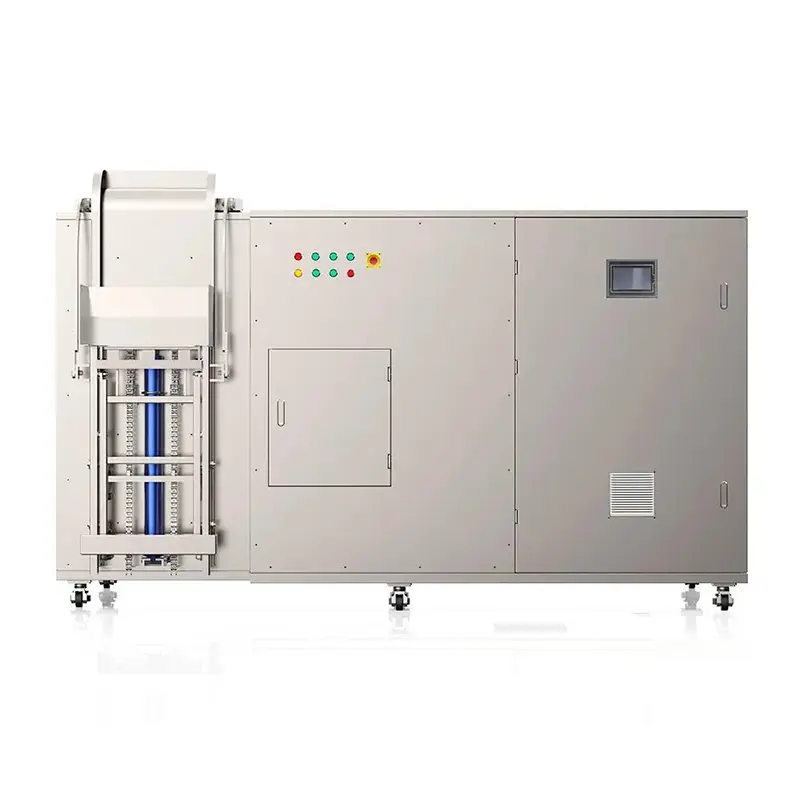 Nanda Thermax Series-200
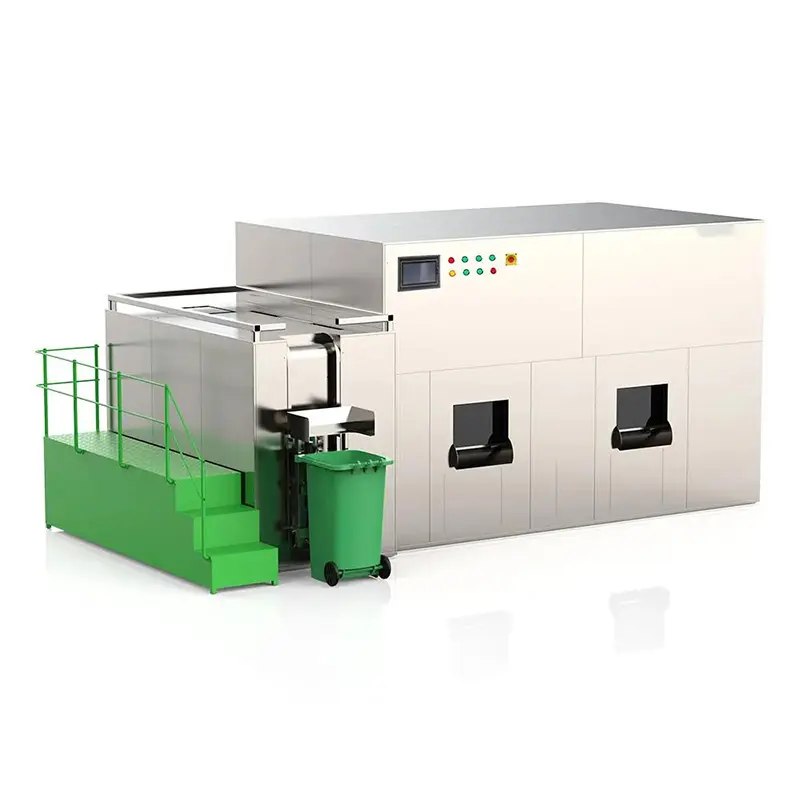 Nanda Thermax Series-2000
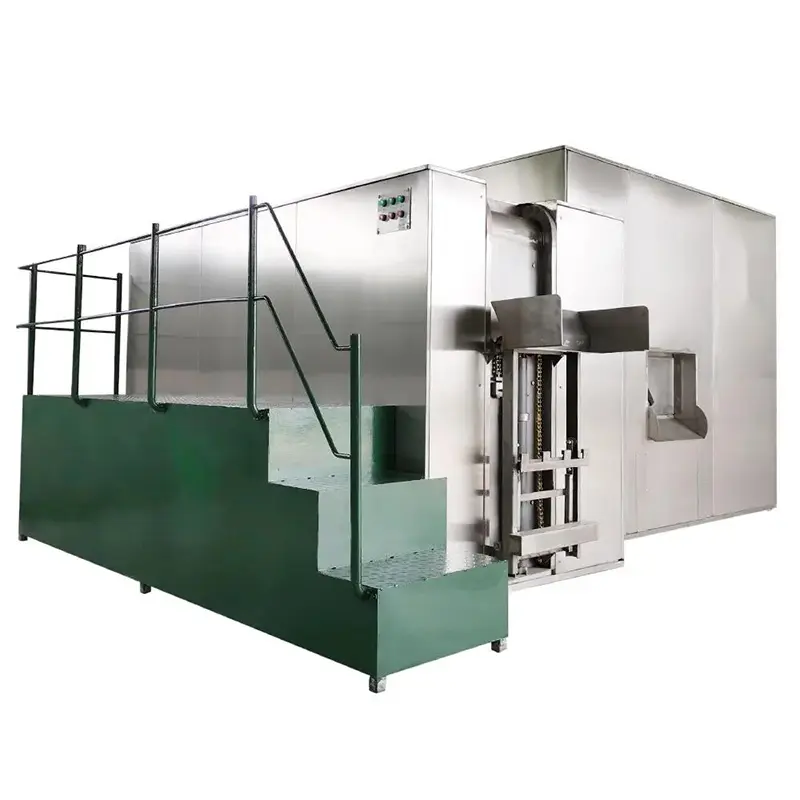 Nanda Thermax Series-10000
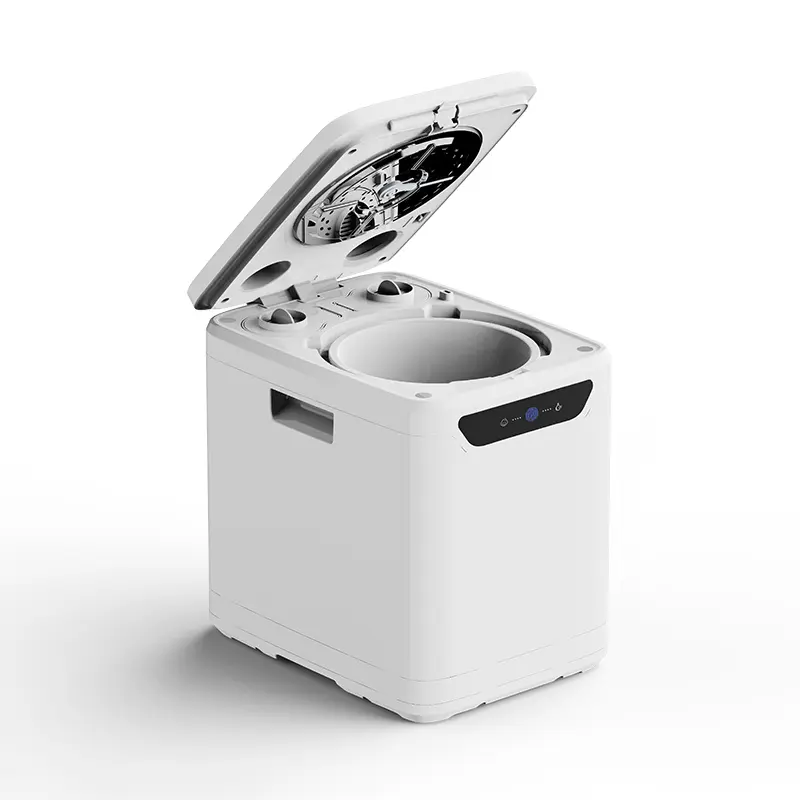 Nanda Turbo Series-3.5L-016
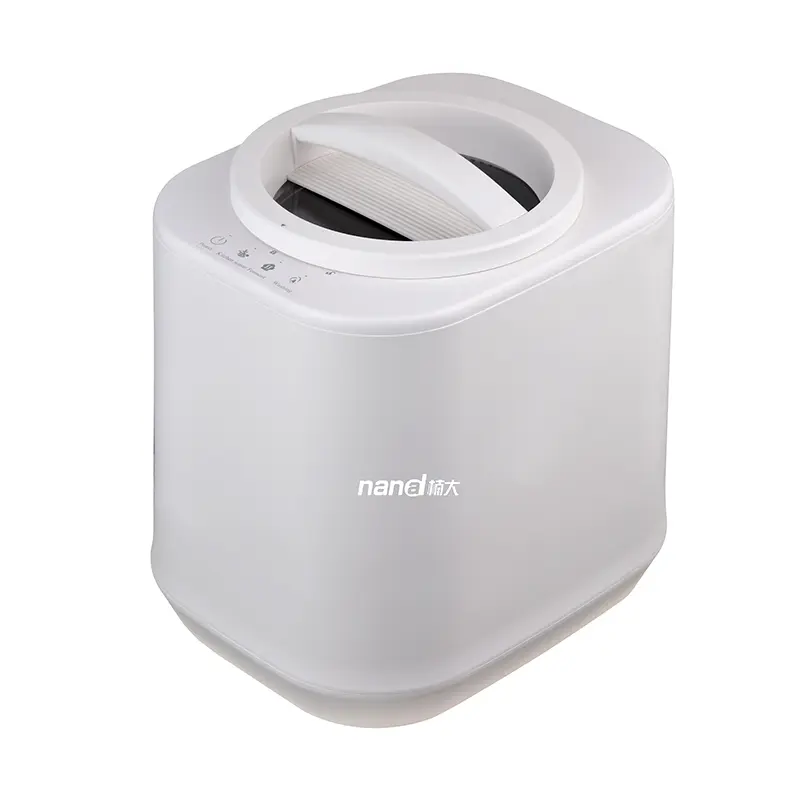 Nanda-Turbo Series-4L-011
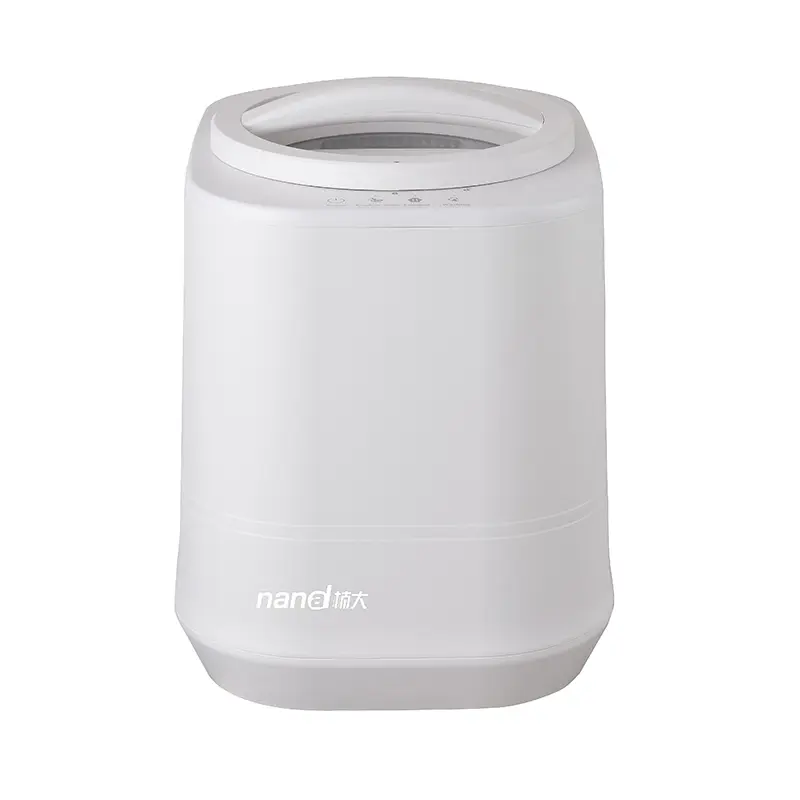 Nanda Turbo Series-4L-012
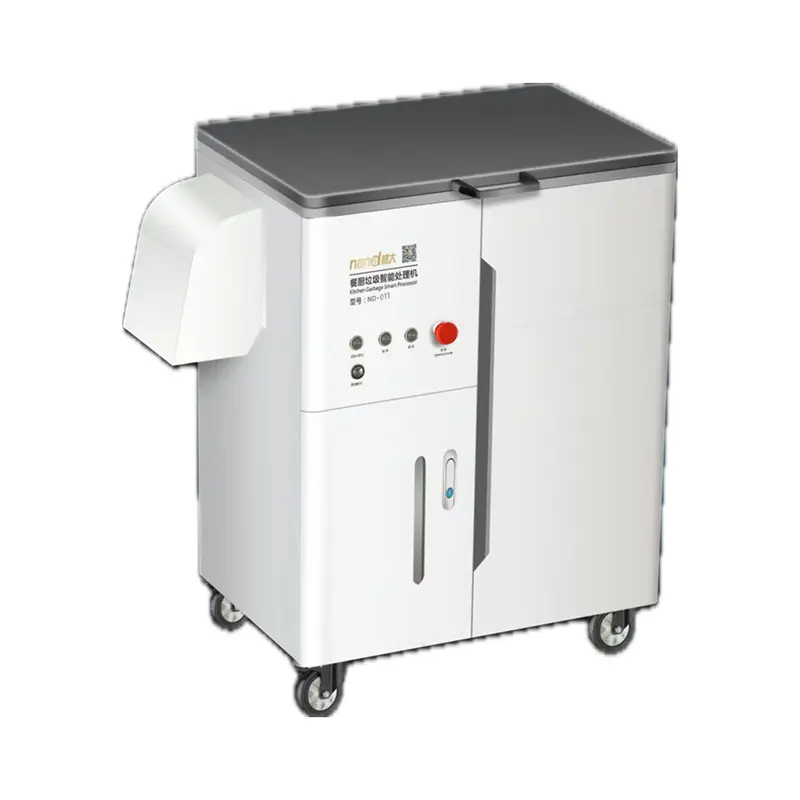 Oil-Water Separator