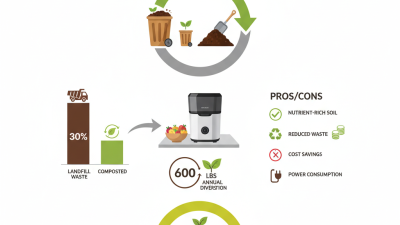
Top 10 Waste Management Compost Solutions for Global Buyers?
Waste Management Compost is an essential component of sustainable practices globally. According to a 2022 report by the World Bank, around 2.01 billion tons of waste are generated each year, with a significant portion being organic. Composting can reduce this waste stream and convert it into valuable resources. The market for composting solutions is growing rapidly as more businesses recognize its benefits.
In developed nations, about 25-30% of waste is compostable. Despite this, less than 10% is actually composted. Barriers include lack of awareness and infrastructure. A recent study by the Environmental Protection Agency (EPA) highlights that effective Waste Management Compost strategies can divert significant volumes from landfills. Furthermore, the industry is now seeing innovations in composting technologies which promise better efficiency.
Partnerships between public and private sectors are crucial for adopting these innovative solutions. Yet, challenges remain. Many communities still struggle with infrastructure gaps. Understanding how to successfully integrate Waste Management Compost solutions is vital for future urban planning and environmental sustainability.

Top Global Trends in Waste Management Compost Solutions
The global demand for compost solutions in waste management is growing. According to the Global Composting Market report, the industry is projected to reach $1.3 billion by 2027, driven by the need for sustainable practices. Buyers are increasingly seeking local composting options. The trend shows a shift towards smaller, decentralized composting solutions to cater to urban populations.
Biodegradable waste accounts for nearly 30% of total municipal waste. Yet, many cities still lack effective composting facilities. This gap presents both a challenge and an opportunity for global buyers. Adoption of innovations, like anaerobic digestion and vermicomposting, is on the rise, revealing a keen interest in efficient waste reduction methods.
Despite progress, many compost solutions face hurdles. Lack of public awareness remains a significant barrier. The composting process can be complex, leading to inconsistencies in quality. Efficient collection and transportation of organic waste also prove problematic. Buyers must navigate these issues to invest wisely in compost technologies. Every missed opportunity in waste management impacts the overall effectiveness of sustainability efforts.
Top 10 Waste Management Compost Solutions
Key Benefits of Composting for Waste Reduction and Soil Health
Composting is a vital practice in waste management, promoting soil health and reducing waste. According to the Environmental Protection Agency (EPA), composting can divert roughly 30% of waste from landfills, significantly minimizing landfill overflow. This not only reduces greenhouse gas emissions but also enriches soil, improving its structure and fertility.
A study from the Food and Agriculture Organization (FAO) highlighted that compost contributes to better water retention in soil. This can be crucial for crop production in drought-prone areas. Healthy soil retains moisture better, leading to lower irrigation costs. Compost enriches the soil with essential nutrients, decreasing the need for chemical fertilizers. It's an environmentally friendly approach that can yield substantial economic benefits.
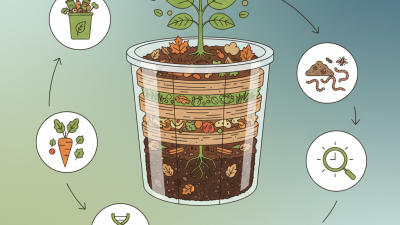
Tips: For effective composting, start with a balanced mix. Combine green materials like food scraps with brown materials such as dried leaves. Monitor moisture levels; compost should be damp but not soggy. Regular turning can enhance decomposition. Experiment with different combinations to find what works best. Remember, patience is key. Composting takes time. Be prepared for occasional challenges, like odors or pests, which require reflection and adjustment.
Innovative Technologies in Composting: Enhancements and Efficiency
Innovative composting technologies are transforming waste management practices. According to a report from the World Bank, around 2 billion tons of waste are generated annually. A significant portion of this waste is organic, and innovative composting solutions can mitigate this impact. For example, aerobic digestion can reduce organic material volume by up to 90%, significantly minimizing landfill usage.
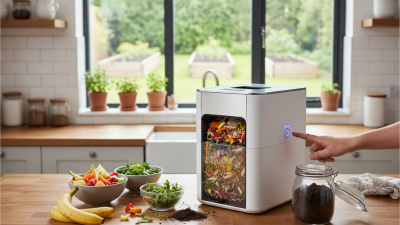
Emerging technologies such as in-vessel composting systems have shown promise. These systems optimize microbial activity in controlled environments, enhancing breakdown efficiency. Studies indicate that in-vessel composting can complete the process within weeks compared to traditional methods that can take months. Additionally, smart composting systems leverage IoT technology to monitor and adjust parameters like temperature and moisture levels automatically.
However, challenges remain. Some composting solutions require substantial financial investment and technical knowledge. Regions lacking infrastructure face difficulties in implementing these technologies effectively. Through continuous innovation and local adaptations, the goal is to make composting accessible for all, promoting sustainability and reducing waste in our communities.
Comparative Analysis of Compost Methods: Aerobic vs. Anaerobic Processes
Composting is vital for effective waste management. Two primary composting methods are aerobic and anaerobic processes. Both have distinct advantages and challenges.
Aerobic composting uses oxygen to break down organic matter. Microorganisms thrive in this environment. They convert waste into nutrient-rich compost. This method is faster and often produces a pleasant earthy smell. However, it requires regular turning and monitoring of moisture levels. Failing to maintain these can lead to odors and longer processing times.
Anaerobic composting, on the other hand, operates without oxygen. This method generates biogas, which can be captured and used as energy. It is less labor-intensive than aerobic methods. However, it may produce odors that can be off-putting. The process takes longer, which can be a drawback for rapid waste turnover. Understanding these methods helps in making informed decisions for waste management.
Market Insights: Demand for Compost Solutions by Region and Sector
The demand for compost solutions varies significantly across regions and sectors. Urban areas are increasingly focusing on sustainability. Cities are investing in composting programs. This shift is driven by a desire to reduce landfill waste. In North America, the emphasis is on commercial composting facilities. These facilities aim to handle vast amounts of organic waste generated by businesses.
In contrast, developing regions face unique challenges. Limited infrastructure can hinder effective composting initiatives. However, local communities often adopt simple composting practices. Community gardens benefit from these efforts. They serve as hubs for education and sustainable practices. The agricultural sector shows great promise for compost utilization. Farmers recognize the benefits of compost for soil health. Composting not only reduces costs but enhances crop yields.
Despite the rising interest, issues remain. Access to composting technologies is inconsistent. Education on the benefits of composting is necessary. Some stakeholders still doubt its effectiveness. They worry about time and resources required for proper composting. These barriers must be addressed to promote widespread adoption.
Top 10 Waste Management Compost Solutions for Global Buyers
| Rank |
Region |
Sector |
Market Demand (USD) |
Growth Rate (%) |
| 1 |
North America |
Agriculture |
250 million |
5.2 |
| 2 |
Europe |
Residential |
180 million |
4.5 |
| 3 |
Asia-Pacific |
Commercial |
150 million |
6.0 |
| 4 |
Latin America |
Municipal |
100 million |
3.8 |
| 5 |
Middle East & Africa |
Industrial |
75 million |
4.1 |
| 6 |
North America |
Agriculture |
200 million |
5.5 |
| 7 |
Europe |
Residential |
160 million |
4.8 |
| 8 |
Asia-Pacific |
Commercial |
130 million |
6.3 |
| 9 |
Latin America |
Municipal |
90 million |
4.0 |
| 10 |
Middle East & Africa |
Industrial |
60 million |
3.5 |

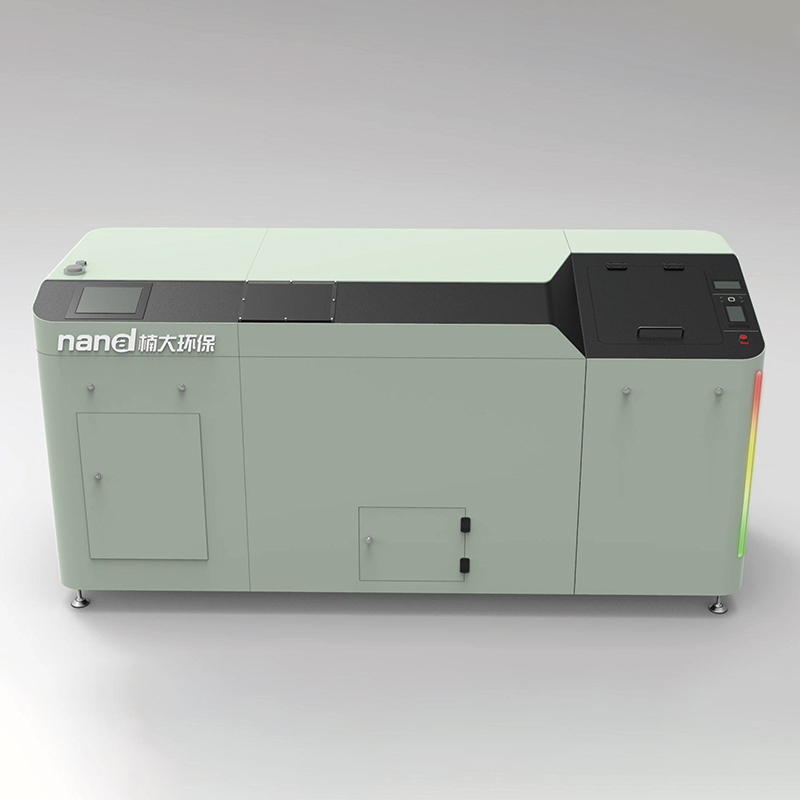 Nanda Trans Series-200
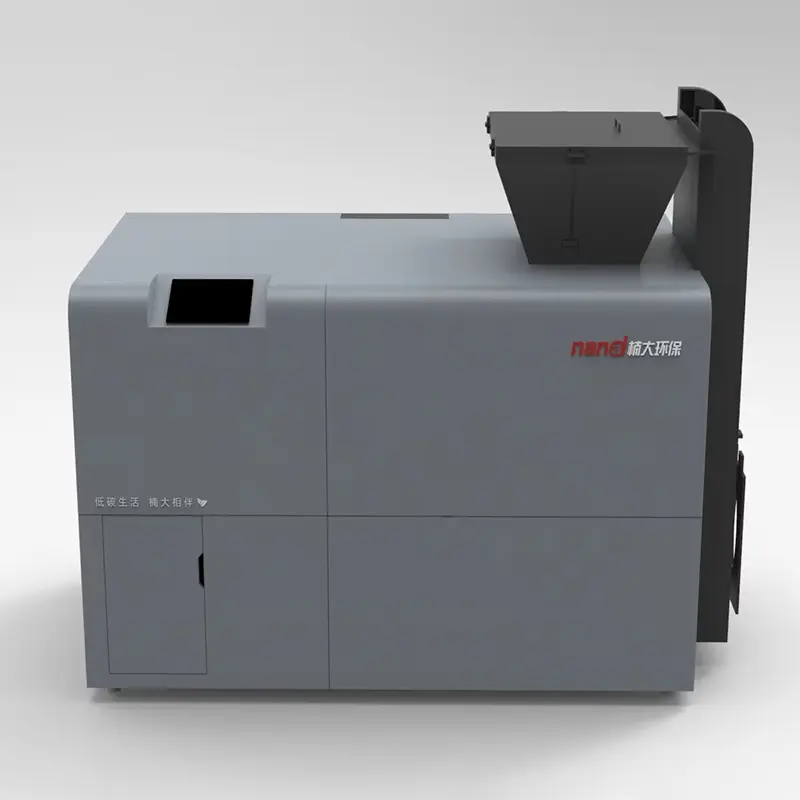 Nanda Trans Series-500
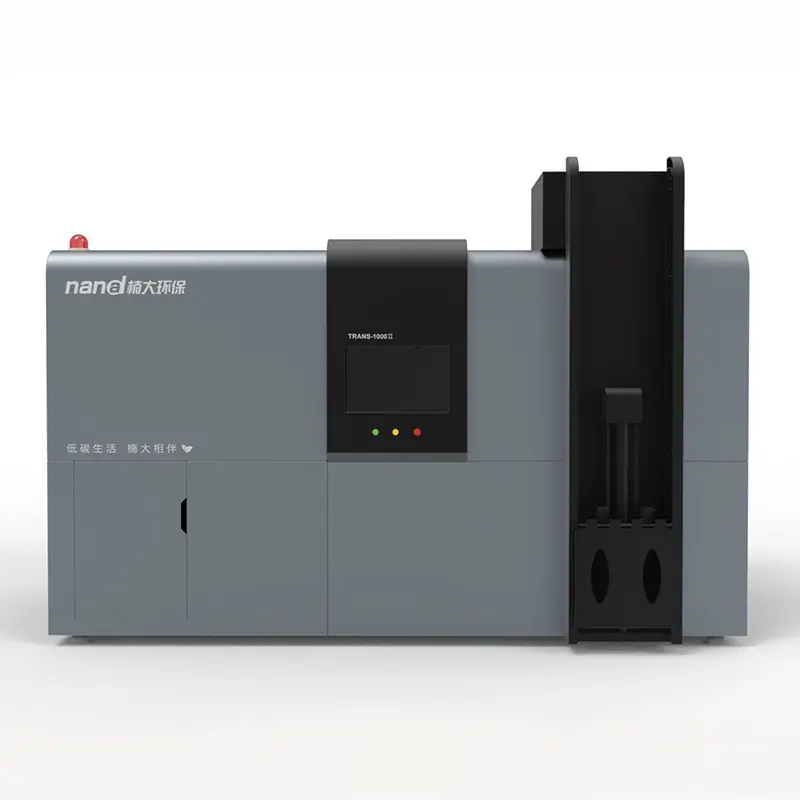 Nanda Trans Series-1000
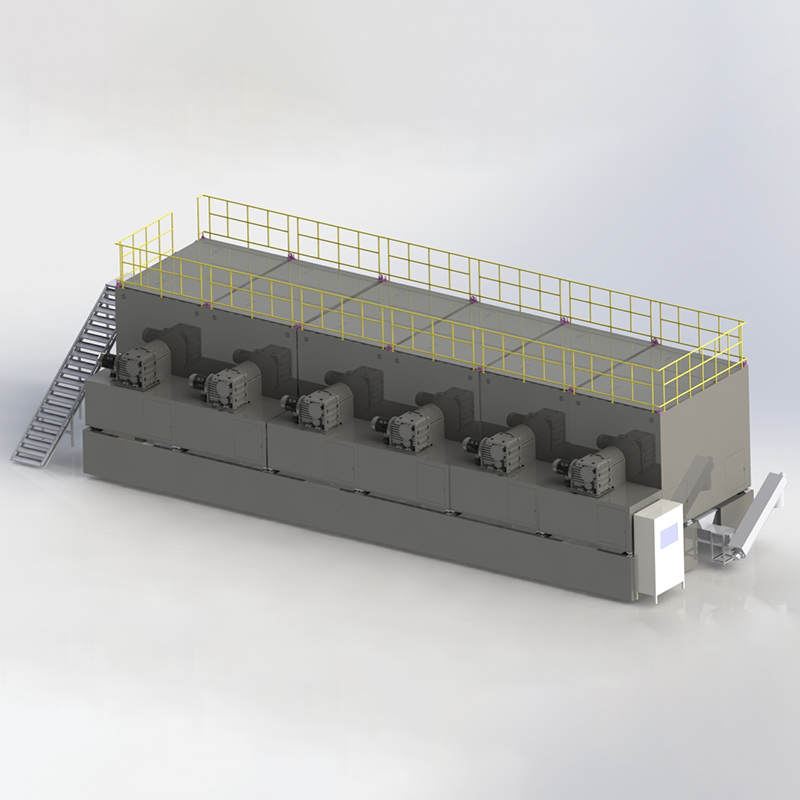 Nanda Trans Series-30000
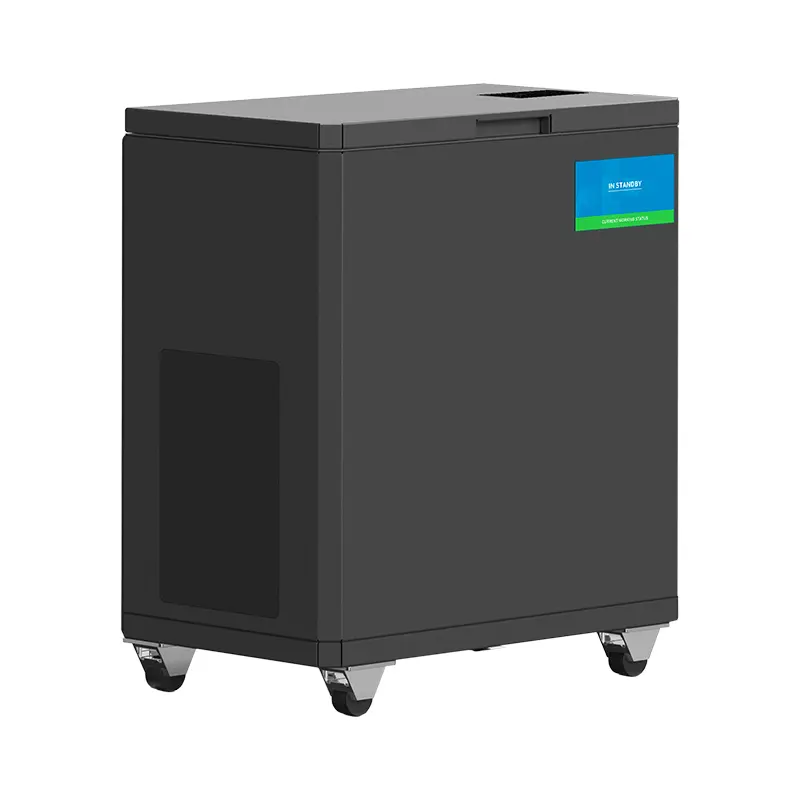 Nanda Thermax Series-100
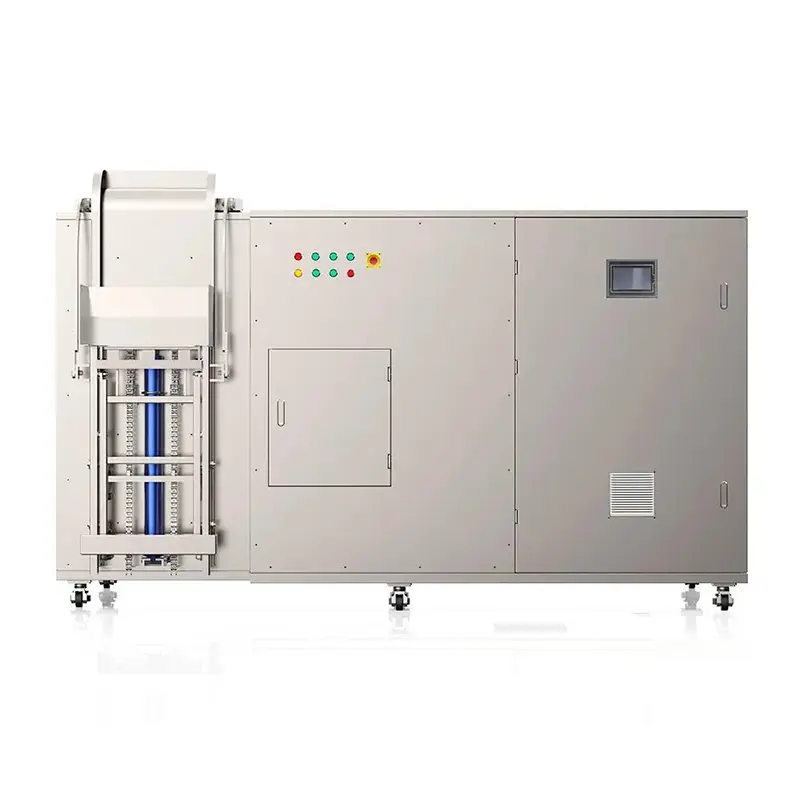 Nanda Thermax Series-200
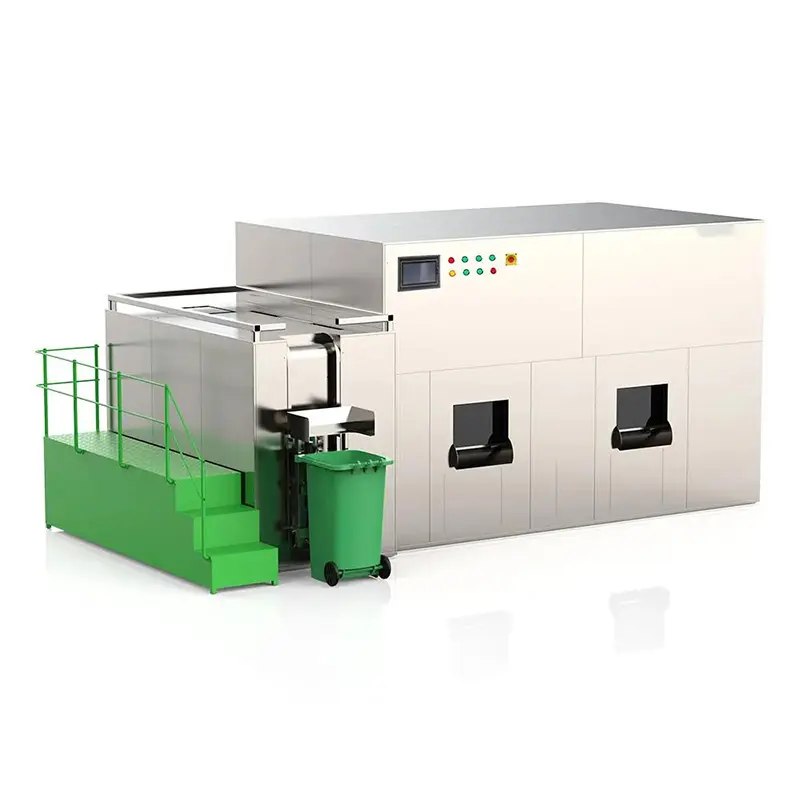 Nanda Thermax Series-2000
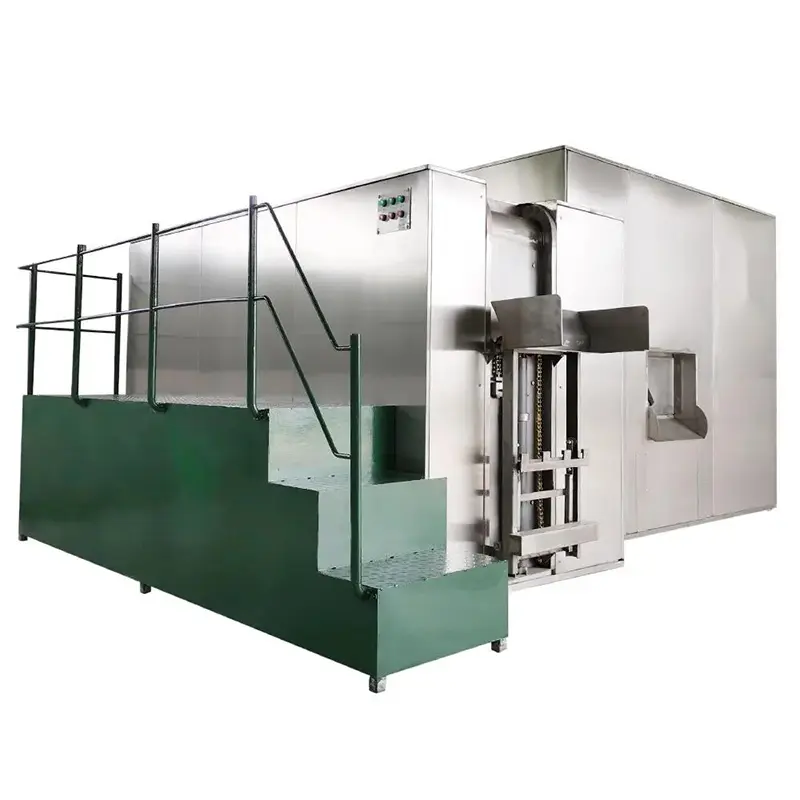 Nanda Thermax Series-10000
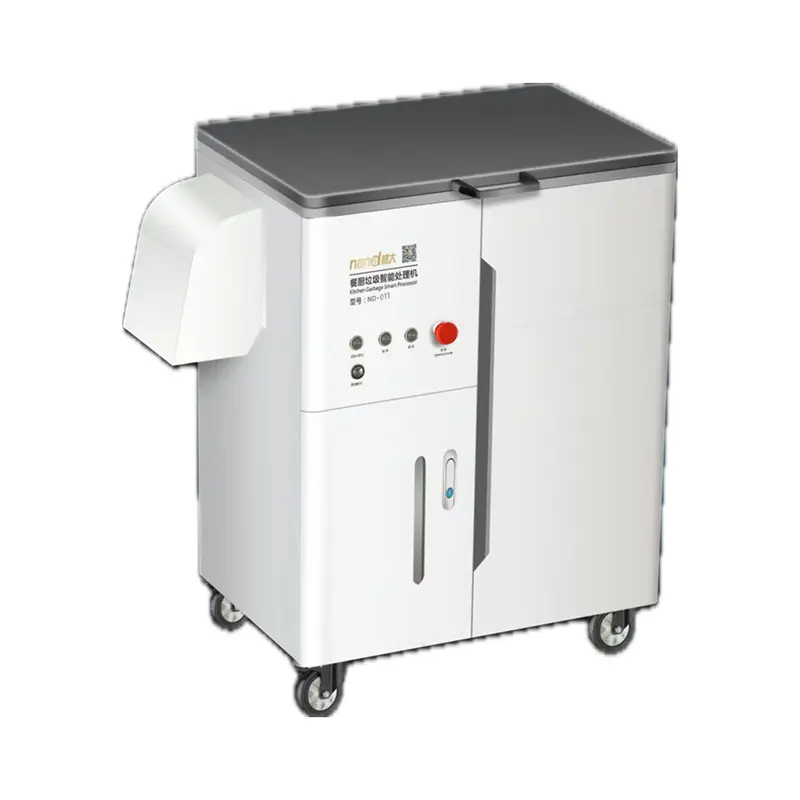
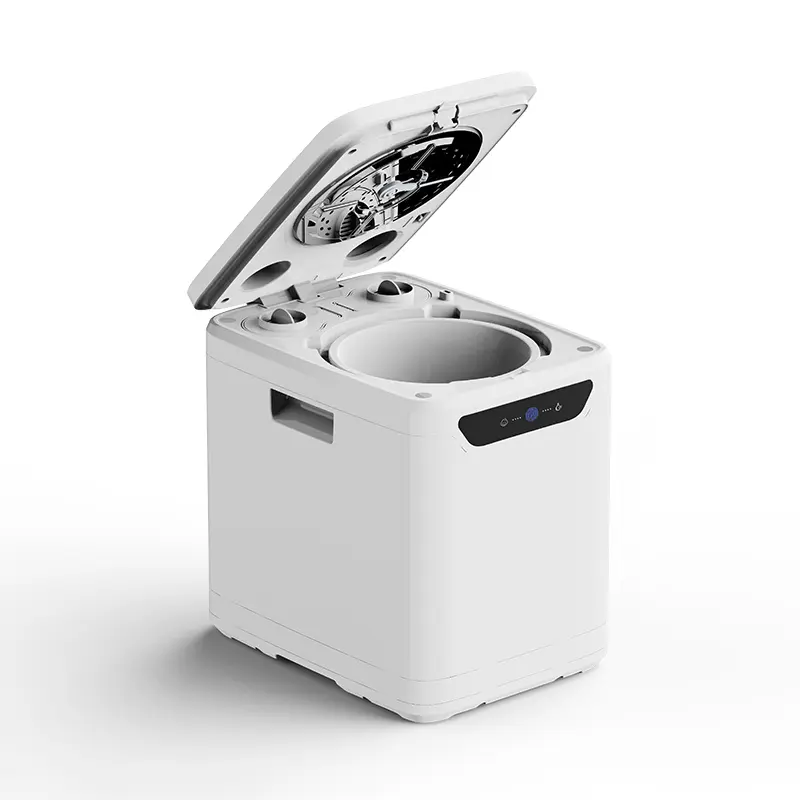 Nanda Turbo Series-3.5L-016
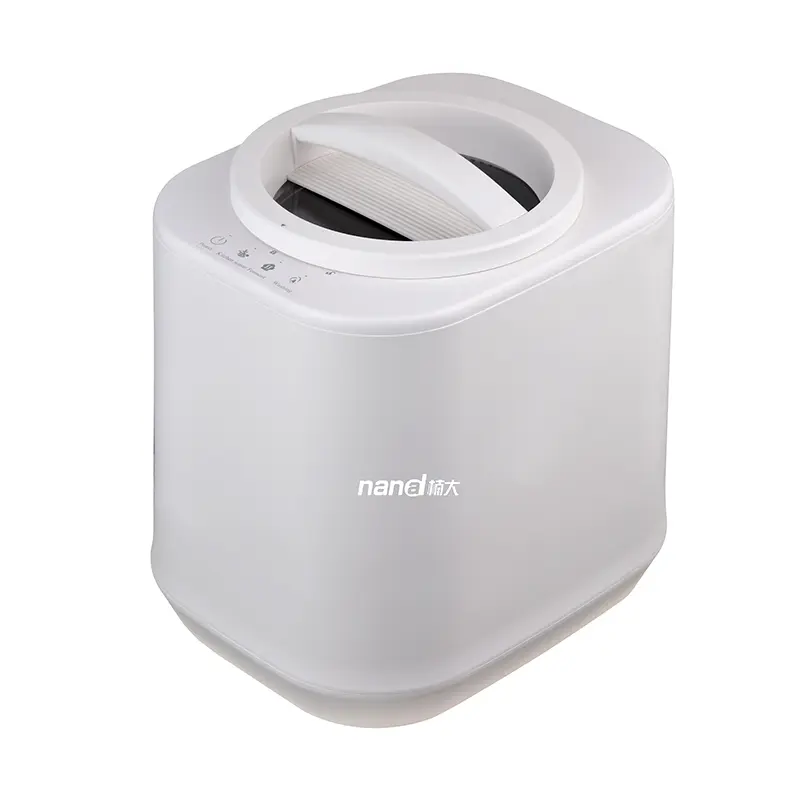 Nanda-Turbo Series-4L-011
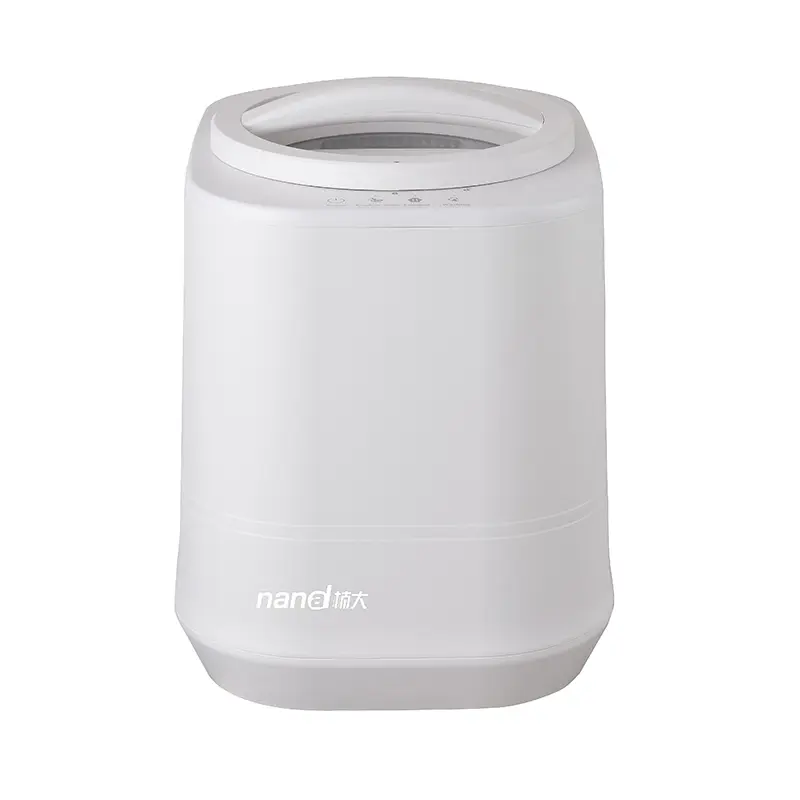 Nanda Turbo Series-4L-012
 Oil-Water Separator