Top 10 Waste Management Machines You Need to Know for Effective Recycling
In today’s world, where environmental sustainability has become a pressing concern, efficient waste management is crucial for mitigating the adverse effects of pollution and conserving natural resources. One of the most effective ways to enhance recycling efforts is through the use of advanced waste management machines. These innovative tools are designed to streamline the sorting, processing, and handling of recyclable materials, ultimately fostering a more sustainable approach to waste management. With a myriad of options available, understanding the top waste management machines becomes essential for businesses and municipalities striving to improve their recycling systems.
This article delves into the top 10 waste management machines that are revolutionizing the recycling landscape. By exploring the features and benefits of these machines, readers will gain insights into how they can effectively integrate them into their waste management strategies. From shredders and compactors to sorting systems and balers, each machine plays a pivotal role in enhancing efficiency and productivity in recycling processes. Embracing these technologies not only minimizes waste sent to landfills but also maximizes the recovery of valuable materials, paving the way for a cleaner, greener, and more sustainable future.
Overview of Waste Management Machines in Recycling
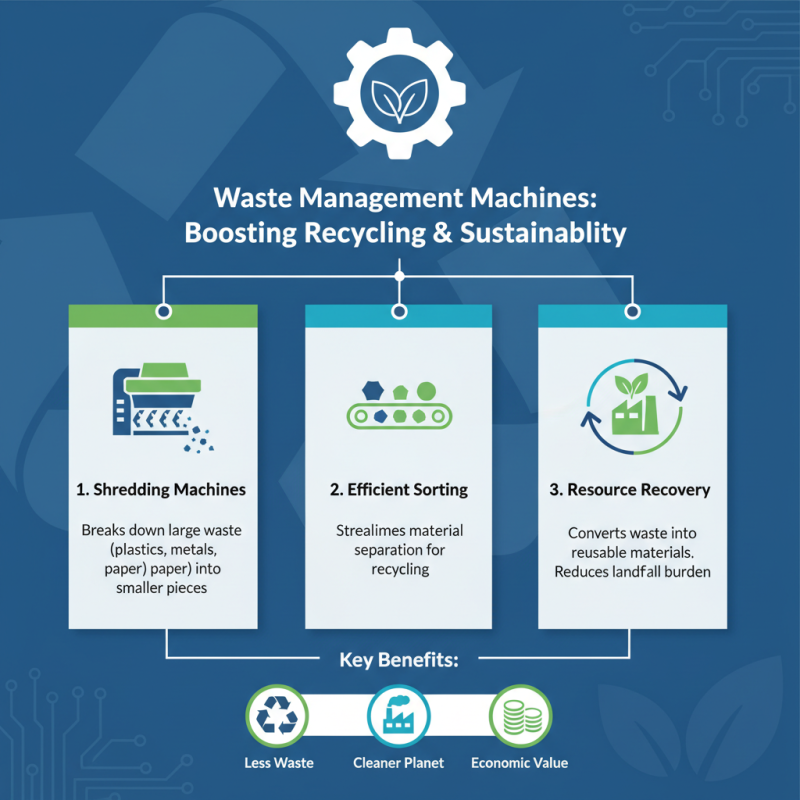
Waste management machines play a crucial role in enhancing recycling efforts and promoting sustainability. These machines are designed to efficiently process various types of waste, turning them into reusable materials and reducing the burden on landfills. One of the key innovations in waste management is the shredding machine, which breaks down large waste items into smaller, manageable pieces. This not only streamlines the sorting process but also facilitates the recycling of materials like plastics, metals, and paper.
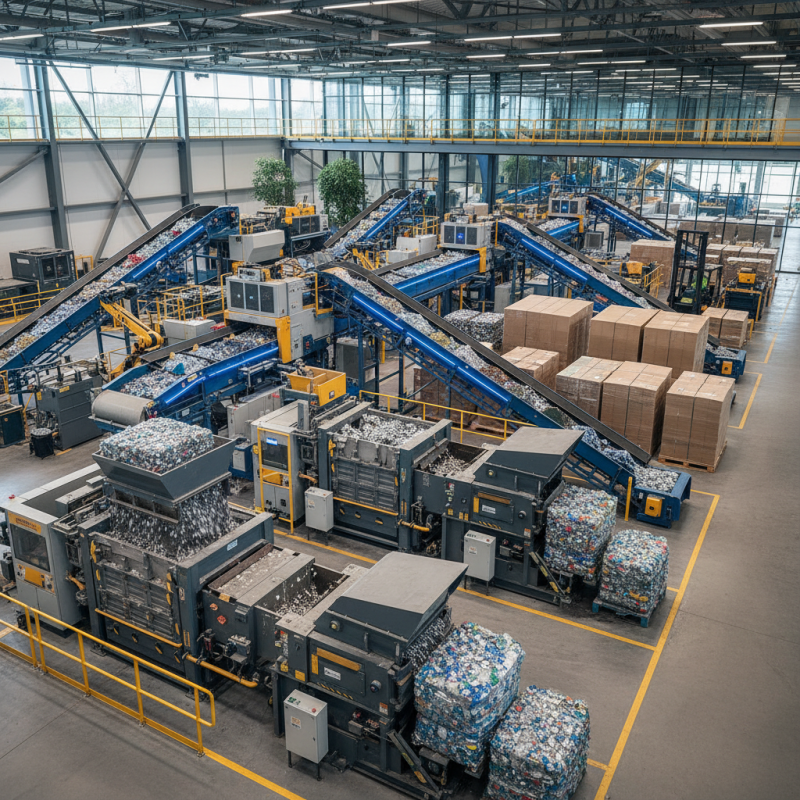
Another vital piece of equipment in the recycling line is the baler, which compactly bundles materials for easier transportation and storage. Balers are essential for creating uniform packages, which maximize space and reduce costs in the recycling supply chain. Additionally, sorting machines equipped with advanced technology, such as optical sorting and electromagnetic separation, significantly improve the efficiency of identifying recyclable materials, ensuring that more waste is diverted from landfills. Together, these machines enhance the overall efficiency of waste management processes, fostering a system where recycling becomes more effective and accessible.
Categories of Waste Management Machines Essential for Recycling
Waste management machines play a crucial role in the recycling process, ensuring that materials are effectively sorted and processed for reuse. One essential category is shredders, which reduce the size of waste materials, such as plastics and metals, making them easier to handle and transport. These machines can disintegrate bulky items into manageable pieces, allowing for enhanced material recovery and more efficient processing by recycling facilities.
Another key category includes balers, which compact recyclables into bales for easy storage and transportation. By compressing materials like cardboard, paper, and plastic, balers maximize space and minimize waste handling costs. Automated sorting systems also contribute significantly to efficient waste management, using advanced technology like sensors and AI to identify and separate different types of materials. This leads to increased recycling rates and improved operational efficiency, ensuring that more waste is diverted from landfills and processed appropriately for recycling.
Top 10 Machines and Their Specific Functions in Waste Management
Waste management machines play a crucial role in advancing effective recycling practices, allowing communities to process materials efficiently and sustainably. Among the essential machines are shredders, which break down large volumes of waste into smaller pieces for easier transportation and processing. According to the Waste Management Association, utilizing shredders can increase material recovery rates by up to 30%, enabling better sorting and recycling of various materials.
Another vital machine in this sector is the baler, which compacts recyclable materials such as cardboard and plastic into manageable bales for shipment. The efficiency of balers in reducing the volume of waste is significant; reports indicate that they can decrease material volume by up to 90%. This not only saves space in recycling facilities but also reduces transportation costs, making the recycling process more economically viable. Additionally, sorting systems equipped with advanced technology, such as infrared sensors and air classifiers, enhance the identification and separation of different waste types, further improving the overall recycling efficiency.
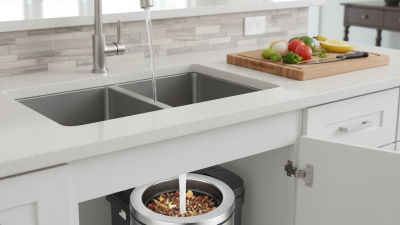
Moreover, composting machines facilitate the organic waste recycling process by transforming food scraps and yard waste into valuable compost or organic fertilizers. The Circular Economy report estimates that adopting composting technologies can divert nearly 40% of municipal waste from landfills, thereby minimizing greenhouse gas emissions and promoting soil health. As regulatory frameworks continue to evolve, investing in these advanced waste management machines is essential for cities aiming to achieve their sustainability goals and improve their recycling rates.
Innovative Technologies Driving Waste Management Machine Efficiency
Innovative technologies are reshaping the landscape of waste management, making recycling more efficient and effective than ever before. Advanced sorting machines equipped with artificial intelligence and machine learning algorithms are capable of identifying and classifying different types of materials at unparalleled speeds. These machines significantly reduce contamination in recycling streams, ensuring that more materials are processed correctly and maximizing recovery rates. Moreover, the implementation of robotics in waste management facilitates the automation of labor-intensive tasks, streamlining operations while improving safety and reducing operational costs.
Furthermore, emerging technologies such as blockchain are enhancing transparency in the recycling process. By providing a secure and verifiable record of recycled materials, blockchain can help ensure that waste is being processed responsibly and sustainably. This innovation not only fosters trust among stakeholders but also encourages the development of circular economies where materials are constantly reused and recycled. Additionally, innovations in compacting and shredding technologies are enabling more efficient transportation and storage solutions, ultimately reducing the carbon footprint associated with waste management activities. These advancements collectively represent a significant step toward more sustainable practices in the industry.
Impact of Waste Management Machines on Sustainable Recycling Practices
The impact of waste management machines on sustainable recycling practices is profound, as these technologies play a vital role in enhancing efficiency and effectiveness in the recycling process. According to data from the Global Recycling Foundation, up to 50% of recyclable materials are currently being sent to landfills due to inefficiencies in waste sorting and processing. Advanced waste management machines, such as automated sorting systems and shredders, can significantly improve the recovery rate of recyclable materials by streamlining operations and minimizing human error.
Furthermore, the adoption of waste management machines is crucial for reducing overall waste generation. The Circular Economy Action Plan by the European Commission emphasizes that effective waste management technologies can help divert at least 65% of municipal waste from landfills by 2035. By facilitating the sorting and processing of materials like plastics, metals, and paper, these machines not only promote better recycling rates but also reduce the carbon footprint associated with waste disposal. As organizations and municipalities invest in modern waste management equipment, the positive effects ripple through the ecosystem, contributing to more sustainable waste practices and a decrease in environmental pollution.

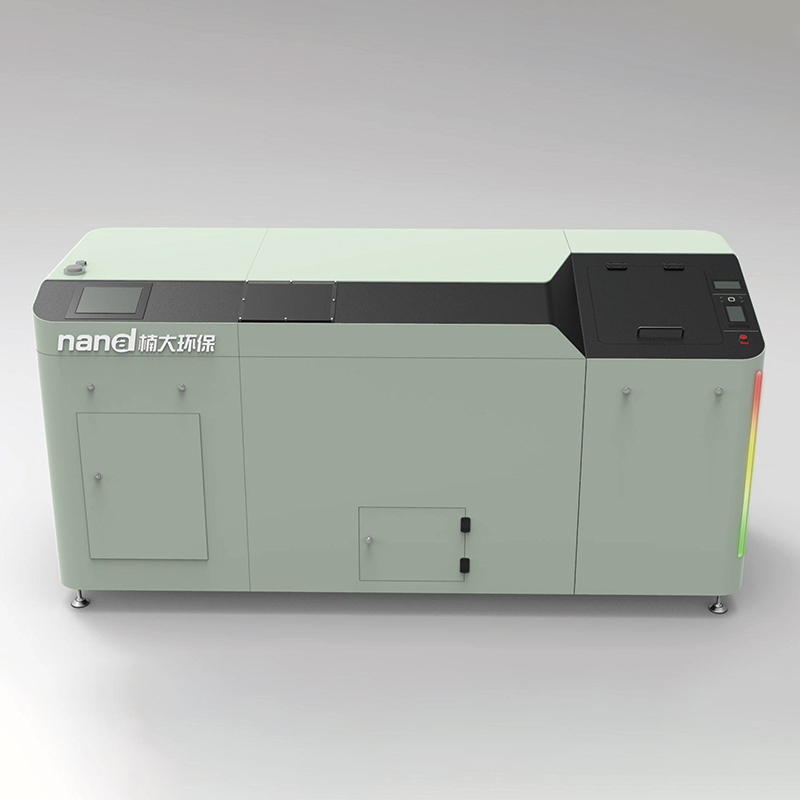 Nanda Trans Series-200
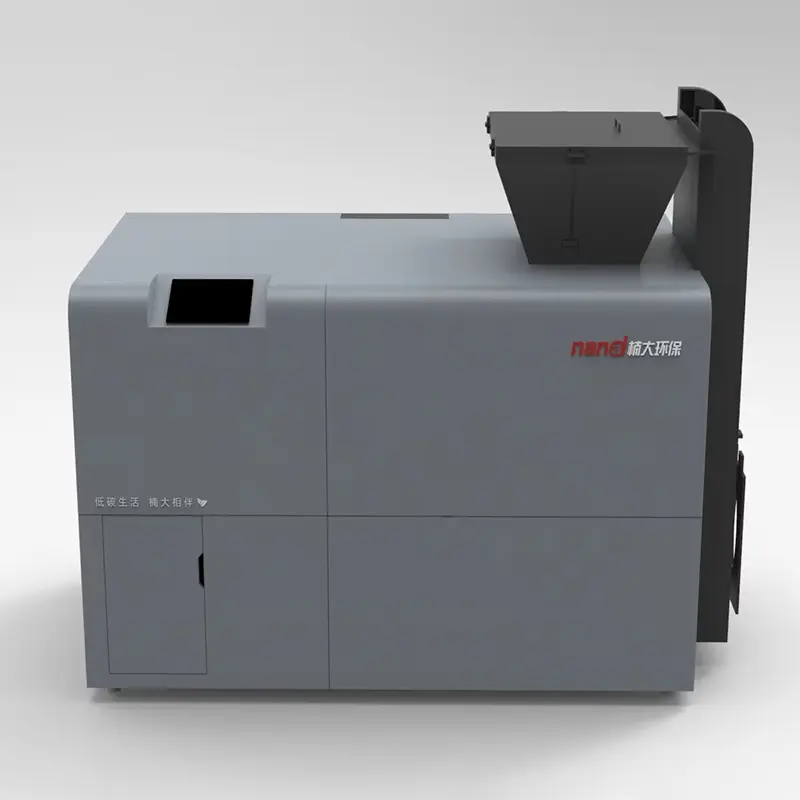 Nanda Trans Series-500
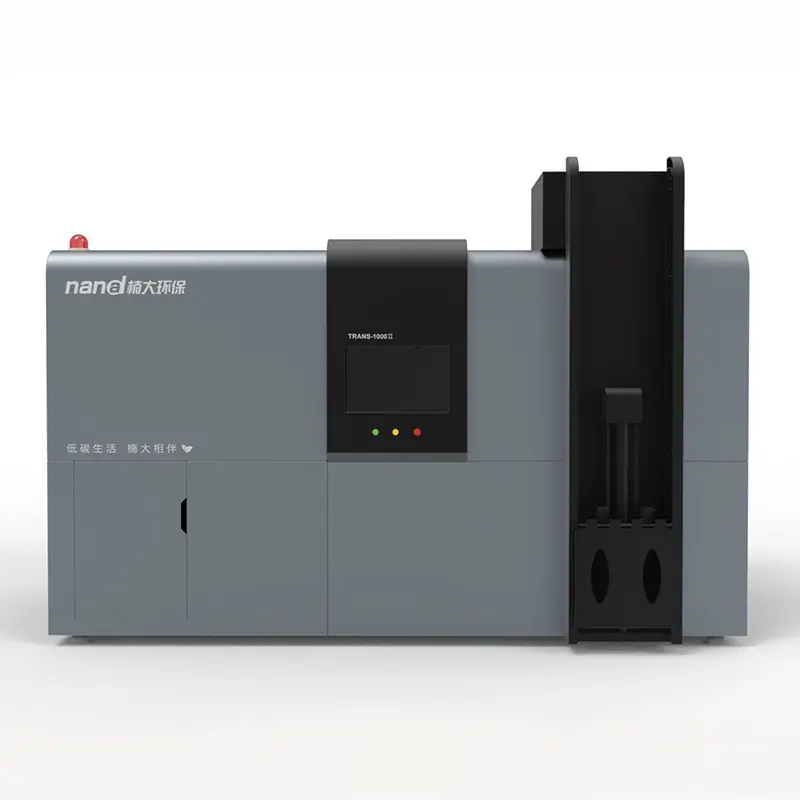 Nanda Trans Series-1000
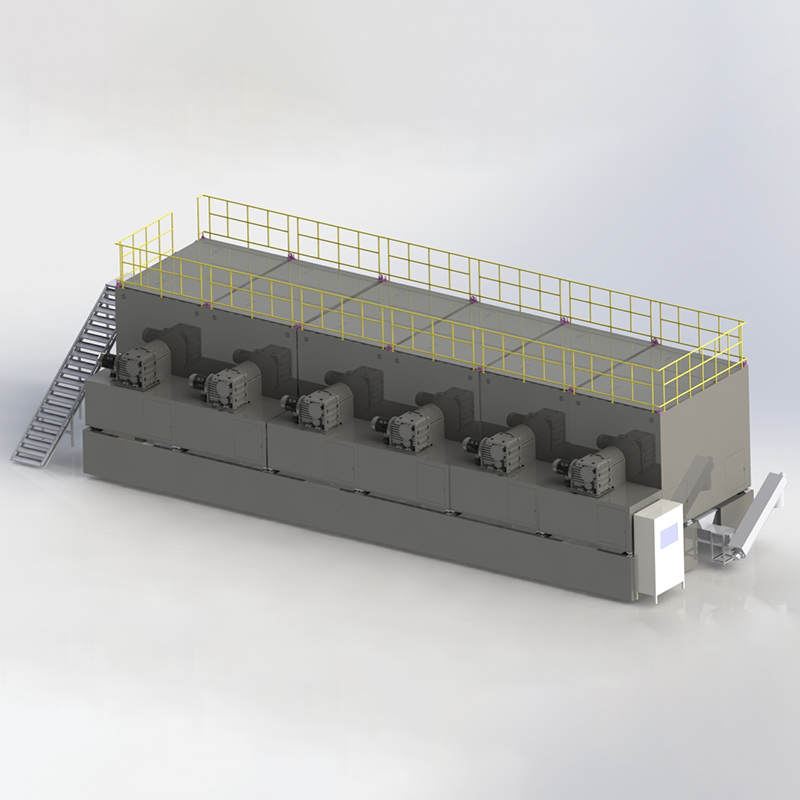 Nanda Trans Series-30000
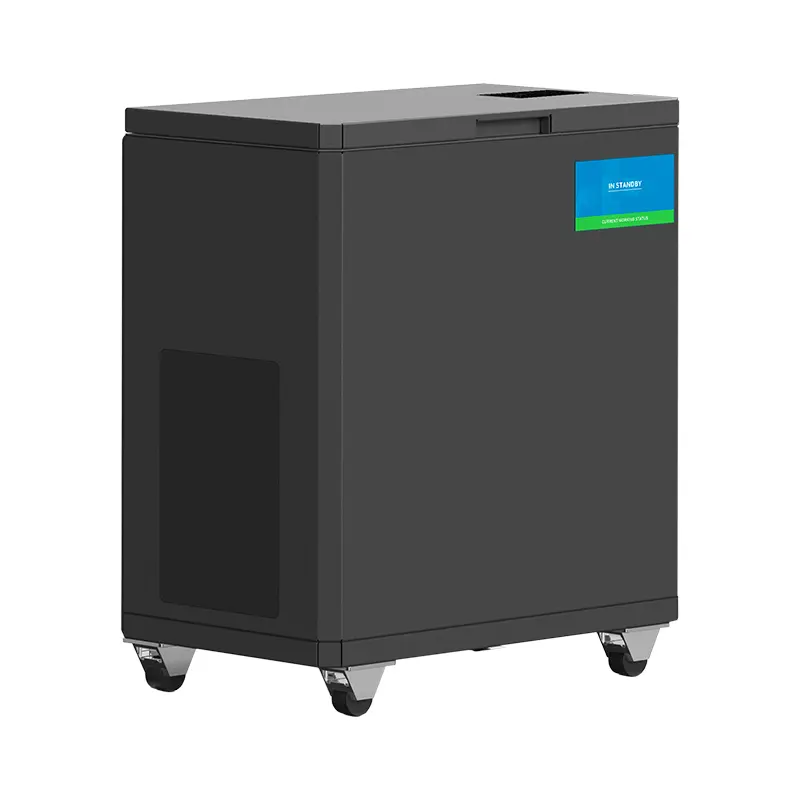 Nanda Thermax Series-100
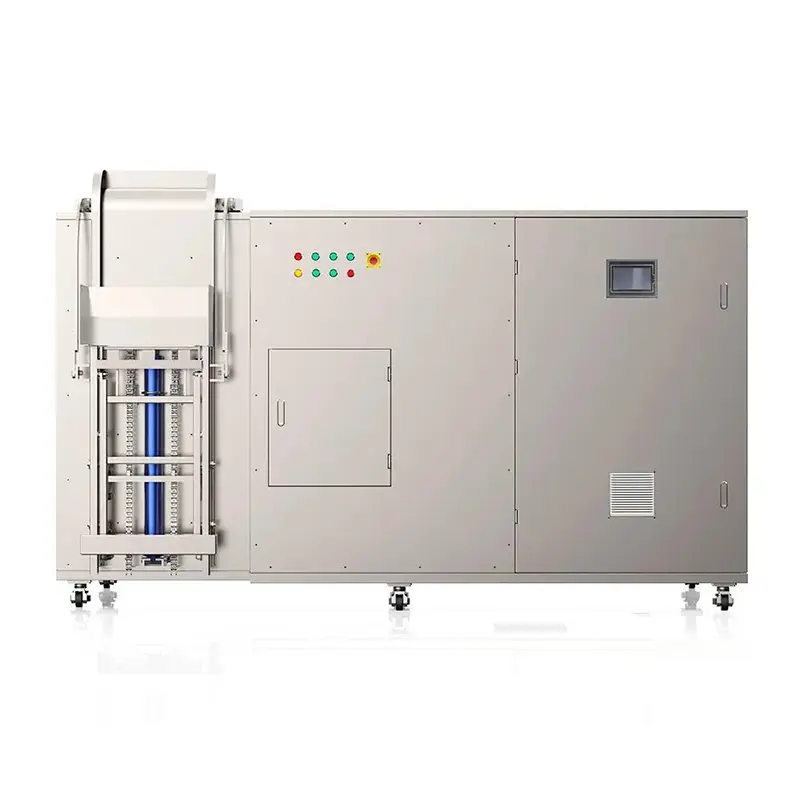 Nanda Thermax Series-200
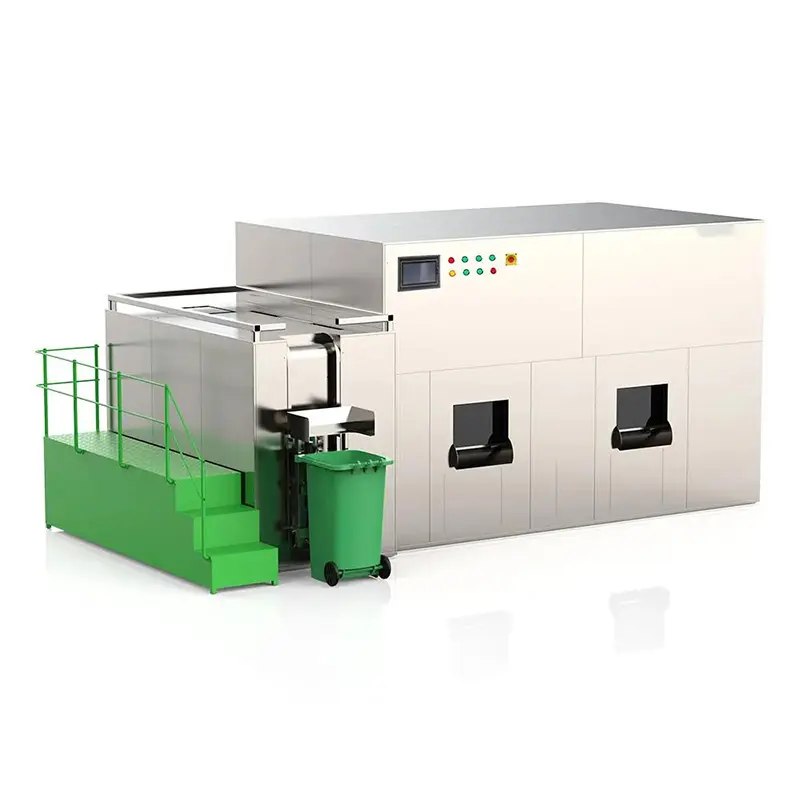 Nanda Thermax Series-2000
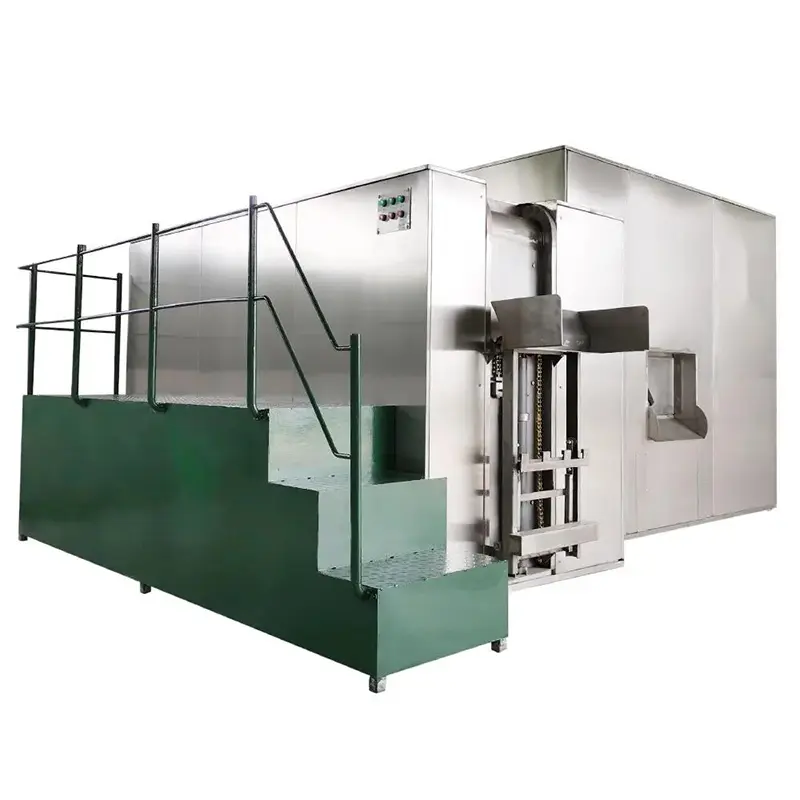 Nanda Thermax Series-10000
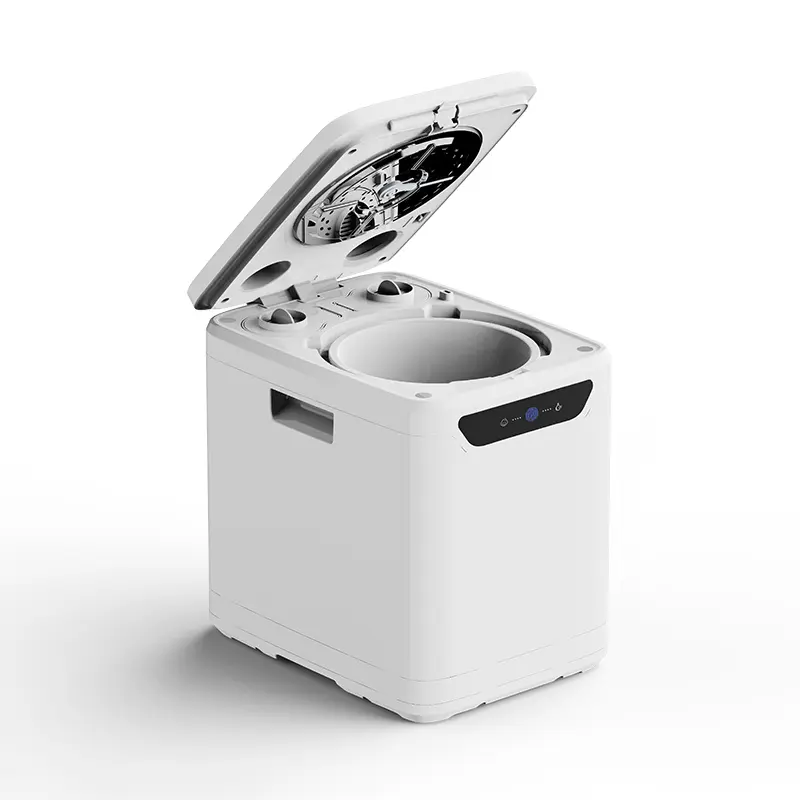 Nanda Turbo Series-3.5L-016
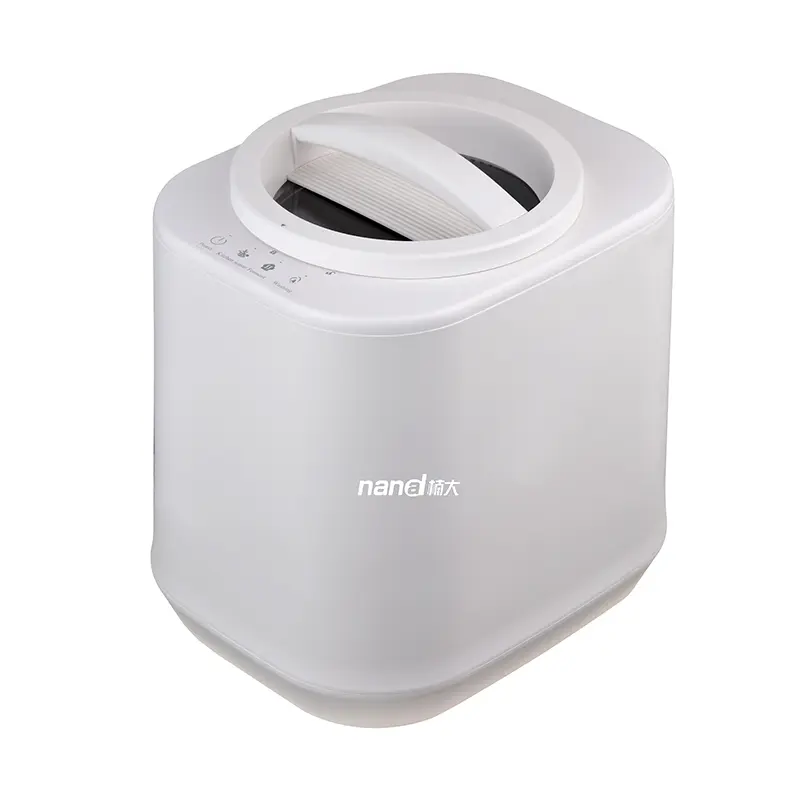 Nanda-Turbo Series-4L-011
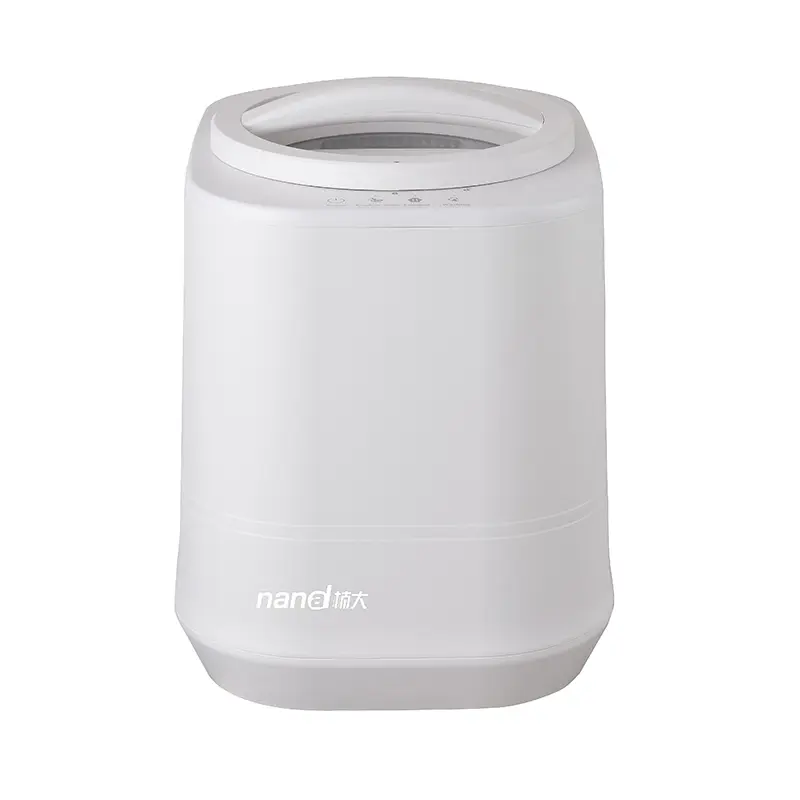 Nanda Turbo Series-4L-012
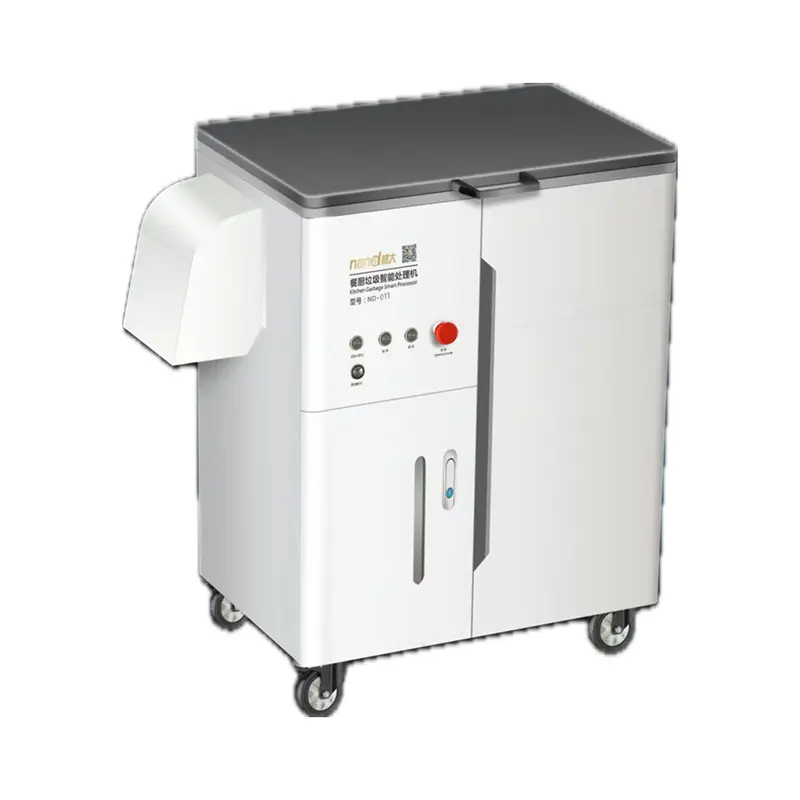 Oil-Water Separator