Top Waste Composter Options for Efficient Home Composting Solutions
Composting has emerged as an essential practice for sustainable living, allowing individuals and families to significantly reduce their household waste while enriching their gardens and landscapes. As environmental awareness increases, the demand for effective home composting solutions is on the rise. Among the various tools available to householders, the Waste Composter stands out as a critical investment for anyone looking to transition toward a more eco-friendly lifestyle. By transforming kitchen scraps and yard waste into nutrient-rich compost, these devices not only minimize landfill contributions but also promote a healthier environment.
Choosing the right Waste Composter can greatly enhance the efficiency of the composting process. With numerous options on the market, understanding the features and benefits of different composter designs is vital for homeowners interested in maximizing their composting efforts. This guide will explore the top Waste Composter options available, focusing on their functionality, ease of use, and overall effectiveness in converting organic waste into valuable compost. Whether you're a novice gardener or a seasoned horticulturist, selecting the ideal Waste Composter can lead to fruitful gardening results while contributing positively to sustainability efforts at home.
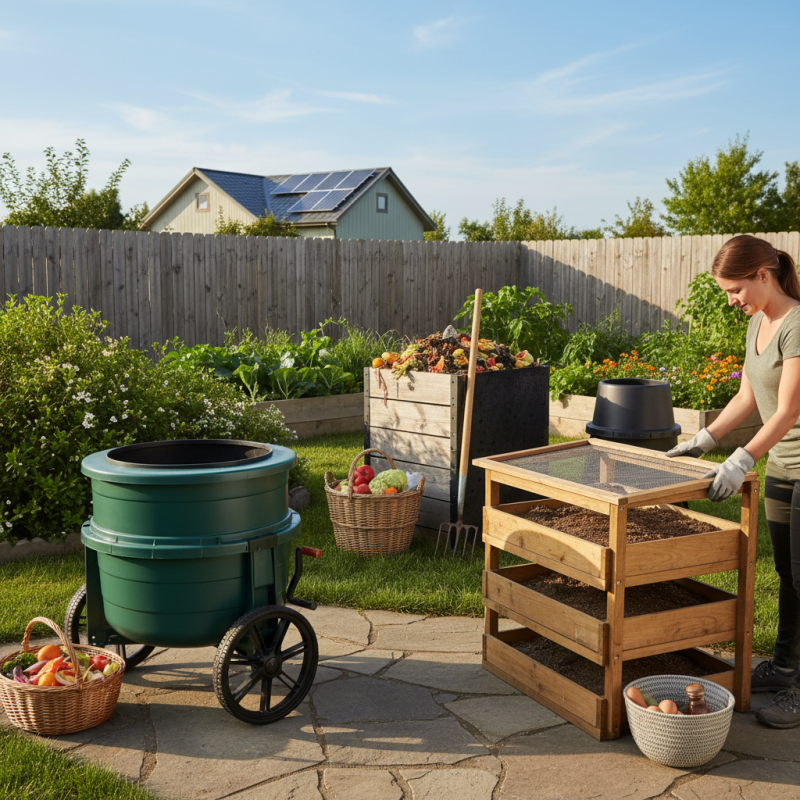
Overview of Home Composting Benefits and Importance
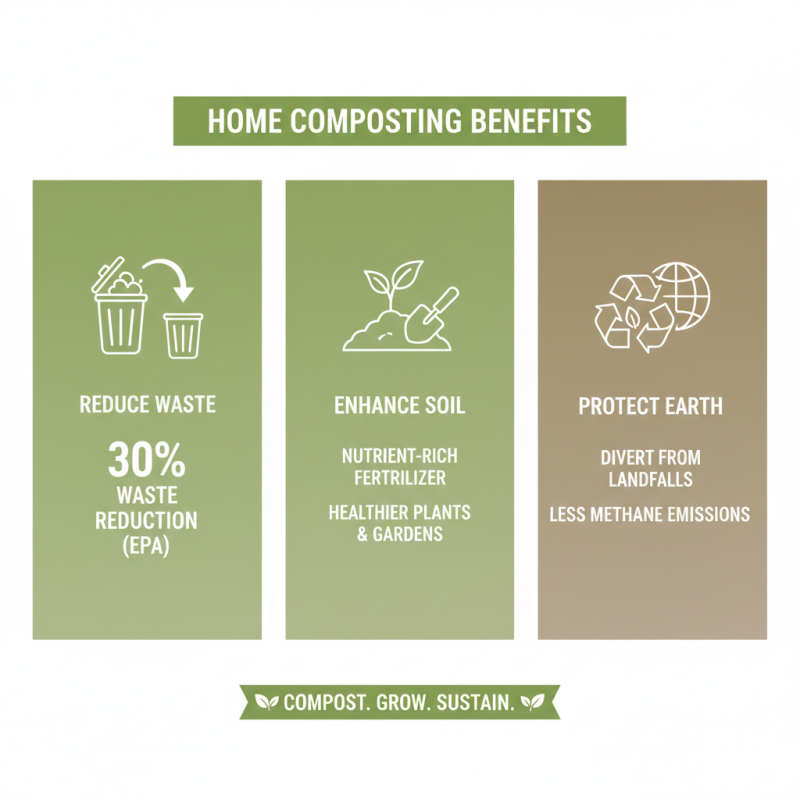
Home composting has gained significant attention in recent years due to its numerous benefits for the environment and local communities. According to the United States Environmental Protection Agency (EPA), approximately 30% of the waste we generate can be composted. By converting organic waste into nutrient-rich compost, households can significantly reduce their waste footprint while simultaneously benefiting from a natural fertilizer that enhances soil health. This process not only diverts materials from landfills but also minimizes methane emissions, a potent greenhouse gas produced when organic waste decomposes anaerobically in landfills.
Furthermore, home composting contributes to sustainable gardening and agriculture. A report by the National Resources Defense Council (NRDC) indicates that compost can improve soil structure, increase water retention, and promote healthier plant growth. It promotes biodiversity by encouraging beneficial microorganisms, insects, and worms. As more families engage in composting, the cumulative impact on local ecosystems becomes increasingly significant. By integrating composting practices into daily life, individuals and communities can foster resilience and sustainability, paving the way for a greener future.
Types of Composters: Choosing the Right One for Your Needs
When it comes to home composting, selecting the right composter can greatly enhance your efficiency and reduce waste in your household. There are various types of composters available, each catering to different needs and preferences. For instance, traditional compost bins are ideal for those with a yard, allowing for larger quantities of organic waste. In contrast, compost tumblers offer a more convenient option for smaller spaces, enabling quicker decomposition through easy turning. According to a 2020 report by the Environmental Protection Agency (EPA), composting at home can reduce waste by about 30%, making it a compelling option for environmentally-conscious households.
When choosing a composter, consider the size of your household and the volume of kitchen scraps and yard waste you generate. Additionally, think about the composting method that suits you best—whether it’s aerobic composting, which requires oxygen, or anaerobic composting, which does not. A survey from the National Recycling Coalition indicates that nearly 80% of households could benefit from composting, as it empowers individuals to recycle organic materials effectively.
**Tips:** Always balance greens (nitrogen-rich materials) and browns (carbon-rich materials) in your composter to create optimal conditions for decomposition. Also, regularly aerate your compost by turning it to speed up the breakdown process and promote healthy microbial activity. Lastly, if space is limited, consider worm composting, which can handle smaller amounts of waste while producing nutrient-rich castings for your garden.
Key Features to Consider in Efficient Composters
When selecting a composter for home use, several key features can significantly enhance the efficiency of your composting process. One crucial feature to consider is the size and capacity of the composter. Depending on the volume of organic waste your household generates, you may require a larger unit. A composter with ample space allows for a more substantial amount of material to decompose simultaneously, thereby speeding up the composting process.
Another important aspect to look for is the aeration system. Composting relies on aerobic bacteria, which thrive in oxygen-rich environments. Choose a composter that includes built-in ventilation or features that allow easy turning of the compost to promote airflow. This will not only help accelerate decomposition but also minimize odors, making your composting experience more pleasant.
Tips: For those just starting with composting, mix a variety of materials such as kitchen scraps, yard waste, and dried leaves to create the ideal carbon-to-nitrogen ratio. Additionally, regularly checking your compost for moisture levels is essential; the mix should feel like a damp sponge—not too wet or dry. Regularly turning your materials can also enhance aeration, speeding up decomposition and producing nutrient-rich compost for your garden.
Maintenance Tips for Maximizing Composting Efficiency
Maintaining an efficient home composting system requires attention to several key factors that can significantly enhance the decomposition process. One of the most critical elements is the balance of green and brown materials. Green materials, like kitchen scraps and fresh grass clippings, provide nitrogen, while brown materials, such as dry leaves and cardboard, add carbon. Striking the right ratio, typically around 2:1 brown to green, accelerates microbial activity and ensures a faster breakdown of organic waste.
Another essential maintenance tip is to monitor moisture levels in your compost pile. Keeping the compost moist, but not soggy, encourages the microorganisms responsible for decomposition to thrive. If the pile is too dry, it may slow down the process; conversely, excessive moisture can lead to unpleasant odors and anaerobic conditions. To manage moisture, regularly aerate the compost by turning it with a pitchfork or shovel, which introduces oxygen and helps distribute moisture evenly throughout the pile.
Regular monitoring of temperature is also beneficial for maximizing composting efficiency. A temperature range of 130°F to 160°F (54°C to 71°C) is ideal for composting; this heat range indicates that the microbial activity is high and decomposition is occurring effectively. You can use a compost thermometer to check the temperature and adjust your pile by adding materials, turning it for aeration, or covering it during rain to prevent excessive moisture. By following these maintenance tips, you can create a thriving compost system that reduces waste and returns valuable nutrients to your garden.
Top Waste Composter Options for Home Composting Efficiency
Common Mistakes to Avoid in Home Composting Practices
When embarking on the journey of home composting, it's essential to recognize the common mistakes that can undermine your efforts.
One prevalent error is ignoring the balance between green and brown materials. Greens, such as vegetable scraps and grass clippings, provide nitrogen, while browns, like dry leaves and cardboard, offer carbon.
Achieving the right ratio—approximately two parts browns to one part greens—ensures effective decomposition and reduces odor problems.
Another frequent mistake is overwatering the compost pile. Too much moisture can lead to anaerobic conditions, resulting in a smelly, mushy mix instead of the rich compost you desire.
Keeping your compost pile damp but not soggy is key. Regularly turning the pile helps aerate it and speeds up the decomposition process while preventing excess moisture from building up.
Tips: To avoid these pitfalls, maintain a compost diary to monitor your materials and conditions.
Consider using compost thermometers to gauge internal temperatures, helping you adjust moisture and aeration levels as needed.
Additionally, familiarize yourself with local composting guidelines to ensure your practices align with best practices, contributing to a successful home composting experience.

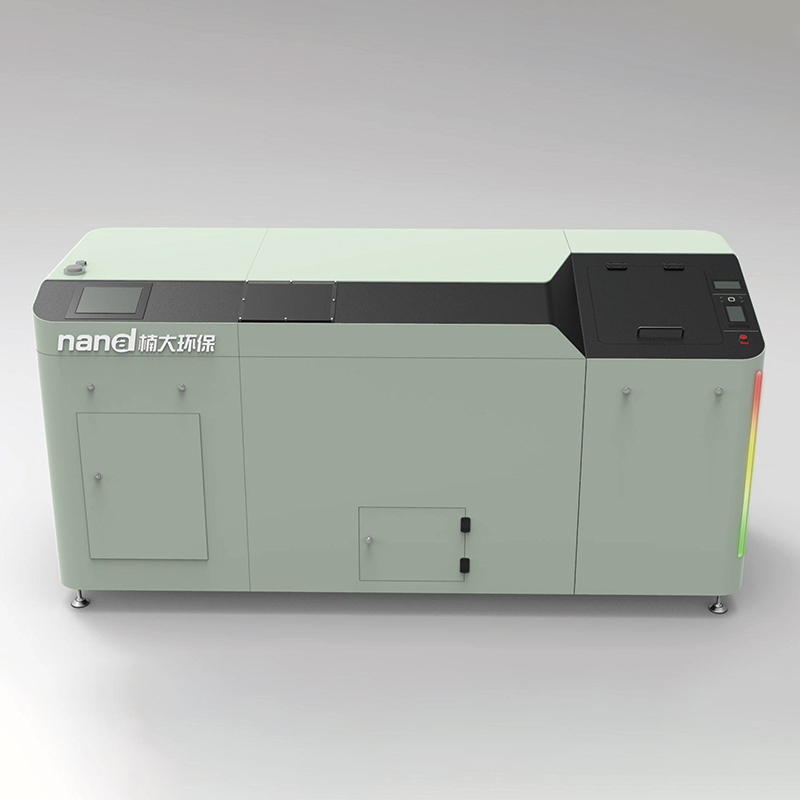 Nanda Trans Series-200
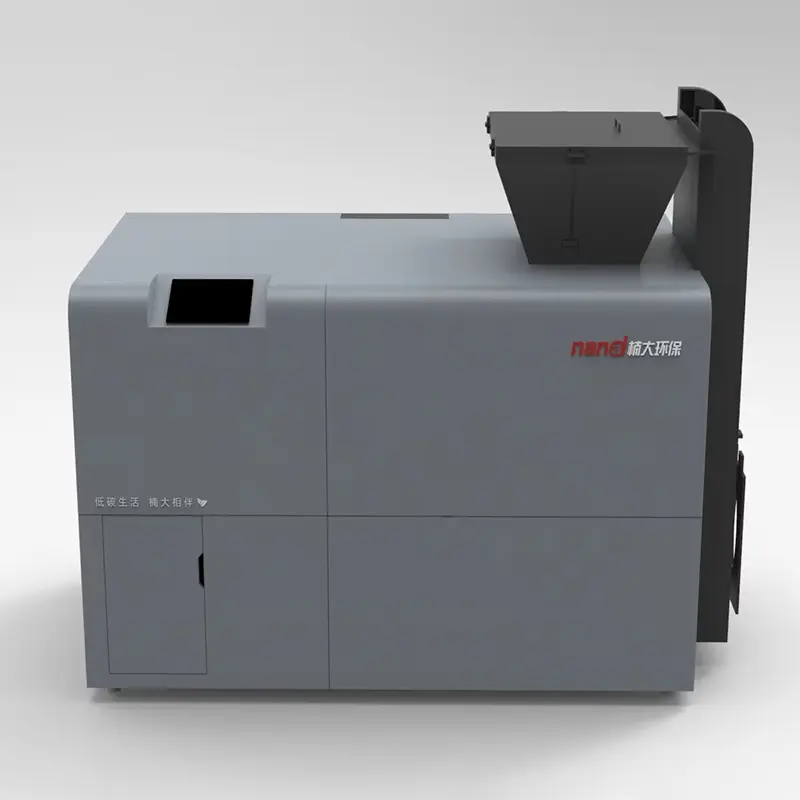 Nanda Trans Series-500
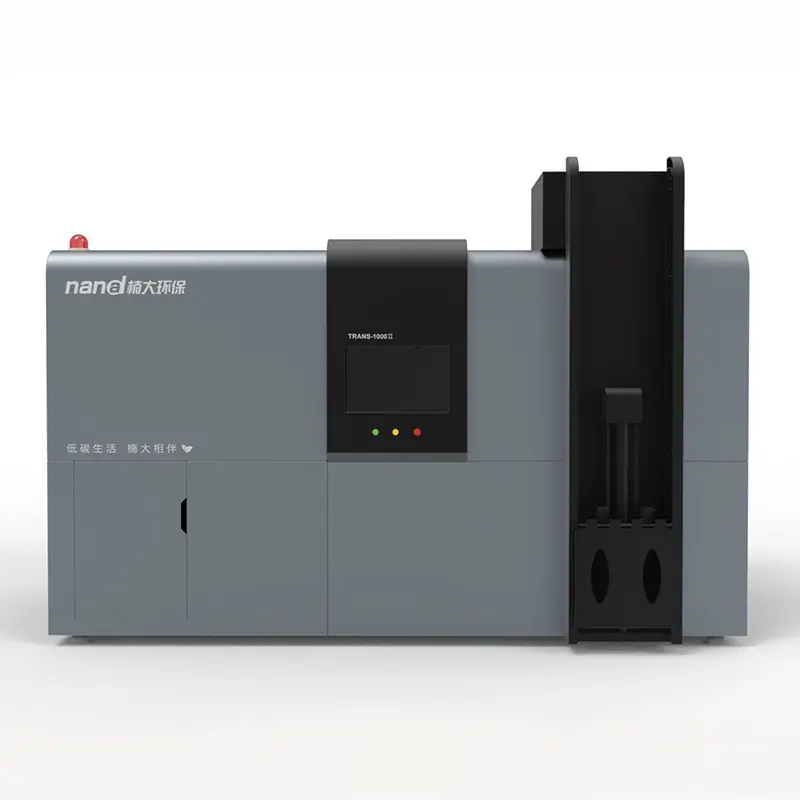 Nanda Trans Series-1000
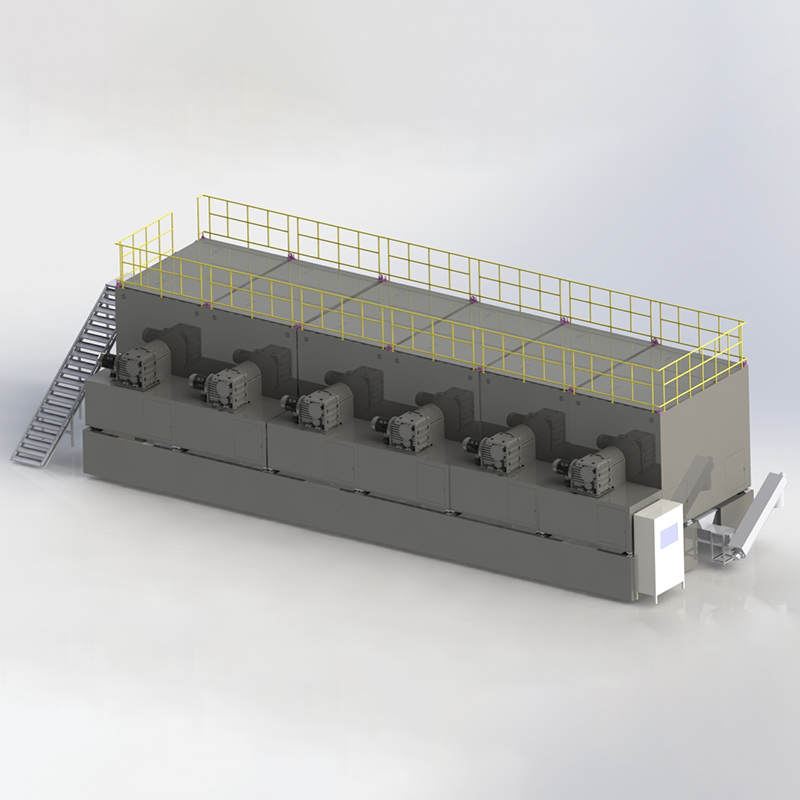 Nanda Trans Series-30000
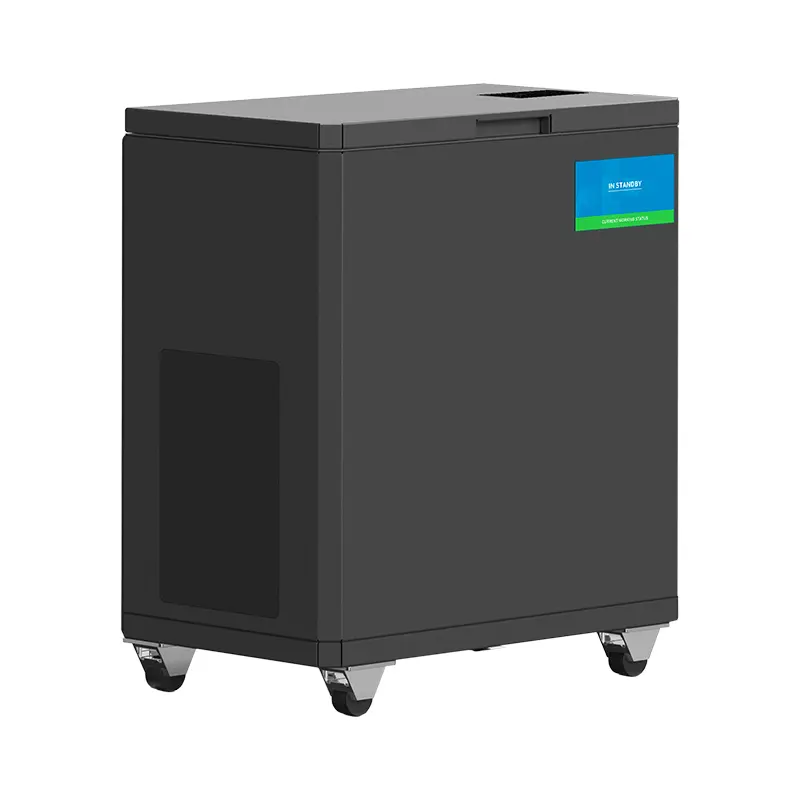 Nanda Thermax Series-100
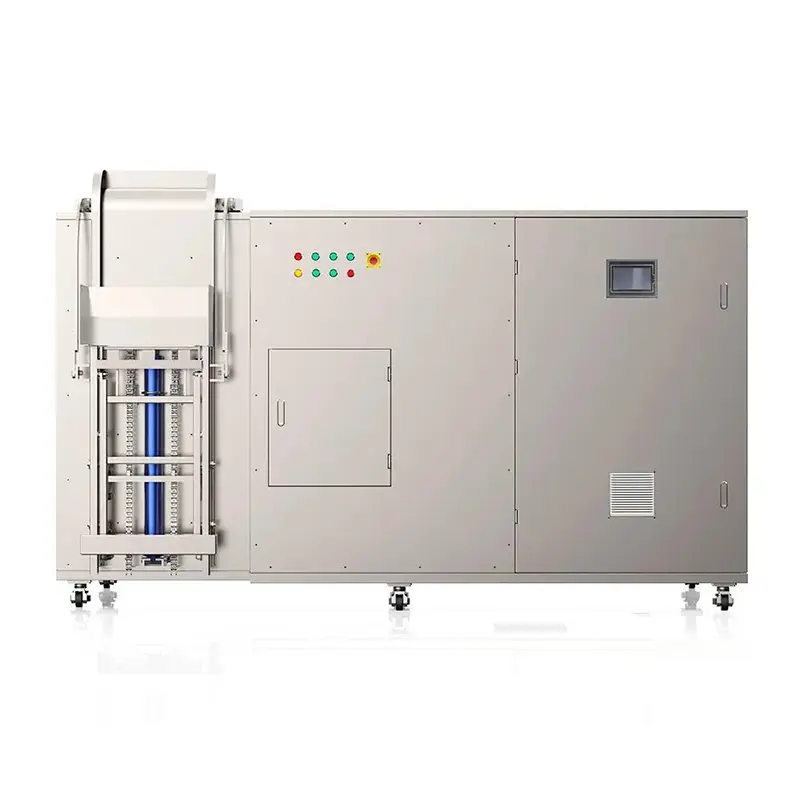 Nanda Thermax Series-200
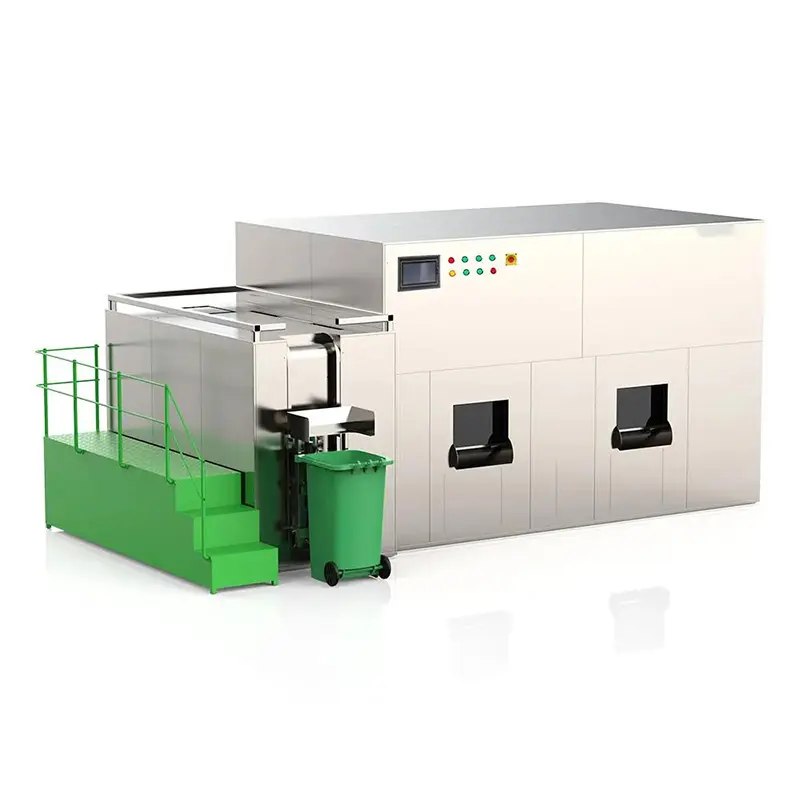 Nanda Thermax Series-2000
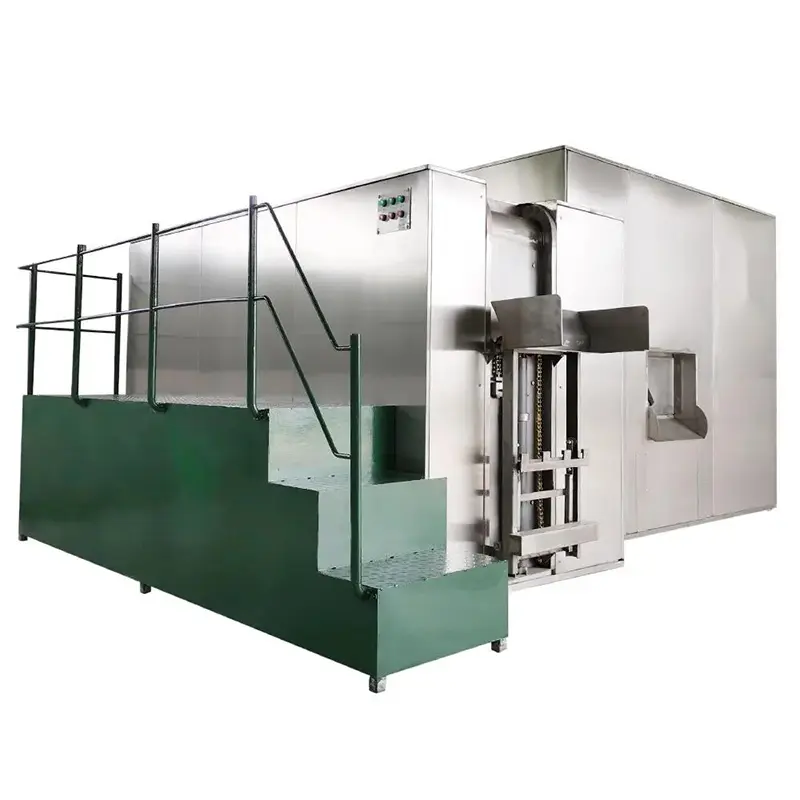 Nanda Thermax Series-10000
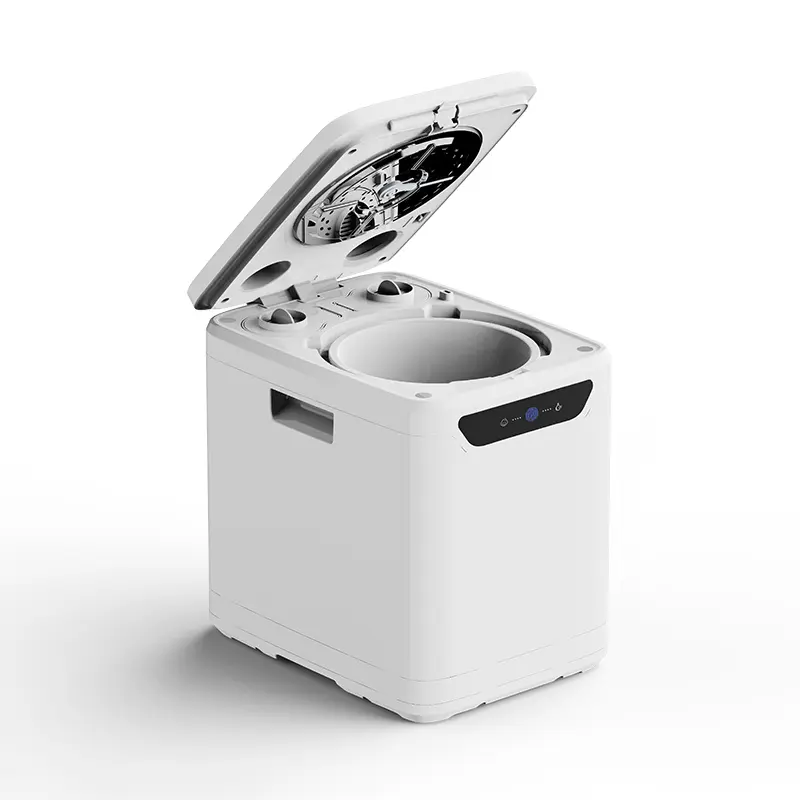 Nanda Turbo Series-3.5L-016
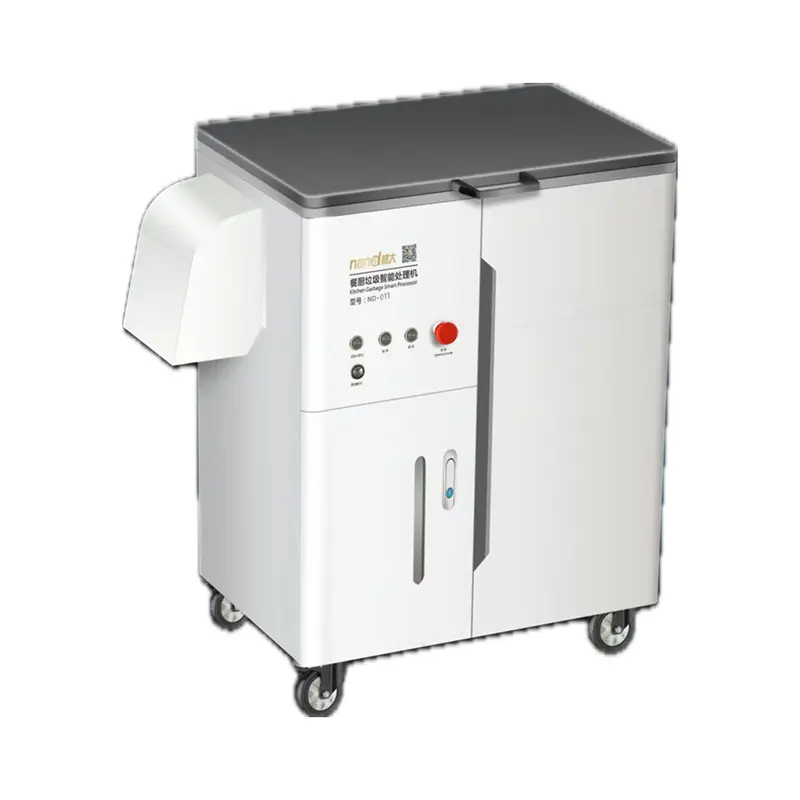
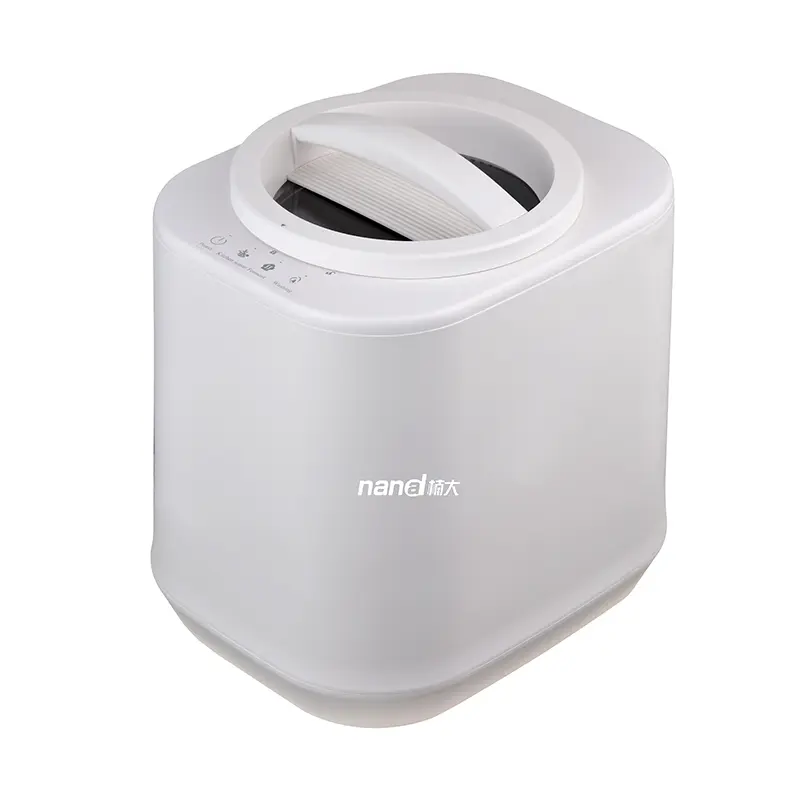 Nanda-Turbo Series-4L-011
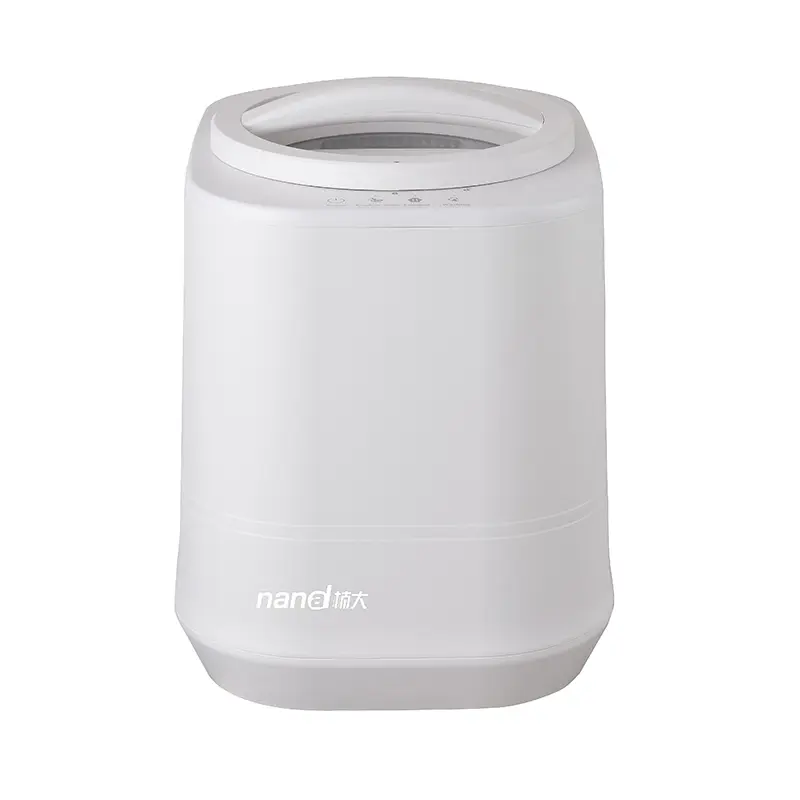 Nanda Turbo Series-4L-012
 Oil-Water Separator