Top Cooked Food Composter Options for Sustainable Home Composting in 2025
As the global urgency for sustainable waste management intensifies, the emergence of innovative solutions like the "Cooked Food Composter" is reshaping the way we think about food waste. Experts in the field, such as Dr. Emily Hartman, a leading authority on composting technologies, emphasize the significance of these systems in mitigating environmental impact. Dr. Hartman once stated, "Investing in a Cooked Food Composter not only reduces landfill waste but also enriches our soil and promotes a circular economy."
In 2025, homeowners are increasingly seeking effective and environmentally friendly methods to manage their organic waste, and Cooked Food Composters are at the forefront of this movement. Unlike traditional composting methods that often struggle with cooked food scraps, these advanced composters are specifically designed to handle a variety of cooked materials. This not only alleviates the burden on landfills but also transforms waste into valuable compost, thereby closing the loop in our food system.
As we delve into the top Cooked Food Composter options available this year, it becomes clear that these innovative solutions represent a significant step towards sustainable living. By embracing such technologies, individuals can contribute to a healthier planet while nurturing their gardens and growing their own food, making it a win-win for both homeowners and the environment.
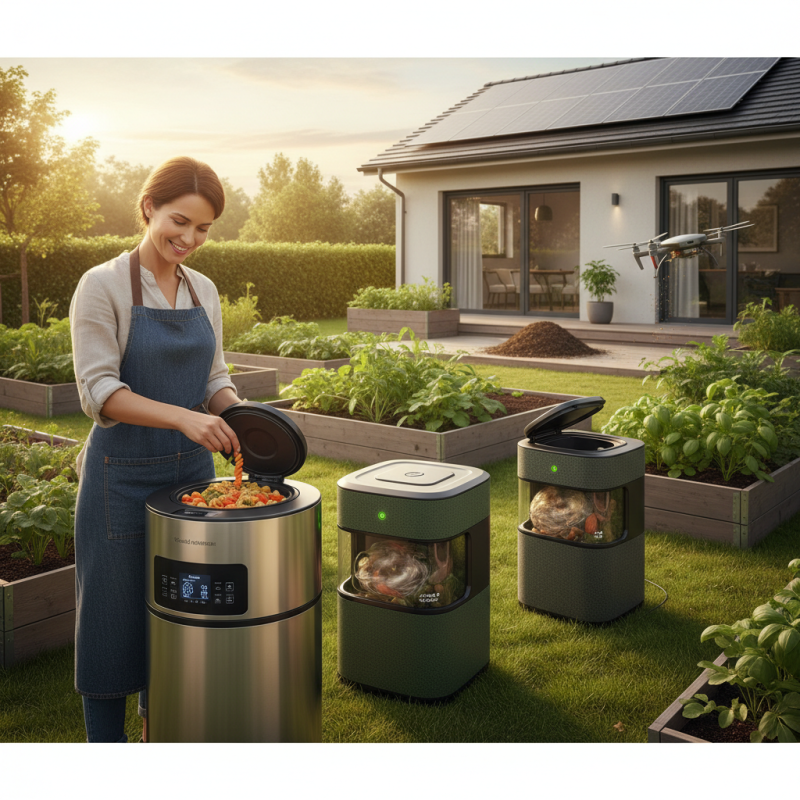
Current Trends in Cooked Food Composting Technologies for 2025
As we move into 2025, the landscape of cooked food composting technologies is evolving rapidly, with an increasing emphasis on sustainability and efficiency. Current trends indicate that the adoption of advanced composting systems is gaining traction among households looking to minimize waste. According to a report from the Food Waste Reduction Alliance, approximately 30-40% of food in the U.S. is wasted, presenting a significant opportunity for composting initiatives. Innovative solutions such as anaerobic digestion and in-vessel composting systems are becoming more accessible, allowing urban dwellers and eco-conscious households to easily compost leftover meals and cooked foods.
Moreover, the integration of IoT technology within composting appliances is on the rise. Smart composters equipped with sensors can monitor temperature, moisture levels, and even process duration, ensuring optimal conditions for decomposition. Studies show that composting technologies incorporating IoT features can reduce process time by up to 50%, making them efficient alternatives for busy households. The surge in demand for these technologies aligns with a broader trend of sustainable practices, as evidenced by the EPA's projection that composting could divert as much as 75% of organic waste from landfills by 2025. This convergence of technology and sustainability positions cooked food composting as not just a necessity for waste reduction but a pivotal component of modern ecological responsibility.
Comparative Analysis of Top Cooked Food Composter Models Available
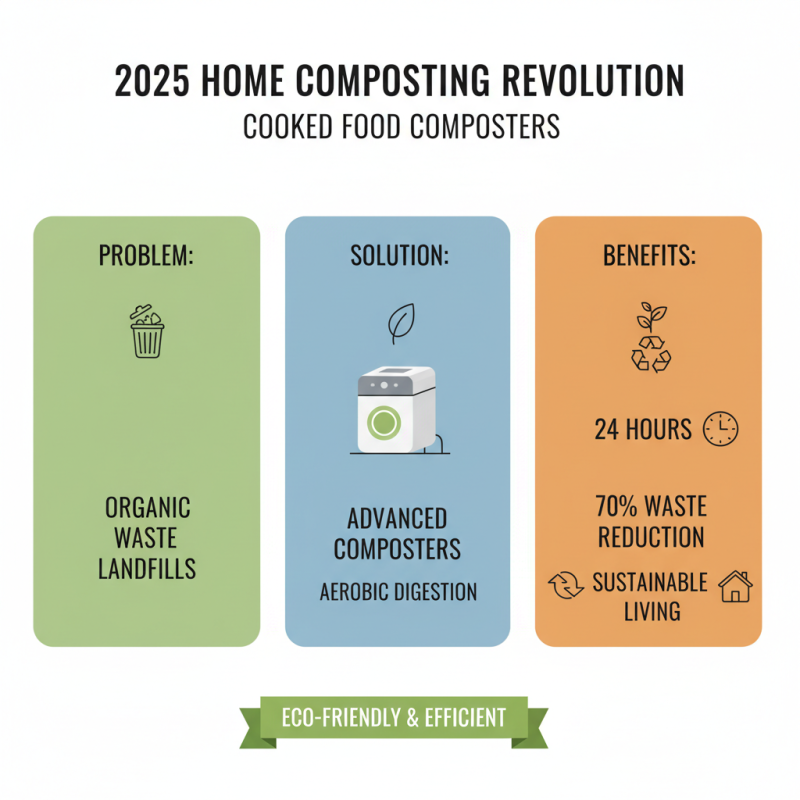
As the demand for sustainable solutions grows, home composting, particularly for cooked food, is becoming a viable option for many households. In 2025, several types of cooked food composters stand out, providing efficient methods to manage organic waste. A comparative analysis of these models reveals variations in their capacity, processing time, and technology. For instance, some devices utilize advanced aerobic digestion, reducing waste material significantly faster than traditional composting methods, often processing cooked food in as little as 24 hours. According to industry reports, the efficiency of these composters can lead to up to 70% reduction in waste volume, making them an attractive choice for environmentally conscious consumers.
When selecting a composter, it is essential to consider space and volume capacity. Larger households may benefit from models that accommodate greater food waste, while compact designs are ideal for apartments or small kitchens. Another crucial factor is the ability to handle a variety of ingredients, as some composters can process everything from fruits and vegetables to grains and dairy. This flexibility can streamline composting practices and reduce the need for multiple waste management systems.
Tips:
- Before purchasing a composter, assess your household's waste production and choose a model with adequate capacity for your needs.
- Regular maintenance is vital to ensure optimal performance; be sure to follow the manufacturer's guidelines for cleaning and upkeep, which can prolong the lifespan of your unit and enhance its efficiency.
Key Features to Consider When Choosing a Cooked Food Composter
When selecting a cooked food composter for sustainable home composting, several key features should be taken into account to ensure efficiency and effectiveness. First, consider the composter's capacity. Depending on the size of your household and the volume of food waste produced, a larger unit may be necessary. Some composters can accommodate significant amounts of waste, allowing for a more streamlined composting process and reducing the frequency of emptying.
Another important feature is the composting method employed by the unit. Some composters utilize heat and aeration to break down food waste quickly, while others rely on worms or microbial action. Understanding the pros and cons of each method will help you choose one that aligns with your composting goals and timeline. Additionally, ease of use is crucial; look for features such as simple access for adding food scraps and easy removal of finished compost. A model with adjustable settings for moisture and aeration will provide greater control over the composting process, making it suitable for a variety of kitchen scraps.
Finally, consider the material and durability of the composter. A robust design can withstand weather variations if placed outdoors, ensuring longevity and reliability. Additionally, opting for composters made from eco-friendly materials can enhance your commitment to sustainability, minimizing your environmental footprint while effectively managing kitchen waste.
Environmental Benefits of Composting Cooked Food Waste at Home
Composting cooked food waste at home presents numerous environmental benefits that contribute to a more sustainable lifestyle. When we divert cooked food scraps from landfills, we significantly reduce methane emissions, a potent greenhouse gas that contributes to climate change. Instead of decomposing in anaerobic landfill conditions, composting allows these organic materials to break down naturally, enriching the soil rather than polluting the atmosphere. This shift not only mitigates the adverse effects of waste disposal but also supports carbon sequestration in healthy soil.
Moreover, composting cooked food waste enhances biodiversity and soil health. The nutrients released during the composting process enrich the soil, fostering beneficial microorganisms that are vital for plant growth. When we compost, we create an ecosystem that nurtures plants, which can further improve air quality and provide habitats for various species. By transforming our culinary leftovers into valuable compost, we contribute to a circular economy that maximizes resource use and minimizes waste, ultimately promoting a healthier planet for future generations.
Tips for Successful Composting of Cooked Foods and Kitchen Scraps
Composting cooked food can seem intimidating, but with the right tips and techniques, it can become an integral part of sustainable home practices. According to a report from the Food Waste Reduction Alliance, approximately 30% of the food supply is wasted each year in the United States alone, which underscores the need for effective composting methods. Cooked foods, often rich in nutrients, can contribute significantly to compost when managed properly. To successfully compost cooked foods, always aim to balance the greens (nitrogen-rich materials) and browns (carbon-rich materials), a method noted by the USDA as crucial for maintaining optimal microbial activity in your compost pile.
When composting leftovers or kitchen scraps, it’s vital to consider the composition of the materials. Avoid adding oils, dairy, and excessive meats, as they can attract pests and lead to odors. Instead, focus on cooked vegetables, pasta, and grains, which decompose readily and enhance the compost's nutrient content. The Environmental Protection Agency indicates that composting not only diverts waste from landfills but also reduces greenhouse gas emissions—a need that has become increasingly pressing in efforts to combat climate change. Regularly aerating your compost and maintaining moisture levels can help create a thriving environment for composting cooked foods, ensuring a successful process that contributes to more sustainable living practices.
Top Cooked Food Composter Options for Sustainable Home Composting in 2025
| Composter Type |
Capacity (gallons) |
Ideal for Cooked Foods |
Aeration Method |
Estimated Price ($) |
| Tumbling Composter |
50 |
Yes |
Manual |
150 |
| Worm Composter |
20 |
Limited |
Passive |
80 |
| Batch Composter |
30 |
Yes |
Manual |
100 |
| Kitchen Compost Bin |
5 |
Yes |
Passive |
30 |
| In-vessel Composter |
100 |
Yes |
Mechanical |
500 |

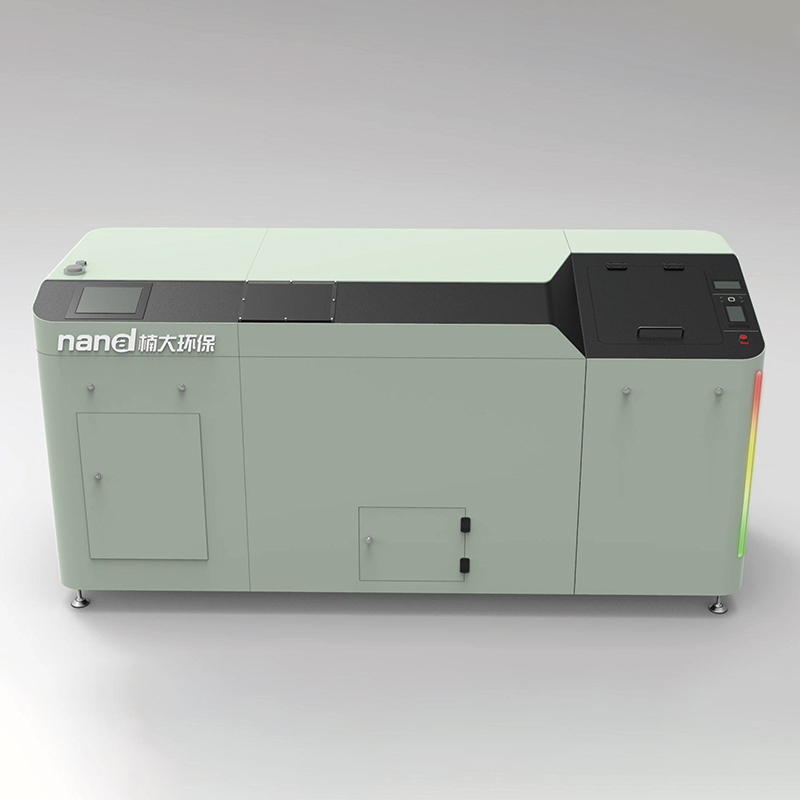 Nanda Trans Series-200
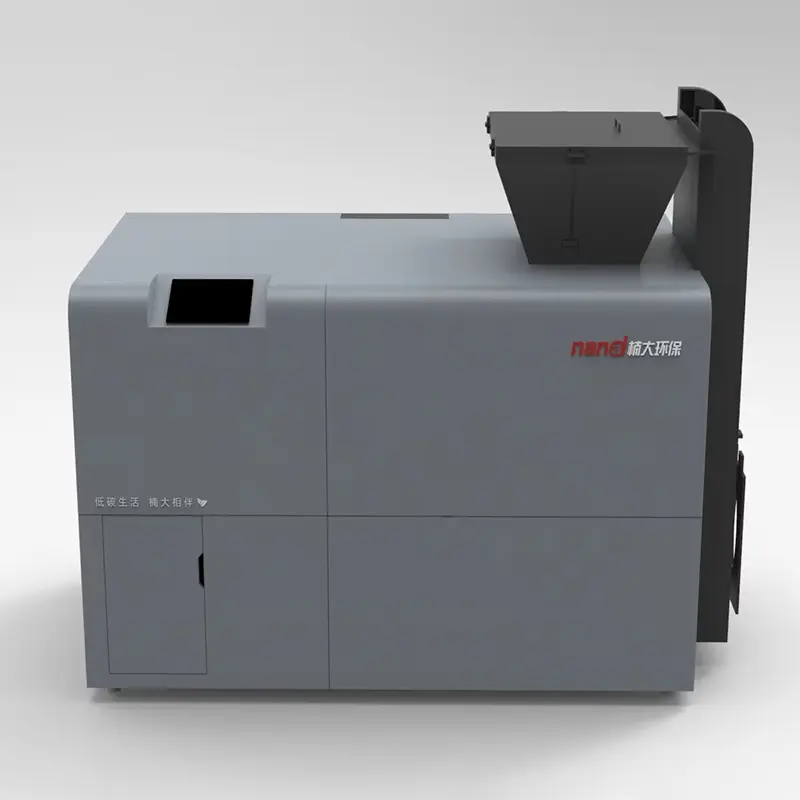 Nanda Trans Series-500
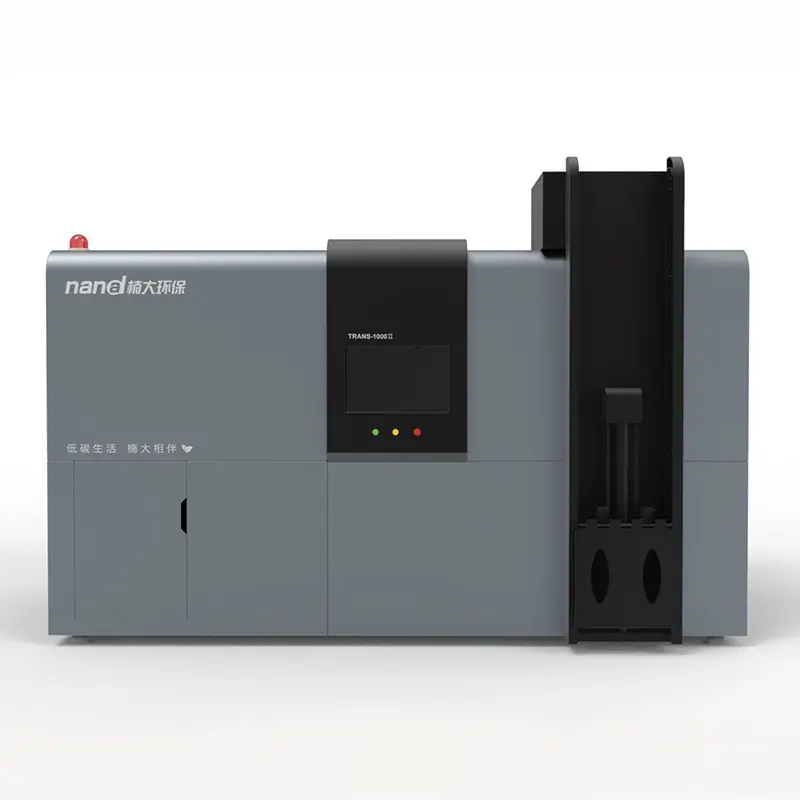 Nanda Trans Series-1000
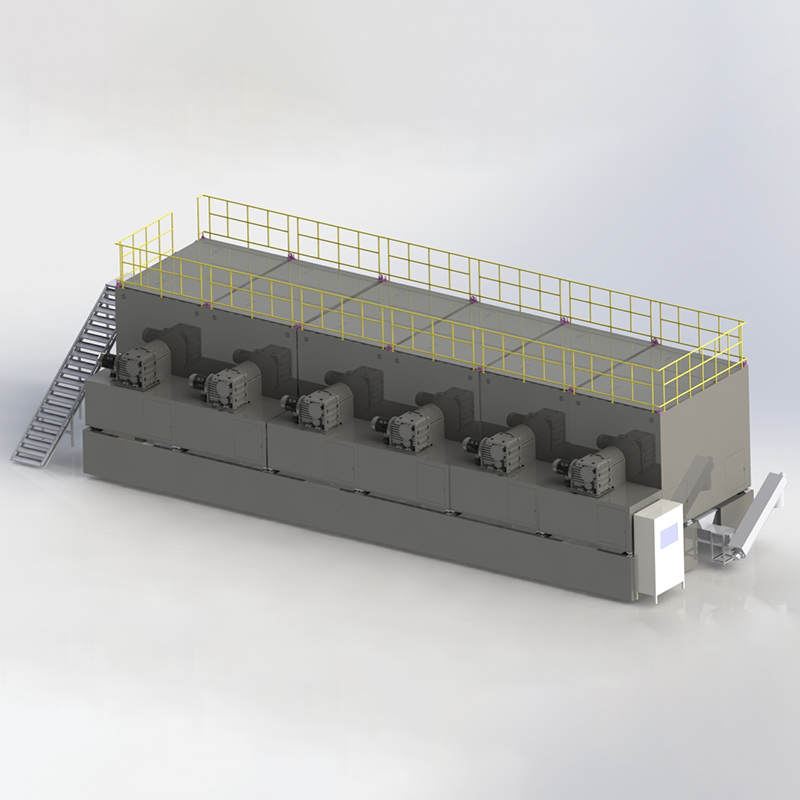 Nanda Trans Series-30000
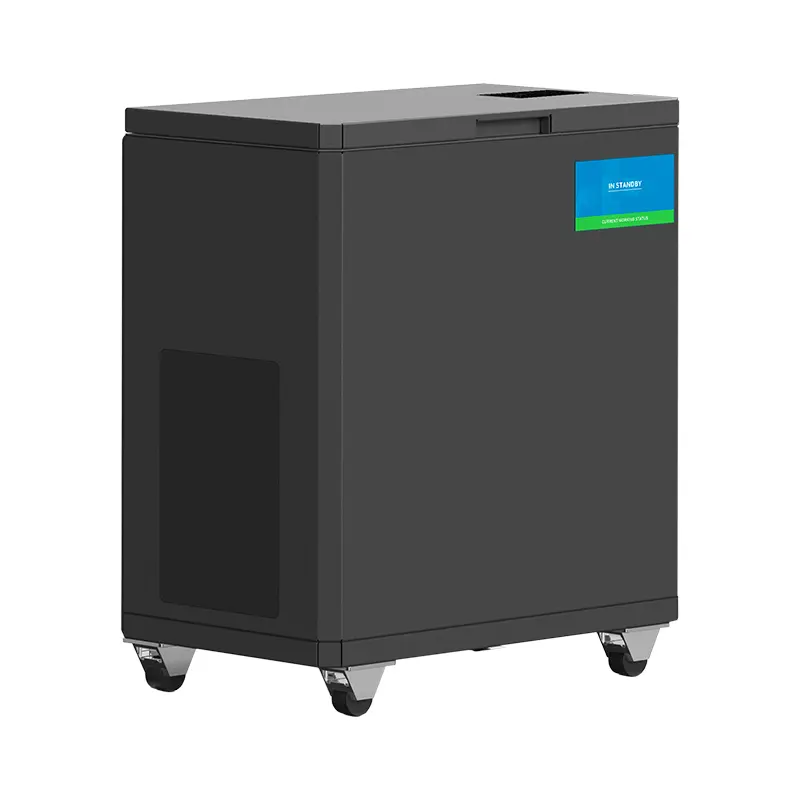 Nanda Thermax Series-100
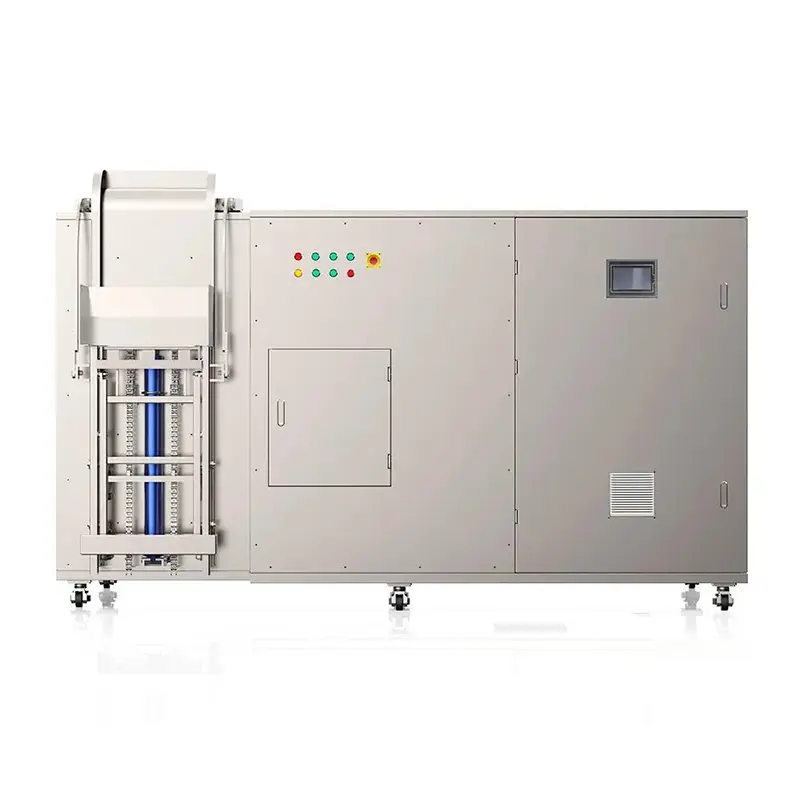 Nanda Thermax Series-200
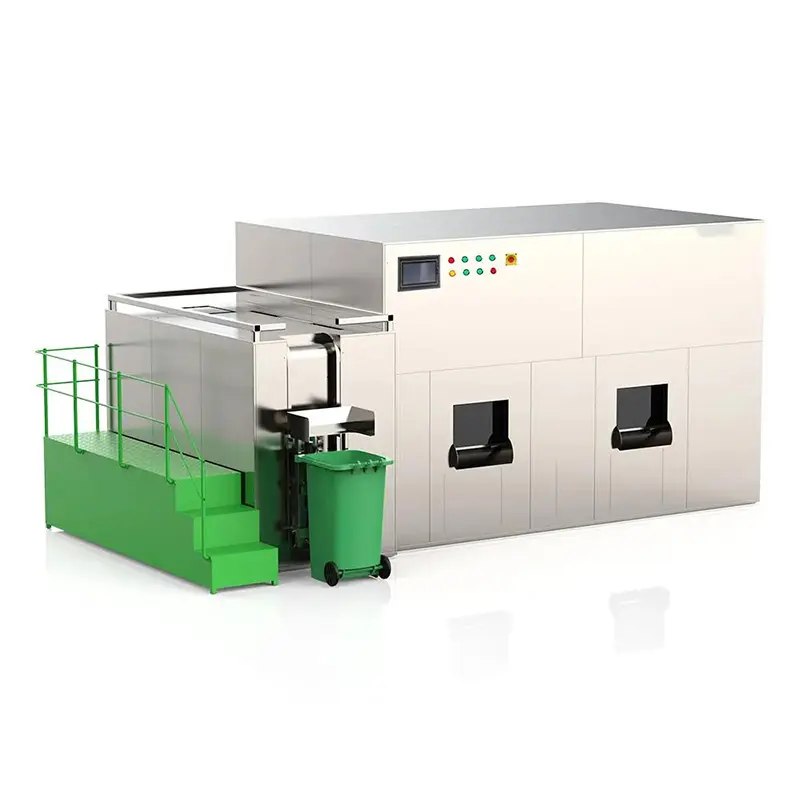 Nanda Thermax Series-2000
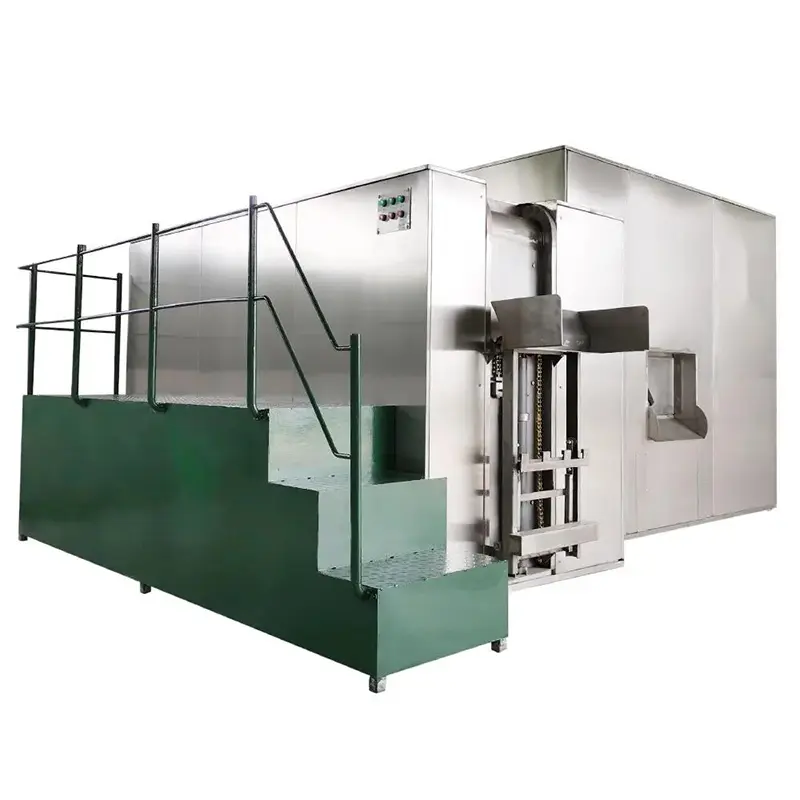 Nanda Thermax Series-10000
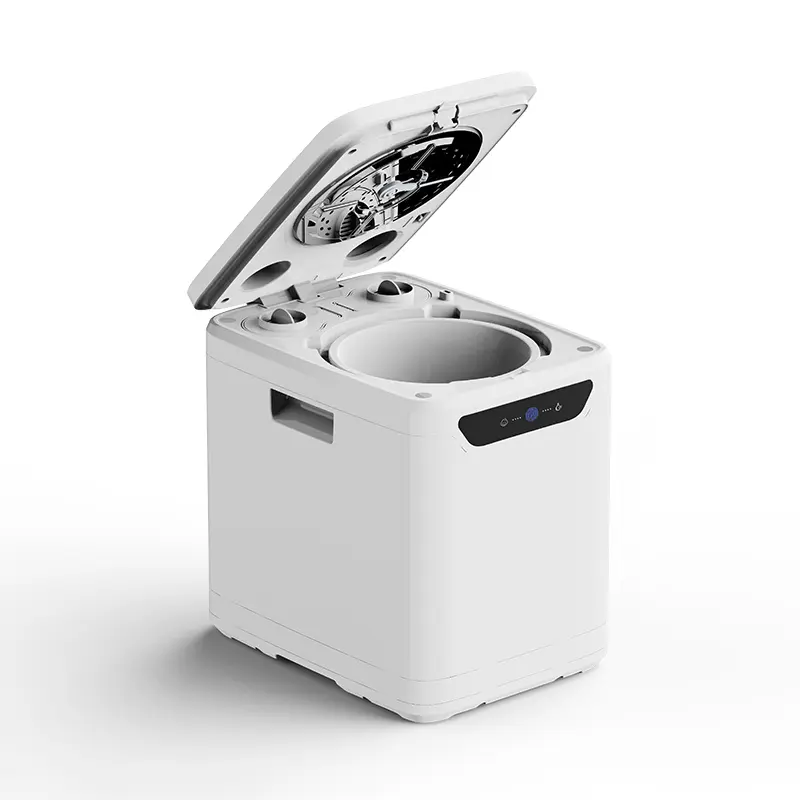 Nanda Turbo Series-3.5L-016
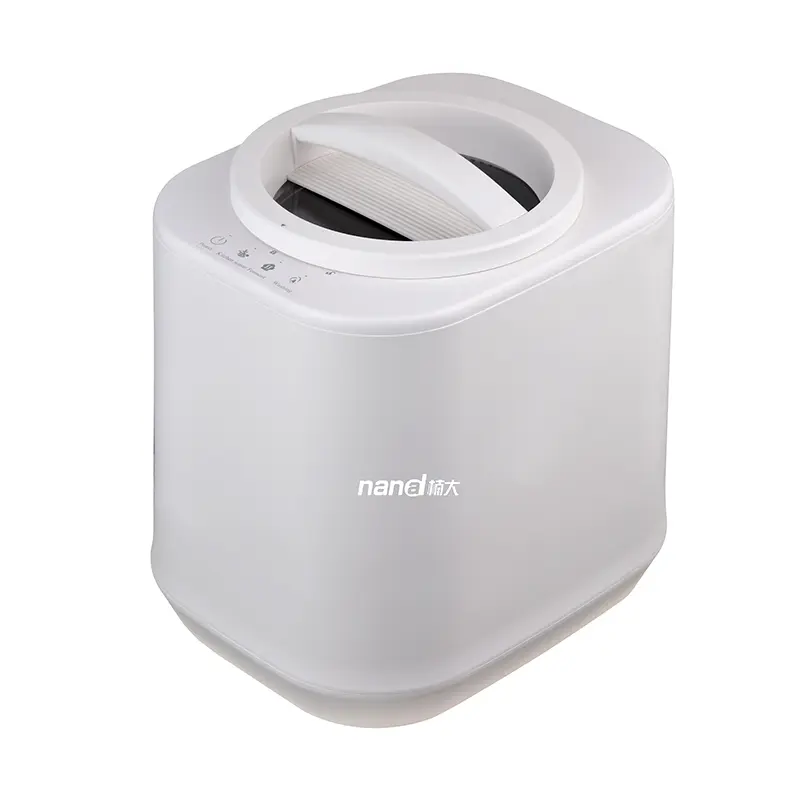 Nanda-Turbo Series-4L-011
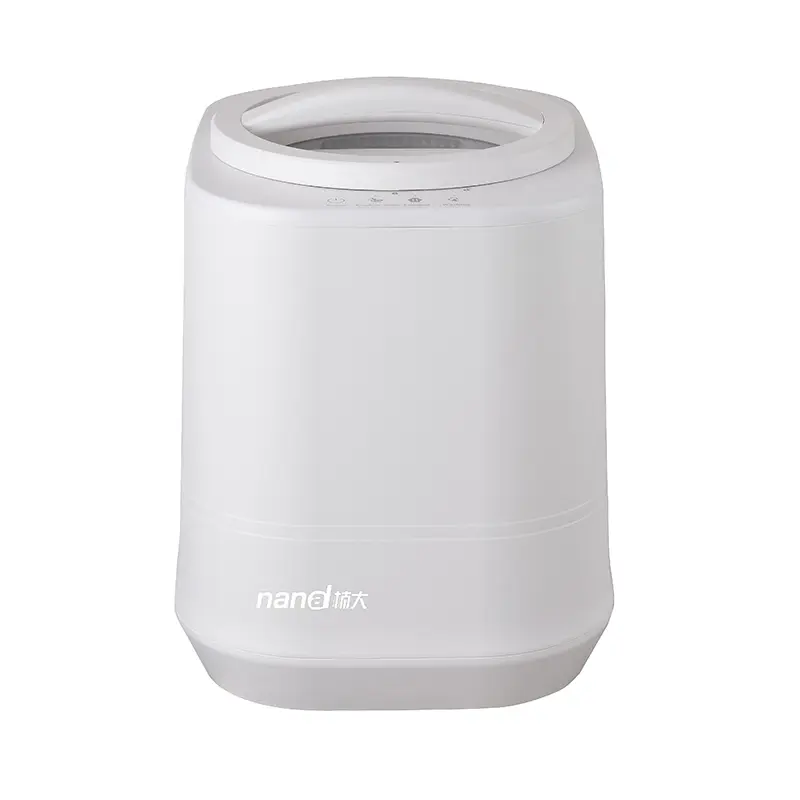 Nanda Turbo Series-4L-012
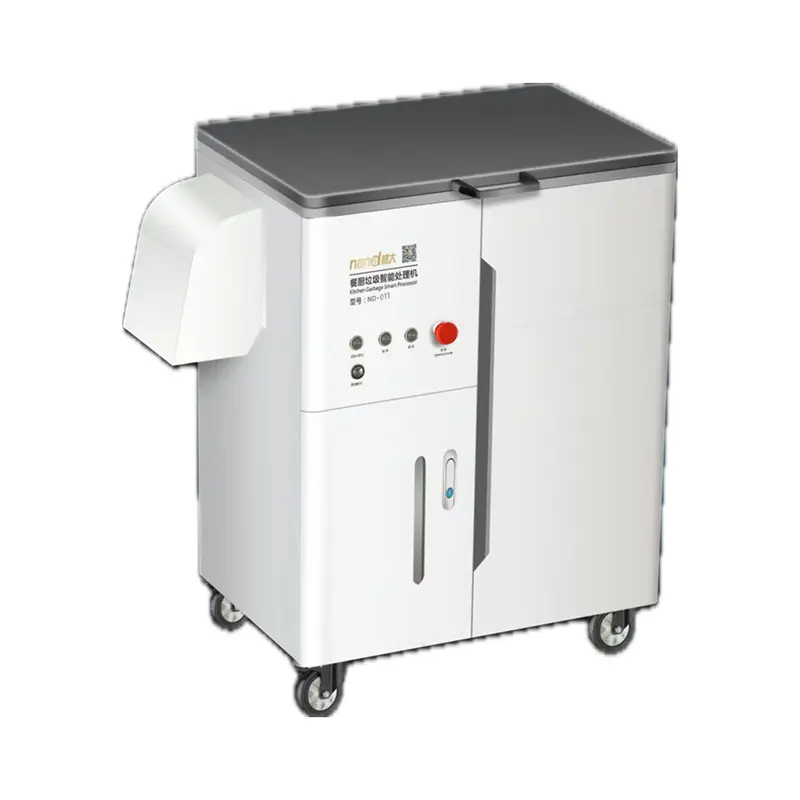 Oil-Water Separator