Top 10 Countertop Composter Options for Eco Friendly Living
In today's eco-conscious world, the need for sustainable living practices is paramount. A significant contributor to waste is food scraps. According to the EPA, about 30-40% of the food supply in the U.S. is wasted, translating to roughly 133 billion pounds annually. This highlights the importance of effective disposal methods and composting.
The "Countertop Composter" emerges as a practical solution to tackle this issue. These household devices allow you to turn kitchen waste into nutrient-rich compost. They offer convenience for those with limited outdoor space. A recent industry report indicated a growing trend in home composting, with demand for such products increasing by over 25% in recent years. This shift reflects a desire for improved sustainability.
However, not all countertop composters meet expectations. Some models can produce odors or require extensive maintenance. Those interested must carefully consider their options. Each product varies in efficiency and user-friendliness. A thoughtful selection can greatly impact your composting journey and overall environmental footprint.
Understanding Countertop Composters: A Sustainable Choice
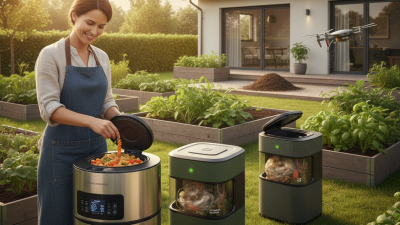
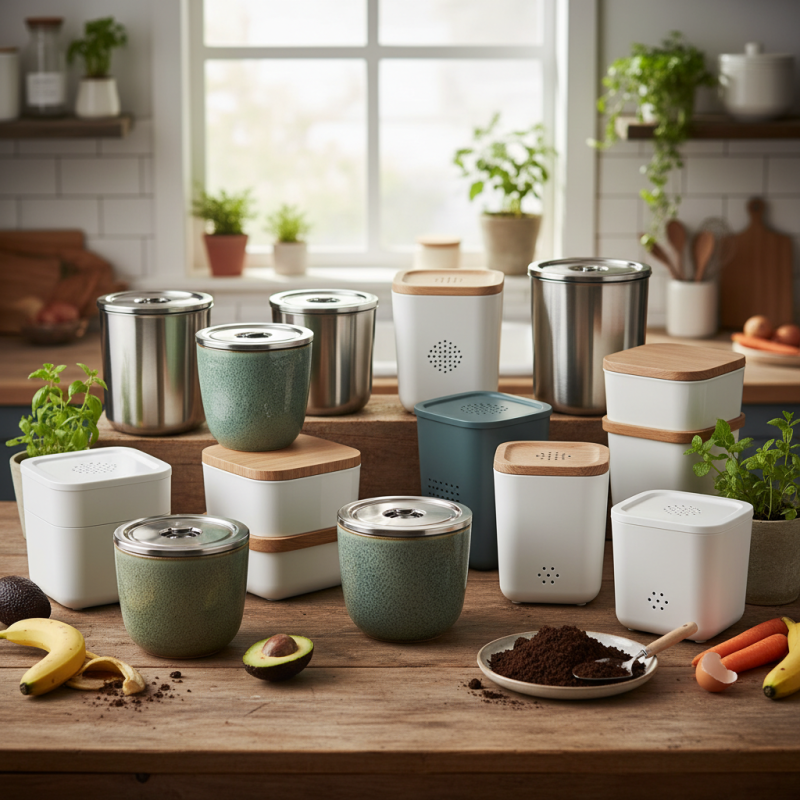
Countertop composters are gaining popularity as a sustainable choice for eco-friendly living. These compact systems fit easily on kitchen counters, allowing users to turn kitchen scraps into nutrient-rich compost. This process not only minimizes waste but also enriches soil for gardening. However, not all countertop composters work the same way. Some require more maintenance and effort than others. Finding the right one involves weighing various factors.
The heart of countertop composting lies in its convenience. Users can compost fruit peels, vegetable trimmings, and even coffee grounds. Yet, it's crucial to remember not every organic material is suitable. Mistakes happen, and some may attract pests or create unpleasant odors. It’s important to learn about the process and manage what's collected properly. Sound instruction can prevent some common pitfalls that new users face.
Though countertop composters are designed for ease of use, they can't solve all waste issues. For those with limited kitchen space, these alternatives might seem like a hassle. It can be challenging to incorporate composting into a busy lifestyle. Reflecting on personal habits can help integrate this practice more fluidly. Making small changes can lead to a more sustainable future.
Top 10 Countertop Composter Options for Eco Friendly Living
| Composter Model |
Material |
Capacity (Liters) |
Odor Control |
Ease of Use |
Price Range (USD) |
| Model A |
Bamboo |
5 |
High |
Very Easy |
40-60 |
| Model B |
Plastic |
3 |
Medium |
Easy |
30-50 |
| Model C |
Stainless Steel |
2 |
Low |
Moderate |
50-80 |
| Model D |
Ceramic |
4 |
High |
Very Easy |
70-100 |
| Model E |
Wood |
7 |
Medium |
Easy |
60-90 |
| Model F |
Plastic |
5 |
Low |
Moderate |
20-40 |
| Model G |
Metal |
3 |
Medium |
Easy |
50-70 |
| Model H |
Compostable Plastic |
4 |
High |
Very Easy |
30-60 |
| Model I |
Glass |
2 |
Low |
Moderate |
80-120 |
| Model J |
Recycled Materials |
6 |
High |
Very Easy |
100-150 |
Benefits of Using a Countertop Composter for Eco-Friendly Living
Using a countertop composter brings numerous benefits to
eco-friendly living. It helps reduce food waste significantly. Instead of tossing scraps in the trash, you can
transform them into nutrient-rich compost. This compost
can nourish your plants, whether indoors or in a garden. It creates a closed-loop system,
giving life back to the earth.
One of the appealing aspects is its convenience. A countertop composter allows you to collect scraps without the
hassle of outdoor bins. It fits easily in kitchens of any size. However, it's essential to be mindful of
odors and pests. Proper maintenance and balancing greens
and browns can be challenging. A little trial and error is often needed to get it just right.
Ultimately, using a countertop composter encourages mindfulness. It makes you think before discarding food.
This can lead to better purchasing decisions and meal planning. It's a small step, but it can spark
larger changes in lifestyle choices. Balancing practicality with ecological impact
is not always easy, yet it’s worth the effort.
Top Features to Look for in a Countertop Composter
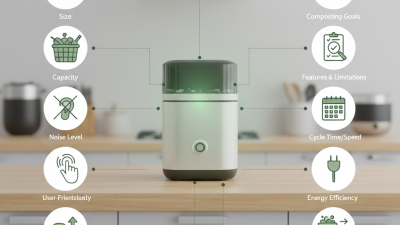
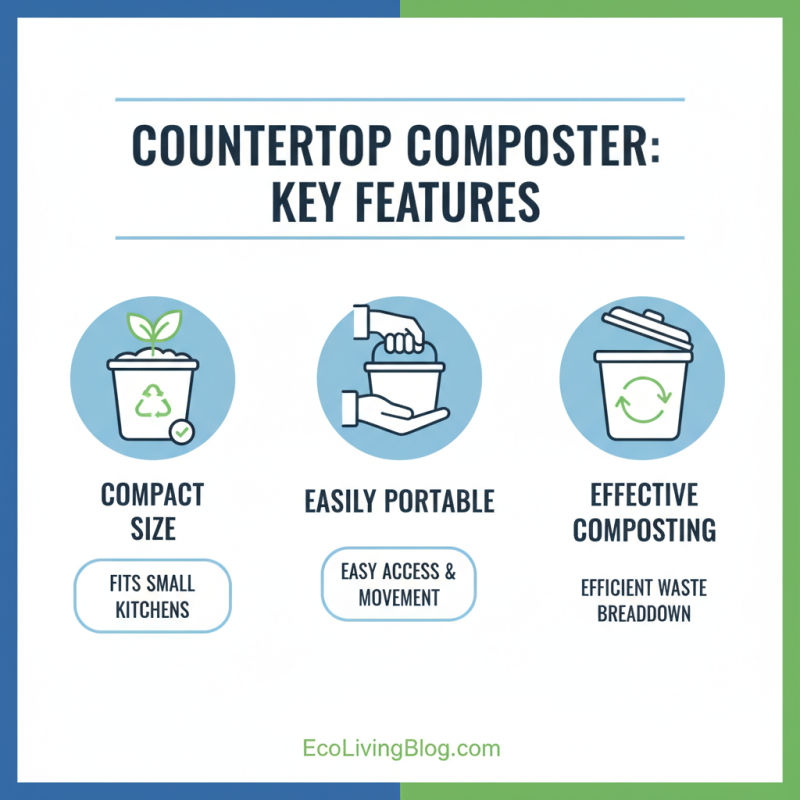
When considering a countertop composter, key features are essential for effective composting. A compact size is crucial for small kitchens. Many households have limited space. Therefore, finding a unit that fits nicely on a countertop is vital. Look for containers that are easily portable. This allows easy access and movement when necessary.
Odor control is another important aspect. A good composter should have a reliable filtration system. Studies show that over 60% of composters fail due to odor issues. Users often abandon their composting efforts because of unpleasant smells. A strong carbon filter helps maintain a fresh environment for composting. Additionally, ensure that the composter has a tight-fitting lid. This further reduces unwanted smells.
Ease of use cannot be overlooked. Many composter designs focus on user-friendliness, allowing for simple loading and unloading. A study from the Composting Association found that 45% of people stop composting due to complicated systems. Look for features like a removable bucket or a built-in stirring mechanism. These features simplify the composting process. Remember, the aim is to create an efficient workflow. Users need to feel encouraged, not overwhelmed.
Tips for Efficiently Using and Maintaining Your Countertop Composter
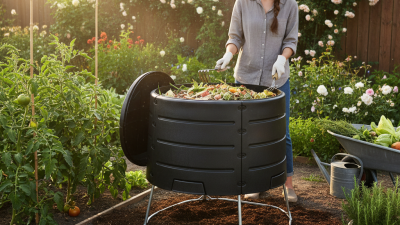
Using a countertop composter can be a game changer for eco-friendly living. To maximize its efficiency, start by knowing what materials to compost. Fruits, vegetables, and coffee grounds are excellent choices. Avoid items like meat and dairy, as they attract pests. Chop your scraps into smaller pieces to speed up the process. This simple adjustment can significantly enhance decomposition time.
Regular maintenance is crucial for success. Keep your composter in a cool, dry place to prevent odors. Occasionally, check for excess moisture. If it's too wet, add dry materials like shredded paper or leaves. Mixing the compost regularly helps aerate it, which is vital for decomposition. You may find yourself forgetting to turn it, but consistency is key to producing nutrient-rich compost.
Experimenting with different materials is part of the journey. You might discover which items break down faster and which ones create odors. Some people find it challenging to keep track of their composting habits. Keeping a small log can help you reflect on what works and what doesn't. Embrace the learning curve, and enjoy the process of reducing waste in your kitchen.

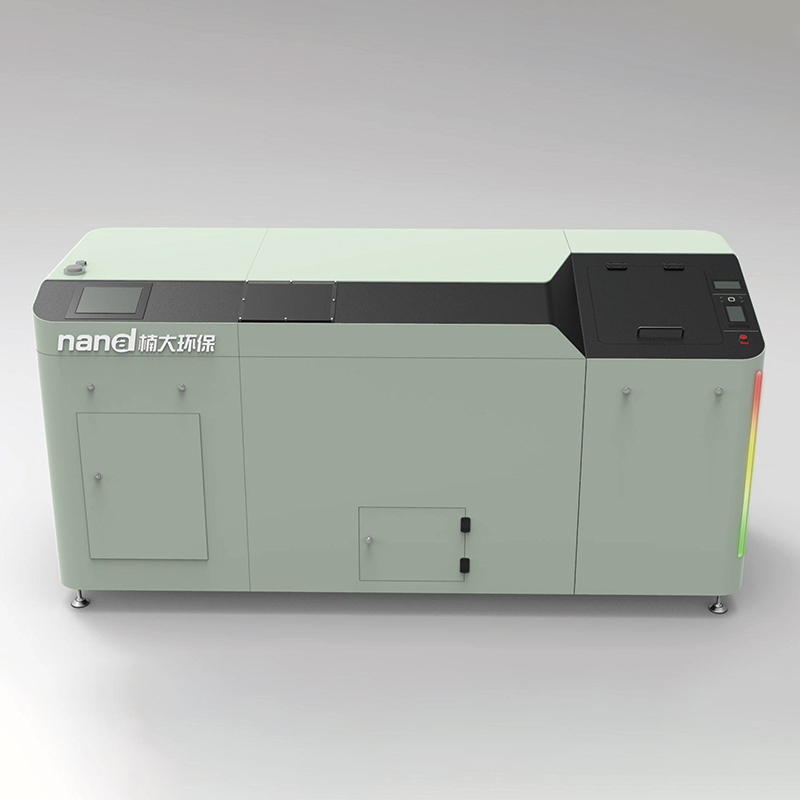 Nanda Trans Series-200
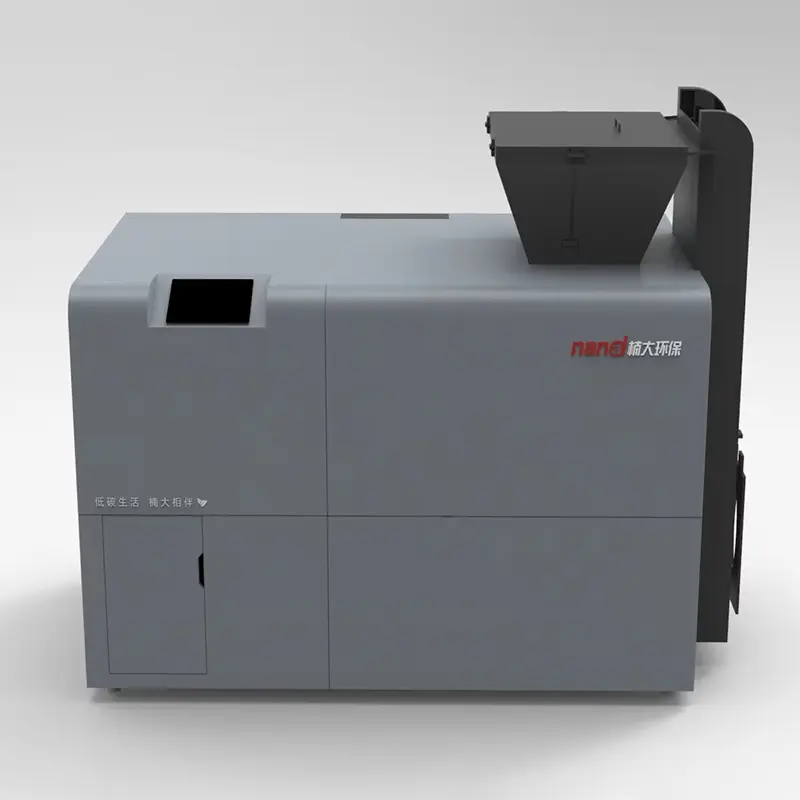 Nanda Trans Series-500
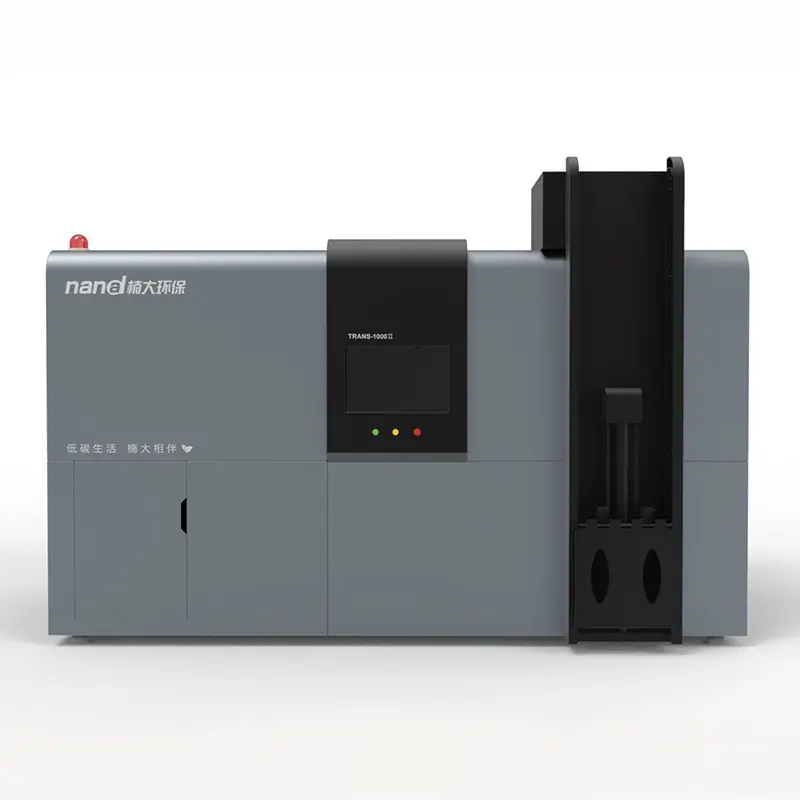 Nanda Trans Series-1000
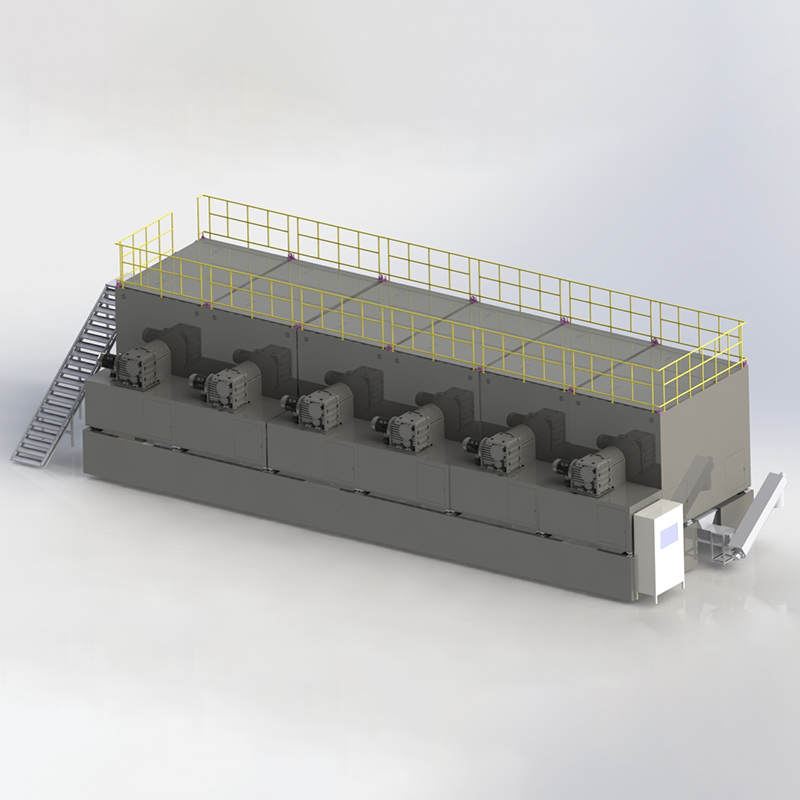 Nanda Trans Series-30000
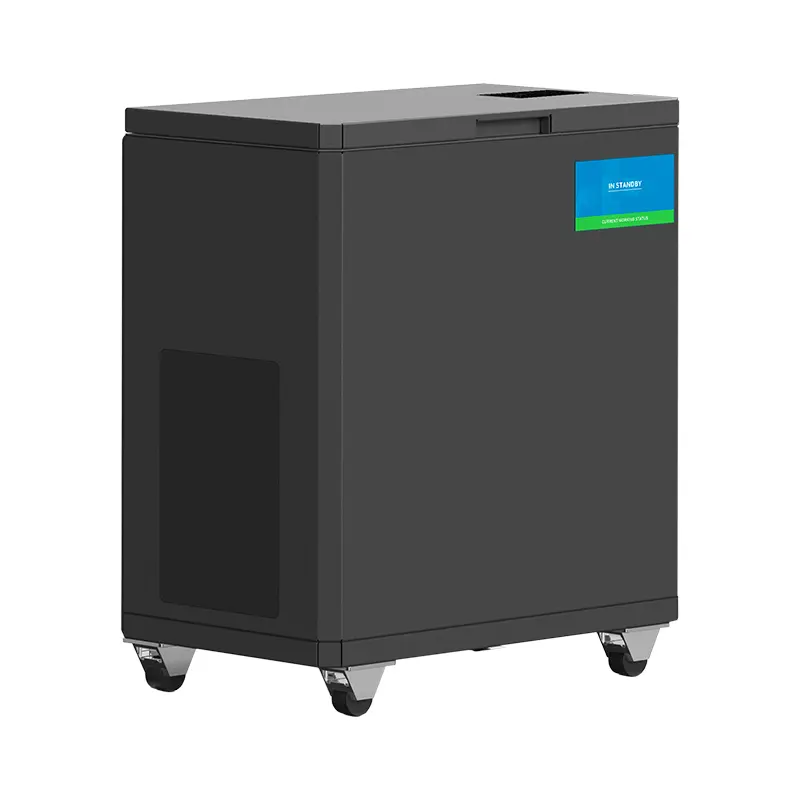 Nanda Thermax Series-100
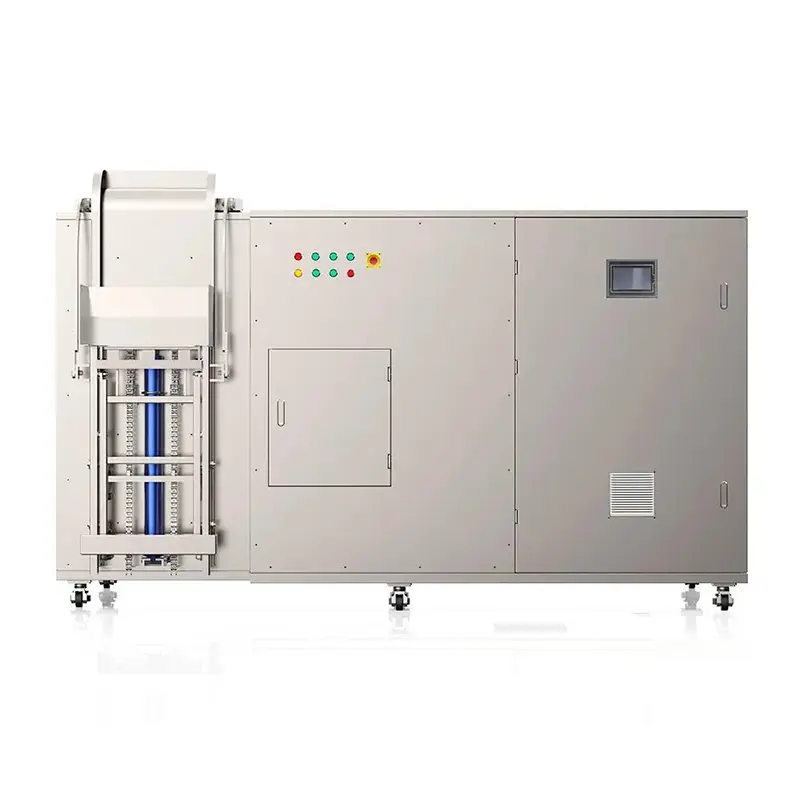 Nanda Thermax Series-200
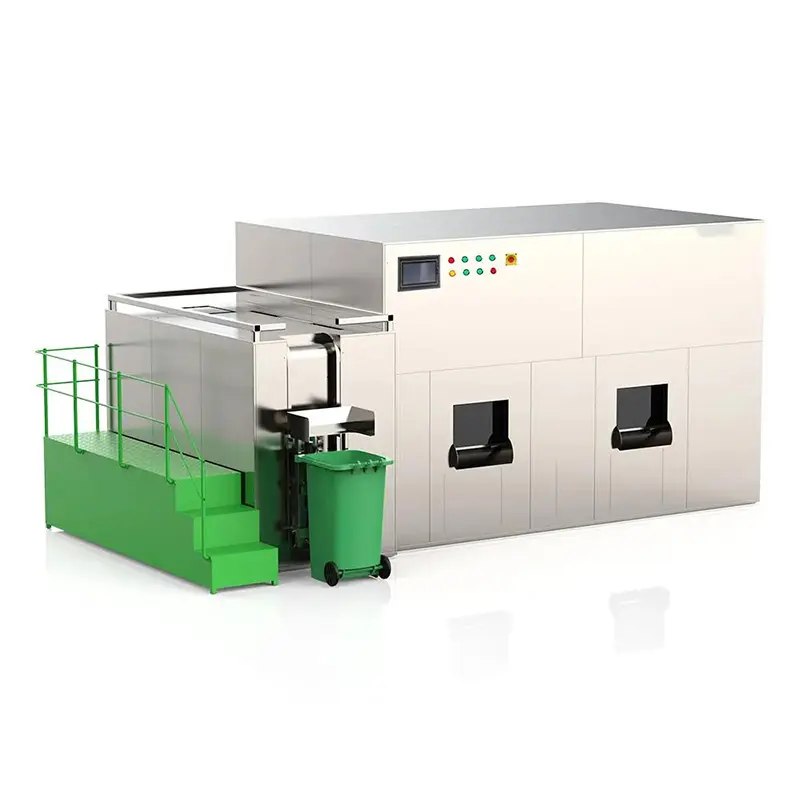 Nanda Thermax Series-2000
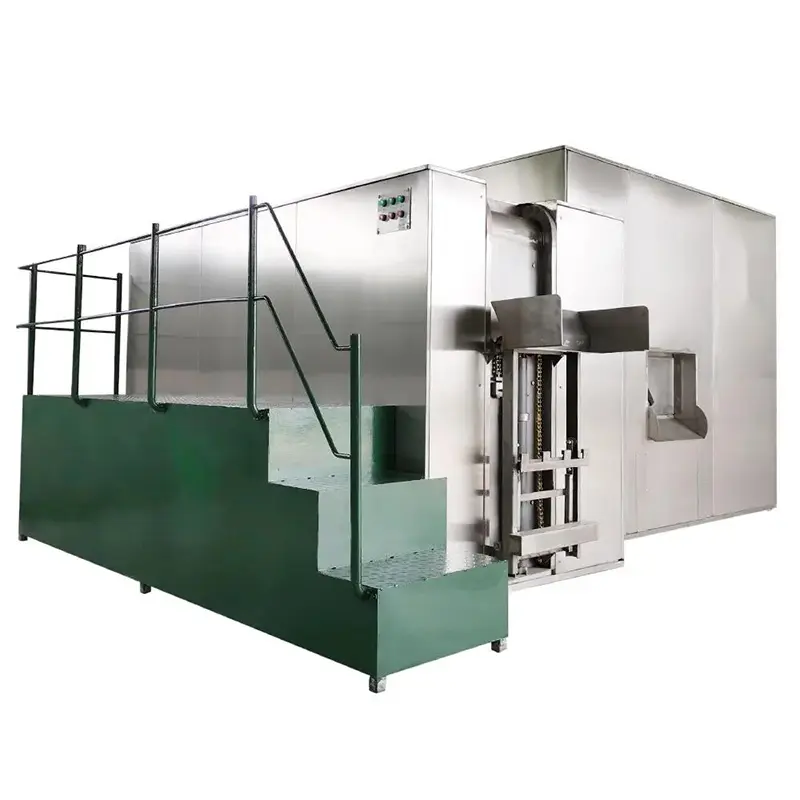 Nanda Thermax Series-10000
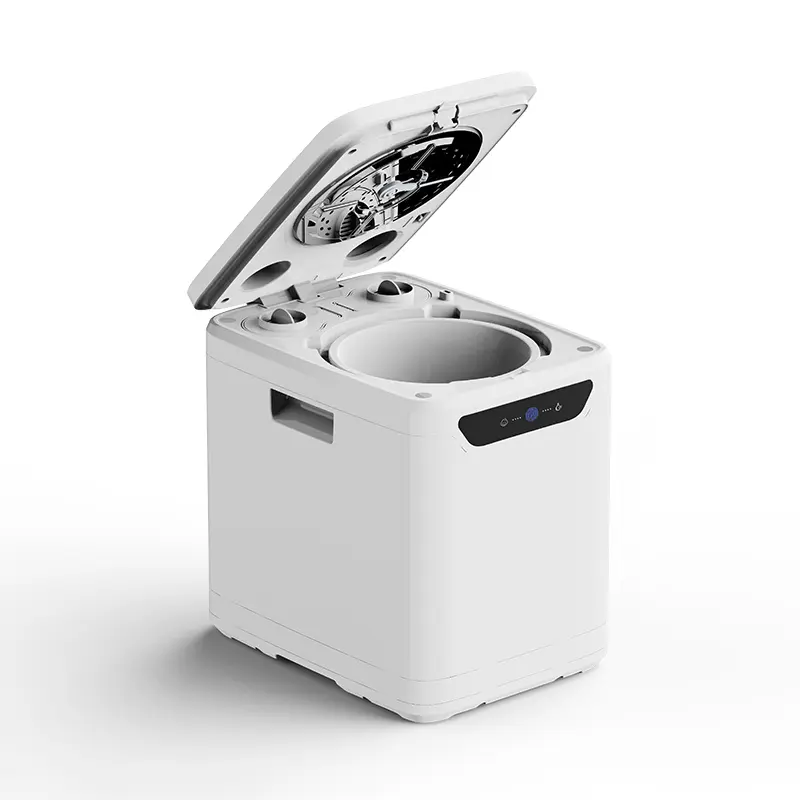 Nanda Turbo Series-3.5L-016
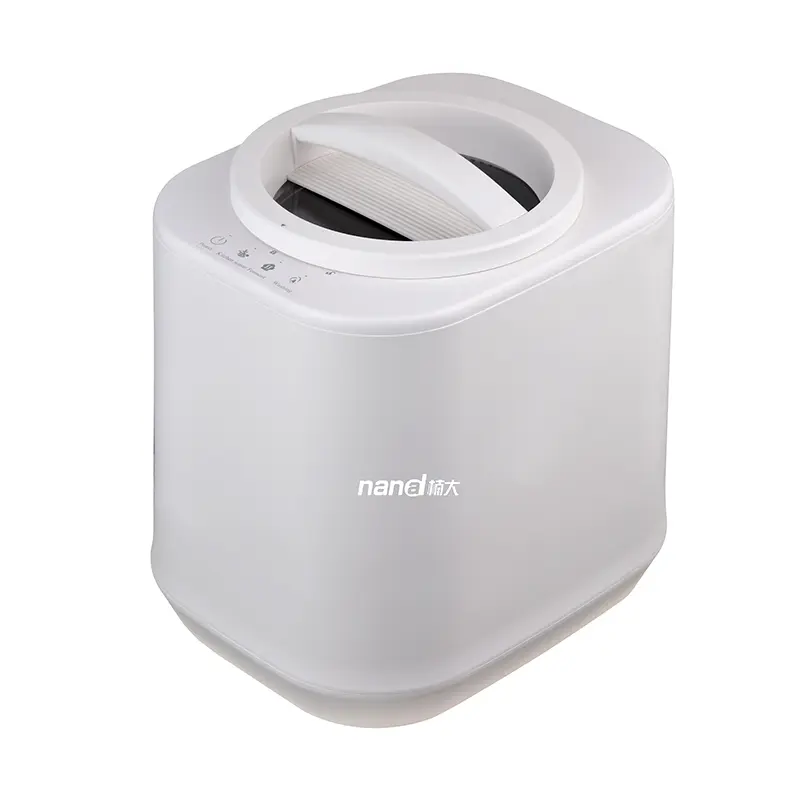 Nanda-Turbo Series-4L-011
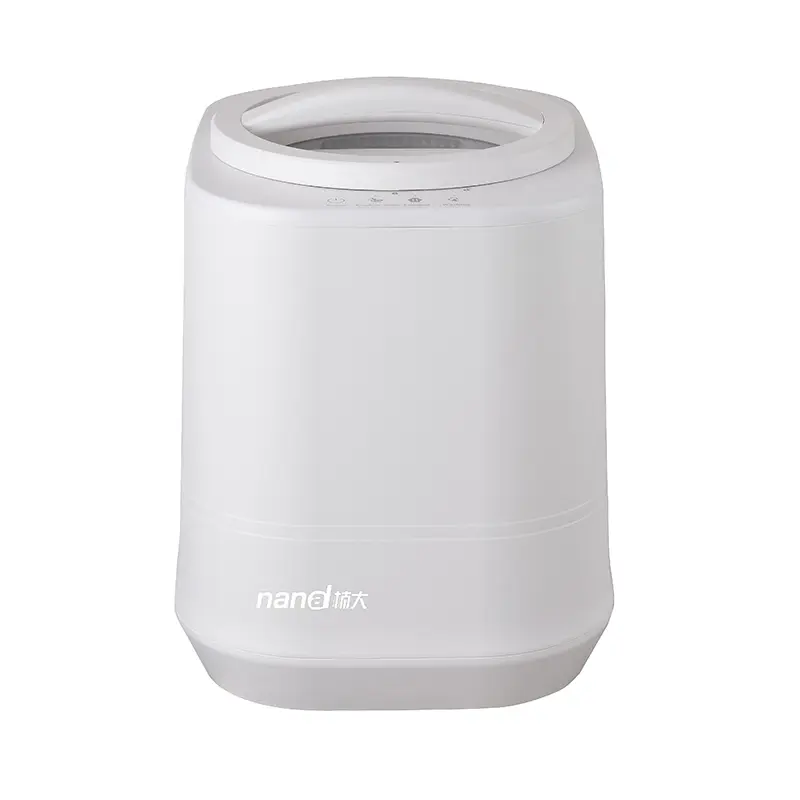 Nanda Turbo Series-4L-012
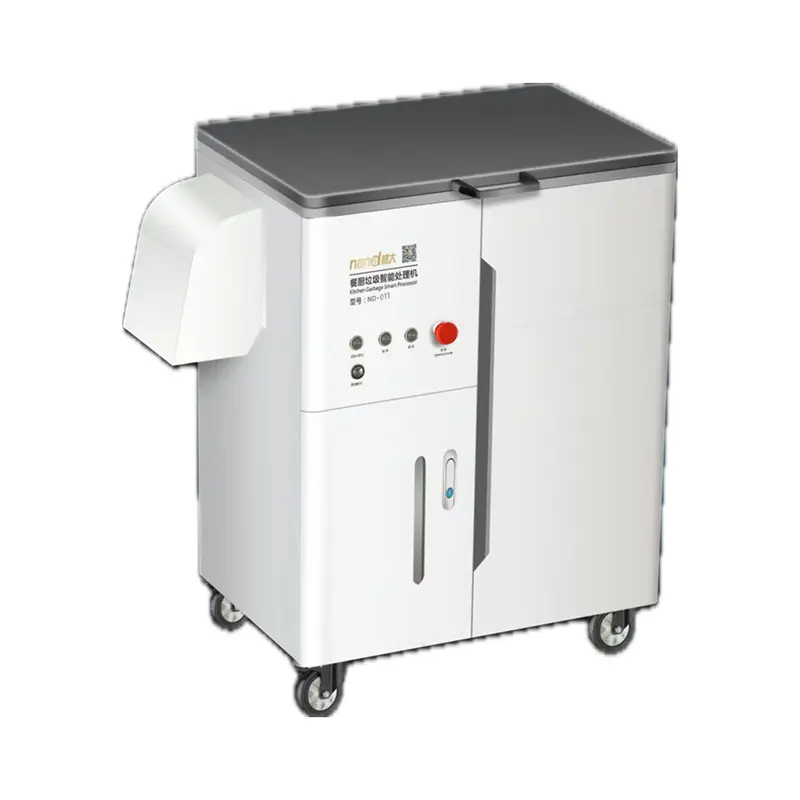 Oil-Water Separator