Top 10 Countertop Composters for Effortless Kitchen Waste Recycling
In recent years, the growing awareness of sustainable living has led to an increased interest in countertop composters, which offer a simple yet effective solution for recycling kitchen waste. According to Dr. Emily Green, a leading expert in sustainable waste management, "Countertop composters not only reduce the amount of waste sent to landfills but also empower individuals to contribute to a healthier environment right from their kitchens." This statement underscores the significant role that these compact systems play in modern households.
Countertop composters are designed to make composting as effortless as possible, allowing users to recycle their food scraps without the need for extensive outdoor setups. Their accessibility and ease of use are crucial in encouraging more people to adopt composting practices. As households generate a considerable amount of organic waste daily, even small shifts towards composting can lead to substantial environmental benefits.
With a variety of options available, choosing the right countertop composter can enhance your kitchen's sustainability efforts. In this article, we will explore the top 10 countertop composters that cater to different needs and preferences, making it easier than ever to engage in responsible waste management while contributing to a greener planet.
Understanding Countertop Composters: Benefits and Features
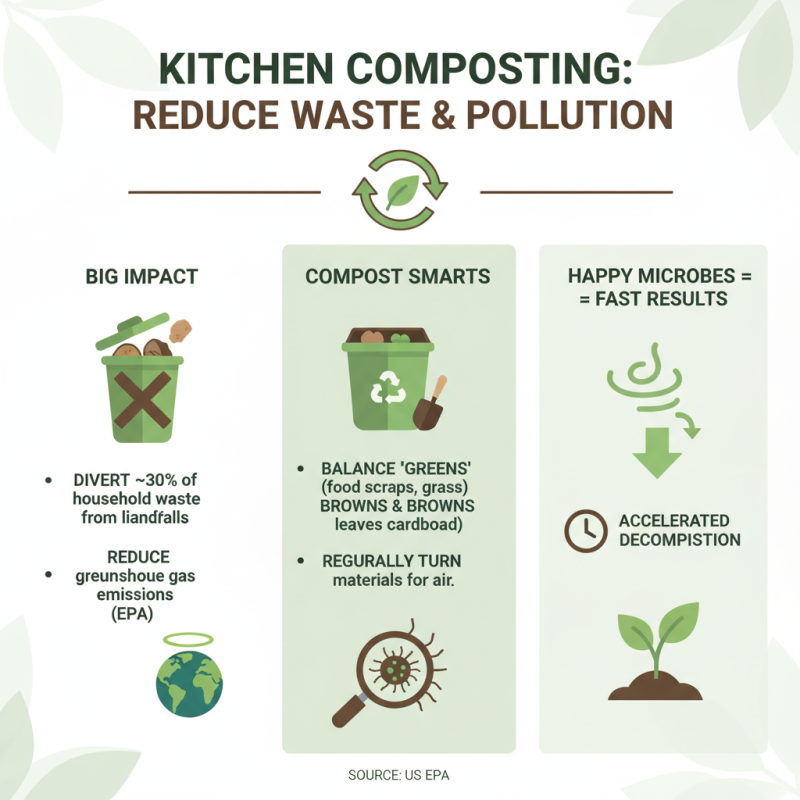
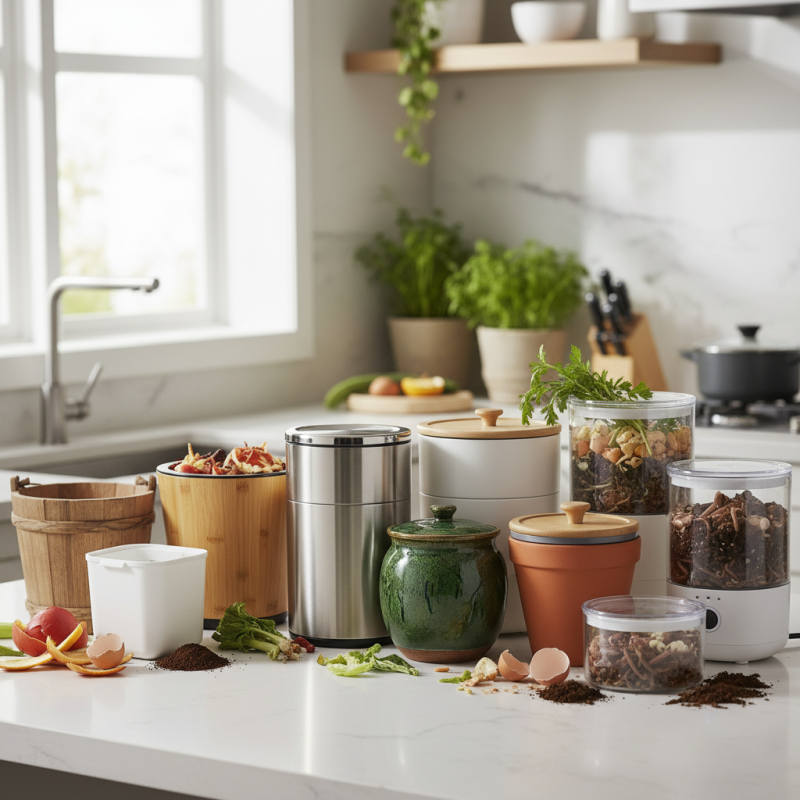
Countertop composters have gained significant attention in recent years due to their ability to facilitate kitchen waste recycling effectively. These compact units allow households to divert organic waste away from landfills, reducing methane emissions—a potent greenhouse gas that contributes to climate change. According to a report from the EPA, approximately 30% of food waste could be composted, highlighting the potential impact of utilizing composters in residential settings. By having a dedicated space for composting, users can significantly reduce their overall waste, contributing to a more sustainable waste management practice.
One of the key benefits of countertop composters is their convenience. Designed for easy kitchen use, these devices can quickly process scraps such as vegetable peels, coffee grounds, and eggshells. Many models utilize advanced technology, enabling accelerated decomposition through hot composting methods. A study from the Composting Council indicates that well-managed composting systems can reduce food waste volume by 50% within a week, making them an efficient solution for busy households. Furthermore, countertop composters often produce nutrient-rich compost that can enhance garden soil or nourish houseplants, creating a closed-loop system that supports both waste reduction and beneficial gardening practices.
Factors to Consider When Choosing a Countertop Composter
When selecting a countertop composure, several factors should influence your decision to ensure it meets your kitchen needs. First, consider the size and capacity of the composter. Depending on your kitchen space and the volume of waste you generate, a larger or smaller model might be more appropriate. If you have a bustling household, opt for one with a bigger capacity to handle the organic waste without frequent emptying.
Another crucial aspect to look into is the odor control system. A well-designed countertop composter should minimize unpleasant smells, especially if it's kept indoors. Look for composters that have effective sealing mechanisms or activated carbon filters to keep your kitchen environment fresh. Additionally, consider the ease of use—models with user-friendly features simplify the composting process and encourage more regular use.
Tips: To maximize your composting experience, chop up your kitchen scraps into smaller pieces. This accelerates the composting process by increasing surface area and helps to balance the carbon-to-nitrogen ratio, ensuring quicker decomposition. Also, regularly aerate your compost by mixing it gently; this promotes airflow, which is essential for efficient breaking down of materials.
Top 10 Countertop Composters: Overview and Comparisons
In recent years, the need for effective kitchen waste management has grown significantly, with nearly 30% of food produced globally being wasted, according to the Food and Agriculture Organization (FAO). Countertop composters have emerged as a practical solution for individuals looking to reduce their kitchen waste while contributing to environmental sustainability. They streamline the composting process, making it more accessible and convenient for urban dwellers who may lack outdoor space.
When comparing different countertop composters, key features to consider include capacity, composting speed, and odor control mechanisms. Many models now incorporate advanced technology, such as aerobic composting systems that can break down organic waste in as little as 24 hours. The Environmental Protection Agency (EPA) reports that composting can divert up to 20% of overall household waste from landfills, highlighting the impact that utilizing these devices can have on reducing landfill contributions and promoting soil health. Therefore, evaluating these factors is essential for selecting the most suitable composter that meets individual kitchen needs while maximizing waste reduction.
Top 10 Countertop Composters: Overview and Comparisons
This bar chart illustrates the capacity in liters of the top 10 countertop composters, providing an easy comparison for kitchen waste recycling options available.
User Experiences: Reviews and Ratings of Each Composter
When it comes to countertop composters, user experiences play a crucial role in determining the best options for effortless kitchen waste recycling. Many users appreciate the convenience of having a composting solution right in their kitchens, which allows them to easily dispose of food scraps without any foul odors or mess. Reviews often highlight the ease of use, with many composters featuring simple mechanisms that require minimal effort to operate. Users consistently note how quickly they can convert their kitchen waste into nutrient-rich compost, which they later use to enrich their gardens or potted plants.
Additionally, users frequently share insights about the effectiveness of various composters, particularly regarding their odor control and speed of decomposition. Many composters utilize advanced technology such as aerobic digestion and natural enzymes to facilitate rapid composting, resulting in a finished product within weeks. Positive reviews often mention the compact size of these units, making them an ideal fit for small kitchens. Users are keen to point out the aesthetic appeal of many models, as they seamlessly blend into kitchen decor while providing a functional purpose. Overall, user feedback indicates a high level of satisfaction with countertop composters, making them a fantastic choice for anyone looking to reduce waste and promote sustainable living.
Top 10 Countertop Composters for Effortless Kitchen Waste Recycling - User Experiences: Reviews and Ratings of Each Composter
| Composter Model |
Capacity (Gallons) |
Ease of Use (Rating) |
Odor Control (Rating) |
Overall User Rating |
| Composter A |
2 |
4.5 |
4.8 |
4.6 |
| Composter B |
3 |
4.2 |
4.1 |
4.3 |
| Composter C |
1.5 |
4.7 |
4.5 |
4.6 |
| Composter D |
2.5 |
4.0 |
4.4 |
4.2 |
| Composter E |
4 |
4.3 |
4.7 |
4.5 |
| Composter F |
3.5 |
4.1 |
4.0 |
4.2 |
| Composter G |
2 |
4.6 |
4.9 |
4.7 |
| Composter H |
1.8 |
4.5 |
4.2 |
4.4 |
| Composter I |
3 |
4.4 |
4.6 |
4.5 |
| Composter J |
2 |
4.0 |
4.3 |
4.1 |
Maintenance and Usage Tips for Effective Kitchen Waste Recycling
Effective kitchen waste recycling can dramatically reduce household waste, with studies showing that composting can divert approximately 30% of household waste from landfills. To maximize the benefits of countertop composters, adopting proper maintenance and usage practices is essential. Regularly turning the compost materials and maintaining a balance of greens (nitrogen-rich materials) and browns (carbon-rich materials) helps create a healthy environment for microorganisms, which accelerates the decomposition process. According to the U.S. Environmental Protection Agency, composting food scraps can also reduce greenhouse gas emissions by preventing waste from decomposing anaerobically in landfills.
In terms of usage, selecting an appropriate countertop composter can greatly influence efficiency. It's important to choose a composter that offers sufficient ventilation and drainage, allowing excess liquid to escape while providing air circulation for aerobic decomposition. Adding a consistent supply of kitchen scraps—like fruit peels, vegetable trimmings, and coffee grounds—while avoiding meat, dairy, and oils, can further enhance the composting process. As highlighted in industry reports, households that employ effective composting practices can produce compost that improves soil health, promotes plant growth, and even leads to successful urban farming initiatives, thereby fostering a sustainable lifestyle.

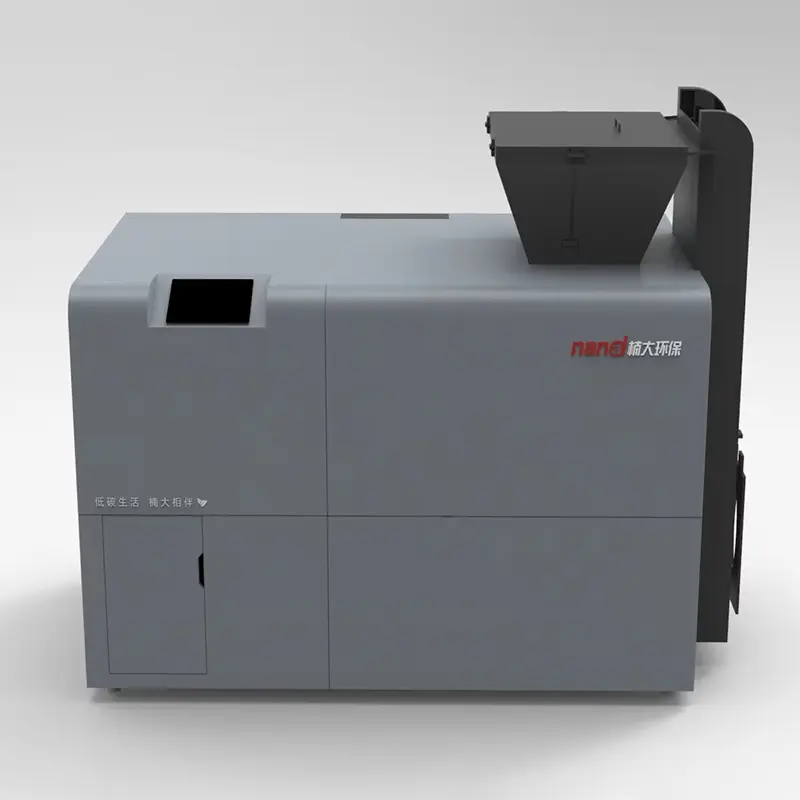
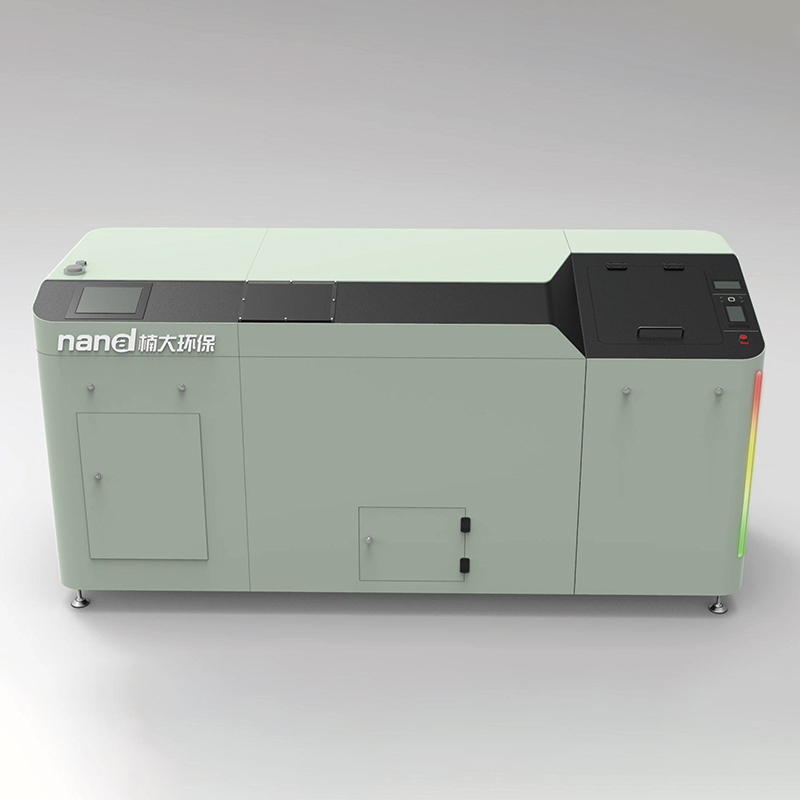 Nanda Trans Series-200
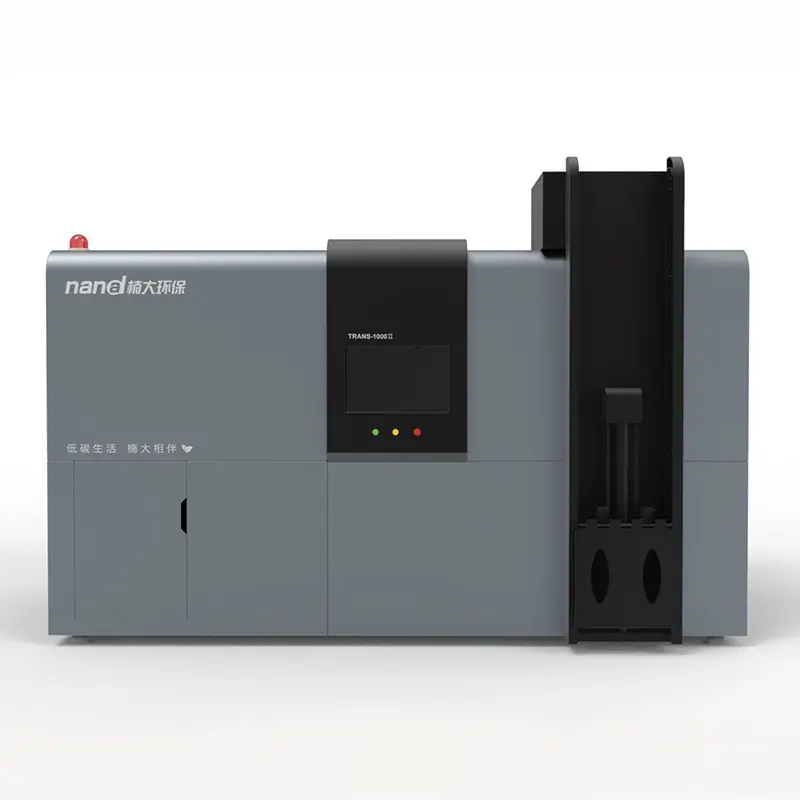
 Nanda Trans Series-500
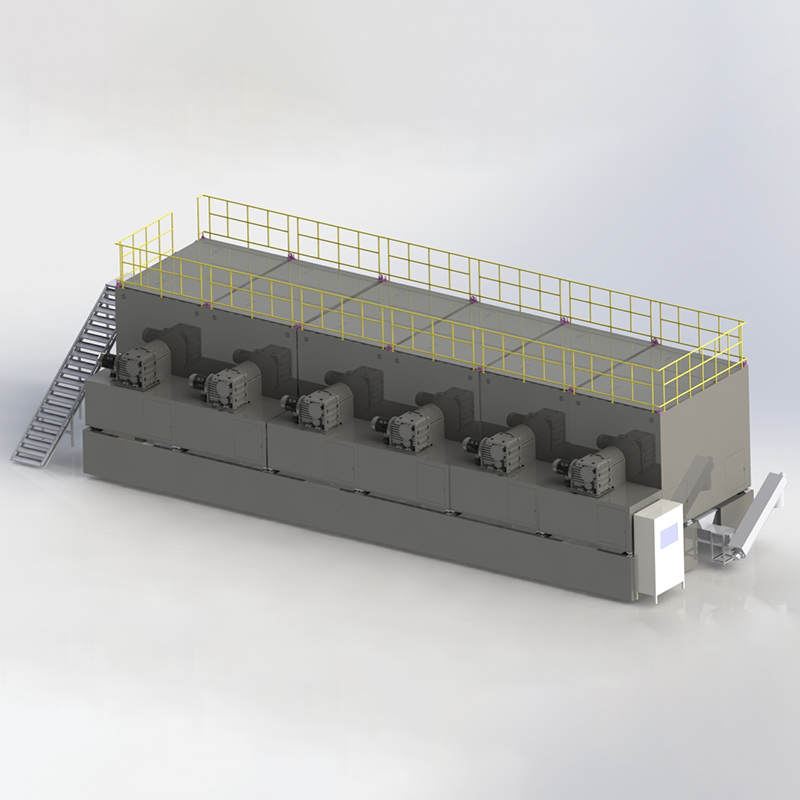
 Nanda Trans Series-1000
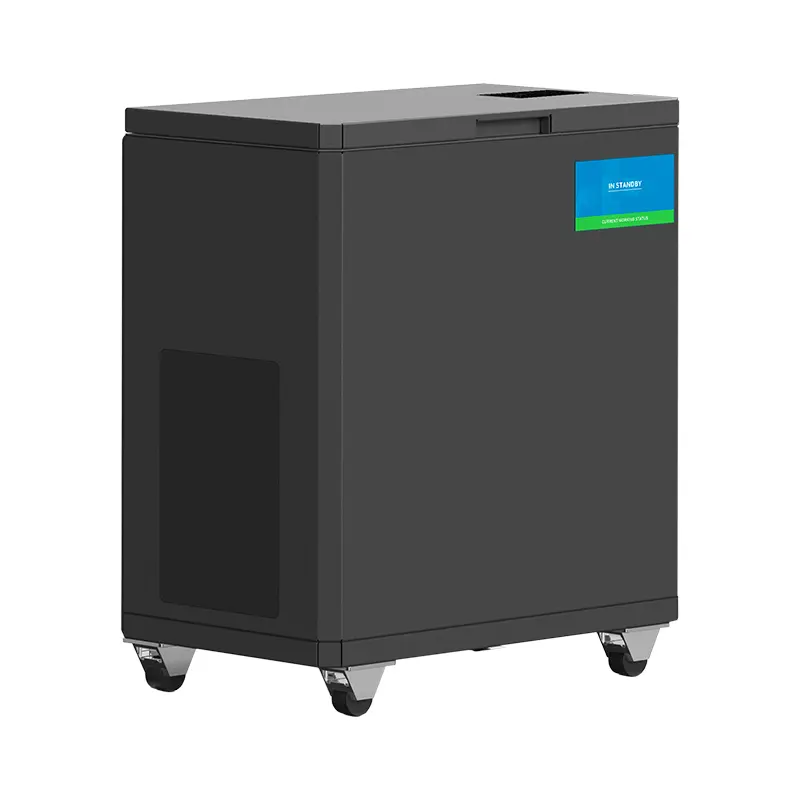
 Nanda Trans Series-30000
 Nanda Thermax Series-100
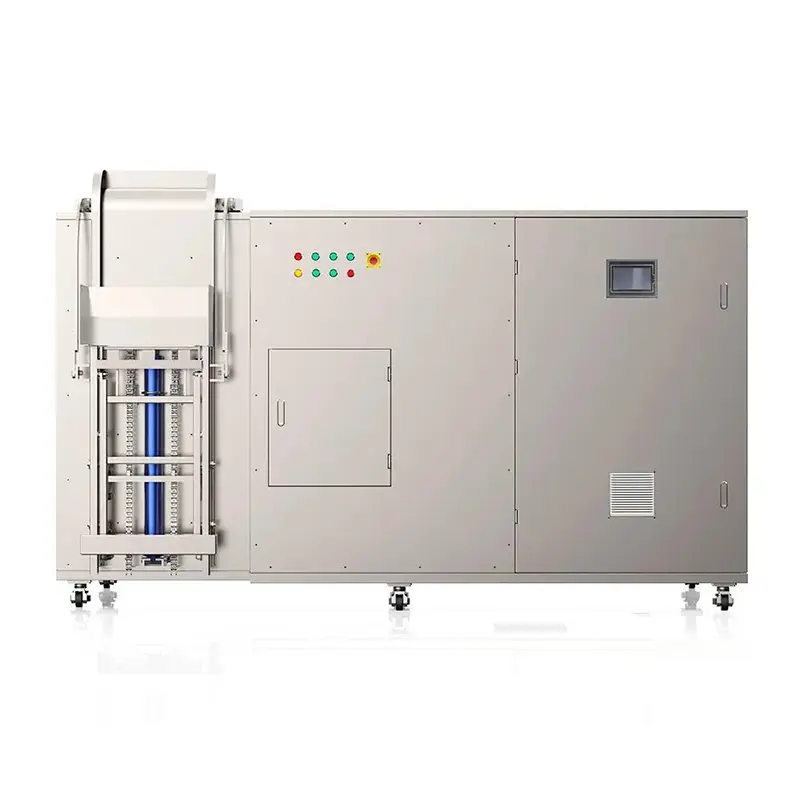 Nanda Thermax Series-200
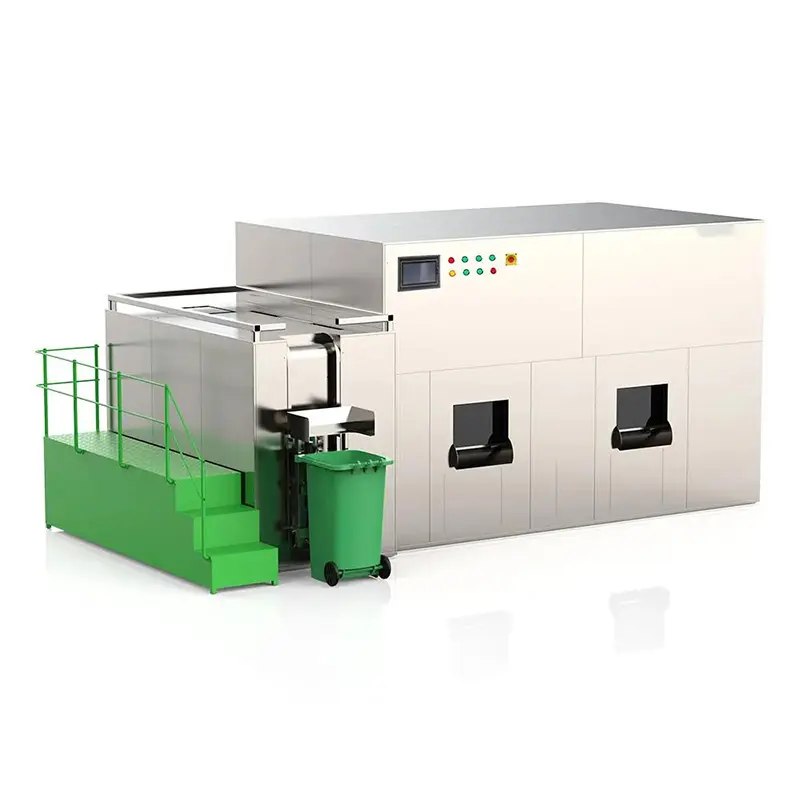 Nanda Thermax Series-2000
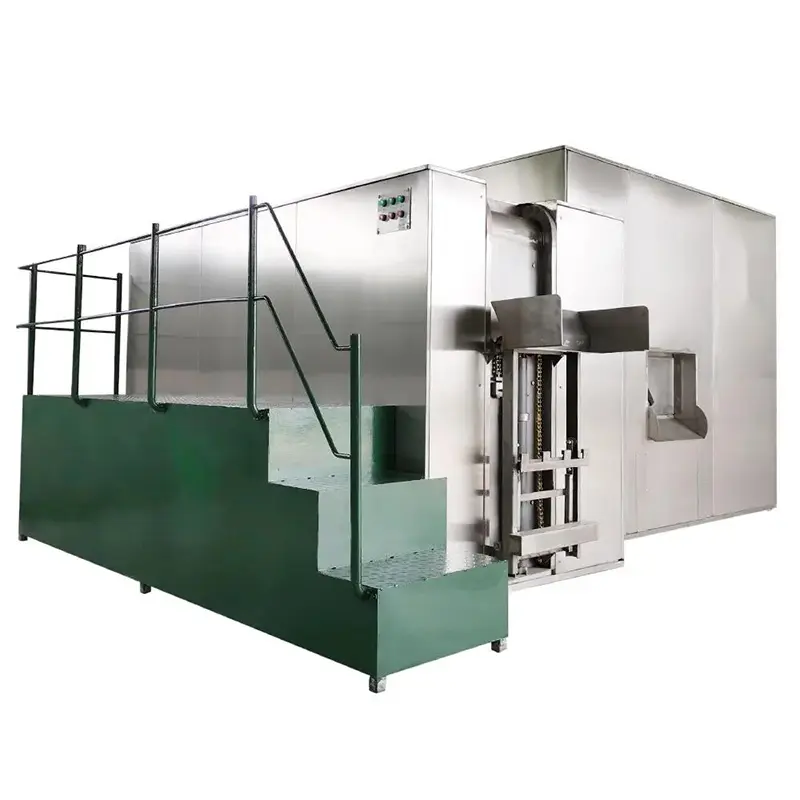 Nanda Thermax Series-10000
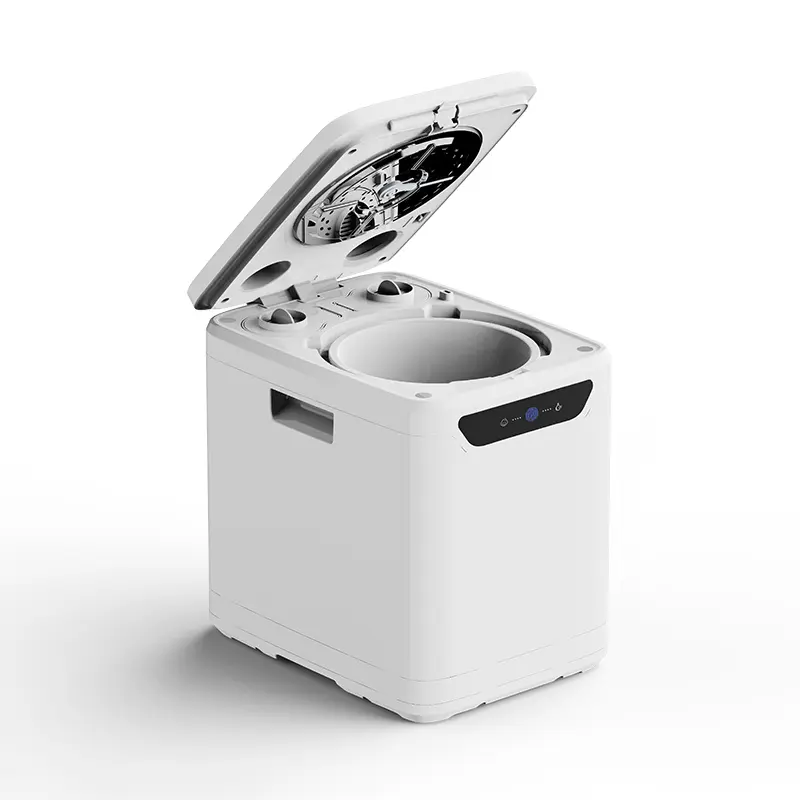 Nanda Turbo Series-3.5L-016
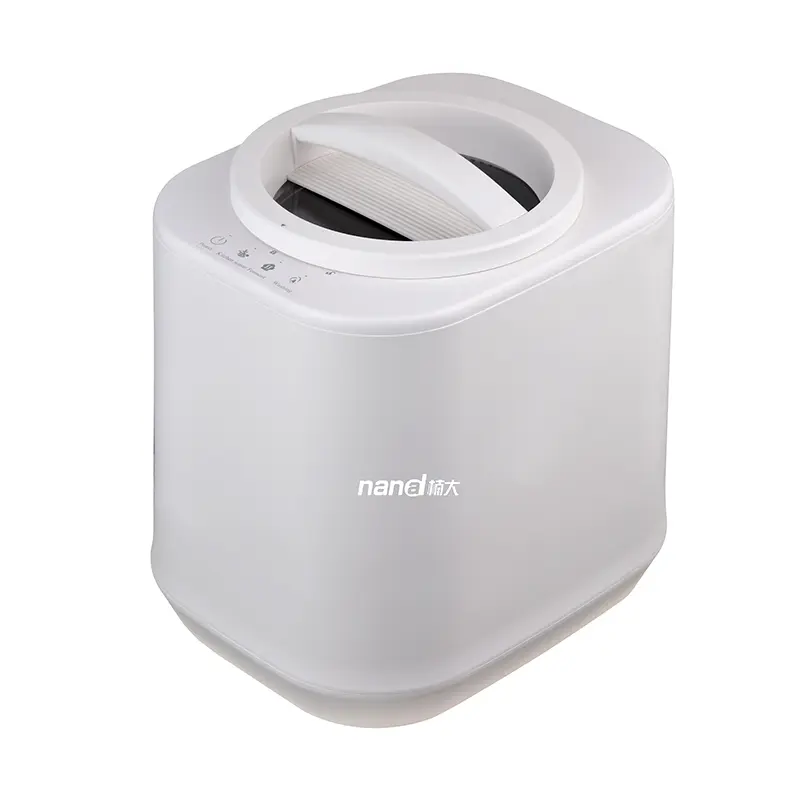 Nanda-Turbo Series-4L-011
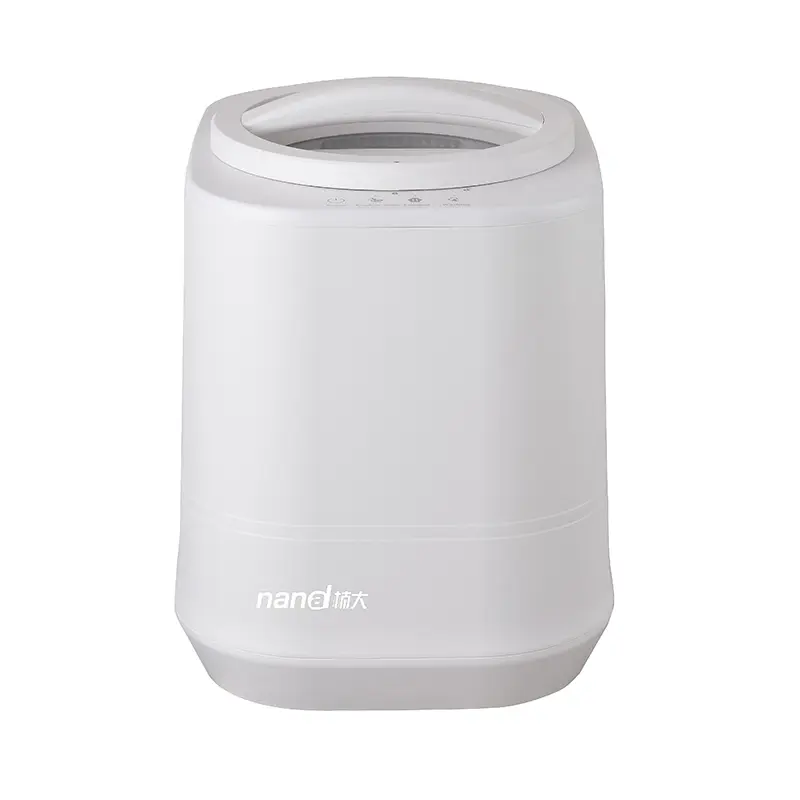 Nanda Turbo Series-4L-012
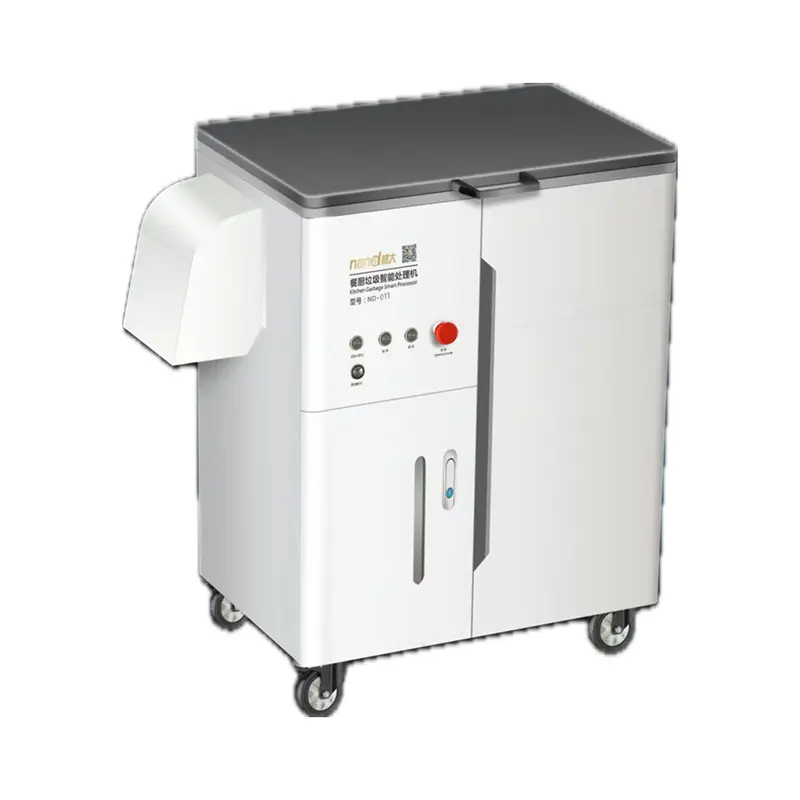 Oil-Water Separator