Top 10 Electric Compost Machines for Faster Organic Waste Recycling
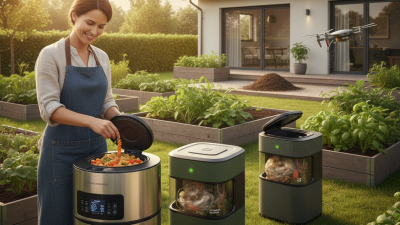
As sustainability becomes an increasingly vital focus for households and communities, the management of organic waste is more important than ever. An Electric Compost Machine offers an innovative solution, efficiently transforming kitchen scraps and yard waste into nutrient-rich compost, significantly speeding up the recycling process. Unlike traditional composting methods that require manual labor and extensive time, these machines use advanced technology to break down organic materials quickly and effectively, making composting more accessible and manageable for everyone.
In this guide, we will explore the top 10 electric compost machines available today, highlighting their features, benefits, and suitability for different needs. From compact designs ideal for small kitchens to larger models capable of handling backyard waste, these machines cater to a variety of lifestyles and preferences. By investing in an Electric Compost Machine, users can not only reduce their waste footprint but also contribute to a more sustainable environment, promoting eco-friendly practices in their daily lives. Join us as we delve into the world of electric composting and discover how these remarkable devices can transform your waste into valuable resources.
Benefits of Using Electric Compost Machines for Organic Waste Recycling
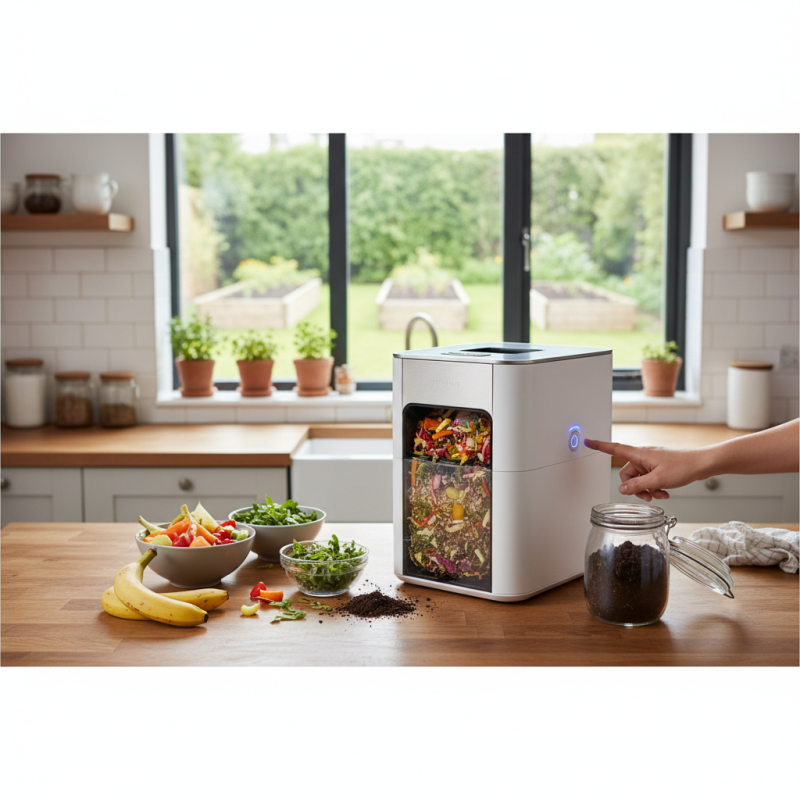
Electric compost machines offer numerous benefits for organic waste recycling, making them an ideal choice for households and businesses alike. One of the primary advantages is the significant reduction in composting time. Traditional composting can take months to break down organic material, but electric compost machines accelerate this process, allowing users to produce nutrient-rich compost in just a few days. This efficiency is particularly beneficial for those with limited space or time who still wish to engage in environmentally friendly practices.
Moreover, electric compost machines operate with minimal effort and maintenance. Users can simply load their kitchen scraps or yard waste into the unit, select the desired settings, and let the machine do the work. This convenience encourages more people to engage in composting, as it eliminates the arduous labor often associated with outdoor compost bins. Additionally, these machines effectively manage odors and pests, promoting a cleaner and more pleasant composting experience. The end result is a sustainable method of waste disposal that not only enriches soil but also supports broader environmental goals by reducing landfill contributions and fostering a circular economy.
Key Features to Look for in Electric Compost Machines
When selecting an electric compost machine, there are several key features you should consider to ensure efficient and effective organic waste recycling. First and foremost, the capacity of the machine is crucial. Depending on the size of your household or the volume of organic waste generated, you need a model that can accommodate your needs. A larger capacity allows for less frequent emptying and greater convenience, while smaller units are ideal for those with limited space or lower waste output.
Another important feature is the composting speed. Many electric compost machines offer accelerated processing times through the use of advanced aeration, heating elements, or mixing mechanisms. Look for models that boast quick composting cycles without compromising the quality of the finished product. Furthermore, the ease of use and maintenance should also be prioritized. Machines with user-friendly interfaces, clear operation instructions, and easy access for cleaning can significantly enhance your composting experience.
Lastly, consider the noise level of the machine; quieter models are preferable, especially for residential areas where noise can be a concern.
These features combined can greatly impact the efficiency of your organic waste recycling efforts, making your composting process more manageable and enjoyable.
Top 10 Electric Compost Machines: A Comparative Overview
As the world increasingly shifts towards sustainable practices, electric compost machines have emerged as efficient tools for organic waste recycling. These devices accelerate the decomposition process, transforming kitchen scraps and yard waste into nutrient-rich compost in a fraction of the time traditional methods require. Industry reports indicate that by 2025, the global composting equipment market is expected to reach USD 1.5 billion, highlighting the growing demand for eco-friendly waste management solutions.
When evaluating electric compost machines, several factors are crucial. The capacity of the machine, the speed of composting, and the ease of use determine its overall effectiveness. For instance, some machines can process up to 100 pounds of organic waste in 24 hours, while others focus on smaller batches but provide greater efficiency. Energy consumption also varies significantly among models, with more efficient machines utilizing less power, thus reducing the environmental footprint even further.
**Tips:** When selecting an electric compost machine, consider the size of your household and the volume of organic waste you generate. Additionally, understand the machine’s maintenance needs. Regular cleaning can enhance performance and prolong the lifespan of the device. Lastly, ensure you have a clear understanding of the types of waste suitable for composting, as not all organic matter is compost-friendly.
Top 10 Electric Compost Machines: Performance Comparison
This bar chart compares the composting time of various electric compost machines. The data shows the number of days taken by each machine to process organic waste effectively.
User Reviews and Experiences with Electric Compost Machines
User reviews and experiences with electric compost machines reveal a range of benefits and challenges faced by everyday users. Many users highlight the convenience and efficiency these machines offer. Compared to traditional composting methods, electric composters significantly speed up the decomposition process. Users often report that they can reduce organic waste substantially within just a few hours to a couple of days. This efficiency is particularly appreciated in urban settings where space is limited, and rapid compost production can be crucial for maintaining a clean living environment.
However, not all feedback is glowing. Some users express concerns about the noise levels of certain models, which can be disruptive in quieter home settings. Additionally, the energy consumption of electric composters is another point of discussion; while they do provide faster results, users weigh this against their electricity costs. There are also varying opinions on the quality of the compost produced. While many find the resulting material rich and nutrient-dense, others have suggested that it may not match the consistency of traditionally composted material. Overall, user experiences provide valuable insights for anyone considering the transition to electric composting, revealing both the advantages and potential drawbacks of these modern devices.
Tips for Maximizing Efficiency in Electric Composting Processes
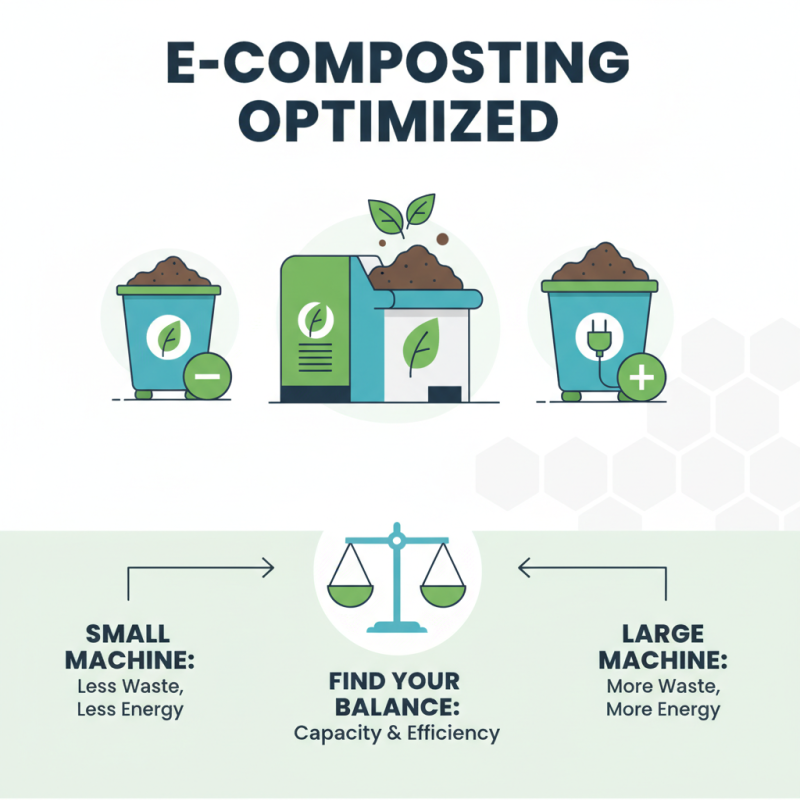
To maximize efficiency in electric composting processes, it's essential to focus on several key factors. First, the size of the compost machine should match your organic waste needs. A larger compost machine can handle more waste and process it faster, but it may also consume more energy. Finding the right balance between capacity and energy consumption will ensure that you're getting the most out of your investment while minimizing the environmental footprint.
Temperature control is another critical aspect of efficient composting. Maintaining the proper temperature within the compost chamber accelerates microbial activity, which is crucial for decomposition. Many electric compost machines come with built-in temperature sensors that help regulate the environment. Monitoring and adjusting moisture levels also play a significant role in the composting process; adding water when the mixture feels dry and ensuring proper aeration can help create optimal conditions for composting.
Lastly, incorporating a diverse mix of organic materials can lead to quicker composting. Combining high-nitrogen greens, such as kitchen scraps, with high-carbon browns, like dried leaves or shredded paper, fosters a balanced ecosystem for microorganisms. Regularly turning or mixing the compost can enhance oxygen flow and speed up the breakdown process. By implementing these strategies, users can significantly improve their electric composting experience and produce nutrient-rich compost more efficiently.

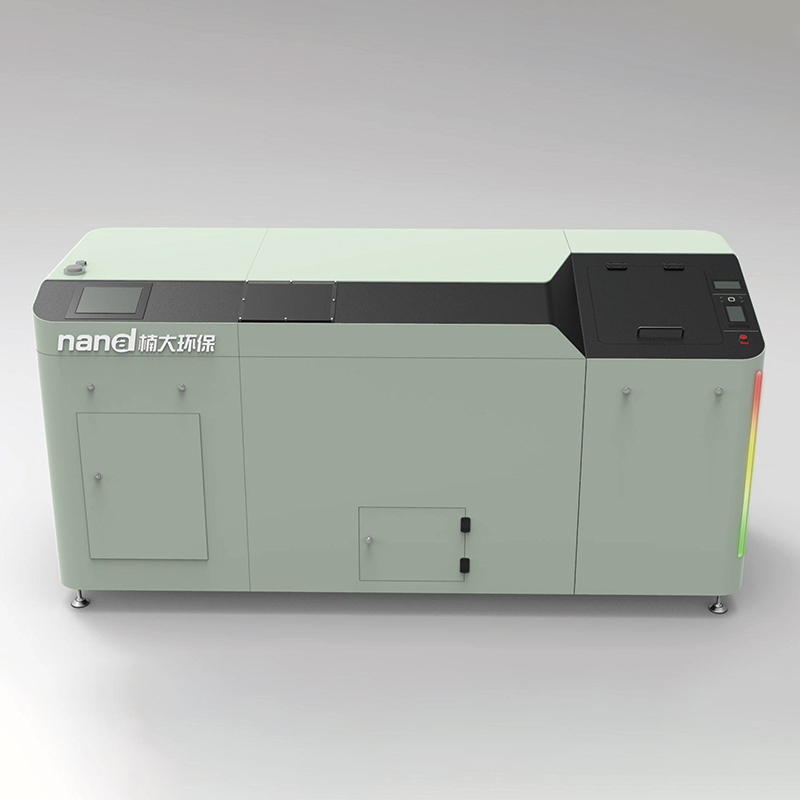 Nanda Trans Series-200
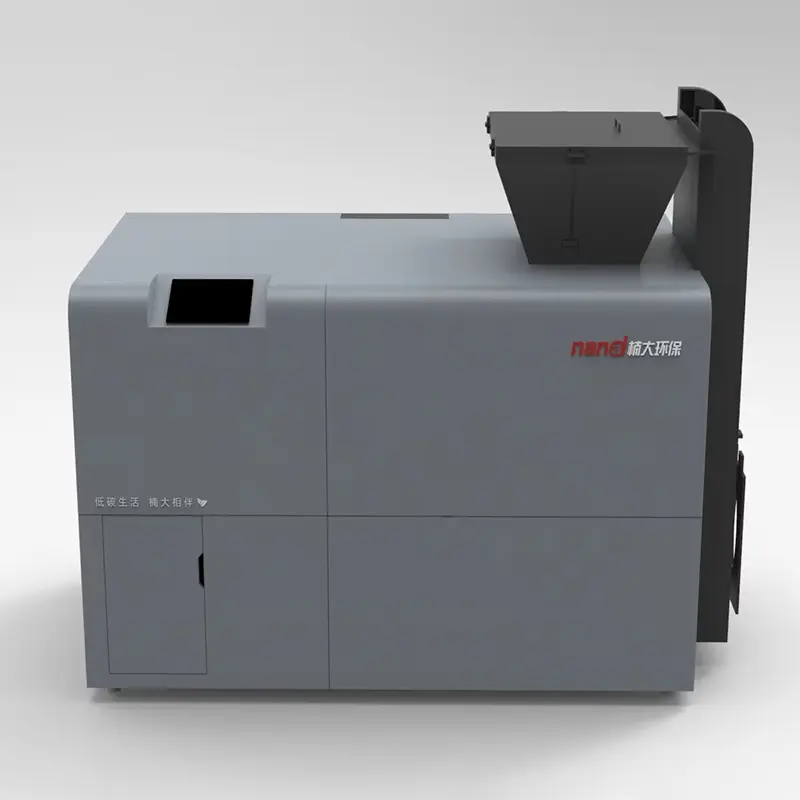 Nanda Trans Series-500
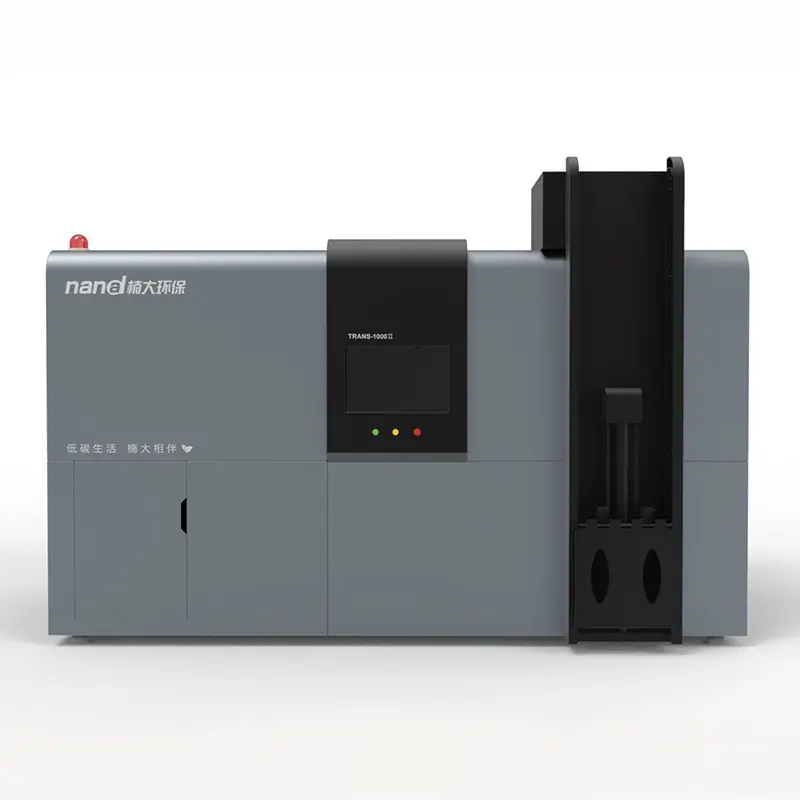 Nanda Trans Series-1000
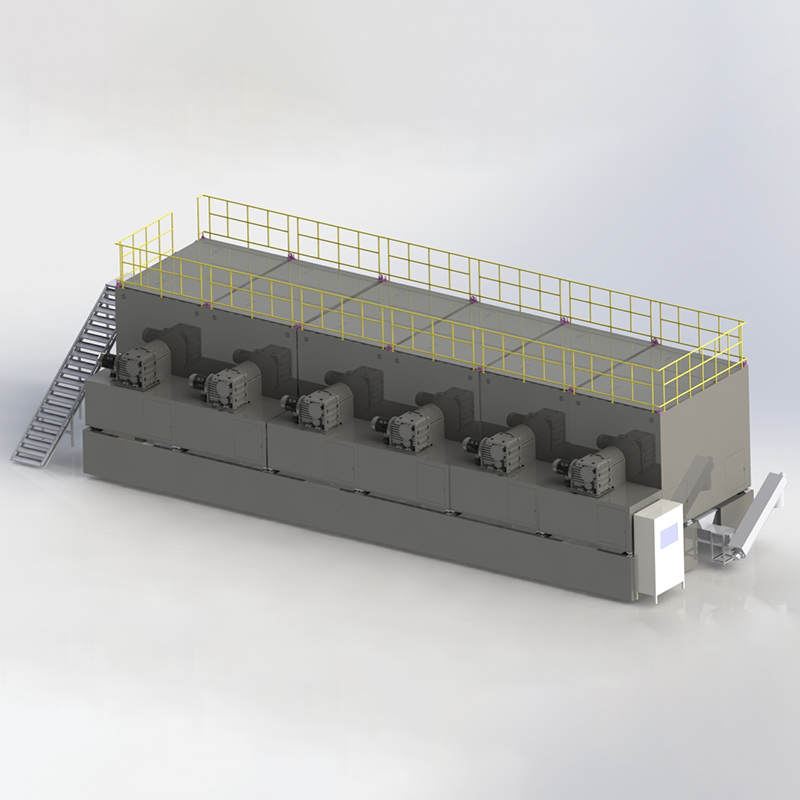 Nanda Trans Series-30000
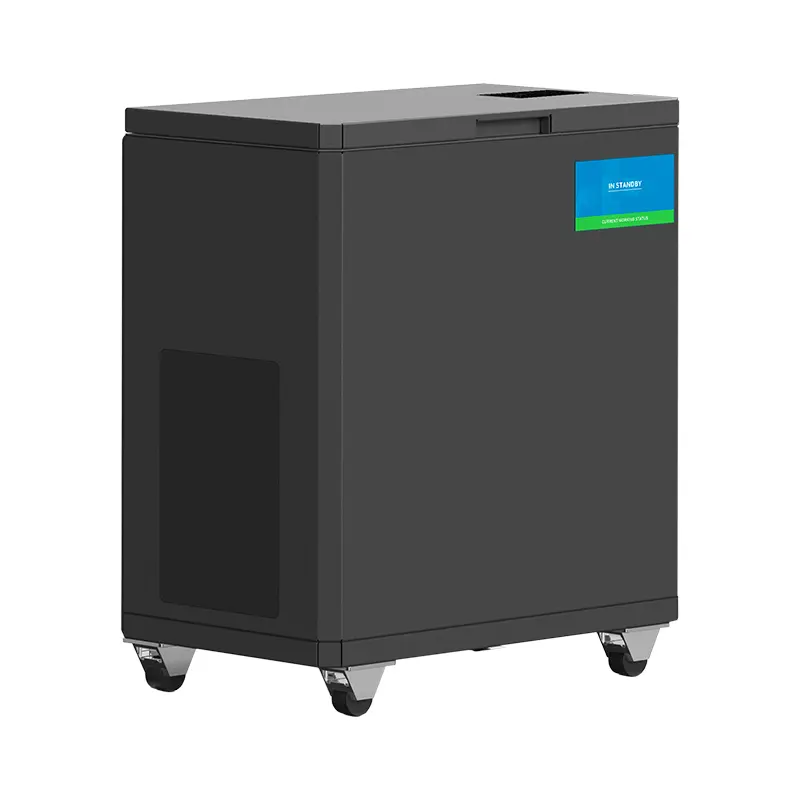 Nanda Thermax Series-100
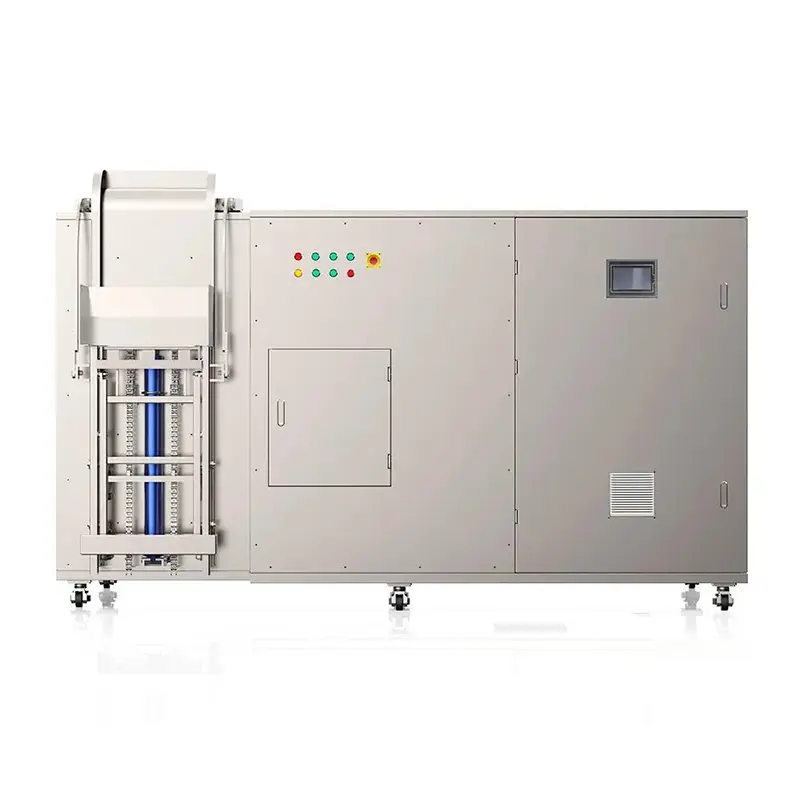 Nanda Thermax Series-200
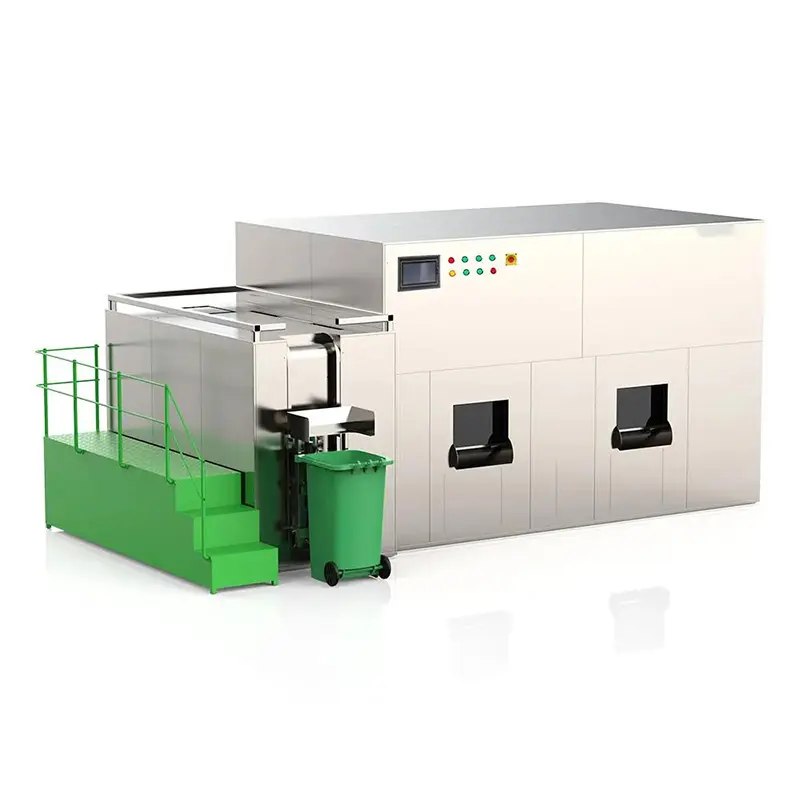 Nanda Thermax Series-2000
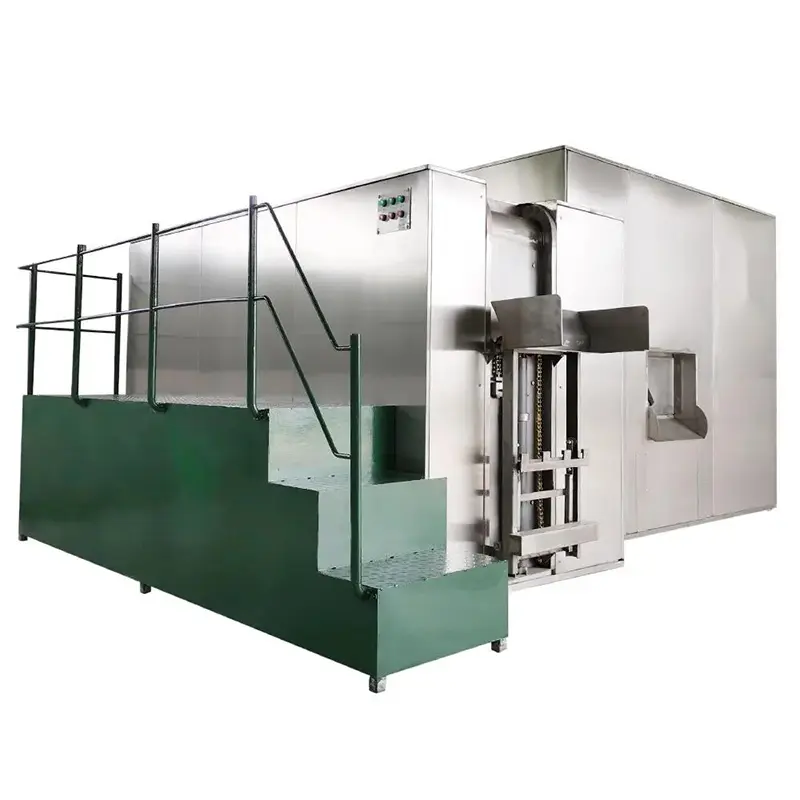 Nanda Thermax Series-10000
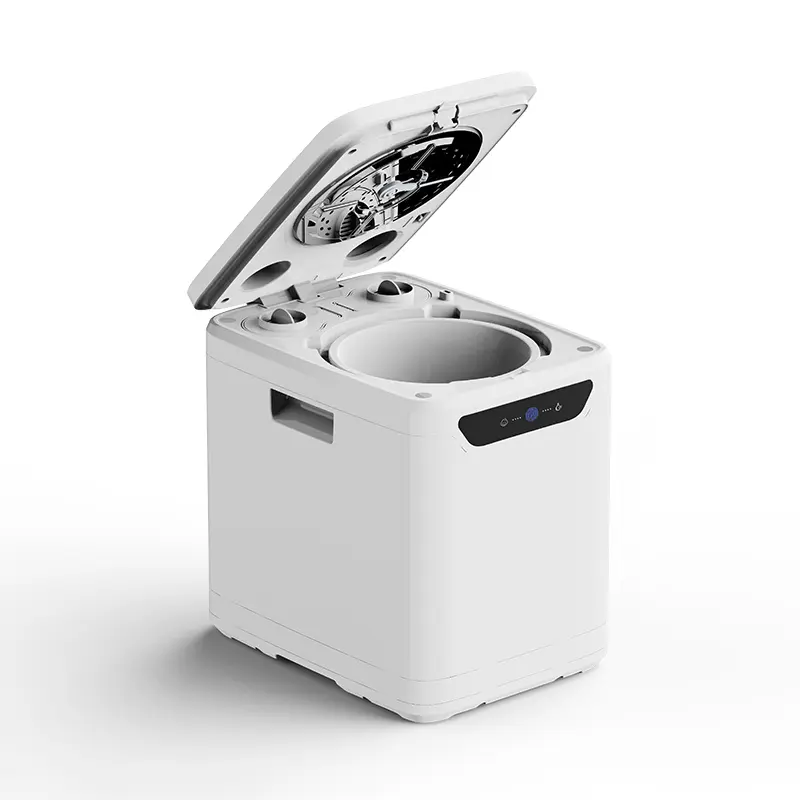 Nanda Turbo Series-3.5L-016
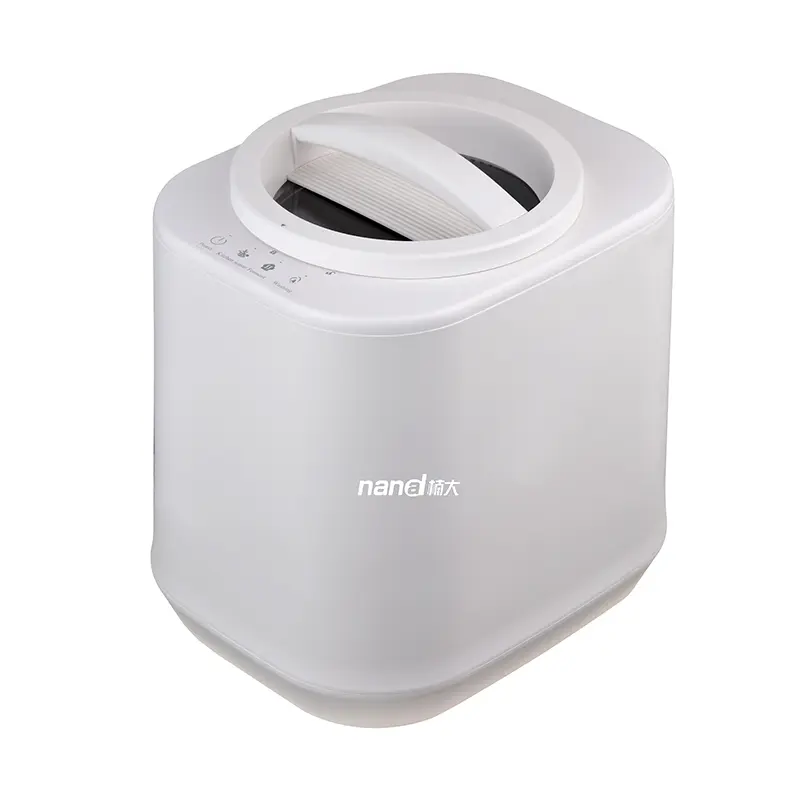 Nanda-Turbo Series-4L-011
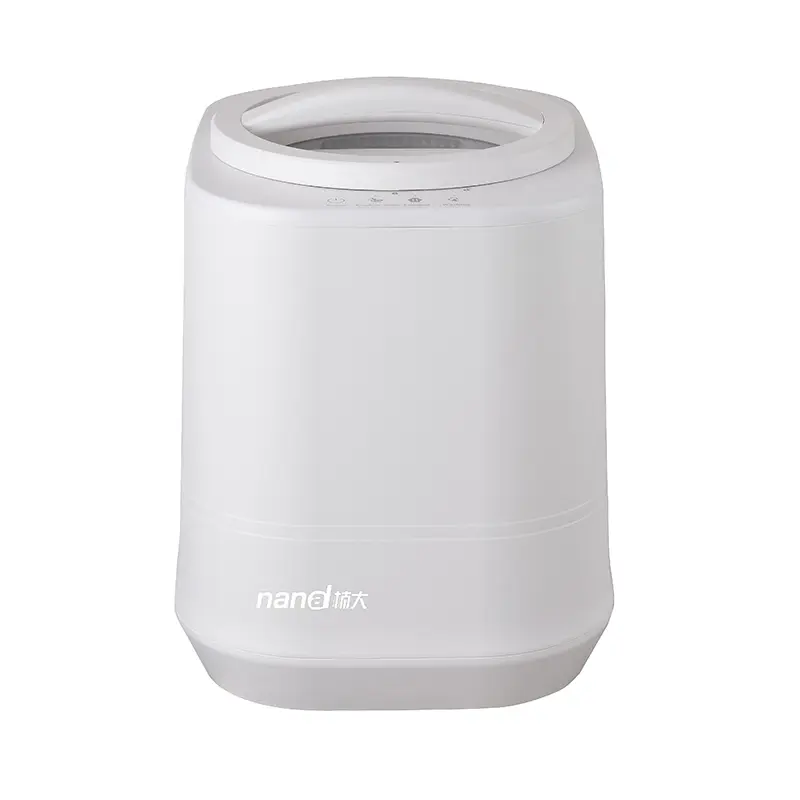 Nanda Turbo Series-4L-012
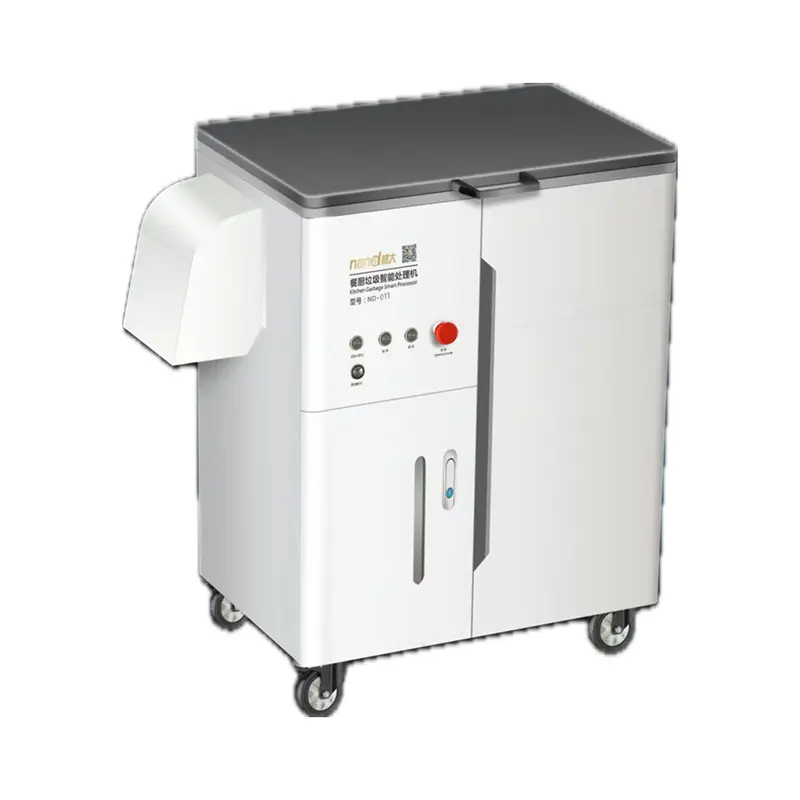 Oil-Water Separator